






Was this page helpful?

| Public website: | www.jungfrau.ch |
|---|
| Power Grid: |
230 V, 50 Hz Plug: Type C , Type J
Type C:
  Read about power adapters |
|---|---|
| Currency: |
Swiss Franc (CHF) £1 ≈ CHF 1.10 |
| Cashless info: |
Rating 5/5
Switzerland is very cashless-friendly, with credit and debit cards widely accepted. Mobile payments like Apple Pay and Google Pay are also increasingly common.
Save with a travel credit card |
| eSIM providers: |
Best value: Saily Flexibility: Airalo Read our in-depth comparison |
| Tipping: | Tipping is appreciated but not mandatory in Switzerland. Most service charges are included in bills. In restaurants, rounding up to the nearest 5 CHF or leaving 5-10% is common. Taxi drivers and hotel staff appreciate small tips for exceptional service. |
|---|---|
| Public drinking: | Public drinking is allowed and socially acceptable in Switzerland, but being disruptive is frowned upon. Alcohol can be consumed in parks, trains, and outdoor events. |
| Public smoking: | Smoking is banned indoors in public places but allowed in designated areas. Outdoor smoking is common. |
| Swiss National Day (August) |
Expect celebrations, parades, and fireworks throughout the country. |
|---|---|
| Christmas (December) |
Markets and festive events are common, with tourist areas being busier than usual. |
| Easter (March/April) |
Many attractions are closed, but some areas offer special events and celebrations. |
| Emergency contact: | Emergency Number: 112 (Police, Fire, Ambulance) |
|---|---|
| Taxi apps: | Uber, Bolt |
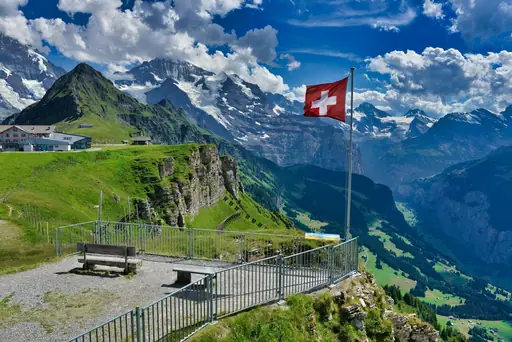
| Other: | Switzerland is famous for its natural beauty, well-organised transport, and multilingual culture. The Swiss Travel Pass is highly recommended for tourists. |
The best times to travel section shows how the months compare for a visit, so you can find the time of year that fits what you want to do.
Background colours of the months:
The colour shows the typical temperature: yellow (hot), green (mild) and blue (cold). How strong the colour is shows the travel season: full colour means high season, soft colour means shoulder season and soft-striped means off season.
Weather symbols:
Each month has one symbol showing what the weather is typically like, such as hot and sunny, freezing or a rainy or snowy season. Use them to quickly spot months that match the weather you want, or to avoid the ones that don't.
Crowdedness:
The people icon shows how busy the place usually is. The more people, the more crowded it gets.
Additional notes:
The grey info boxes point out special things worth knowing, like recurring weather issues or seasonal events.
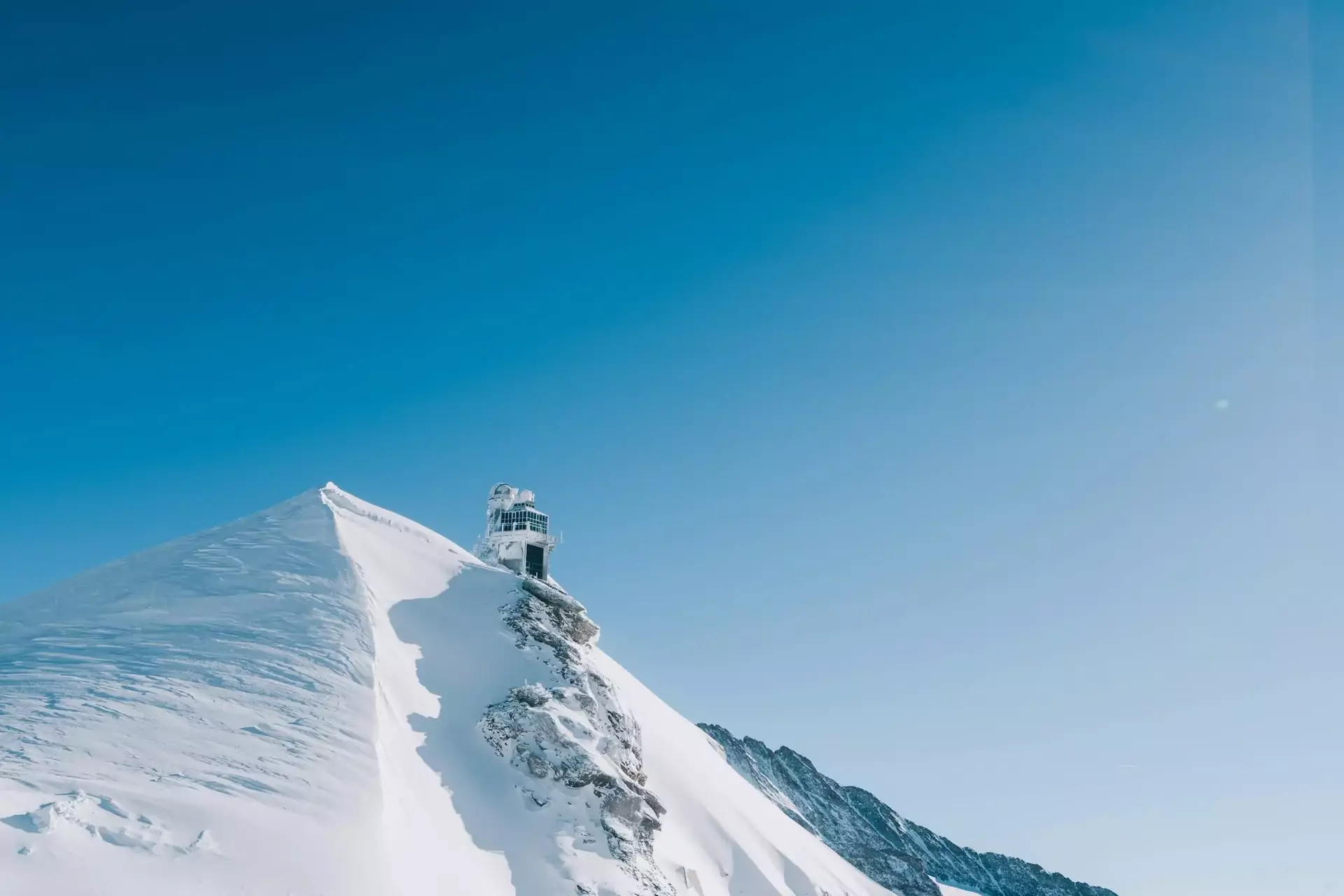
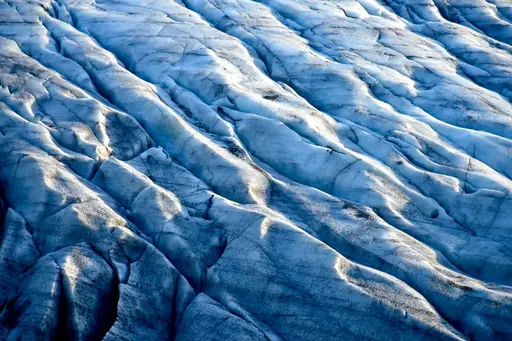
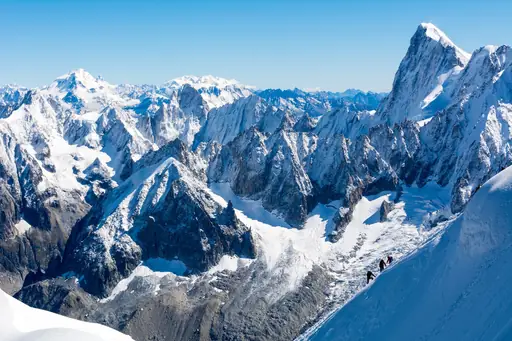
Jungfraujoch is famed for its extraordinary alpine setting, with the railway making the journey to 3,454 meters comfortably accessible to tourists. The Sphinx Observatory provides spectacular views of the surrounding peaks and the massive Aletsch Glacier, Europe’s longest glacier.
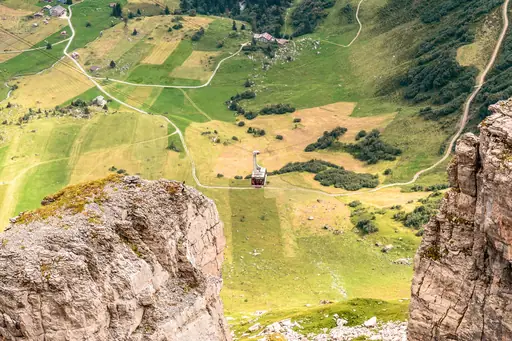
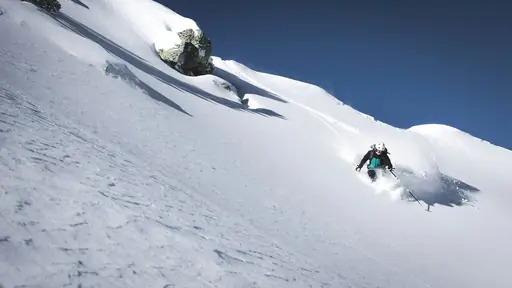
Inside the mountain, the Ice Palace offers a magical experience with intricate ice sculptures, while outdoor activities like the Snow Fun Park provide family-friendly fun with sledding and snow tubing. For those feeling adventurous, hiking trails lead to the nearby Mönchsjoch Hut, allowing intimate encounters with alpine nature.
Visitors should be cautious of the high altitude, which can cause shortness of breath or dizziness; it’s important to move slowly and stay hydrated. The weather can change rapidly – warm layered clothing and sunglasses to protect against snow glare are necessary even in summer. Tickets can be expensive and the site can get crowded during peak seasons, so booking in advance and visiting early is recommended.
The Jungfraujoch represents a unique blend of natural wonder and engineering marvel, making it a memorable highlight in the Swiss Alps for any traveler.
Jungfraujoch can be reached primarily via the Jungfrau Railway, which connects from either Grindelwald or Lauterbrunnen in the Bernese Oberland region. Visitors usually arrive at these base towns by train from cities such as Zurich or Interlaken. The journey includes changing trains at Kleine Scheidegg or the Eiger Glacier station before reaching the Jungfraujoch station, the highest in Europe.
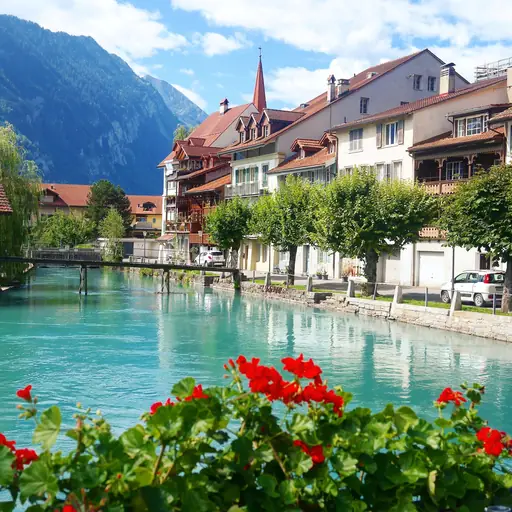
Accommodation is best found in the nearby towns of Grindelwald, Lauterbrunnen or Interlaken, ranging from cozy mountain lodges to upscale hotels, providing easy access to the Jungfraujoch railway.
Log in to add this place to a travel list and get a summary of all recommended items for your whole trip.
We calculate the average costs when travelling to destinations and compare those with the living costs at your home. With this you can get an estimate of how expensive or cheap the destination is for you.
To customise this, you can set up which location and price level are used for the calculations in your account settings.
The exchange rate price factor shows how expensive or cheap a currency currently is compared to its historical average. It's a quick way to see if a country is currently more or less affordable due to exchange rate changes.
