

Europe › Spain › Basque Country

Basque Country

Scroll
Where tradition meets avant-garde beauty

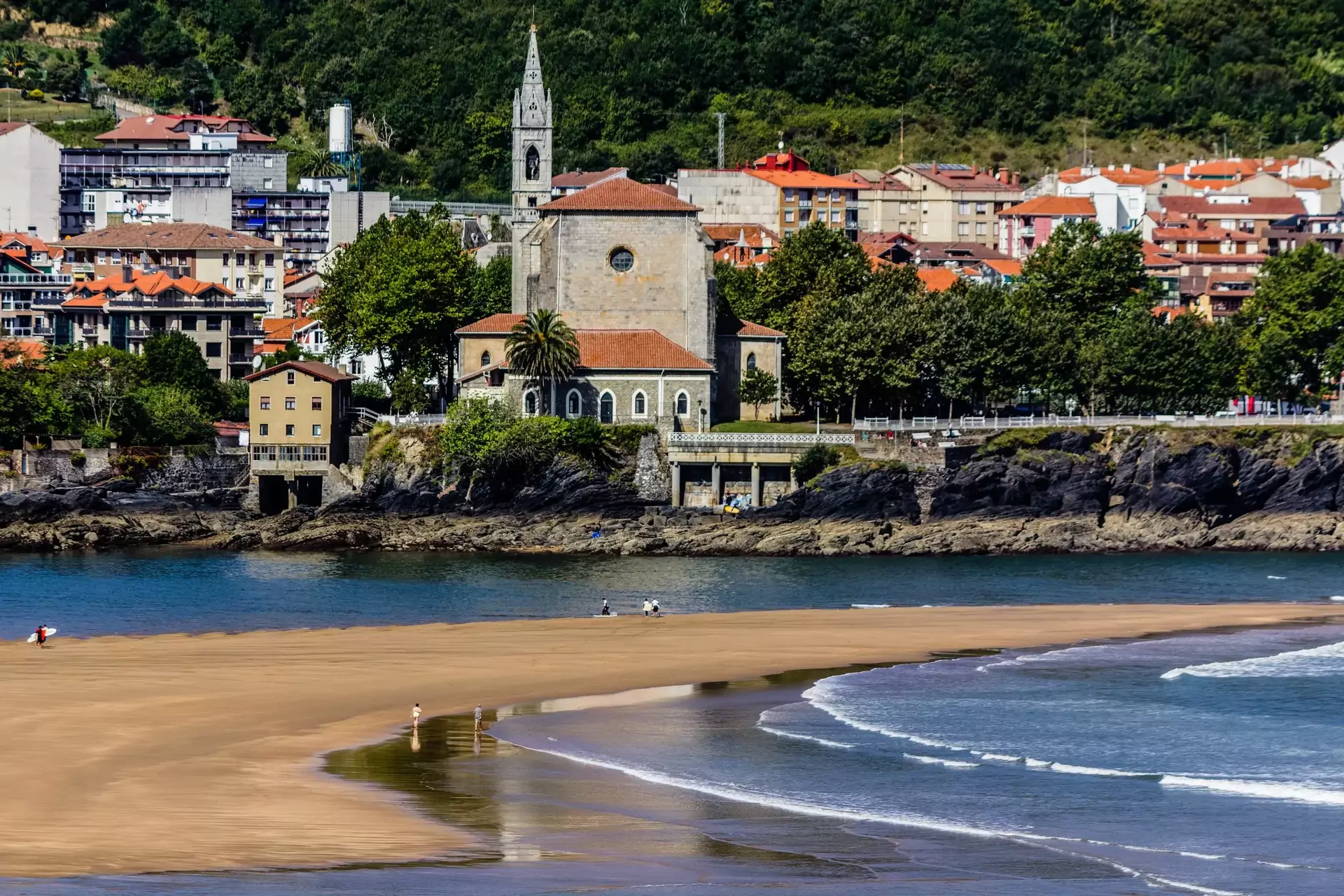
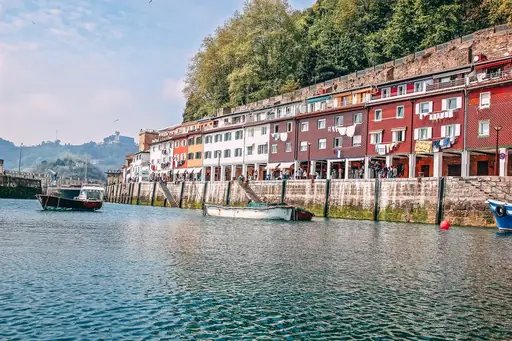
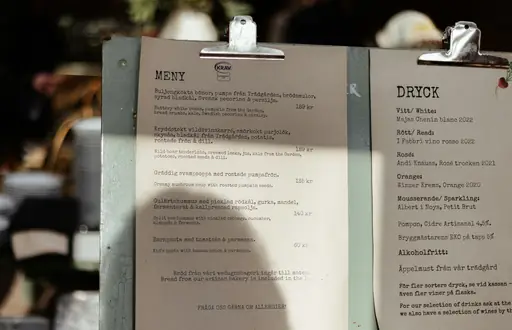
The Basque Country in Spain stands out as a place with its own language and traditions that go back centuries. Its coastal towns have fresh seafood markets while inland villages keep old crafts alive. Visitors can hike through green hills, explore historic cities like Bilbao and San Sebastián or learn how the local cuisine uses simple ingredients to create flavorful dishes such as pintxos and bacalao. The region’s mix of French and Spanish culture shows in daily life, making every experience feel different from other parts of Spain.

Region in Spain
Climate zone: Mild oceanic

Mild oceanic: Marine-influenced climates with cool summers, mild winters and frequent precipitation year-round, typical of western coasts at mid-latitudes.

See climate table
Price level: $$$
$Cheap
$$Medium
$$$Expensive, upscale
$$$+Very expensive, luxury
See price details
Safety: 8.9
General Safety:9
Health & medical:9
Accessibility:8
Tap water:9
Read details
Tourist English: 3/5
English proficiency varies across the region. In tourist areas, hotels, and restaurants in major cities, English is widely spoken. In rural areas and among older generations, Spanish or Basque may be the only options. Young people generally have basic to
Last update: 12 Oct 2026
* We earn a commission from some links on this page.
Basque Country Summary

These place ratings give you a quick overview of how well a destination matches different types of trips.

‘Best for’ scores:
The specific interest scores show where this place really shines – whether it's ideal for hiking, food & drink experiences, museums or other activities. These highlights help you understand what makes the destination special at a glance.

‘Your personal’ scores:
This reflects how well a place matches your personal preferences. You can adjust the importances of travel topics or other personal requirements categories in your account settings.

‘Suited for’ badges:
These give you a quick overview of how well a destination suits specific types of travellers, to help you find the places that match your lifestyle, preferences or travel situation.

Read how our scores work
Excellent for food and coastal landscapes. Enjoy pintxos bars, surf Atlantic beaches, explore vibrant cities and hike green mountains.
Place score
8.7
Best at:
Local cuisine
10
Architecture
9
Art
9
Sea
8
Spotless
8
Personal score
?
Log in to see how this place matches your personal travel interests.
Suited for
👶 5
Families
🧓 9
Seniors
🛡️ 9
Travel Beginners
❤️ 9
Couples
Spain – Quick facts
Power Grid: 230 V, 50 Hz
Plug: Type C , Type F
Type C:
Diagram of a Type C power plug
Type F:
Diagram of a Type F power plug

Read about power adapters
Currency: Euro (EUR)
£1 ≈ €1.19
Cashless info: Rating 5/5
Cashless payment is widely accepted in Spain, particularly in urban areas and tourist destinations. Credit and debit cards are commonly used, and mobile payment options are available in many establishments.

Save with a travel credit card
eSIM providers: Best value: Saily
Flexibility: Airalo
Read our in-depth comparison
Tipping: Tipping is not mandatory in Spain but appreciated for good service. In restaurants, rounding up the bill or leaving 5-10% is customary. Taxi drivers and hotel staff may also be tipped, though it is less common.
Public drinking: Public drinking is restricted in some regions, particularly in tourist-heavy cities. Local laws may vary.
Public smoking: Smoking is banned indoors in public places but allowed in designated outdoor areas.
La Tomatina
(August)
A famous tomato-throwing festival, expect large crowds in Buñol.
Semana Santa
(March/April)
Religious parades and events make this a busy time in major cities.
Christmas
(December)
Markets and festive celebrations, with tourist areas becoming busier.
Emergency contact: Emergency Number: 112 (Police, Fire, Ambulance)
Taxi apps: Cabify, Bolt, Uber
Other: Spain is known for its diverse culture, stunning architecture, and vibrant festivals. Public transport is reliable and efficient, making it easy to explore.
Best times to travel

The best times to travel section shows how the months compare for a visit, so you can find the time of year that fits what you want to do.

Background colours of the months:
The colour shows the typical temperature: yellow (hot), green (mild) and blue (cold). How strong the colour is shows the travel season: full colour means high season, soft colour means shoulder season and soft-striped means off season.

Weather symbols:
Each month has one symbol showing what the weather is typically like, such as hot and sunny, freezing or a rainy or snowy season. Use them to quickly spot months that match the weather you want, or to avoid the ones that don't.

Crowdedness:
The people icon shows how busy the place usually is. The more people, the more crowded it gets.

Additional notes:
The grey info boxes point out special things worth knowing, like recurring weather issues or seasonal events.

for Basque Country, Spain
🌥️
Jan
🌥️
Feb
🌤️
Mar
🌤️
Apr
🌤️
May
🌤️
Jun
🌤️
Jul
🌤️
Aug
🌤️
Sep
🌤️
Oct
🌥️
Nov
🌤️
Dec
High season: July - Sep.
Shoulder season: April - June, Oct.
Crowdedness: 7 (Many tourists)
Tap on a month for more info Hover over a month for more info
Climate is Atlantic, with rain possible in every month: beaches best July to September, city and food trips best April to June and September to October
Some beach clubs, seaside restaurants and surf schools close from October to May
San Sebastián Film Festival in late September fills hotels in the city and sends prices up

Why travel to Basque Country?

The Basque Country offers a rare combination of experiences that satisfy both cultural explorers and outdoor enthusiasts. Cities like Bilbao showcase remarkable architectural transformations, where industrial pasts have given way to stunning modern designs, while San Sebastián entices with its beautiful beaches and renowned pintxos bars where you can sample some of the world's most innovative cuisine. The region's fierce pride in its unique identity is evident everywhere, from the mysterious Euskera language to traditional sports like pelota and boat regattas. Beyond the cities, you'll discover picturesque fishing villages like Hondarribia with colorful houses and excellent seafood, world-class surfing beaches in Zarautz, mystical caves in Zugarramurdi that speak to ancient traditions and hiking trails through the breathtaking Pyrenees. Wine lovers can explore the vineyards of Álava in the Basque Rioja region. What makes the Basque Country special is this perfect balance of cultural depth, natural beauty and culinary excellence, all packed into a relatively compact area that allows you to experience mountains, beaches and sophisticated cities all in a single trip.

🏙️Cities & Regions
  • 1 San Sebastián
    One of Spain's premier culinary capitals, San Sebastian boasts the world-renowned Guggenheim and La Concha Beach. Despite tourist surges at its famous pintxos bars, visitors should explore the quieter Old Town for authentic local flavors away from the crowds.
  • 2 Bilbao
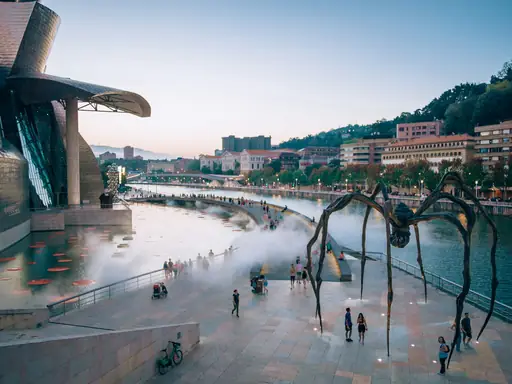
    Modern architecture meets traditional Basque culture in this northern Spanish city. Home to the Guggenheim Museum and a vibrant culinary scene, it offers lively markets for historic streets and waterfront views along the Nervión River.
  • 3 Vitoria-Gasteiz
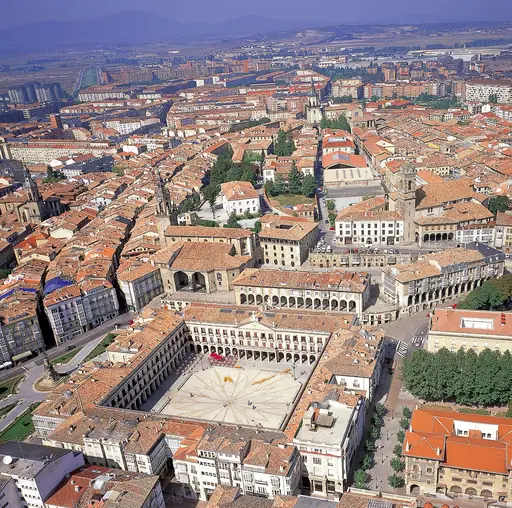
    Capital of the Basque Autonomous Community, Vitoria‑Gasteiz balances medieval charm and modern sustainability. The city offers a dense historic quarter, extensive green spaces and a vibrant culinary scene centered on pintxos and local produce today.
🏯Places worth seeing
  • 1 The Guggenheim Bilbao
    The museum showcases contemporary art in a titanium‑clad building designed by Frank Gehry. Its curved façade and innovative interior space attract visitors worldwide, making it a landmark of modern architecture.
  • 2 Getaria
  • 3 Kontxa hondartza - Playa de la Concha
  • 4 Gaztelugatxeko natura monumentua/Monumento natural de Gaztelugatxe
  • 5 Old Town Coffee
🎡Places for activities
  • 1 Orio
  • 2 Zumaia
  • 3 Ría de Pasaia / Pasaiako itsasadarra
  • 4 Beach
🏞️Natural landmarks
  • 1 Flysch
🛍️Shopping
  • 1 Txakoli Pintxo
🎈Events
  • San Sebastián International Film Festival (September)
  • Semana Grande/Aste Nagusia (August)
  • Running of the Bulls in Pamplona (July)
  • Regata de la Concha (September)
  • Vitoria-Gasteiz Jazz Festival (July)
  • Bilbao BBK Live Music Festival (July)
  • Santo Tomás Fair (December)
  • Basque Pelota Championships (year-round)
  • Hondarribia Fishing Boat Festival (September)
  • Wine Harvest Festival in Rioja Alavesa (September)

Knowledge before you go

  • Try pintxos with txakoli wine. Basque tapas culture thrives in San Sebastián bars.
  • Rent a car to explore coastal drives from Bilbao to fishing villages like Getaria and Hondarribia.
  • Visit Guggenheim Bilbao early morning; book tickets ahead to skip lines and enjoy modern art exhibits.
  • Learn basic Basque phrases like 'Kaixo' (hello); locals appreciate efforts amid strong regional identity and language.

How to travel to Basque Country

The main gateway to the Basque Country is Bilbao Airport, which offers connections to major European cities. San Sebastián also has a smaller airport with limited flights. Alternatively, you can fly into Biarritz in the French Basque Country or Santander in Cantabria, both within easy reach. High-speed trains connect the region to Madrid and Barcelona, while international buses serve major European cities. If driving from France, the region is easily accessible via the A63/AP-8 highway crossing the border near Irun.

Access summary

  • From Bilbao Airport (BIO): Bus or car to Bilbao, around 20–30 minutes.
  • From Madrid: Direct trains or flights to Bilbao/Vitoria, about 4–5 hours.
  • From Paris: High-speed train or bus toward San Sebastián/Hendaye, roughly 5–6 hours.

Where to stay in Basque Country

The Basque Country offers diverse accommodation options ranging from luxury hotels in San Sebastián and Bilbao to charming rural guesthouses (agroturismos) in the countryside. Coastal towns like Zarautz and Getaria have mid-range hotels with sea views, while inland villages offer authentic experiences in converted farmhouses. Prices tend to be higher than in other parts of Spain, especially during summer and festival periods. Booking well in advance is essential for visits between June and September, when occupancy rates are at their peak.

How to get around Basque Country

The Basque Country has excellent public transportation, with a comprehensive network of trains and buses connecting major cities and smaller towns. For exploring the region thoroughly, especially natural areas and rural spots, renting a car is highly recommended and offers the most flexibility. The roads are well-maintained, though mountain routes can be winding. Within cities like Bilbao and San Sebastián, public transit is efficient and many attractions are within walking distance in the compact historic centers.
Budget snapshot
Costs compared to home

We calculate the average costs when travelling to destinations and compare those with the living costs at your home. With this you can get an estimate of how expensive or cheap the destination is for you.

To customise this, you can set up which location and price level are used for the calculations in your account settings.

-31 %
Daily expenses in the region are around 31% lower than the average across United States. That means you'll spend considerably less on meals and getting around.
Exchange rate trend

The exchange rate price factor shows how expensive or cheap a currency currently is compared to its historical average. It's a quick way to see if a country is currently more or less affordable due to exchange rate changes.

-3 %
Your exchange rate (GBP to EUR) is 3% better than in recent years. That means travelling now costs around the same compared to the past.

Travel costs

To help you plan your trip, we provide estimated daily costs per person (when travelling as a pair) for different travel styles. These numbers give you an idea of what you might spend each day at this destination, including accommodation, food, transport and activities.

Additionally, we also provide average hotel costs for different travel styles to give you an estimate for the accommodation only.

Please note that these are only estimates. The real costs depend on booking times, season and other factors.

Daily cost summary

Travel style categories explained:

Backpacker:
Staying in hostels or budget hotels, cooking your own meals or eating cheap and choosing low-cost activities.

Mid-range:
Staying in mid-range hotels, eating at a mix of restaurants and casual spots and enjoying a variety of activities.

Luxury:
Staying in luxury hotels, dining out at high-end restaurants and enjoying premium experiences without worrying about the price.

Backpacker Mid-range Luxury
💵 Total costs per day, including accommodation
£61
£119
£291
🏨 Accommodation per night, per person
£30
£60
£135
🍝 Food per day
£25
£51
£131
🚕 Transportation per day
£6
£8
£25
Food & Drink
🍽️ Restaurant Dinner, per person
£19
🍛 Lunch Set, per person
£14
🍟 Fast food combo
£9.50
🍝 Preparing your own food, per day
£8
☕ Cappuccino
£1.70
🍺 Beer in a restaurant, 0.5 l
£2.50
Transportation
🚌 Public transport ticket
£1.25
🚕 Taxi Ride, 10 km / 6 mi
£15
⛽ Petrol, 1 l
£1.40
Other
🎞️ Cinema ticket
£7
👩‍⚕️ Doctor's consult
£65
🤧 Cold medication
£6
💇 Basic haircut
£11.50

Safety information overview

General safety
9
The Basque Country is one of the safest regions in Spain with low crime rates. Exercise normal precautions regarding pickpocketing in crowded tourist areas and festivals. Political tensions have eased significantly in recent years and the separatist violence that once affected the region is now history.
Health & Medical
9
Healthcare standards are excellent throughout the Basque Country, with modern facilities and well-trained medical professionals. Public hospitals provide good emergency care. European visitors should carry their EHIC/GHIC card, while others should ensure comprehensive travel insurance. Pharmacies are widely available in all towns.
Accessi­bility
8
Major cities like Bilbao and San Sebastián have made significant improvements in accessibility, with adapted public transport and facilities. However, many historic towns have cobblestone streets and hills that can be challenging. Some rural areas and natural attractions may have limited accessibility for those with mobility issues.
Tap water
9
Tap water is safe to drink throughout the Basque Country and meets high European standards. Many cities have public drinking fountains where you can refill bottles. In restaurants, bottled water is typically served unless you specifically request tap water (agua del grifo).

Popular districts of Basque Country

Looking for inspiration?

Discover
Best art destinations in Europe
Europe holds the world's greatest concentration of significant art collections, accumulated over centuries of patronage, acquisition and in many cases imperial appropriation, with…
Read more
Discover
Best travel destinations for food allergies in Europe
Europe is one of the more manageable continents for allergy conscious travelers, thanks to strict food labeling rules that apply across the entire European Union. Restaurants…
Read more
Discover
Best family friendly destinations in Europe
Europe might be the easiest continent for family travel, with strong infrastructure, dependable healthcare and safe food and water almost everywhere you go. There is enough variety…
Read more
Discover
Best cycling destinations in Europe
Europe is one of the world's great cycling continents, with a infrastructure and culture around the activity that few regions can match. From Alpine climbs that have defined…
Read more
Discover
Best travel destinations for food allergies
Travelling with a food allergy adds a layer of planning most people never have to think about and the right destination can make that planning a lot easier. Some travellers…
Read more
Discover
Top art destinations and cultural hubs
For many travellers, standing in front of a painting they have only ever seen in books is one of the best moments of a trip and it often feels very different from what they…
Read more
Discover
Best wine destinations in Europe
Europe contains the world's most established wine producing regions, with centuries of accumulated knowledge about which varieties, soils and microclimates produce the most…
Read more
Discover
Best fine dining destinations in Europe
Europe still anchors the world's idea of fine dining, from classical haute cuisine traditions to a reinvention of Nordic cooking that has reshaped the culinary world over the past…
Read more
Discover
Top architecture destinations and iconic landmarks
Architecture travel spans everything from ancient ceremonial complexes and medieval urban cores to the grands projets of the twentieth century and contemporary buildings that draw…
Read more
Discover
Top digital nomad destinations and remote work hubs in Europe
Europe offers remote workers a level of infrastructure that is hard to beat, along with enough cultural variety to keep even a long stay interesting. City based nomads can hop…
Read more
Discover
Top traditional destinations and cultural heritage sites
Traditional destinations are those where cultural practices, craftsmanship, ceremony and ways of life that predate industrialisation and mass tourism remain visible and active…
Read more
Discover
Best architecture destinations in Europe
Europe's architectural range spans Gothic cathedrals, Renaissance palaces and twentieth-century modernist landmarks within a single train journey, making it the continent most…
Read more
Discover
Best solo travel destinations in Europe
Europe is where most people start, and for good reason. The trains connect cities across borders, the hostels have been running for decades, and the distances between completely…
Read more
Discover
Top solo travel destinations and safe hubs
Travelling alone sounds like a bigger deal than it is. The first day feels strange – eating dinner by yourself, navigating without someone to double-check the map with, making…
Read more
Discover
Top digital nomad destinations and remote work hubs in 2026
Working from anywhere in the world sounds simple until you actually try it and the best digital nomad destinations look different depending on what kind of remote worker you are.…
Read more
Was this page helpful?
Feedback

