
Best architecture destinations in Europe
Best architecture destinations in Europe
Historic European landmarks and classical architecture styles
Europe's architectural range spans Gothic cathedrals, Renaissance palaces and twentieth-century modernist landmarks within a single train journey, making it the continent most associated with the idea of an architecture-focused trip in the first place.
The destinations on this list range from medieval cities with cathedrals built over centuries to modernist capitals shaped by a single influential architectural movement. Some cities offer both within walking distance of each other.
Booking guided architecture tours rather than general city tours tends to reveal considerably more detail than a standard sightseeing itinerary across most of these destinations. Local architecture-focused walking tours often go into far more depth on specific buildings and movements. Visiting on weekdays rather than weekends also tends to mean a quieter, more contemplative experience at the busiest sites.
Lists by region
City in Italy
Florence
The cradle of the Renaissance
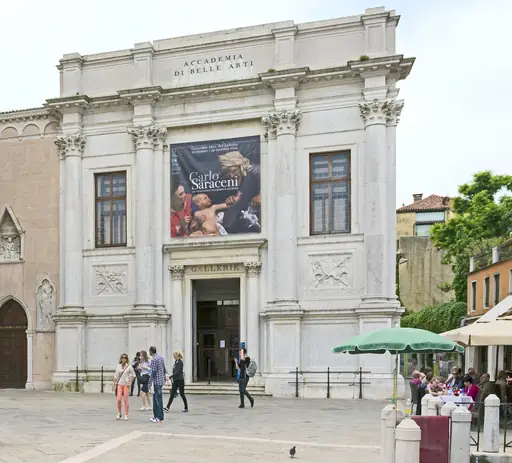
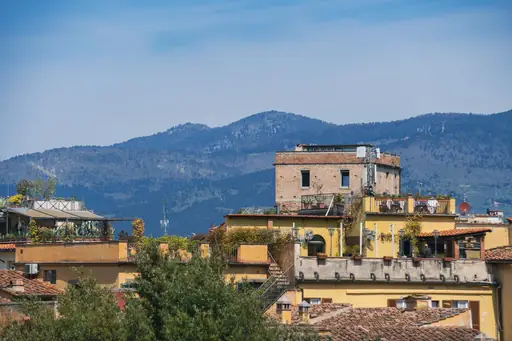
The Ponte Vecchio in Florence was rebuilt in stone in 1345 and has shops built along both sides. Goldsmiths and jewellers still sell their work there. A covered corridor above the shops links two palaces on opposite banks. It escaped destruction in 1944 when other bridges were blown up.
City in Greece
Athens
Where ancient ruins meet urban energy
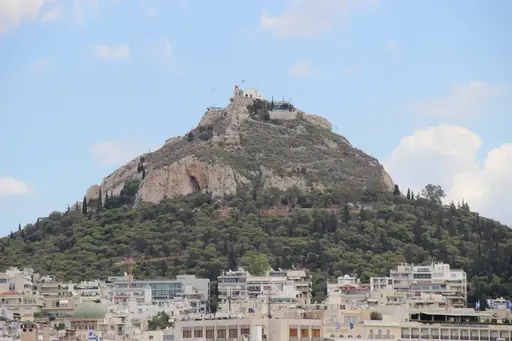
The Panathenaic Stadium in Athens is built entirely of white marble. It was rebuilt for the 1896 Olympic Games that revived the modern Olympics. The horseshoe shape seats about 50,000 spectators. The Athens Marathon ends inside the stadium each November after a long course from the town of Marathon.
Country
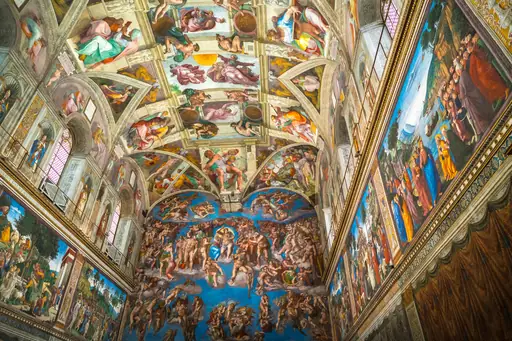
Vatican City
World's smallest sovereign art treasury
Saint Peter's Square in Vatican City is framed by a curved colonnade designed by Bernini. Four rows of 284 columns hold up the arms that reach towards visitors. An Egyptian obelisk stands at the centre between two fountains. The shape symbolises an embrace of the faithful.
City in Spain
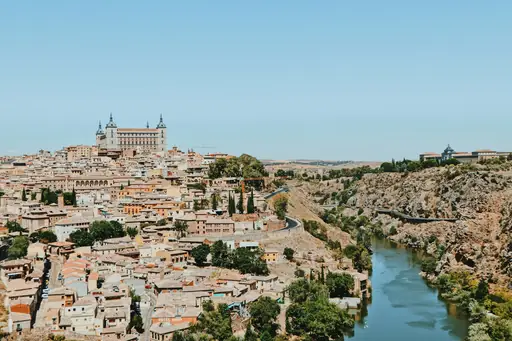
Toledo
A Timeless Blend of Cultures
Toledo Cathedral was built between 1226 and 1493 in Gothic style. Its tall nave has stained glass windows and carved wooden choir stalls. The bell tower rises about 90 metres over the old city. A huge gilded altarpiece fills the main chapel and reaches the vault.
City in Belgium
Brussels
Europe's cozy capital of culture
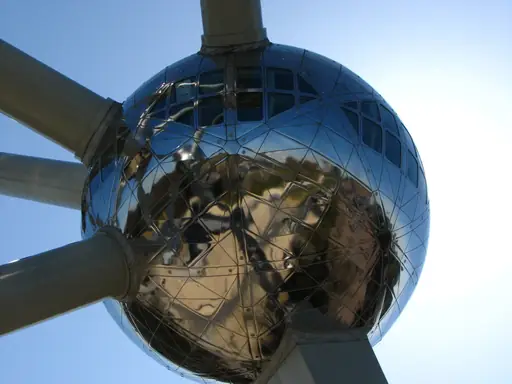
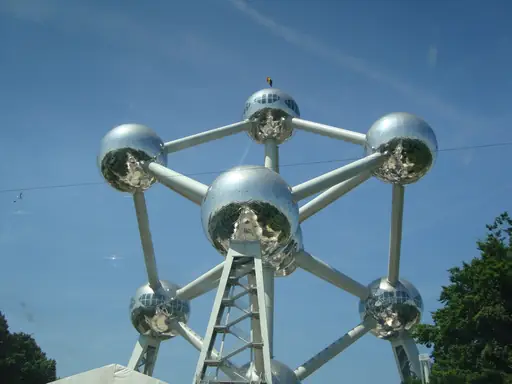
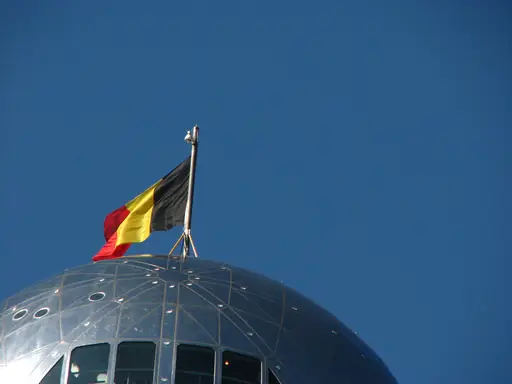
The Grand Place in Brussels is a cobbled square framed by guildhalls with gilded facades. Most of the buildings were rebuilt after French bombardment in 1695. The Gothic town hall has a tower about 96 metres high. Flower carpets cover the square every two years in August.
City in Spain
Granada
Where Moorish Palaces Meet Flamenco Beats
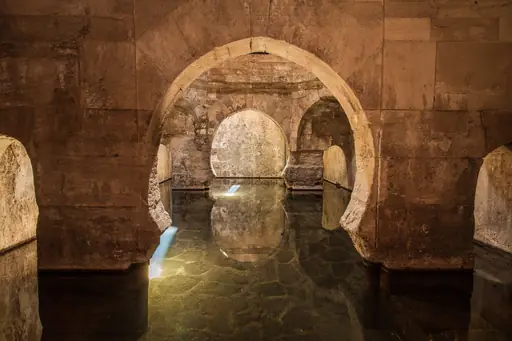
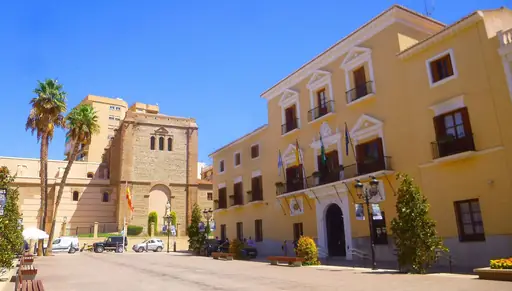
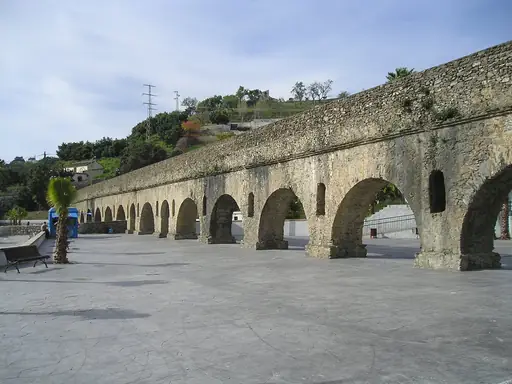
The Court of the Lions in the Alhambra has 124 slender marble columns around a central fountain. Twelve stone lions hold the fountain basin. Walls are covered in lacework carved from stucco. The palace was built by the Nasrid rulers in the 14th century in Granada.
City in Hungary
Budapest
A stunning mix of history and nightlife
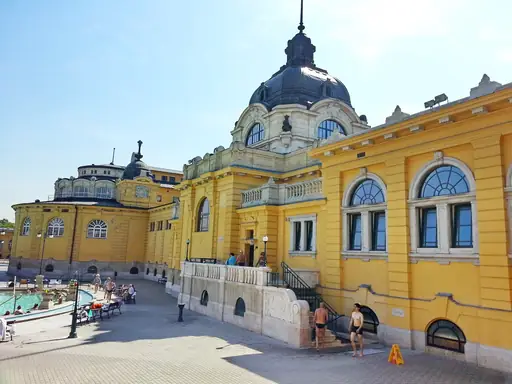
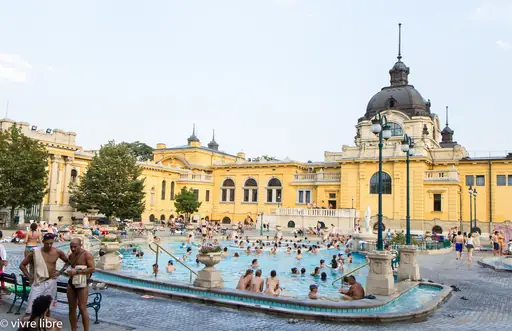
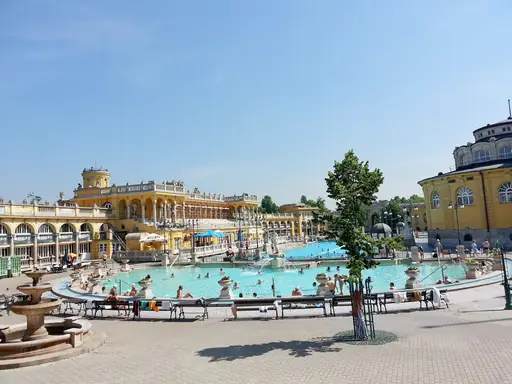
The Hungarian Parliament Building in Budapest was finished in 1904 and stands beside the Danube. It has a Neo Gothic design with a central dome about 96 metres high. The interior has 691 rooms with carved stone and gold decoration. It glows at night and reflects in the river.
City in Austria
Vienna
A Symphony of Culture and Elegance
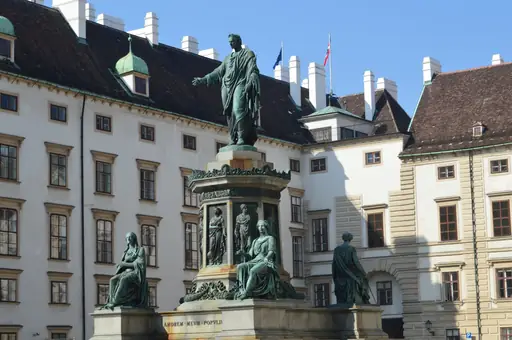
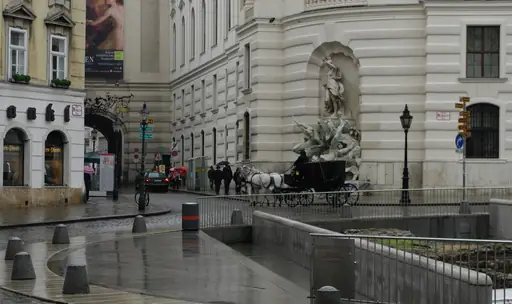
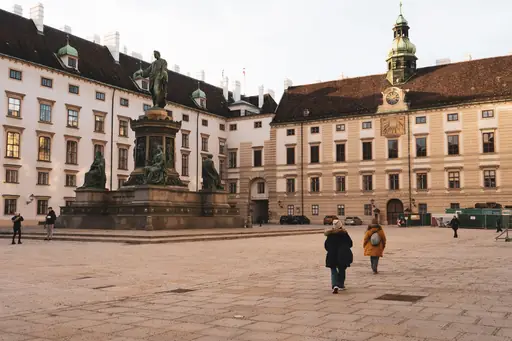
The Ringstrasse in Vienna is a wide boulevard built in the 1860s where the old city walls once stood. Grand buildings in many historical styles line the route. They include the State Opera and Parliament. Trams travel around the ring past parks and museums all day.
City in Belgium
Bruges
Medieval Charm and Chocolate Bliss
The Church of Our Lady in Bruges has a brick tower that rises about 115 metres. It is one of the tallest brick towers in the world. Inside stands a marble statue of the Madonna and Child by Michelangelo. Its tall spire is visible from streets and canals across the medieval city.
City in Italy
Rome
The Eternal City of history and charm
The Pantheon in Rome has a dome about 43 metres wide made of unreinforced concrete. A round opening called the oculus lets in a beam of sunlight. The building dates from about 126 AD and was once a Roman temple. Raphael is buried inside and the marble floor still drains rainwater.
City in Italy
Milan
Fashion, Art and Historic Splendor
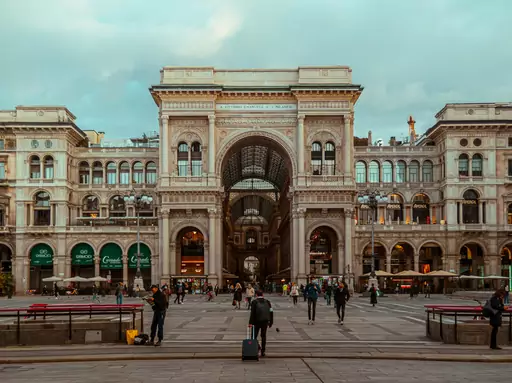
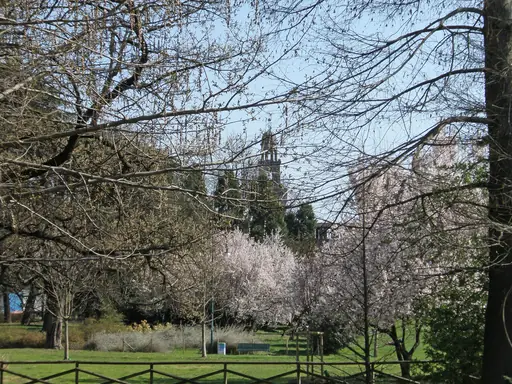
The Duomo of Milan took almost six centuries to complete and is made of white marble. It has 135 spires and more than 3,000 statues. Visitors can walk across the roof between the spires. On clear days the view stretches all the way to the Alps.
City in Spain
Córdoba
A timeless blend of cultures
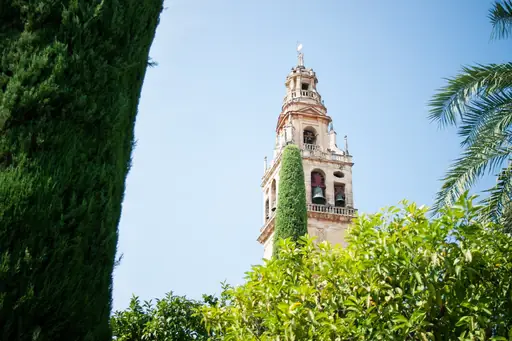
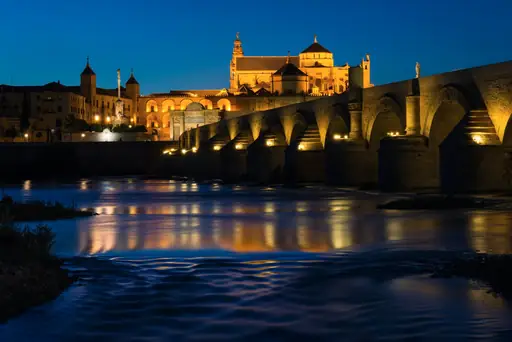
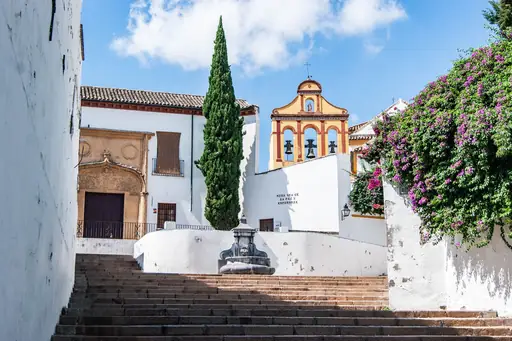
The Mezquita of Cordoba has a forest of about 850 columns topped with red and white striped arches. Building began in 785 as a mosque. A Renaissance cathedral was later built in its centre. Light from small windows creates a shimmering effect across the striped arches.
City in Italy
Agrigento
Sicily's Ancient Jewel of Ruins
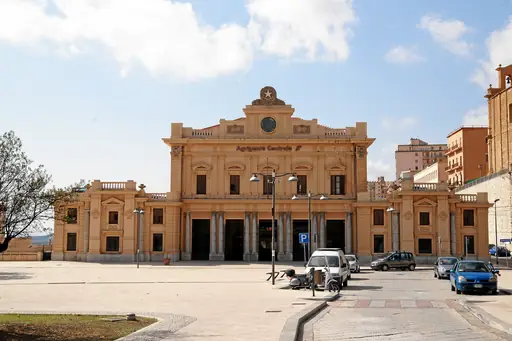
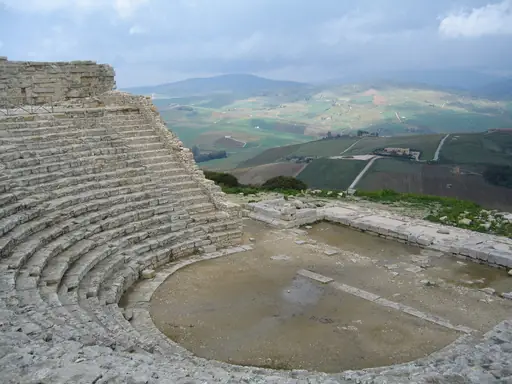
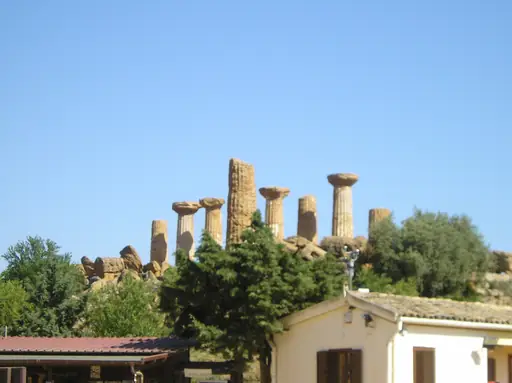
The Valley of the Temples at Agrigento holds Greek temples from the 5th century BC. They stand on a ridge above the sea. The Temple of Concordia is a well preserved Doric building with golden limestone columns. Almond trees bloom around the ruins in February.
City in United Kingdom
London
A Tapestry of History and Modernity
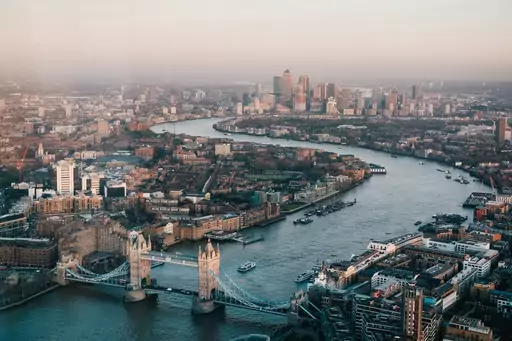
Tower Bridge in London opened in 1894 and mixes Victorian Gothic towers with steel suspension. The central section lifts up to let tall ships pass. A glass floor in the high walkway gives a view of the Thames below. Visitors can also see the old engine rooms.
Region in France
Alsace
Coastal vineyards and timbered village charm
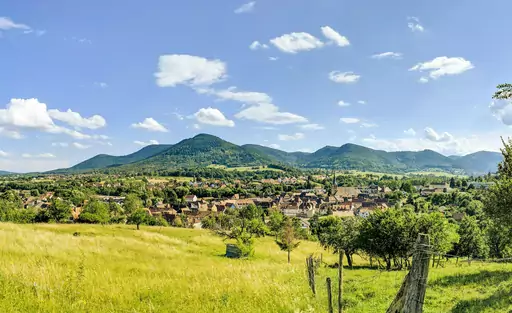
Haut Koenigsbourg Castle in Alsace stands on a rocky peak high above the Rhine plain. It was rebuilt in medieval style between 1900 and 1908 for Kaiser Wilhelm II. Towers, drawbridges and halls fill the site. Visitors can see far across the vineyards to the Black Forest.
City in Germany
Cologne
Where history meets a vibrant lifestyle
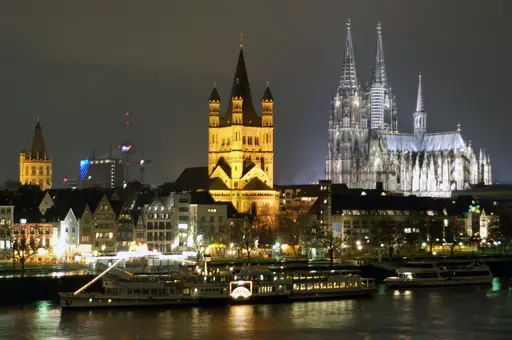
Cologne Cathedral was built between 1248 and 1880 in Gothic style. Its twin spires reach 157 metres and dominate the city skyline. Flying buttresses and hundreds of carved figures cover the walls. Inside stained glass windows fill the tall nave with colour and hold the Shrine of the Three Kings.
Town in Italy
Siena
Timeless Charm in Tuscany
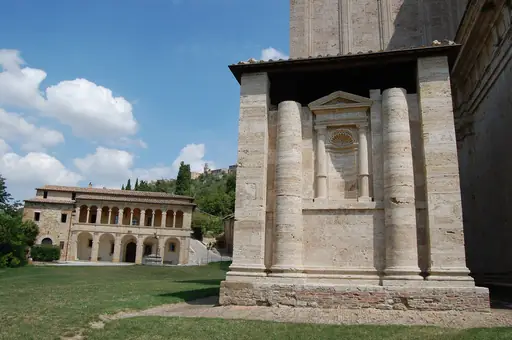
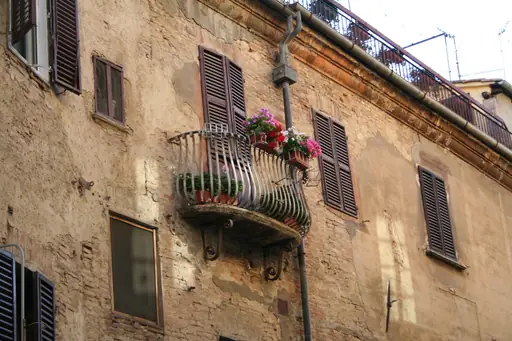
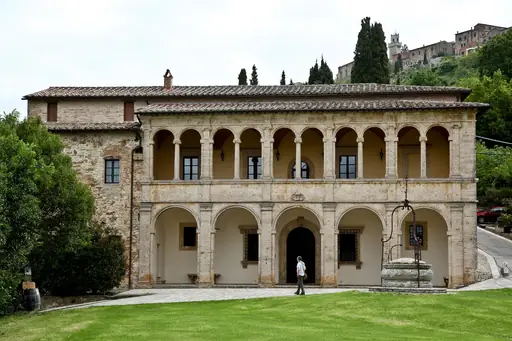
Piazza del Campo in Siena is shaped like a shell and slopes towards the Palazzo Pubblico. The Torre del Mangia beside it rises about 88 metres. Brick paving divides the square into nine sections. Twice each summer the Palio horse race is run around it.
City in France
Paris
The city of love, art and history
The Eiffel Tower in Paris was built for the World's Fair of 1889 and rises 330 metres. Its structure uses about 18,000 iron parts and over two million rivets. Gustave Eiffel designed the curved legs to resist wind. Sparkling lights cover it for five minutes every hour after dark.
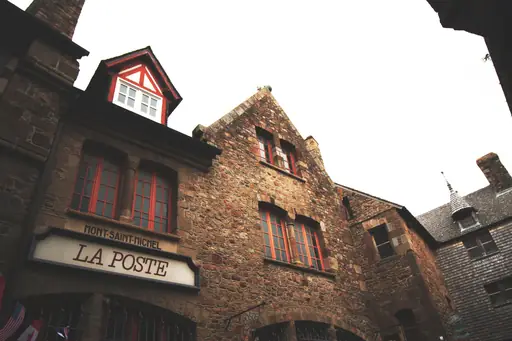
Island in France
Mont Saint-Michel
A Medieval Island Rising from the Sea
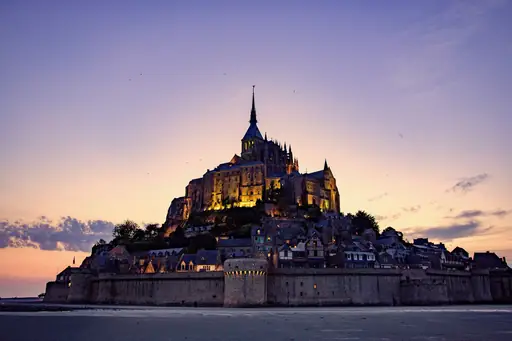
Mont Saint Michel is an island abbey in Normandy with a spire that rises about 170 metres above the sea. Monks began building in the 8th century and added Romanesque and Gothic halls over the centuries. A gilded statue of the archangel Michael stands on top. Tides here rise fast.
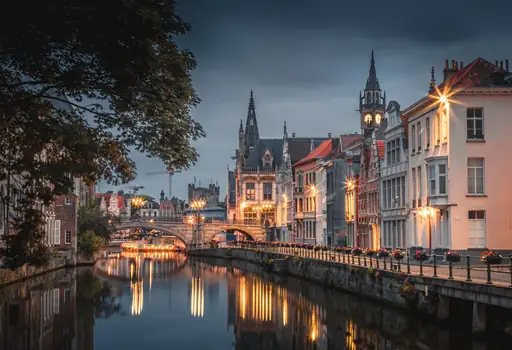
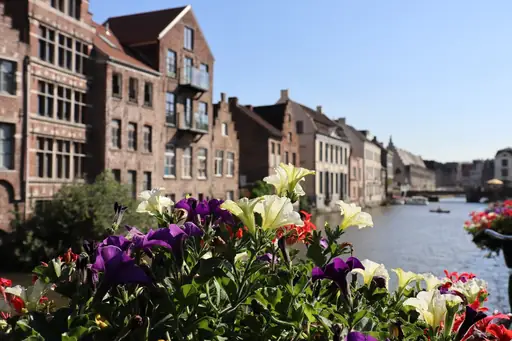
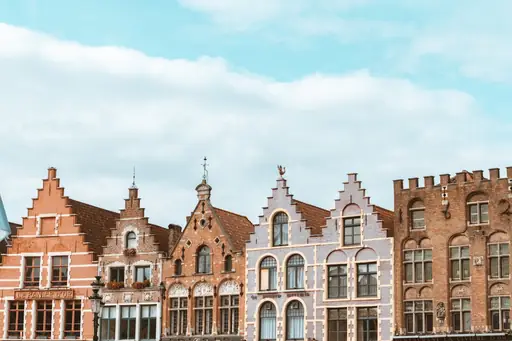
City in Belgium
Ghent
Medieval Canals, Art and Hip Vibes
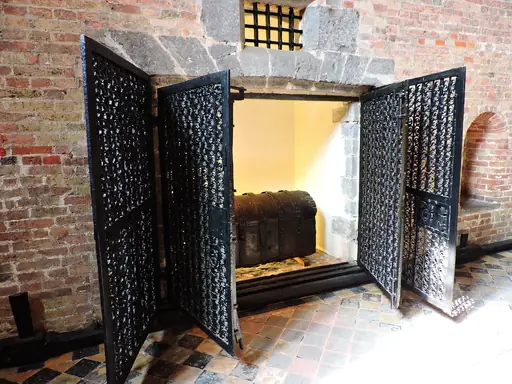
The Gravensteen in Ghent is a medieval castle built by the Counts of Flanders in 1180. It has a moat and thick stone walls with battlements. Visitors climb narrow stairs to the top of the keep. The castle also holds old weapons and a torture chamber.
City in Czech Republic
Prague
A fairy-tale city with rich history
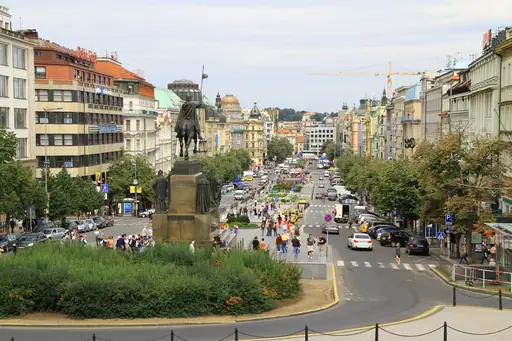
Prague Castle is a huge castle complex about 570 metres long. Saint Vitus Cathedral inside it was begun in 1344 and finished in 1929. Its Gothic spires rise above the river and the red roofs of the old town. Palaces, chapels and gardens fill the courtyards behind the gates and stone walls.
City in Italy
Venice
A floating city of romance and history
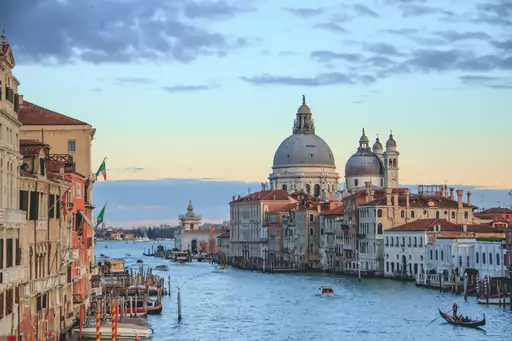
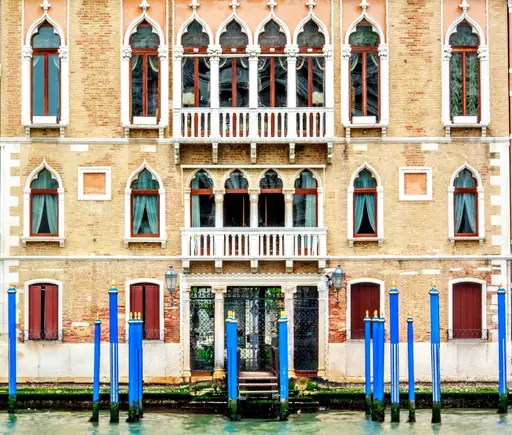
The Doge's Palace in Venice has a pink and white pattern of lozenges across its Gothic facade. Slender arches and columns make an open loggia along the ground floor. Inside the Golden Staircase leads to grand halls. A covered stone bridge links the palace with the old prison.
Region in France
Occitanie
Sunlit vineyards and historic hilltop villages
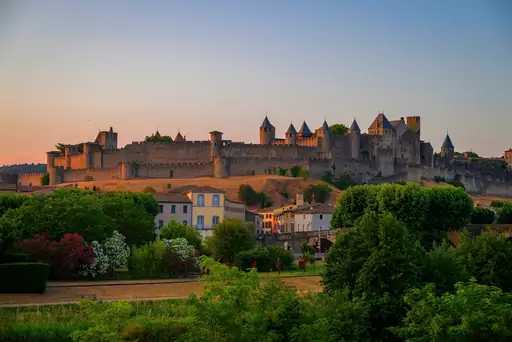
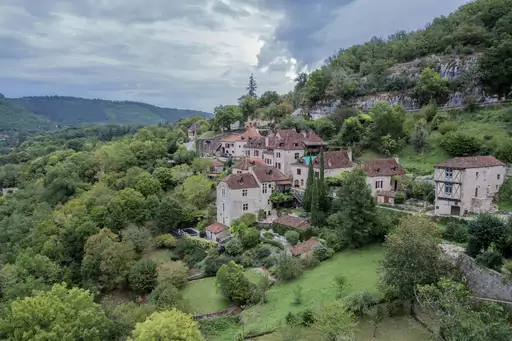
The Cite of Carcassonne in Occitanie is a fortified hill town with 52 towers and about three kilometres of walls. Architect Eugene Viollet le Duc restored it in the 19th century. Double walls and a drawbridge protect the gates. Narrow lanes lead to a Romanesque basilica.
City in Italy
Pisa
Beyond the Leaning Tower’s shadow
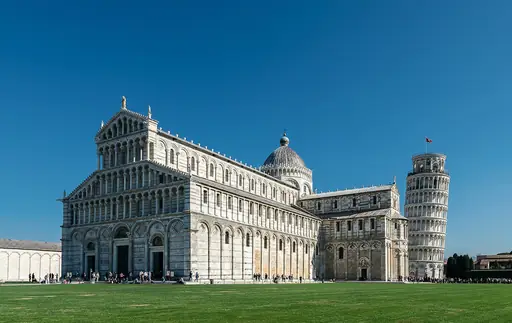
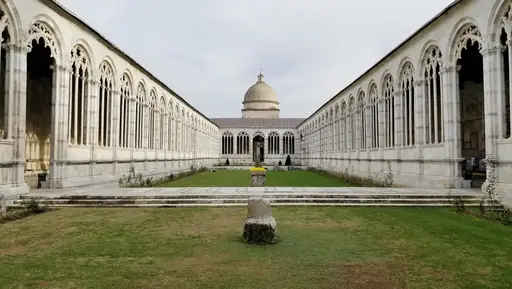
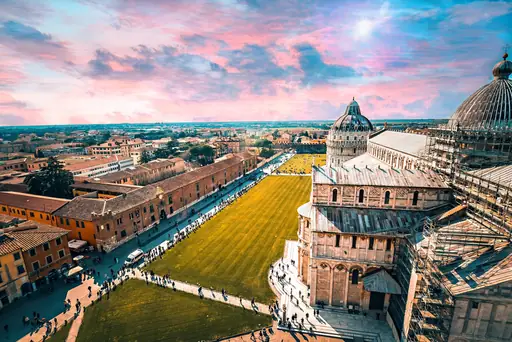
The Leaning Tower of Pisa began to tilt during construction in the 12th century. The tower stands about 56 metres high and leans by around four degrees. Engineers stabilised the ground in the 1990s. Visitors can climb about 250 steps to the top for a view of the city.

City in Germany
Berlin
Wall history, Museum Island and all-night clubs
The glass dome on the Reichstag in Berlin was designed by Norman Foster and opened in 1999. Visitors walk up a spiral ramp to the top. A cone of mirrors in the middle sends daylight into the chamber below. The view covers the government quarter and the Brandenburg Gate.
City in Italy
Ravenna
Mosaics, History and Charm
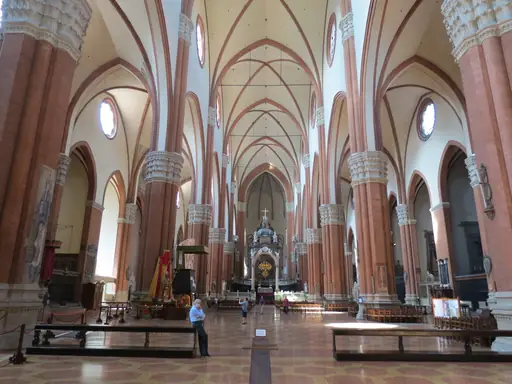
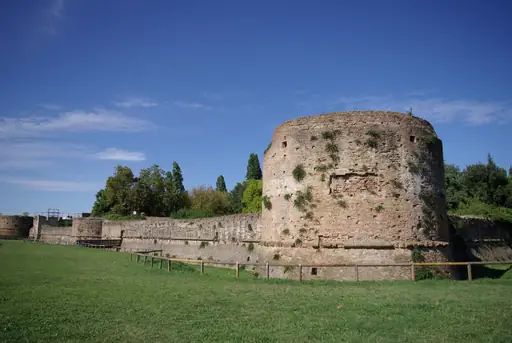
The Basilica of San Vitale in Ravenna was finished in 547 and has an octagonal plan. Its walls and ceiling are covered in glowing Byzantine mosaics of gold and green. One panel shows Emperor Justinian with his court. Light from arched windows makes the tiles shimmer.
City in France
Colmar
A Fairytale Town in Alsace
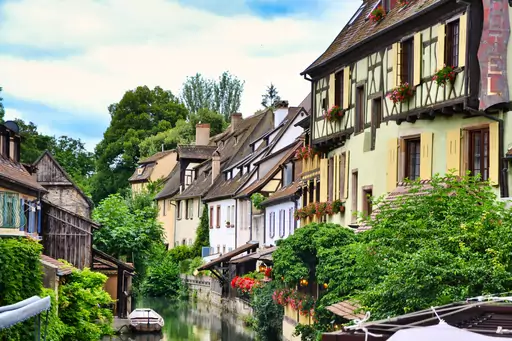
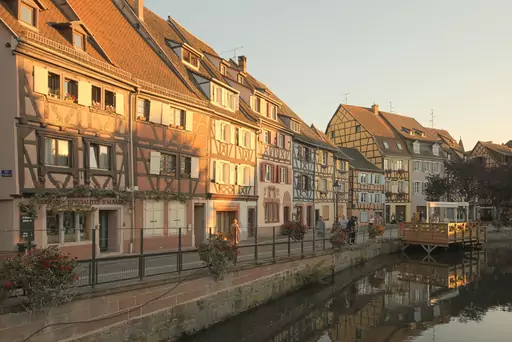
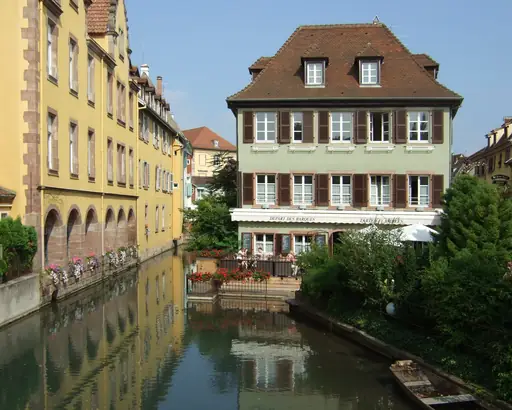
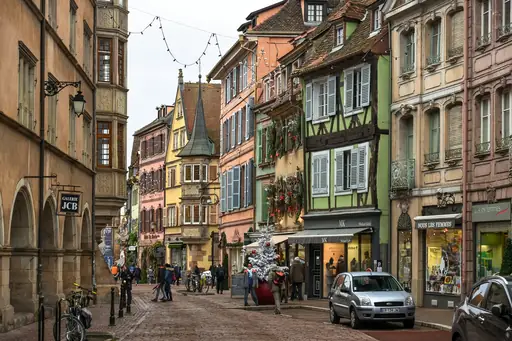
Colmar in Alsace has half timbered houses painted in pastel colours. The Maison des Tetes from 1609 has a facade with 106 carved heads and faces. Canals run through the Little Venice quarter. Flowers spill from window boxes in front of steep gabled roofs all summer.
Region in Austria
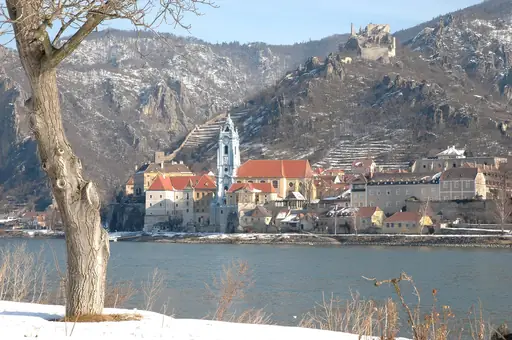
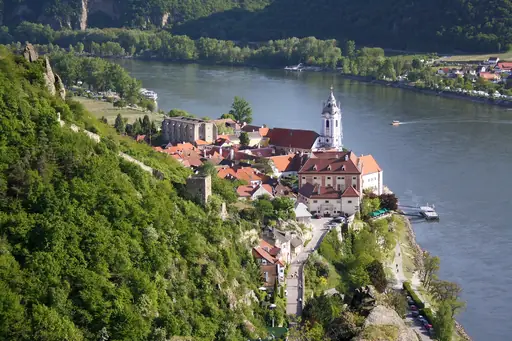
Wachau
UNESCO Heritage along the Danube
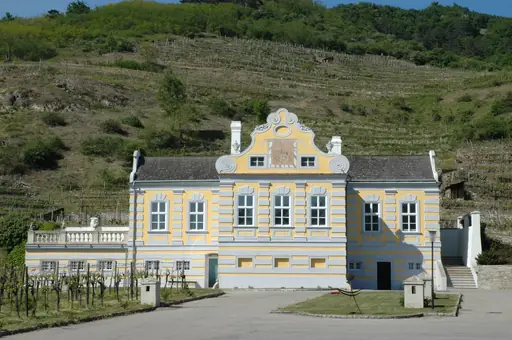
Melk Abbey sits on a rocky cliff above the Danube in the Wachau valley. The yellow Baroque building was designed by Jakob Prandtauer and finished in 1736. Twin towers rise above the church. Ornate halls and a library hold painted ceilings and gold decoration inside.
City in France
Strasbourg
Where France Meets Germany in Style
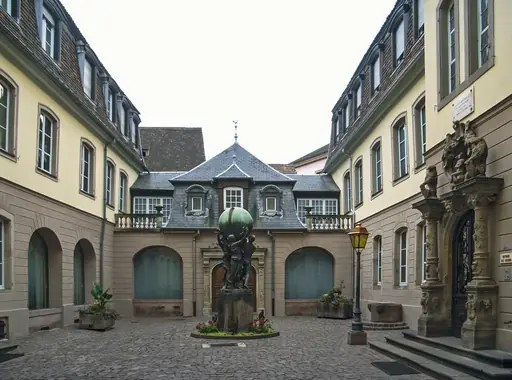
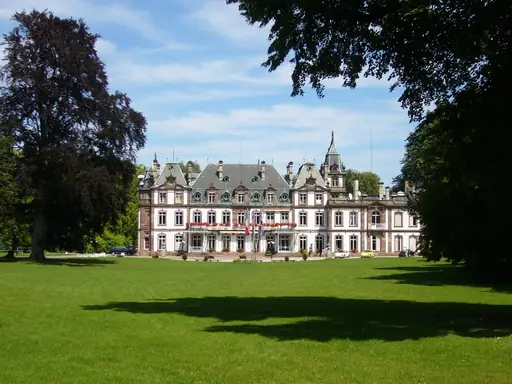
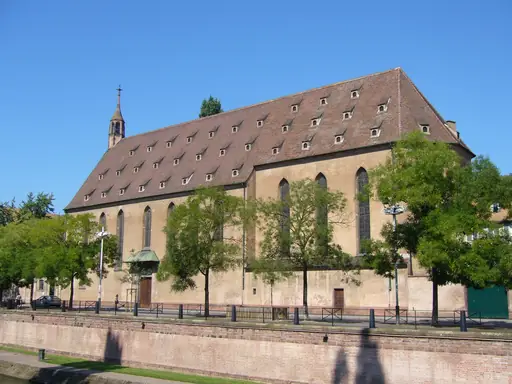
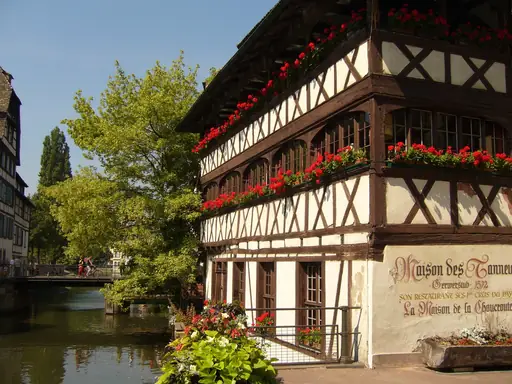
Strasbourg Cathedral is built of pink sandstone and has a single spire about 142 metres tall. Work began in the 12th century and continued for centuries. An astronomical clock inside strikes at half past noon with moving figures. The west facade looks like a lace curtain of stone.
City in Spain
Bilbao
Basque culture meets bold design
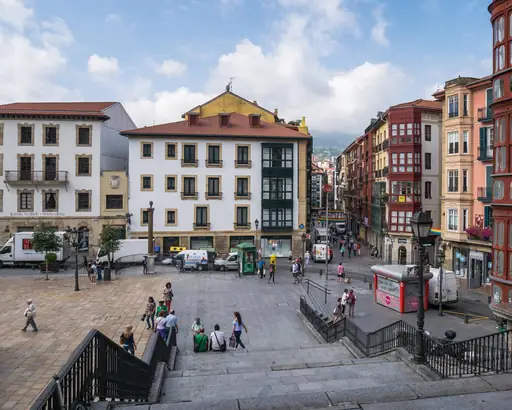
The Zubizuri footbridge in Bilbao was designed by Santiago Calatrava and opened in 1997. A white steel arch curves over the Nervion River. The deck is made of translucent glass that glows at night. Its curved path leads pedestrians between the riverbanks in a graceful line.
City in Spain
Valencia
Sunlit Shores and Rich Culture
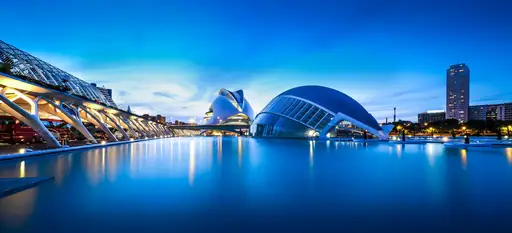
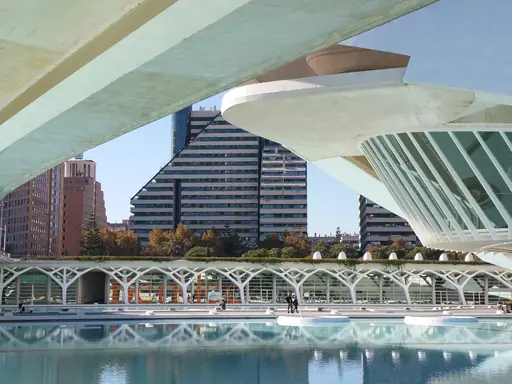
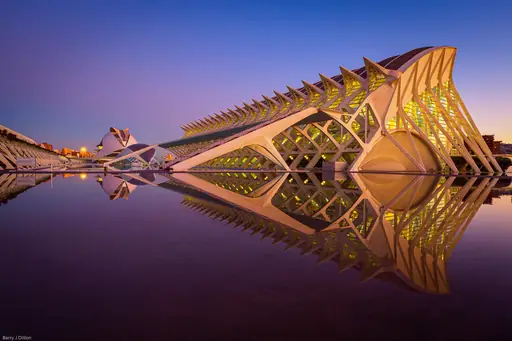
The City of Arts and Sciences in Valencia was designed by Santiago Calatrava and opened in 1998. The Hemisferic building looks like a giant eye and sits in a large reflecting pool. White concrete arches and ribs curve above walkways. The complex includes a museum and an opera house.

City in Germany
Dessau
Architectural marvels echoing Bauhaus brilliance
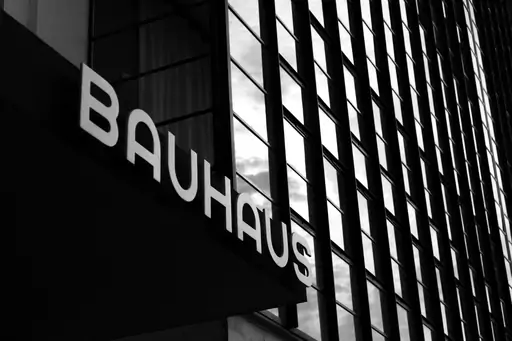
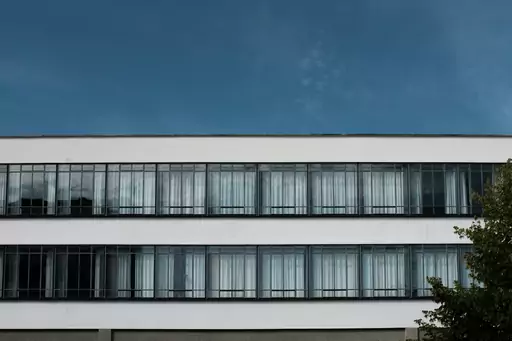
The Bauhaus building in Dessau was designed by Walter Gropius and opened in 1926. Large glass walls wrap around the workshop wing. The style became a model for modern architecture around the world. Studios and classrooms still serve the school today beside the nearby masters houses.
City in Spain
Barcelona
Vibrant City of Art and Beaches
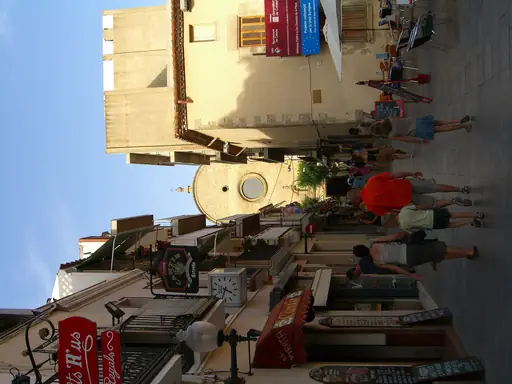
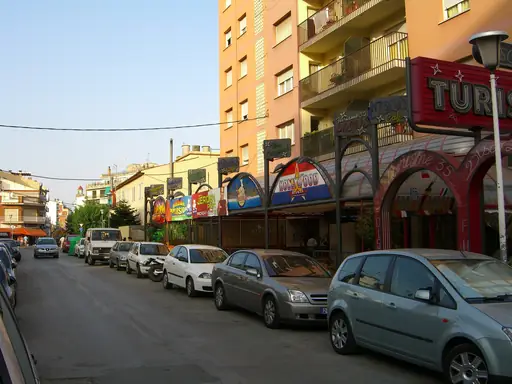
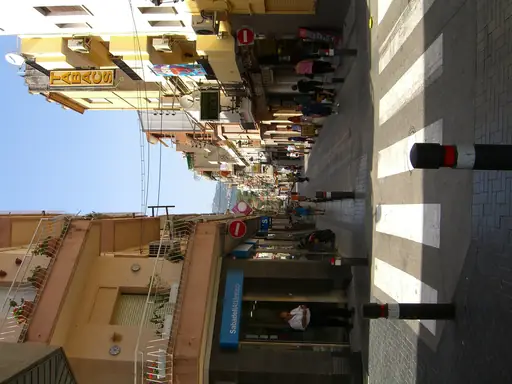
The Palau de la Musica Catalana in Barcelona was designed by Lluis Domenech i Montaner and finished in 1908. Its facade is covered in coloured tiles and mosaics. Inside a huge stained glass skylight shaped like a sun drops light on the concert hall. Sculpted figures burst from the stage walls.
City in Portugal
Lisbon
Sun-soaked streets and rich history
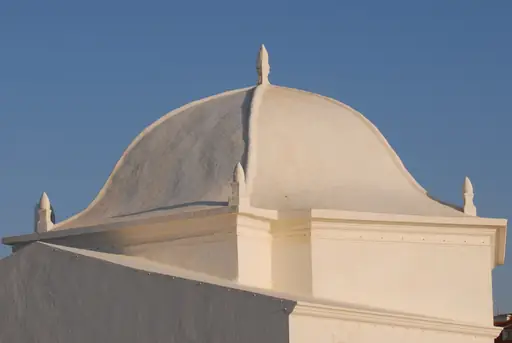
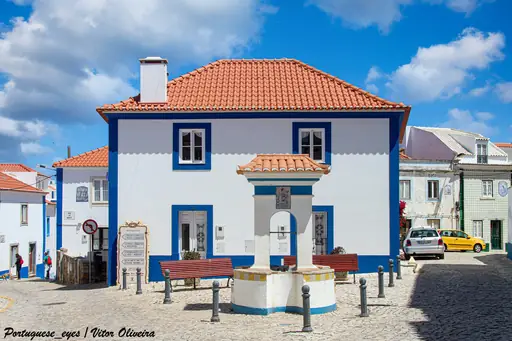
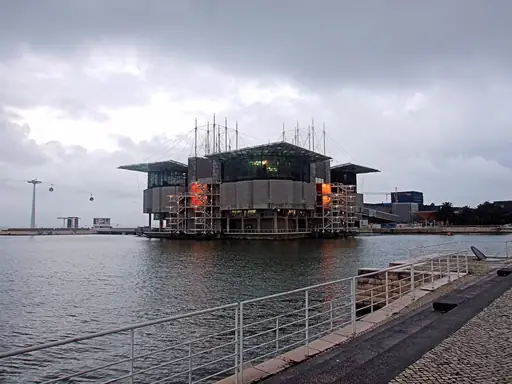
The Jeronimos Monastery in Lisbon was begun in 1501 and is a masterpiece of Manueline style. Carved ropes, shells and sea creatures cover the stone portals. The cloister has two levels of ornate arches. Explorer Vasco da Gama is buried inside the church near the entrance.
City in Sweden
Stockholm
Where islands, history and modernity meet
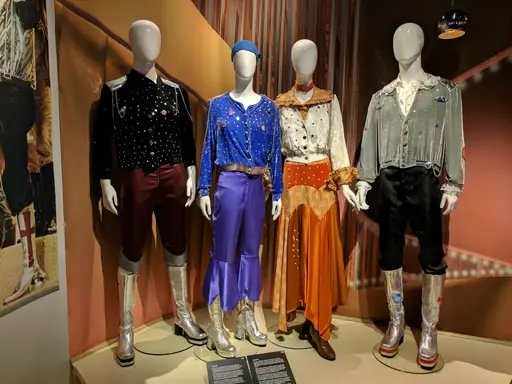
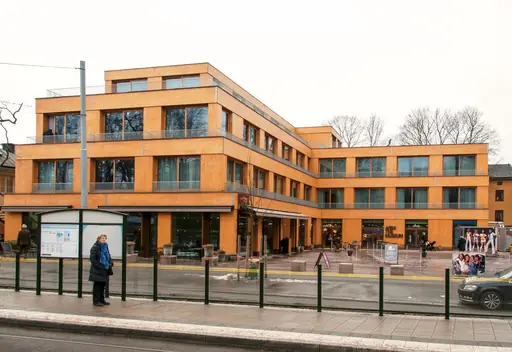
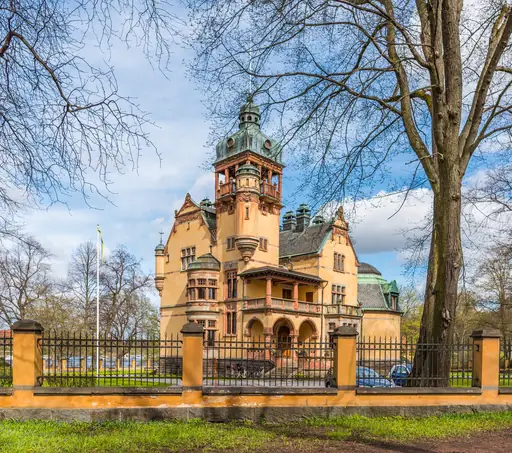
Stockholm City Hall was finished in 1923 and is built of red brick with a tall tower. The Golden Hall inside is covered in about 18 million small mosaic pieces. The Nobel Prize banquet is held here each year. A terrace overlooks the water of Lake Malaren.
City in Spain
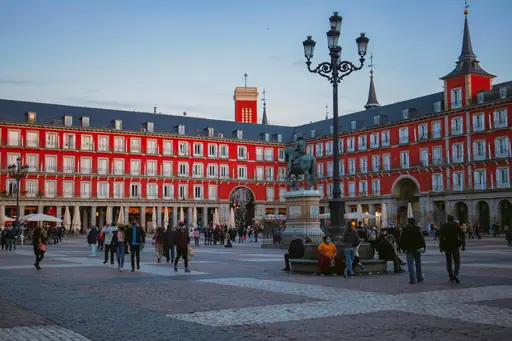
Madrid
A vibrant mix of culture and nightlife
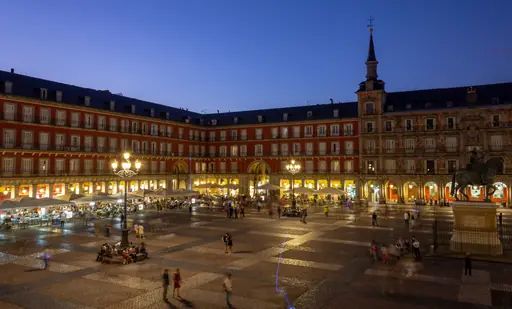
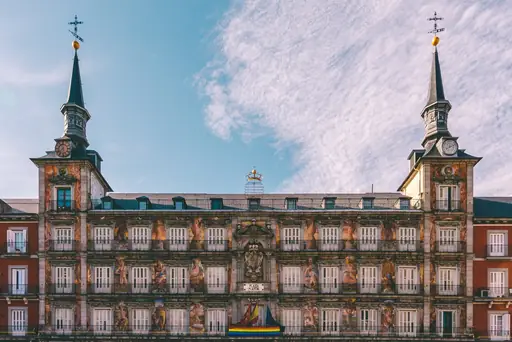
The Royal Palace of Madrid was finished in 1764 and has more than 3,000 rooms. Grand halls have frescoes by Tiepolo and chandeliers of crystal. The facade is made of granite and white stone. The palace is used for state ceremonies but is open to visitors.
City in Poland
Kraków
Timeless Charm and Rich History
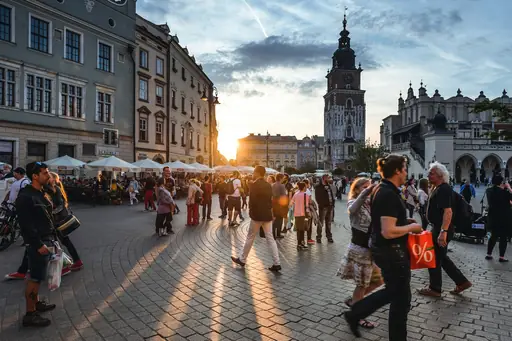
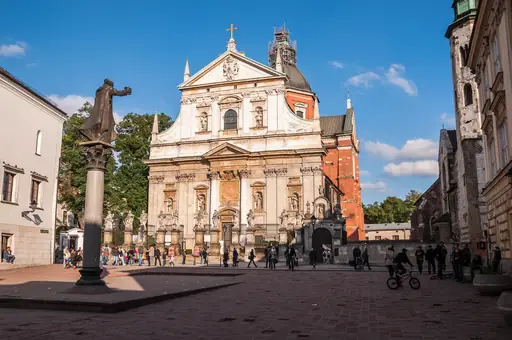
The Cloth Hall in Krakow's main square dates from the 14th century and has a Renaissance arcade. Merchants once traded cloth and spices in its long hall. Today shops and cafes fill the ground floor. The square is one of the largest medieval squares in Europe.
Bridge in Prague
Charles Bridge
Prague's Timeless Medieval Icon
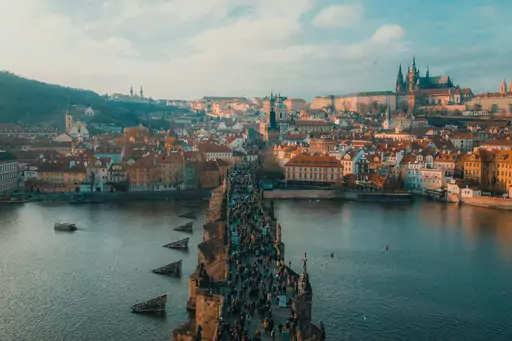
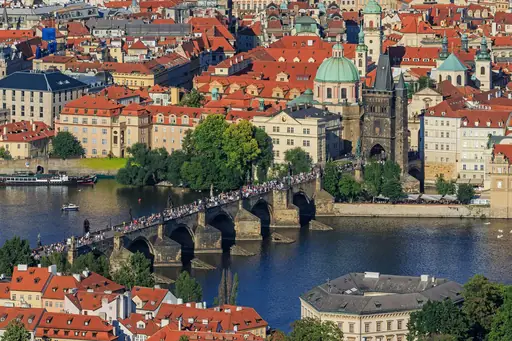
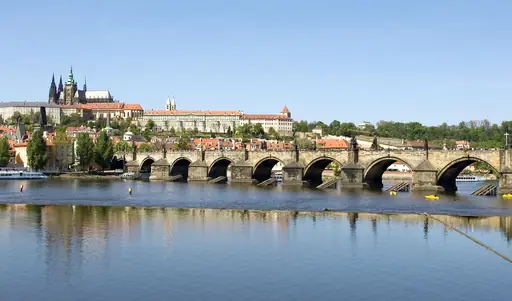
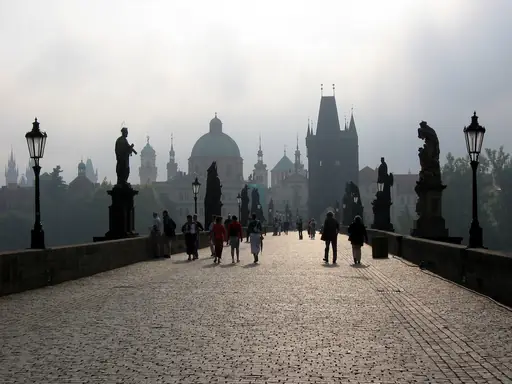
Charles Bridge in Prague was begun in 1357 by order of King Charles IV. It is about 516 metres long and stands on sixteen arches of stone. Thirty Baroque statues line the parapets. Gothic towers guard both ends of the bridge above the wide Vltava River.
City in Denmark
Copenhagen
Scandi-cool vibes and world-class food
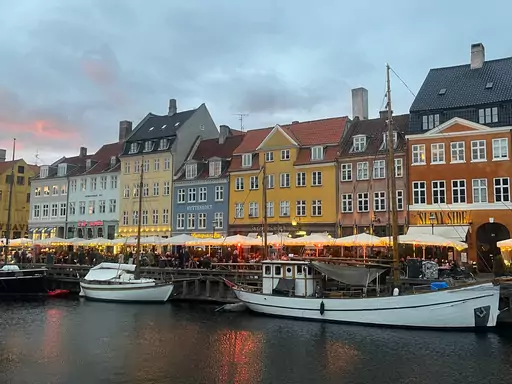
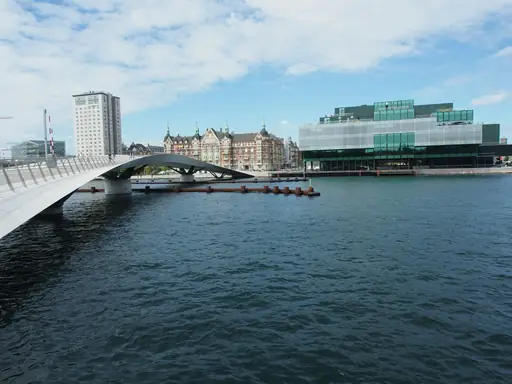
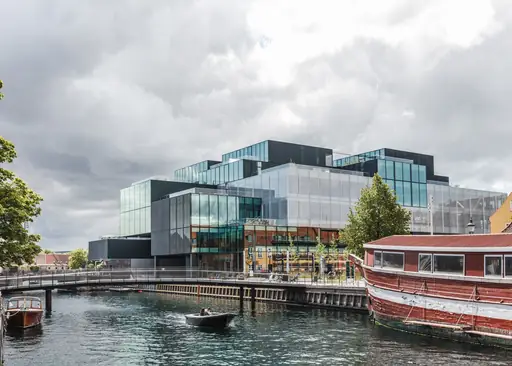
The Round Tower in Copenhagen was built in 1642 by King Christian IV. Instead of stairs a spiral ramp climbs about 209 metres inside the tower. Horses and carriages once travelled it to reach the observatory. The rooftop offers a view over the old town.
City in Italy
Naples
Where history and passion converge
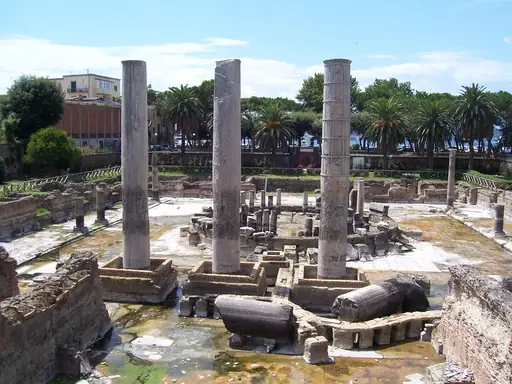
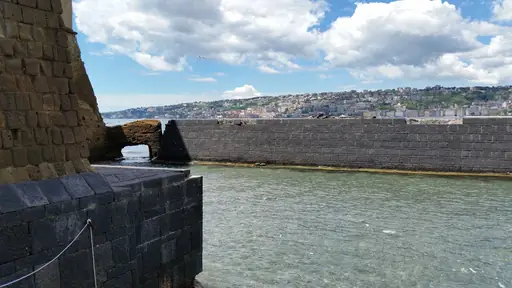
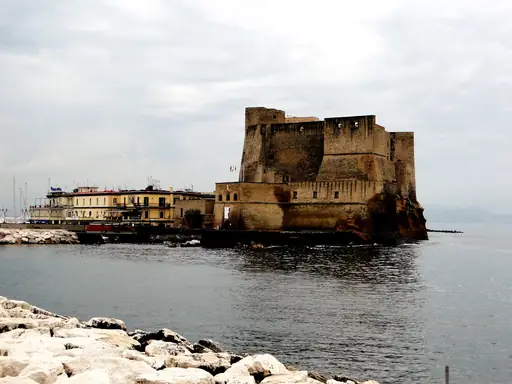
Castel Nuovo in Naples was built in 1279 and has five round towers. A white marble triumphal arch was added in the 15th century to honour King Alfonso. The arch mixes Roman shapes with Renaissance carving. A moat and drawbridge once protected the fortress entrance.
Clock in Prague
Astronomical Clock
Medieval Marvel of Time and Art
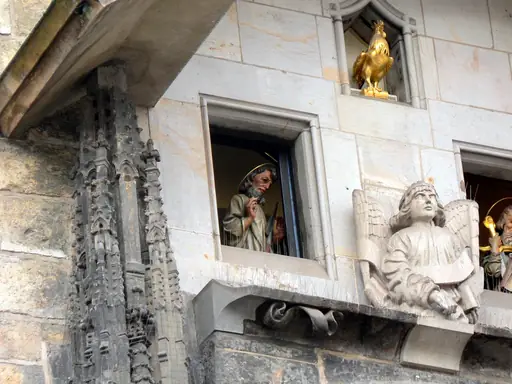
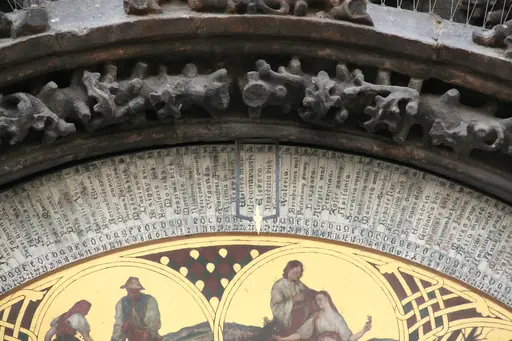
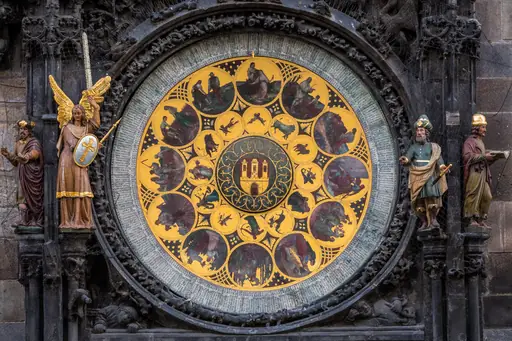
The Prague Astronomical Clock was first installed in 1410 and is among the oldest still working. It shows the position of the sun and moon as well as the time. Each hour wooden figures of the apostles appear in two small windows. A skeleton figure rings a bell.
City in Spain
Ronda
Clifftop drama and Andalusian soul
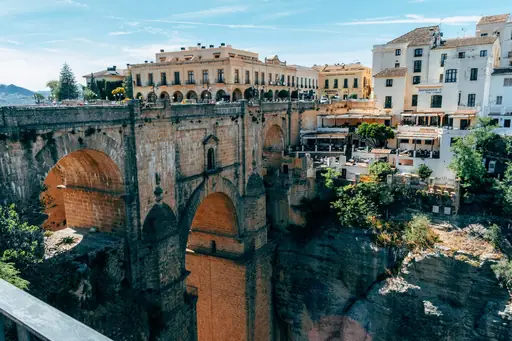
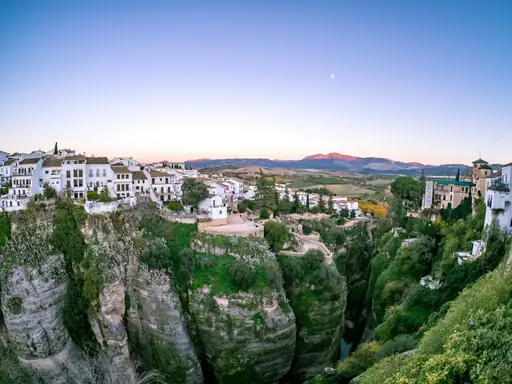
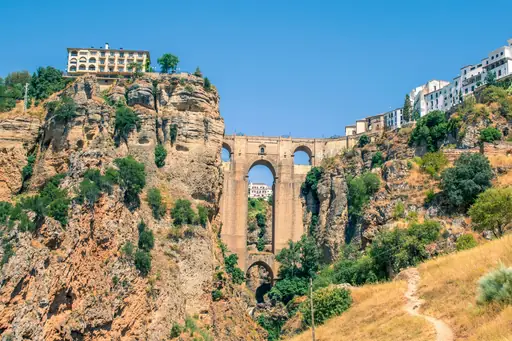
The Puente Nuevo in Ronda was completed in 1793 and spans a gorge about 120 metres deep. Three tall arches rise from the rock cliffs. A chamber inside the bridge once served as a prison. Walkers can see the whole gorge from lookouts on the trails below.
City in Belgium
Antwerp
Europe’s Hidden Gem of Culture & Style
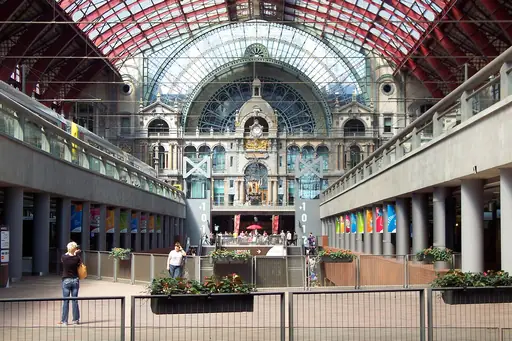
Antwerp Central Station opened in 1905 and is nicknamed the railway cathedral. A stone dome crowns the entrance hall above a grand staircase. Marble stairs lead down to tracks under a glass and steel roof. The building was modernised with new platforms on multiple levels.
City in Spain
Seville
Andalusia's Heartbeat of History
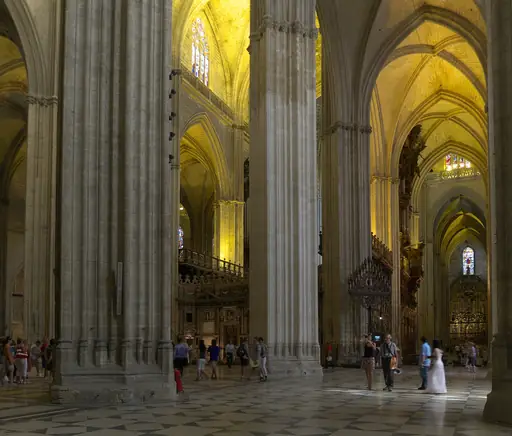
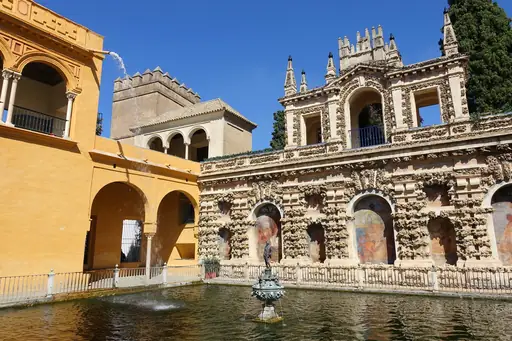
The Real Alcazar of Seville is a royal palace with Mudejar patterns of carved plaster and coloured tile. Work began in the 14th century under King Peter. Courtyards hold fountains and orange trees. It is still used by the Spanish royal family today when they visit the city.
Town in Italy
Matera
The ancient cave city of Italy
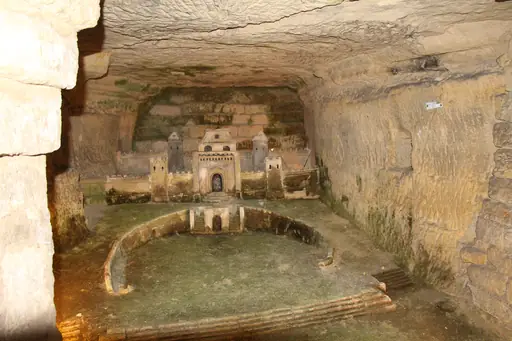
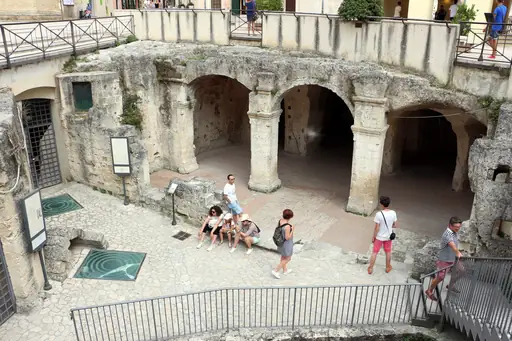
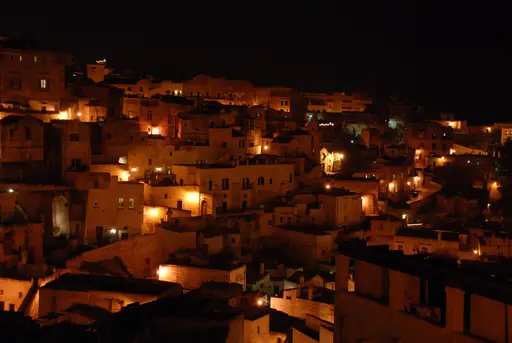
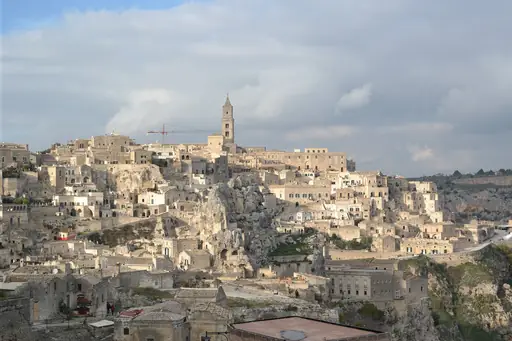
The Sassi of Matera are cave dwellings carved into soft limestone on the side of a deep ravine. People have lived here for thousands of years. Stone houses and churches climb the slope in tiers. Rock churches hold faded Byzantine frescoes and lie hidden among the caves.
City in Netherlands
Amsterdam
Canals, culture and a vibrant spirit
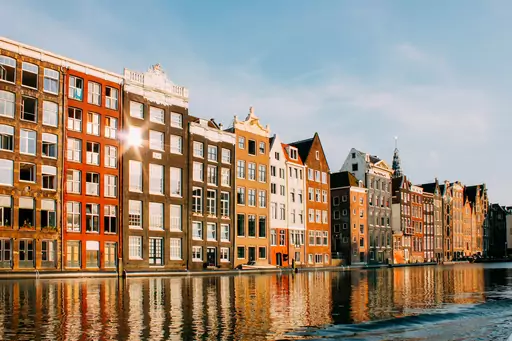
Amsterdam has a ring of canals dug in the 17th century and lined with tall gabled houses. The narrow facades lean slightly forward so goods could be hoisted without hitting the walls. Hooks under the gables carry ropes and pulleys. The canal district became a UNESCO site in 2010.
Museum in Paris
Louvre Museum
World's Largest Art Museum
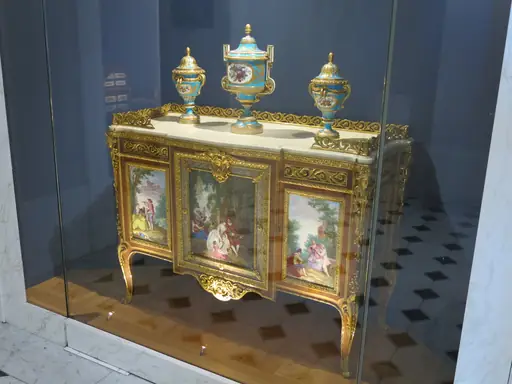
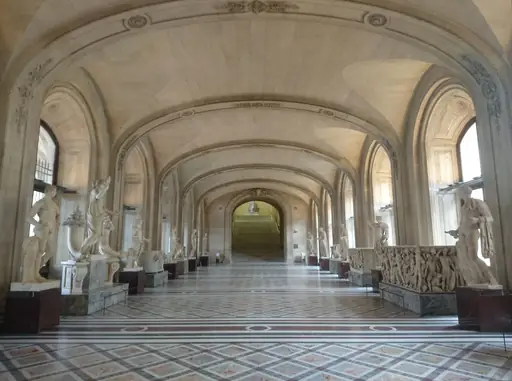
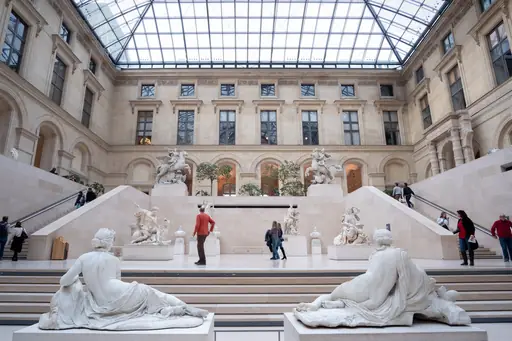
The glass pyramid in the Louvre courtyard was designed by I. M. Pei and opened in 1989. It stands 21 metres tall and has 673 panes of glass. Critics first mocked the modern shape beside the old palace. Today it serves as the main entrance and lets light into the halls below.

City in Netherlands
Rotterdam
A modern city with a creative soul
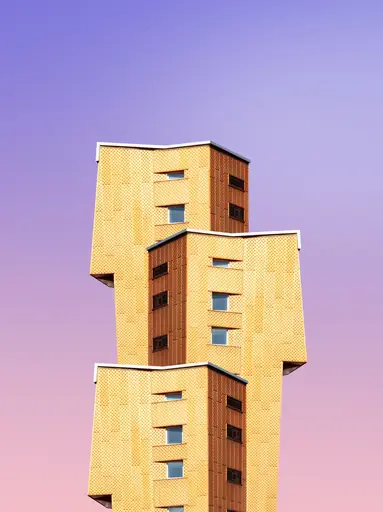
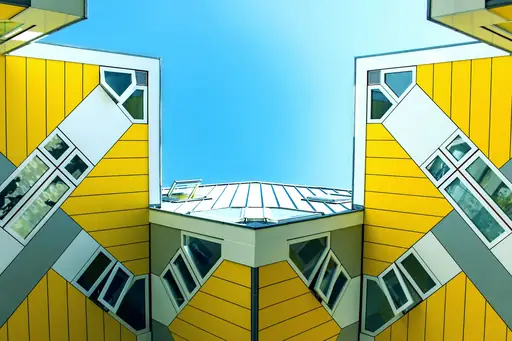
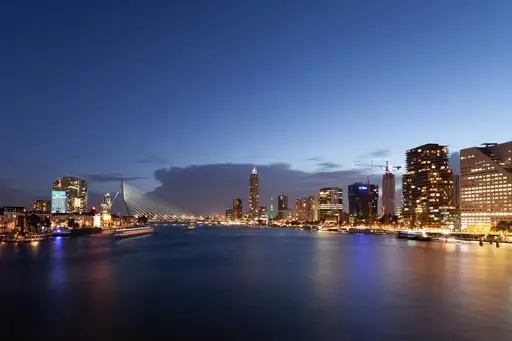
The Cube Houses in Rotterdam were designed by Piet Blom and finished in 1984. Each home is a cube tilted at 45 degrees and set on a hexagonal pole. The yellow forms make a small forest above the street. One house is open as a small museum.
Neighbourhood in Lisbon
Alfama District
Lisbon's Historic Heartbeat
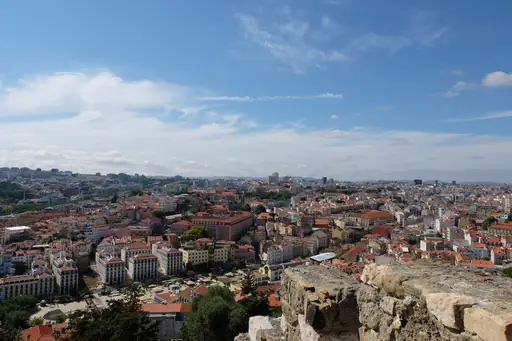
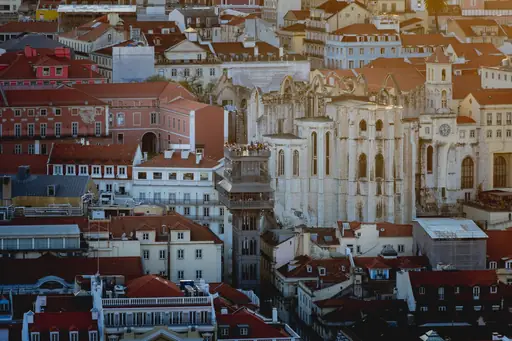
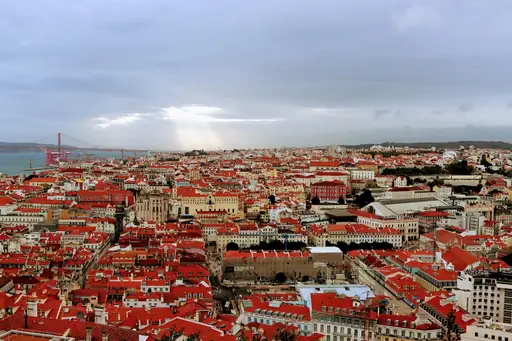
Alfama in Lisbon is a maze of narrow lanes and steep stairways that dates back to Moorish times. Tiled facades show blue and yellow patterns. Many buildings survived the earthquake of 1755. Small squares open onto viewpoints over the red roofs and the Tagus River.
Historic Tower in Bruges
Belfry of Bruges
Medieval tower with stunning views
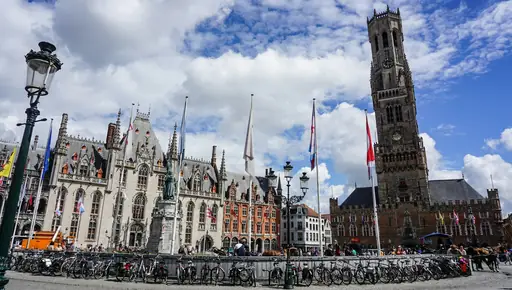
The Belfry of Bruges rises 83 metres above the Market Square in the middle of the city. A staircase of 366 steps climbs past a carillon of 47 bells. The tower leans slightly and dominates the medieval skyline. At the top visitors look out over red roofs and canals across the old town.
Art Museum in Bilbao
The Guggenheim Bilbao
Immersive modern art in a striking steel shell
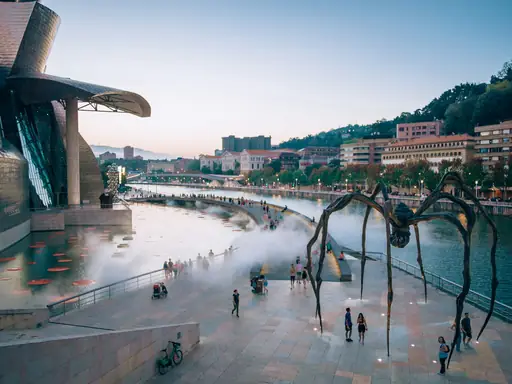
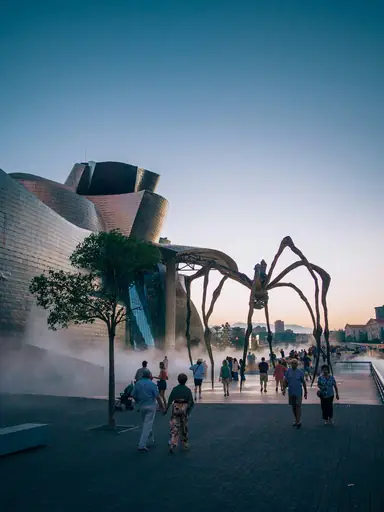
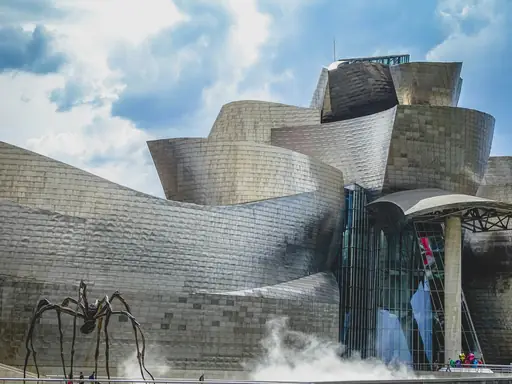
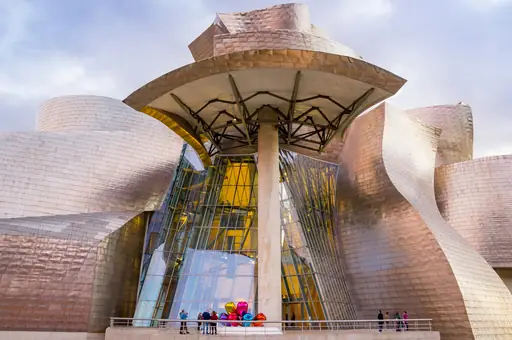
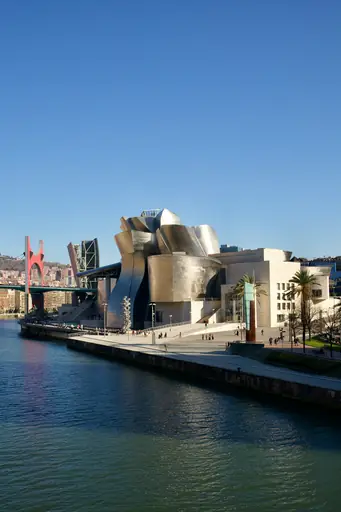
The Guggenheim Museum Bilbao was designed by Frank Gehry and opened in 1997. Curved forms are covered in thin titanium panels that shimmer like fish scales. A steel puppy sculpture made of flowers stands by the entrance. The museum helped change the look and fortune of the city.
Cathedral in Florence
Florence Cathedral
Renaissance Masterpiece with a View
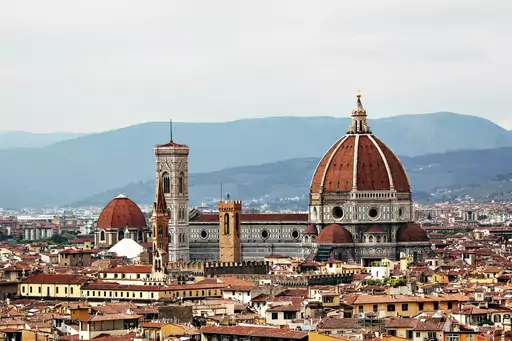
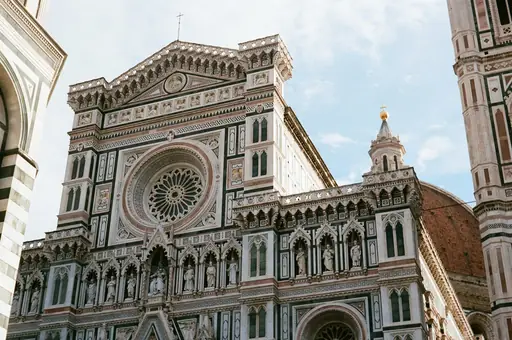
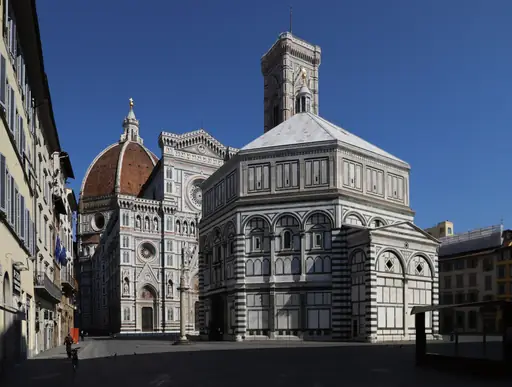
Brunelleschi's dome on Florence Cathedral was finished in 1436. It was raised without a wooden frame using about four million bricks. Two shells nest inside each other with a narrow passage between them. Visitors can climb between the layers to see frescoes and a view of the city.
Landmark in Barcelona
Batlló House
Gaudí's Whimsical Modernist Masterpiece
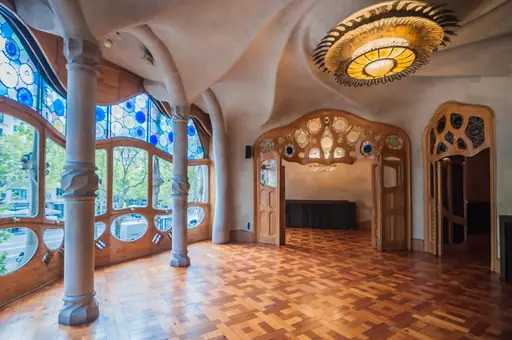
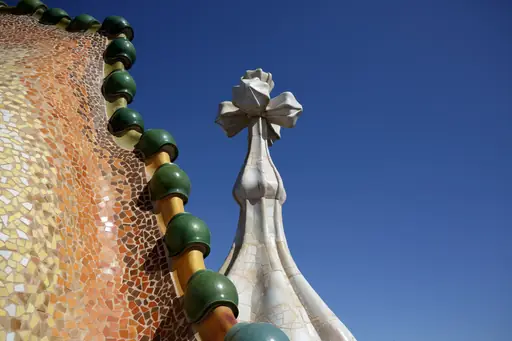
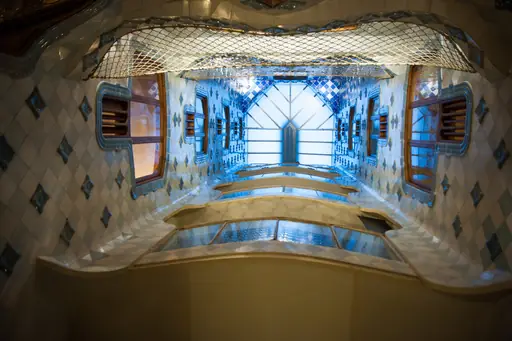
Casa Batllo was remodeled by Antoni Gaudi between 1904 and 1906. Its facade is covered in coloured glass and ceramic pieces. Balconies look like skulls or masks with hollow eyes. The roof has a curved arched ridge covered in scales like the back of a dragon.
Basilica in Barcelona
Sagrada Família
Gaudí's Unfinished Masterpiece
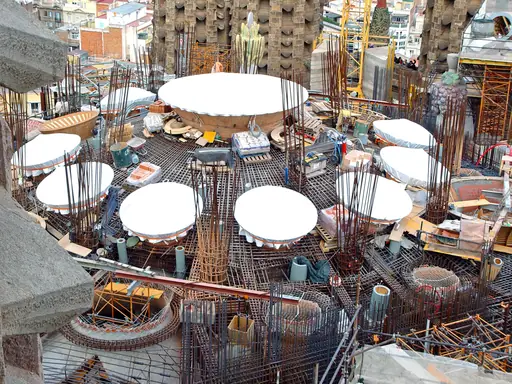
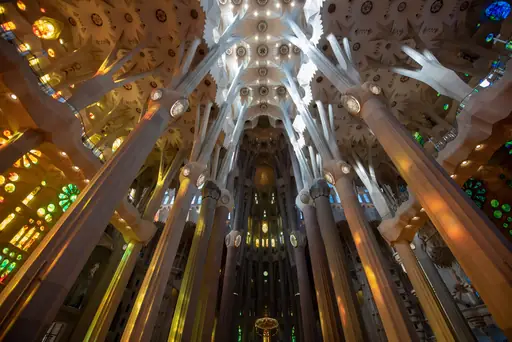
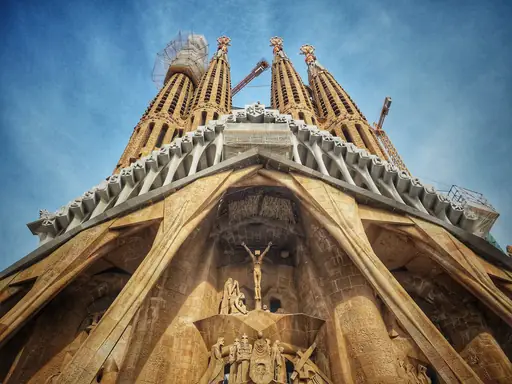
Construction of the Sagrada Familia began in 1882 and continues today. Antoni Gaudi designed columns that branch like trees inside the nave. Coloured glass windows fill the space with shifting light. Facades on the outside are covered in carved scenes and towers that climb towards the sky.
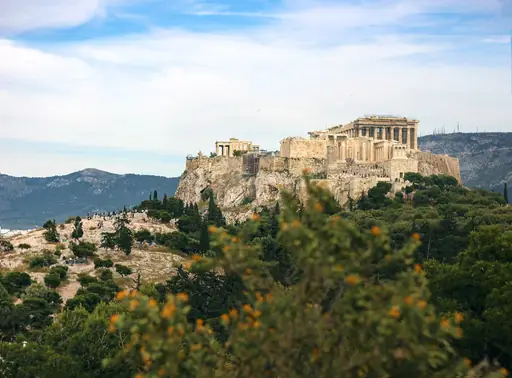
Historic Site in Athens
Acropolis
Ancient Glory Above Athens
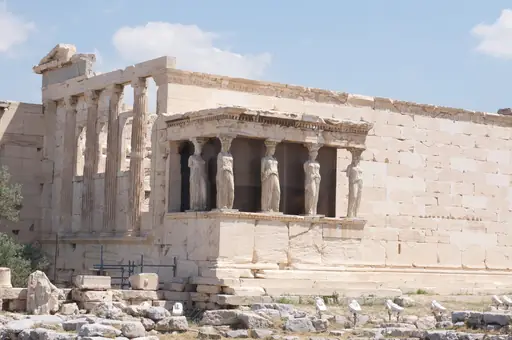
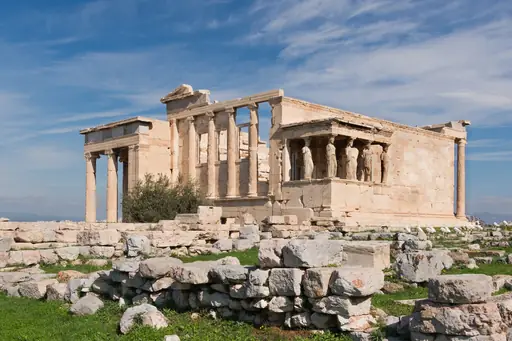
The Erechtheion on the Acropolis has a porch held up by six carved female figures called caryatids. The temple was built around 421 BC on uneven ground. The columns show detailed pleats in their robes. Those on site today are copies of the originals kept in the museum.
Historic Temple in Athens
Parthenon
Ancient Temple of Athena's Glory
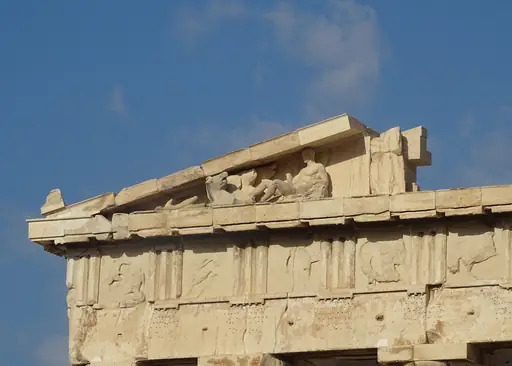
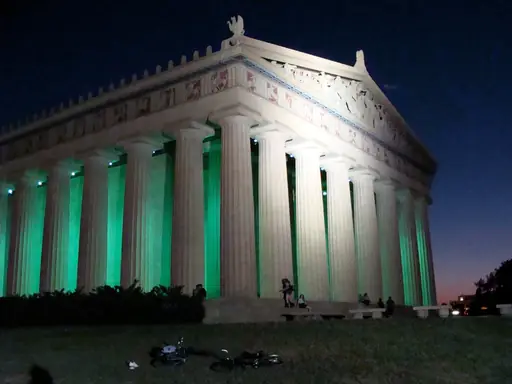
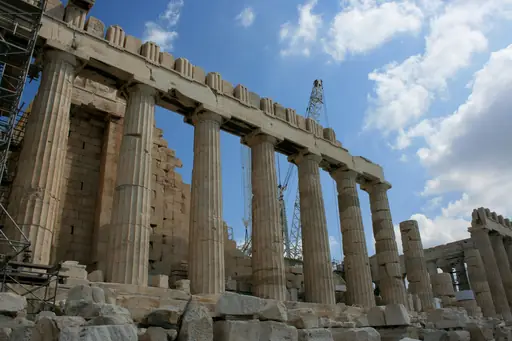
The Parthenon was built between 447 and 432 BC on the Acropolis in Athens. Its Doric columns bulge slightly in the middle and lean inward. These small tricks make the building look perfectly straight to the eye. White marble from Mount Pentelicus glows golden at sunset.
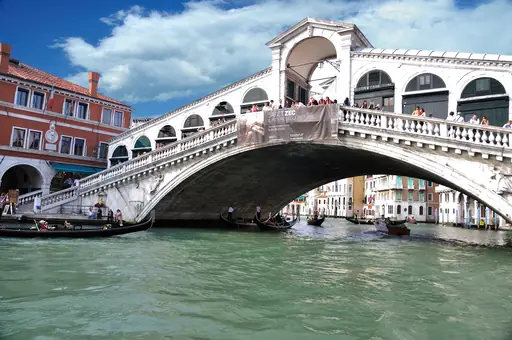
Bridge in Venice
Rialto Bridge
Venice’s Historic Grand Canal Crossing
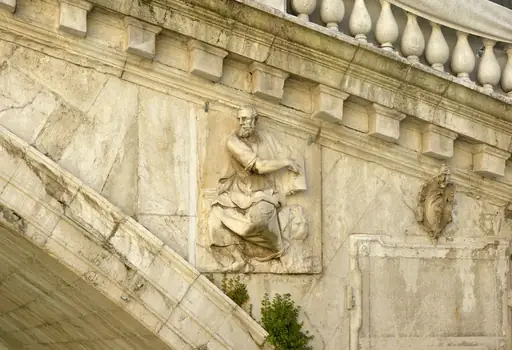
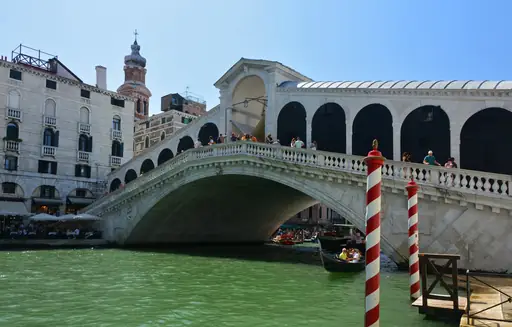
The Rialto Bridge in Venice was finished in 1591 and crosses the Grand Canal with one stone arch. The arch spans about 28 metres. Shops line both sides of the covered walkways. Architect Antonio da Ponte won the design competition against famous rivals like Palladio.
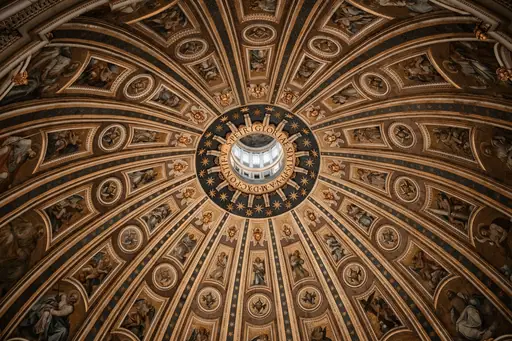
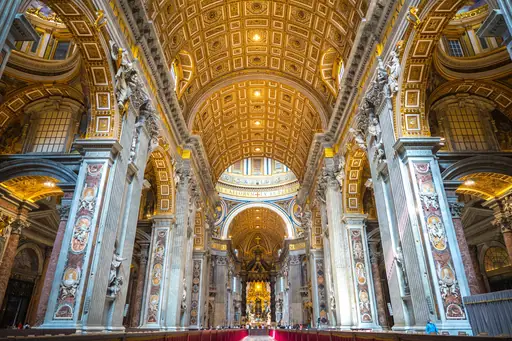
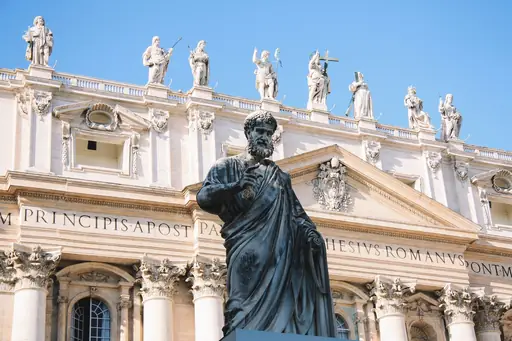
Church in Rome
St. Peter's Basilica
Iconic Heart of Catholic Faith
The dome of Saint Peter's Basilica was designed by Michelangelo and rises 136 metres above the floor. Sixteen ribs sweep up to a lantern at the top. Visitors can climb hundreds of steps to the outer gallery. The view from the top covers Saint Peter's Square and all of Rome.
Palace in Versailles
Palace of Versailles
Grand Symbol of French Royalty
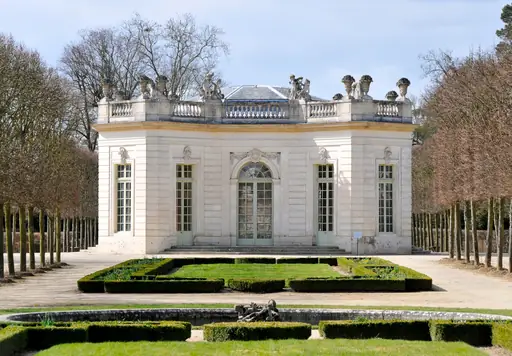
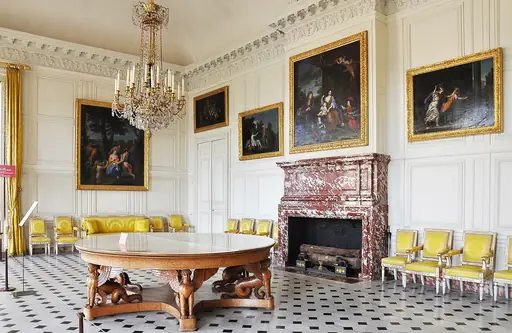
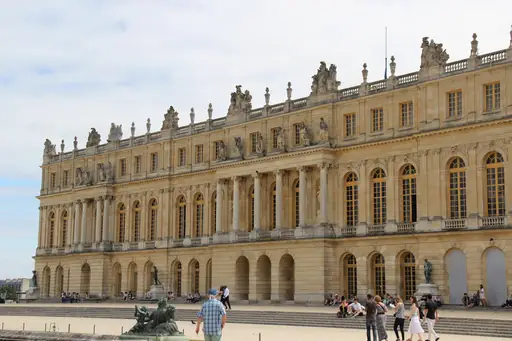
The Hall of Mirrors at Versailles is 73 metres long and lined with 357 mirrors. Seventeen tall arched windows face them across the room. Crystal chandeliers and painted ceilings glow in the light. Louis XIV used the hall to receive ambassadors and show the wealth of France.
Church in Venice
St. Mark's Basilica
Venice's Glittering Byzantine Jewel
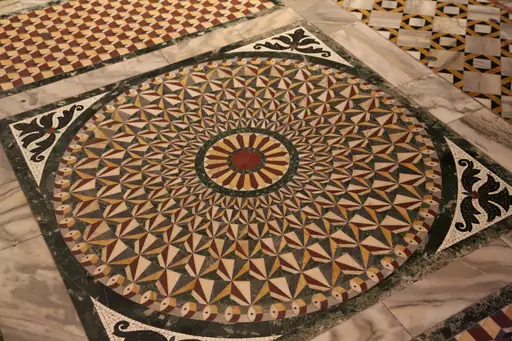
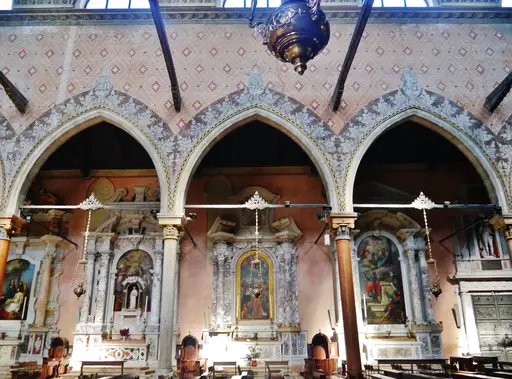
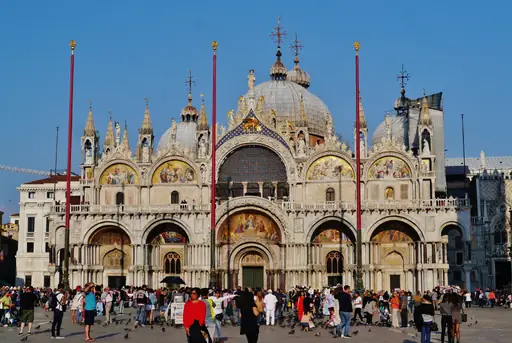
Saint Mark's Basilica in Venice was built in the 11th century in Byzantine style. Five domes rise above a facade of arches and marble. Gold mosaics cover about eight thousand square metres of the interior. Four bronze horses stand above the main door on a balcony.
Other lists you may like

Discover
Top architecture destinations and iconic landmarks
Architecture travel spans everything from ancient ceremonial complexes and medieval urban cores to the grands projets of the twentieth century and contemporary buildings that draw…
Read more
Discover
Best architecture destinations in Africa
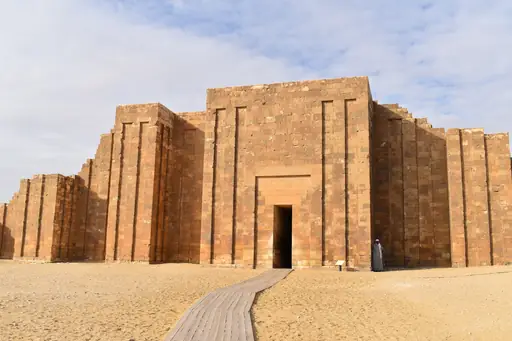
Africa's architectural heritage spans an enormous chronological range, from the ancient stone complexes of the northeast and the monumental earthen mosque traditions of the west to…
Read more
Discover
Best architecture destinations in Asia
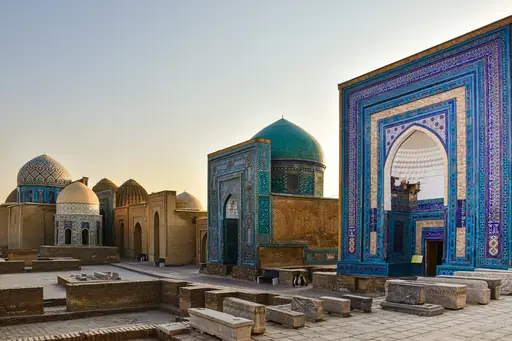
Asia contains some of the world's most significant architectural traditions, with temple complexes, imperial palace compounds and historic urban quarters representing distinct…
Read more
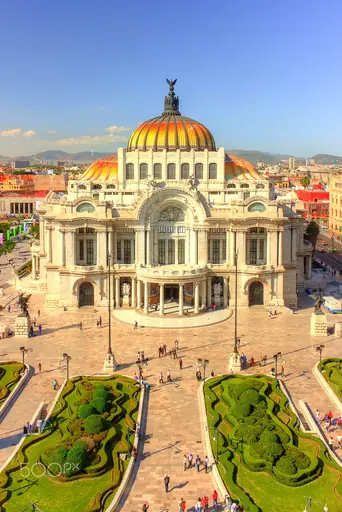
Discover
Best architecture destinations in North America
North America's architectural story is compressed into a relatively short documented history but covers an extraordinary range, from the pre-Columbian ceremonial structures of the…
Read more
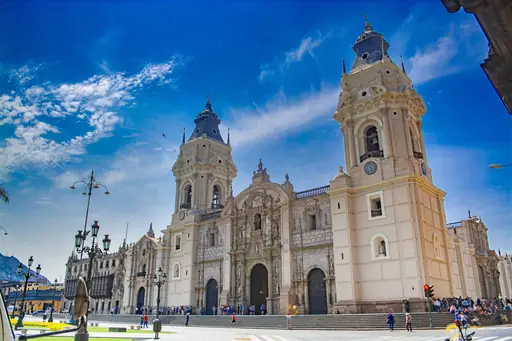
Discover
Best architecture destinations in South America
South America's architectural heritage is shaped by the collision between pre-Columbian monumental traditions and the colonial urban frameworks imposed from the sixteenth century…
Read more

Discover
Best architecture destinations in Oceania
Australia's most iconic piece of modern architecture remains the region's defining landmark, while New Zealand's Māori-influenced contemporary buildings offer a distinct…
Read more
What other users say about travelfilters
“travelfilters made it easy for me to find ski areas and compare what else they offer, so that I could find the best place for my personal travel style.”

Chris
Snowboarding & Onsen trip to Japan
“I love how transparent the data feels. There is no pushy upsell, just honest information and settings I can tune to my own travel style.”

Maria
After booking her 2027 winter escape
“The level of detail for each destination and how well those are displayed, make planning feel confident instead of overwhelming.”

Mina
Planned a week in New York City
“We used travelfilters for our planning from start to end. The trip turned out even better than expected, thanks to all their tools and customisation options.”

Allan & Etienne
Trip to Japan to see autumn foliage
“Thanks to travelfilters, I found some hidden gems to see. Being able to filter for exactly your interests is a game changer for my travel planning.”

Michael
Tour through the old cities of Northern Italy
“The customizable filters helped me find a quiet beach town with good wifi and low season crowds in under five minutes.”

Diego
Weekend Escape to Llanes, Spain
“The airport connection map saved me hours by showing good flight options from my home airport to lesser-known cities.”

Nguyen
Planning a 2027 trip to France
“The website is clean, fast and focused on the search itself, which makes travelfilters feel more like a professional tool than an ad-heavy booking site.”

Hassan
Christmas Market trip, Germany
