










Was this page helpful?

| Opening hours: |
|
|
|---|---|---|
| Public website: | odysseus.culture.gr |
| Power Grid: |
230 V, 50 Hz Plug: Type C , Type F
Type C:
  Read about power adapters |
|---|---|
| Currency: |
Euro (EUR) £1 ≈ €1.19 |
| Cashless info: |
Rating 3/5
Cashless payments are becoming more common, especially in urban areas. However, many small shops and rural locations still prefer cash payments.
Save with a travel credit card |
| eSIM providers: |
Best value: Saily Flexibility: Airalo Read our in-depth comparison |
| Tipping: | Tipping is customary in Greece. In restaurants, 5-10% is typical, though rounding up is also common. Tipping taxi drivers is customary, and small tips for hotel staff are appreciated. |
|---|---|
| Public drinking: | Public drinking is generally allowed in Greece, especially in designated areas or during festivals. However, it’s prohibited in some areas like public transport or near schools. |
| Public smoking: | Smoking is prohibited in indoor public places. There are designated outdoor smoking areas in most restaurants and public buildings. |
| Easter (March/April) |
Easter is a significant religious holiday, and many businesses close. Popular for family gatherings and church services. |
|---|---|
| Assumption of Mary (August) |
A national holiday with parades and festivities. Expect crowded tourist areas and higher accommodation prices. |
| Christmas (December) |
Christmas celebrations take place in many towns and cities, with lively events, though many businesses close for the holiday. |
| Emergency contact: | Emergency Number: 112 (Police, Fire, Ambulance) |
|---|---|
| Taxi apps: | Beat, TaxiBeat, Uber |
| Other: | Greece is a popular tourist destination, particularly in summer, so be prepared for high demand for accommodation and services during peak months. |
The best times to travel section shows how the months compare for a visit, so you can find the time of year that fits what you want to do.
Background colours of the months:
The colour shows the typical temperature: yellow (hot), green (mild) and blue (cold). How strong the colour is shows the travel season: full colour means high season, soft colour means shoulder season and soft-striped means off season.
Weather symbols:
Each month has one symbol showing what the weather is typically like, such as hot and sunny, freezing or a rainy or snowy season. Use them to quickly spot months that match the weather you want, or to avoid the ones that don't.
Crowdedness:
The people icon shows how busy the place usually is. The more people, the more crowded it gets.
Additional notes:
The grey info boxes point out special things worth knowing, like recurring weather issues or seasonal events.
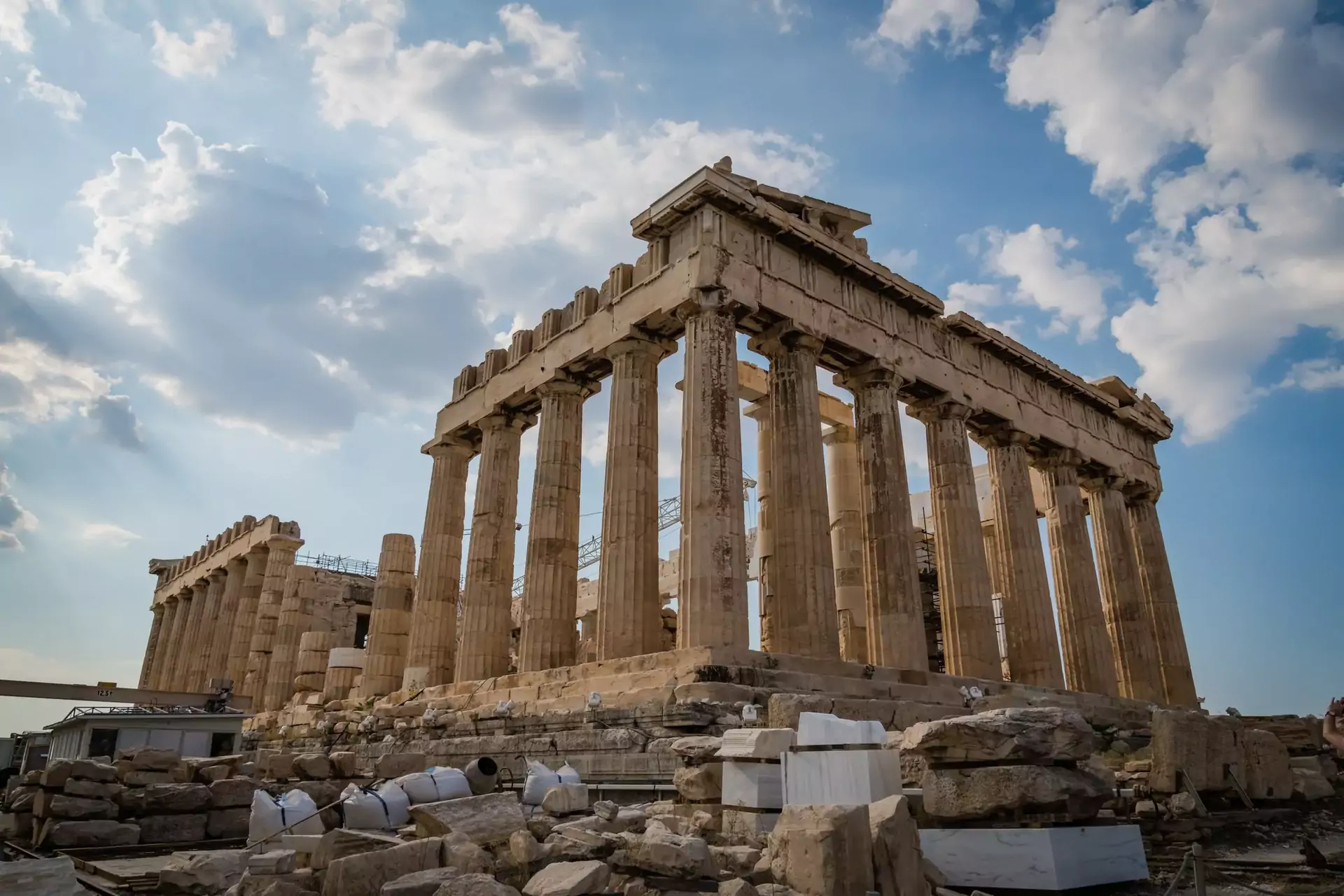
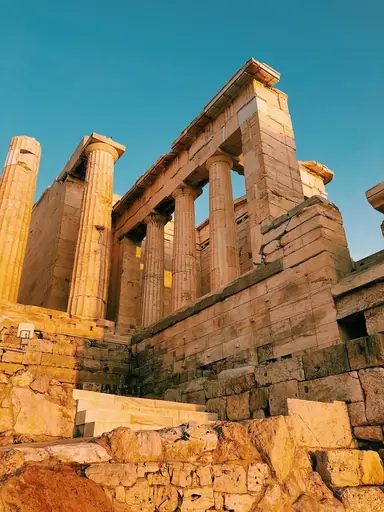
The Parthenon is an iconic temple built between 447 and 432 BCE on the Acropolis hill dedicated to Athena Parthenos, the city's patron goddess. It exemplifies the pinnacle of classical Greek architecture with its elegant Doric columns and intricate sculptural decorations that highlight achievements in art and culture. The Parthenon originally housed a massive chryselephantine statue of Athena, crafted from gold and ivory by the sculptor Phidias.
Over centuries, the Parthenon has served multiple roles including a treasury, Christian church and mosque. Unfortunately, it suffered significant damage during a 1687 explosion when the building was used as an ammunition depot. Ongoing restoration efforts aim to preserve this cultural treasure and allow generations to appreciate its historic grandeur.
Visitors should be prepared for the steep climb and uneven marble surfaces, which can be slippery especially in wet weather. The Acropolis is exposed to intense sun during summer, so bringing water, sunscreen and wearing sturdy shoes is recommended. Long queues and crowds, especially in peak seasons, can affect the visit experience, making early morning or late afternoon visits preferable.
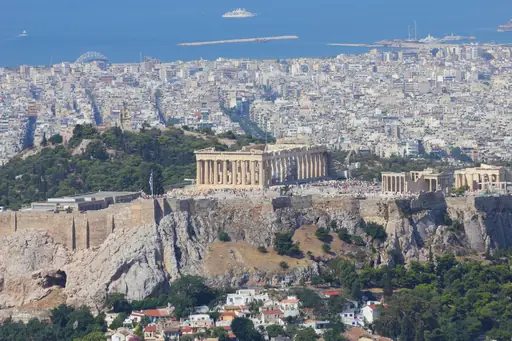
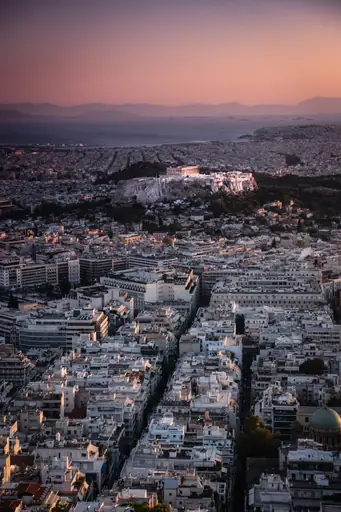
Despite the challenges, exploring the Parthenon and its surrounding monuments offers an unforgettable insight into ancient Greek civilization, blending awe-inspiring architecture with panoramic views of Athens below.
Visitors typically arrive at the Parthenon via Athens, the capital of Greece. The city’s Eleftherios Venizelos International Airport connects to many European, Middle Eastern and international destinations, making it a well-accessible gateway. From central Athens, the Parthenon is a short taxi or metro ride away, with the closest metro stop at 'Acropoli' station. Walking from the city center through Plaka district is also a popular scenic route.
Athens offers a wide range of accommodation from budget hostels to luxury hotels, many within walking distance of the Acropolis and historic center. Staying in neighborhoods like Plaka, Monastiraki or Syntagma combines convenience with charming local atmosphere.
Log in to add this place to a travel list and get a summary of all recommended items for your whole trip.
We calculate the average costs when travelling to destinations and compare those with the living costs at your home. With this you can get an estimate of how expensive or cheap the destination is for you.
To customise this, you can set up which location and price level are used for the calculations in your account settings.
The exchange rate price factor shows how expensive or cheap a currency currently is compared to its historical average. It's a quick way to see if a country is currently more or less affordable due to exchange rate changes.
