
Best historical destinations in Europe
Best historical destinations in Europe
Ancient medieval towns and historic battlefields in Europe
Europe is one of the most historically dense regions on earth, where the evidence of successive civilisations, empires, conflicts and cultural movements is layered into the landscape in a way that rewards genuine engagement. The continent's relatively compact geography means that it is often possible to move between sites representing entirely different periods and cultures within the space of a single trip.
The range of historical experience on offer is extraordinary. Ancient Greek and Roman sites, medieval fortifications, Renaissance cities, Reformation landscapes and the physical remains of the twentieth century's defining conflicts all exist within a continent where history is rarely more than a short distance away. Some of the most significant sites are well known. Others carry equal historical weight with a fraction of the visitors.
Context matters enormously in Europe, where the significance of a site is often inseparable from an understanding of the broader historical forces that produced it. Arriving with some background knowledge, choosing a good local guide for the most complex sites and allowing enough time to move beyond the surface of what a place represents tends to produce a substantially richer experience.
Lists by region
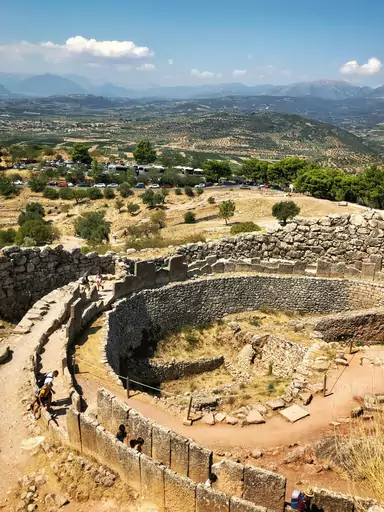
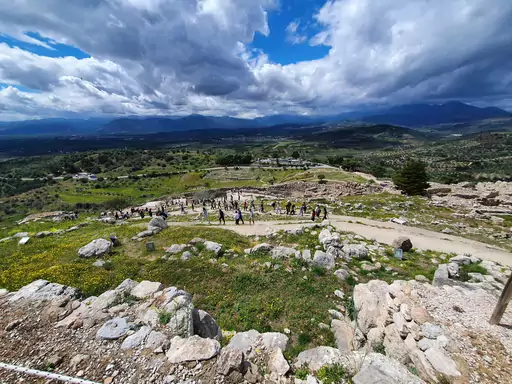
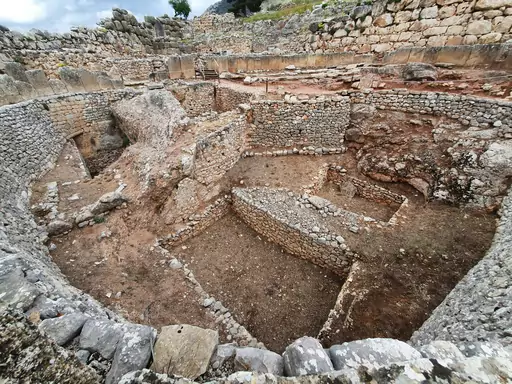
Town in Greece
Mycenae
Ancient citadel of legendary kings
Mycenae flourished as a centre of Bronze Age Greek civilisation more than 3,000 years ago. Its Lion Gate remains the entrance to a citadel built from massive stone blocks. Archaeologist Heinrich Schliemann excavated golden funeral masks from tombs here in 1876. Homer's epics later drew on legends tied to Mycenae's ancient rulers.
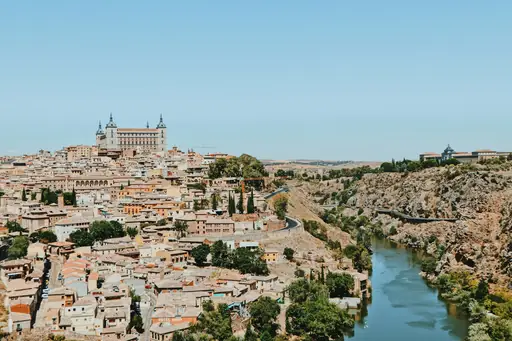
City in Spain
Toledo
A Timeless Blend of Cultures
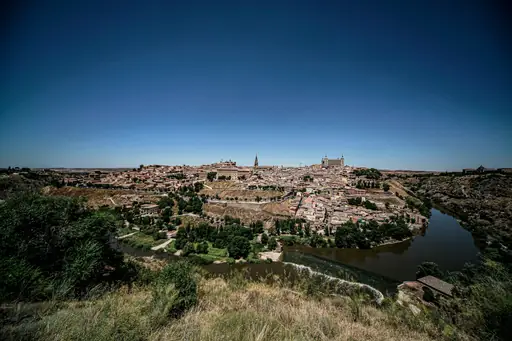
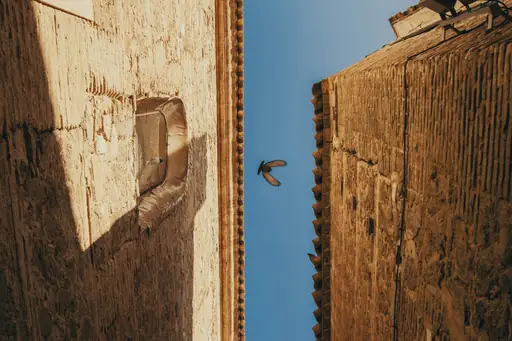
Toledo served as capital of Spain until Philip II moved the court to Madrid in 1561. Jewish, Muslim and Christian communities once coexisted within the city for centuries. Toledo Cathedral took over 250 years to complete after construction began in 1226. Steep, winding streets still trace the city's medieval layout above the Tagus River.
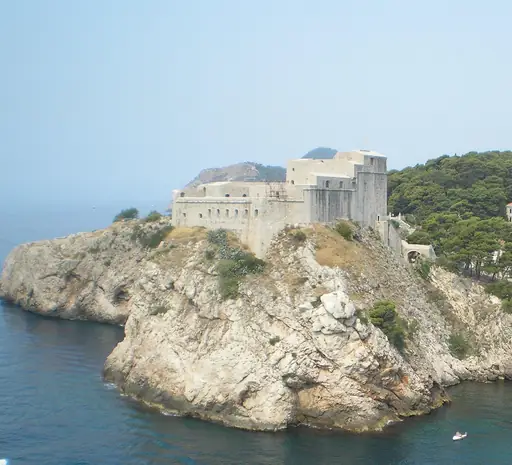
City in Croatia
Dubrovnik
The Pearl of the Adriatic
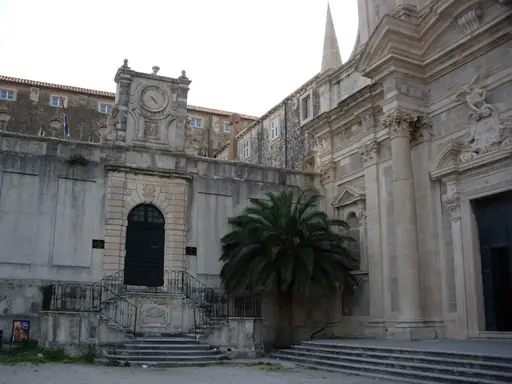
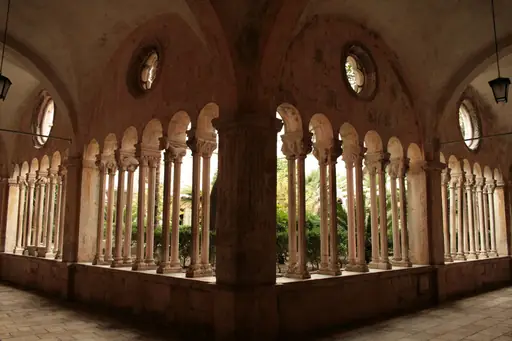
Dubrovnik operated as the independent maritime Republic of Ragusa for several centuries. Stone walls nearly two kilometres long still encircle the entire old town. Earthquake damage in 1667 destroyed much of the city's earlier Gothic architecture. Baroque buildings rebuilt afterwards now define much of Dubrovnik's historic skyline.
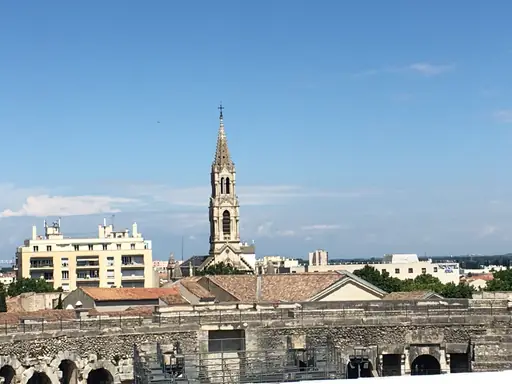
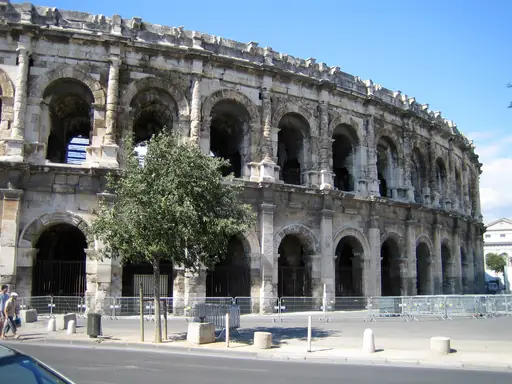
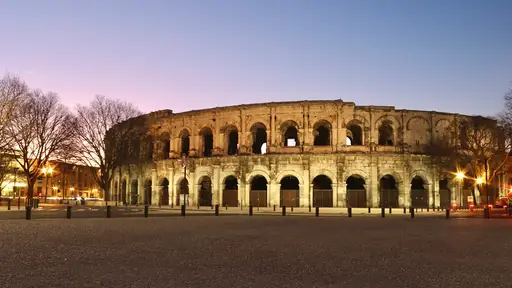
City in France
Nîmes
Roman Grandeur in Southern Sun
Roman builders constructed Nimes's amphitheatre in the 1st century, seating up to 24,000 spectators. The arena still hosts events nearly 2,000 years after it was built. Maison Carree, a well-preserved Roman temple, stands nearby in the city centre. Nimes grew into a major Roman colony along a key trade route.
Town in Italy
Matera
The ancient cave city of Italy
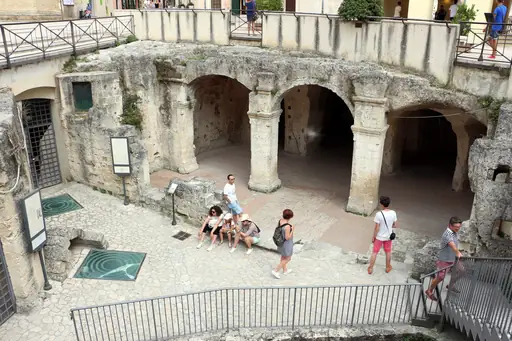
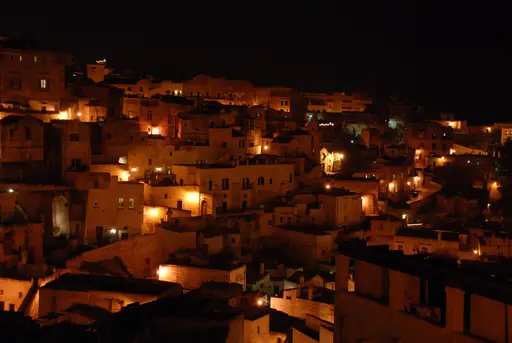
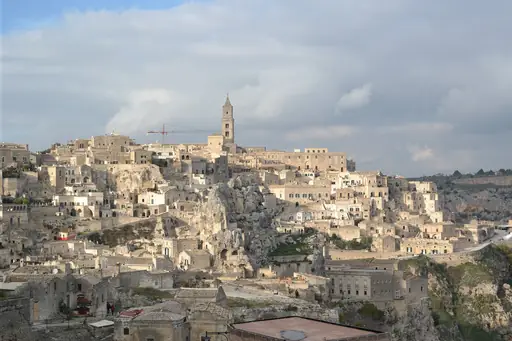
Matera's Sassi district contains cave dwellings carved into limestone cliffs over thousands of years. Families lived in these caves continuously until the mid-20th century. Poor living conditions eventually led the Italian government to relocate residents during the 1950s. UNESCO later recognised the Sassi as a World Heritage site in 1993.
City in Italy
Agrigento
Sicily's Ancient Jewel of Ruins
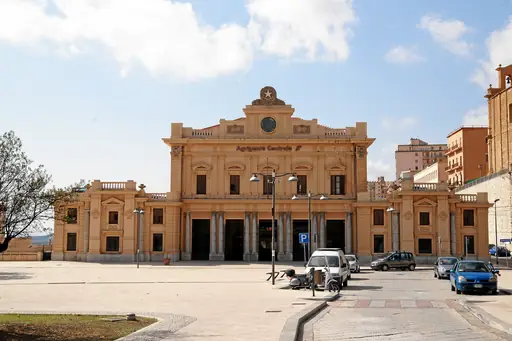
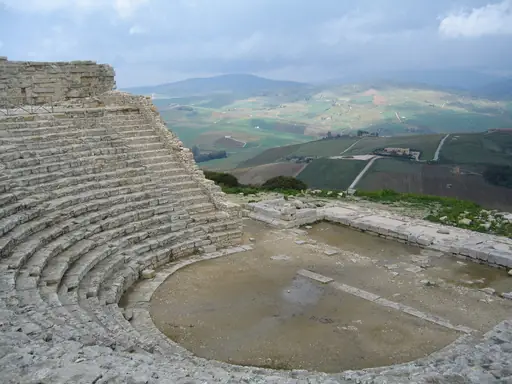
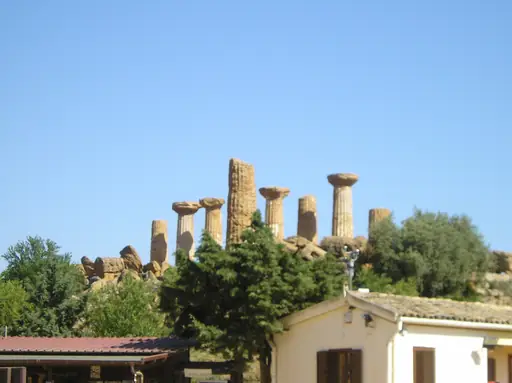
Greek colonists founded Agrigento in 582 BC, naming it Akragas at the time. Its Valley of the Temples preserves seven Doric temples built across two centuries. The Temple of Concordia remains remarkably intact despite nearly 2,500 years of history. Almond trees bloom each February across the archaeological park surrounding the ruins.
City in Austria
Vienna
A Symphony of Culture and Elegance
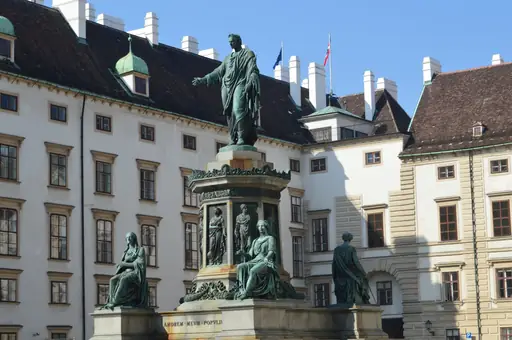
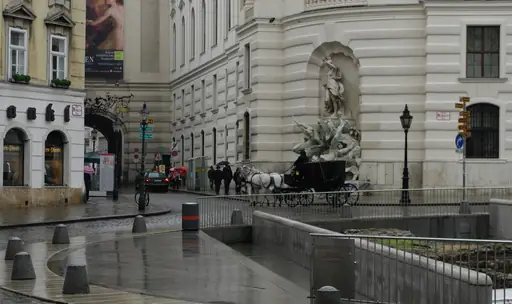
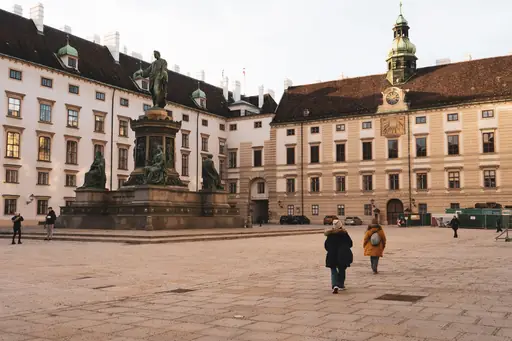
Vienna served as capital of the Habsburg Empire for more than six centuries. Composers including Mozart, Beethoven and Strauss all lived and worked in the city. Ringstrasse boulevard replaced the city's old fortifications during the 1860s. Coffeehouse culture, dating back centuries, remains part of Vienna's daily life.
City in Spain
Mérida
Roman Ruins and Timeless Drama
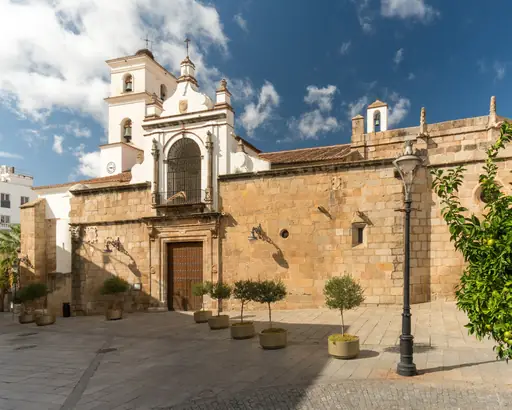
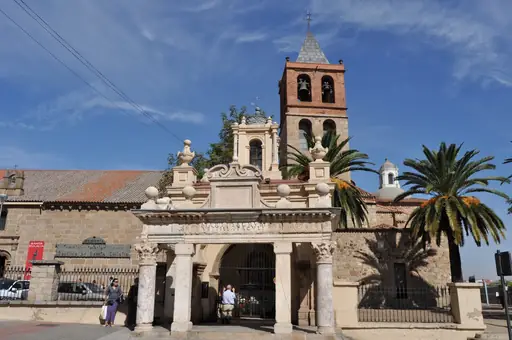
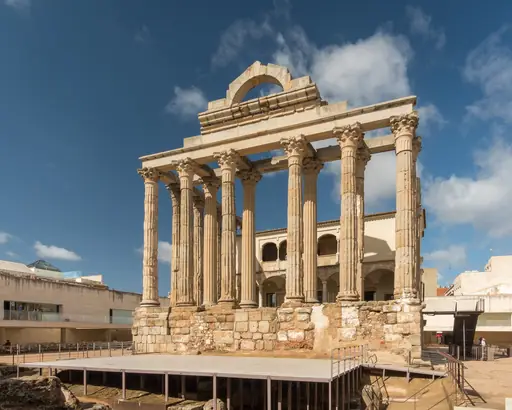
Roman emperor Augustus founded Merida as Emerita Augusta in 25 BC for retired soldiers. Its Roman theatre and amphitheatre still host performances and events today. An intact Roman bridge across the Guadiana River remains in use for pedestrians. Merida holds one of Spain's largest collections of surviving Roman ruins.
City in Malta
Valletta
A historic gem by the sea
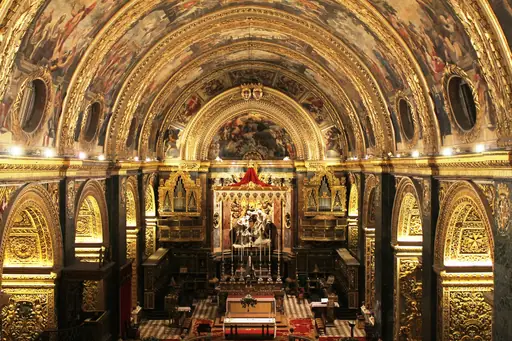
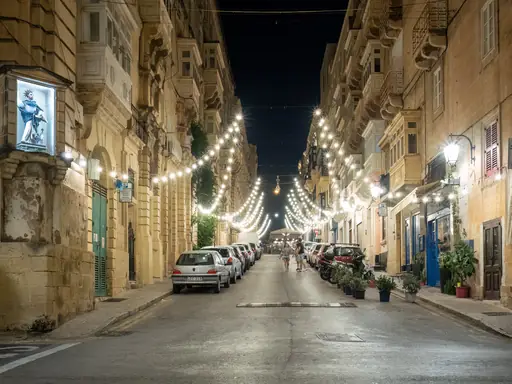
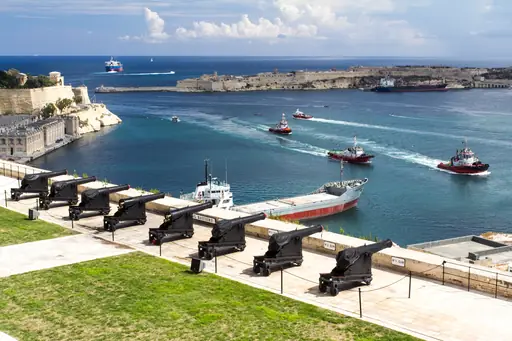
Knights of the Order of St. John built Valletta after surviving the Great Siege of 1565. Fortified walls and bastions still encircle the entire peninsula city. St. John's Co-Cathedral holds a Caravaggio painting among its ornate Baroque interior. UNESCO recognised Valletta's dense concentration of historic buildings as a World Heritage site.
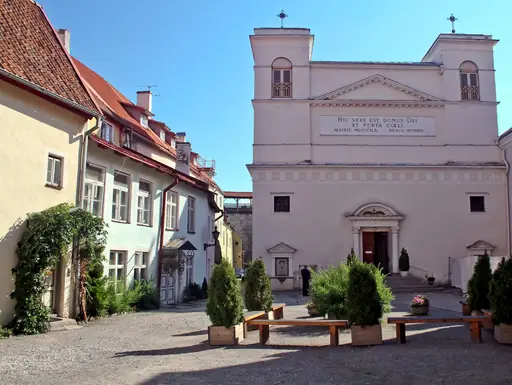
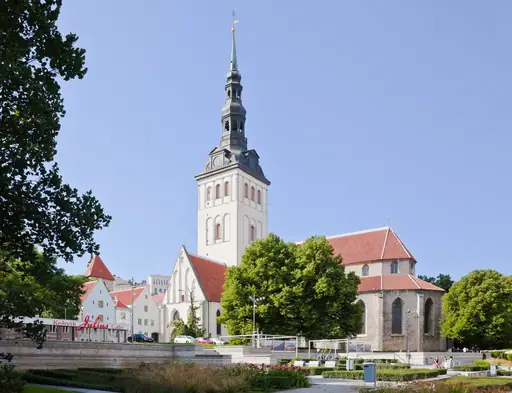
City in Estonia
Tallinn
Medieval charm meets modern innovation
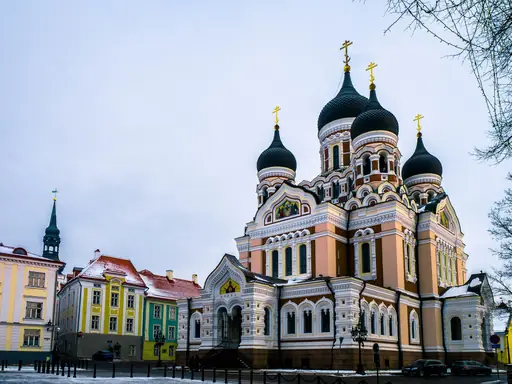
Tallinn grew wealthy as a Hanseatic League trading port during the medieval period. Its walled old town preserves nearly two kilometres of original defensive fortifications. Toompea Hill has held a fortress overlooking the lower town since the 13th century. Guild halls and merchant houses from that trading era still line the streets.
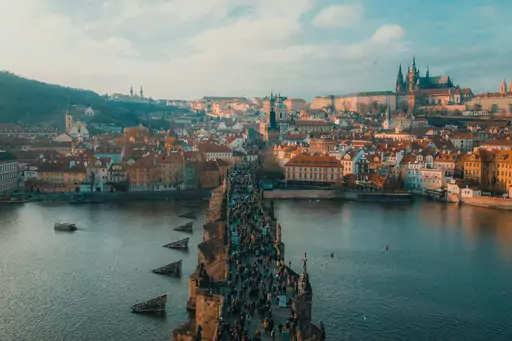
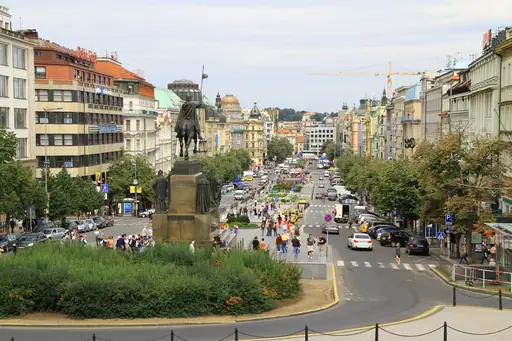
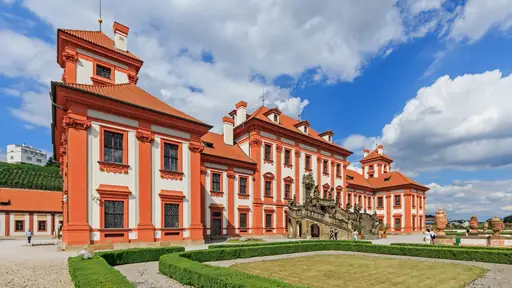
City in Czech Republic
Prague
A fairy-tale city with rich history
Prague grew into a major medieval trading city under Holy Roman Emperor Charles IV. He founded Charles University here in 1348, among the oldest in Central Europe. Gothic, Baroque and Art Nouveau buildings now stand layered throughout the historic centre. Prague largely escaped destruction during the Second World War, preserving much of its architecture.
City in Germany
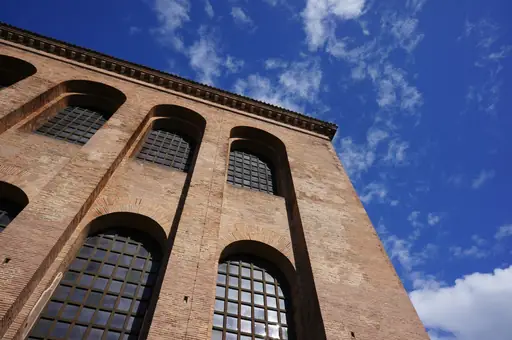
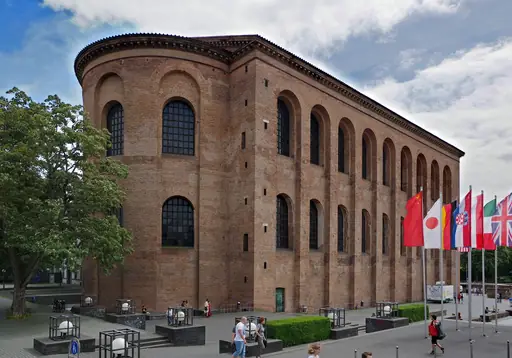
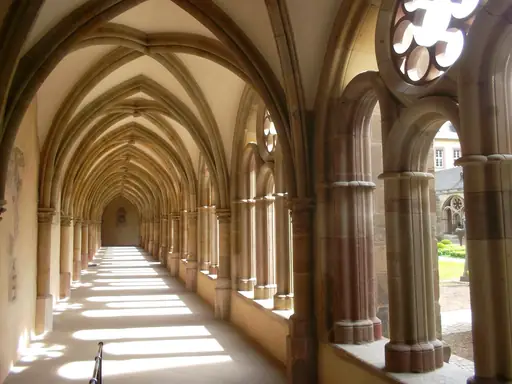
Trier
Roman gates, baths and Moselle wine
Roman settlers founded Trier around 16 BC, among Germany's earliest cities. The Porta Nigra, a massive Roman gate, still stands largely intact at the city's edge. Emperors ruled the Western Roman Empire from Trier during the 4th century. Roman baths, an amphitheatre and a basilica remain scattered throughout the city.
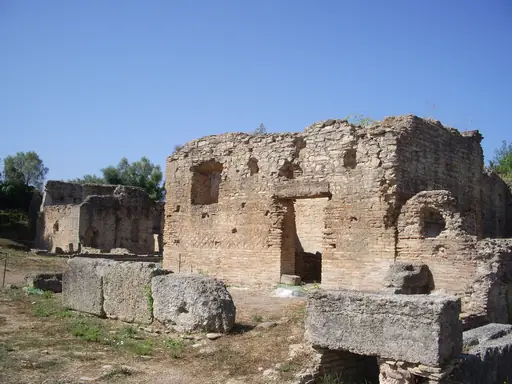
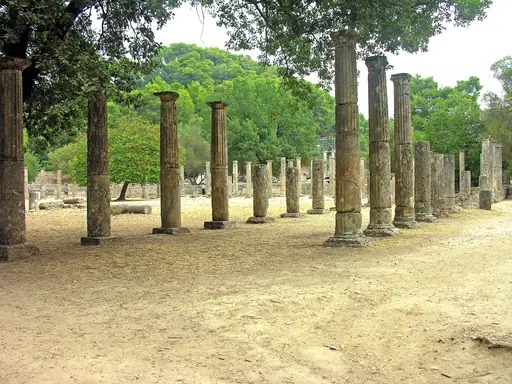
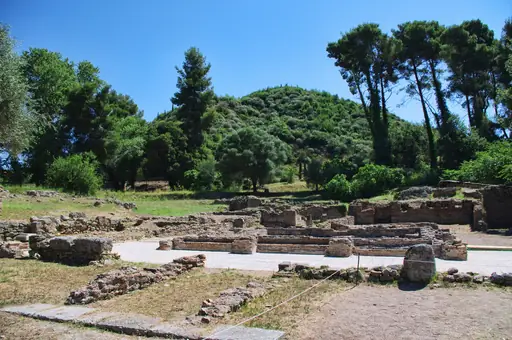
Town in Greece
Olympia
Birthplace of the Olympic Games
Ancient Greeks first held the Olympic Games at Olympia in 776 BC. Athletes competed in a stadium that could hold roughly 45,000 spectators. The Temple of Zeus once housed a massive gold and ivory statue nearby. Modern Olympic torches are still lit at Olympia before every games.
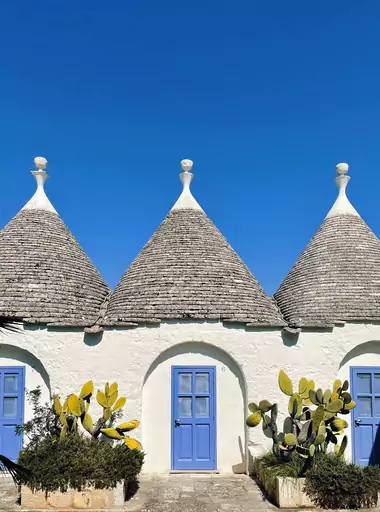
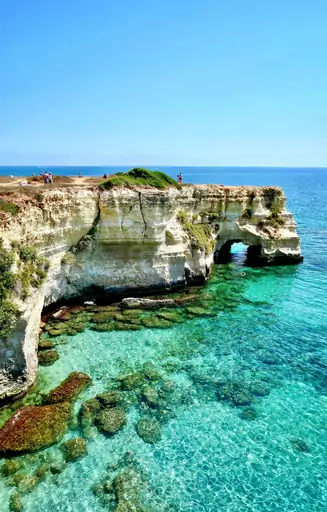
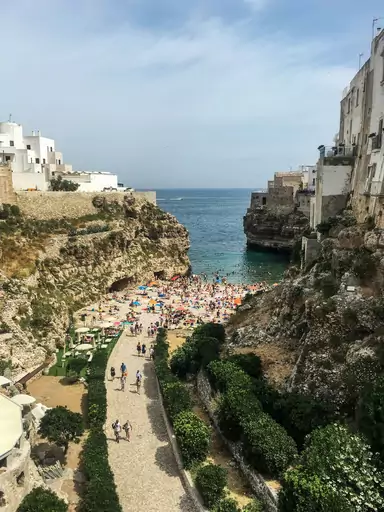
Region in Italy
Puglia
Sun‑kissed coastlines and ancient olive groves
Farmers in Puglia built cone-roofed trulli houses using dry stone construction without mortar. Byzantine, Norman and Aragonese rulers all left their mark across the region's architecture. Alberobello's trulli district became a UNESCO World Heritage site in 1996. Romanesque cathedrals built by Norman conquerors still stand in several coastal towns.
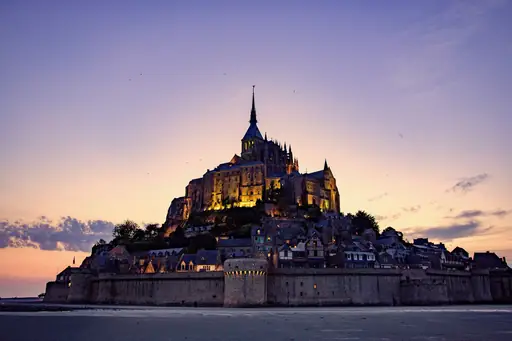
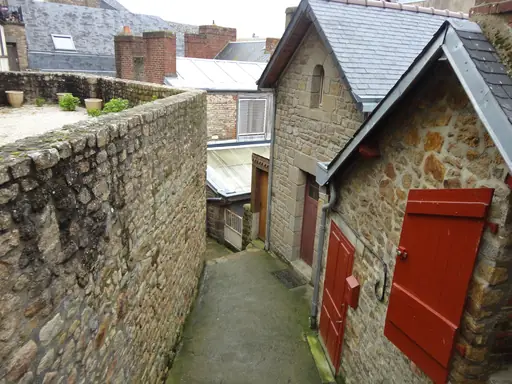
Island in France
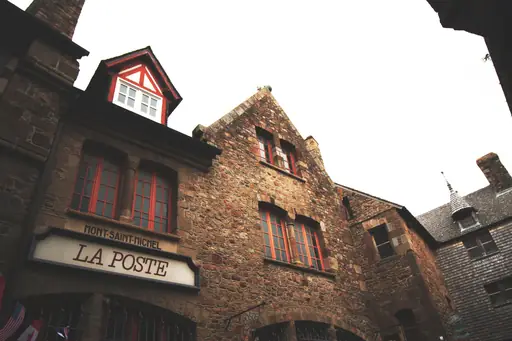
Mont Saint-Michel
A Medieval Island Rising from the Sea
Benedictine monks built an abbey atop Mont Saint-Michel starting in the 10th century. Tides around the island once rose fast enough to strand unwary pilgrims. English forces besieged the fortified abbey repeatedly during the Hundred Years' War. A causeway built in 2014 restored the island's natural tidal separation from the mainland.
City in Spain
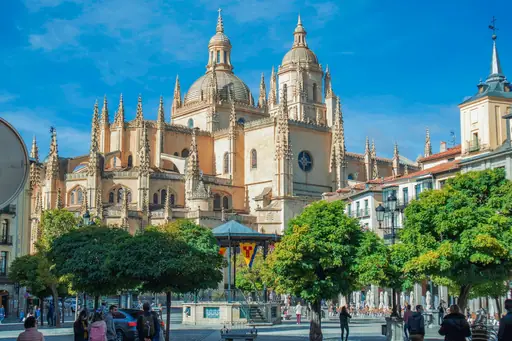
Segovia
Historic charm near Madrid
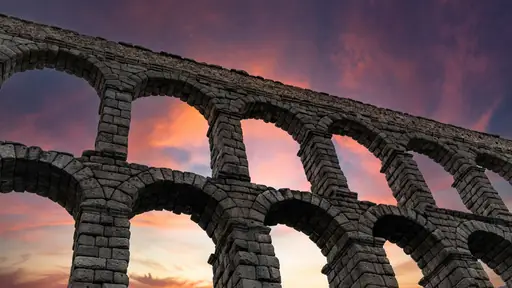
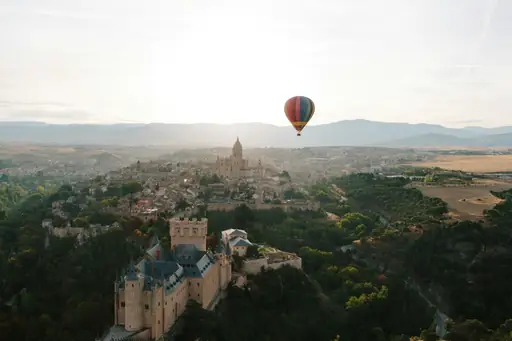
Roman engineers built Segovia's aqueduct nearly 2,000 years ago without using any mortar. Water still flowed through its arches into the city until the late 1800s. The Alcazar of Segovia, a fortress-palace, later inspired the design of a famous Disney castle. Isabella I was proclaimed Queen of Castile within the city in 1474.
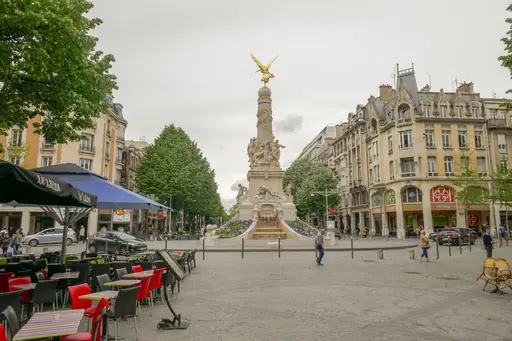
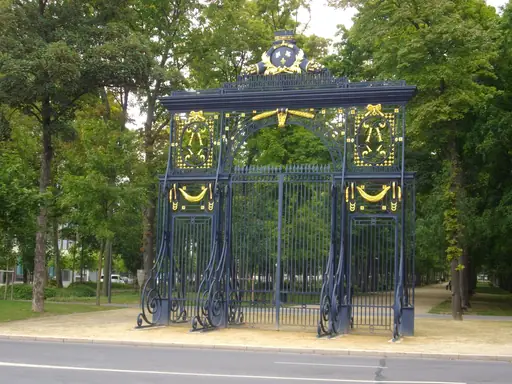
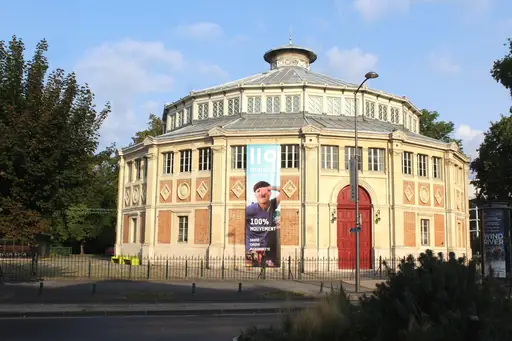
City in France
Reims
Champagne, Cathedrals and French Flair
French kings were crowned at Reims Cathedral for centuries, beginning with Clovis around 496. The current Gothic cathedral replaced an earlier church destroyed by fire in 1211. Joan of Arc stood beside Charles VII as he was crowned there in 1429. Shelling during World War I damaged the cathedral, later fully restored.

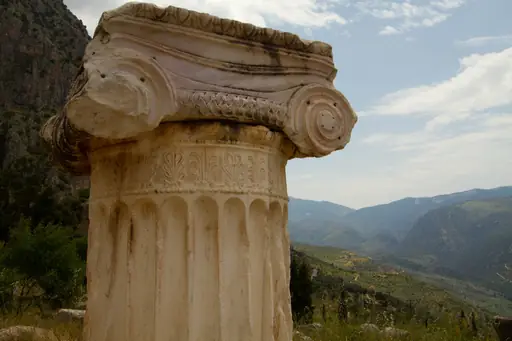
Town in Greece
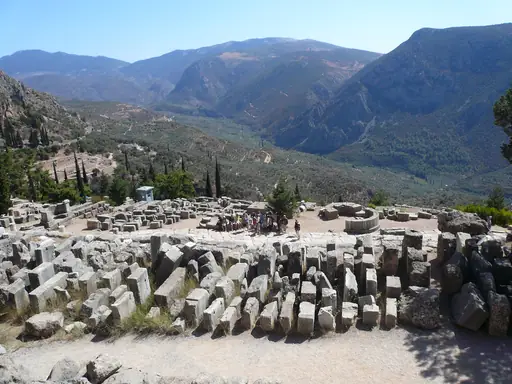
Delphi
The legendary oracle of Greece
Ancient Greeks travelled to Delphi to consult its oracle, believed to speak for the god Apollo. City-states across Greece sent offerings to a treasury built within the sanctuary. The Temple of Apollo's remaining columns still stand on a steep mountainside. Delphi hosted its own athletic games, held every four years like those at Olympia.
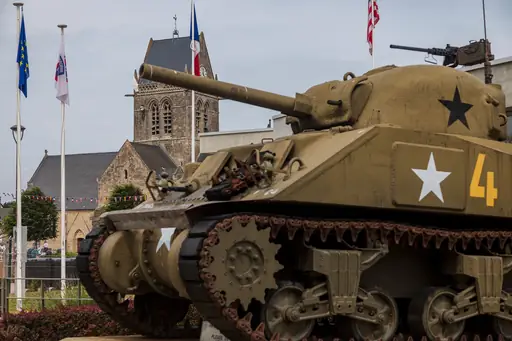
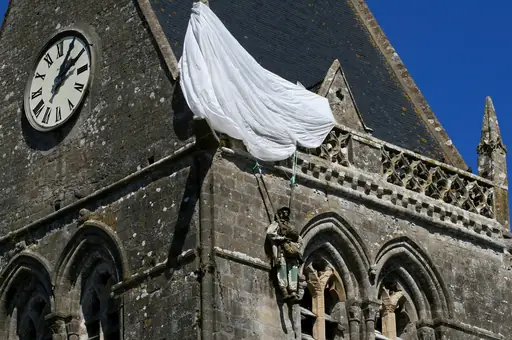
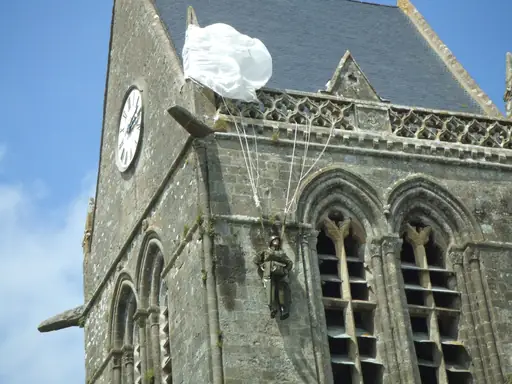
Region in France
Normandy
History, cliffs and charming villages
William the Conqueror sailed from Normandy in 1066 to invade England and claim its throne. A long embroidered cloth, stitched soon after, depicts scenes from that campaign in detail. Allied forces later landed along Normandy's beaches in 1944 to liberate occupied France. Memorials and cemeteries across the region still mark that wartime history.
City in Italy
Assisi
Hilltop Saints, Frescoes and Peaceful Views
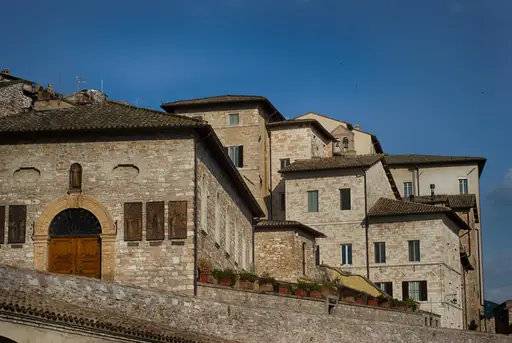
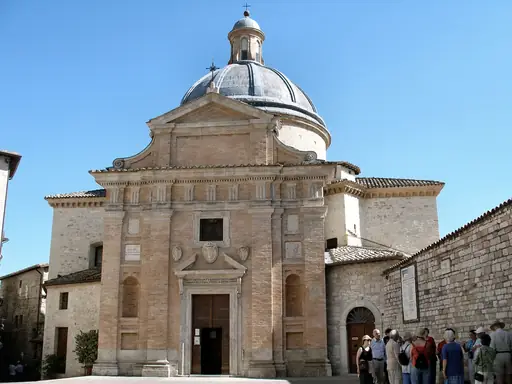
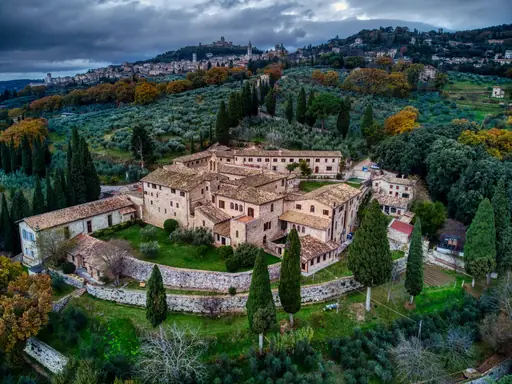
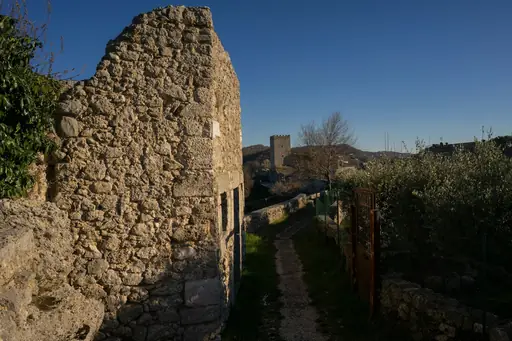
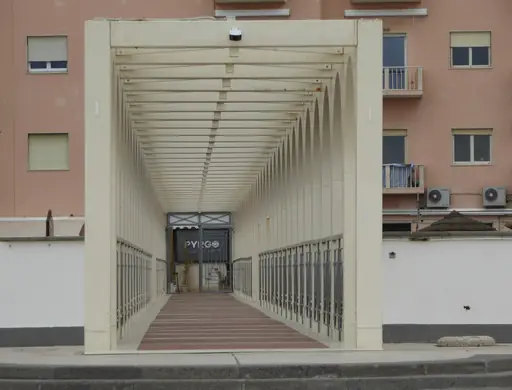
Saint Francis was born in Assisi in 1182, founding the Franciscan order there. The Basilica of San Francesco houses his tomb beneath two stacked churches. Giotto's frescoes cover much of the upper church's walls and ceiling. Pilgrims have travelled to the hilltop town for more than 800 years.
City in Italy
Rome
The Eternal City of history and charm
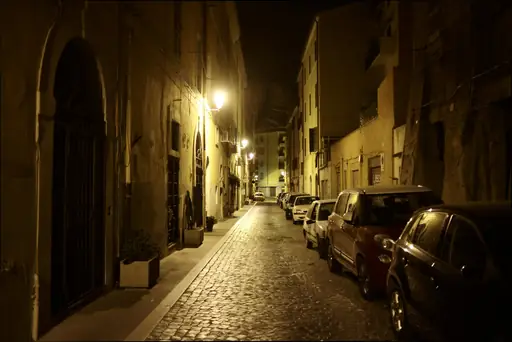
Rome grew from a small settlement into the capital of an empire spanning three continents. Legend holds that twins Romulus and Remus founded the city in 753 BC. Ancient forums, temples and aqueducts still stand scattered across the modern city. Renaissance and Baroque popes later rebuilt much of Rome's historic core centuries afterwards.
City in France
Paris
The city of love, art and history
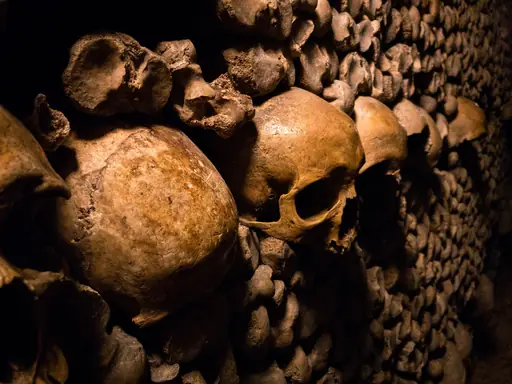
Roman legions conquered a Celtic settlement on the Seine that grew into Paris. The city became capital of the Frankish kingdom under Clovis around 508. Medieval guilds and universities helped Paris grow into a centre of learning. Haussmann redesigned much of the city's layout during the 19th century.
City in Spain
Santiago de Compostela
A Pilgrimage Through History and Charm
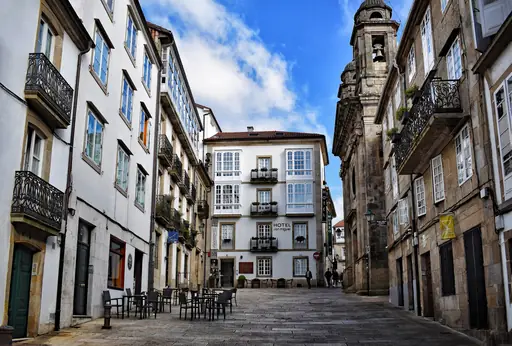
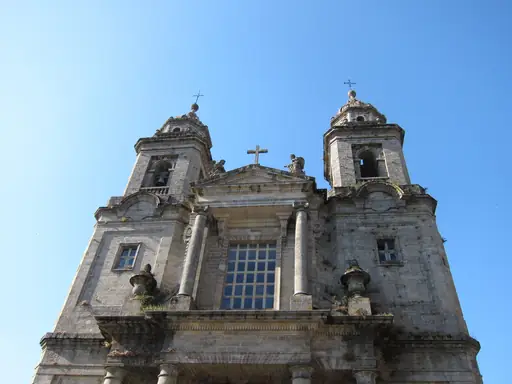
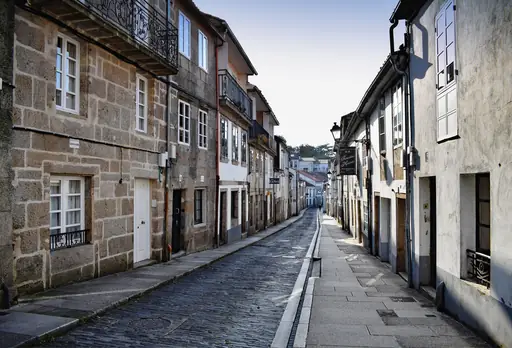
Pilgrims have walked the Camino de Santiago to Santiago de Compostela since the 9th century. The remains of the apostle James are said to rest within its cathedral. A giant incense burner still swings across the cathedral's transept during certain services. Medieval pilgrim hostels along the route later grew into the city's historic quarter.
City in Germany
Dresden
Baroque Elbe city rebuilt from the ruins
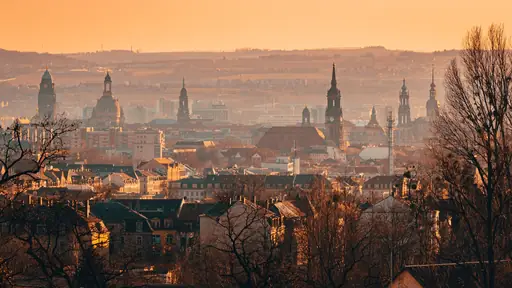
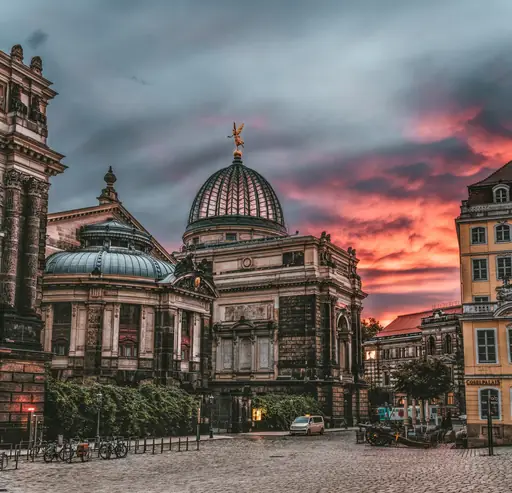
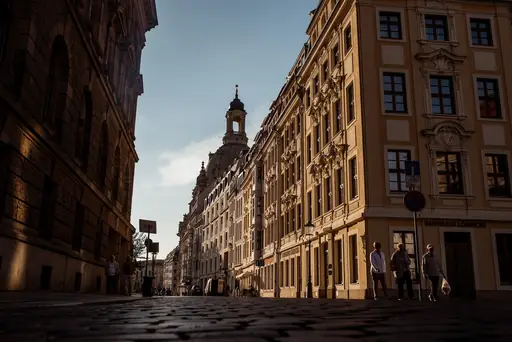
Allied bombing raids destroyed much of Dresden's historic centre in February 1945. The Frauenkirche lay in ruins for decades before reconstruction finished in 2005. Baroque palaces along the Elbe River were rebuilt using salvaged original stone. Dresden's old master paintings collection survived the war after being moved for safekeeping.
Region in France
Provence
Sunlit lavender fields and historic villages
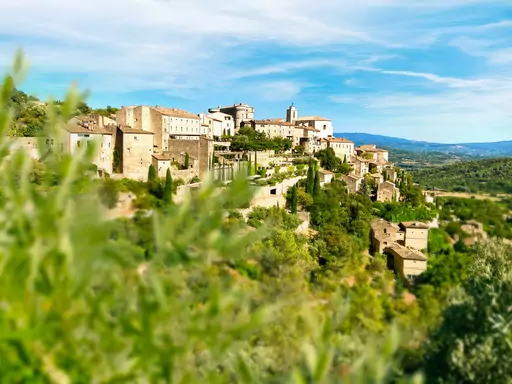
Roman rule left Provence with amphitheatres, aqueducts and triumphal arches still standing today. The Pont du Gard aqueduct once carried water across a valley near Nimes. Popes ruled from Avignon during the 14th century, building a fortified palace there. Hilltop villages fortified during medieval conflicts still dot the Provencal countryside.
City in Spain
Córdoba
A timeless blend of cultures
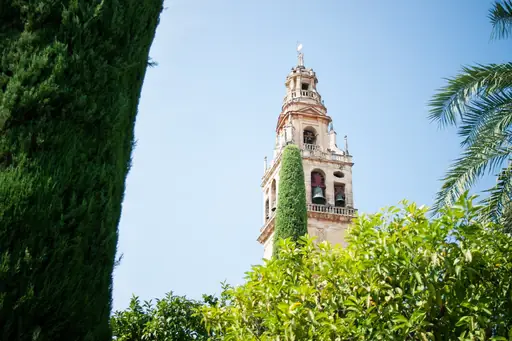
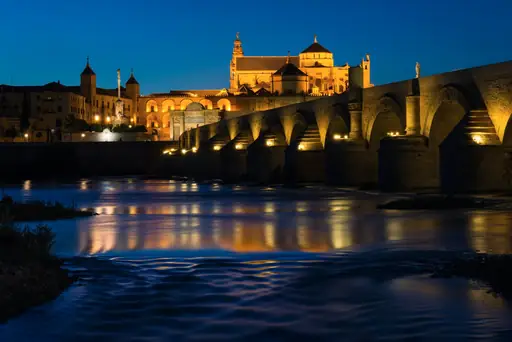
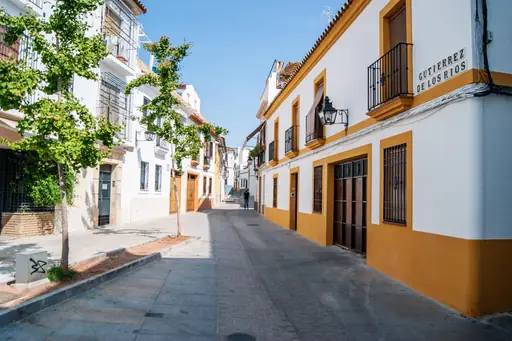
Cordoba served as capital of Islamic Spain's Umayyad caliphate during the 10th century. The Mezquita's striped arches fill a mosque later converted into a Catholic cathedral. Jewish, Muslim and Christian communities once coexisted within the city's old quarter. Narrow whitewashed streets in the Juderia still trace the layout of that era.
Region in France
Bourgogne
Crimson vineyards and historic châteaus
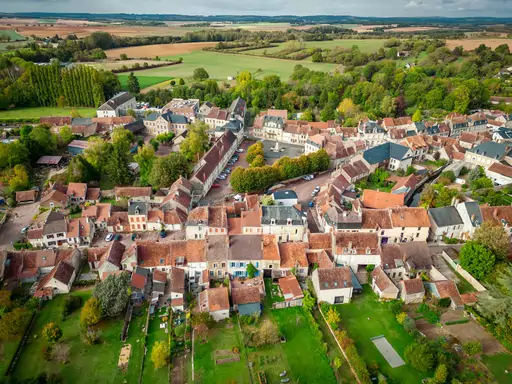
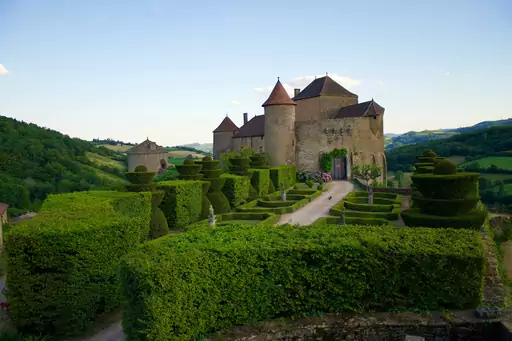
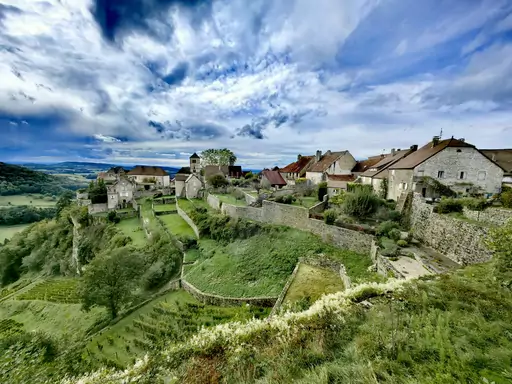
Dukes of Burgundy ruled a powerful independent state from this region during the medieval period. Cistercian monks began cultivating the region's vineyards as early as the 12th century. Romanesque abbeys, including Cluny and Vezelay, once drew pilgrims from across Europe. Fortified wine villages built by medieval lords still dot the Burgundian countryside.
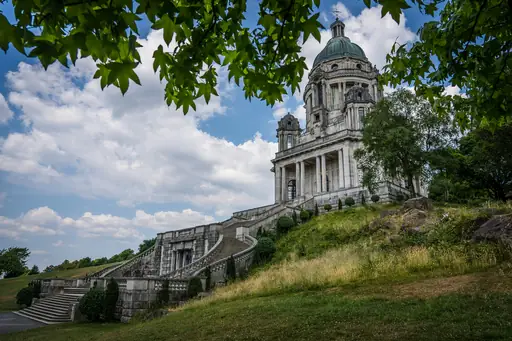
City in United Kingdom
Lancaster (England)
Historic riverfront charm meets university spirit
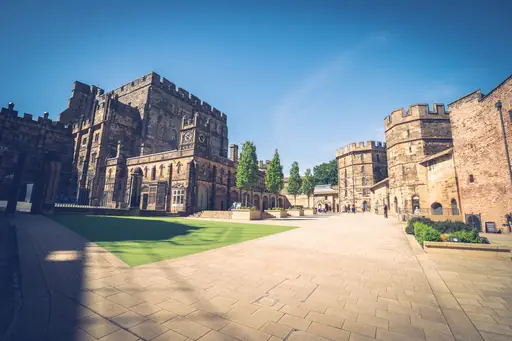
Lancaster Castle has stood above the city since Norman builders raised it in the 11th century. Monarchs once held court and tried prisoners within its walls. The castle served as a working prison until operations there ended in 2011. Lancaster gave its name to the royal house that fought in the Wars of the Roses.
City in France
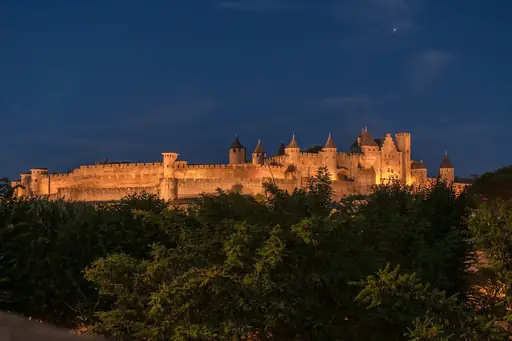
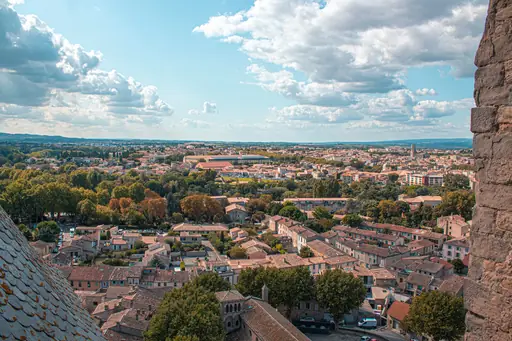
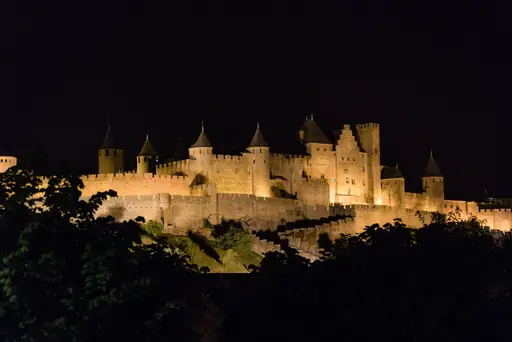
Carcassonne
Medieval Walls, Towers and Timeless Magic
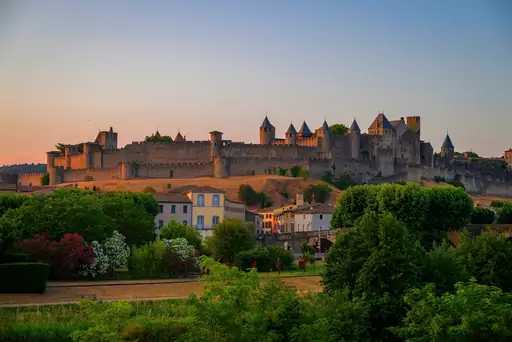
Carcassonne's fortified citadel preserves nearly 3 kilometres of double medieval walls and 52 towers. Roman builders laid the earliest fortifications on this hilltop centuries before the Middle Ages. Restoration architect Viollet-le-Duc rebuilt much of the citadel during the 1800s. Cathars once sought refuge within its walls during a 13th-century religious crusade.
City in United Kingdom
Canterbury
Cathedrals, Cobblestones and River Tales
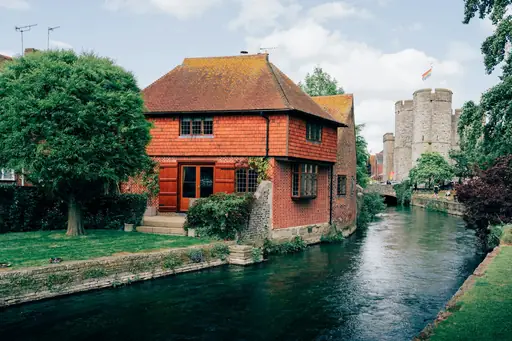
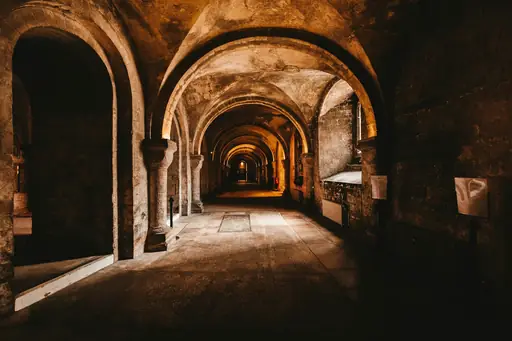
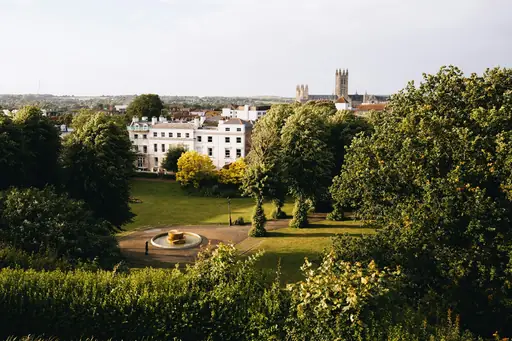
Canterbury Cathedral became a major pilgrimage site after Archbishop Thomas Becket was murdered there in 1170. Chaucer later set his Canterbury Tales around pilgrims travelling to the cathedral. Stained glass windows dating to the medieval period still survive in parts of the building. The cathedral remains the seat of the Church of England's spiritual leader.
City in Italy
Ravenna
Mosaics, History and Charm
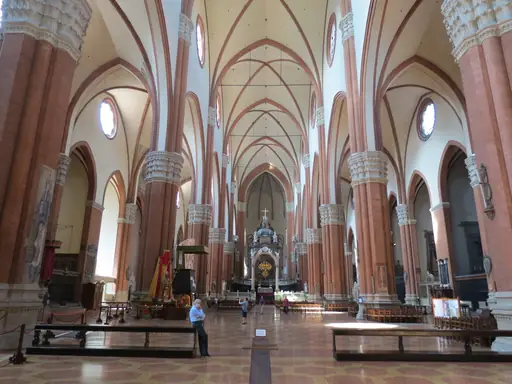
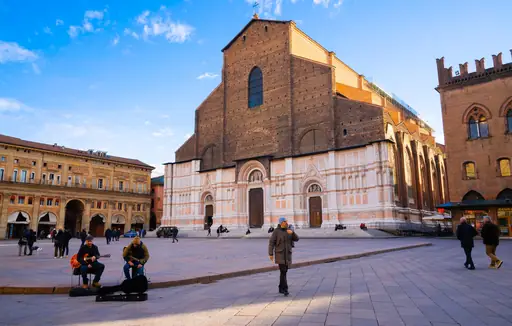
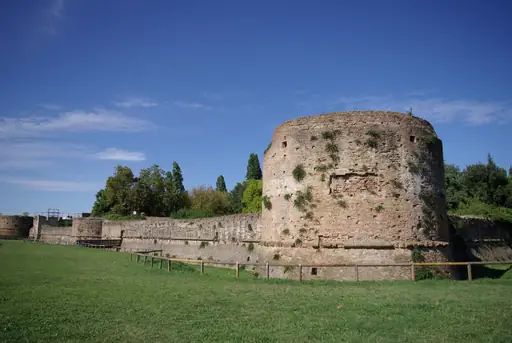
Ravenna served as capital of the Western Roman Empire before its fall in 476. Byzantine emperors later ruled the city, leaving behind elaborate mosaic-covered churches. Gold and glass tesserae cover the walls of several churches dating to the 5th and 6th centuries. UNESCO recognised eight of Ravenna's early Christian monuments as World Heritage sites.
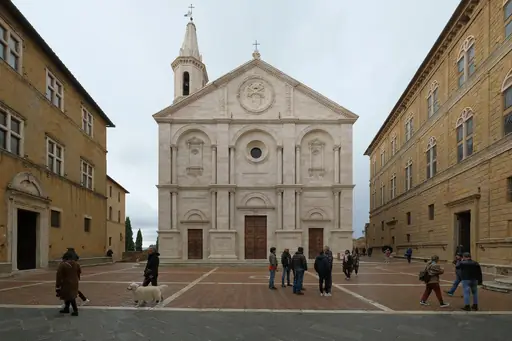
Valley in Italy
Val d'Orcia
Rolling vineyards cradle historic hilltop charm
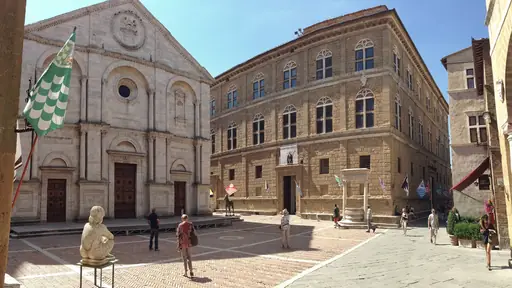
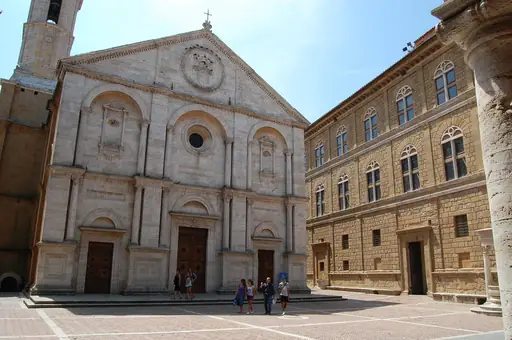
Medieval pilgrims once crossed the Val d'Orcia along the Via Francigena route to Rome. Fortified hilltop towns like Pienza were built to guard and serve that route. Pope Pius II redesigned Pienza into an ideal Renaissance town during the 1460s. Farmhouses and cypress-lined roads across the valley still echo that historic landscape.
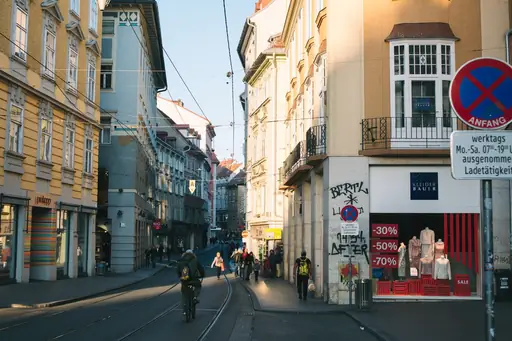
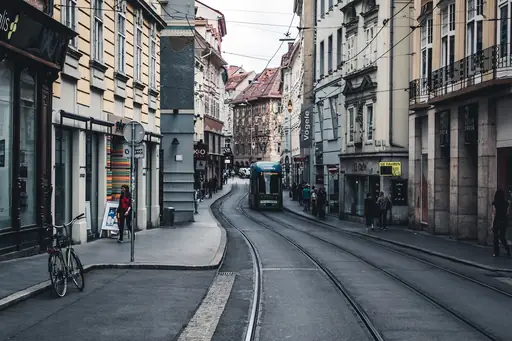
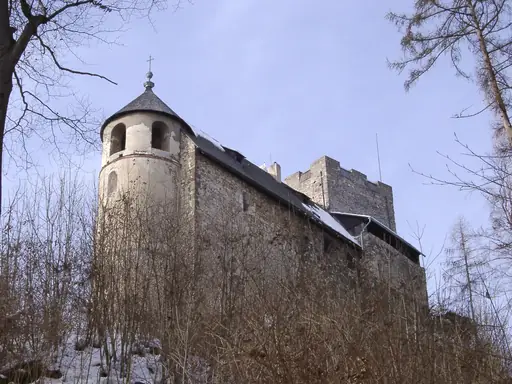
City in Austria
Graz
Courtyards, Culinary Delights, Creative Vibes
Graz's old town developed around a fortified hill overlooking the Mur River for centuries. Renaissance and Baroque buildings still line the streets of its historic centre. A clock tower atop the Schlossberg has overlooked the city since medieval times. UNESCO recognised Graz's old town as a World Heritage site in 1999.
Town in United Kingdom
Stratford-upon-Avon
Birthplace of Shakespeare’s timeless inspiration
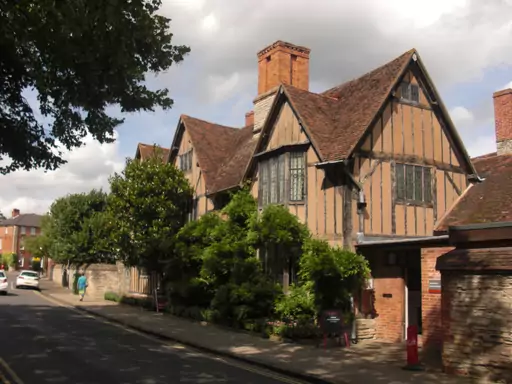
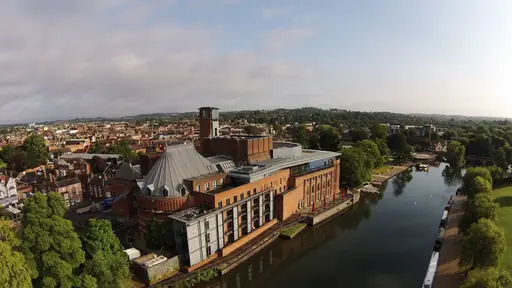
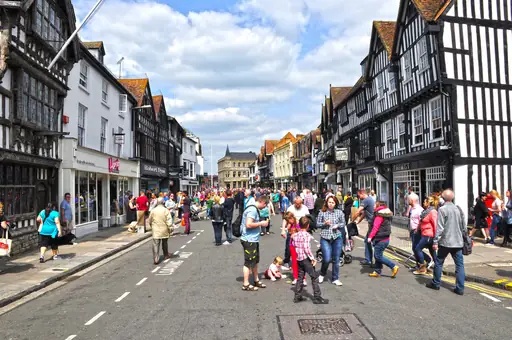
William Shakespeare was born in Stratford-upon-Avon in 1564 and later returned there before his death. His childhood home on Henley Street still stands preserved as a museum. Holy Trinity Church holds his grave beside the River Avon. Half-timbered Tudor buildings line much of the town's historic centre today.
City in Spain
Granada
Where Moorish Palaces Meet Flamenco Beats
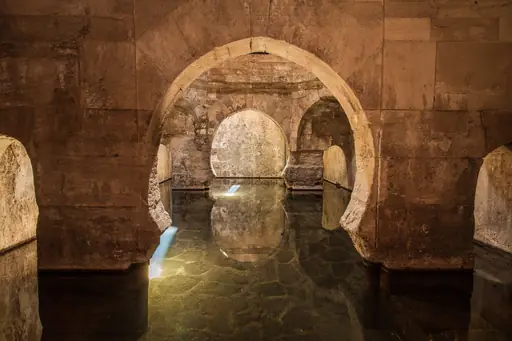
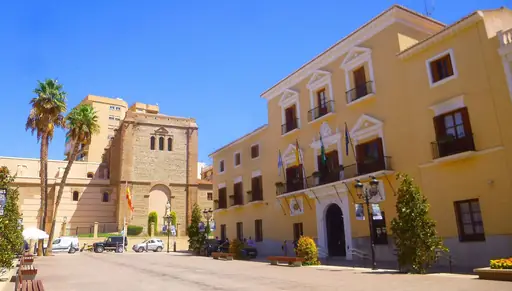
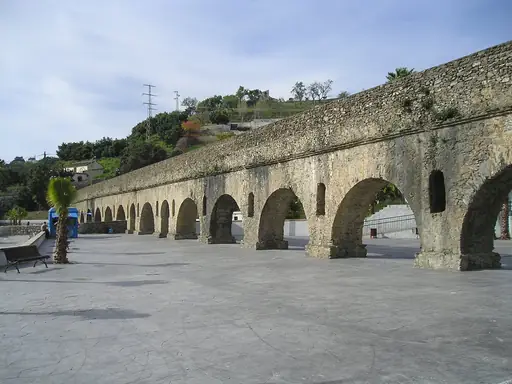
Granada served as the last stronghold of Muslim rule in Spain until 1492. The Nasrid dynasty built the Alhambra palace complex on a hill above the city. Carved stucco and colourful tilework decorate its courtyards and reflecting pools. Ferdinand and Isabella accepted the city's surrender there, ending centuries of Muslim rule.
City in Spain
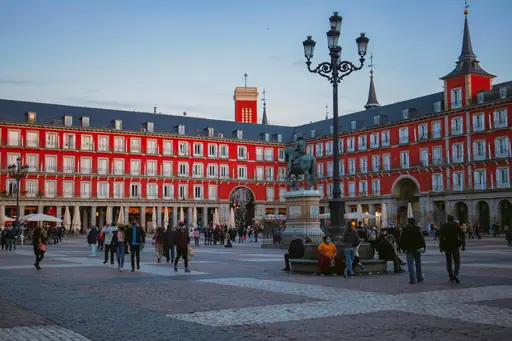
Madrid
A vibrant mix of culture and nightlife
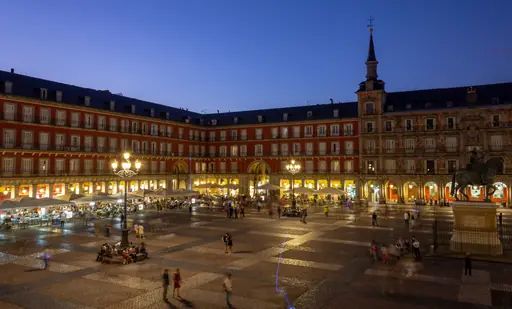
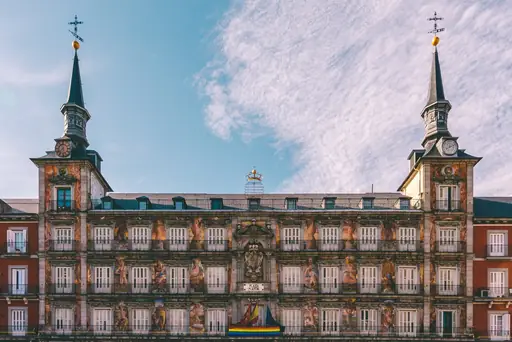
King Philip II moved Spain's royal court to Madrid in 1561, establishing it as capital. Plaza Mayor was completed in 1620 under the reign of his successor. The Royal Palace later replaced an earlier Moorish fortress on the same site. Madrid's old quarter still preserves narrow streets laid out during the Habsburg era.
Country
Vatican City
World's smallest sovereign art treasury
The Lateran Treaty of 1929 established Vatican City as an independent sovereign state. Popes have governed from this walled enclave within Rome for centuries. Swiss Guards, dressed in uniforms dating to the Renaissance, still protect its gates. Vatican archives hold centuries of documents tied to the Catholic Church's history.
Town in Portugal
Sintra
Fairytale Palaces in Misty Hills
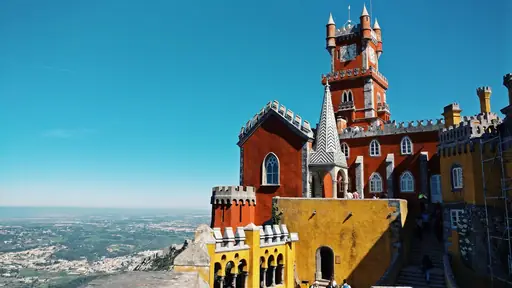
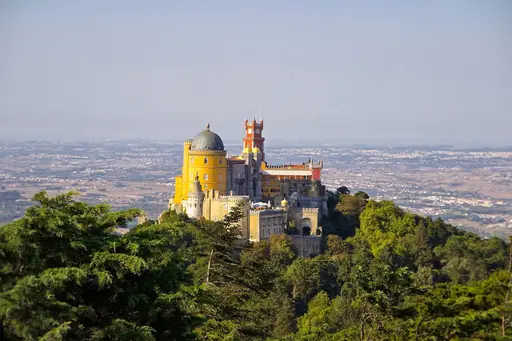
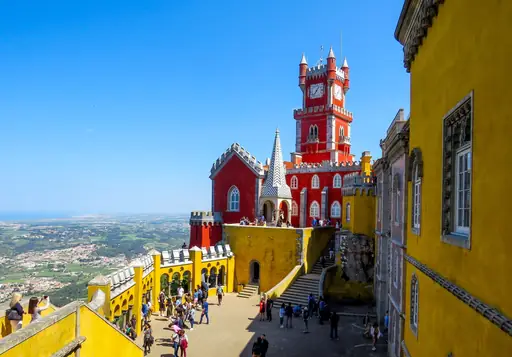
Portuguese royalty built summer retreats among the hills of Sintra for centuries. Pena Palace, completed in the 1850s, mixes Gothic, Moorish and Manueline styles. A Moorish castle from the 8th century still stands on a nearby peak. Lord Byron once praised Sintra's landscape in his writing after visiting in 1809.
City in Greece
Athens
Where ancient ruins meet urban energy
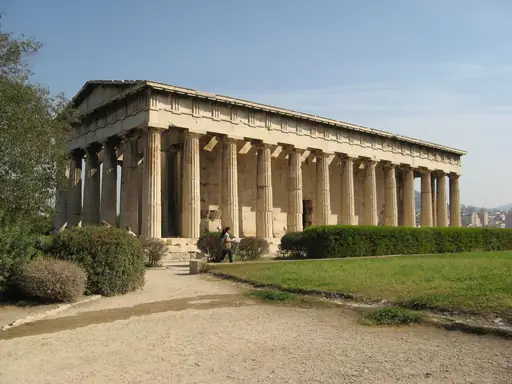
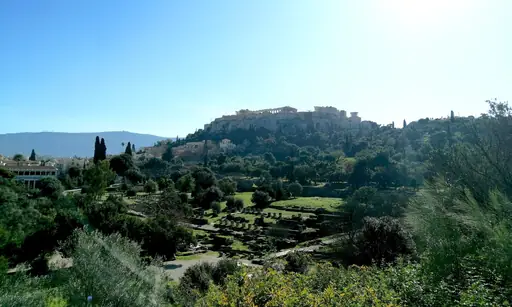
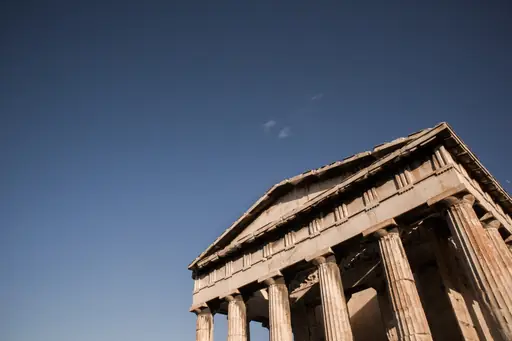
Athens gave rise to democracy around 508 BC under the reforms of Cleisthenes. Philosophers including Socrates, Plato and Aristotle taught and debated throughout the ancient city. The Acropolis still crowns the skyline, visible from most points downtown. Layers of Ottoman, Byzantine and Roman history remain visible across the older neighbourhoods.
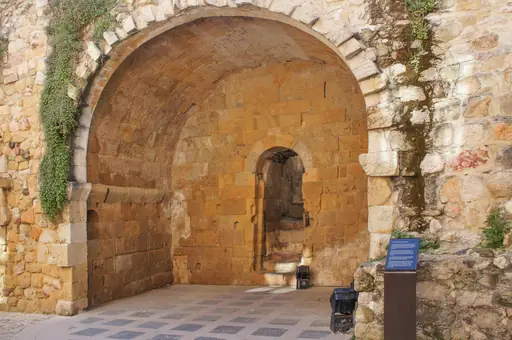
City in Spain
Salamanca
Golden Stone and Timeless Charm
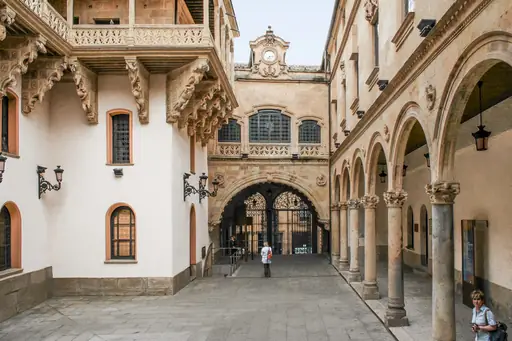
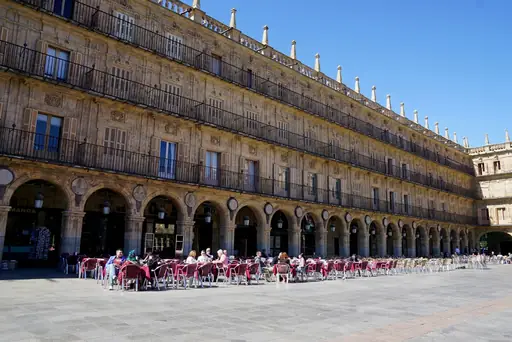
The University of Salamanca opened in 1218, among the oldest in the Spanish-speaking world. Christopher Columbus once presented his voyage plans to scholars gathered there. Plaza Mayor, built in the 1700s, remains one of Spain's grandest Baroque squares. Golden sandstone buildings give much of the historic centre a warm glow at sunset.
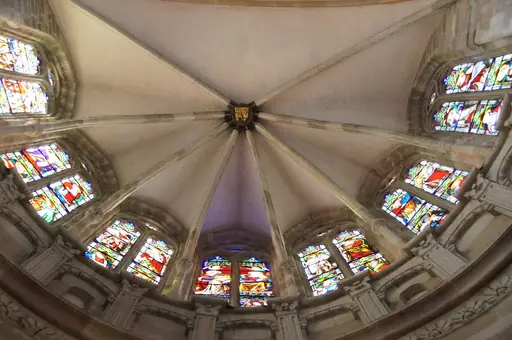
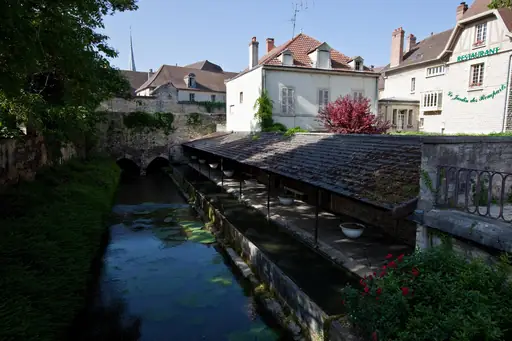
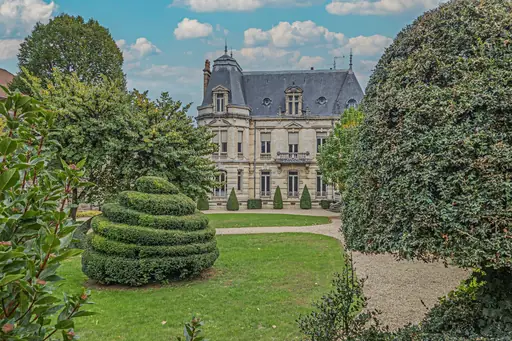
Town in France
Beaune
Wine heritage and medieval charm
Nicolas Rolin founded the Hotel-Dieu hospital in Beaune in 1443 to care for the poor. Colourful glazed tiles cover the building's steep, patterned roof in geometric designs. A charity wine auction held at the hospital each autumn still funds its upkeep. Beaune's medieval ramparts still encircle much of the old town centre.
City in Germany
Cologne
Gothic cathedral, Roman ruins and Kölsch
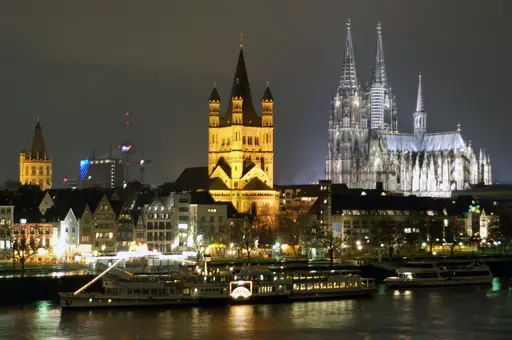
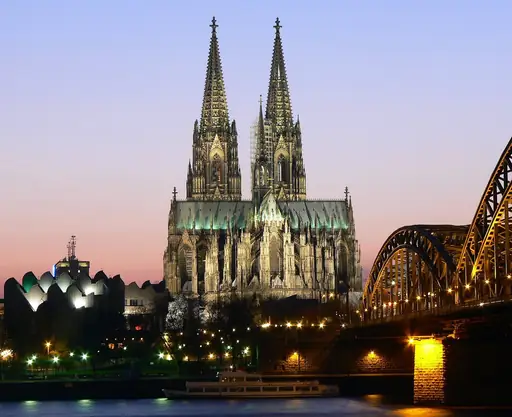
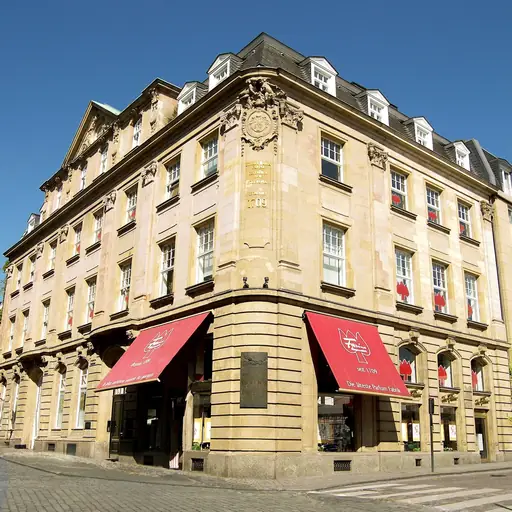
Roman general Agrippa founded Cologne as a colony nearly 2,000 years ago. Cologne Cathedral took more than 600 years to complete, finishing in 1880. Its twin spires briefly made it the tallest structure in the world. The cathedral survived Allied bombing raids that destroyed much of the surrounding city in World War II.
City in Spain
Jerez de la Frontera
Sunlit vineyards and flamenco rhythms
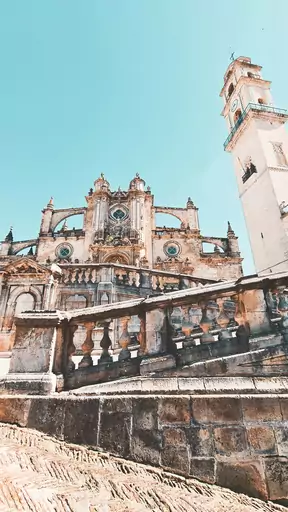
Moorish rulers built the Alcazar fortress in Jerez de la Frontera during the 11th century. Sherry wine production here traces back to Phoenician and Roman winemaking traditions. Bodegas across the city still age sherry in centuries-old wooden barrels. Andalusian horse breeding and flamenco traditions also developed within Jerez over generations.
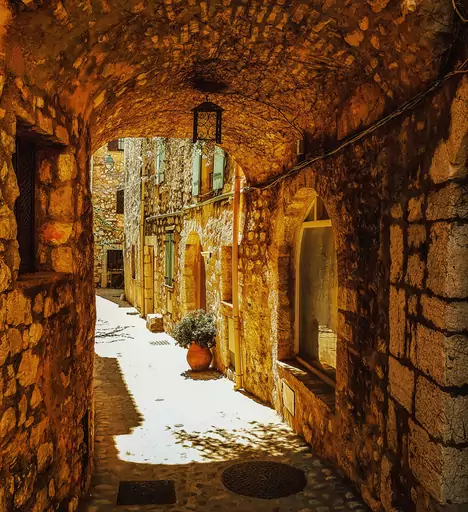
Village in France
Saint-Paul-de-Vence
Sunlit vineyards and historic hilltop charm
Saint-Paul-de-Vence's ramparts have encircled the hilltop village since the 16th century. Artists including Matisse and Picasso once visited a local inn that still displays their work. Narrow cobbled streets wind past galleries housed in centuries-old stone buildings. The village's fortified walls were built under orders from King Francis I.
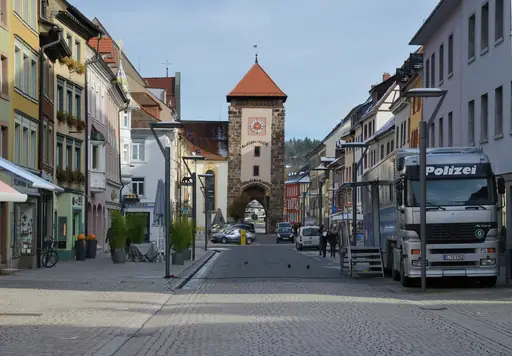
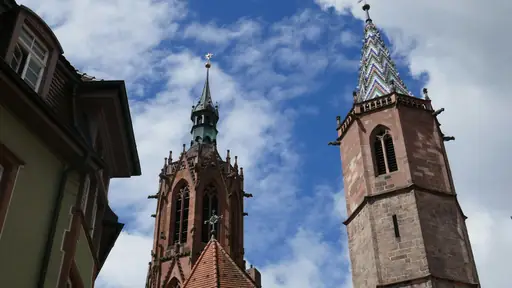
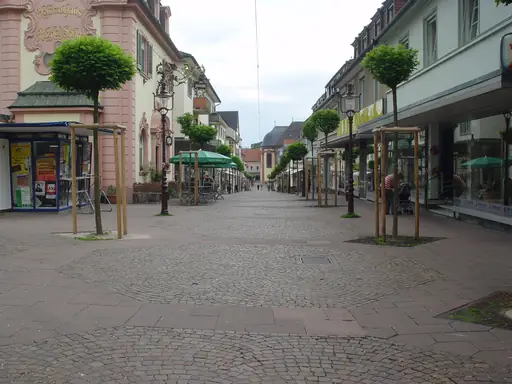
Region in Germany
Black Forest
Dark woods, lakes and hilltop villages
Miners settled the Black Forest region as early as the Middle Ages, drawn by silver deposits. Farmers there began crafting cuckoo clocks as a winter trade around the 1600s. Glassblowing also developed as a regional craft passed through generations of families. Traditional Black Forest houses, with steep thatched roofs, still dot the countryside.
Island in United Kingdom
Isle of Wight
Coastal charm meets historic seaside allure
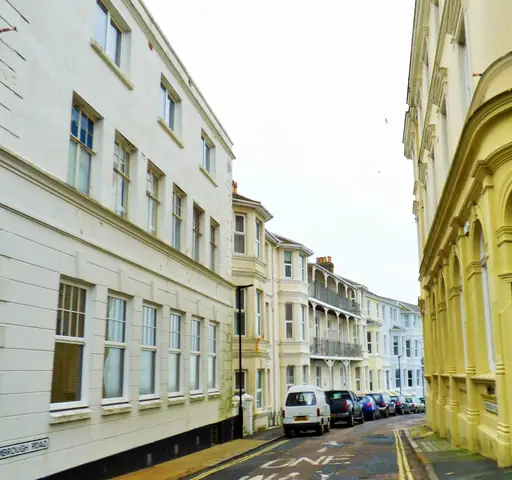
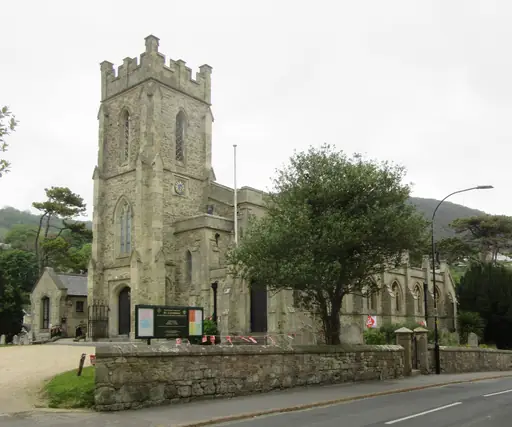
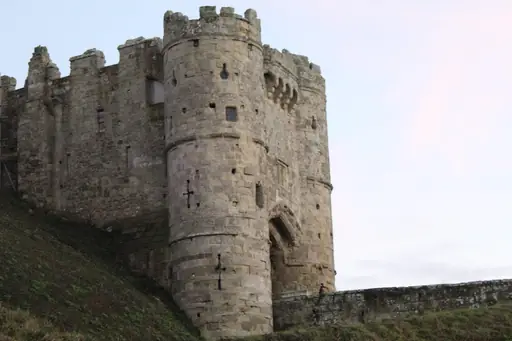
Queen Victoria built Osborne House on the Isle of Wight as a private family retreat. She died there in 1901 after decades of visiting the seaside estate. Roman villas once stood on the island, with mosaic floors still preserved at Brading. Dinosaur fossils found along the island's cliffs also date back millions of years.
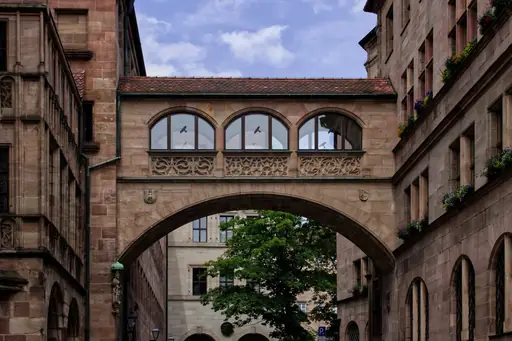
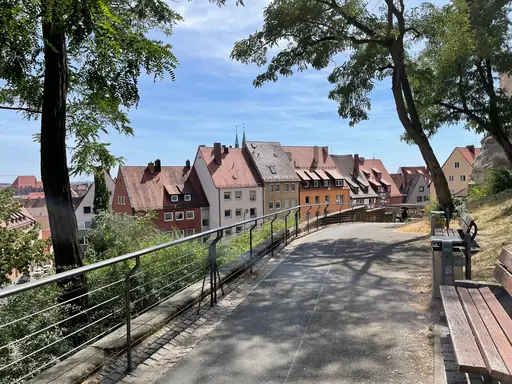
City in Germany
Nuremberg
Imperial castle, gingerbread and Christmas market
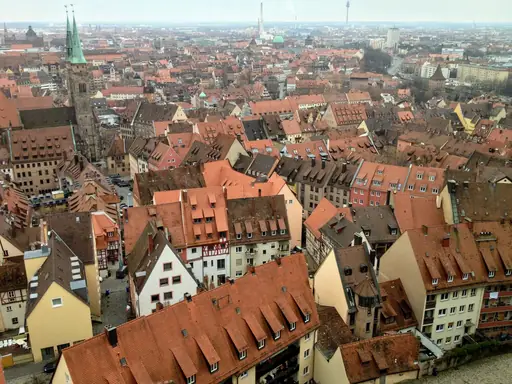
Nuremberg served as an unofficial capital of the Holy Roman Empire during the medieval period. Imperial Castle overlooks the old town from a sandstone outcrop above the walls. Nazi rallies were staged here in the 1930s at purpose-built grounds nearby. International tribunals later held the Nuremberg trials in the city's Palace of Justice.
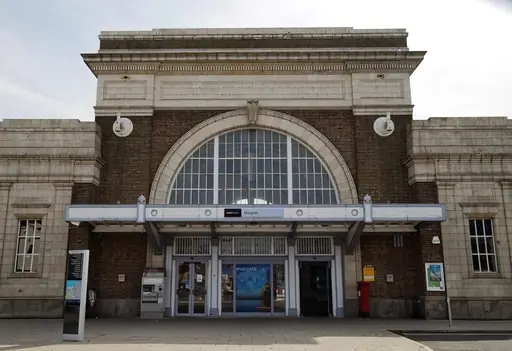
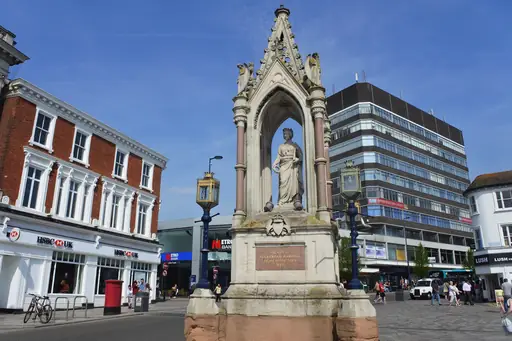
Region in United Kingdom
Kent
Historic coastlines and charming market towns
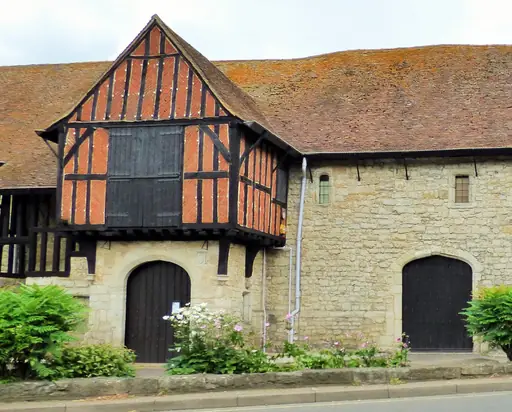
Dover Castle has guarded the Kent coastline since Henry II built it in the 1180s. Tunnels beneath the castle sheltered wartime command posts during the Second World War. Roman lighthouses once stood nearby, among the oldest surviving structures in Britain. Leeds Castle, moated and rebuilt over centuries, sits further inland within the county.
District in Stockholm
Gamla Stan
Stockholm’s Historic Enchanting Core
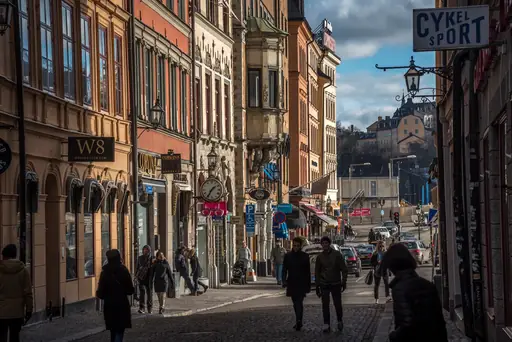
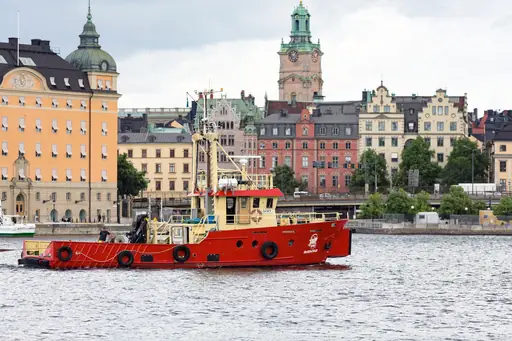
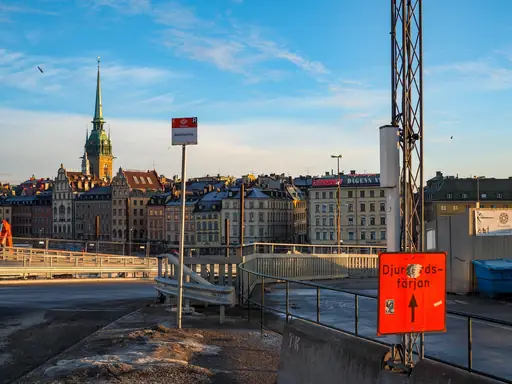
Gamla Stan's narrow medieval streets form the historic core of Stockholm, dating to the 1200s. Stockholm's Royal Palace stands at the island's edge, still an official royal residence. Cobbled alleys wind between colourful buildings housing shops and old guild halls. The Stortorget square once served as the city's central marketplace for centuries.
Island in Greece
Santorini
Breathtaking Views and Blue Domes
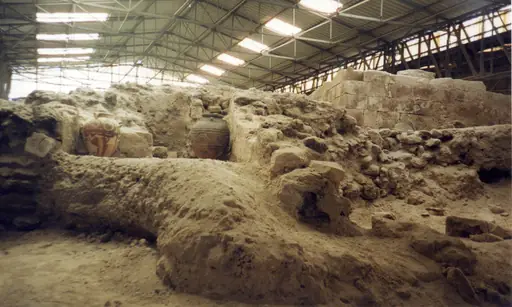
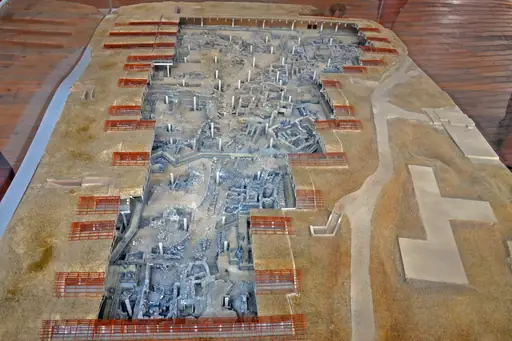
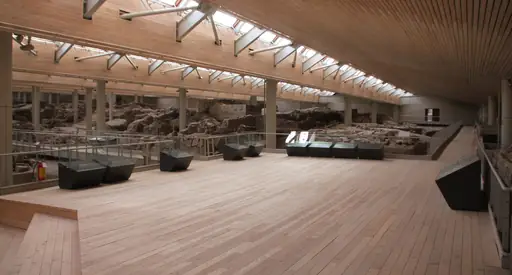
A massive volcanic eruption buried the Minoan settlement of Akrotiri on Santorini around 1600 BC. Ash preserved frescoes and multi-storey buildings beneath the site for millennia. Excavations beginning in the 1960s uncovered streets and homes remarkably intact. Some historians connect the eruption to ancient legends about the lost city of Atlantis.
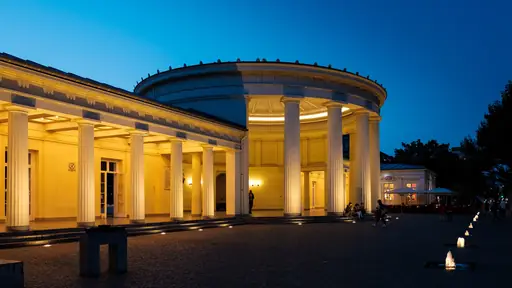
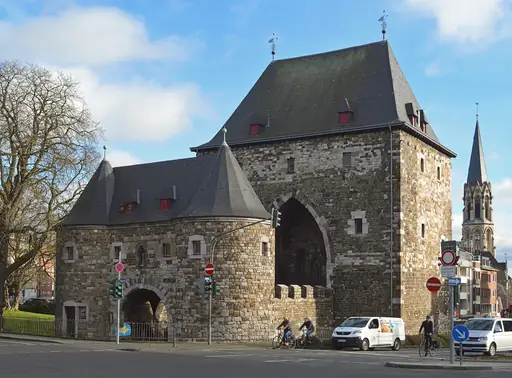
City in Germany
Aachen
Charlemagne's cathedral and hot springs
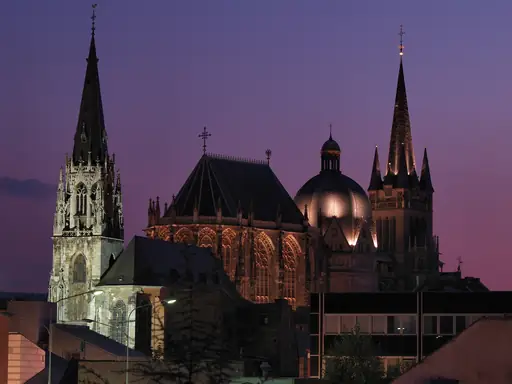
Charlemagne made Aachen his imperial capital in the late 700s, ruling the Carolingian Empire from here. Aachen Cathedral holds his remains within an octagonal chapel he commissioned. More than thirty German kings were later crowned inside the cathedral's walls. Mosaics and marble columns brought from Rome and Ravenna still decorate the interior.
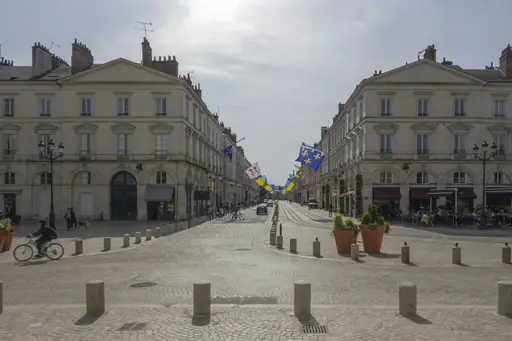
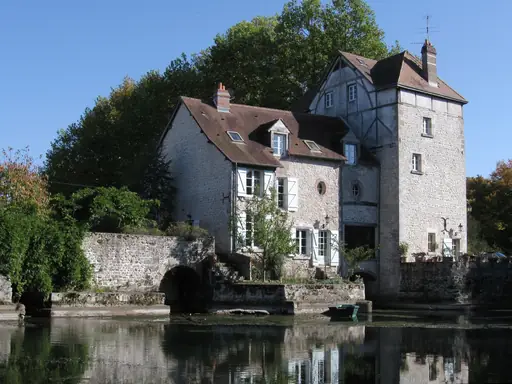
City in France
Orléans
Historic heart where river meets cathedral
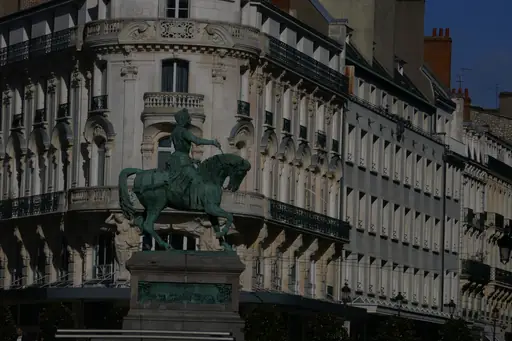
Joan of Arc led French forces to break the siege of Orleans in 1429. Her victory there became a turning point in the Hundred Years' War. A statue of Joan on horseback now stands in the city's central square. Orleans Cathedral, rebuilt after wartime damage, still dominates the historic skyline.
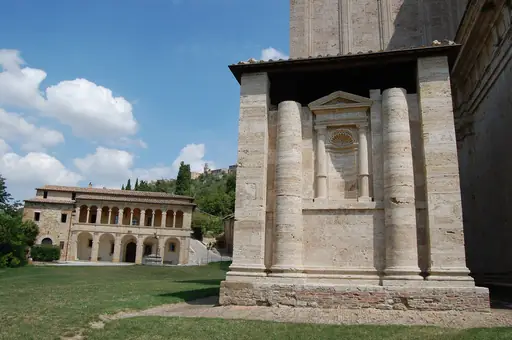
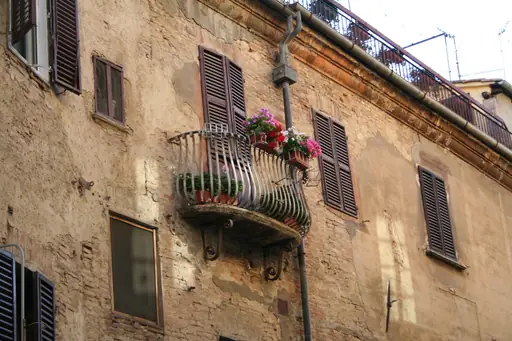
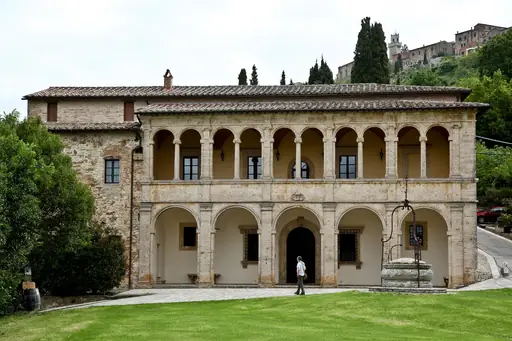
Town in Italy
Siena
Timeless Charm in Tuscany
Siena rivalled Florence as a major medieval banking and trading power. Its Gothic cathedral and central square, the Piazza del Campo, date to the 1200s. The Palio, a bareback horse race around the square, has run since medieval times. Plague swept through Siena in 1348, ending much of its earlier prosperity.
City in Italy
Florence
The cradle of the Renaissance
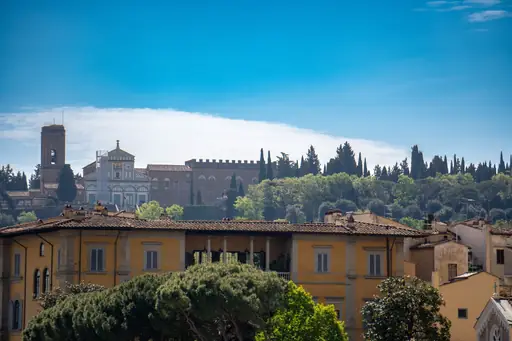
Florence became the birthplace of the Renaissance during the 14th and 15th centuries. The Medici family funded much of the art and architecture that still fills the city. Brunelleschi, Michelangelo and Botticelli all lived and worked within its streets. Narrow medieval lanes still connect many of Florence's Renaissance-era palaces and churches.
Town in Portugal
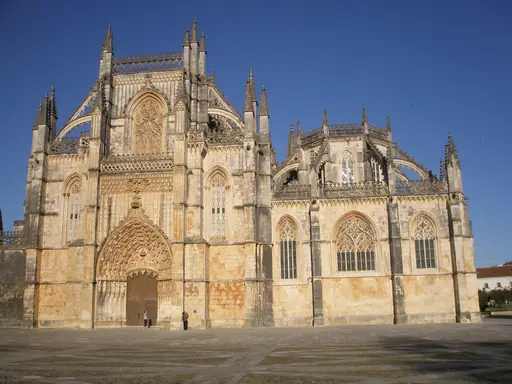
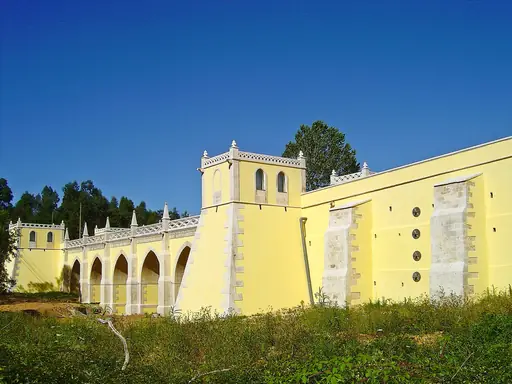
Batalha
Historic Monastery and Cultural Gem
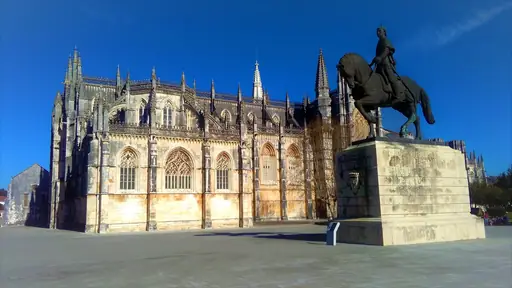
King John I ordered the Batalha Monastery built after a decisive 1385 victory over Castile. Construction stretched across two centuries, blending Gothic and Manueline architectural styles. Unfinished chapels behind the monastery remain open to the sky today. Royal tombs, including the king's own, rest within the monastery's founder's chapel.
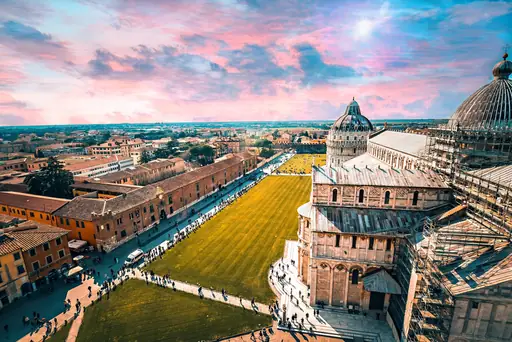
City in Italy
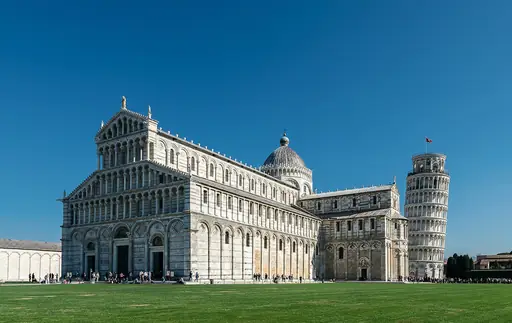
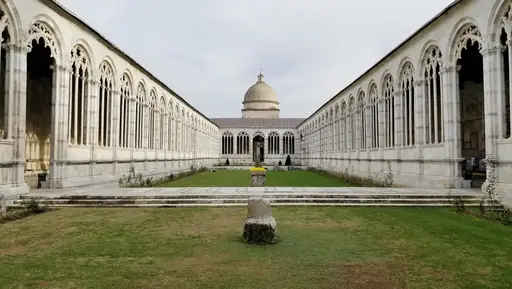
Pisa
Beyond the Leaning Tower’s shadow
Construction on the Leaning Tower of Pisa began in 1173 and continued for nearly 200 years. Unstable soil caused the tower to tilt even before construction finished. Pisa once ruled as an independent maritime republic trading across the Mediterranean. The tower's tilt was stabilised through engineering work completed in the 1990s and 2000s.
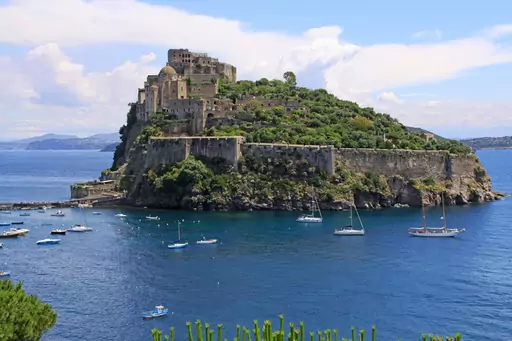
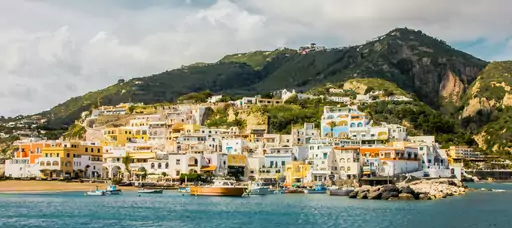
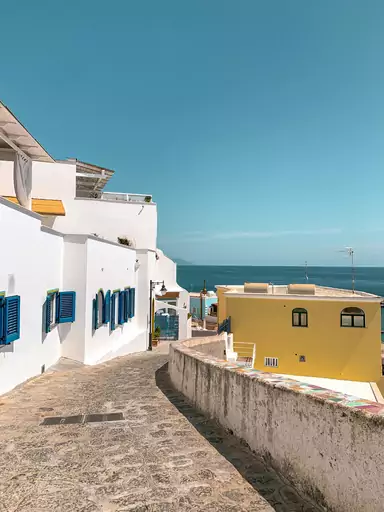
Island in Italy
Ischia
Sun‑kissed volcanic shores and fragrant gardens
Greek settlers founded a colony called Pithecusae on Ischia around 750 BC, among the earliest in Italy. The Aragonese Castle later rose on a rocky islet connected by a stone bridge. Volcanic thermal springs have drawn visitors to the island since Roman times. Ancient shipwrecks and pottery found offshore trace centuries of Mediterranean trade routes.
Nature Reserve in Greece
Meteora
Monasteries Suspended in the Sky
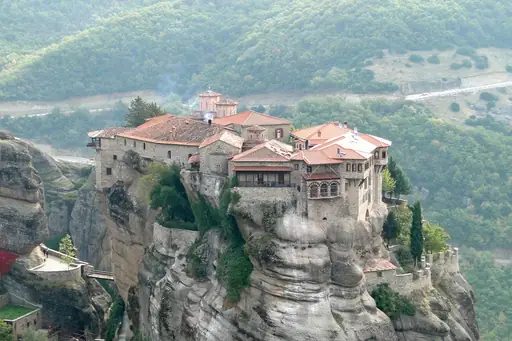
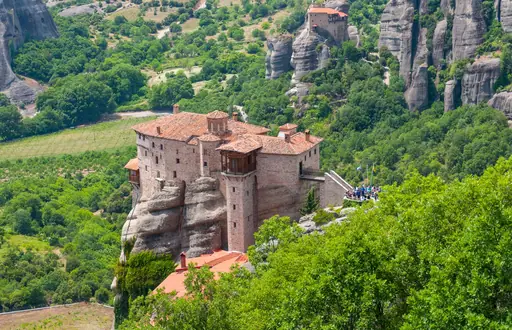
Orthodox monks began building monasteries atop Meteora's rock pillars during the 14th century. Ropes and retractable baskets once served as the main way to reach several structures. Six monasteries remain active today, down from roughly two dozen in earlier centuries. Frescoes inside date back hundreds of years, depicting Byzantine religious scenes.
City in Belgium
Brussels
Europe's cozy capital of culture
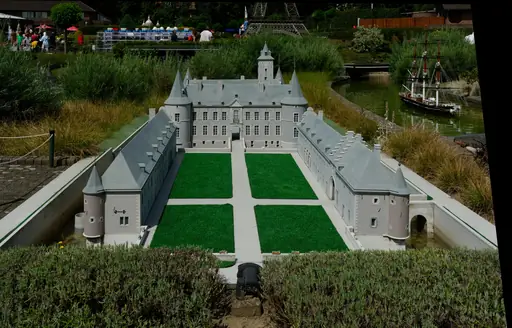
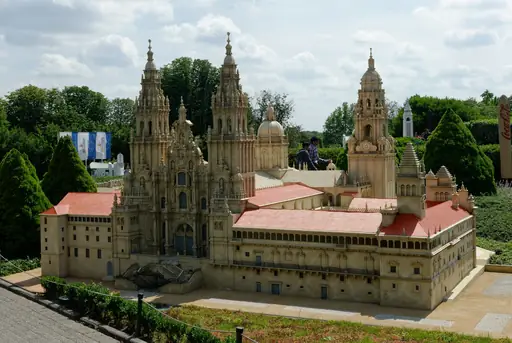
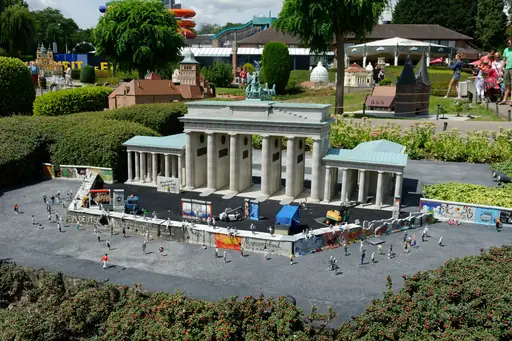
Brussels emerged as a trading settlement along the Senne River around the 10th century. Guild houses built by craft merchants once ringed the city's central square. Belgium's independence was declared in Brussels in 1830 following a revolution. Art Nouveau architecture later spread through the city during the late 1800s.
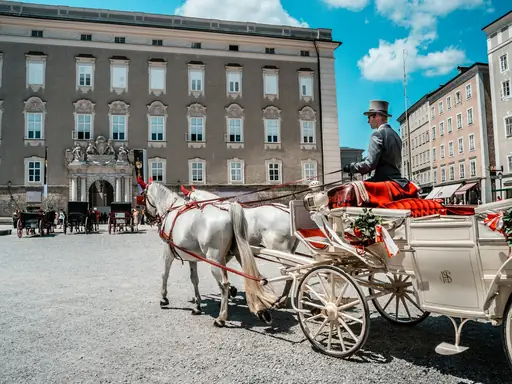
City in Austria
Salzburg
Baroque Beauty and Musical Magic
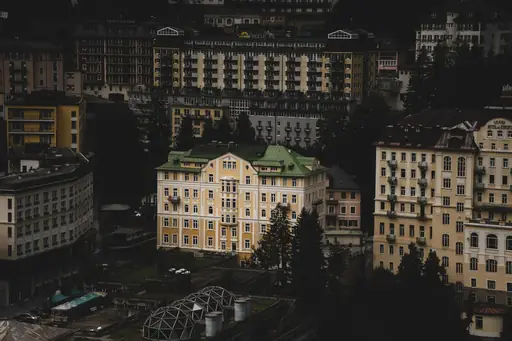
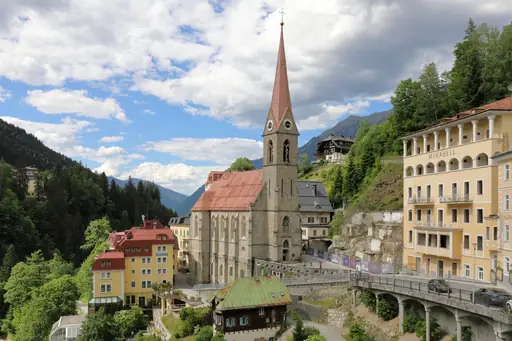
Mozart was born in Salzburg in 1756, in a house still preserved in the old town. Hohensalzburg Fortress has overlooked the city from a hilltop since the 11th century. Archbishops once ruled Salzburg as an independent prince-bishopric for centuries. Baroque churches and squares throughout the centre reflect that era of church rule.
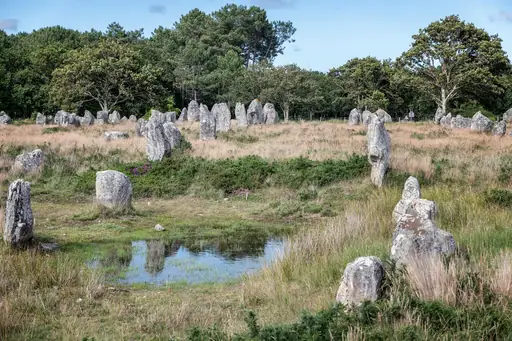
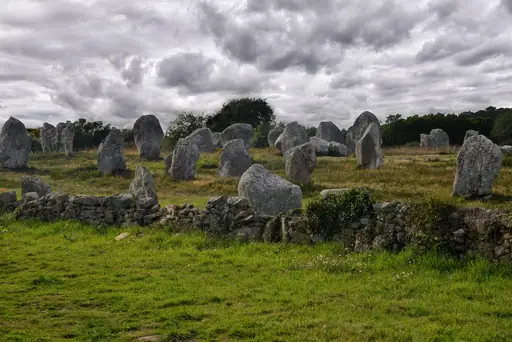
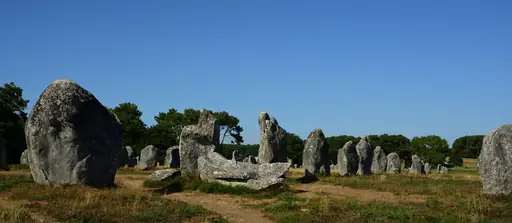
Region in France
Brittany
Coastal charm meets historic Breton villages
Neolithic people erected the Carnac stones in Brittany more than 6,000 years ago. Nearly 3,000 standing stones stretch across the countryside in long parallel rows. Celtic settlers later brought their own language and traditions to the region. Breton culture still carries traces of that Celtic heritage through language and festivals today.
City in United Kingdom
York
Medieval Streets, Viking History and Grand Cathedrals
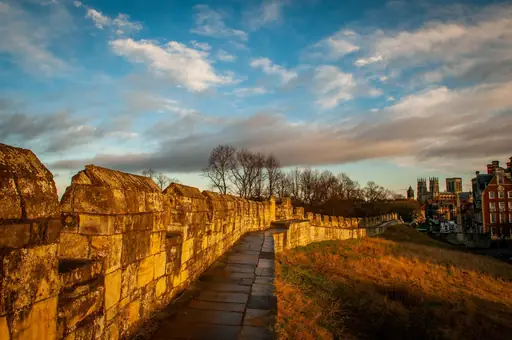
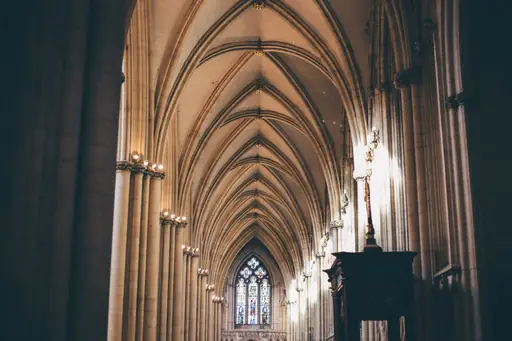
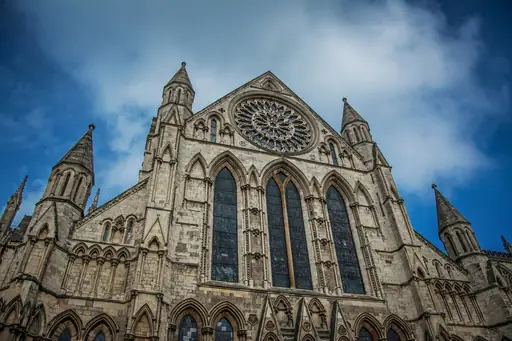
Romans founded York as Eboracum, later a base for emperors including Constantine. Vikings captured the city in 866 and renamed it Jorvik. York Minster, a large Gothic cathedral in northern England, took over 250 years to build. Medieval walls still encircle much of York's historic centre today.
Region in France
Occitanie
Sunlit vineyards and historic hilltop villages
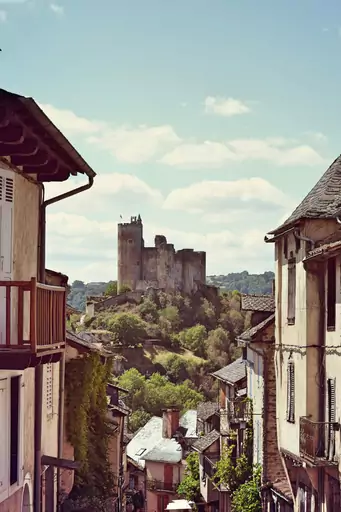
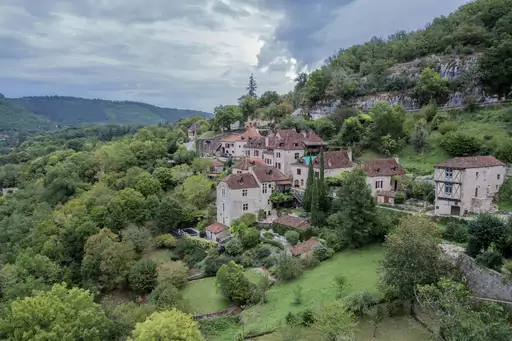
Cathar communities took refuge in Occitanie's hilltop fortresses during a 13th-century religious crusade. Toulouse grew wealthy as a centre of the medieval woad dye trade. Roman ruins remain scattered across the region alongside medieval bastide towns. Fortified villages built for defence still crown many of the region's hilltops.
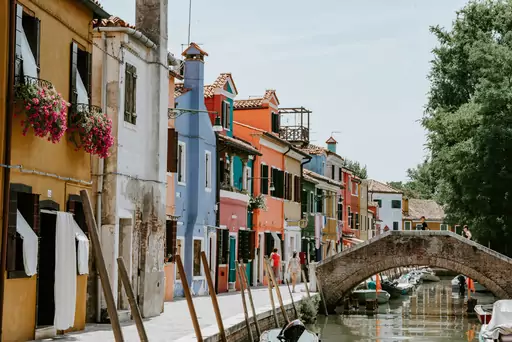
Island in Italy
Burano
Colorful houses reflecting Venetian charm
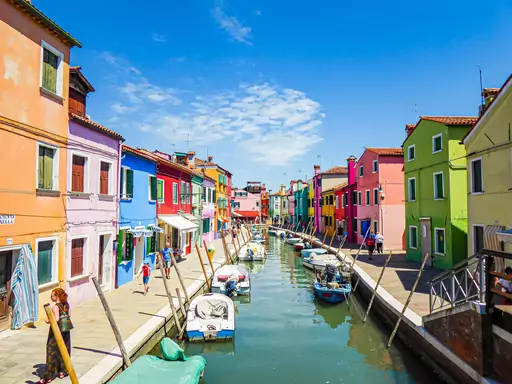
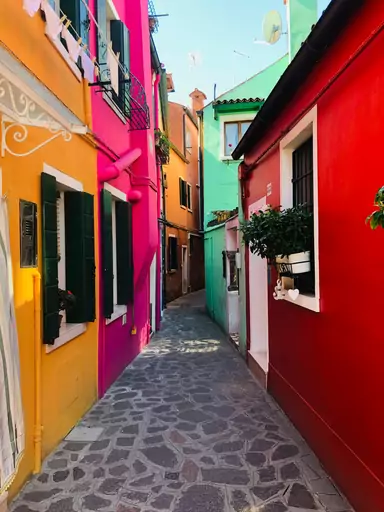
Fishermen on Burano began painting their houses in bright colours generations ago to navigate home through fog. Lace-making became the island's signature craft as early as the 1500s. A lace museum now preserves techniques once taught in a local school founded by nobility. Narrow canals still separate rows of the island's colourful houses today.
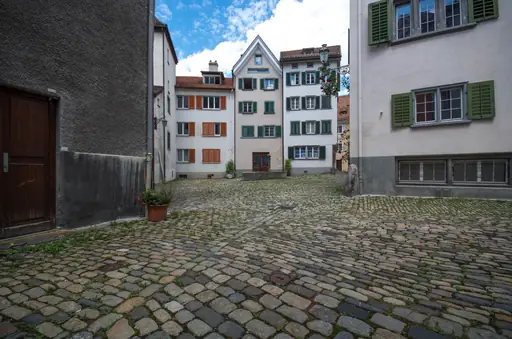
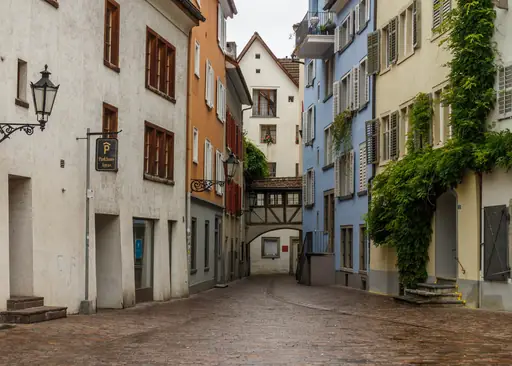
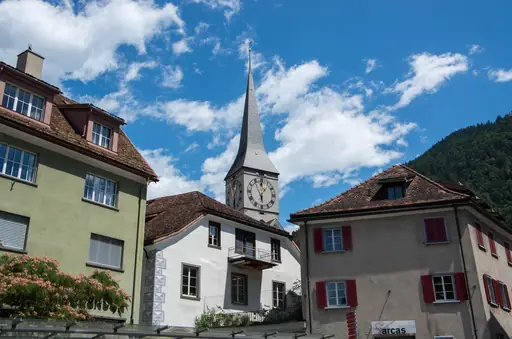
Region in Switzerland
Graubünden
Alpine wonderland with pristine lakes and trails
Roman legions once crossed Graubunden's mountain passes on routes still traced by modern roads. Davos and St. Moritz grew into resort towns during the 1800s. The Rhaetian Railway later wound through the canton, crossing high alpine viaducts. Romansh, a language dating to Roman settlement, is still spoken across parts of the region.
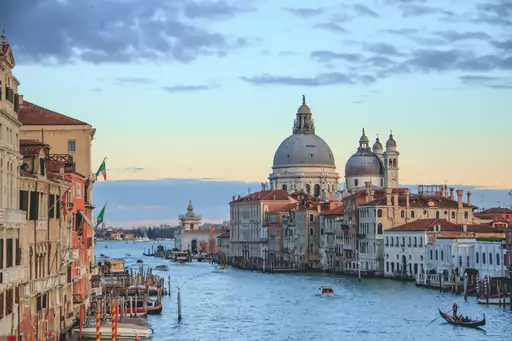
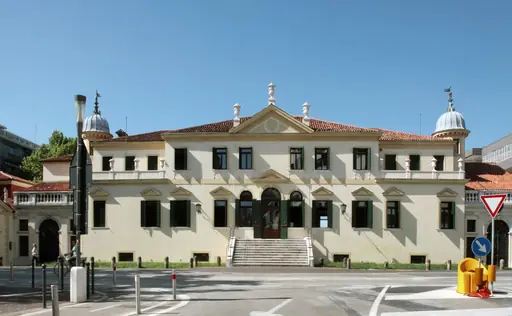
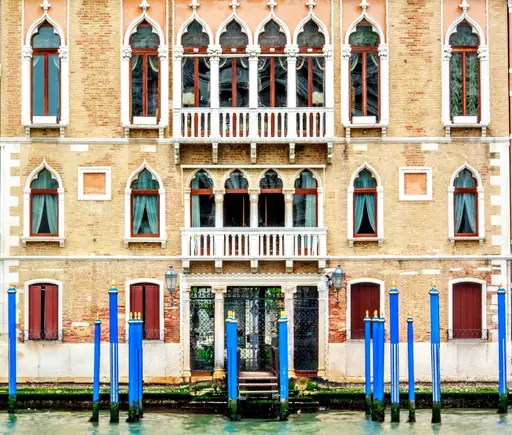
City in Italy
Venice
A floating city of romance and history
Refugees fleeing barbarian invasions settled the Venice lagoon during the 5th century. The city grew into a powerful maritime republic trading across the Mediterranean. Venetian merchants once controlled trade routes stretching from Europe to Asia. Centuries of wealth funded the palaces and churches that still line its canals.
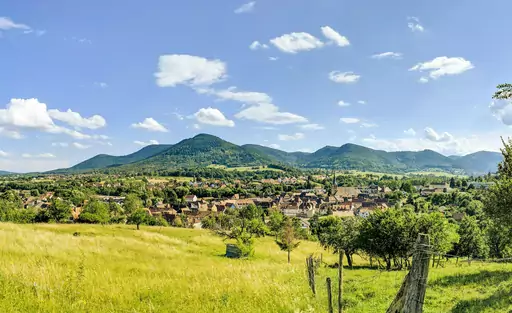
Region in France
Alsace
Coastal vineyards and timbered village charm
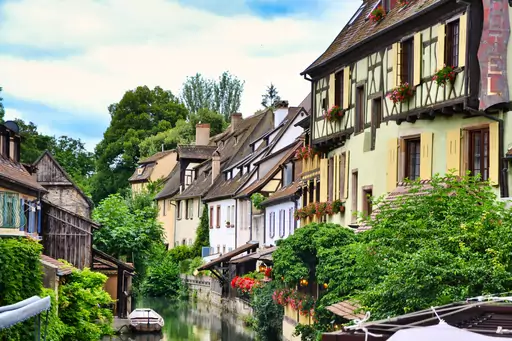
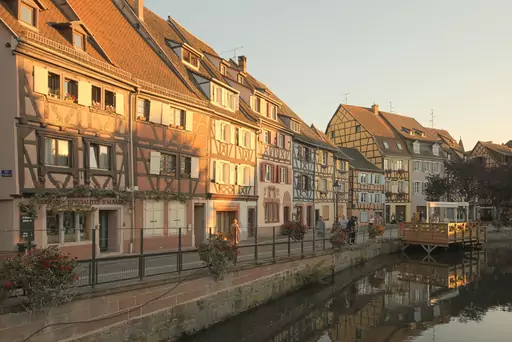
Control of Alsace passed between France and Germany four times across less than a century. Half-timbered villages along its wine route date back to the medieval period. Strasbourg's cathedral and old town anchor much of the region's historic architecture. Vineyards planted centuries ago still cover the hillsides along the Alsace wine route.
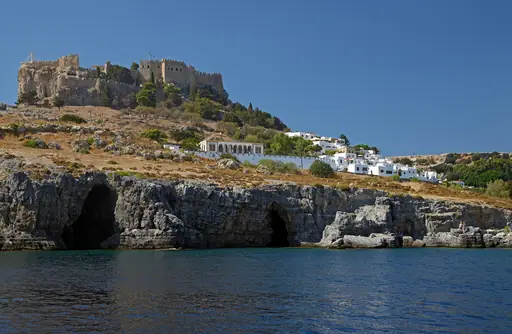
Island in Greece
Rhodes
Medieval Charm and Sun-Kissed Beaches
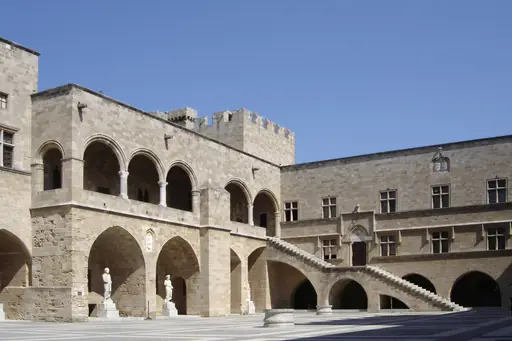
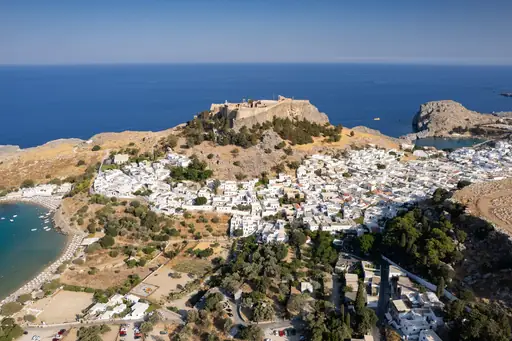
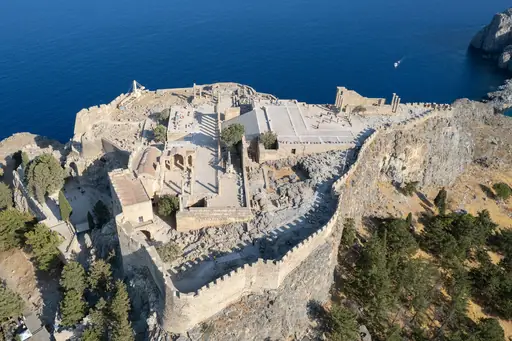
Knights Hospitaller ruled Rhodes and fortified its medieval town starting in the 14th century. A massive bronze statue, the Colossus of Rhodes, once stood near the harbour entrance. Cobbled streets within the Old Town still follow their original medieval layout. Ottoman forces captured the island from the knights after a prolonged siege in 1522.
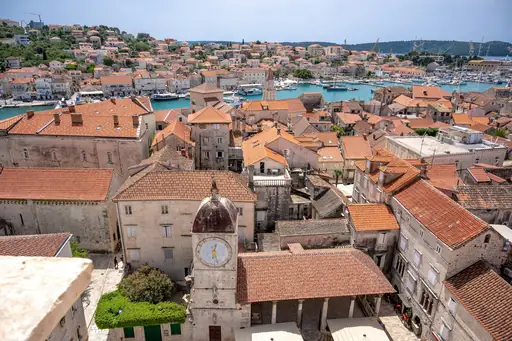
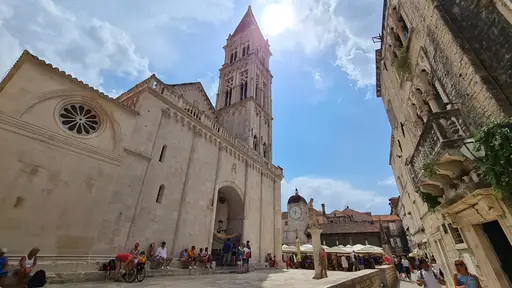
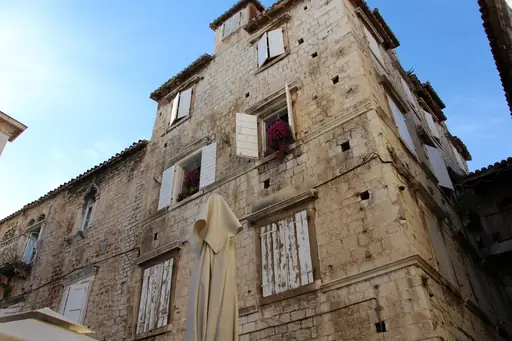
Town in Croatia
Trogir
Medieval Marvel on the Adriatic
Greek colonists first settled Trogir around the 3rd century BC. Venetian rule later shaped much of the town's medieval and Renaissance architecture. A stone causeway connects the walled old town to the Croatian mainland. Trogir Cathedral's carved main portal dates back to the 13th century.
City in Spain
Burgos
Gothic Grandeur on the Pilgrim Trail
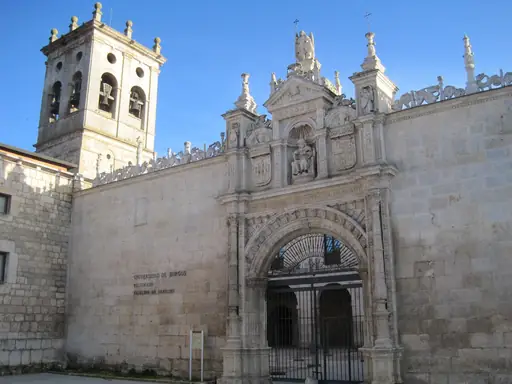
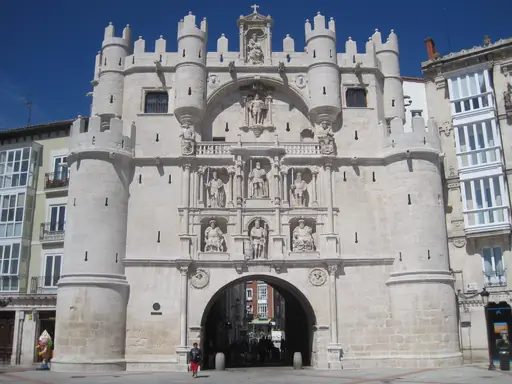
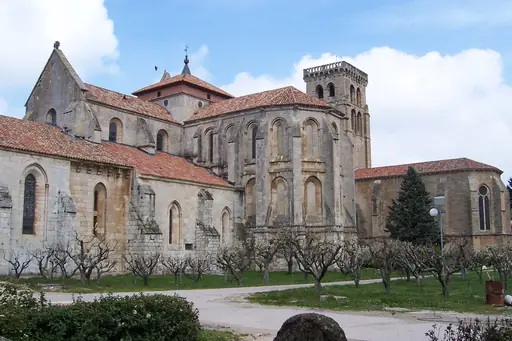
Burgos Cathedral took more than three centuries to complete after construction began in 1221. El Cid, the legendary medieval knight, is buried beneath its central crossing. Gothic spires and elaborate stone carving cover much of the cathedral's exterior. The city once served as capital of the medieval Kingdom of Castile.
City in Poland
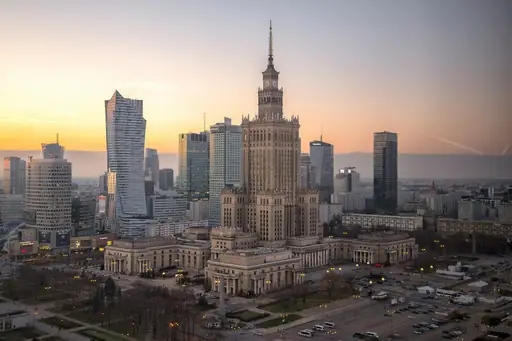
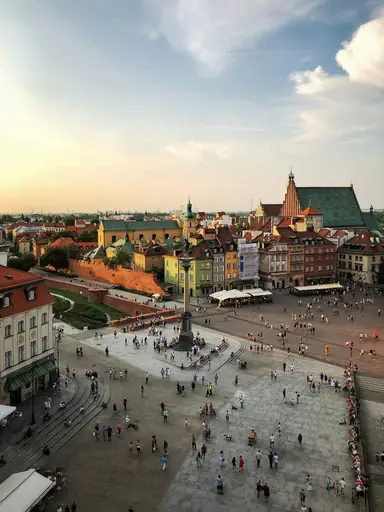
Warsaw
Where history meets modern vibrance
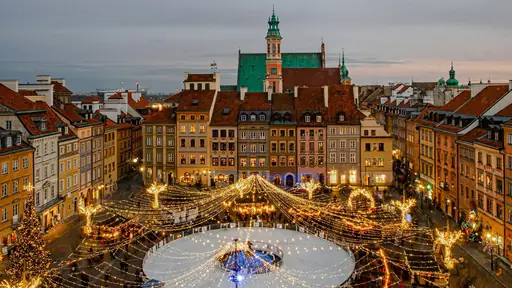
German forces destroyed roughly 85 percent of Warsaw during the Second World War. Architects rebuilt the Old Town afterwards using paintings and photographs as reference. UNESCO recognised the carefully reconstructed Old Town as a World Heritage site in 1980. Cobbled streets and colourful facades now look much as they did centuries ago.
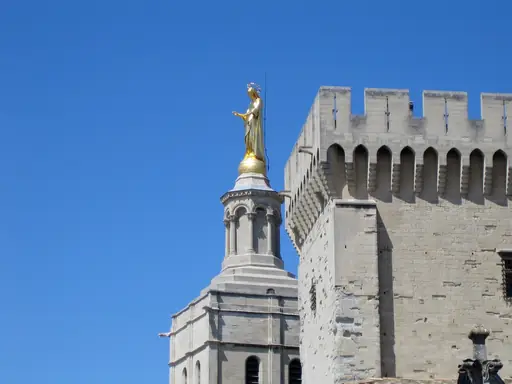
Town in France
Avignon
A Medieval Heartbeat in Provence
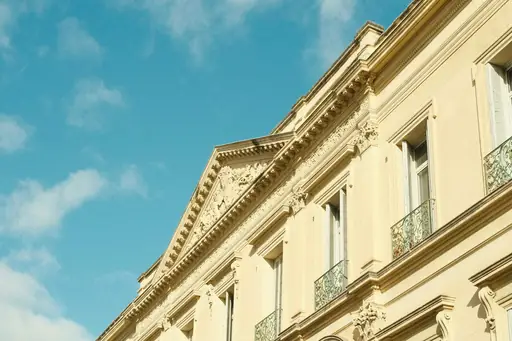
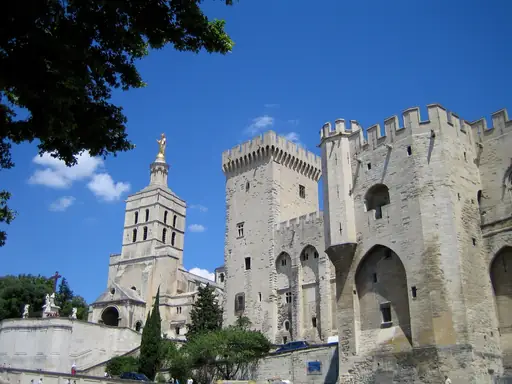
Popes ruled from Avignon rather than Rome for nearly 70 years during the 1300s. The Palais des Papes remains the largest Gothic palace built anywhere in Europe. A famous bridge, immortalized in a French song, once spanned the Rhone nearby. Ramparts built to defend the papal city still encircle much of the old town.
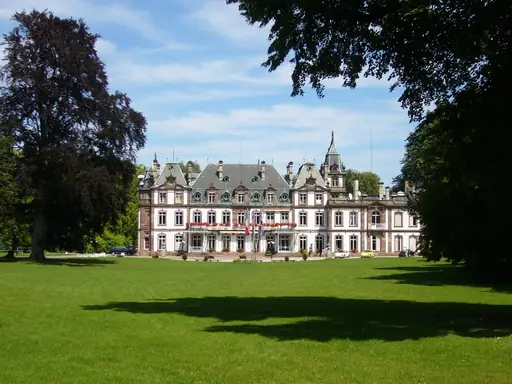
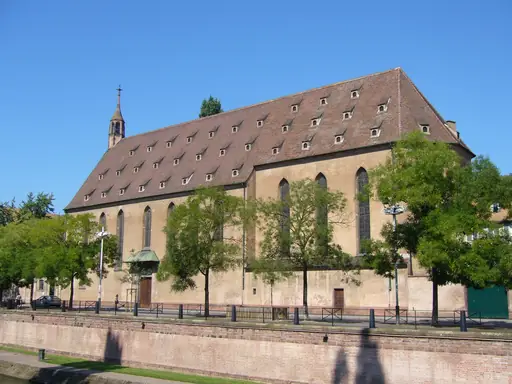
City in France
Strasbourg
Where France Meets Germany in Style
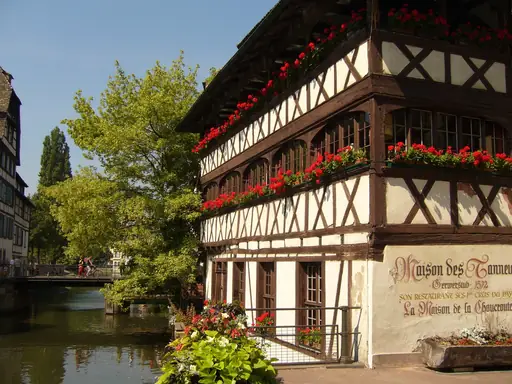
Strasbourg Cathedral's spire stood as the tallest structure in the world for over two centuries. Johannes Gutenberg developed his early printing press while living in Strasbourg. Half-timbered houses fill the Petite France district along the city's old canals. Strasbourg has changed hands between France and Germany several times across history.
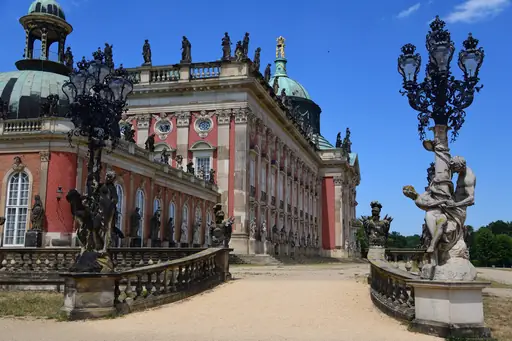
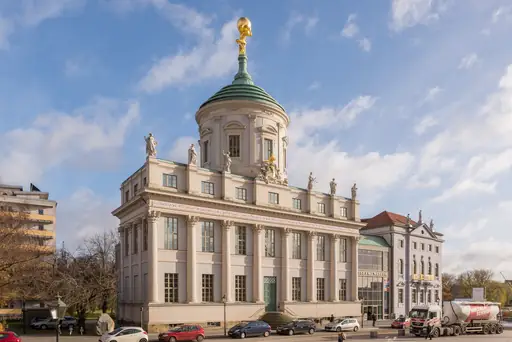
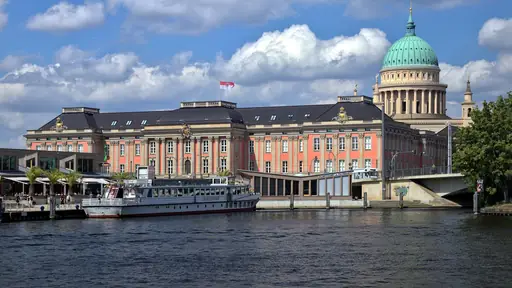
City in Germany
Potsdam
Prussian palaces and lakes near Berlin
Frederick the Great built Sanssouci Palace in Potsdam as a summer retreat in the 1740s. Terraced vineyards descend from the palace towards its formal gardens below. Allied leaders met at Potsdam's Cecilienhof Palace in 1945 to negotiate postwar Europe. UNESCO later recognised Potsdam's palaces and parks as a World Heritage site.
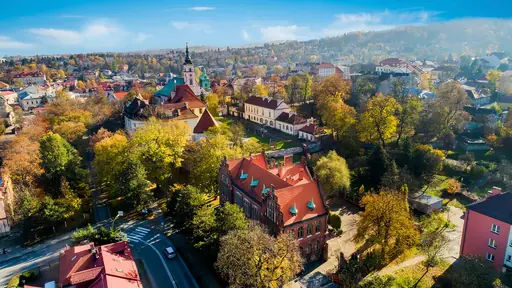
Town in Poland
Wieliczka
Salt Mine Wonders Beneath the Surface
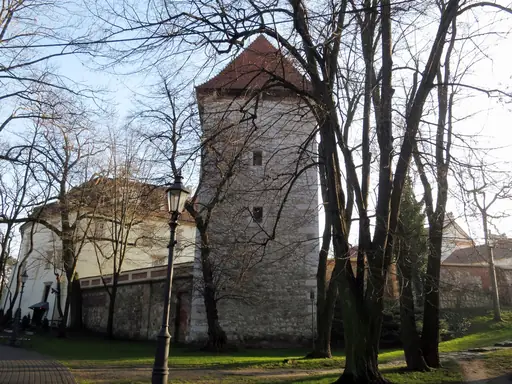
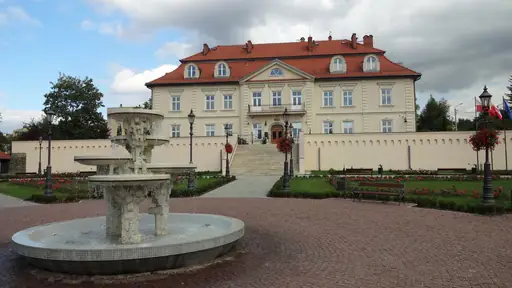
Miners have extracted salt from Wieliczka's mine continuously since the 13th century. Underground chapels carved entirely from rock salt include altars and chandeliers. Workers carved an entire cathedral-sized chamber deep beneath the surface over generations. UNESCO added the Wieliczka Salt Mine to its first World Heritage list in 1978.
City in United Kingdom
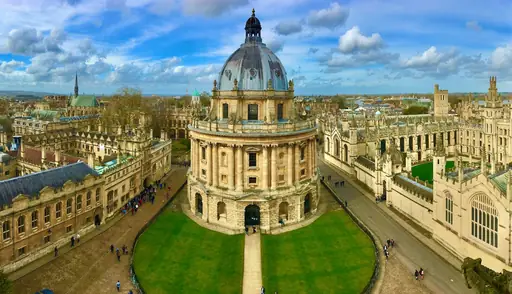
Oxford
Dreaming Spires, History and Punts
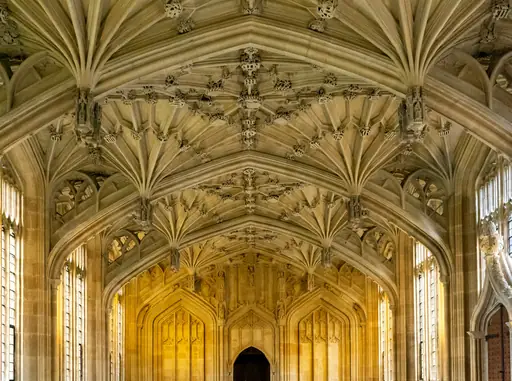
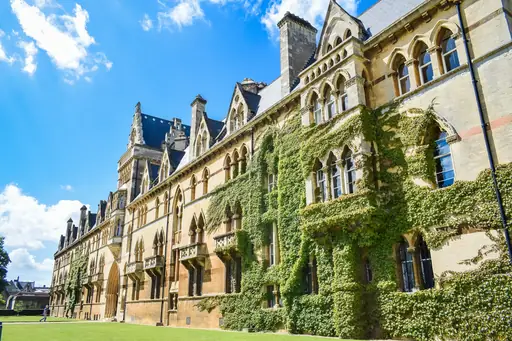
Teaching at Oxford dates back to at least 1096, predating most European universities. Christ Church College's dining hall later inspired scenes in the Harry Potter films. Thirteen British prime ministers studied at the same Oxford college, Christ Church. The Bodleian Library holds manuscripts and books spanning more than 400 years.
City in United Kingdom
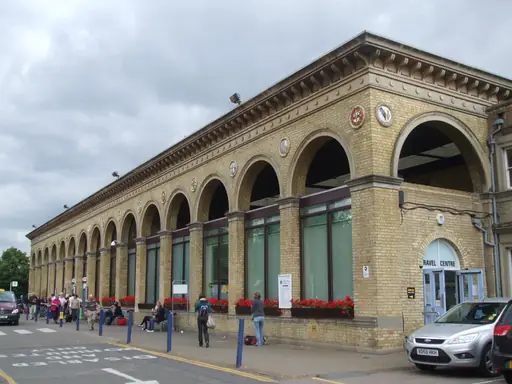
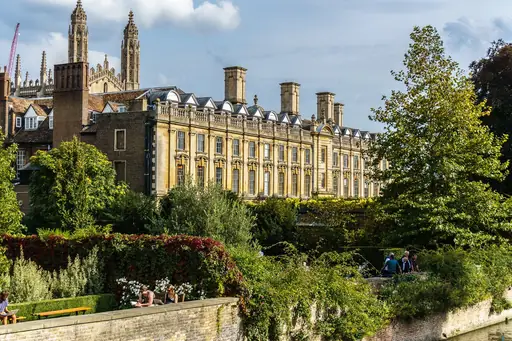
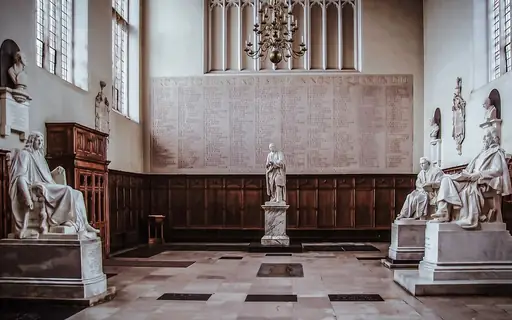
Cambridge
Punts, Spires and Timeless Colleges
Scholars founded the University of Cambridge in 1209 after leaving Oxford amid unrest. King's College Chapel took nearly a century to complete, finishing in 1515. Punts still drift along the River Cam past centuries-old college buildings. Isaac Newton studied and later taught at Cambridge during the 17th century.
City in United Kingdom
Bath
Historic Charm and Natural Hot Springs
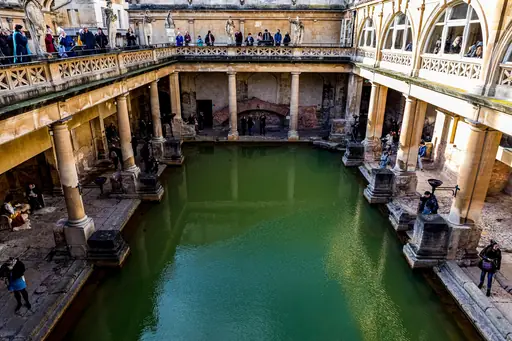
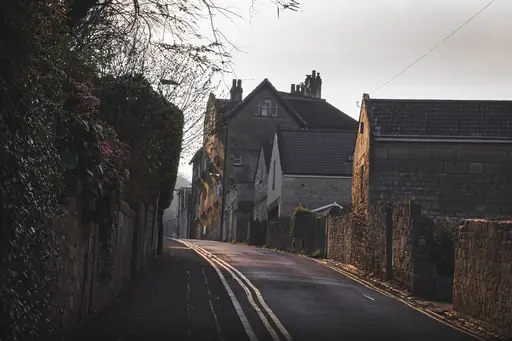
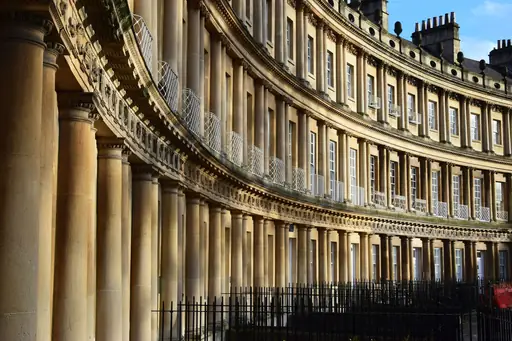
Romans built bathing complexes around Bath's natural hot springs nearly 2,000 years ago. The Roman Baths still channel water from the same springs used in antiquity. Georgian architects later reshaped much of the city during the 1700s. Jane Austen lived in Bath and set two of her novels there.
City in Germany
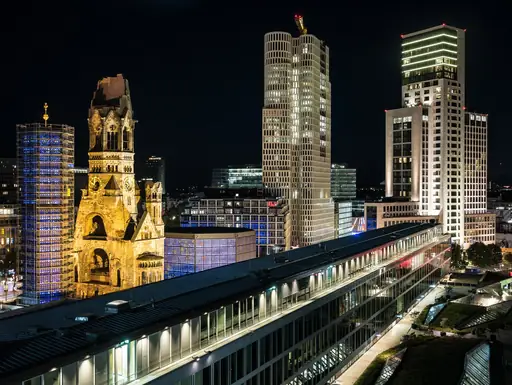
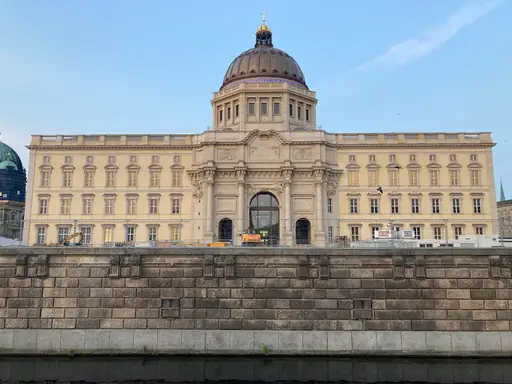
Berlin
Wall history, Museum Island and all-night clubs
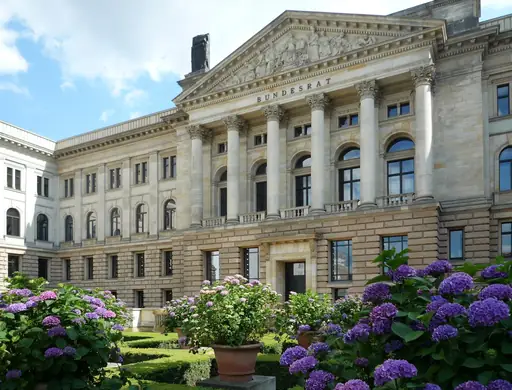
Brandenburg Gate has stood at the heart of Berlin since its completion in 1791. The Berlin Wall divided the city for 28 years during the Cold War. Sections of the wall remain standing, some covered in murals and graffiti. Checkpoint Charlie once marked the main crossing point between East and West Berlin.
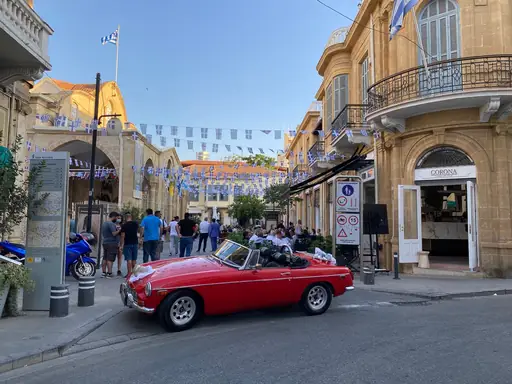
City in Cyprus
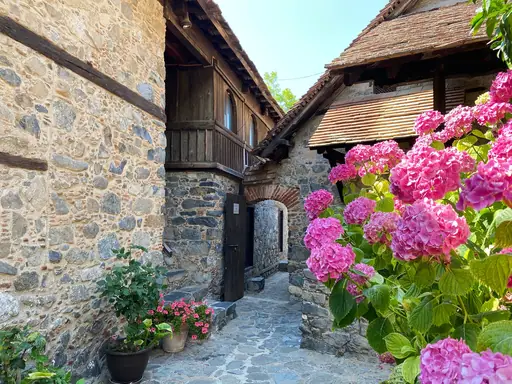
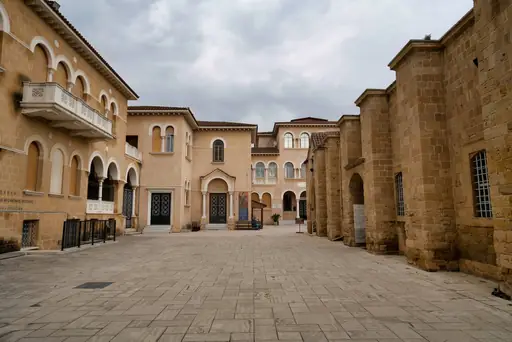
Nicosia
Europe’s last divided capital city
Venetian rulers built star-shaped walls around Nicosia in the 1560s to defend against Ottoman attack. The Ottomans captured the city anyway just a few years later. A UN buffer zone has divided Nicosia since 1974, splitting the old town in two. Ledra Street once served as the main crossing point between both sides.
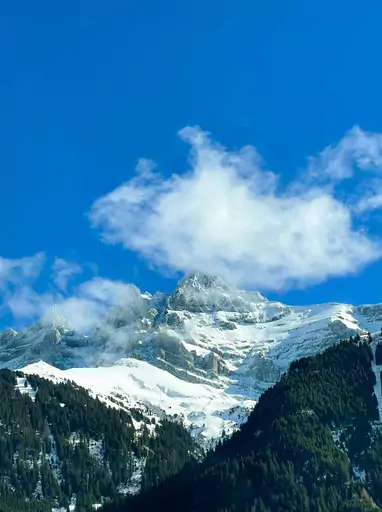
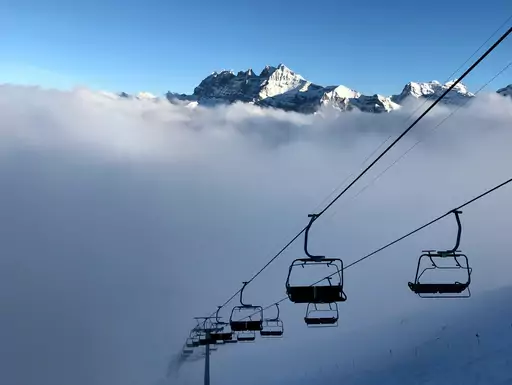
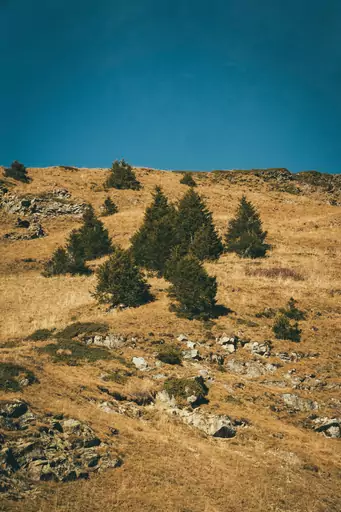
Ski Resort in Switzerland
Portes du Soleil
Snow‑kissed peaks and alpine charm
Alpine trade routes once connected villages across what is now the Portes du Soleil region. Farmers and herders used mountain passes here for centuries before skiing arrived. Chapels and stone farmhouses from that earlier era still stand in several villages. The area later linked its slopes into one of Europe's largest connected ski networks.
Town in Spain
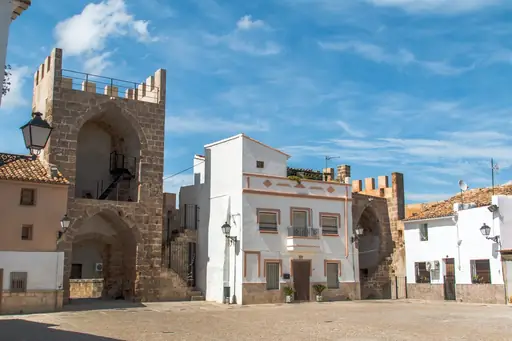
Buñol
Coastal charm with vibrant festivals and beaches
Bunol became known for La Tomatina, a tomato-throwing festival that began in 1945. Locals still debate the exact origin story behind that first spontaneous food fight. The event grew into an official town festival by the following decade. Thousands now travel to Bunol each August to take part in the tradition.
City in Spain
Barcelona
Vibrant City of Art and Beaches
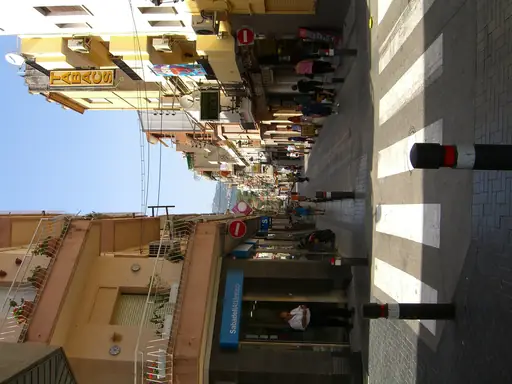
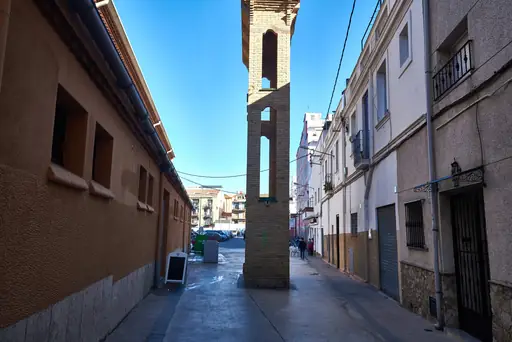
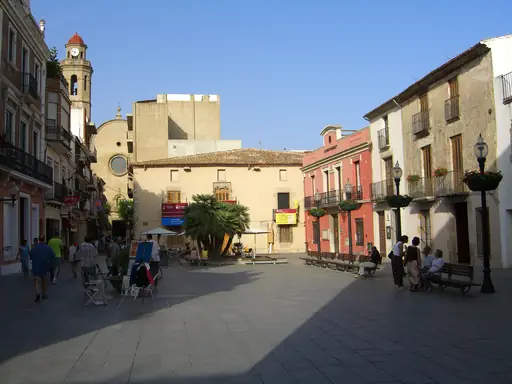
Roman settlers founded Barcelona as Barcino around 15 BC, centuries before it grew into a major port. Remnants of the Roman wall still stand near the city's Gothic Quarter. Barcelona's medieval shipyards, the Drassanes, once built warships for the Crown of Aragon. Catalan Gothic architecture spread through the city during its medieval trading boom.
Region in Germany
Saxon Switzerland
Sandstone towers and Elbe valley hikes
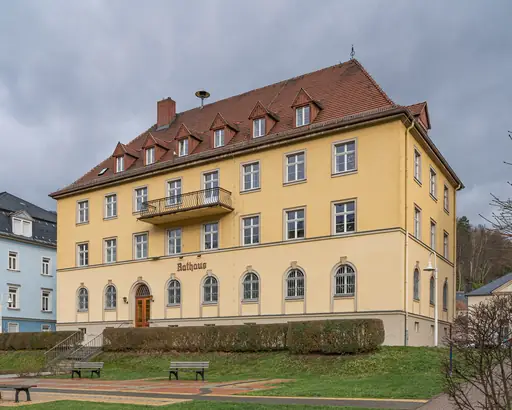
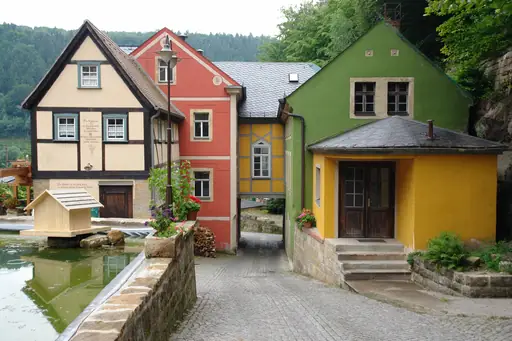
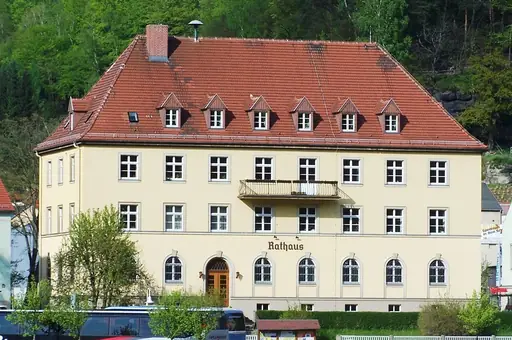
Konigstein Fortress has crowned a sandstone plateau in Saxon Switzerland since the 13th century. Sandstone quarried from the region's cliffs built palaces and churches across Saxony. The fortress once held prisoners and royal treasures behind its imposing walls. Narrow paths cut into the rock formations here have guided travellers for centuries.
City in Portugal
Lisbon
Sun-soaked streets and rich history
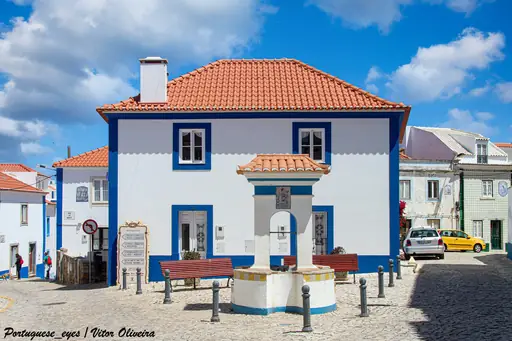
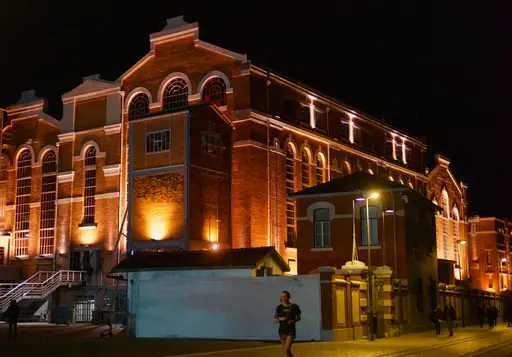
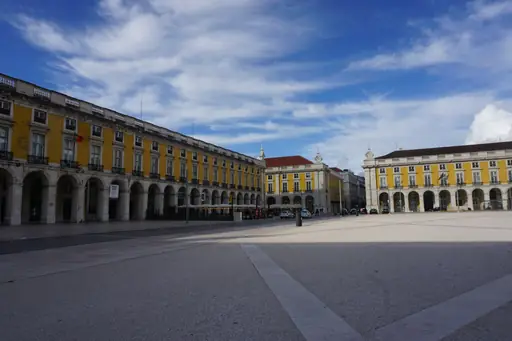
Lisbon launched many of Portugal's Age of Exploration voyages during the 15th and 16th centuries. A massive earthquake in 1755 destroyed much of the city's medieval core. The Marquis of Pombal rebuilt downtown Lisbon using a grid of wide streets. Yellow trams still climb the same steep hills the rebuilt city was laid across.
City in Poland
Kraków
Timeless Charm and Rich History
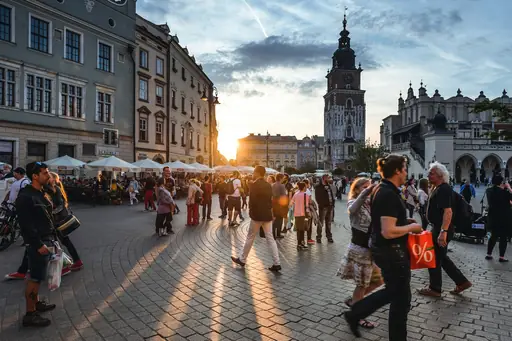
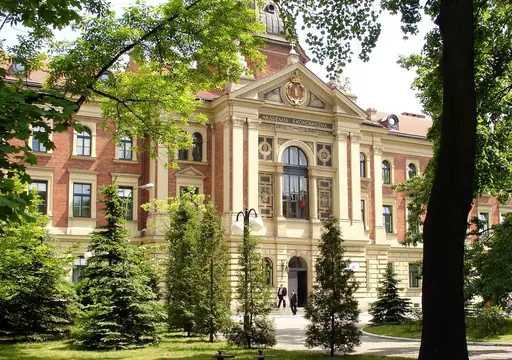
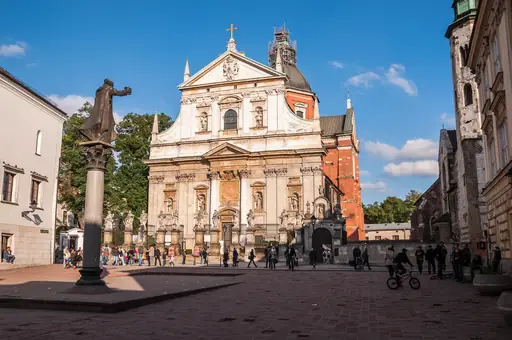
Krakow served as Poland's royal capital for more than 500 years until 1596. Wawel Castle overlooks the city from a hill above the Vistula River. Polish kings were crowned and buried within the adjoining Wawel Cathedral. Krakow's medieval market square remains largely unchanged since the 13th century.
City in United Kingdom
London
A Tapestry of History and Modernity
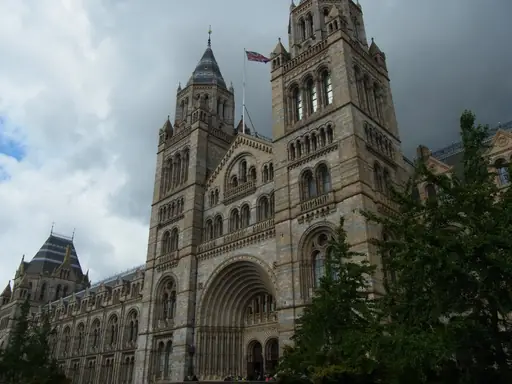
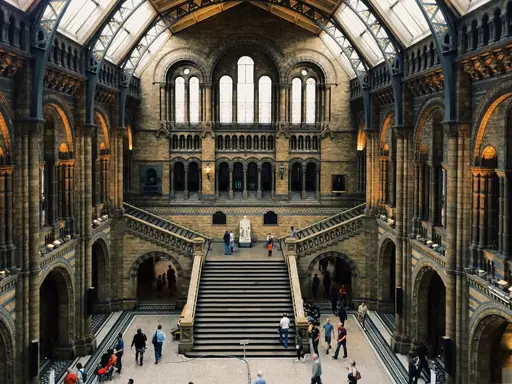
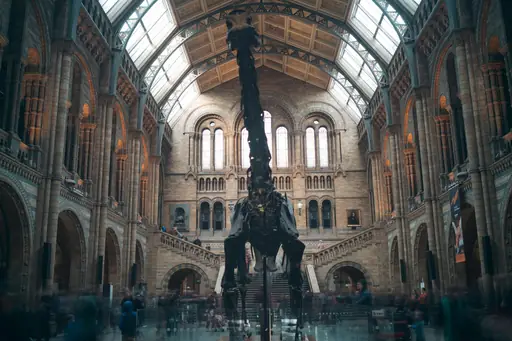
Roman settlers founded London as Londinium along the Thames nearly 2,000 years ago. The city later grew into the capital of a global trading empire. The Great Fire of London in 1666 destroyed much of the medieval city centre. Wren rebuilt dozens of churches, including St. Paul's Cathedral, in the decades that followed.
Region in United Kingdom
Sussex
Coastal charm meets historic countryside allure
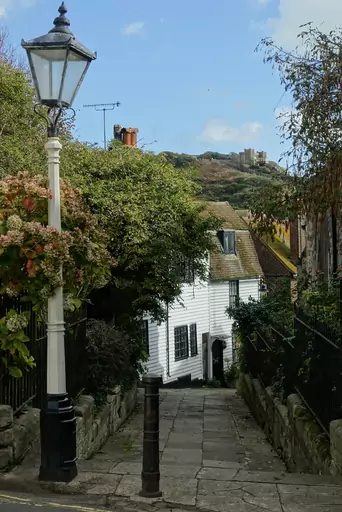
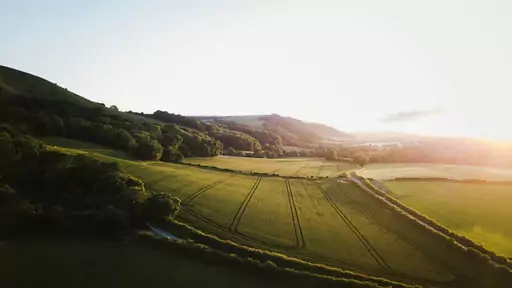
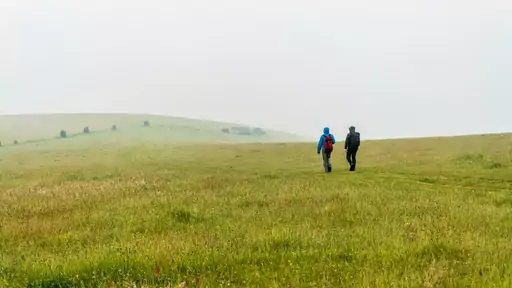
William the Conqueror defeated King Harold near Hastings in Sussex in 1066. He later founded Battle Abbey on the site to commemorate his victory. Arundel Castle has overlooked the county from a hilltop since the 11th century. Smuggling and coastal defence both shaped Sussex's history along its stretch of coastline.
Region in France
Loire Valley
Châteaux, vineyards and riverside charm
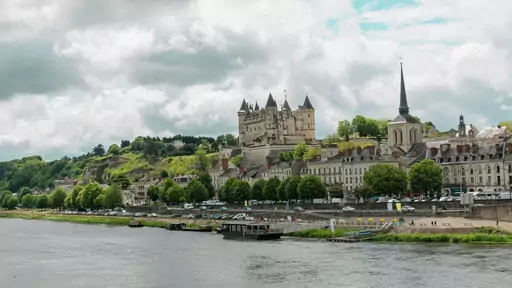
French kings built dozens of chateaux along the Loire Valley during the Renaissance. Chambord's design reflects influence from Italian architects invited to the French court. Leonardo da Vinci spent his final years nearby at the invitation of King Francis I. More than 300 castles remain scattered across the valley's countryside today.
Valley in France
Rhône Valley
Lush vineyards and alpine vistas
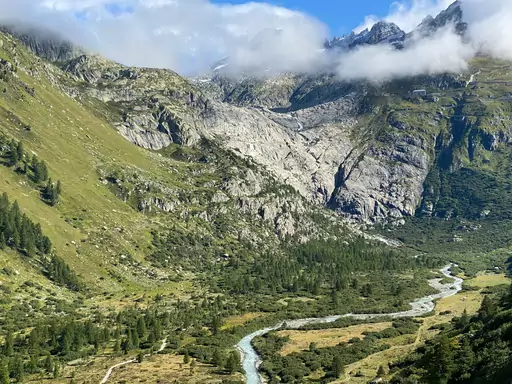
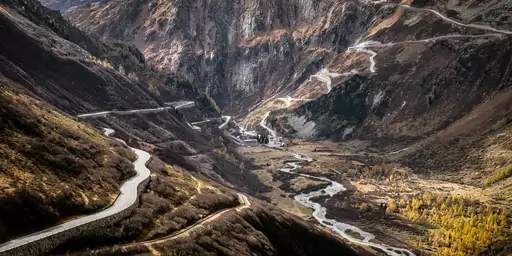
Roman colonists settled the Rhone Valley, building theatres and aqueducts across the region. Orange's Roman theatre still stages performances nearly 2,000 years after construction. Popes ruled from nearby Avignon during the 14th century, shaping the valley's medieval history. Medieval villages and vineyards along the river trace roots to that era.
Region in United Kingdom
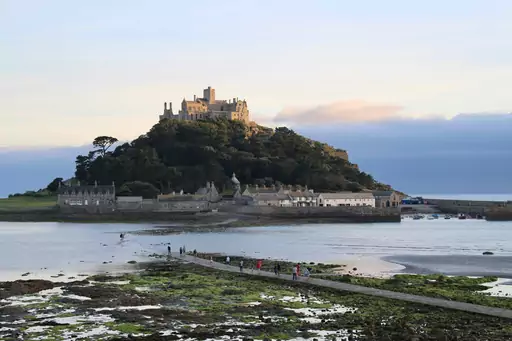
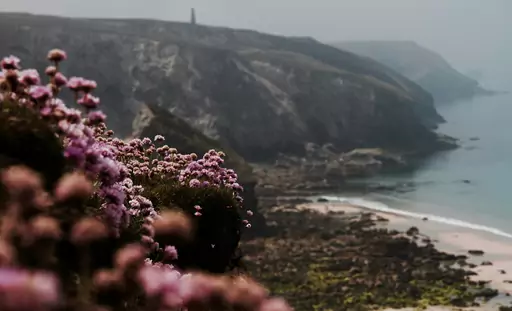
Cornwall
Coastal charm with rugged cliffs and golden sands
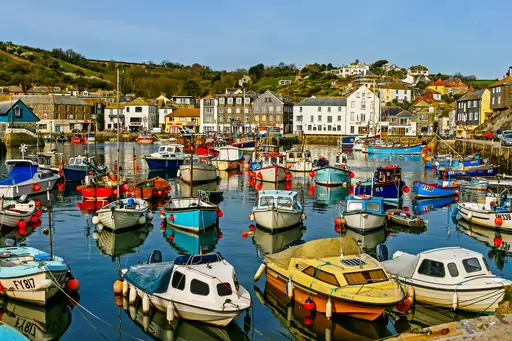
Tintagel Castle's ruins sit atop cliffs long associated with legends of King Arthur's birth. Cornish tin mining dates back thousands of years, shaping the region's early economy. Engine houses from the 19th-century mining boom still dot the coastal landscape. Smuggling once thrived along Cornwall's hidden coves during the 18th century.
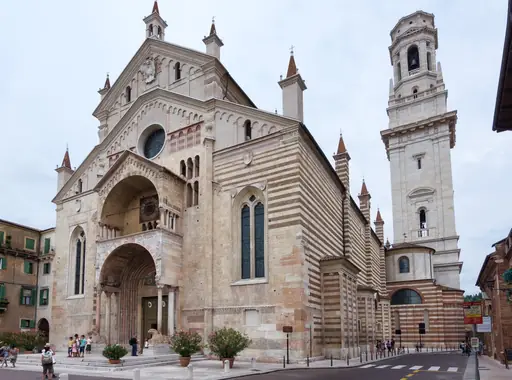
City in Italy
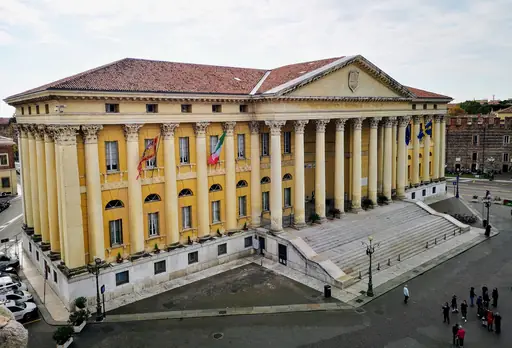
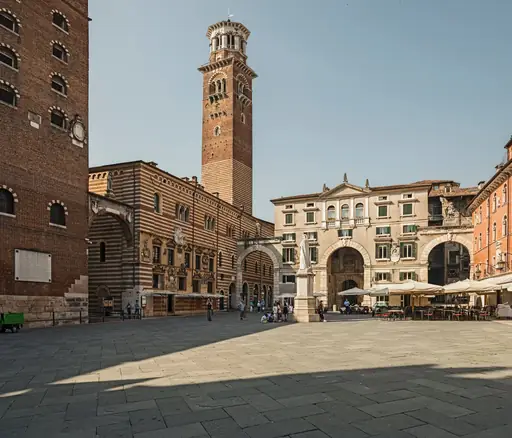
Verona
Romantic Charm and Ancient History
Romans built Verona's arena in the 1st century; it still hosts opera performances each summer. Shakespeare set Romeo and Juliet in Verona, drawing tourists to a balcony tied to the story. Medieval Scaliger family tombs stand elaborately carved near the city centre. Roman street patterns still shape parts of Verona's historic layout today.
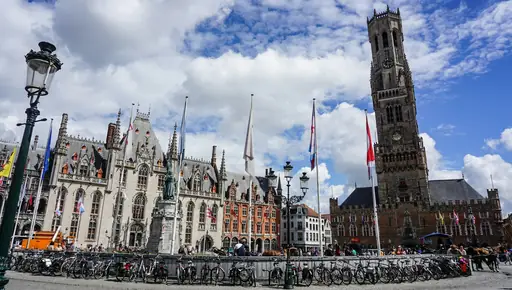
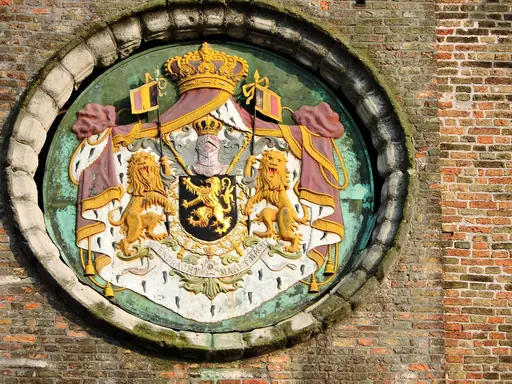
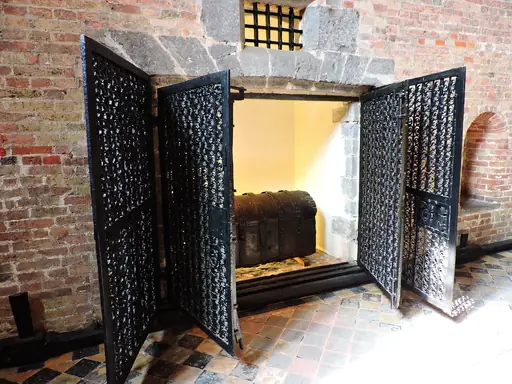
City in Belgium
Bruges
Medieval Charm and Chocolate Bliss
Bruges grew into a major medieval trading hub connected to the North Sea by canal. Merchants from across Europe once gathered at its central market square. Canals still wind through the city much as they did centuries ago. Cobbled streets and preserved Gothic buildings earned Bruges UNESCO World Heritage status in 2000.
Town in Germany
Bayreuth
Wagner, baroque theaters and Franconian beer
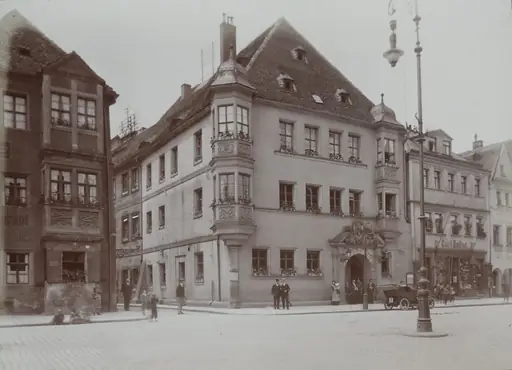
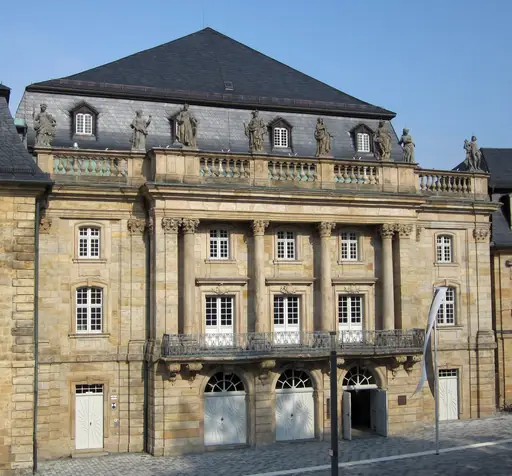
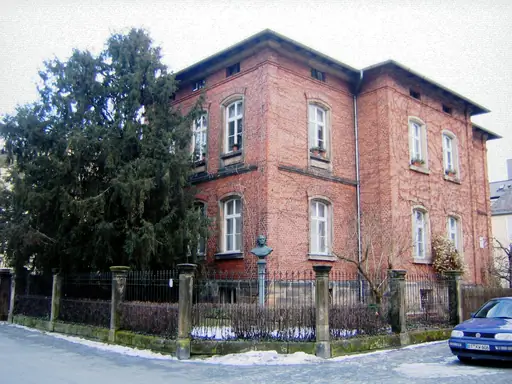
Bayreuth's Margravial Opera House opened in 1748, its Baroque interior largely unchanged since then. Composer Richard Wagner later built his own festival theatre on a hill nearby. The Bayreuth Festival has staged his operas there each summer since 1876. UNESCO added the Margravial Opera House to its World Heritage list in 2012.

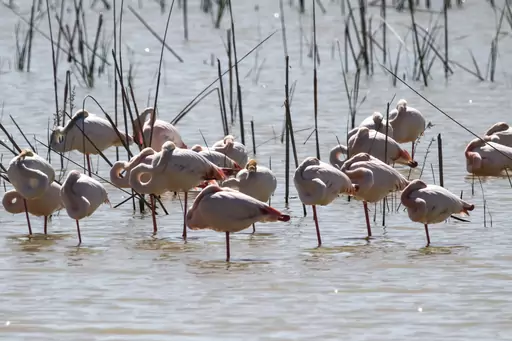
National Park in Spain
Doñana National Park
Wildlife sanctuary where rivers meet wetlands
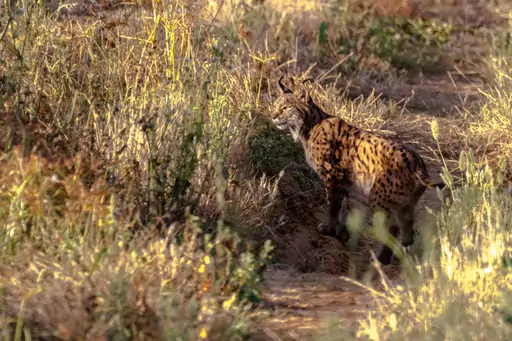
Spanish royalty once used the marshes of Donana as a private hunting reserve for centuries. Monks and hermits also settled parts of the wetlands during the medieval period. A hermitage built here in the 13th century still draws an annual pilgrimage. Explorers preparing for voyages to the Americas once anchored ships nearby at Sanlucar.
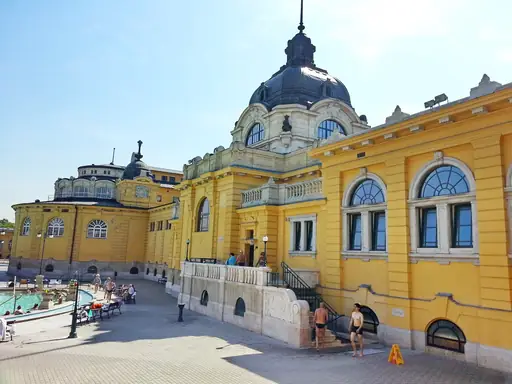
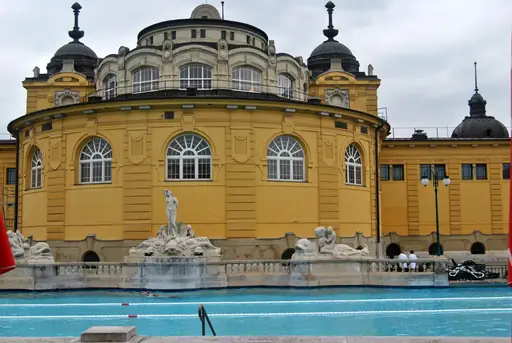
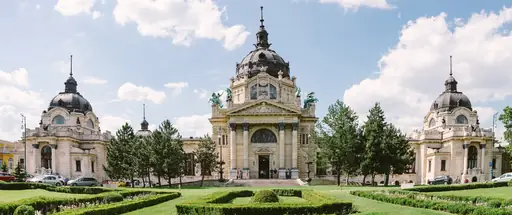
City in Hungary
Budapest
A stunning mix of history and nightlife
Roman settlers built the town of Aquincum on the site of modern Budapest around 89 AD. Ruins of its amphitheatre and baths remain visible in the city's outskirts today. Buda and Pest were separate towns until they merged with Obuda in 1873. Thermal springs beneath the city have drawn bathers since the Roman era.
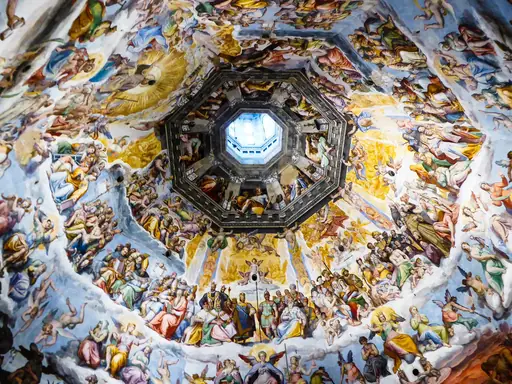
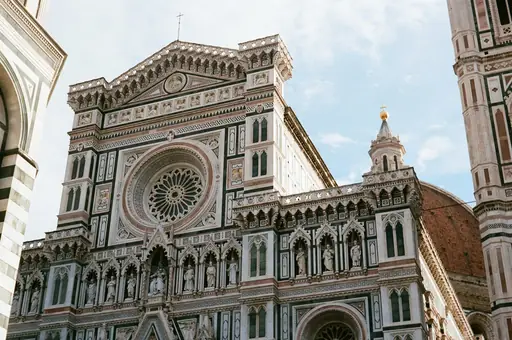
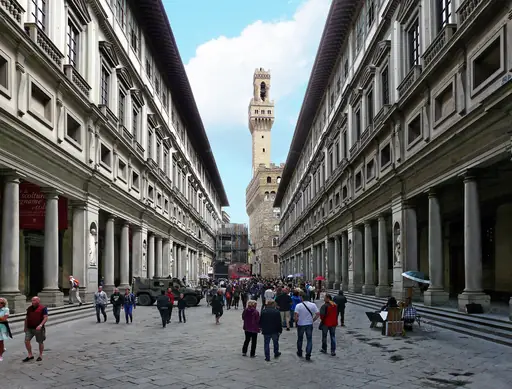
Cathedral in Florence
Florence Cathedral
Renaissance Masterpiece with a View
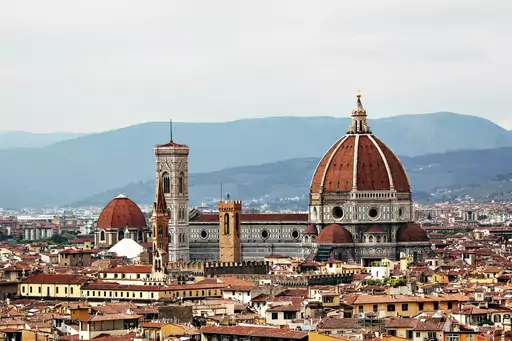
Brunelleschi's dome crowns Florence Cathedral, an engineering feat completed without modern scaffolding techniques. Pink, white and green marble covers the cathedral's exterior facade. Climbing the dome's interior offers close views of its painted frescoes. The cathedral took nearly 150 years to complete after construction began in 1296.
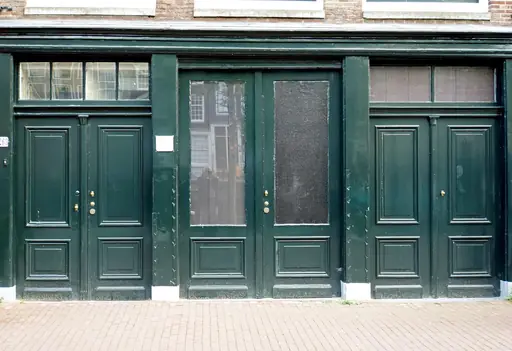
Museum in Amsterdam
Anne Frank House
Powerful Story in Historic Hiding Place
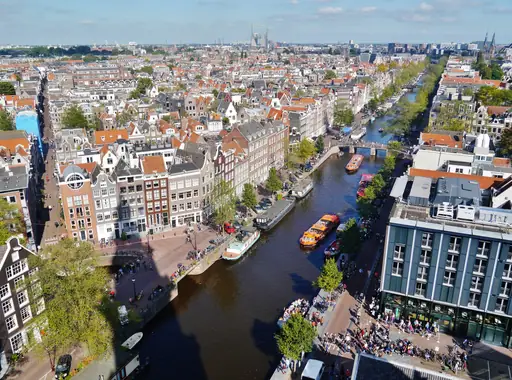
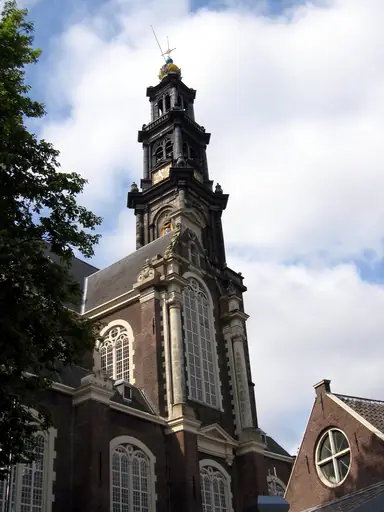
Anne Frank and her family hid in a secret annex here during Nazi occupation. Her diary, written during those years, has since been read worldwide. The bookcase that concealed the annex entrance still stands in the museum. Visitors walk through the rooms where the family lived in hiding for two years.
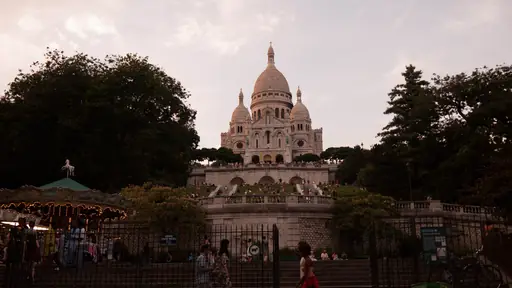
Neighbourhood in Paris
Montmartre
Artistic Charm on Paris’s Hill
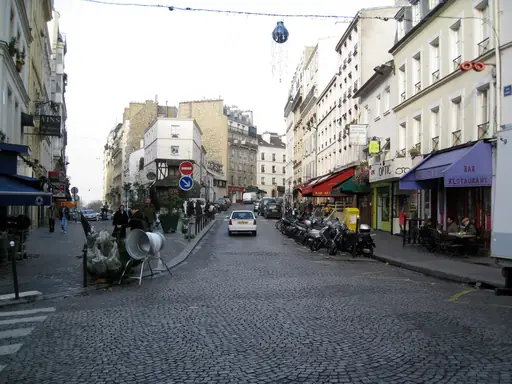
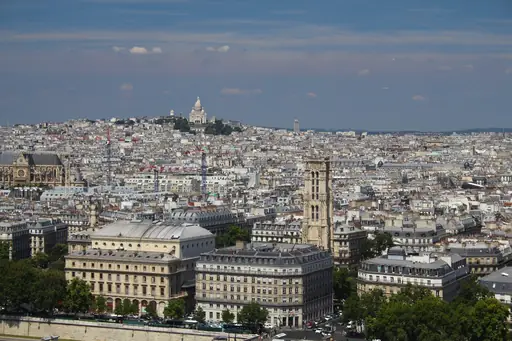
Sacre-Coeur's white domes rise above Montmartre, Paris's highest natural point. Artists including Picasso once lived and worked in the hilltop neighbourhood's studios. Place du Tertre still fills with street painters offering portraits to passersby. Narrow cobbled streets wind past vineyards remaining from the district's rural past.
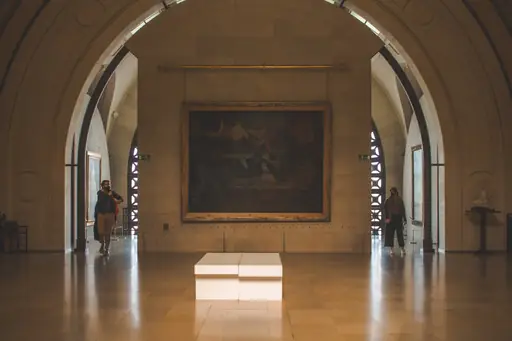
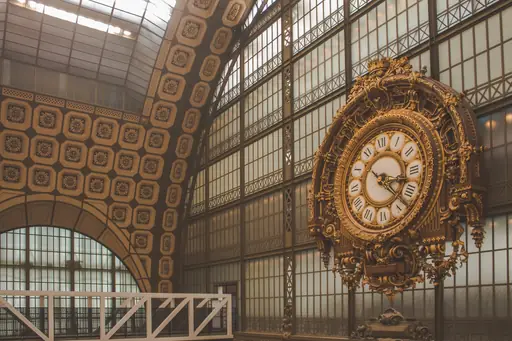
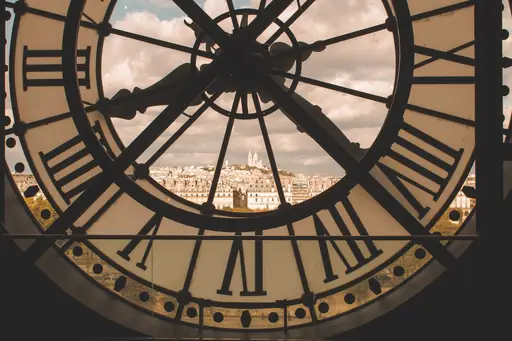
Museum in Paris
Museum of Orsay
Impressionist Masterpieces in Historic Station
The Musee d'Orsay occupies a former Beaux-Arts railway station built for the 1900 World's Fair. Impressionist paintings by Monet, Renoir and Degas fill much of the collection. A large clock face remains visible from inside the museum's upper level. Ornate ironwork from the original station still frames the museum's grand hall.
Museum in Stockholm
Vasa Museum
Stockholm’s Preserved 17th Century Warship
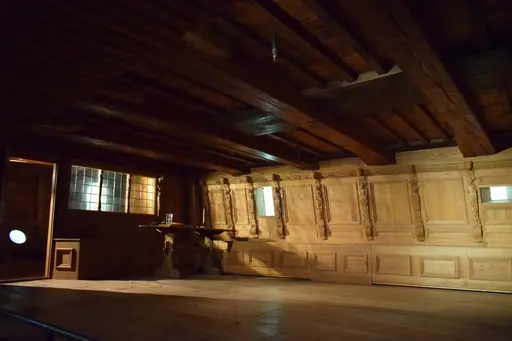
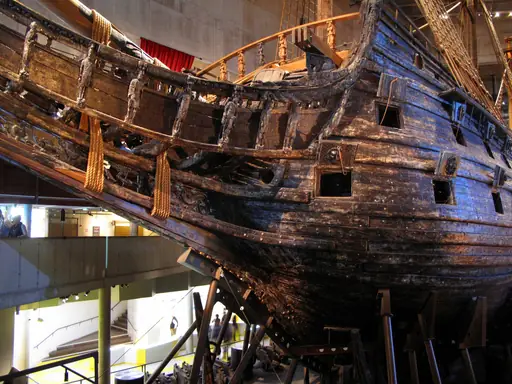
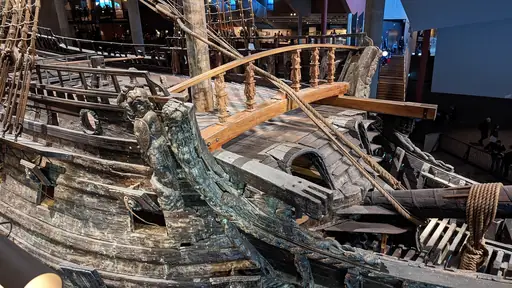
The warship Vasa sank on its maiden voyage in 1628, just minutes after leaving port. Salvage crews raised the nearly intact ship from Stockholm's harbour in 1961. Carved wooden sculptures still cover much of the vessel's preserved hull. The museum was built specifically around the ship to display it at full scale.
Palace in Versailles
Palace of Versailles
Grand Symbol of French Royalty
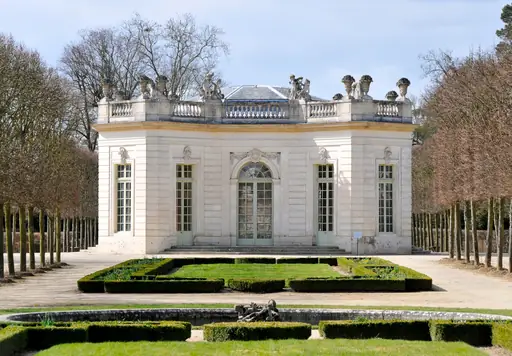
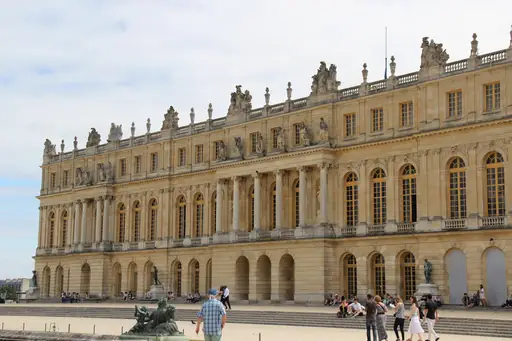
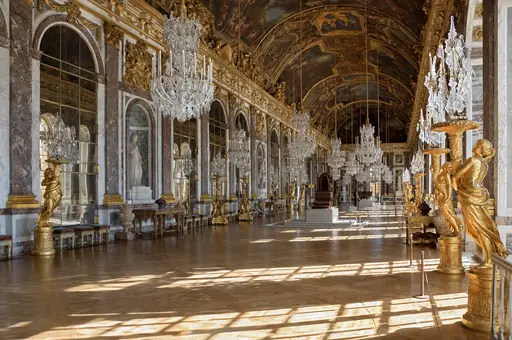
Louis XIV transformed Versailles from a hunting lodge into a sprawling royal palace. The Hall of Mirrors reflects light across 357 mirrors lining one long gallery. Formal gardens stretch for acres behind the palace, filled with fountains and sculpture. Treaties ending both world wars were signed within the palace grounds.

City in Netherlands
Amsterdam
Canals, culture and a vibrant spirit
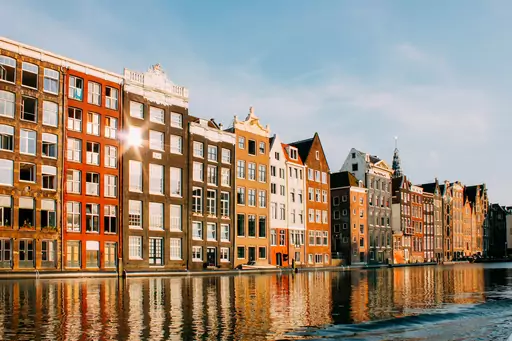
Amsterdam's canal ring took shape during the Dutch Golden Age of the 1600s. Merchants built narrow townhouses along the canals to avoid property taxes based on width. UNESCO added the canal ring to its World Heritage list in 2010. Houseboats and centuries-old warehouses still line the waterways throughout the historic centre.
City in Bosnia and Herzegovina
Mostar
Stone bridges and Balkan magic
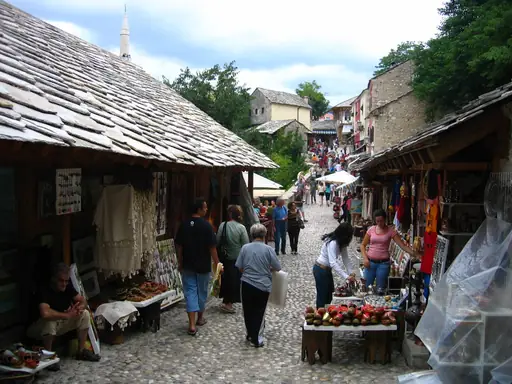
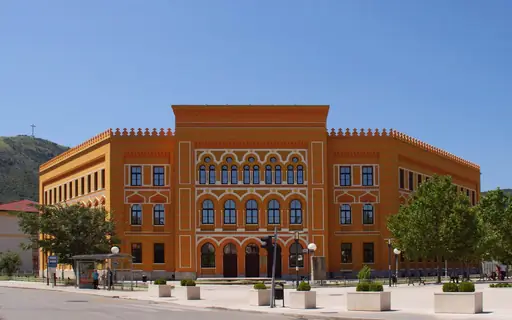
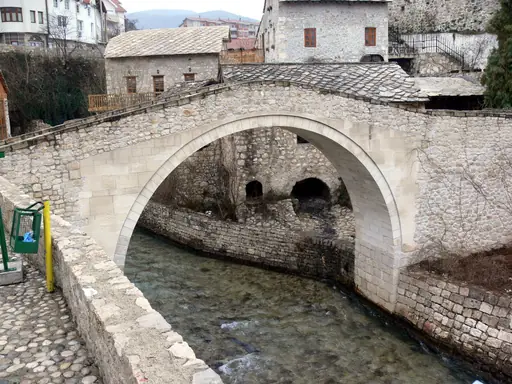
Ottoman engineers built the Stari Most bridge across Mostar's Neretva River in 1566. War destroyed the original bridge during the Bosnian conflict of the 1990s. Engineers rebuilt the stone bridge using traditional techniques, reopening it in 2004. Divers still leap from the bridge's arch, continuing a tradition centuries old.
City in Italy
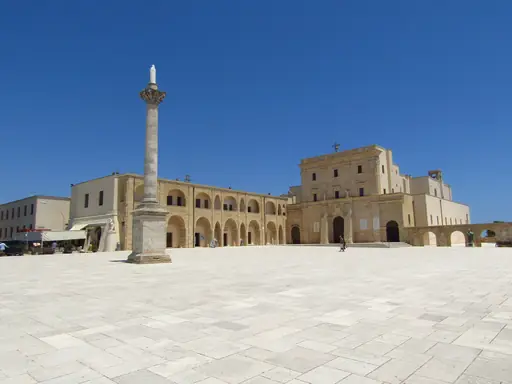
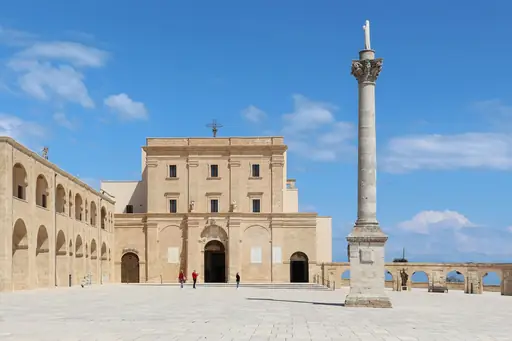
Lecce
Baroque Beauty in Italy’s Heel
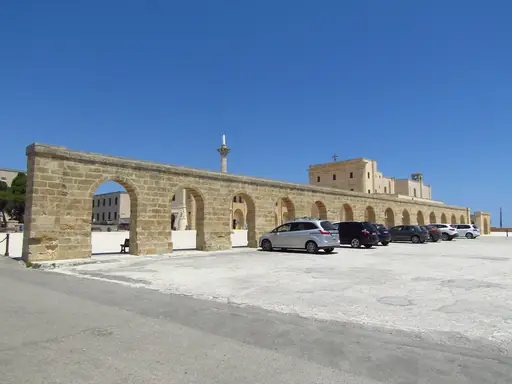
Local stone carvers gave Lecce its dense Baroque architecture during the 1600s and 1700s. A Roman amphitheatre lies partly excavated beneath the city's main square today. Soft local limestone allowed masons to carve elaborate facades across many buildings. Lecce's historic centre remains largely intact despite centuries of continuous habitation.
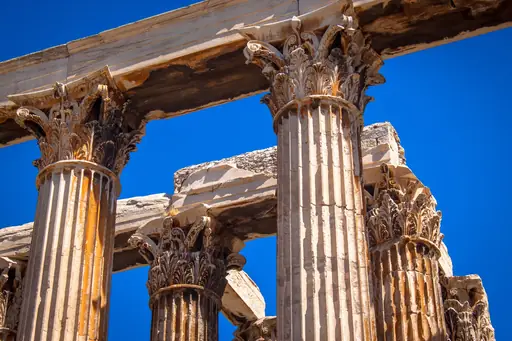
Historic Site in Athens
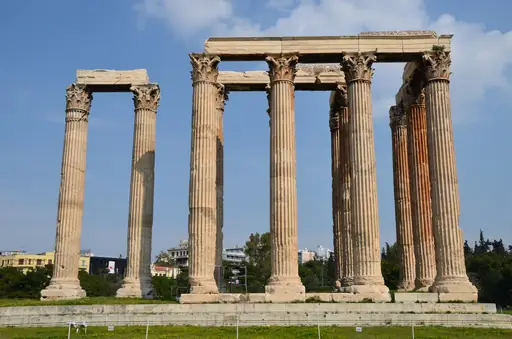
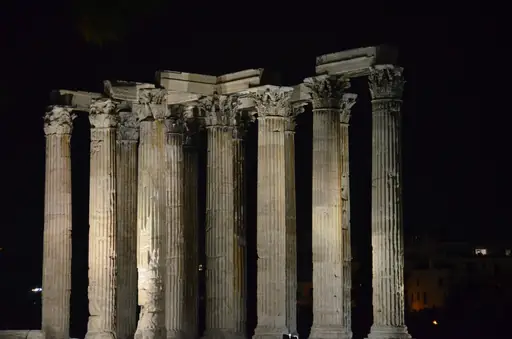
Temple of Olympian Zeus
Majestic Ruins of Ancient Greece
Construction on the Temple of Olympian Zeus began in the 6th century BC, finished centuries later. Only fifteen of its original 104 columns remain standing today. Emperor Hadrian completed the temple around 131 AD, roughly 600 years after it began. Its scale once made it the largest temple in ancient Greece.
Region in Spain
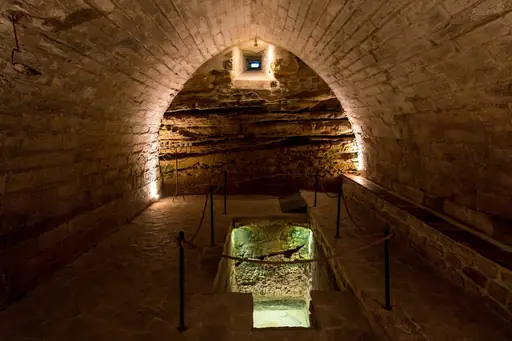
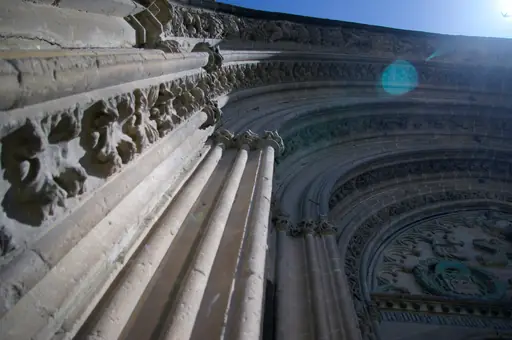
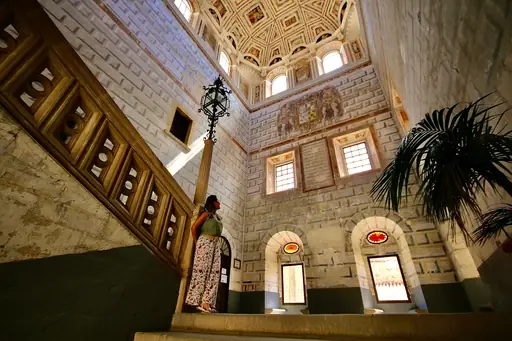
Andalusia
Flamenco, Moorish Palaces and Sun
Moorish rulers governed much of Andalusia for nearly 800 years, from 711 to 1492. Palaces, mosques and fortresses built during that era still stand across the region. The Alhambra in Granada and the Mezquita in Cordoba remain its most visited landmarks. Flamenco music and Moorish architecture both trace roots to this layered history.
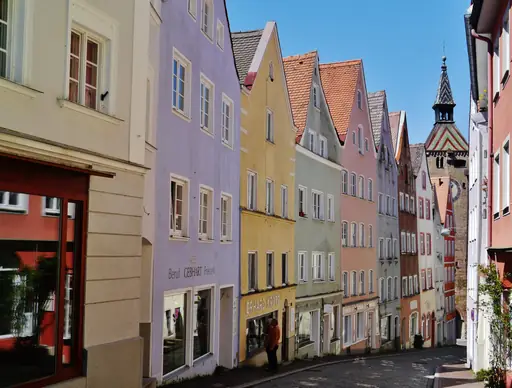
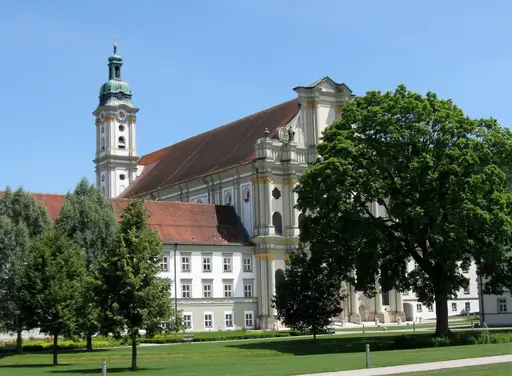
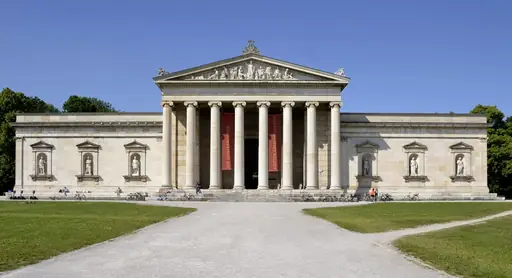
City in Germany
Munich
Bavarian capital of beer gardens and museums
The Wittelsbach dynasty ruled Bavaria from Munich for more than seven centuries. Marienplatz has served as the city's central square since it was founded in 1158. A glockenspiel in the New Town Hall reenacts historical scenes several times daily. Beer halls dating back centuries still operate near the heart of the old city.
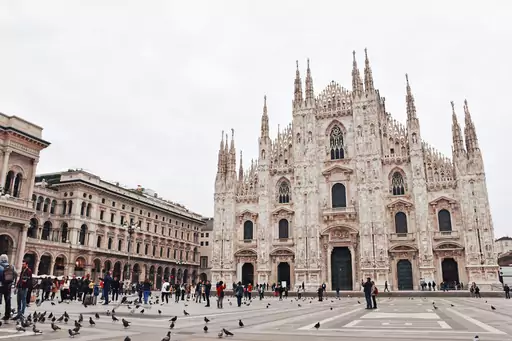
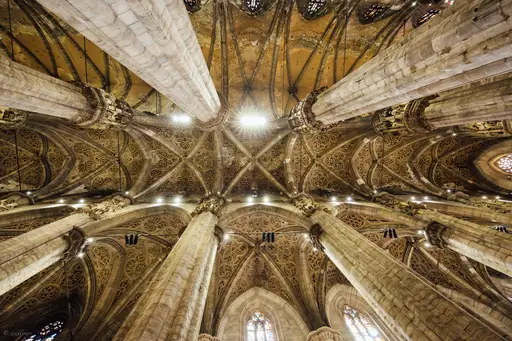
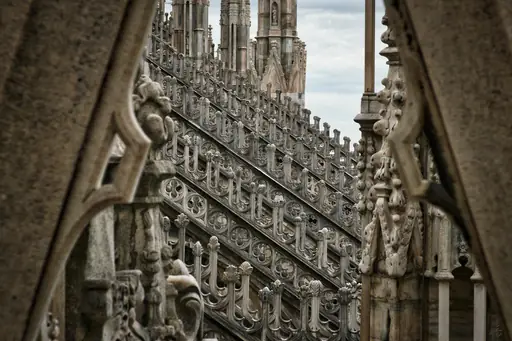
Cathedral in Milan
Milan Cathedral
Gothic Splendor in the Heart of Milan
Milan Cathedral took nearly six centuries to complete, one of the largest churches in the world. More than 3,400 statues decorate its exterior, among the most of any Gothic building. Visitors can climb to the rooftop for close views of its spires. Construction began in 1386 under Duke Gian Galeazzo Visconti.
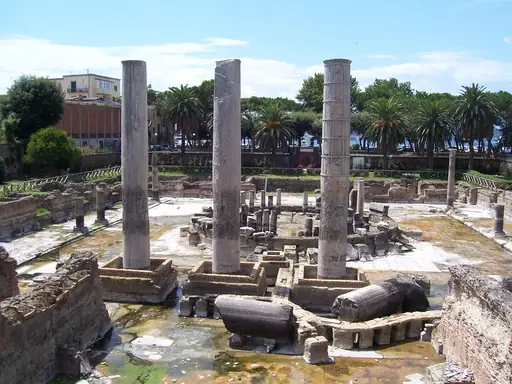
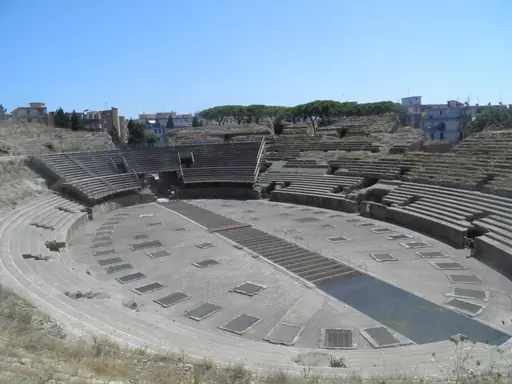
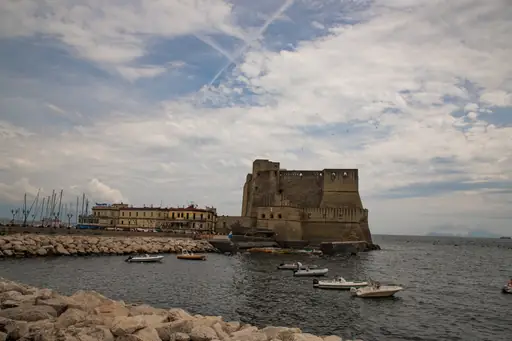
City in Italy
Naples
Where history and passion converge
Greek settlers founded Naples as Neapolis around 470 BC along the Bay of Naples. Layers of Greek, Roman and medieval history remain visible throughout its centre. Spaccanapoli, a narrow street, still splits the old city in a line laid out by Greek planners. Catacombs beneath the city hold early Christian burial chambers dating back centuries.
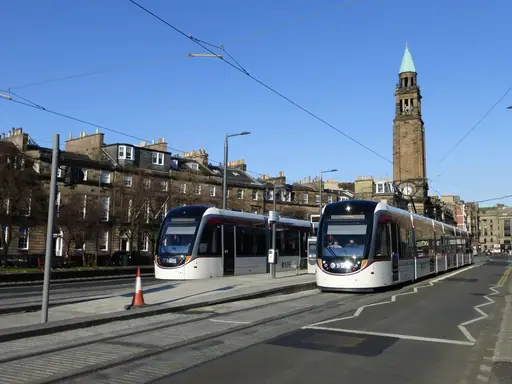
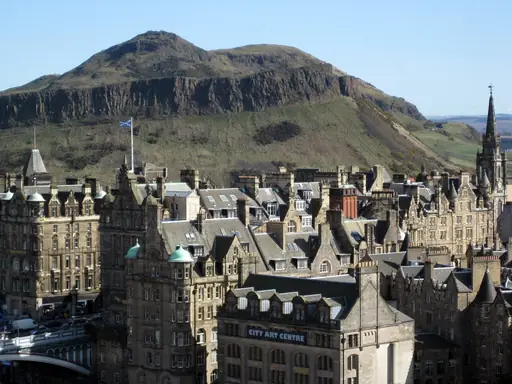
City in United Kingdom
Edinburgh
History, Culture and Festival Fever
Edinburgh Castle sits atop an extinct volcanic rock overlooking the city's Royal Mile. Scottish monarchs were once crowned there, with the nation's crown jewels still kept inside. A cannon has fired from the castle's ramparts at one o'clock nearly every day since 1861. The Royal Mile connects the castle to the Palace of Holyroodhouse below.
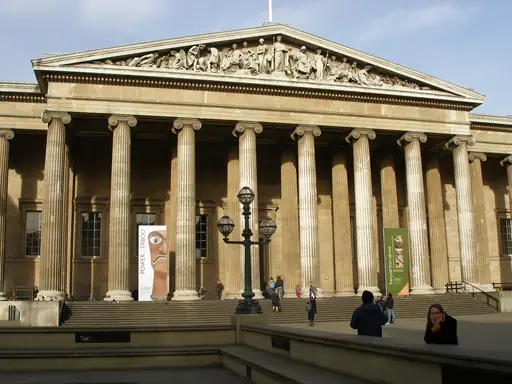
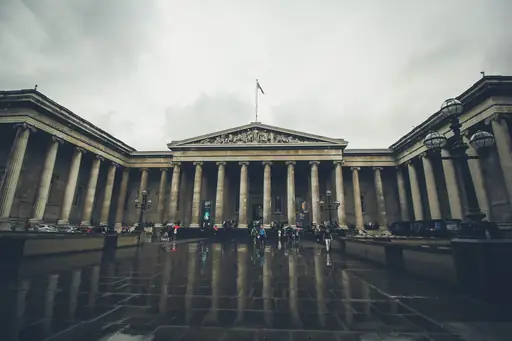

Museum in London
British Museum
World's treasure trove of history
The Rosetta Stone sits among the British Museum's collection, key to decoding Egyptian hieroglyphs. Marbles taken from the Parthenon fill a dedicated gallery within the museum. Founded in 1753, the museum holds artefacts spanning nearly every ancient civilisation. Admission has remained free since the museum first opened its doors.
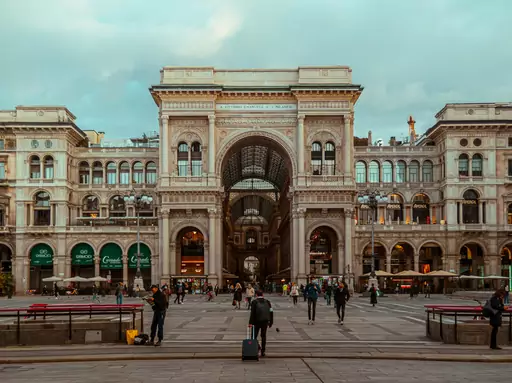
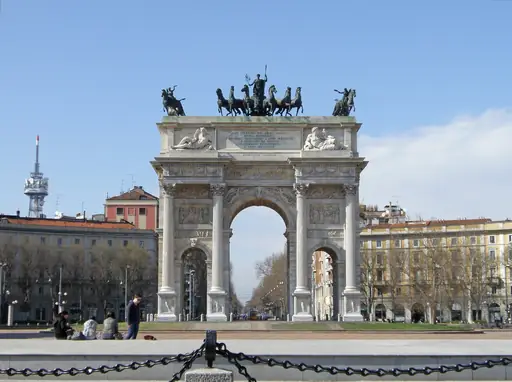
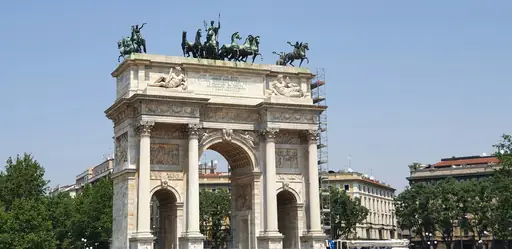
City in Italy
Milan
Fashion, Art and Historic Splendor
The Sforza family ruled Milan from a fortified castle built in the 15th century. Leonardo da Vinci painted The Last Supper on a refectory wall nearby. Milan grew wealthy as a centre of trade between northern Europe and Italy. Renaissance patronage under the Sforzas helped shape much of the city's historic core.
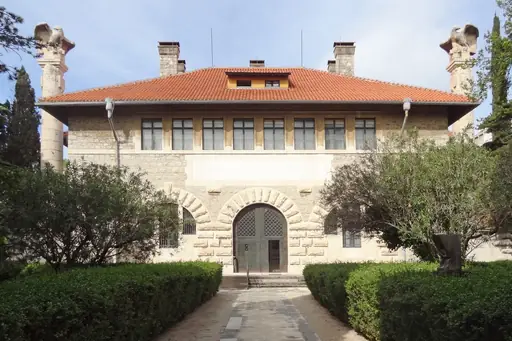

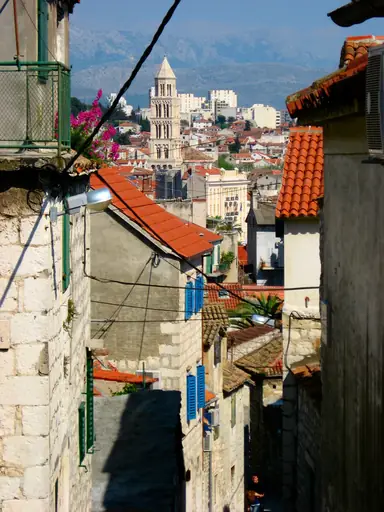
City in Croatia
Split
Roman Ruins, Adriatic Vibes, Beaches
Roman emperor Diocletian built a retirement palace at Split around 305 AD. Much of the ancient palace still forms the core of the city's old town today. Residents moved into its walls and courtyards after the Western Roman Empire collapsed. A bell tower added centuries later now rises above the former imperial mausoleum.
Historic Site in Athens
Ancient Agora of Athens
Heart of Ancient Athenian Life
The Ancient Agora served as the heart of civic and commercial life in classical Athens. Philosophers including Socrates once debated within its open public spaces. The Temple of Hephaestus, remarkably intact, still stands at the agora's edge. A reconstructed stoa now houses a museum of artefacts found on site.

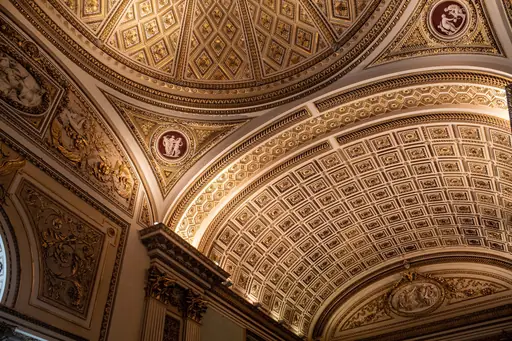
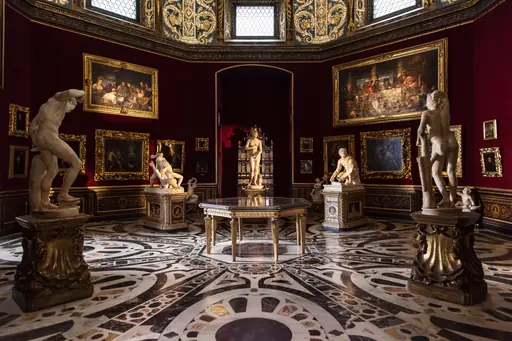
Art Museum in Florence
Uffizi Gallery
Florence's Renaissance Art Treasure
The Uffizi Gallery holds Botticelli's Birth of Venus among its Renaissance masterpieces. Originally built as government offices, the building later became a public museum. A corridor once connected the Uffizi directly to the Pitti Palace across the river. Visitors wind through room after room chronicling the evolution of Italian art.
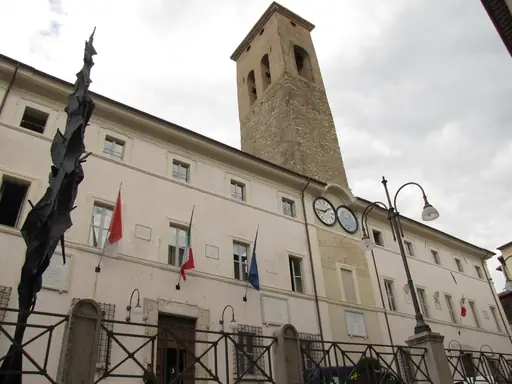
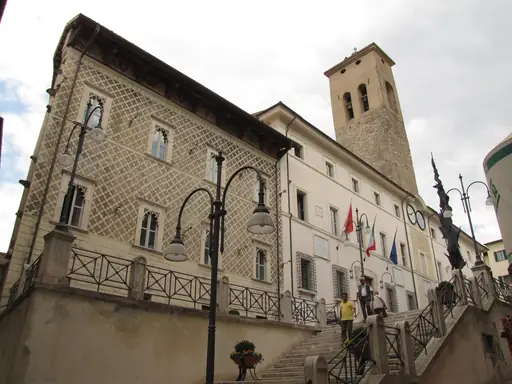
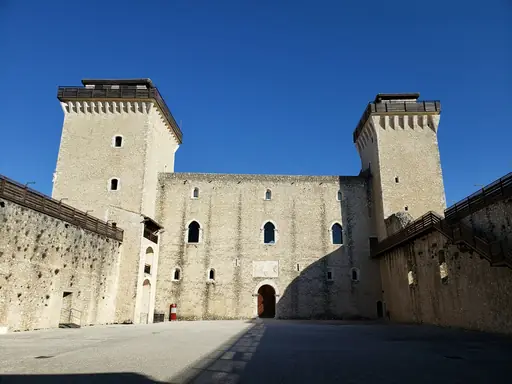
Town in Italy
Spoleto
Historic heart of Umbria’s artistic heritage
Spoleto served as capital of a Lombard duchy during the early medieval period. A Roman bridge, the Ponte Sanguinario, still lies partly buried beneath the modern city. The Rocca Albornoziana fortress was built in the 1360s to secure papal control. Narrow medieval streets still wind up the hillside towards the fortress above.
Neighbourhood in Barcelona
Gothic Quarter
Barcelona’s medieval city heart
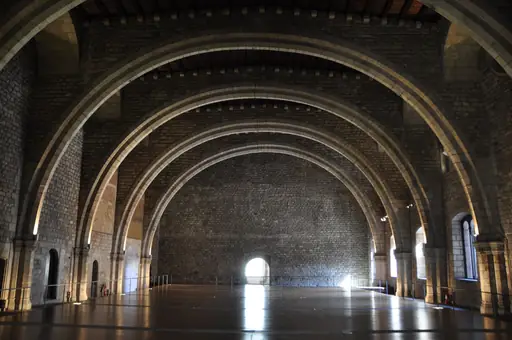
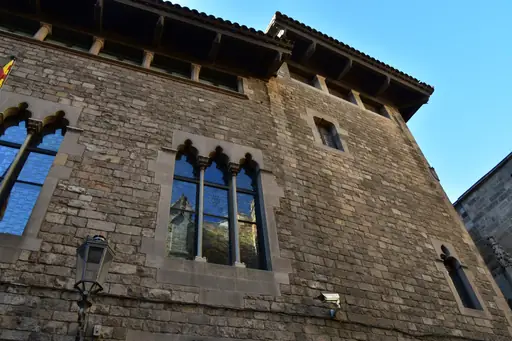
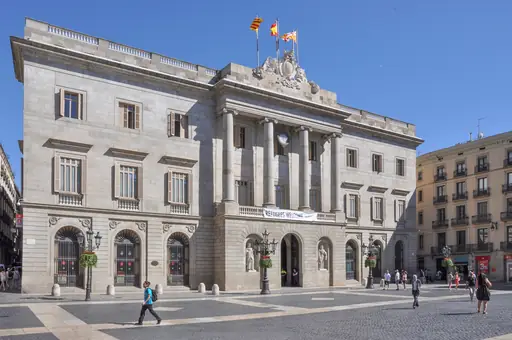
Barcelona's Gothic Quarter preserves medieval streets dating back to the city's Roman foundations. Narrow alleys wind past buildings constructed across centuries of layered history. Barcelona Cathedral rises at the quarter's heart, its construction begun in the 1200s. Roman wall fragments remain visible in several corners of the old district.
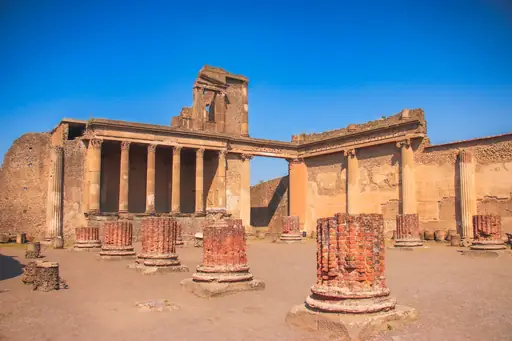
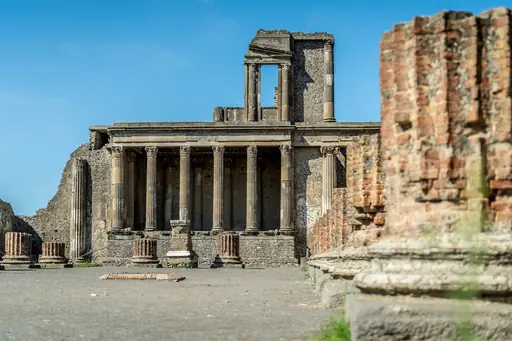
Archaeological Site in Naples
Pompeii Archaeological Site
Ancient City in Vesuvius’ Shadow
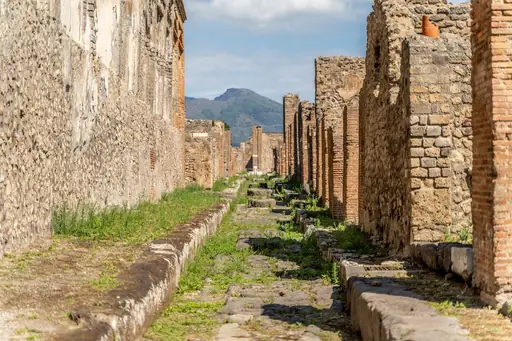
Mount Vesuvius buried Pompeii under volcanic ash during its eruption in 79 AD. Plaster casts later revealed the final poses of residents caught in the disaster. Excavations beginning in the 1700s uncovered streets, villas and frescoes preserved beneath the ash. Archaeologists continue new excavations across sections of the site today.
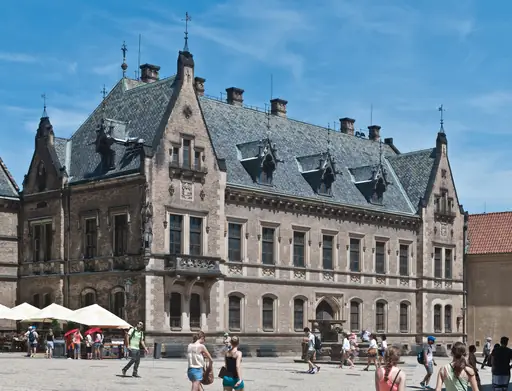
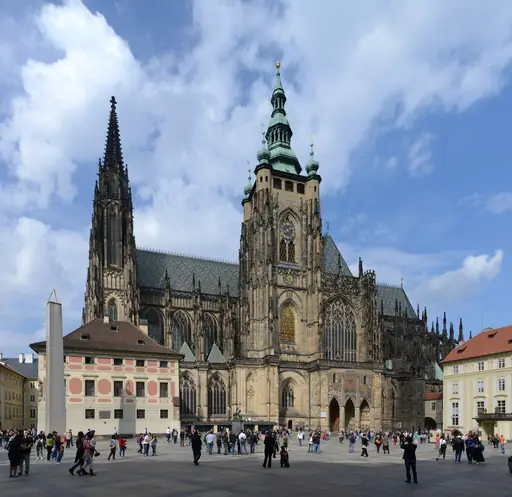
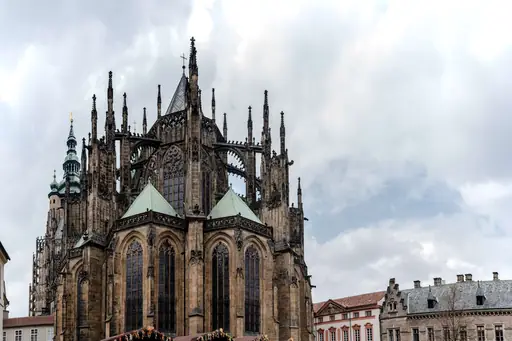
Castle in Prague
Prague Castle
Epic symbol atop the city
Prague Castle ranks among the largest ancient castle complexes in the world by area. Bohemian kings and Holy Roman emperors have ruled from its grounds since the 800s. St. Vitus Cathedral rises within the castle walls, its spires visible across the city. A changing of the guard ceremony still takes place at the main gate.
Monument in Paris
Eiffel Tower
Paris Icon with Stunning Views
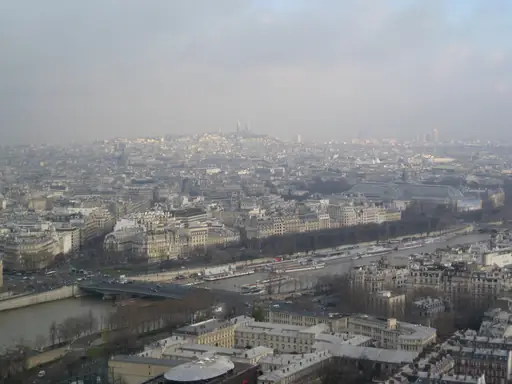
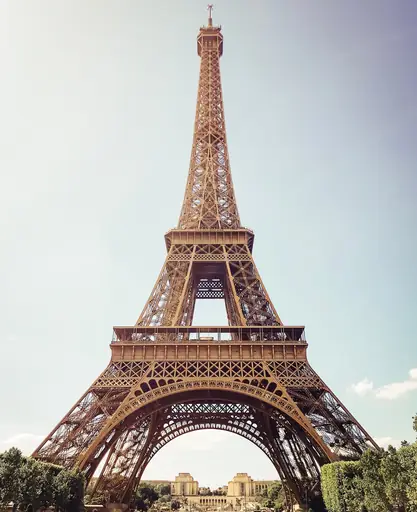
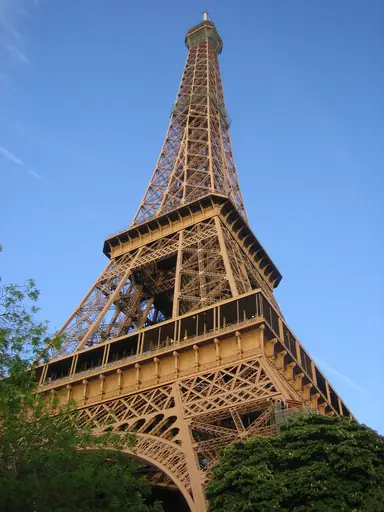
Gustave Eiffel built the Eiffel Tower for the 1889 World's Fair, intended as a temporary structure. Parisians initially criticised its design before it became a beloved landmark. Lifts and stairs carry visitors up nearly 300 metres to observation decks. The tower sparkles with lights each evening for several minutes on the hour.
Canal in Venice
Grand Canal
Venice's Flowing Architectural Marvel
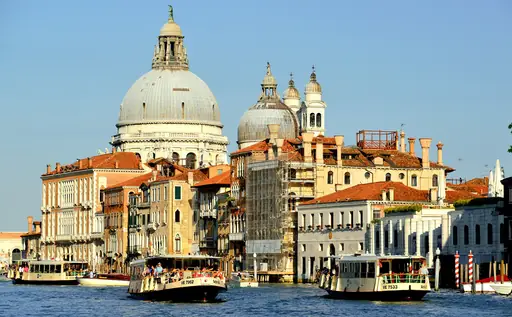
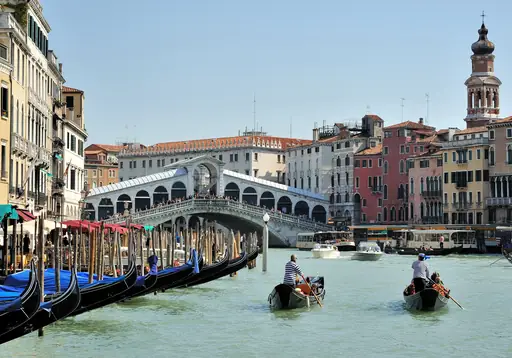
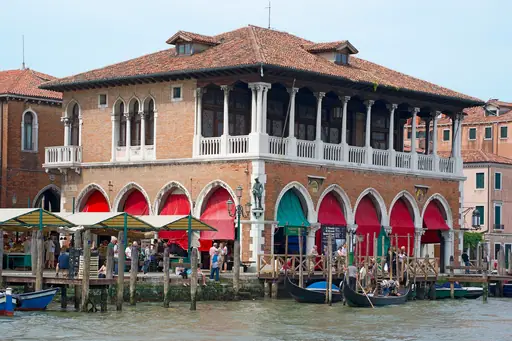
The Grand Canal winds through Venice, lined by centuries-old palazzos built by wealthy merchant families. Gondolas and vaporetto boats remain the primary way to travel along the waterway. Rialto Bridge crosses the canal at its narrowest point downtown. Facades along the canal reflect centuries of Venetian architectural styles.
Village in France
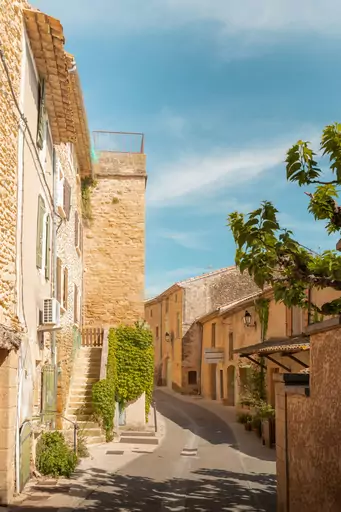
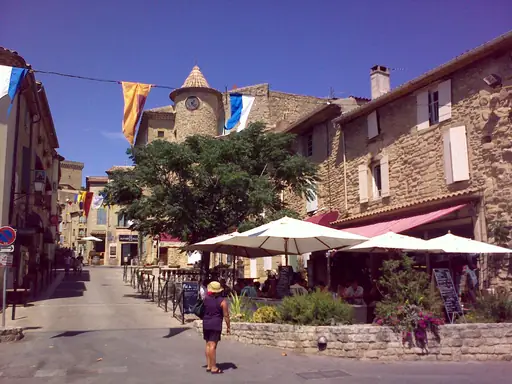
Châteauneuf-du-Pape
Sun‑kissed vineyards, historic hilltop charm
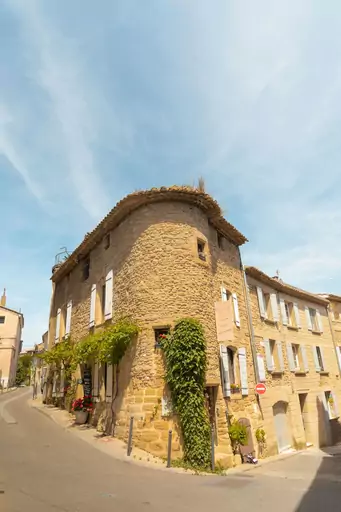
Popes based in nearby Avignon built a summer castle at Chateauneuf-du-Pape in the 14th century. Vineyards planted around the ruined castle grew into a strictly regulated wine appellation. War damage in the 1940s destroyed much of the original papal castle. Only a single tower and partial wall remain standing above the village today.
Landmark in Rome
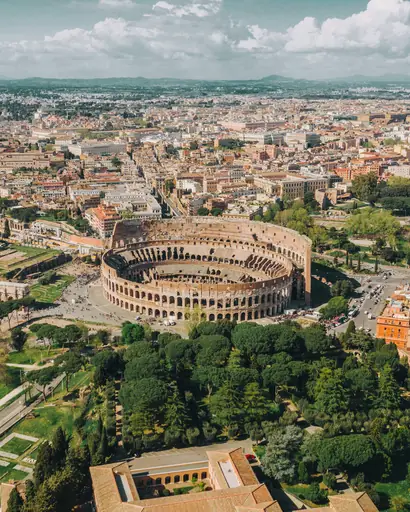
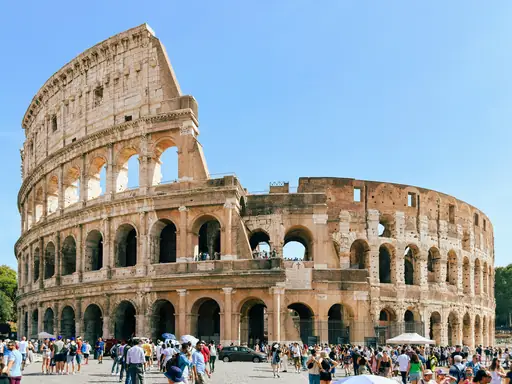
Colosseum
Ancient arena echoing gladiator legends
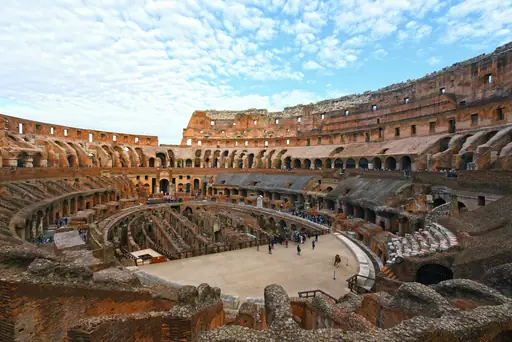
Roman emperor Vespasian began construction on the Colosseum around 70 AD. Gladiator contests and staged animal hunts once drew tens of thousands of spectators. Underground chambers once held fighters and animals before they entered the arena above. Earthquakes and stone scavenging later stripped away much of its original marble facing.
Place of Worship in Rome
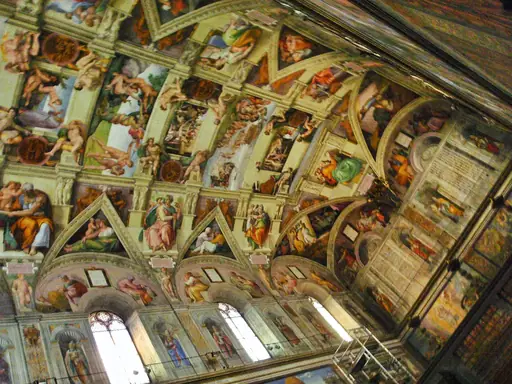
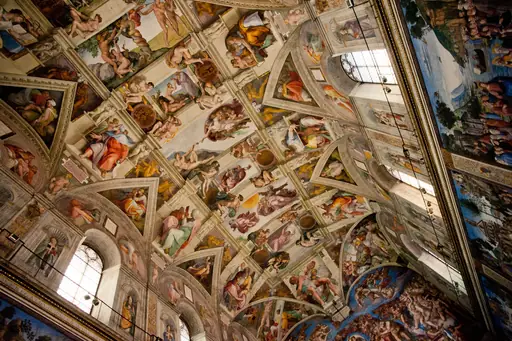
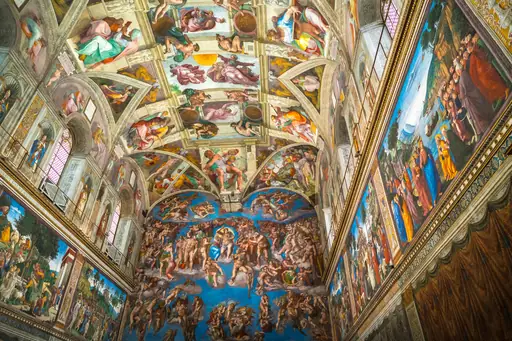
Sistine Chapel
Michelangelo’s Artistic Masterpiece
Michelangelo painted the Sistine Chapel's ceiling over roughly four years, finishing in 1512. The Creation of Adam remains among the ceiling's most recognised scenes. Cardinals gather here to elect new popes during a secretive conclave. Restoration work in the 1980s and 1990s revealed the frescoes' original vivid colours.
Archipelago in Italy
Aeolian Islands
Sunlit cliffs and volcanic horizons
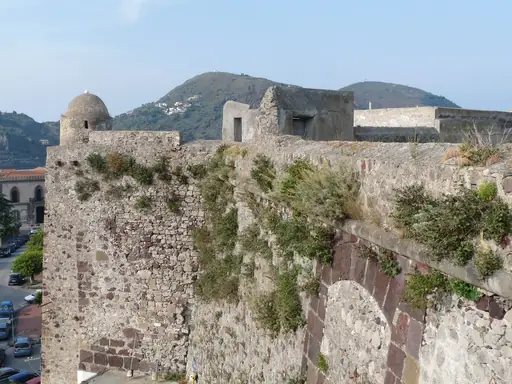
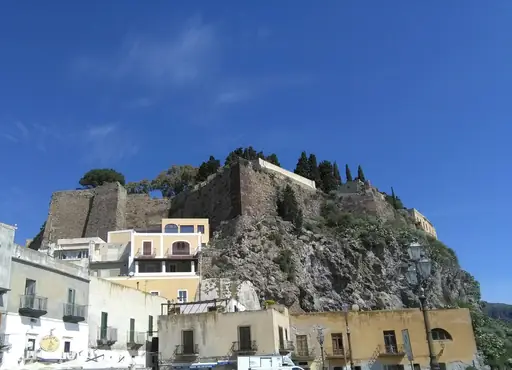
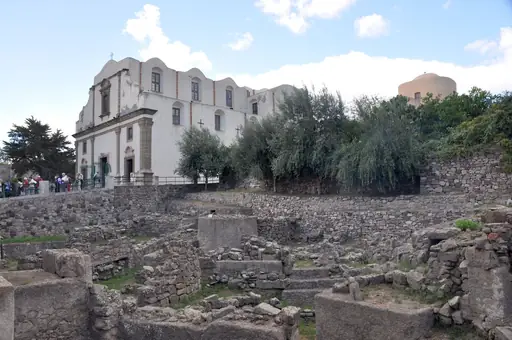
Greek settlers colonised Lipari, largest of the Aeolian Islands, around 580 BC. Lipari's acropolis sits atop a hill once fortified across several ancient civilisations. Obsidian trade brought wealth to the islands thousands of years before the Greeks arrived. A castle built by Spanish rulers now overlooks the harbour below.
Park in Barcelona
Park Güell
Gaudí's Colorful Garden Wonderland
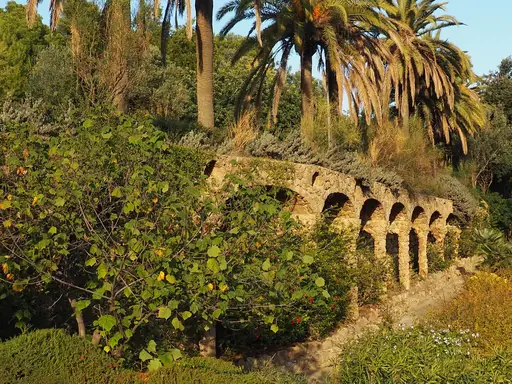
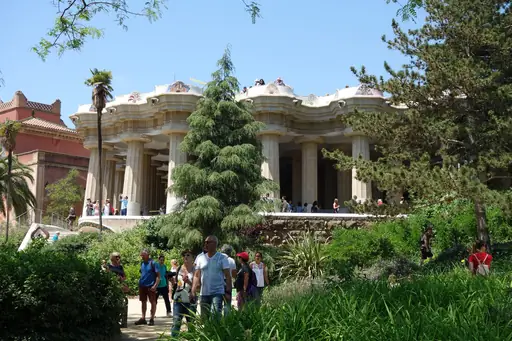
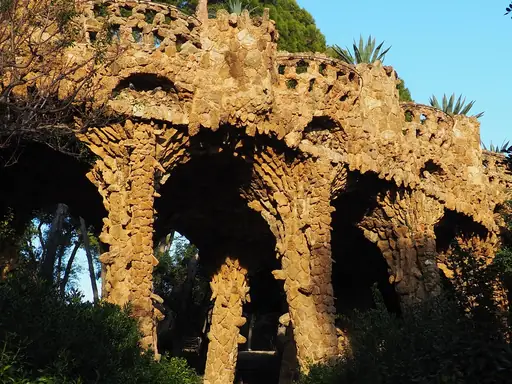
Antoni Gaudi designed Park Guell as a planned housing development that never fully materialized. Mosaic tilework in bright colours covers benches and structures throughout the park. A large mosaic salamander guards the entrance staircase, among the park's most photographed features. Columned halls support a terrace offering wide views across Barcelona.
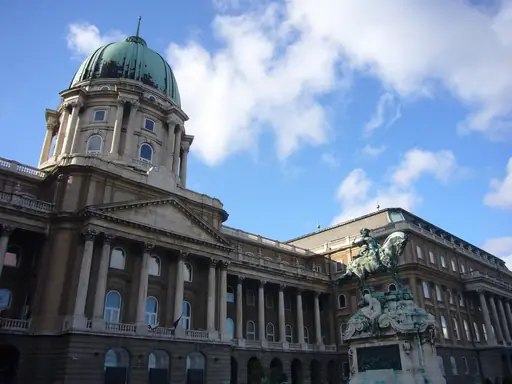
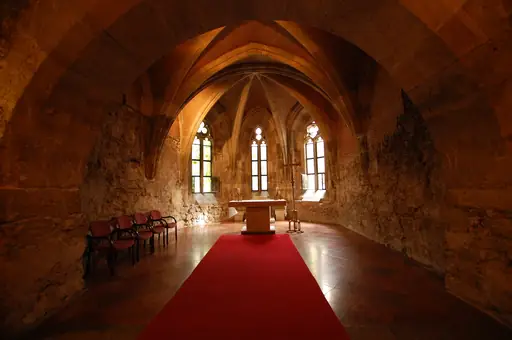
Castle in Budapest
Buda Castle
Budapest’s Majestic Historic Fortress
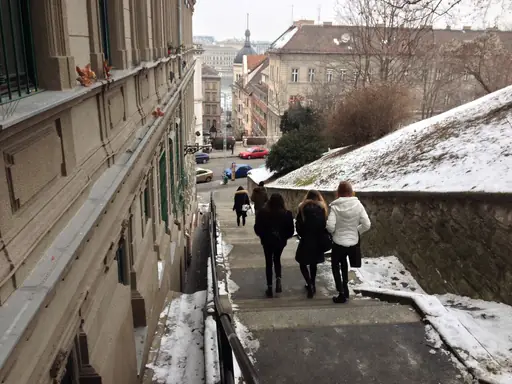
Buda Castle has overlooked the Danube from a hilltop since the 1200s. Hungarian kings once ruled from the palace complex atop Castle Hill. A funicular railway carries visitors up the steep slope to the castle grounds. The complex now houses museums covering centuries of Hungarian history.
Art Museum in Florence
Academy Gallery
Home of Michelangelo's David
Florence's Academy Gallery holds Michelangelo's David, carved from a single block of marble. The statue stands more than five metres tall beneath a specially built dome. Unfinished sculptures by Michelangelo line the corridor leading towards the main hall. The gallery also displays a collection of early Renaissance panel paintings.
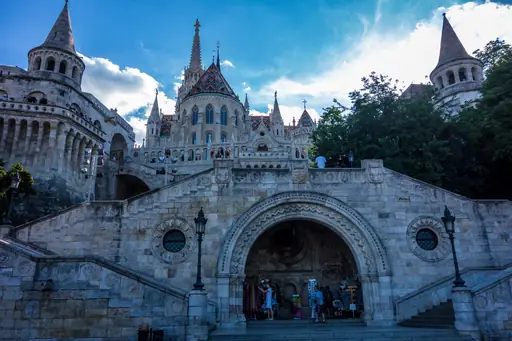
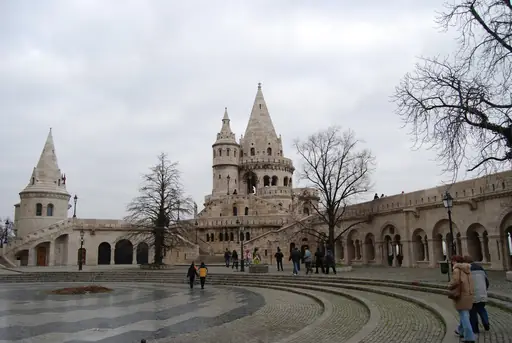
Monument in Budapest
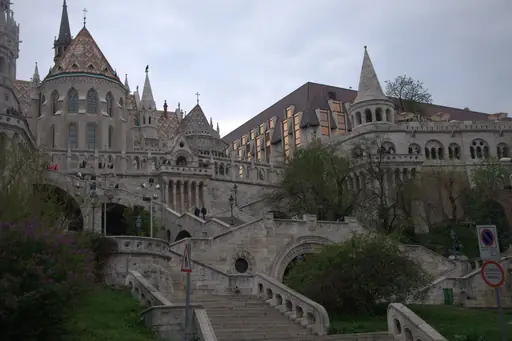
Fisherman's Bastion
Panoramic Views in Fairytale Setting
Fisherman's Bastion's white turrets overlook Budapest from Castle Hill, built in the late 1800s. Seven towers represent the seven Magyar tribes that settled the Carpathian Basin. Fishermen once guarded this stretch of the city walls, giving the terrace its name. Views from the bastion stretch across the Danube towards Parliament.

Palace in Florence
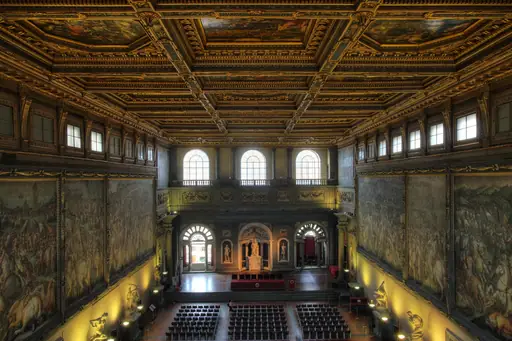
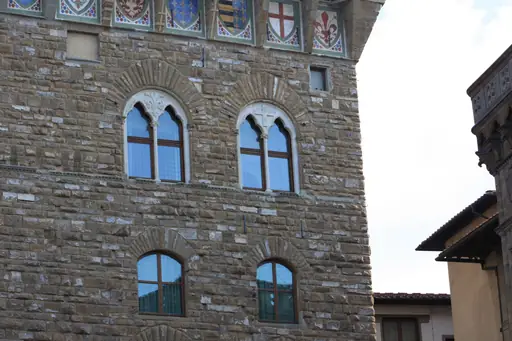
Palazzo Vecchio
Florence’s Mighty Medici Fortress
Palazzo Vecchio has served as Florence's town hall since the late 1200s. A replica of Michelangelo's David once stood outside its main entrance. Frescoed halls inside once hosted meetings of the Florentine republic's leaders. A hidden staircase within the palace connects several of its upper floors.
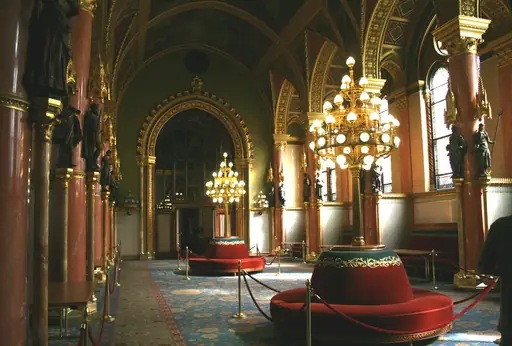
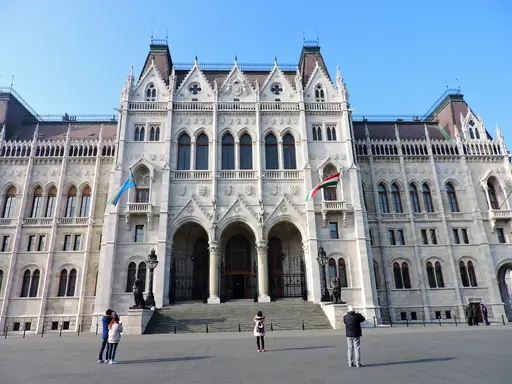
Government Building in Budapest
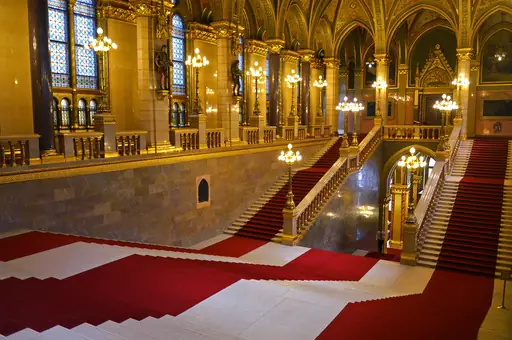
Hungarian Parliament Building
Budapest’s Neo-Gothic Masterpiece
Hungary's Parliament Building stretches along the Danube, among Europe's largest legislative buildings still in use. Its neo-Gothic spires and dome dominate much of Budapest's riverside skyline. The Hungarian Crown Jewels are displayed beneath the building's central dome. Construction finished in 1904 after nearly two decades of steady work.
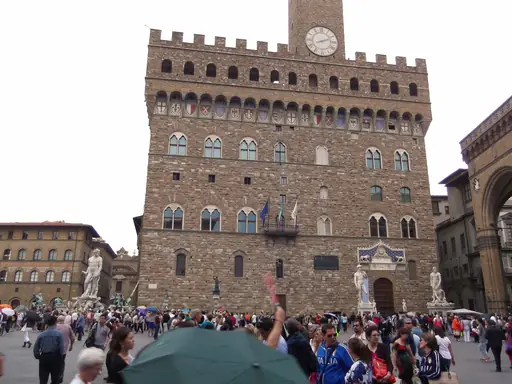
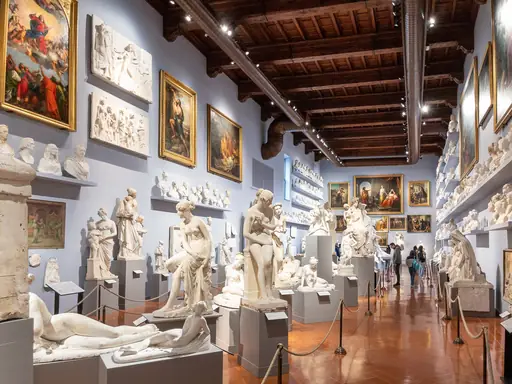
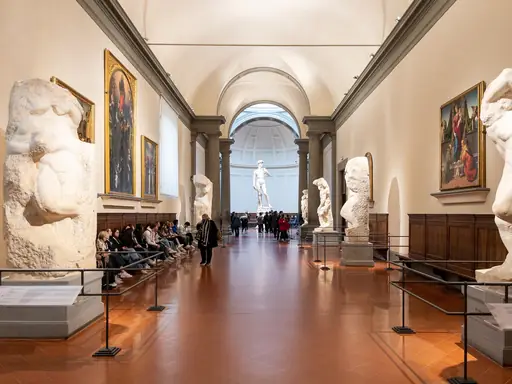
Art Museum in Venice
Accademia Gallery
Home of Michelangelo's David
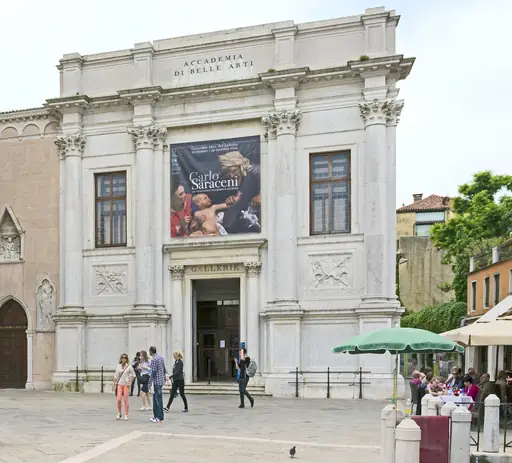
Venice's Accademia Gallery holds paintings spanning several centuries of Venetian artistic tradition. Titian and Tintoretto both feature prominently within its extensive permanent collection. The gallery occupies a former convent complex directly along the Grand Canal. Renaissance masterpieces fill rooms once used for religious worship centuries ago.
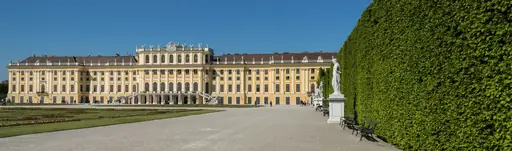
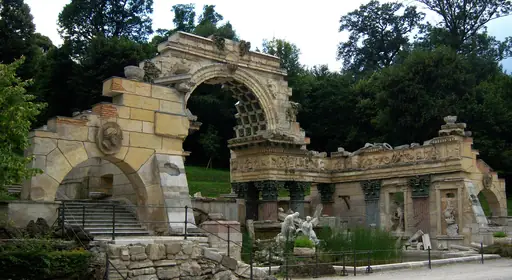
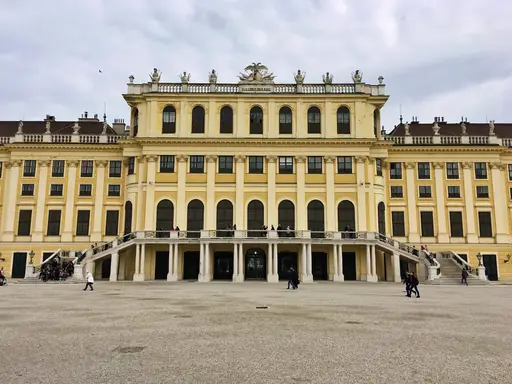
Palace in Vienna
Schönbrunn Palace
Vienna’s Majestic Habsburg Retreat
Schonbrunn Palace served as the Habsburg dynasty's summer residence for centuries. Mozart performed for Empress Maria Theresa here as a child prodigy. Formal gardens stretch behind the palace towards a hilltop pavilion overlooking Vienna. Nearly 1,500 rooms fill the palace, though only a fraction remain open to visitors.
Theatre in Milan
Teatro alla Scala
World’s Legendary Opera House
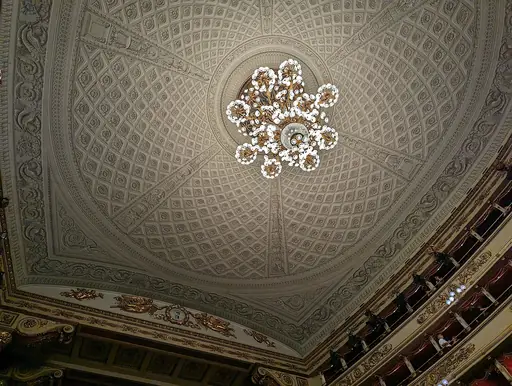
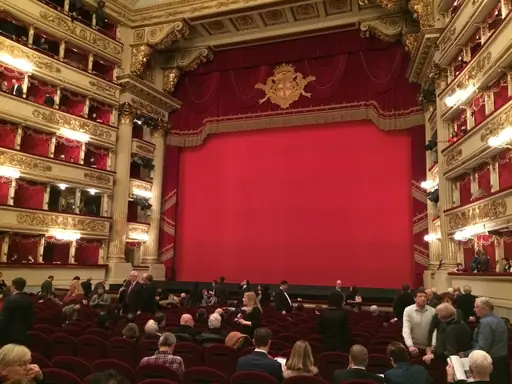
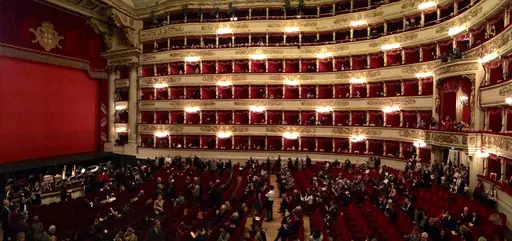
La Scala has staged opera premieres in Milan since it opened in 1778. Verdi and Puccini both debuted major works on its stage. A museum attached to the theatre displays costumes, scores and historical memorabilia. The opera house was rebuilt after suffering damage during wartime bombing.
Cathedral in Paris
Notre-Dame Cathedral
Gothic Masterpiece of Paris
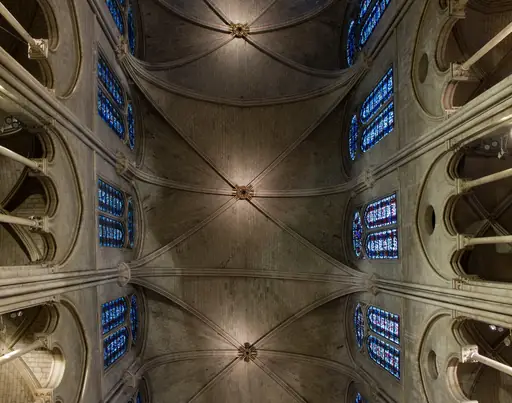
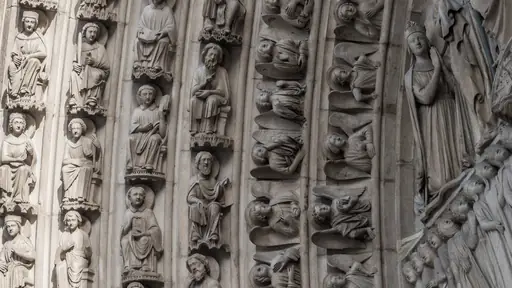
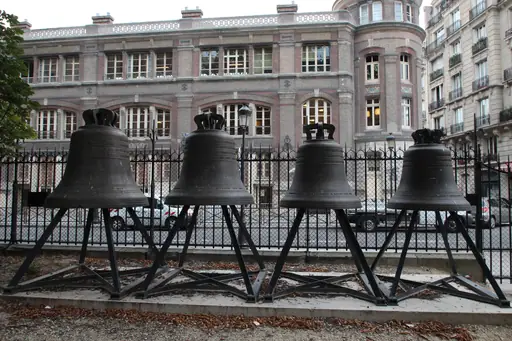
Notre Dame's twin towers have overlooked the Seine since construction finished in the 1300s. Fire severely damaged the cathedral's roof and spire in 2019, prompting years of restoration. Gargoyles perch along the facade, added during a 19th-century renovation. Stained glass rose windows filter coloured light across the cathedral's interior.
Chapel in Paris
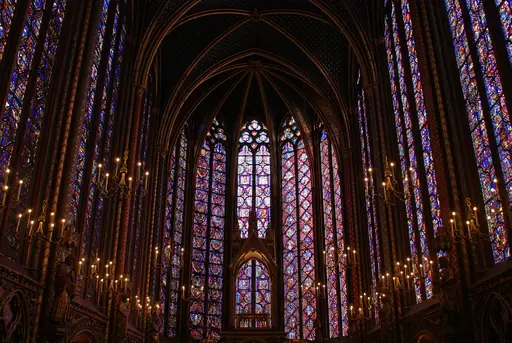
Sainte-Chapelle
Gothic Jewel of Parisian Light
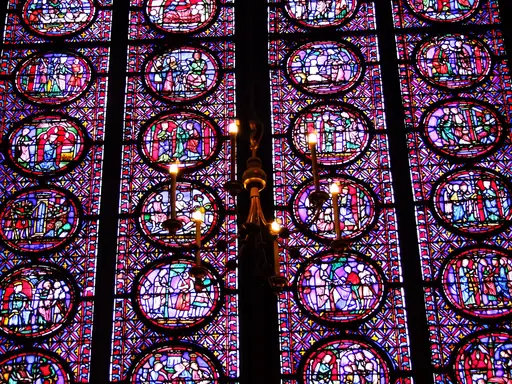
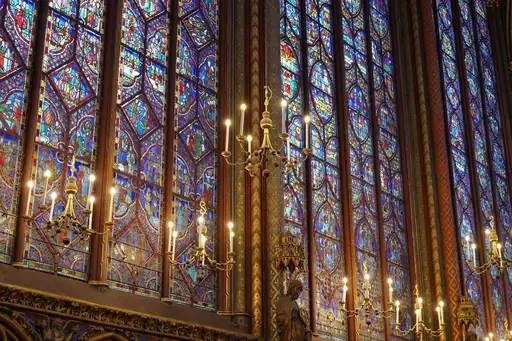
Sainte-Chapelle's stained glass windows depict more than a thousand biblical scenes across fifteen panels. King Louis IX built the chapel in the 1240s to house holy relics. Sunlight through the glass bathes the upper chapel in shifting colour. The chapel survived the French Revolution despite damage to much of its original decoration.
Monastery in Lisbon
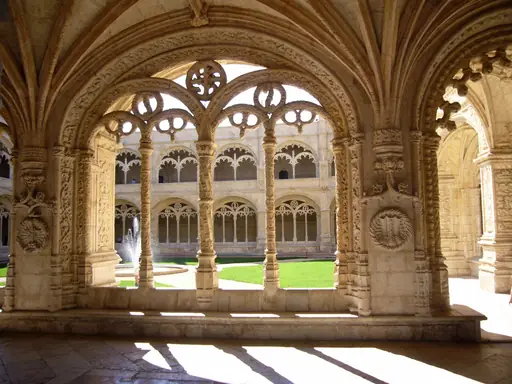
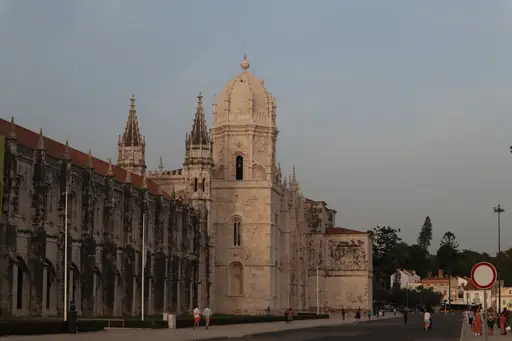
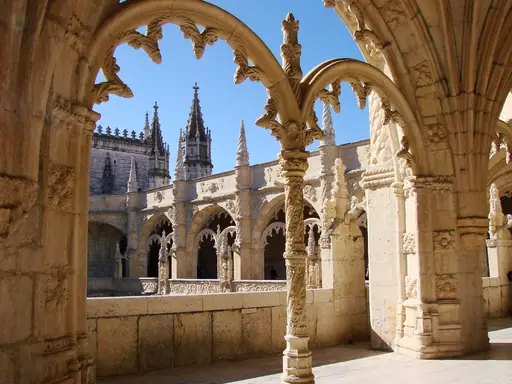
Jerónimos Monastery
Portugal's Gothic Maritime Masterpiece
Jeronimos Monastery was built to commemorate Vasco da Gama's voyage to India in the 1500s. Detailed limestone carvings cover the monastery's cloisters in Manueline style. Da Gama's tomb rests within the monastery's church near the main entrance. Construction funded by spice trade profits took roughly a century to complete.
Historic Site in Athens
Acropolis
Ancient Glory Above Athens
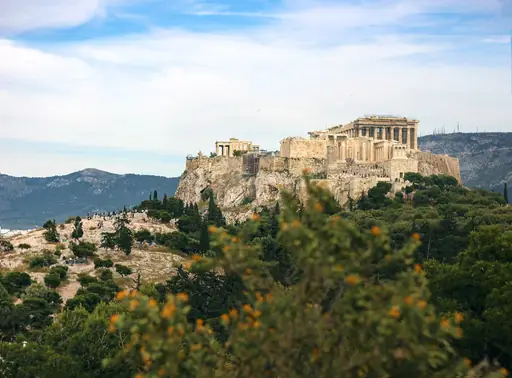
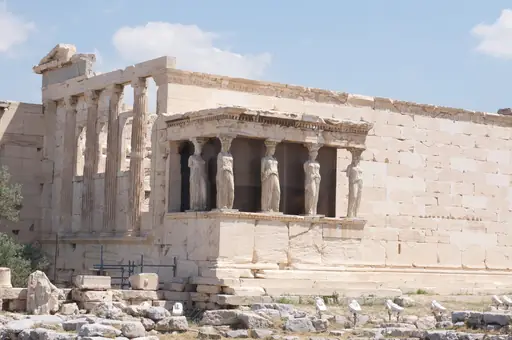
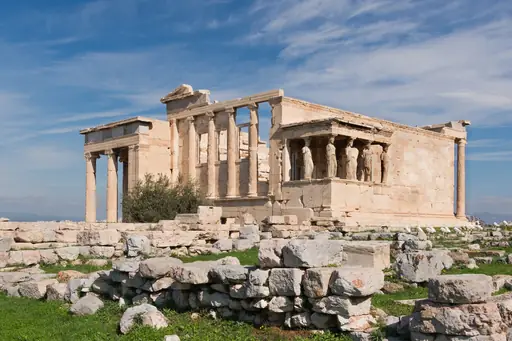
The Acropolis rises above Athens on a rocky outcrop, home to ancient Greece's most sacred temples. Builders constructed most of its surviving structures during the 5th century BC. Steep paths lead visitors up to the plateau past ancient theatres. Marble surfaces still show traces of paint that once coloured the temples.
Historic Site in Brussels
Grand Place
Brussels’ Stunning Historic Square
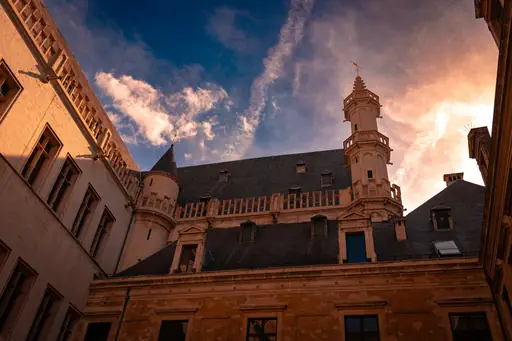
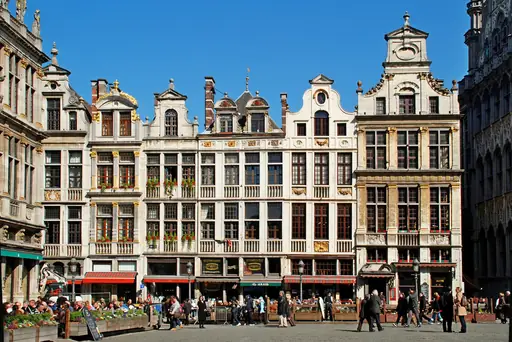
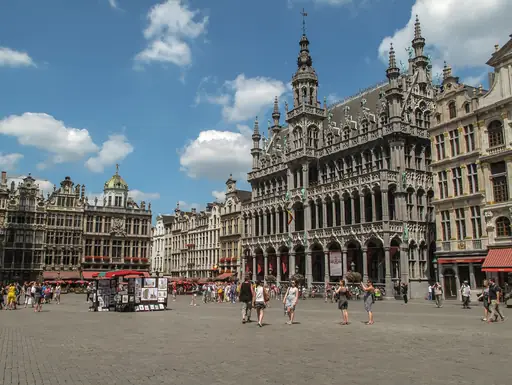
Brussels's Grand Place has served as the city's market square since the medieval period. Guild houses with gilded facades line the square, rebuilt after a 1695 bombardment. Brussels Town Hall's Gothic spire rises above the square's northern side. A flower carpet covers the square's cobblestones during a biennial summer festival.
Historic Tower in Bruges
Belfry of Bruges
Medieval tower with stunning views
The Belfry of Bruges has towered over the city's market square since the 1200s. Climbers ascend 366 steps to reach the tower's observation platform. A carillon of bells rings out melodies across the city on the hour. The tower leans slightly, a result of settling over its centuries of history.
Bridge in Venice
Rialto Bridge
Venice’s Historic Grand Canal Crossing
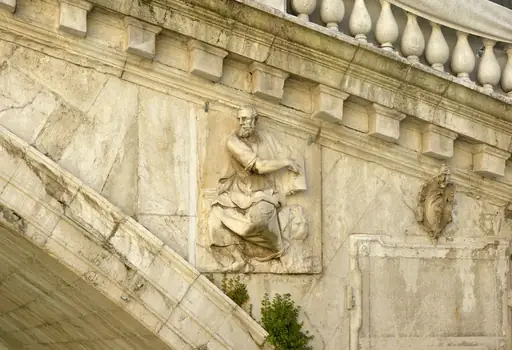
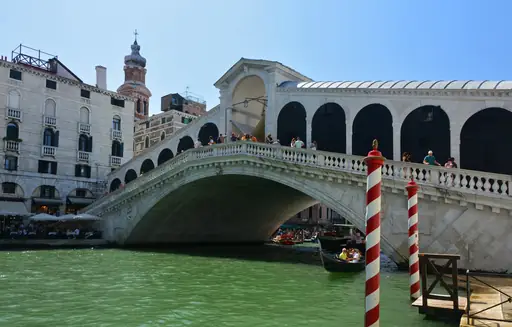
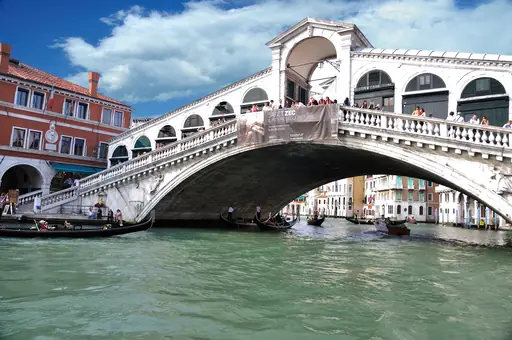
Rialto Bridge has crossed Venice's Grand Canal in stone form since the 1590s. Shops line both sides of the bridge, a tradition dating back centuries. Earlier wooden versions of the bridge collapsed before the current design was built. The bridge remains one of only a few crossing points along the canal.
Palace in Venice
Doges' Palace
Venetian Gothic Splendor Unveiled
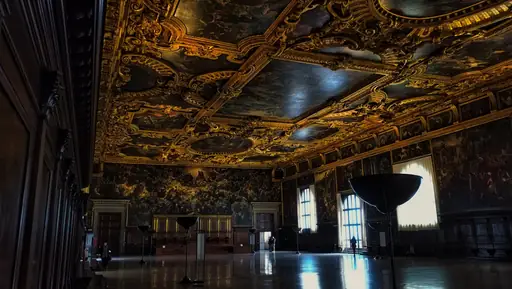
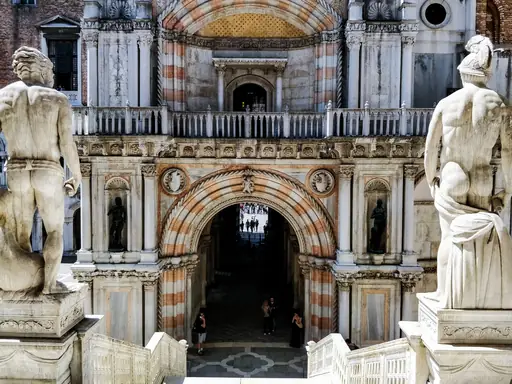
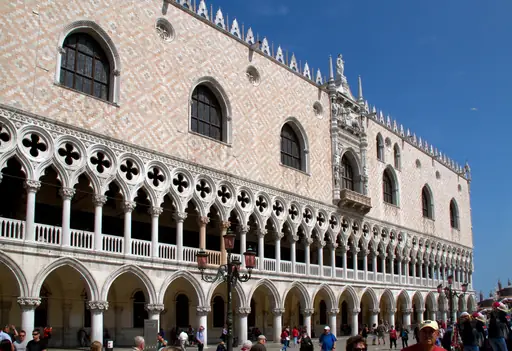
Doge's Palace served as the residence of Venice's ruling doge for centuries. Gothic arches and pink marble define the palace's distinctive waterfront facade. The Bridge of Sighs connected the palace to a former prison nearby. Grand council chambers inside once held meetings of Venice's ruling elite.
Basilica in Barcelona
Sagrada Família
Gaudí's Unfinished Masterpiece
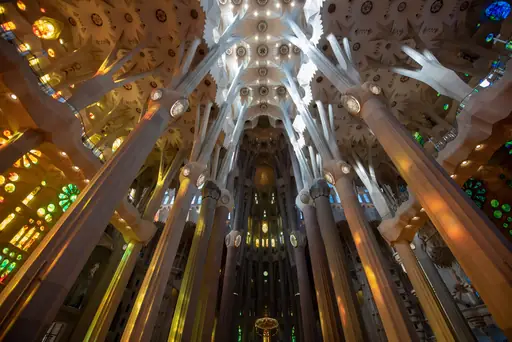
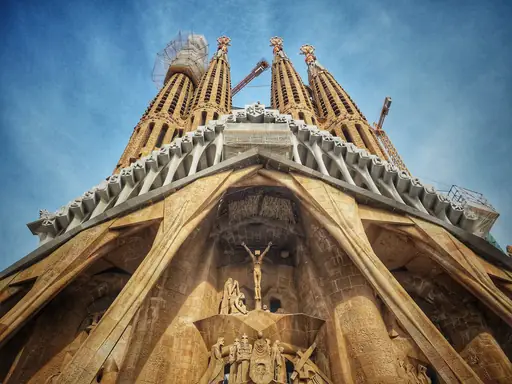
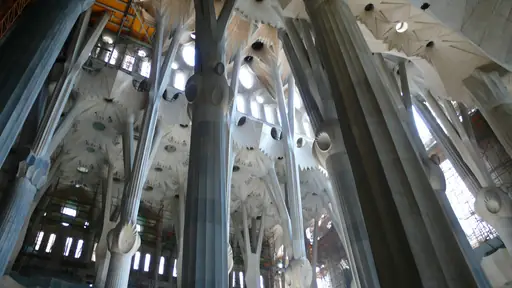
Antoni Gaudi began designing the Sagrada Familia in 1883, still unfinished more than a century later. Towering spires represent Christ, Mary and the apostles across the basilica's facade. Coloured light streams through stained glass windows inside, shifting with the time of day. Construction continues today, funded largely through ticket sales and donations.
Church in London
Westminster Abbey
The Coronation Church of Monarchs
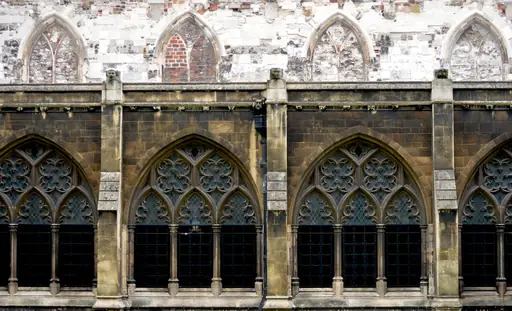
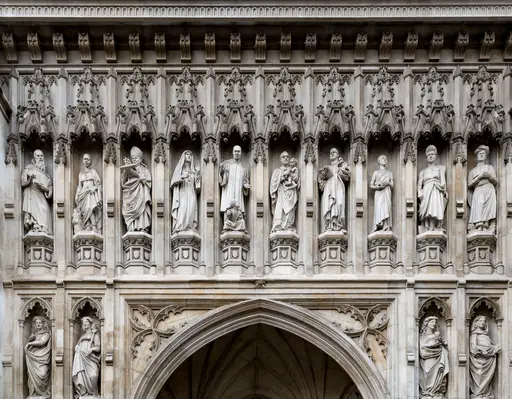
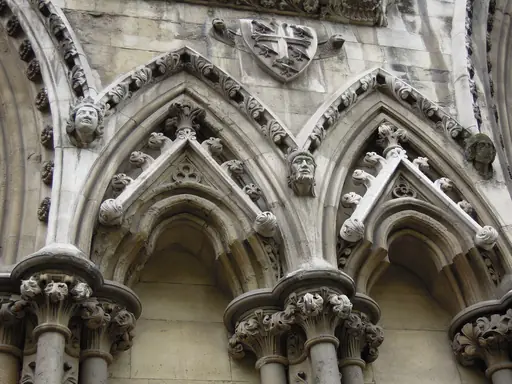
Westminster Abbey has hosted coronations of English monarchs since William the Conqueror in 1066. Poets' Corner holds the graves and memorials of numerous British writers. Gothic architecture spans centuries of construction and renovation within the abbey. Royal weddings, including recent ones, have taken place beneath its vaulted ceiling.
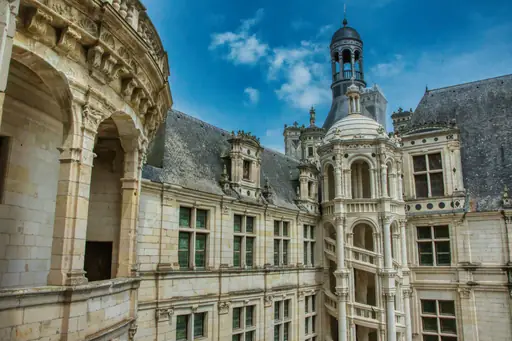
Castle in France
Château de Chambord
Majestic Renaissance fortress amid lush Loire
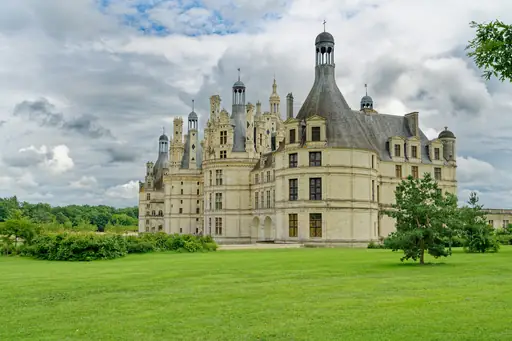
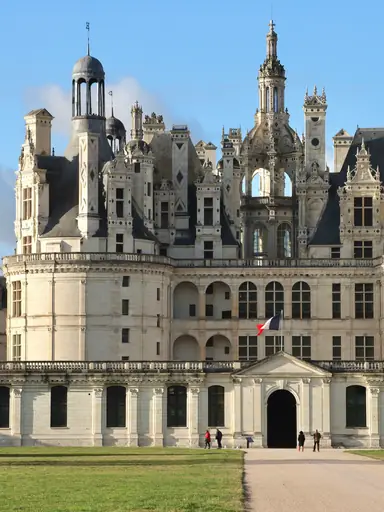
King Francis I began building Chateau de Chambord in 1519 as a hunting lodge. Its design reflects influence from Italian Renaissance architects invited to the French court. A double-helix staircase, possibly designed with input from Leonardo da Vinci, winds through the centre. More than 400 rooms fill the chateau, though Francis rarely stayed there.
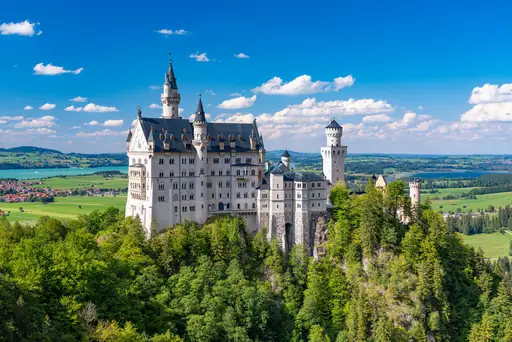
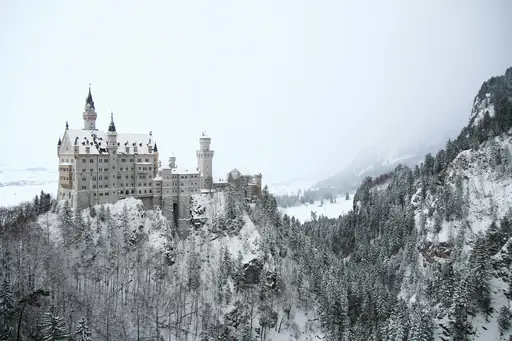
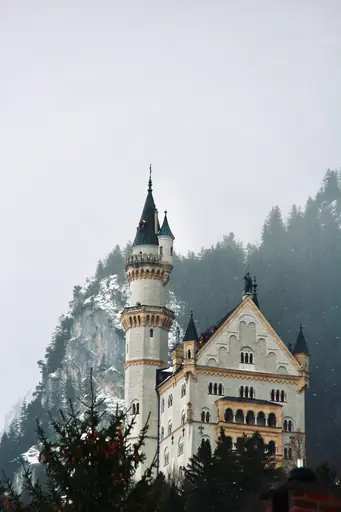
Castle in Germany
Neuschwanstein Castle
Ludwig II's unfinished castle above a gorge
King Ludwig II of Bavaria commissioned Neuschwanstein Castle as a private retreat in 1869. He died before workers ever finished construction on the towers and halls. The unfinished castle later inspired Walt Disney's fairy-tale castle designs. Public tours began just weeks after Ludwig's death in 1886, drawing crowds ever since.
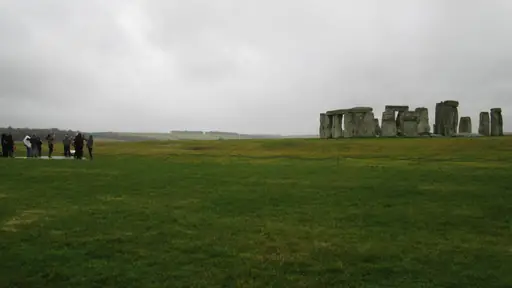
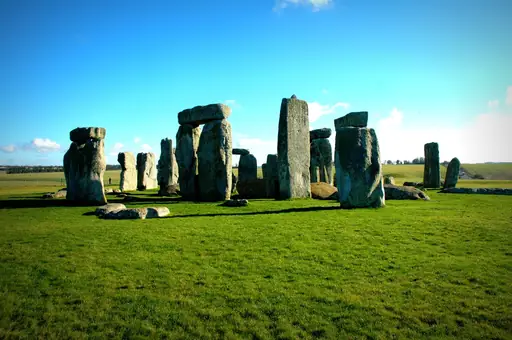
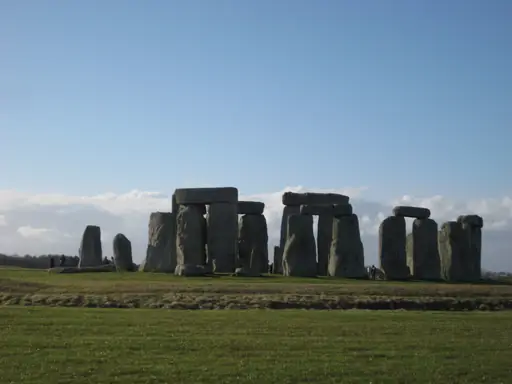
Historic Site in United Kingdom
Stonehenge
Mysterious Ancient Stones of Wonder
Builders erected Stonehenge in stages beginning around 3000 BC using massive sandstone blocks. Some of the smaller bluestones were transported from quarries in Wales, roughly 150 miles away. Its alignment with the summer solstice sunrise has drawn visitors for centuries. Archaeologists still debate exactly how and why prehistoric builders constructed the monument.
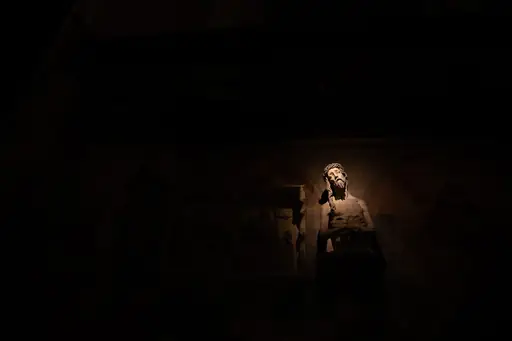
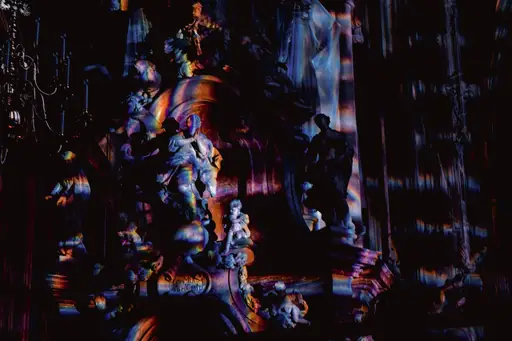
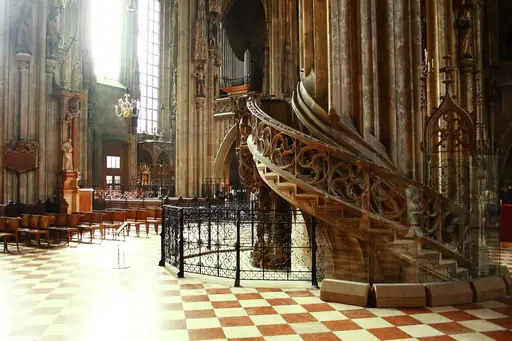
Church in Vienna
St. Stephen's Cathedral
Vienna’s Iconic Gothic Masterpiece
St. Stephen's Cathedral's colourful tiled roof forms a mosaic visible across Vienna's skyline. Its south tower rises more than 136 metres, dominating the surrounding old town. Catacombs beneath the cathedral hold remains dating back centuries. The cathedral survived heavy damage during the Second World War, later fully restored.
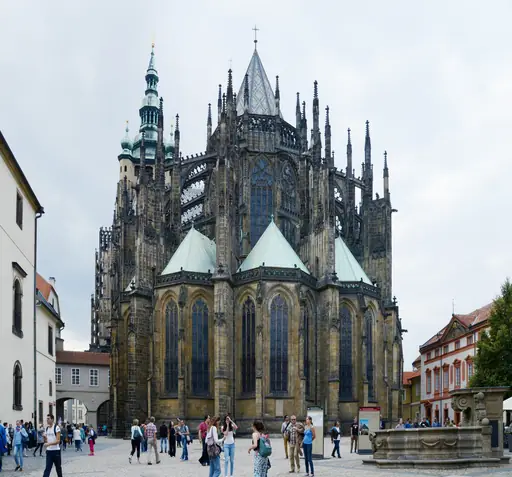
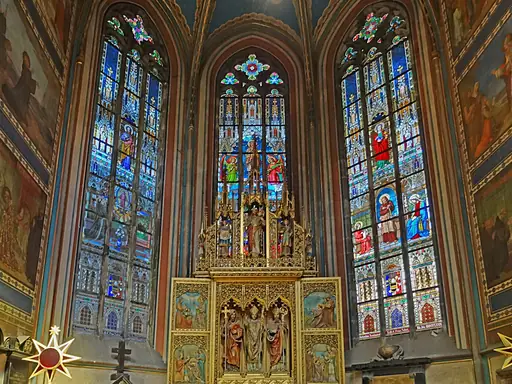
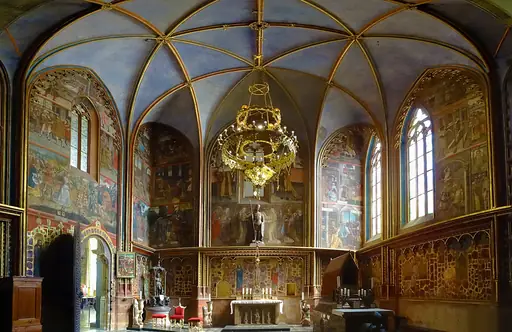
Cathedral in Prague
St. Vitus Cathedral
Majestic Gothic Heart of Prague
St. Vitus Cathedral took nearly 600 years to complete within Prague Castle's walls. Bohemian kings are crowned and buried within the cathedral's Gothic interior. Stained glass windows include one designed by Art Nouveau painter Alphonse Mucha. Its spires rise above the castle complex, visible across much of the city.
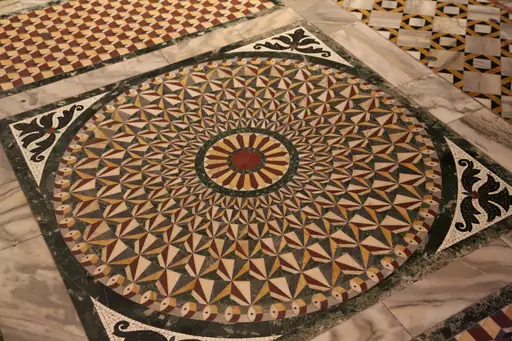
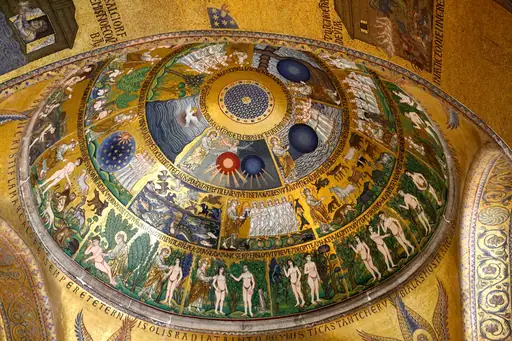
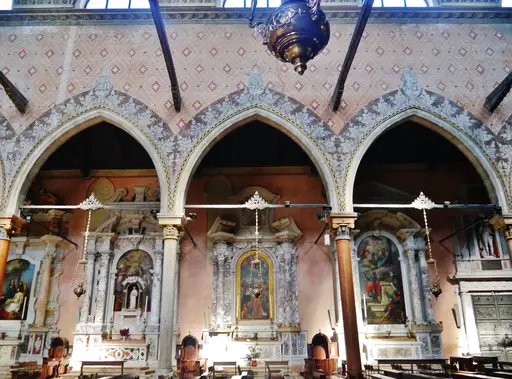
Church in Venice
St. Mark's Basilica
Venice's Glittering Byzantine Jewel
St. Mark's Basilica glitters with gold mosaics covering nearly every inch of its interior ceiling. The basilica holds relics believed to be the remains of the apostle Mark. Four bronze horses once looted from Constantinople stand above the main entrance. Byzantine architectural style sets the basilica apart from Venice's other churches.
Clock in Prague
Astronomical Clock
Medieval Marvel of Time and Art
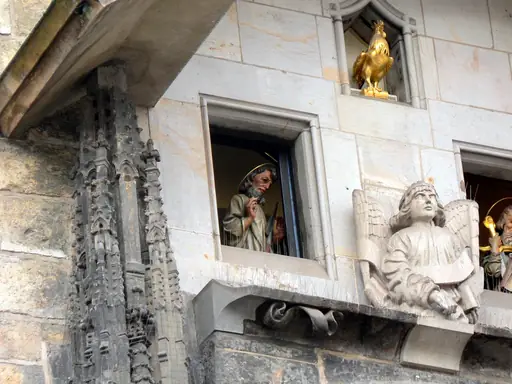
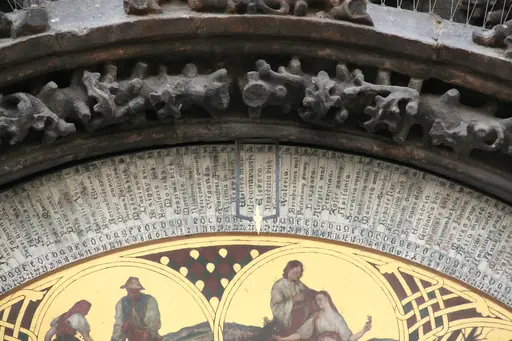
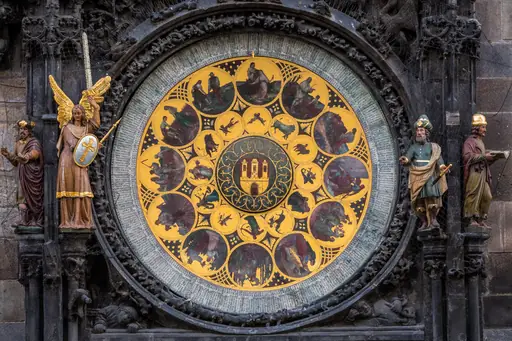
Prague's Astronomical Clock has tracked time and astronomical positions since it was installed in 1410. Figures of the apostles appear through small windows on the hour. A skeleton figure representing death rings a bell at each performance. Crowds gather below the clock tower to watch the hourly display.
Palace in London
Buckingham Palace
Historic home of British royalty
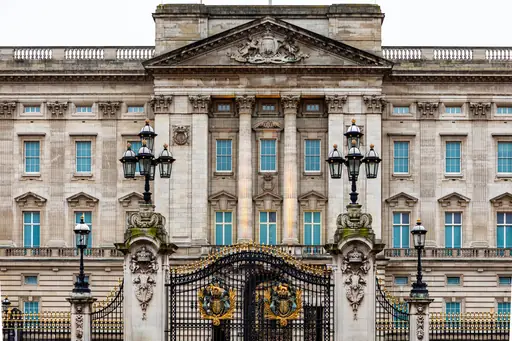
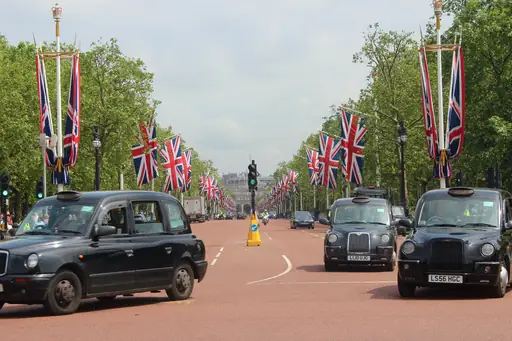
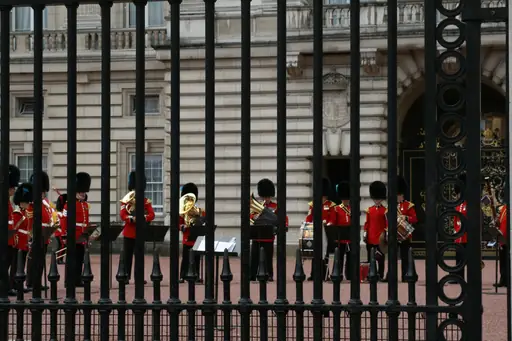
Buckingham Palace has served as the monarch's official London residence since 1837. Changing of the Guard draws crowds outside its gates most mornings. State rooms open to the public each summer, displaying royal art and furnishings. A royal standard flag flies above the palace whenever the monarch is in residence.
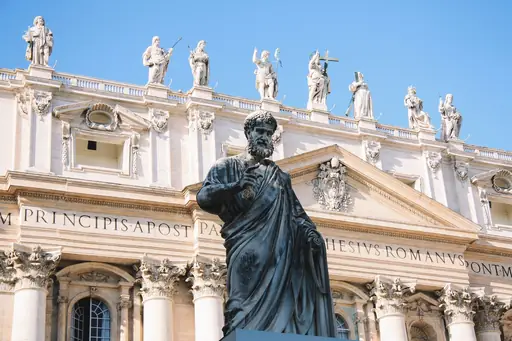
Church in Rome
St. Peter's Basilica
Iconic Heart of Catholic Faith
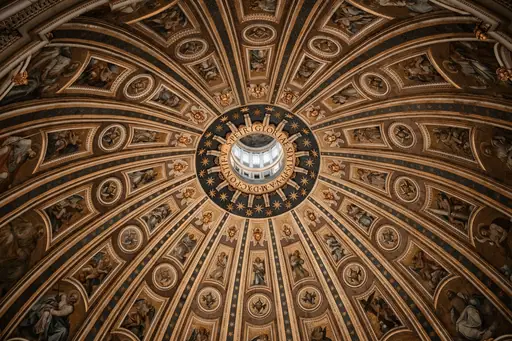
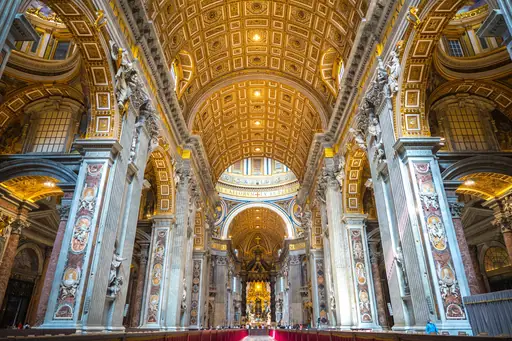
St. Peter's Basilica stands atop the traditional burial site of the apostle Peter. Michelangelo designed the basilica's massive dome, completed after his death. Bernini's colonnade wraps around the plaza in front, forming a sweeping embrace. Pilgrims climb hundreds of steps to reach the dome's observation gallery.
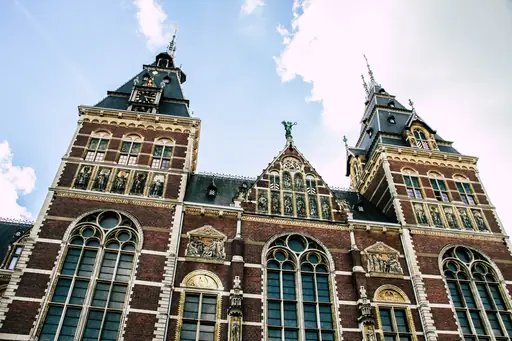
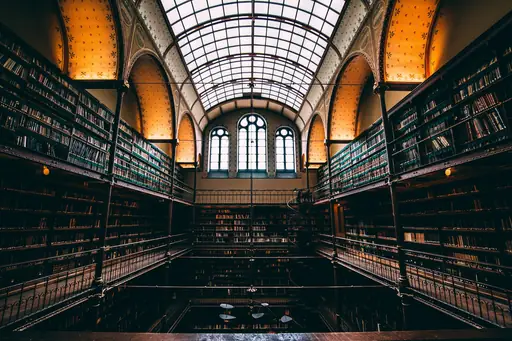
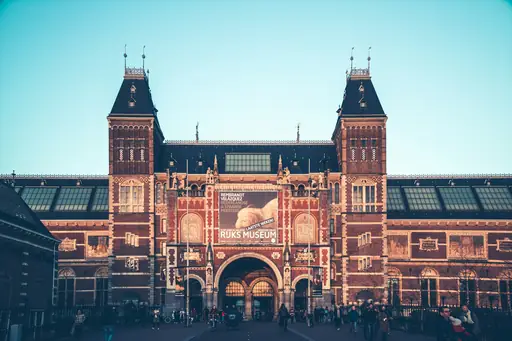
Museum in Amsterdam
Rijksmuseum
Dutch Golden Age Art Marvel
Rembrandt's The Night Watch hangs in the Rijksmuseum's Gallery of Honour in Amsterdam. The museum's collection spans eight centuries of Dutch art and history. A cyclist tunnel runs directly through the building's ground floor, open to the public. Vermeer's paintings sit displayed alongside other Dutch Golden Age masterpieces.
Archaeological Site in Heraklion
Knossos Palace
Minoan civilization's legendary labyrinth
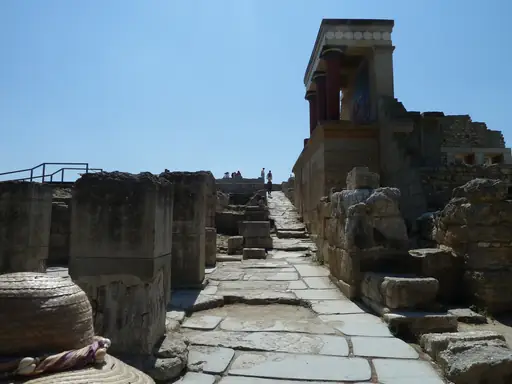
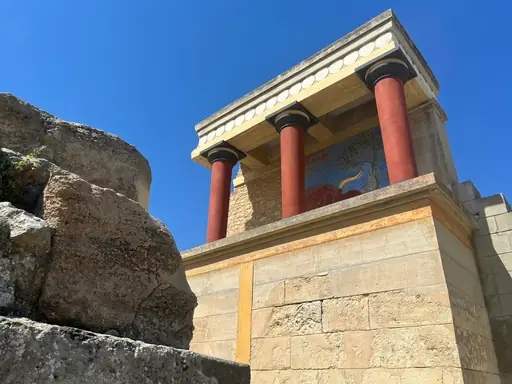
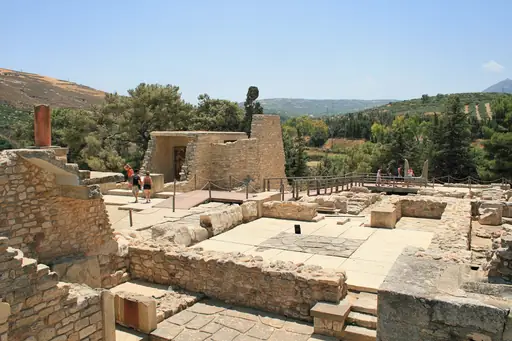
Knossos Palace preserves ruins of the Minoan civilisation, one of Europe's earliest advanced societies. Colourful frescoes depicting dolphins and bulls decorate reconstructed sections of the palace. The site's maze-like layout inspired the ancient Greek myth of the Minotaur's labyrinth. Archaeologist Arthur Evans excavated and partially restored the ruins in the early 1900s.
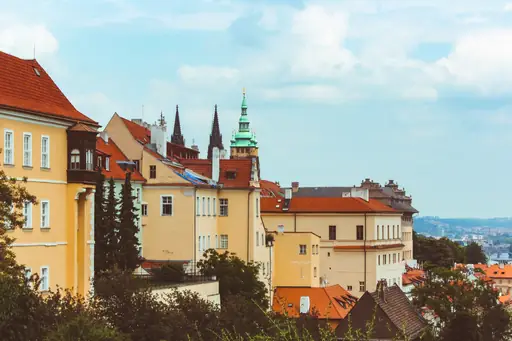
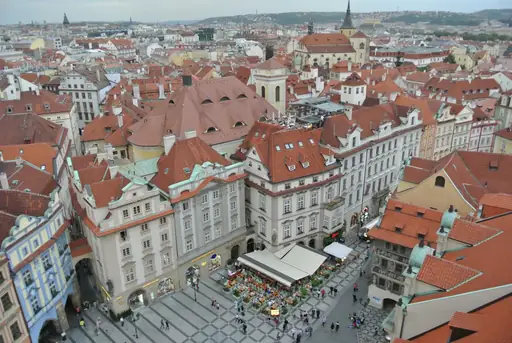
Square in Prague
Old Town Square
Prague's Historic Heartbeat
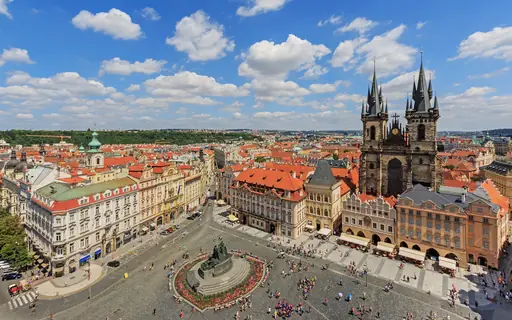
Prague's Old Town Square has served as the city's central gathering place since medieval times. The Astronomical Clock draws crowds to the square's edge throughout the day. Tyn Church's twin Gothic spires rise above the square's colourful facades. Christmas markets fill the square each winter with stalls and lights.
Palace in Vienna
Hofburg Palace
Imperial Vienna's Historic Heart
Hofburg Palace served as the winter residence of Habsburg rulers for more than six centuries. Imperial apartments preserved within the palace show how emperors once lived. The Spanish Riding School still trains its famous white Lipizzaner horses on the grounds. Treasury rooms display crown jewels and relics from the empire's long history.

Palace in Granada
Alhambra
Majestic Moorish fortress echoing centuries
Nasrid rulers built the Alhambra as a fortified palace complex starting in the 13th century. Carved stucco inscriptions from the Quran cover many of its inner walls. Reflecting pools and fountains channel water through courtyards using gravity-fed engineering. Christian monarchs later added a Renaissance palace within the same fortified walls.
Historic Site in Paris
Catacombs of Paris
Underground Ossuary of Six Million
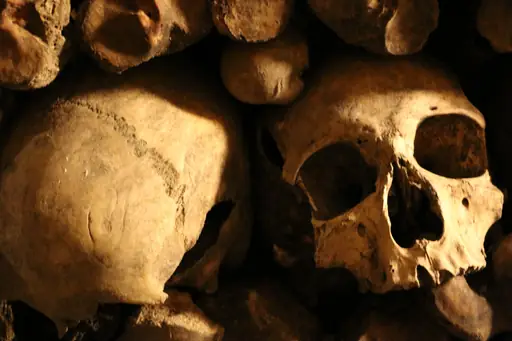
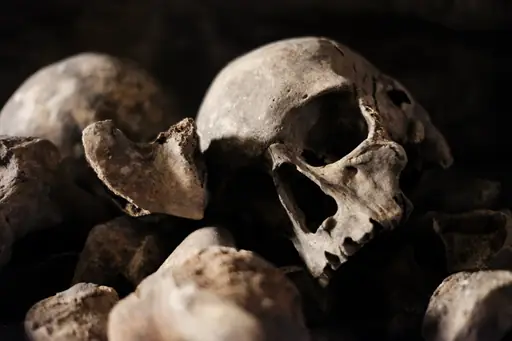
Millions of human remains fill tunnels beneath Paris, relocated from overcrowded cemeteries in the 1700s. Bones are arranged in deliberate patterns along the underground passageways. The network stretches for kilometres, though only a small section is open to visitors. Quarrying for limestone originally created the tunnels centuries before their reuse.
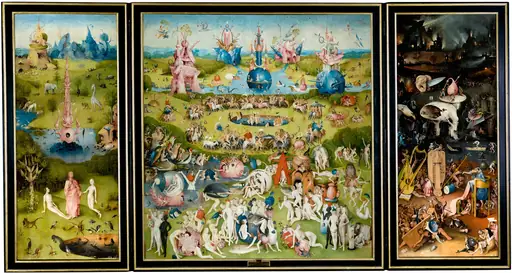
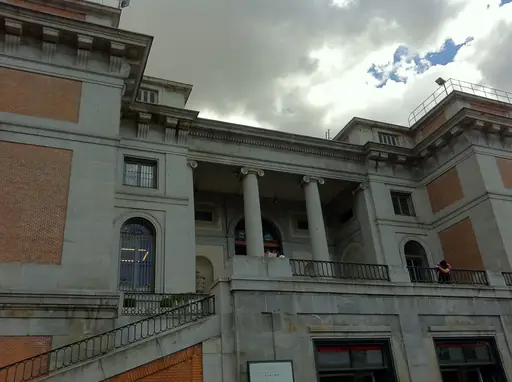
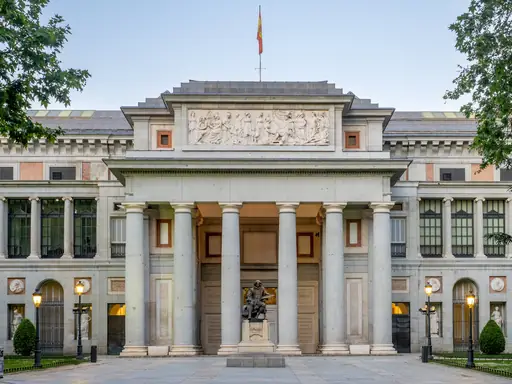
Art Museum in Madrid
Prado Museum
Masterpieces of European Art
The Prado Museum holds Spain's national art collection, opened to the public in 1819. Goya and Velazquez paintings fill several of the museum's most visited galleries. Las Meninas, among Velazquez's best-known works, hangs in a dedicated room. Royal collections gathered over centuries form the core of the museum's holdings.
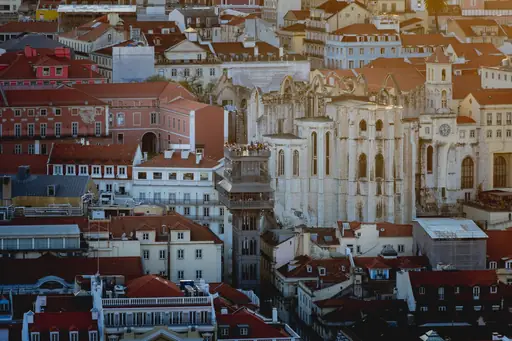
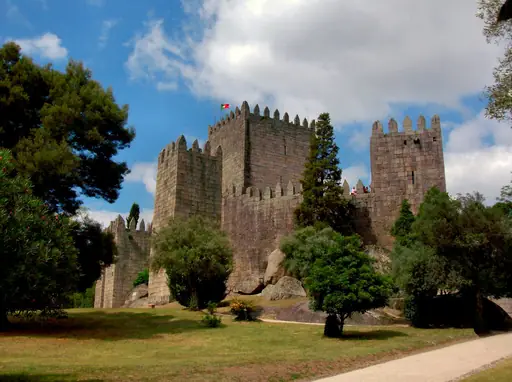
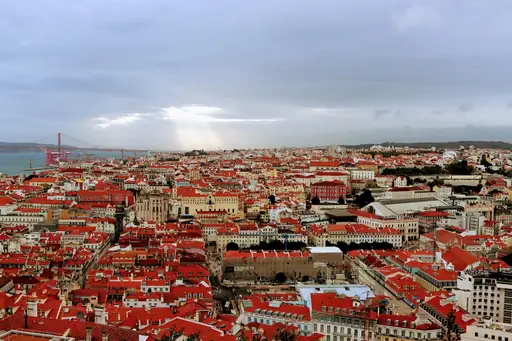
Castle in Lisbon
São Jorge Castle
Lisbon’s Historic Hilltop Fortress
Sao Jorge Castle has overlooked Lisbon from a hilltop since Moorish rule in the 11th century. Portuguese kings once used the castle as their royal residence. Peacocks roam freely through the castle's gardens and courtyards today. Panoramic views from the ramparts stretch across the Tagus River and city below.
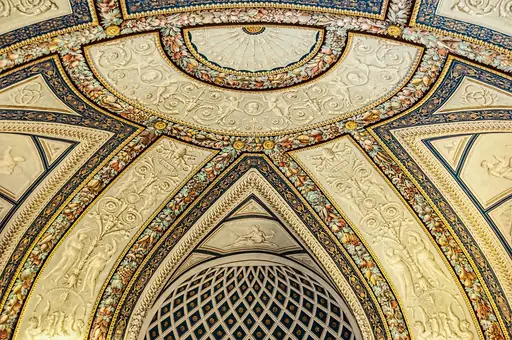
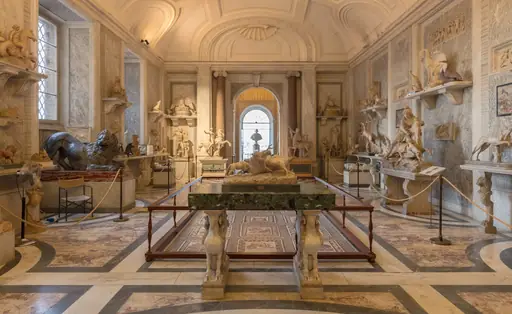
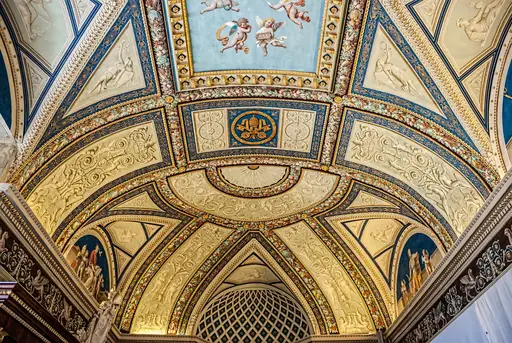
Museum in Rome
Vatican Museums
A Maze of Art and History
The Vatican Museums hold one of the world's largest art collections, gathered by popes across centuries. Raphael's frescoed rooms lead visitors towards the museum's most famous chapel. Ancient Roman sculptures fill galleries alongside works from the Renaissance. Spiral staircases mark several of the museum's grand entrances and exits.
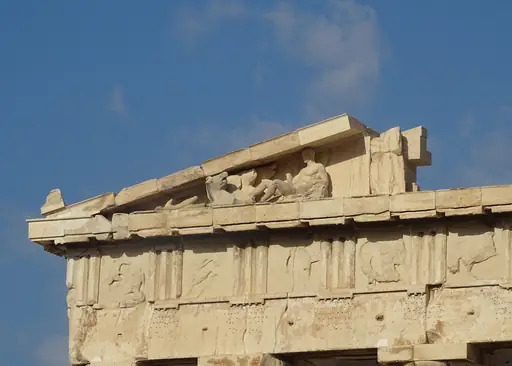
Historic Temple in Athens
Parthenon
Ancient Temple of Athena's Glory
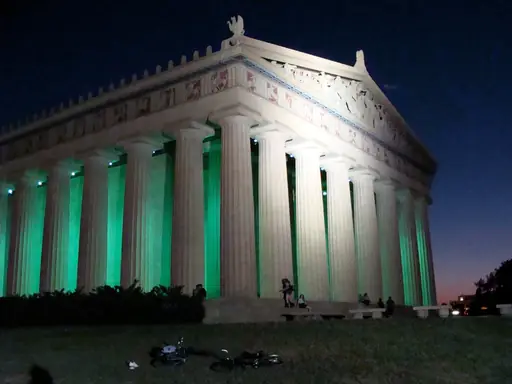
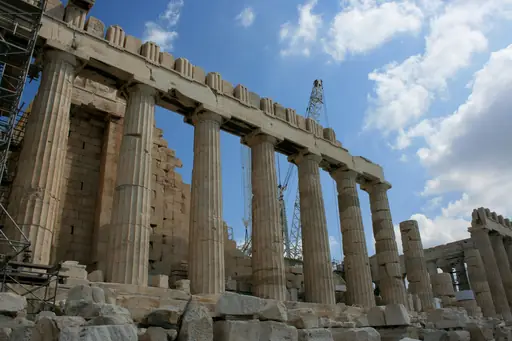
The Parthenon has crowned Athens's Acropolis since its completion around 432 BC. Builders dedicated the temple to Athena, the city's patron goddess. Marble columns still stand despite centuries of war, looting and heavy weathering. Restoration work continues today to stabilise and preserve its ancient structure.
Museum in Athens
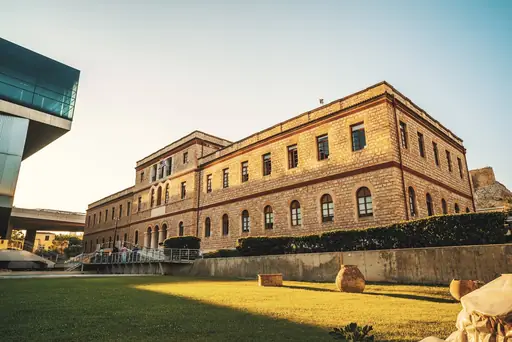
Acropolis Museum
Modern Home to Ancient Treasures
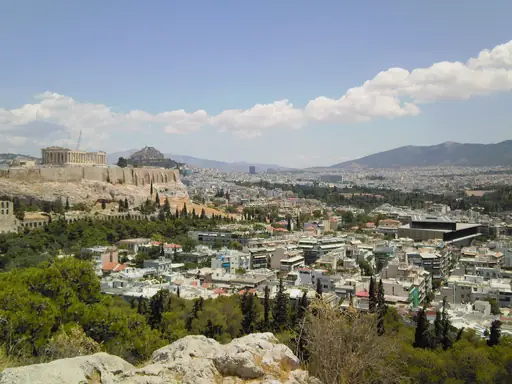
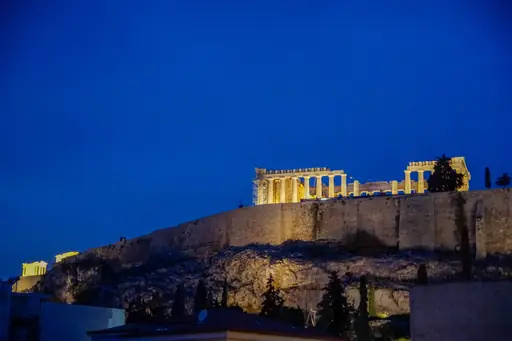
The Acropolis Museum displays artefacts recovered from the hill above, including original sculptures. A glass floor near the entrance reveals ancient ruins excavated beneath the building. The museum was designed with space reserved for the Parthenon Marbles, still held in London. Sunlight through large windows illuminates many of the museum's ancient carvings.
Square in Lisbon
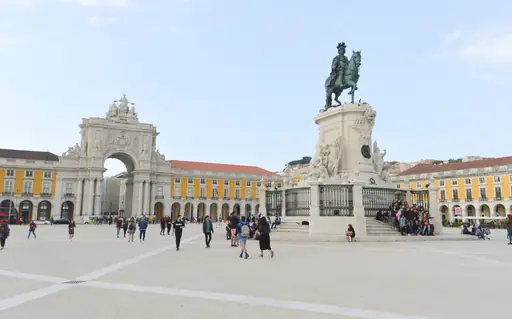
Praça do Comércio
Lisbon’s Grand Riverside Square
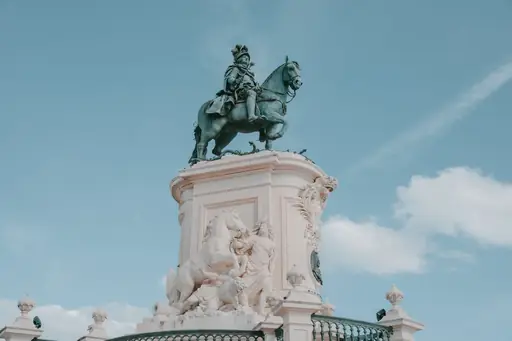
Praca do Comercio opens onto the Tagus River, rebuilt after Lisbon's devastating 1755 earthquake. A triumphal arch frames the square's entrance from the surrounding streets. Yellow buildings with arcades line three sides of the riverside plaza. A statue of King Jose I on horseback stands at the square's centre.
Castle in London
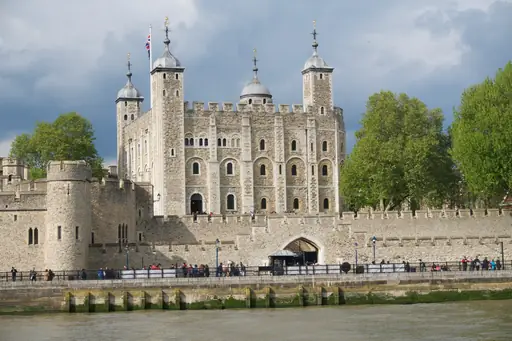
Tower of London
Iconic Fortress of British History
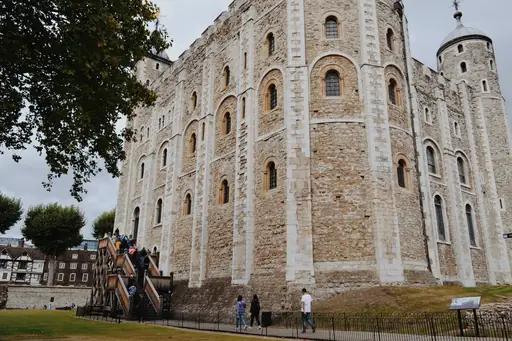
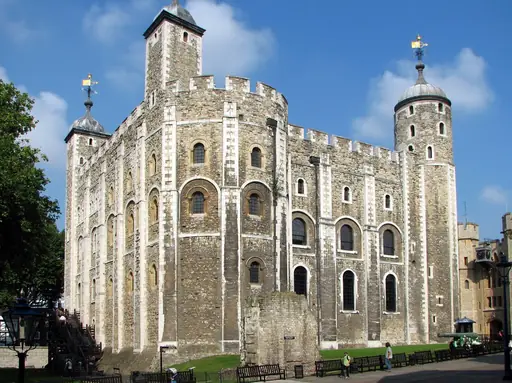
The Tower of London has served as fortress, royal residence and prison across nearly a thousand years. The Crown Jewels remain on display within its walls today. Ravens have been kept at the tower for centuries, tied to a royal legend. Beefeater guides in traditional dress lead tours through the grounds.
Bridge in Prague
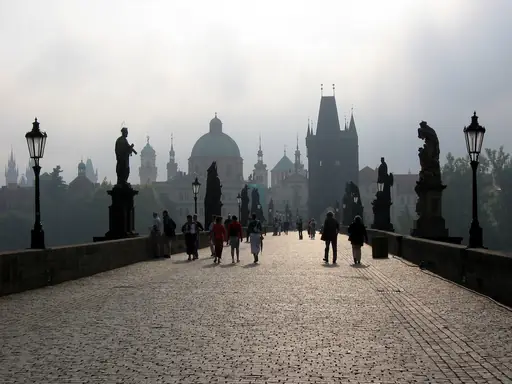
Charles Bridge
Prague's Timeless Medieval Icon
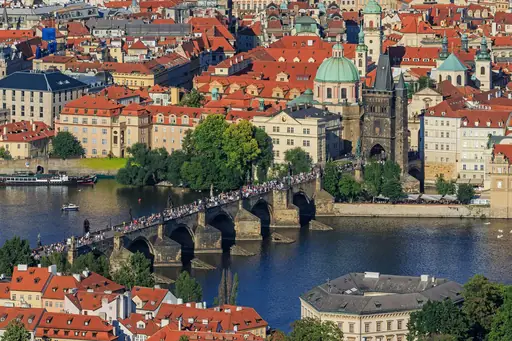
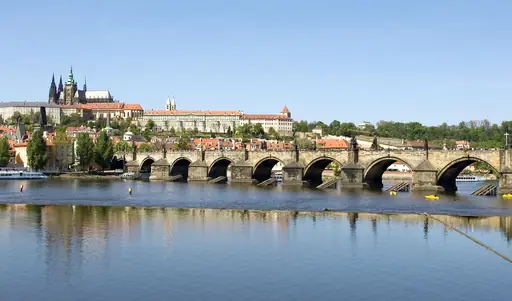
Charles Bridge has crossed Prague's Vltava River since construction began in 1357. Thirty statues of saints line the bridge's stone railings on both sides. Legend holds that egg yolks were mixed into the mortar for strength. Musicians and artists still gather on the bridge much as they have for centuries.
Historic Site in Lisbon
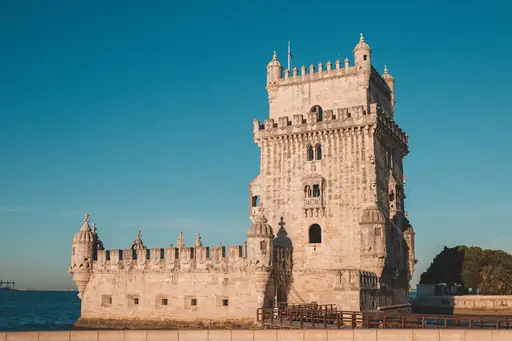
Tower of Belém
Lisbon’s Iconic Riverside Fortress
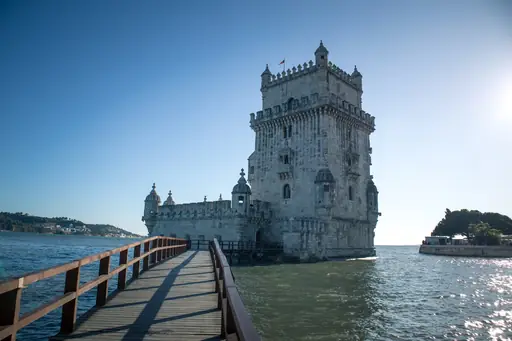
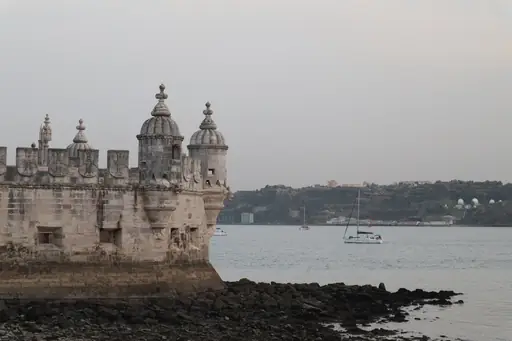
The Tower of Belem was built in the early 1500s to defend Lisbon's harbour entrance. Portuguese explorers once departed from this stretch of river on voyages abroad. Manueline architectural details decorate the tower's stone facade throughout. The tower briefly served as a prison during a later period of its history.
Museum in Paris
Louvre Museum
World's Largest Art Museum
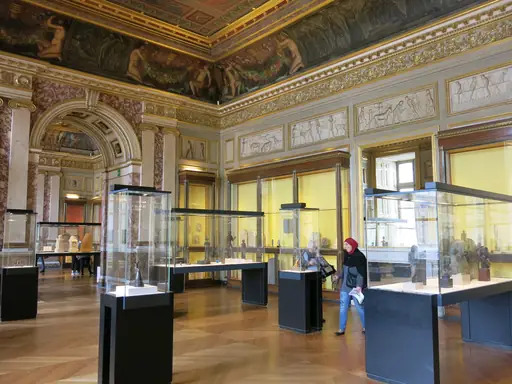
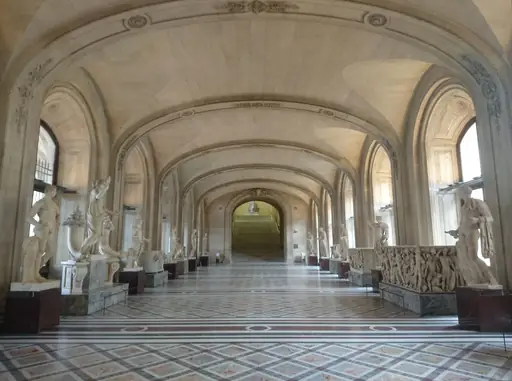
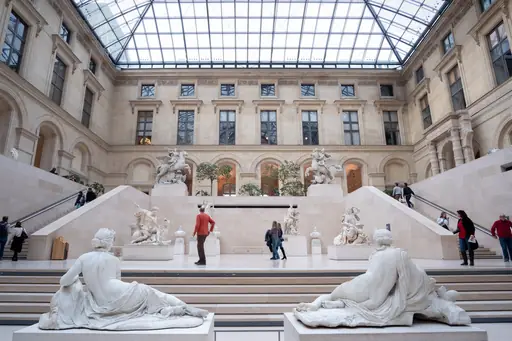
The Louvre houses the Mona Lisa, among the most visited paintings in the world. A glass pyramid entrance was added to the historic palace in 1989. The building itself once served as a royal residence before becoming a museum. Ancient sculptures, including the Venus de Milo, fill galleries throughout the complex.
Other lists you may like

Discover
Top historical destinations and historic sites
The most compelling history destinations are places where the past is still physically present and legible in the landscape, the architecture and the daily life of the people who…
Read more
Discover
Best historical destinations in Africa
Africa's historical record is the deepest on earth, encompassing the origins of humanity itself alongside the rise and fall of great empires, ancient trading civilisations and…
Read more
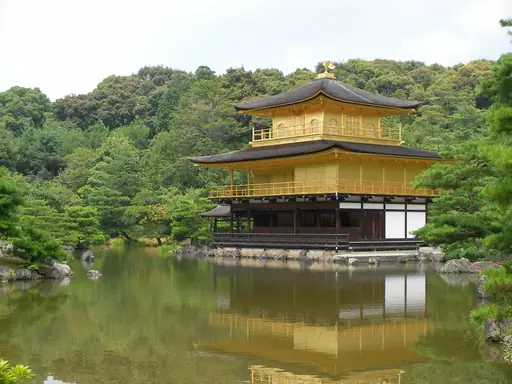
Discover
Best historical destinations in Asia
Asia's historical depth is staggering, encompassing some of the oldest continuous civilisations on earth and a range of empires, belief systems and cultural traditions that have…
Read more
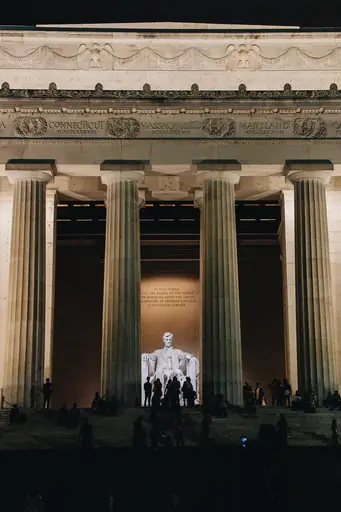
Discover
Best historical destinations in North America
North America's historical record is shorter than other regions by conventional measure, but the depth and variety of what exists is frequently underestimated. The continent holds…
Read more
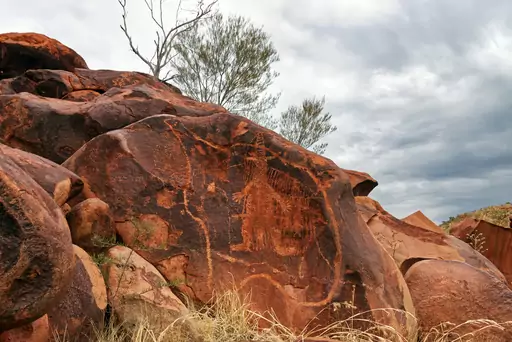
Discover
Best historical destinations in Oceania
Oceania's history encompasses tens of thousands of years of indigenous settlement, navigation and cultural development before European arrival transformed the region irrevocably.…
Read more
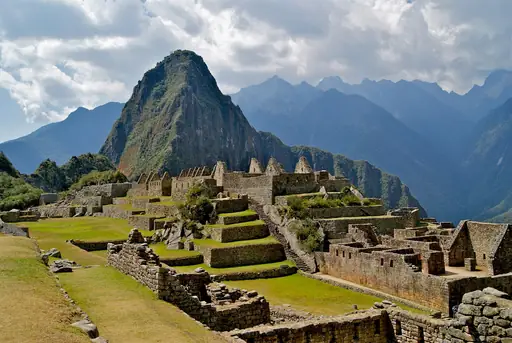
Discover
Best historical destinations in South America
South America's history is as layered as its landscapes, stretching from some of the most sophisticated pre-Columbian civilisations on earth through the upheaval of European…
Read more
What other users say about travelfilters
“travelfilters made it easy for me to find ski areas and compare what else they offer, so that I could find the best place for my personal travel style.”

Chris
Snowboarding & Onsen trip to Japan
“I love how transparent the data feels. There is no pushy upsell, just honest information and settings I can tune to my own travel style.”

Maria
After booking her 2027 winter escape
“The level of detail for each destination and how well those are displayed, make planning feel confident instead of overwhelming.”

Mina
Planned a week in New York City
“We used travelfilters for our planning from start to end. The trip turned out even better than expected, thanks to all their tools and customisation options.”

Allan & Etienne
Trip to Japan to see autumn foliage
“Thanks to travelfilters, I found some hidden gems to see. Being able to filter for exactly your interests is a game changer for my travel planning.”

Michael
Tour through the old cities of Northern Italy
“The customizable filters helped me find a quiet beach town with good wifi and low season crowds in under five minutes.”

Diego
Weekend Escape to Llanes, Spain
“The airport connection map saved me hours by showing good flight options from my home airport to lesser-known cities.”

Nguyen
Planning a 2027 trip to France
“The website is clean, fast and focused on the search itself, which makes travelfilters feel more like a professional tool than an ad-heavy booking site.”

Hassan
Christmas Market trip, Germany
