
Best historical destinations in Europe
Best historical destinations in Europe
Ancient medieval towns and historic battlefields in Europe
Europe is one of the most historically dense regions on earth, where the evidence of successive civilisations, empires, conflicts and cultural movements is layered into the landscape in a way that rewards genuine engagement. The continent's relatively compact geography means that it is often possible to move between sites representing entirely different periods and cultures within the space of a single trip.
The range of historical experience on offer is extraordinary. Ancient Greek and Roman sites, medieval fortifications, Renaissance cities, Reformation landscapes and the physical remains of the twentieth century's defining conflicts all exist within a continent where history is rarely more than a short distance away. Some of the most significant sites are well known. Others carry equal historical weight with a fraction of the visitors.
Context matters enormously in Europe, where the significance of a site is often inseparable from an understanding of the broader historical forces that produced it. Arriving with some background knowledge, choosing a good local guide for the most complex sites and allowing enough time to move beyond the surface of what a place represents tends to produce a substantially richer experience.
Lists by region
City in Germany
Trier
Roman gates, baths and Moselle wine
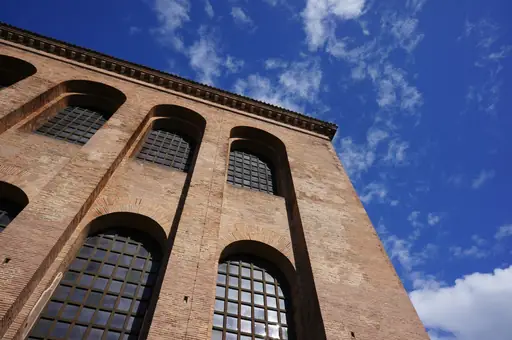
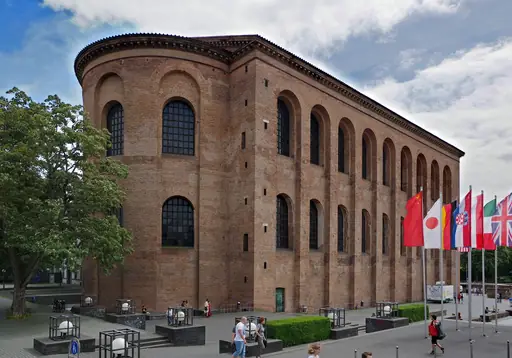
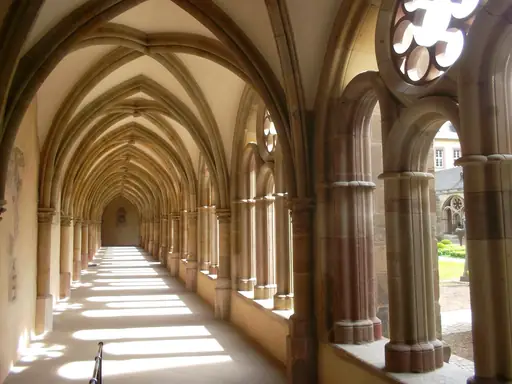
Roman settlers founded Trier around 16 BC, among Germany's earliest cities. The Porta Nigra, a massive Roman gate, still stands largely intact at the city's edge. Emperors ruled the Western Roman Empire from Trier during the 4th century. Roman baths, an amphitheater and a basilica remain scattered throughout the city.
City in Germany
Dresden
Baroque Elbe city rebuilt from the ruins
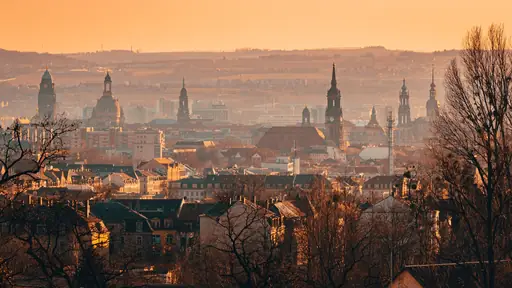
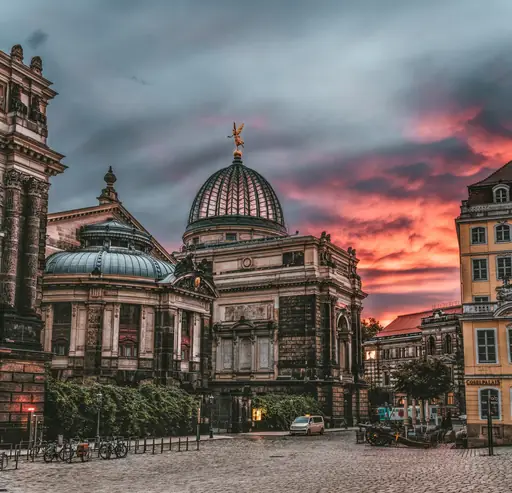
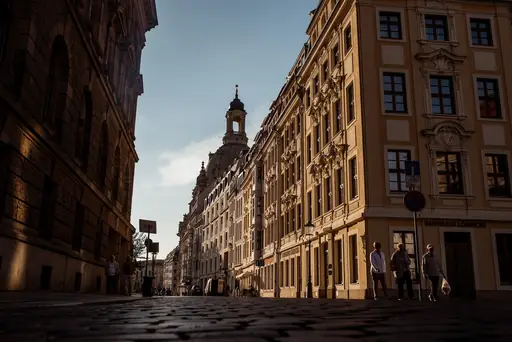
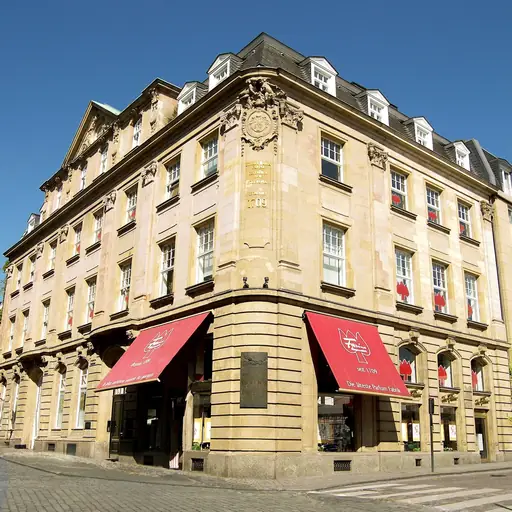
Allied bombing raids destroyed much of Dresden's historic center in February 1945. The Frauenkirche lay in ruins for decades before reconstruction finished in 2005. Baroque palaces along the Elbe River were rebuilt using salvaged original stone. Dresden's old master paintings collection survived the war after being moved for safekeeping.
City in Germany
Cologne
Gothic cathedral, Roman ruins and Kölsch
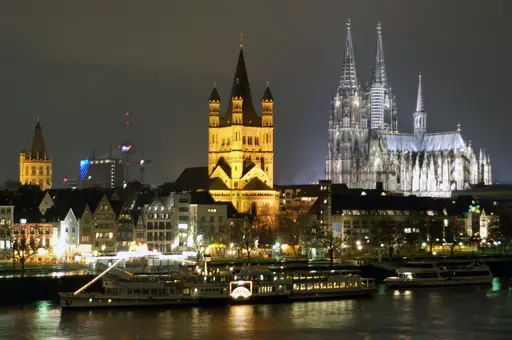
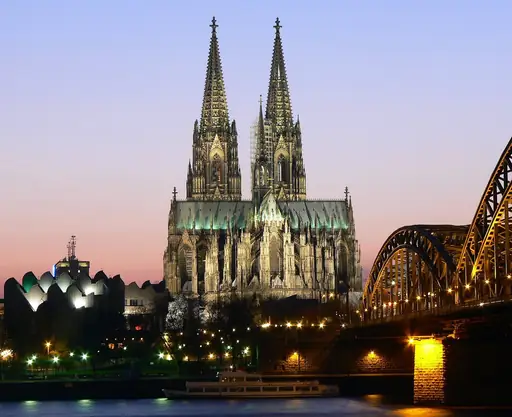
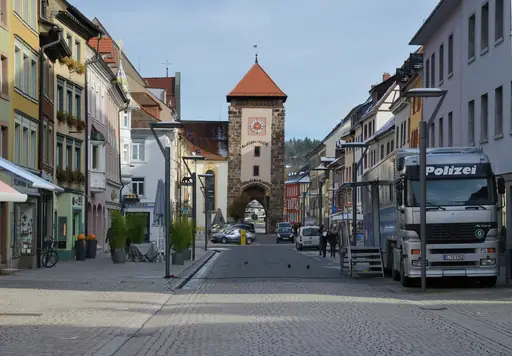
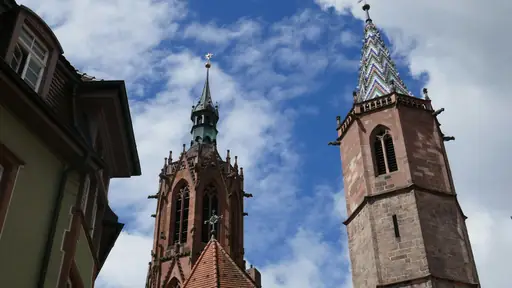
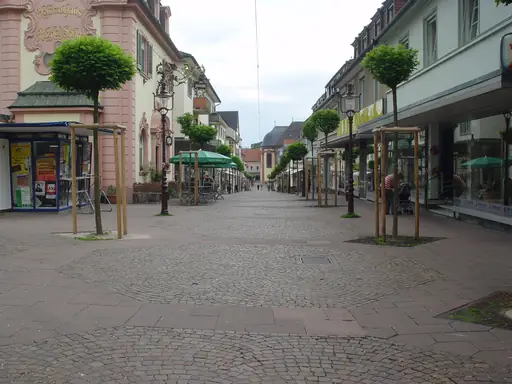
Roman general Agrippa founded Cologne as a colony nearly 2,000 years ago. Cologne Cathedral took more than 600 years to complete, finishing in 1880. Its twin spires briefly made it the tallest structure in the world. The cathedral survived Allied bombing raids that destroyed much of the surrounding city in World War II.
Region in Germany
Black Forest
Dark woods, lakes and hilltop villages
Miners settled the Black Forest region as early as the Middle Ages, drawn by silver deposits. Farmers there began crafting cuckoo clocks as a winter trade around the 1600s. Glassblowing also developed as a regional craft passed through generations of families. Traditional Black Forest houses, with steep thatched roofs, still dot the countryside.
City in Germany
Nuremberg
Imperial castle, gingerbread and Christmas market
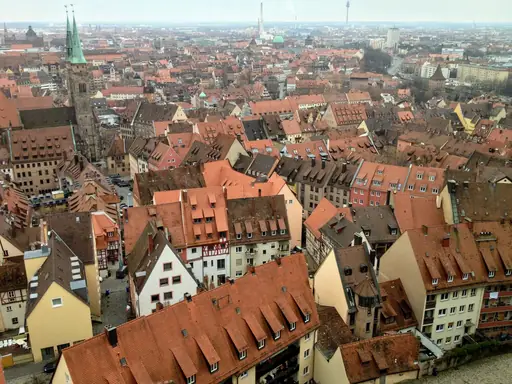
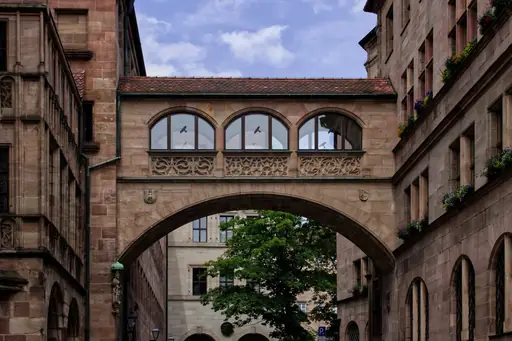
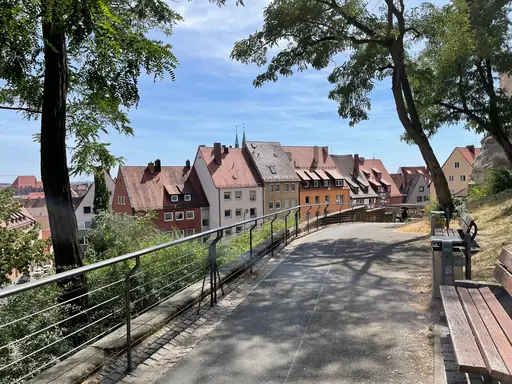
Nuremberg served as an unofficial capital of the Holy Roman Empire during the medieval period. Imperial Castle overlooks the old town from a sandstone outcrop above the walls. Nazi rallies were staged here in the 1930s at purpose-built grounds nearby. International tribunals later held the Nuremberg trials in the city's Palace of Justice.
City in Germany
Aachen
Charlemagne's cathedral and hot springs
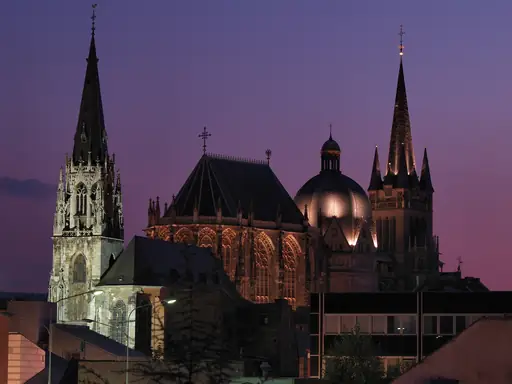
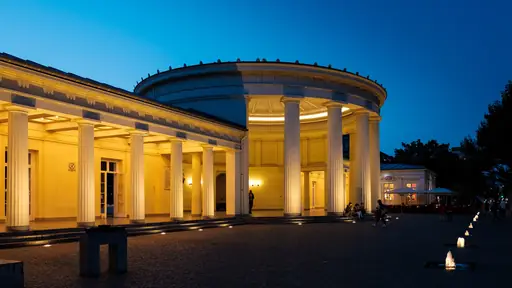
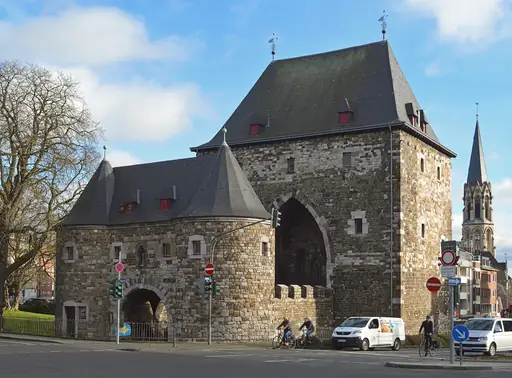
Charlemagne made Aachen his imperial capital in the late 700s, ruling the Carolingian Empire from here. Aachen Cathedral holds his remains within an octagonal chapel he commissioned. More than thirty German kings were later crowned inside the cathedral's walls. Mosaics and marble columns brought from Rome and Ravenna still decorate the interior.
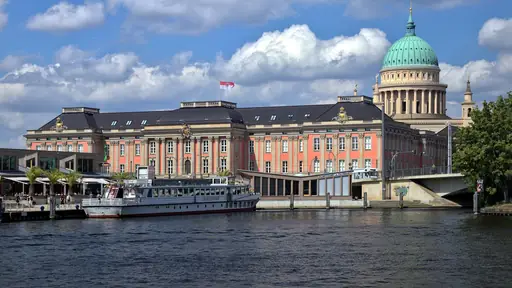
City in Germany
Potsdam
Prussian palaces and lakes near Berlin
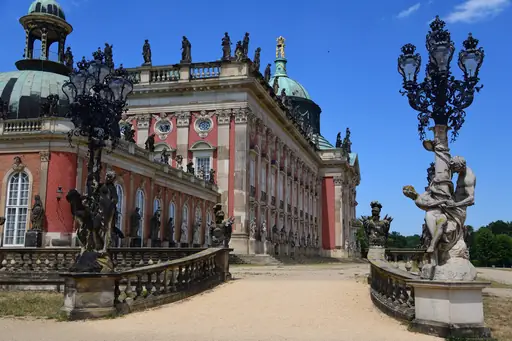
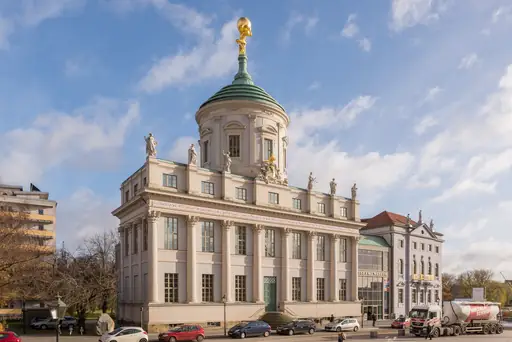
Frederick the Great built Sanssouci Palace in Potsdam as a summer retreat in the 1740s. Terraced vineyards descend from the palace toward its formal gardens below. Allied leaders met at Potsdam's Cecilienhof Palace in 1945 to negotiate postwar Europe. UNESCO later recognized Potsdam's palaces and parks as a World Heritage site.
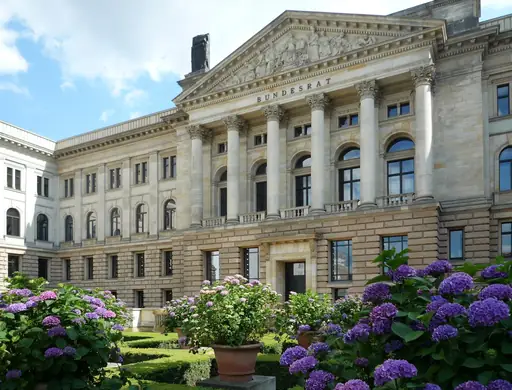
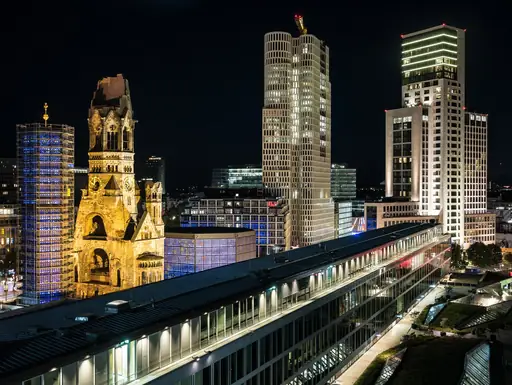
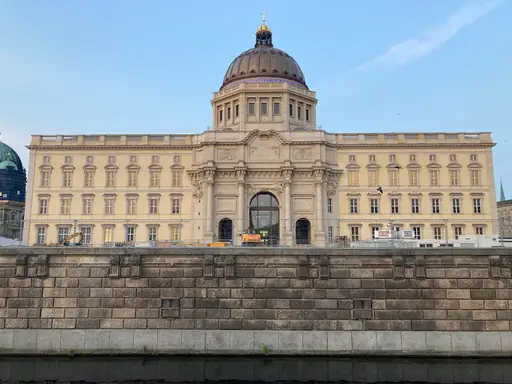
City in Germany
Berlin
Wall history, Museum Island and all-night clubs
Brandenburg Gate has stood at the heart of Berlin since its completion in 1791. The Berlin Wall divided the city for 28 years during the Cold War. Sections of the wall remain standing, some covered in murals and graffiti. Checkpoint Charlie once marked the main crossing point between East and West Berlin.
Region in Germany
Saxon Switzerland
Sandstone towers and Elbe valley hikes
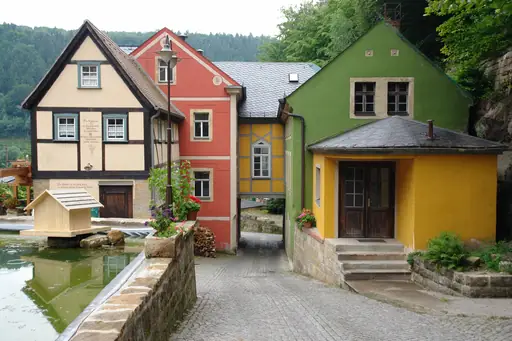
Konigstein Fortress has crowned a sandstone plateau in Saxon Switzerland since the 13th century. Sandstone quarried from the region's cliffs built palaces and churches across Saxony. The fortress once held prisoners and royal treasures behind its imposing walls. Narrow paths cut into the rock formations here have guided travelers for centuries.
Town in Germany
Bayreuth
Wagner, baroque theaters and Franconian beer
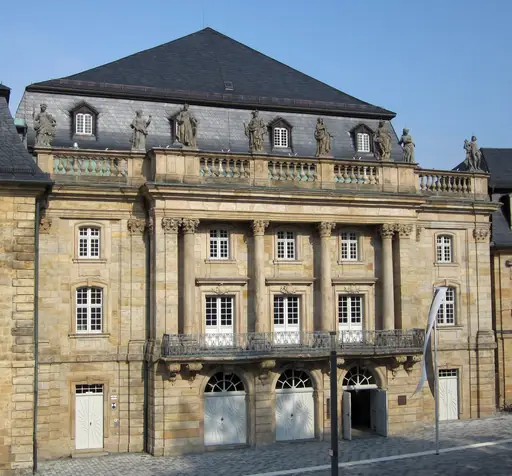
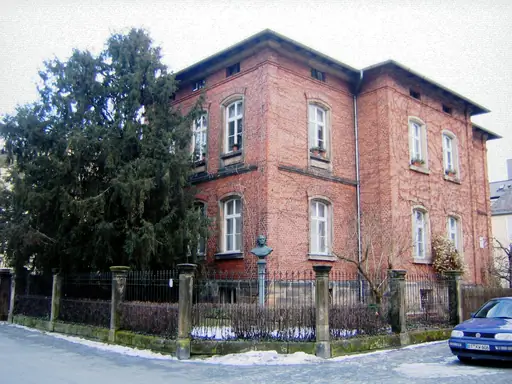
Bayreuth's Margravial Opera House opened in 1748, its Baroque interior largely unchanged since then. Composer Richard Wagner later built his own festival theater on a hill nearby. The Bayreuth Festival has staged his operas there each summer since 1876. UNESCO added the Margravial Opera House to its World Heritage list in 2012.
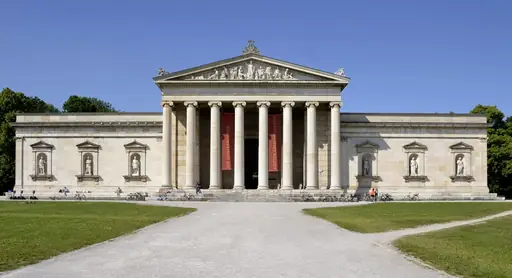
City in Germany
Munich
Bavarian capital of beer gardens and museums
The Wittelsbach dynasty ruled Bavaria from Munich for more than seven centuries. Marienplatz has served as the city's central square since it was founded in 1158. A glockenspiel in the New Town Hall reenacts historical scenes several times daily. Beer halls dating back centuries still operate near the heart of the old city.
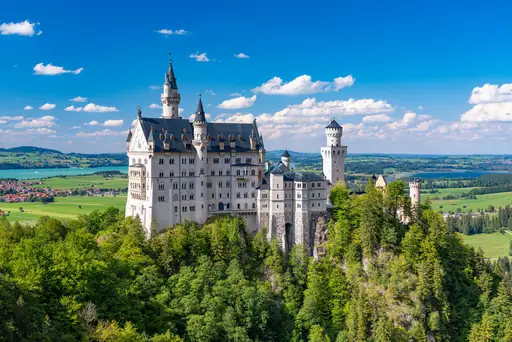
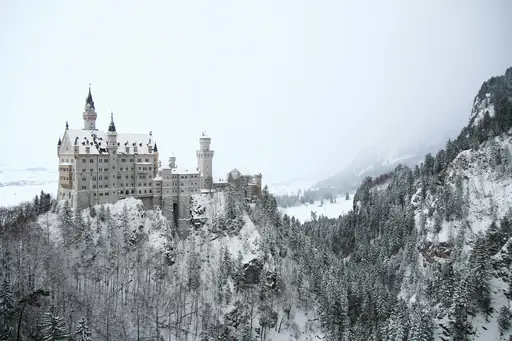
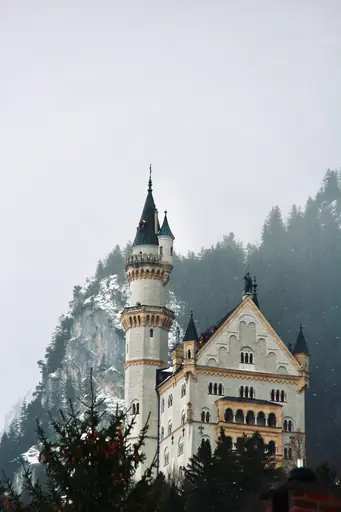
Castle in Germany
Neuschwanstein Castle
Ludwig II's unfinished castle above a gorge
King Ludwig II of Bavaria commissioned Neuschwanstein Castle as a private retreat in 1869. He died before workers ever finished construction on the towers and halls. The unfinished castle later inspired Walt Disney's fairy-tale castle designs. Public tours began just weeks after Ludwig's death in 1886, drawing crowds ever since.
Other lists you may like

Discover
Top historical destinations and historic sites
The most compelling history destinations are places where the past is still physically present and legible in the landscape, the architecture and the daily life of the people who…
Read more
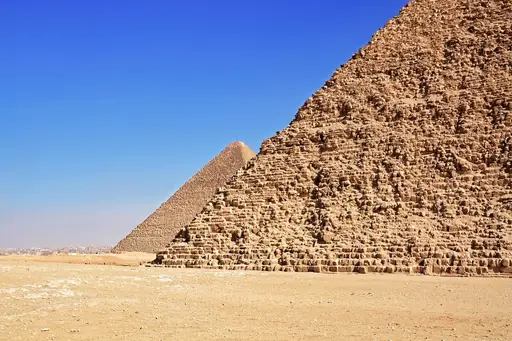
Discover
Best historical destinations in Africa
Africa's historical record is the deepest on earth, encompassing the origins of humanity itself alongside the rise and fall of great empires, ancient trading civilisations and…
Read more
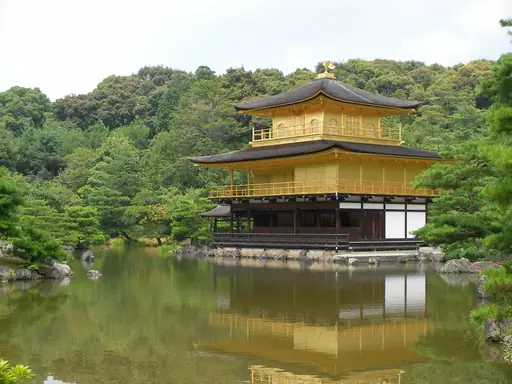
Discover
Best historical destinations in Asia
Asia's historical depth is staggering, encompassing some of the oldest continuous civilisations on earth and a range of empires, belief systems and cultural traditions that have…
Read more
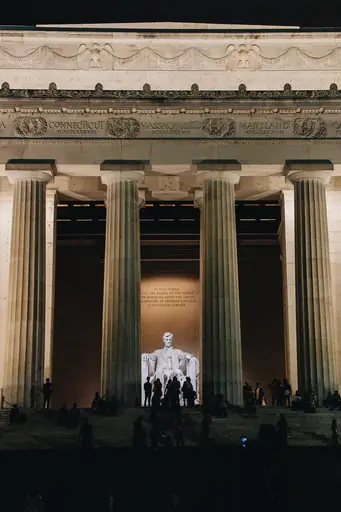
Discover
Best historical destinations in North America
North America's historical record is shorter than other regions by conventional measure, but the depth and variety of what exists is frequently underestimated. The continent holds…
Read more
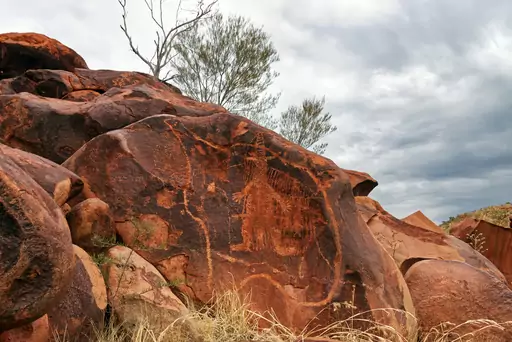
Discover
Best historical destinations in Oceania
Oceania's history encompasses tens of thousands of years of indigenous settlement, navigation and cultural development before European arrival transformed the region irrevocably.…
Read more
Discover
Best historical destinations in South America
South America's history is as layered as its landscapes, stretching from some of the most sophisticated pre-Columbian civilisations on earth through the upheaval of European…
Read more
What other users say about travelfilters
“travelfilters made it easy for me to find ski areas and compare what else they offer, so that I could find the best place for my personal travel style.”

Chris
Snowboarding & Onsen trip to Japan
“I love how transparent the data feels. There is no pushy upsell, just honest information and settings I can tune to my own travel style.”

Maria
After booking her 2027 winter escape
“The level of detail for each destination and how well those are displayed, make planning feel confident instead of overwhelming.”

Mina
Planned a week in New York City
“We used travelfilters for our planning from start to end. The trip turned out even better than expected, thanks to all their tools and customization options.”

Allan & Etienne
Trip to Japan to see autumn foliage
“Thanks to travelfilters, I found some hidden gems to see. Being able to filter for exactly your interests is a game changer for my travel planning.”

Michael
Tour through the old cities of Northern Italy
“The customizable filters helped me find a quiet beach town with good wifi and low season crowds in under five minutes.”

Diego
Weekend Escape to Llanes, Spain
“The airport connection map saved me hours by showing good flight options from my home airport to lesser-known cities.”

Nguyen
Planning a 2027 trip to France
“The website is clean, fast and focused on the search itself, which makes travelfilters feel more like a professional tool than an ad-heavy booking site.”

Hassan
Christmas Market trip, Germany
