
In the digital age, a dead battery is more than an inconvenience, especially when you're traveling. It can mean losing access to maps, translation apps and digital tickets. Fortunately, charging cables have become more standardized in recent years, so coming across a cable that is compatible with your device has become a lot easier with the rise of USB-C. Despite all of that, the world is still far from being unified when it comes to electricity. Different countries use different plugs, and more importantly, different electrical currents. Plugging a device into the wrong outlet can result in a blown fuse, a ruined appliance or even a fire.
This guide breaks down the essential differences in global power systems, how to identify what gear is safe to use, and the critical distinction between an adapter and a converter.
The two global voltage systems
Before looking at the shape of a plug, travelers must understand what is coming out of the wall. The world is divided into two main camps regarding voltage:
- 100-127 Volts: Used primarily in North America (USA, Canada), parts of Central and South America and Japan (100V).
- 220-240 Volts: Used by most of the rest of the world (Europe, most of Asia, Australia, Africa).
The Danger: If a device designed strictly for 110V (like a US hair dryer) is plugged into a 240V outlet in Europe, the motor will spin twice as fast as intended, overheat and likely burn out quickly, potentially tripping the circuit breaker for the entire hotel room.
The critical check: "INPUT" labels
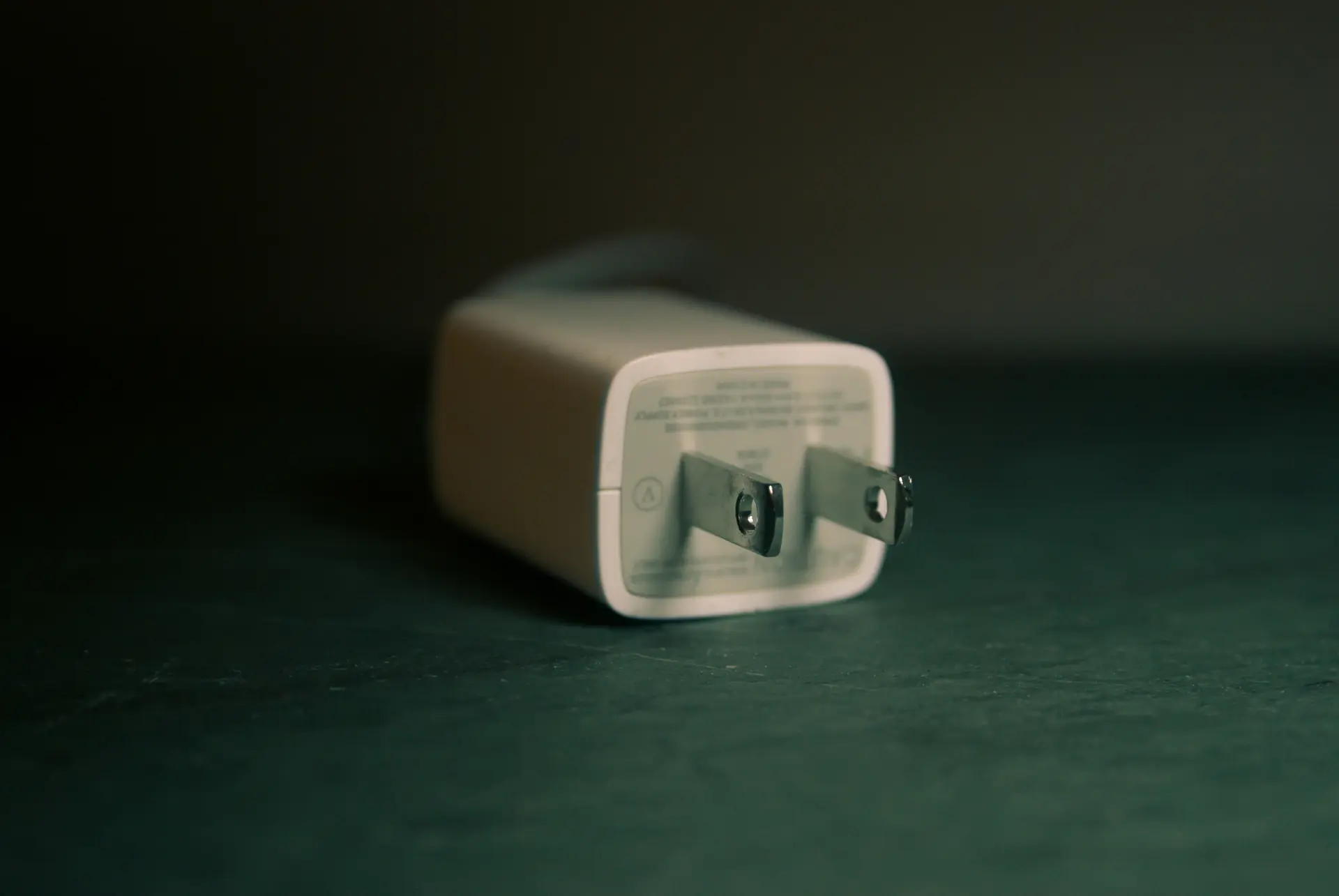
How do you know if a device is safe? The answer is printed in tiny text on every power brick or charger.
Look for the word "INPUT."
- Dual Voltage: If it says
100-240V, the device is safe to use anywhere in the world. Modern electronics like smartphones, laptops (MacBooks, Dells) and camera chargers are almost always dual voltage. - Single Voltage: If it says
110Vor120Vonly, don't plug it into a European or Asian outlet without a heavy-duty converter. This is common for high-wattage heating devices like hair straighteners, curling irons and blow dryers.
Adapter vs. converter: knowing the difference
These two terms are often used interchangeably, but they perform completely different functions. Confusing them is one of the most common causes of fried electronics abroad.
- Adapter (The Shape Changer): This is a simple plastic dongle that allows a plug to fit physically into a different socket. It does not change the electricity. It simply acts as a bridge. If you use an adapter on a single-voltage device in a high-voltage country, you might destroy the device.
- Converter (The Power Changer): This is a heavier, boxier device that steps down the electricity from 220V to 110V. These are necessary for single-voltage appliances, but are often bulky and more expensive than a simple adapter.
The Golden Rule: For most modern travelers carrying only phones and laptops, a simple adapter is all that is needed. Leave the single-voltage hair dryer at home and use the one provided by the hotel.
Navigating plug types
There are over a dozen plug shapes globally, but four main types cover most popular destinations:
- Type A/B (North America): Two flat parallel pins (often with a third round grounding pin).
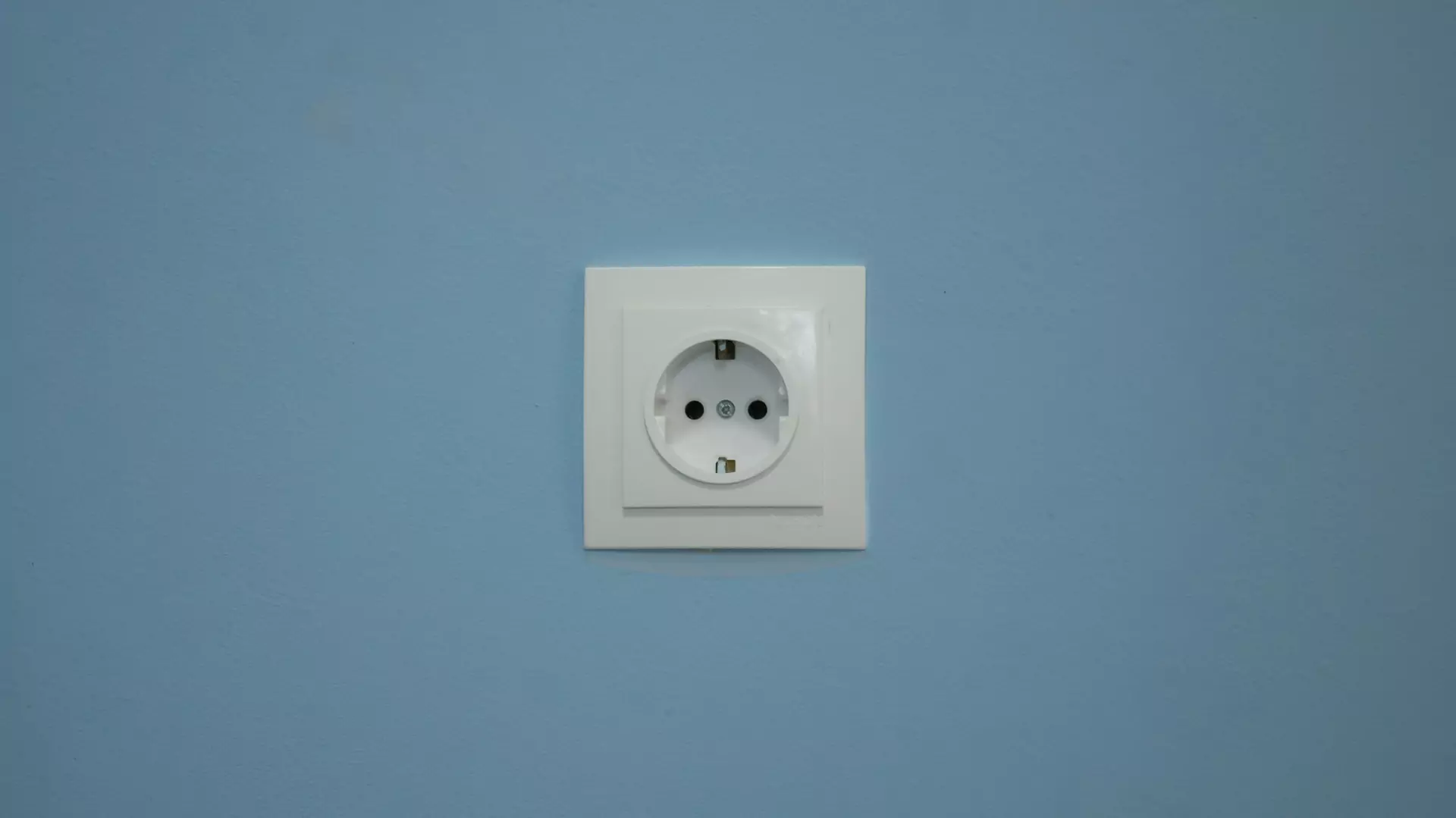
- Type C/E/F (Europe): Two round pins. Type C is the standard "Europlug" that fits into almost any socket across continental Europe (excluding the UK/Ireland).
- Type G (UK/Ireland/Singapore/Hong Kong): Three large rectangular pins in a triangle pattern. These are bulky and often have built-in fuses for safety.
- Type I (Australia/New Zealand/China): Two flat pins in a V-shape.
Pro Tip: Instead of buying a bag of loose adapters, invest in a Universal Travel Adapter. These all-in-one cubes feature retractable sliders that allow them to work in over 150 countries. If you want to charge several devices at once, it might be worth looking at a universal travel charger that combines the adapter with several USB ports.
Portable power: flying with batteries
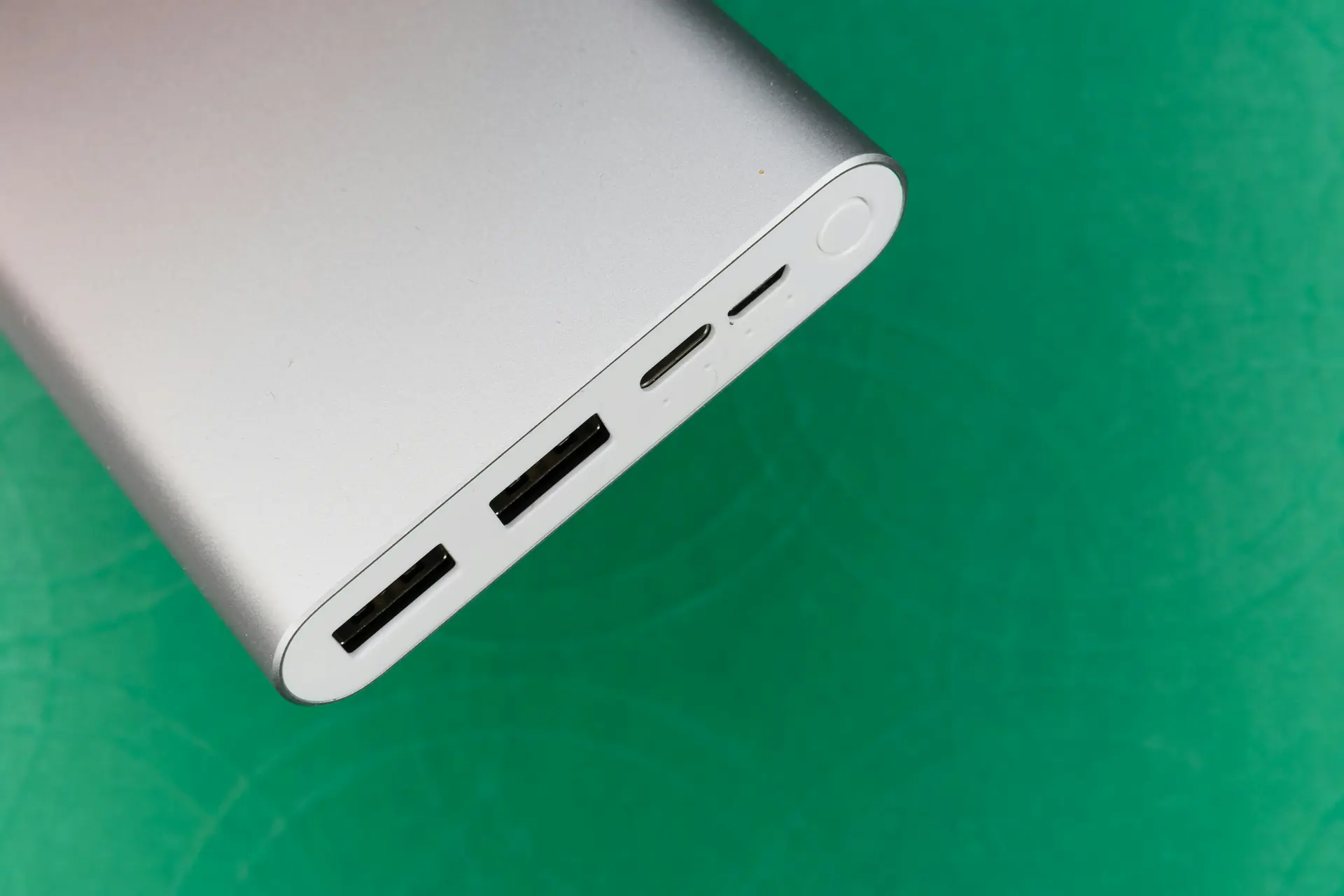
Power banks (portable chargers) are essential for long travel days, but they're strictly regulated by aviation authorities due to fire risks.
Carry-On Only: Power banks and spare lithium-ion batteries must be packed in carry-on luggage. They're prohibited in checked bags. If a checked bag is scanned and found to contain a power bank, the bag may be opened and the item confiscated or the bag may not be loaded onto the plane at all. Phones and laptops with the battery inside are usually allowed in checked luggage, but keeping them in the cabin is the safer choice.
Most airlines allow power banks up to 100Wh (approximately 27,000 mAh) without approval. Between 100Wh and 160Wh you usually need the airline's approval, and anything above 160Wh isn't allowed on passenger planes at all. Since 2026 you can only bring two power banks per person, and many airlines no longer let you use or charge them during the flight. It's worth checking your airline's current rules before you go.
The "power strip" hack
Hotel rooms, especially in older buildings in Europe or historic hostels, often suffer from a lack of outlets. If you travel with a phone, watch, laptop and camera to charge, you will quickly run out of space.
Experienced travelers often pack a small, lightweight power strip (or a multi-port USB charger) from their home country. This allows them to use a single travel adapter to convert one wall socket into three or four charging points for their devices. This is safer and more efficient than stacking multiple adapters. Just make sure the power strip is rated for the voltage at your destination, since many North American models are only made for 125V.
Staying charged wherever you go
Electrical safety abroad comes down to two steps: checking the voltage label on every device and having the correct shape adapter for the wall. In 2026, most digital devices are built to handle global travel, making the heavy voltage converters of the past largely obsolete. By packing a universal adapter and keeping lithium batteries in the cabin, you can ensure you remain powered up and connected wherever you go.