
Top cozy towns and quaint villages
Top cozy towns and quaint villages
Quaint towns and comfortable winter villages
Some towns have an atmosphere that's hard to manufacture deliberately: scale, architecture and a pace of life that makes a short visit feel unusually restorative. The best of them tend to be small enough to walk entirely on foot, with enough character in the buildings and streets to reward simply wandering.
The villages on this list range from historic stone-built settlements centuries old to smaller modern towns that have cultivated a similarly unhurried feel. Some sit on coastlines or lakes. Others are tucked into valleys or hillsides away from any major route.
Visiting outside peak season tends to preserve the atmosphere that makes these places worth seeking out, since a quiet village can change considerably once full of day-trippers.
Lists by region
Village in Japan
Kinosaki Onsen
Seven bathhouses to stroll between in yukata
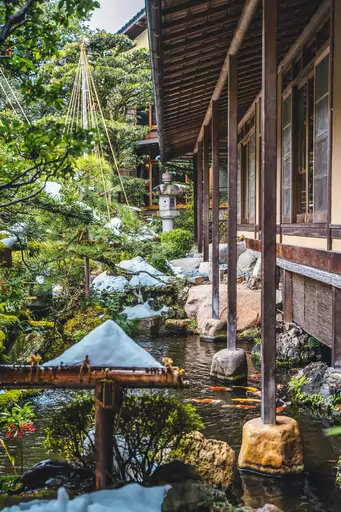
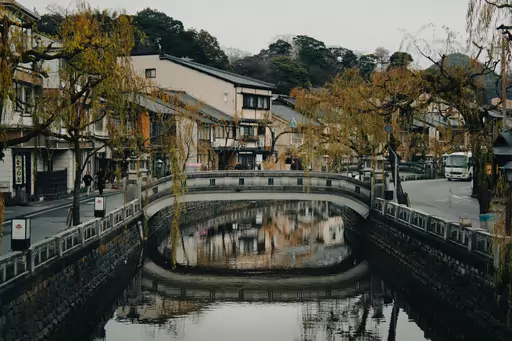
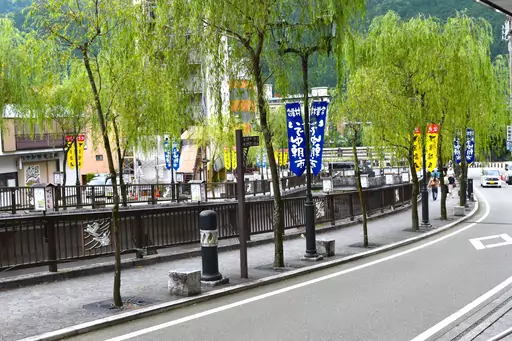
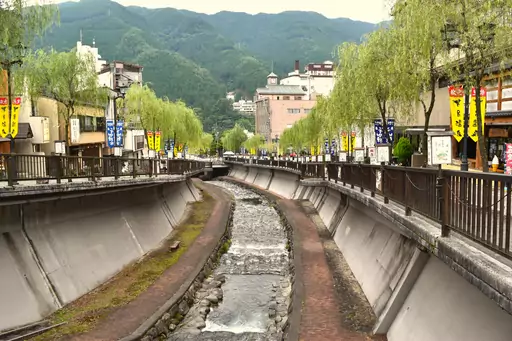
Guests walk between seven public bathhouses in cotton robes and wooden sandals. Willow trees line the small canal that runs through town. Each bathhouse has its own design and a different type of hot water. Visitors can buy a pass to enter all seven baths in a day.

City in Japan
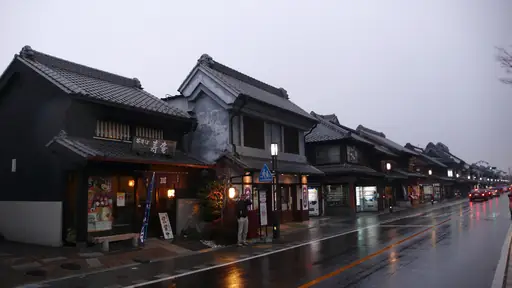
Kawagoe
Edo-style warehouse town near Tokyo
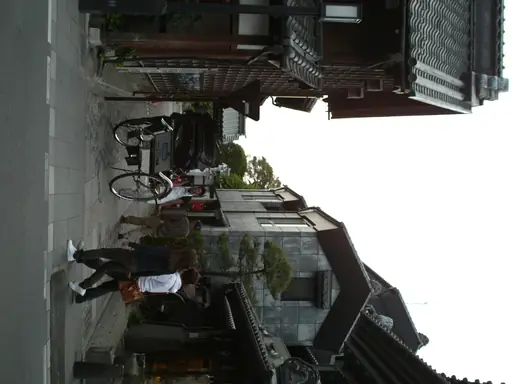
Bells ring from a wooden bell tower called Toki no Kane above the old street. Rows of dark clay warehouses, called kurazukuri, line the street below. Shops sell sweet potato snacks, a local specialty since the 1700s. Candy Alley has old fashioned sweets and a smell of sugar.
Village in Japan
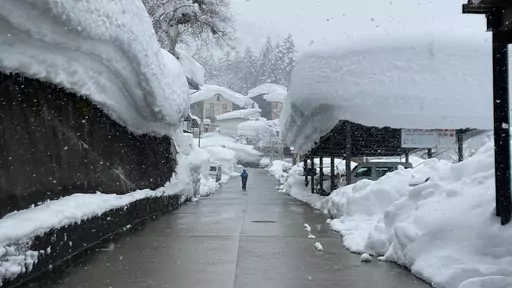
Nozawa Onsen
Thirteen free public baths and a ski area
Thirteen free public bathhouses stand around this Japanese ski village. Locals boil vegetables and eggs in the hot Oyu spring near the top of town. Each January a fire festival lights up the hillside with burning torches. Skiers finish the day at a bath in wooden bathhouses.
Town in Japan
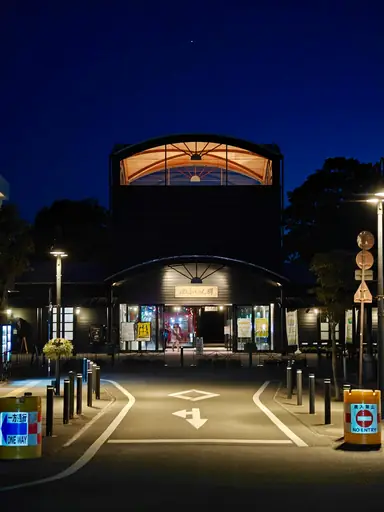
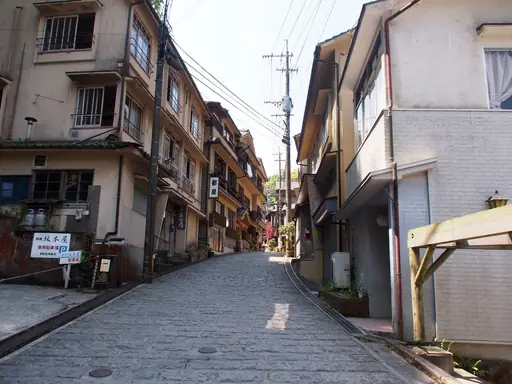
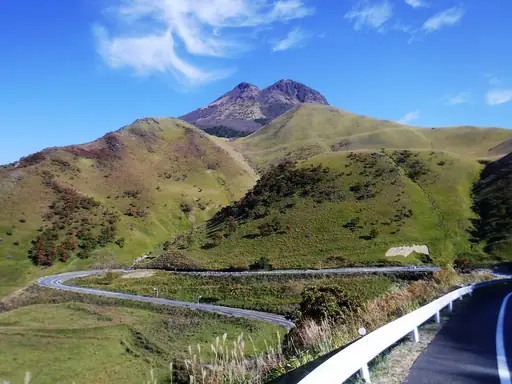
Yufuin Onsen
Lakeside onsen town below Mount Yufu
Mount Yufu rises behind the village and often wears a cap of mist. Lake Kinrinko has warm spring water that makes fog on cold autumn mornings. Visitors can soak in outdoor baths at small inns beside rice fields. Shops on Yunotsubo Street sell cheesecake, pottery and handmade sweets.
City in Germany
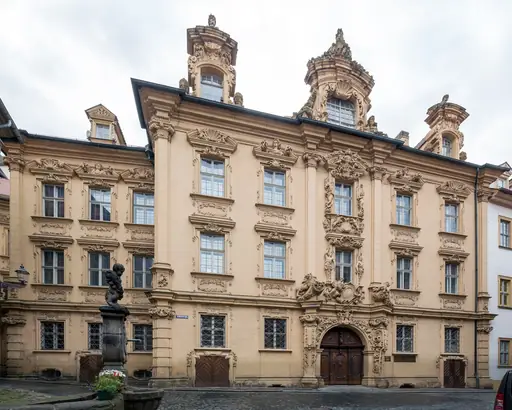
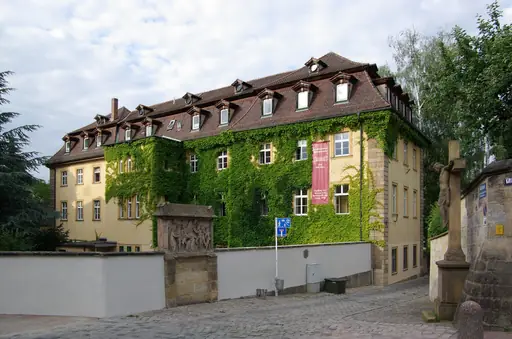
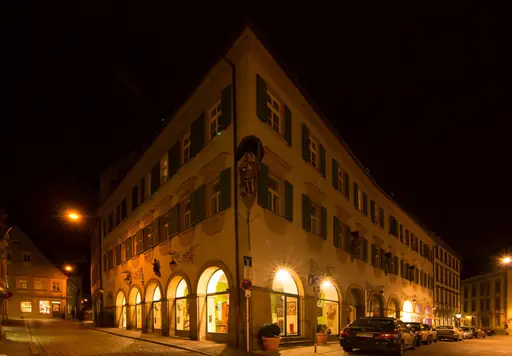
Bamberg
Smoked beer and a UNESCO old town
The smoky smell of rauchbier, a beer brewed with smoked malt, drifts from taverns. The old town hall sits on a tiny island in the middle of the river. UNESCO lists the whole old town, which spreads across seven hills. Brewery taverns serve smoked beer with roast pork and dumplings.
City in Japan
Gero
One of Japan's three great hot springs
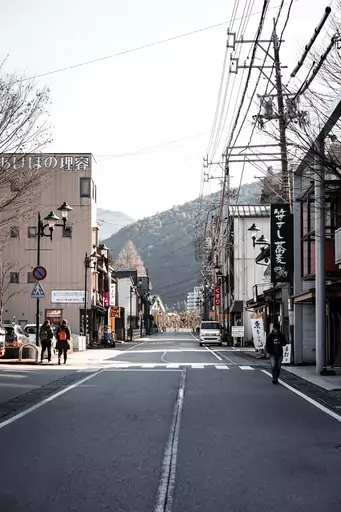
Along with Arima and Kusatsu, this town is ranked among Japan's three famed hot springs. The alkaline water feels silky and smooth on the skin. Free foot baths and small shrines dot the streets beside the Hida River. Gassho Village nearby has thatched farmhouses moved from other regions.
Town in Germany
Rothenburg ob der Tauber
Half-timbered streets and a walkable town wall
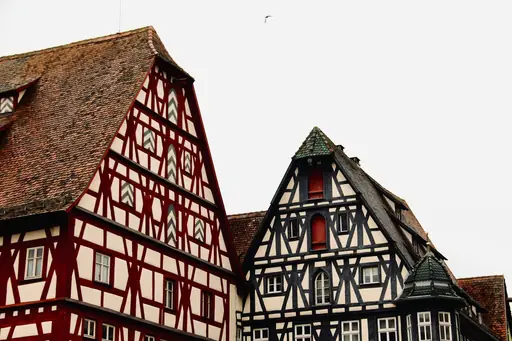
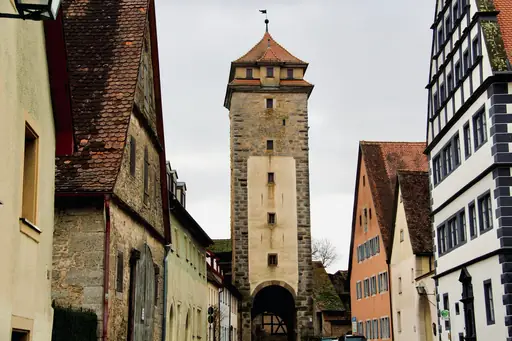
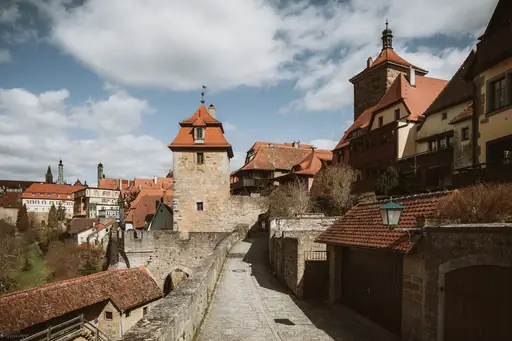
A wall walk of about 2.5 kilometers circles this old Bavarian town. Half timbered houses with red roofs and flower boxes line the cobbled lanes. Visitors can climb the town hall tower for wide views over the roofs. A year round Christmas shop sells glass ornaments and wooden toys.
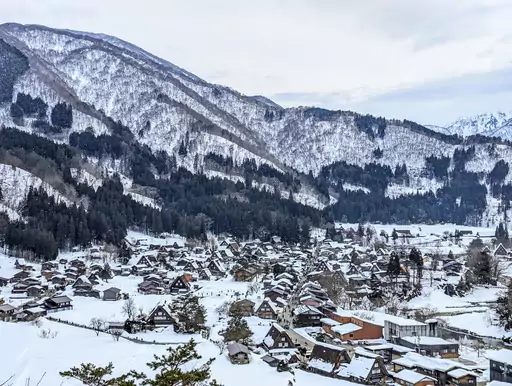
Village in Japan
Shirakawa-go
Thatched gassho farmhouses in the Hida mountains
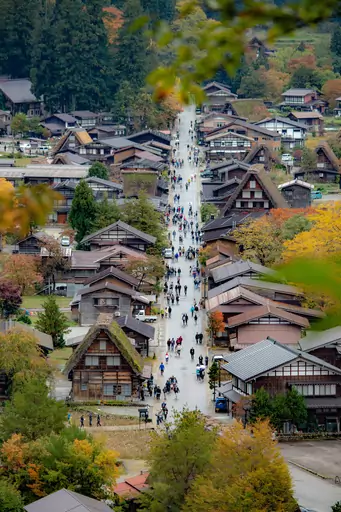
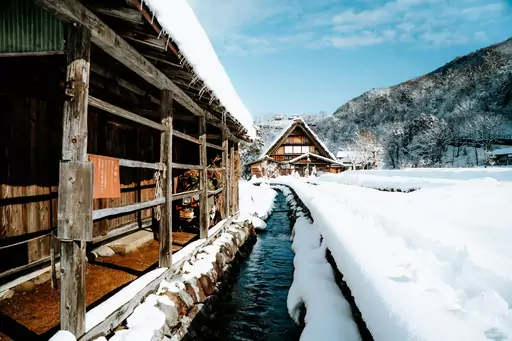
Steep thatched farmhouses in the gassho style, meaning praying hands, dot this mountain valley. The roofs are angled at about 60 degrees to shed heavy winter snow. Visitors can stay overnight in a farmhouse and eat local mountain vegetables. On select winter evenings the houses glow with warm light against the snow.

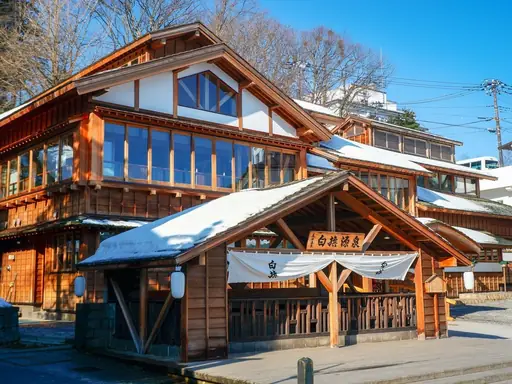
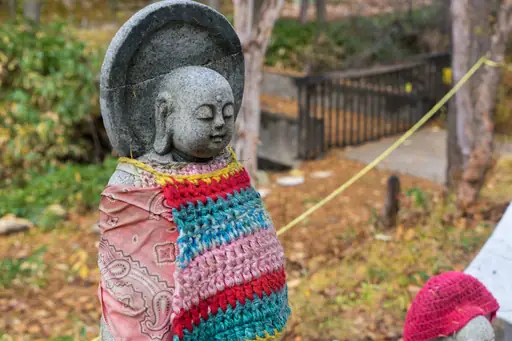
Town in Japan
Kusatsu-Onsen
Steaming hot water field and bath hopping
Like a giant kettle, the Yubatake sits steaming in the middle of town. Wooden channels carry hot spring water across it to cool it down. Sulfur smells drift through the streets near free public foot baths. Visitors can watch a yumomi show where women stir the water with boards.
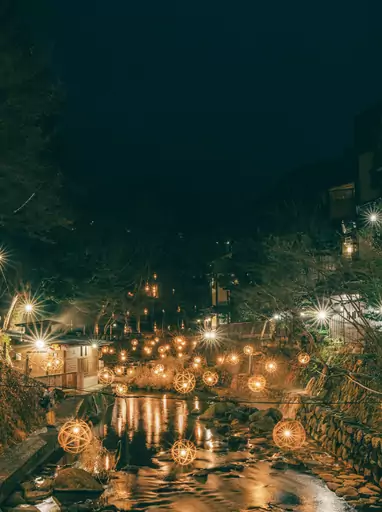
Village in Japan
Kurokawa Onsen
Riverside bath hopping in a Kumamoto valley
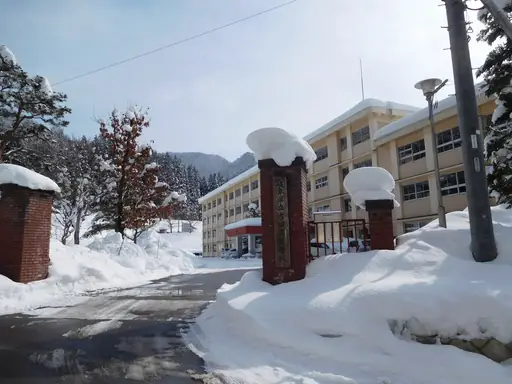
Visitors buy a wooden hand pass to soak in three baths at different inns. Around 30 small inns sit along a stream in a forested valley. Most baths are outdoors and surrounded by trees and stone. Lantern light glows along the stream path in the evening.

City in Japan
Hida
Carp canal and sake town near Takayama
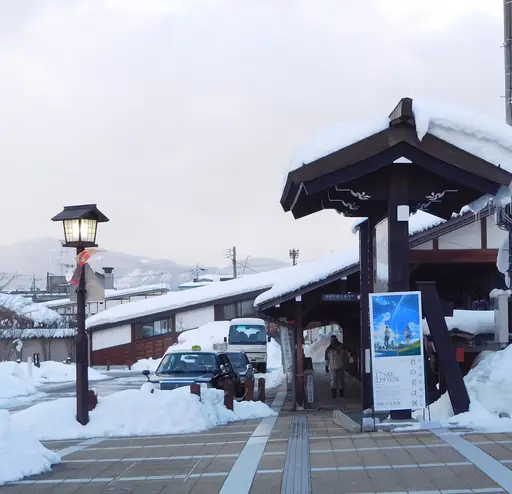
Koi carp splash in a narrow canal beside white walled storehouses in Furukawa. Hida Furukawa, the historic quarter of the city, is a short walk from the station. Old shops sell hand dipped candles and local sake. The sound of running water follows walkers along the Seto River.
Village in Japan
Shibu Onsen
Nine public baths and cobbled lanes
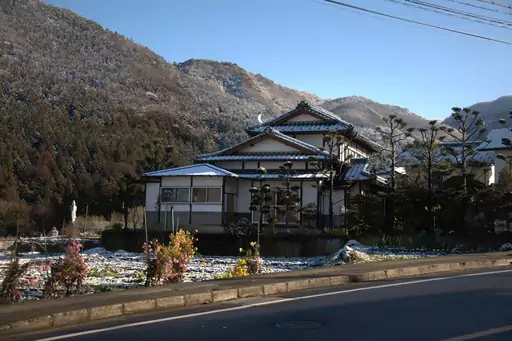
Nine public bathhouses in this village each have their own name and hot water. Visitors carry a towel and get a stamp at each bathhouse. Snow monkeys bathe in a hot spring at Jigokudani Monkey Park nearby. Wooden inns line a narrow street with steam rising from vents.
City in Japan
Takayama
Old town, morning markets and Hida beef
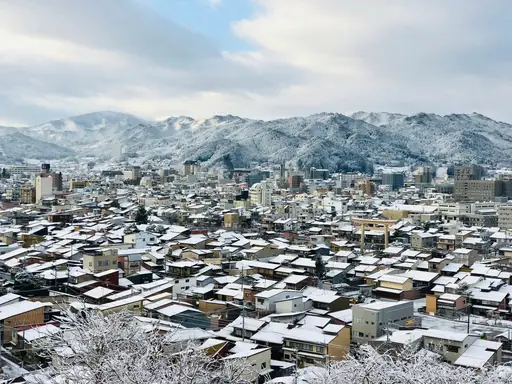
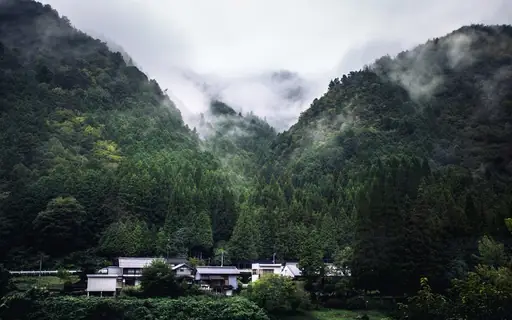
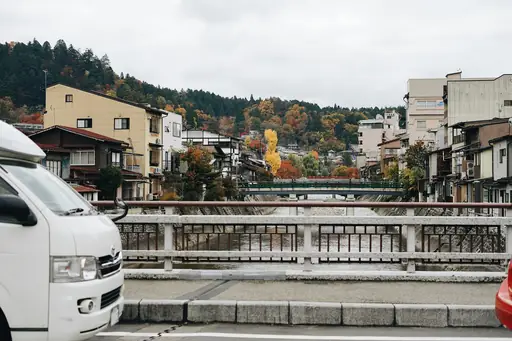
Mountains of the Japanese Alps surround this old town in Gifu Prefecture. Sanmachi Suji street has dark wooden merchant houses and sake breweries. Cedar balls hang from the eaves of breweries when new sake is ready. Morning markets along the Miyagawa River sell pickles and fresh vegetables.
City in Japan
Kurashiki
Canal town with storehouses and Western art
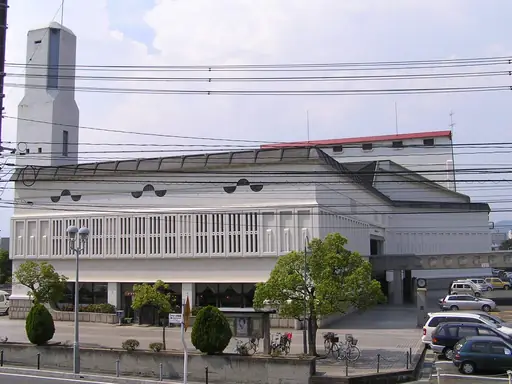
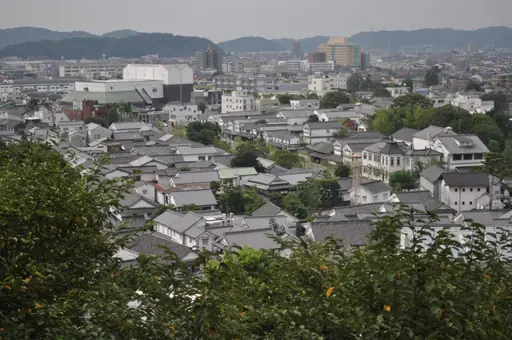
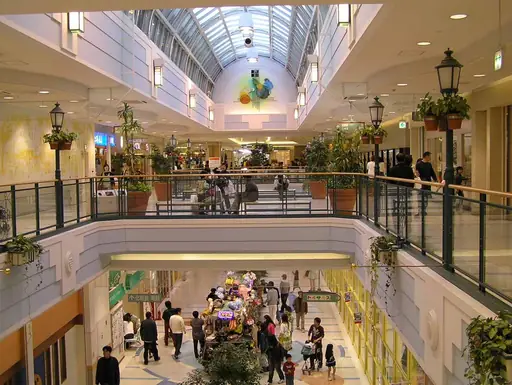
Boatmen in traditional clothes pole flat boats along the willow lined canal. White walled rice warehouses from the Edo period line the water. Many now hold museums, cafes and shops selling denim goods. Ohara Museum of Art opened in 1930 with works by Monet and El Greco.
Other lists you may like
Discover
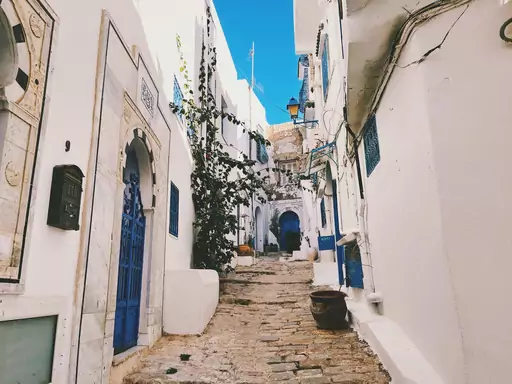
Best cozy town destinations in Africa
North African mountain towns painted in distinctive colours have become some of the region's most distinctive small towns, while southern African wine-country towns offer a…
Read more
Discover
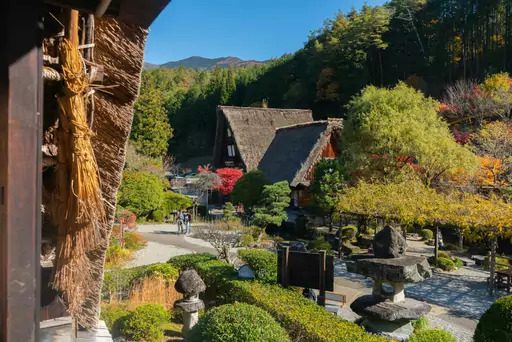
Best cozy town destinations in Asia
A lantern-lit old town in Vietnam has preserved its heritage remarkably well, with tailors, lanterns and riverside cafés creating an atmosphere that's hard to find elsewhere in the…
Read more
Discover
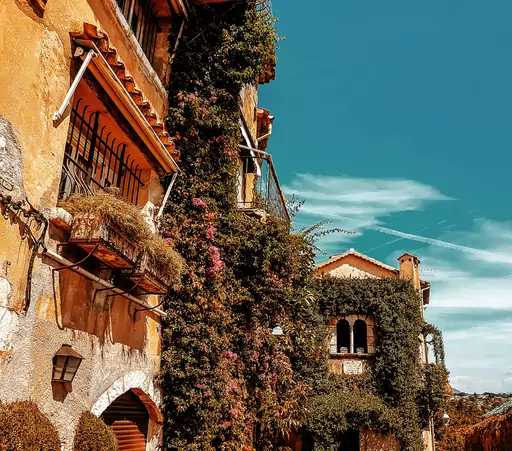
Best cozy town destinations in Europe
Stone-built villages in rural England, built from the same honey-coloured limestone for centuries, anchor much of Europe's idea of a cozy town, while alpine villages further east…
Read more
Discover
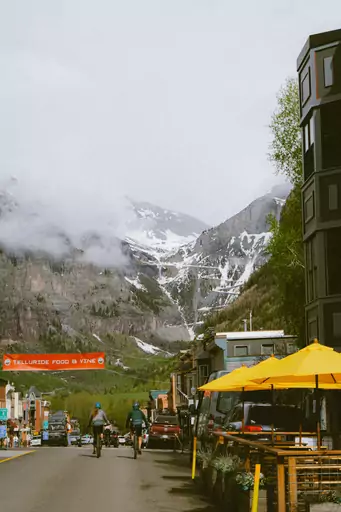
Best cozy town destinations in North America
Small New England towns, with their white church steeples and town greens, anchor much of North America's idea of a cozy town, particularly during autumn, while French-influenced…
Read more
Discover
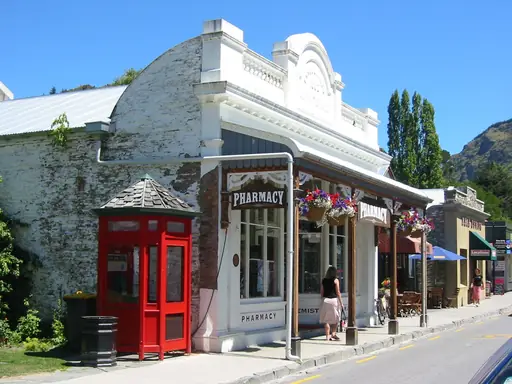
Best cozy town destinations in Oceania
A harbour town in New Zealand, built around an unusual settler history inside a volcanic crater, offers one of the region's most distinctive small towns, while an inland village in…
Read more
Discover
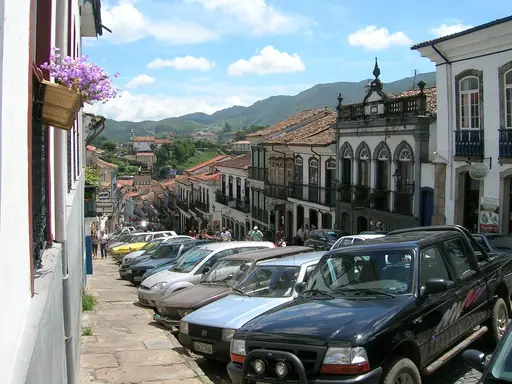
Best cozy town destinations in South America
A colonial town in Colombia, built around one of South America's largest colonial-era plazas, has preserved its whitewashed architecture remarkably well, while a small mountain…
Read more
Discover
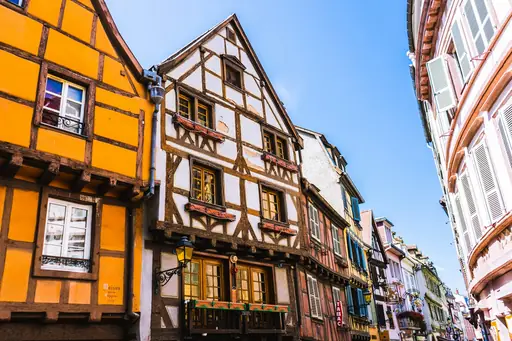
Most picturesque small towns and charming villages
Small towns and villages reveal a different side of a country than its cities tend to. The pace is slower, the architecture is less altered by development and the relationship…
Read more

Discover
Most picturesque small towns and charming villages in Africa
Read more
What other users say about travelfilters
“travelfilters made it easy for me to find ski areas and compare what else they offer, so that I could find the best place for my personal travel style.”

Chris
Snowboarding & Onsen trip to Japan
“I love how transparent the data feels. There is no pushy upsell, just honest information and settings I can tune to my own travel style.”

Maria
After booking her 2027 winter escape
“The level of detail for each destination and how well those are displayed, make planning feel confident instead of overwhelming.”

Mina
Planned a week in New York City
“We used travelfilters for our planning from start to end. The trip turned out even better than expected, thanks to all their tools and customization options.”

Allan & Etienne
Trip to Japan to see autumn foliage
“Thanks to travelfilters, I found some hidden gems to see. Being able to filter for exactly your interests is a game changer for my travel planning.”

Michael
Tour through the old cities of Northern Italy
“The customizable filters helped me find a quiet beach town with good wifi and low season crowds in under five minutes.”

Diego
Weekend Escape to Llanes, Spain
“The airport connection map saved me hours by showing good flight options from my home airport to lesser-known cities.”

Nguyen
Planning a 2027 trip to France
“The website is clean, fast and focused on the search itself, which makes travelfilters feel more like a professional tool than an ad-heavy booking site.”

Hassan
Christmas Market trip, Germany
