
Top food destinations and culinary hotspots
Top food destinations and culinary hotspots
Best travel destinations for local food lovers
Food travel has matured into a sophisticated circuit built around the world's great culinary traditions, restaurant destinations and producer landscapes that offer experiences unavailable through any other form of cultural engagement. The most rewarding food destinations are those where what is eaten reflects genuine local production, cultural specificity and accumulated culinary knowledge, with street food traditions, market cultures and family-run restaurants often delivering more than celebrated fine dining establishments.
The relationship between landscape, agriculture and cuisine rewards travel that moves between producing regions and urban food cultures, with visits to farms, fishing communities and food markets adding context to restaurant experiences that eating alone cannot provide. Several destinations have developed serious food tourism infrastructure around their culinary heritage, with cooking schools, producer tours and dedicated food festivals making systematic exploration accessible alongside more spontaneous discovery.
Seasonal eating delivers considerably more than visiting outside the rhythms that define a cuisine's best moments, and researching what is in season before travel is worth the effort. Dietary restrictions require advance research in destinations where specific ingredients are fundamental to the local cuisine and alternatives are limited. Food safety standards vary considerably and adjusting eating habits gradually on arrival reduces the risk of digestive disruption in unfamiliar food environments.
Lists by region


Region in Germany
Bavaria
Alps, castles, beer gardens and old towns
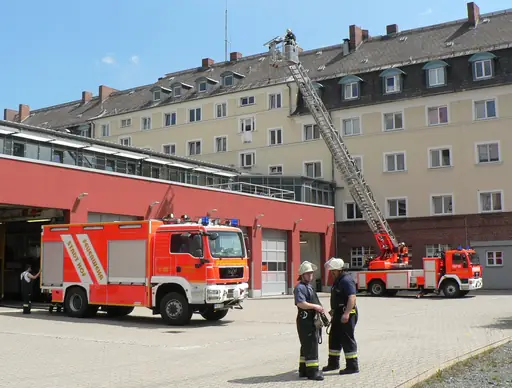
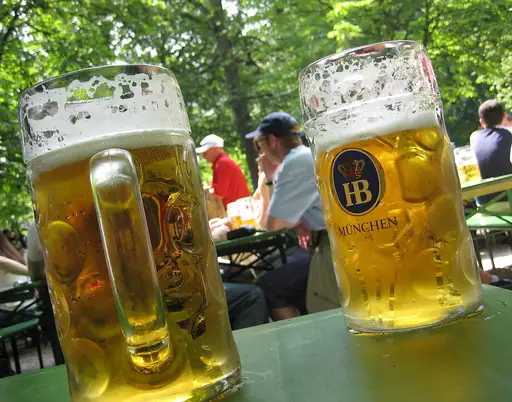
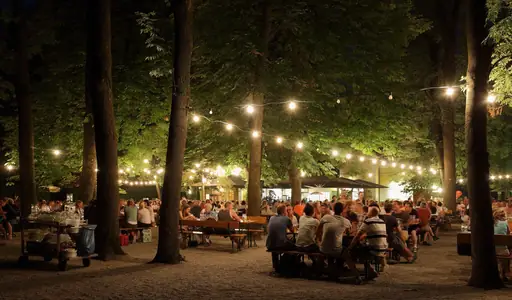
Bavaria brews under the Reinheitsgebot, a purity law from 1516 limiting beer to four ingredients. The smell of pretzels and grilled sausage drifts through Munich's beer gardens on warm afternoons. Visitors can try weisswurst, a pale veal sausage eaten only before noon with sweet mustard. Oktoberfest each fall draws millions to tents built just for the festival.
City in Japan
Nagoya
Castle, car makers and miso-rich food
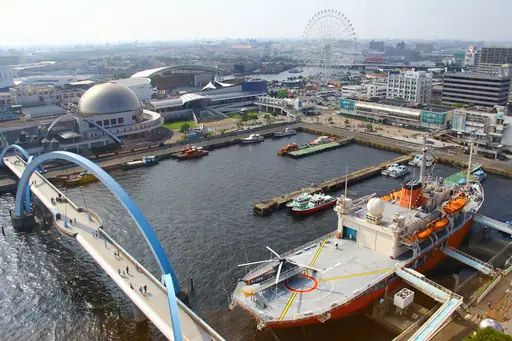
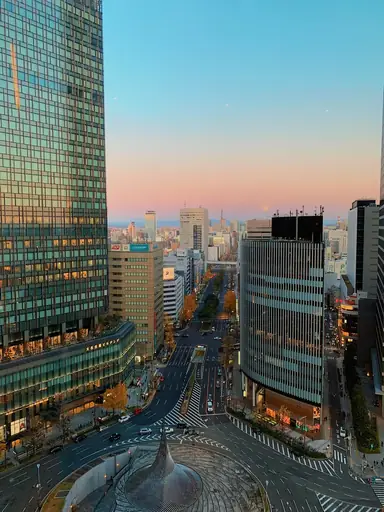
Hitsumabushi, grilled eel over rice, is eaten three different ways from one bowl. Diners eat it plain, then with condiments, then poured over with hot broth. Visitors can also try tebasaki, fried chicken wings coated in a sweet soy glaze. Miso katsu, a fried pork cutlet topped with rich soybean sauce, is another specialty.
City in Japan
Kyoto
Temples, geisha districts and kaiseki dining
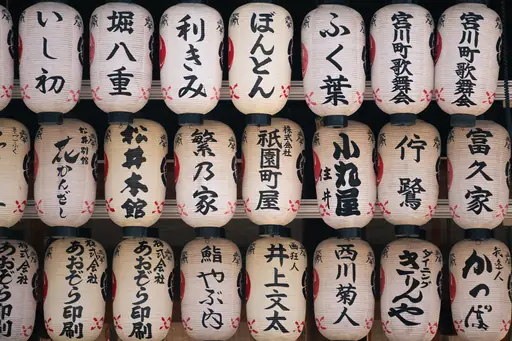
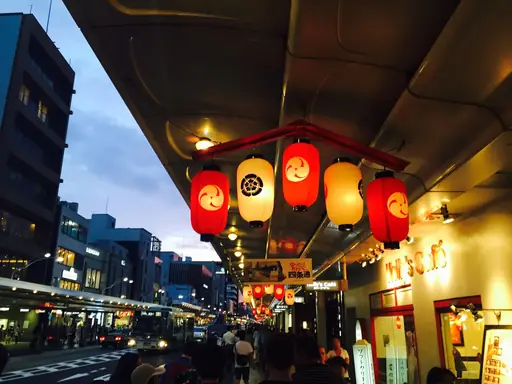
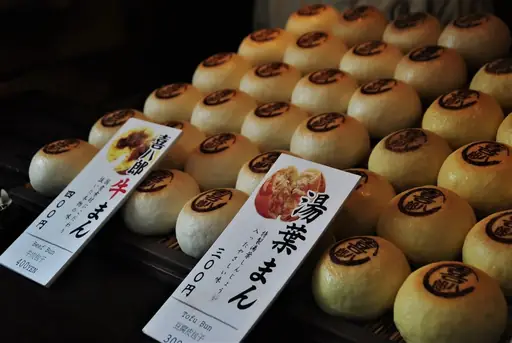
Kaiseki, a multi course meal built around seasonal ingredients, grew alongside the tea ceremony. Nishiki Market, a narrow covered street of stalls, has supplied the city's kitchens for centuries. Visitors can also try shojin ryori, meat free cooking from Kyoto's Buddhist temples. Yuba, the skin that forms on simmered soy milk, appears in many dishes.
City in Japan
Yonezawa
Uesugi castle town, beef and snow lanterns
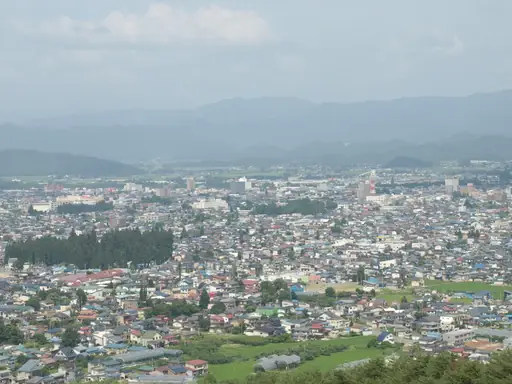
Farmers around Yonezawa raise wagyu cattle famous for their heavily marbled beef. Breeders have refined the local herd's bloodlines for well over a century. Visitors can order the beef grilled thin at restaurants near the old castle town. Nearby shops sell dried fruit and pickles made from local produce.
Island in Japan
Kyushu
Volcanoes, onsen and tonkotsu ramen
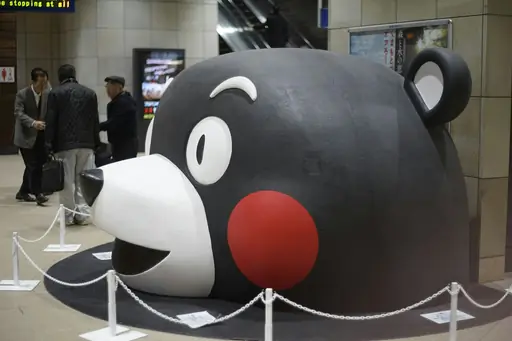
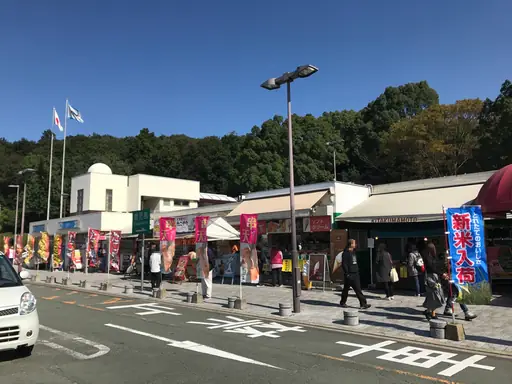
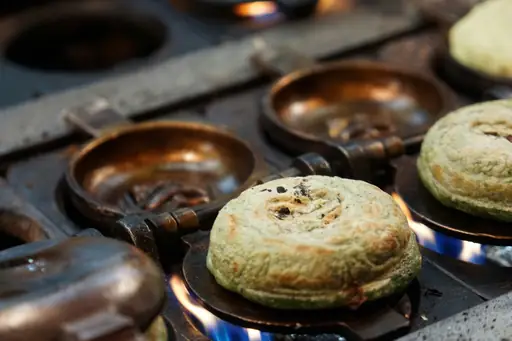
Cooks in Beppu, Kyushu, steam food over hot spring vents, a method called jigoku mushi. The island produces more shochu than any other part of Japan. Visitors can also try champon, a Nagasaki noodle dish that blends Chinese and Japanese influences. Kyushu's mild climate supports citrus and sweet potato farms shaping much of its cooking.

City
New York City
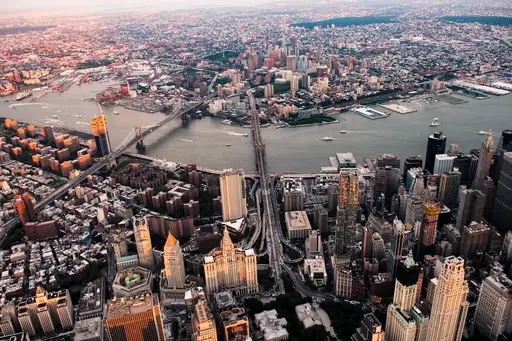
Five boroughs of skyline, food and museums
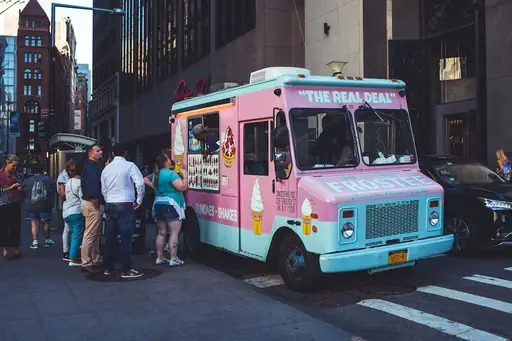
New York pizza developed from Neapolitan immigrants adapting to coal fired ovens. The city's bagels are boiled before baking, giving them a dense, chewy texture. Visitors can also graze food carts serving halal and Latin American dishes on nearly every corner. Chinatown and Jackson Heights hold some of the city's most diverse food scenes.
Country
Singapore
Tropical city-state of hawker food and gardens
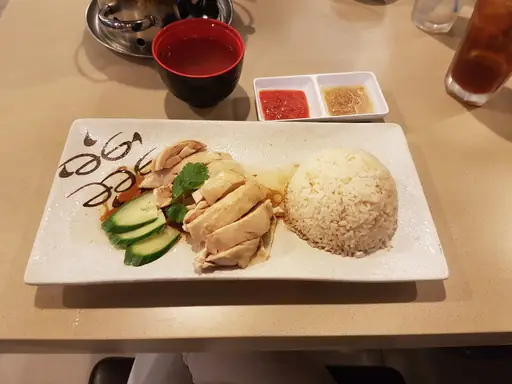
Hawker centers across Singapore serve chicken rice, a dish considered the national favorite. Vendors poach whole chickens, then use the broth to cook the rice. Visitors can compare stalls, many of which have held Michelin recognition for years. Nearby counters sell laksa, a coconut noodle soup with a spicy kick.

City in Japan
Hiroshima
Peace Park, okonomiyaki and Miyajima ferry
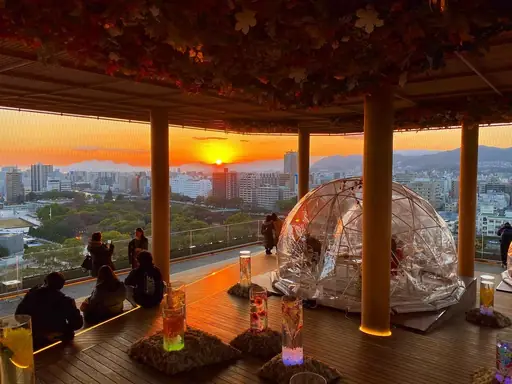
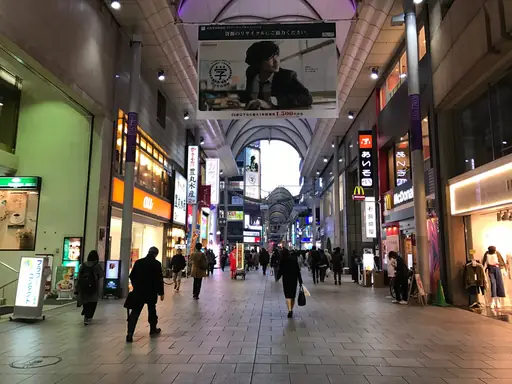
Hiroshima style okonomiyaki layers batter, cabbage, pork and noodles rather than mixing them like Osaka's. Cooks build each pancake to order on a large griddle in front of diners. Visitors can also try oysters from the Seto Inland Sea, grilled or raw. Okonomimura, a building of okonomiyaki stalls, gathers dozens of vendors under one roof.
City in Japan
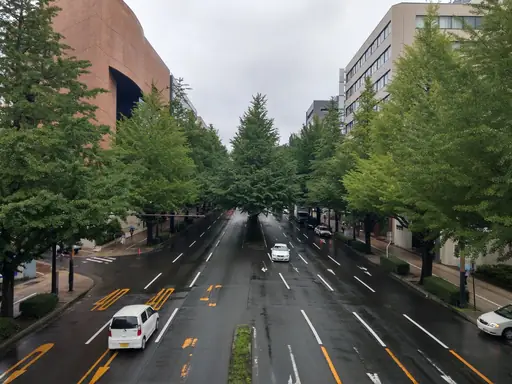
Sendai
Tohoku's biggest city with samurai roots
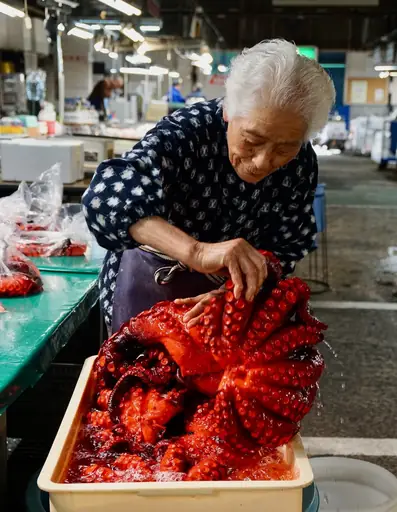
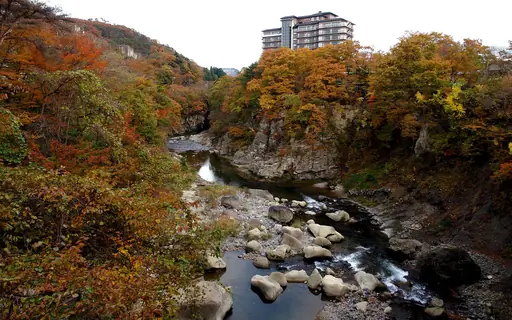
Grilled beef tongue, gyutan, became a Sendai specialty after the postwar years. Local cooks first served it thick-cut alongside barley rice and oxtail soup. Visitors can find entire streets of restaurants built around the dish. Nearby markets sell sasa kamaboko, fish cakes shaped like bamboo leaves.
City in Japan
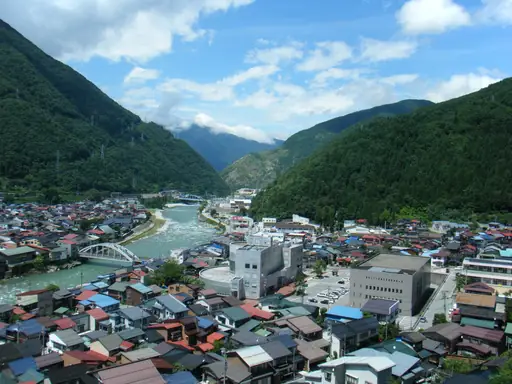
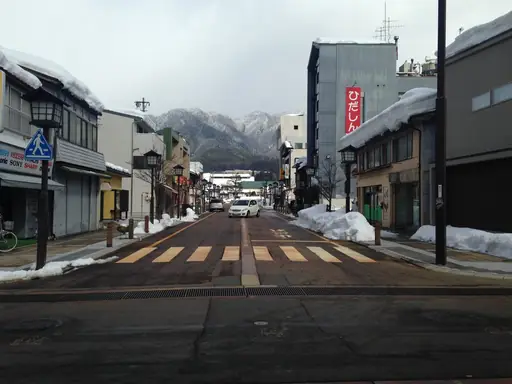
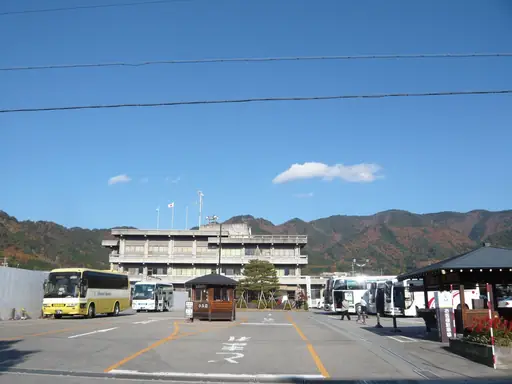
Hida
Carp canal and sake town near Takayama
Hida beef, a marbled wagyu variety, is raised in the mountains of Japan's Hida region. It is often grilled tableside over hot stones or skewered as a street snack. Visitors can also sample local sake, brewed using pure water from the surrounding mountains. Morning markets in Hida towns sell pickles, mountain vegetables and traditional sweets.
Region in Germany
Franconia
Beer cellars, vineyards and Baroque palaces
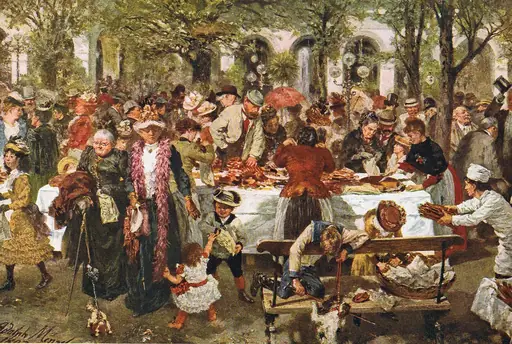
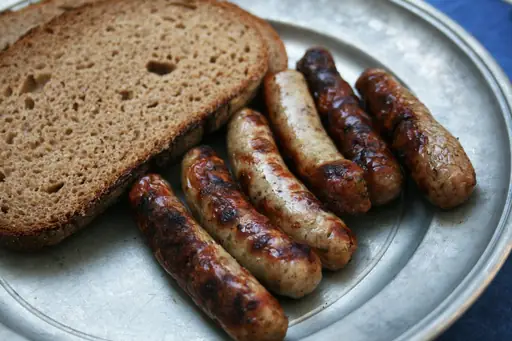
Franconia sits in northern Bavaria, a wine region apart from the beer culture further south. Local white wine here is traditionally bottled in a flat, round bottle called a Bocksbeutel. Visitors can try small grilled sausages sold three to a roll in Nuremberg. Christmas markets across the region sell spiced gingerbread called lebkuchen each December.
City in Germany
Lübeck
Brick towers, marzipan and Hanseatic history
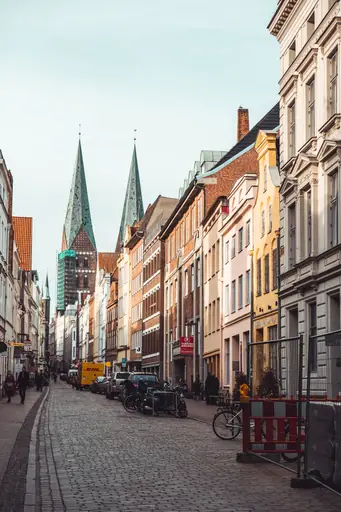
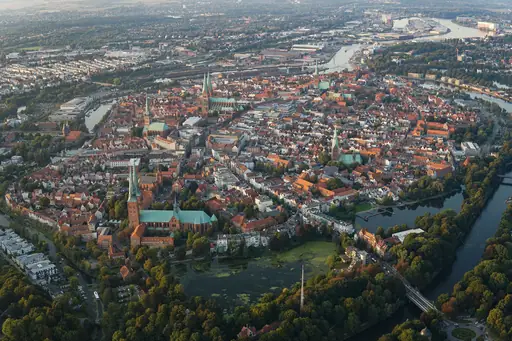
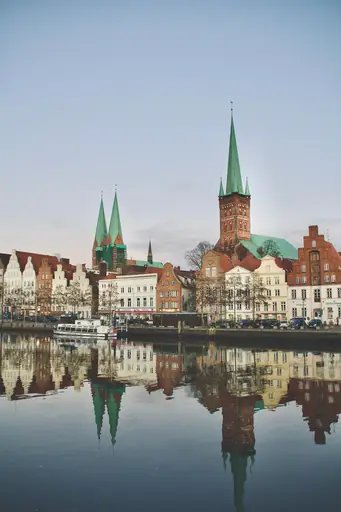
Niederegger, a marzipan maker founded in Lubeck in 1806, still makes the almond candy the city is known for. Lubeck's Hanseatic trading past brought in the almonds and sugar for it. Visitors can tour the Niederegger shop near the market square. Red brick bakeries in the old town sell marzipan shaped into fruits and figures.

City in Japan
Otaru
Canal warehouses, glass shops and sushi
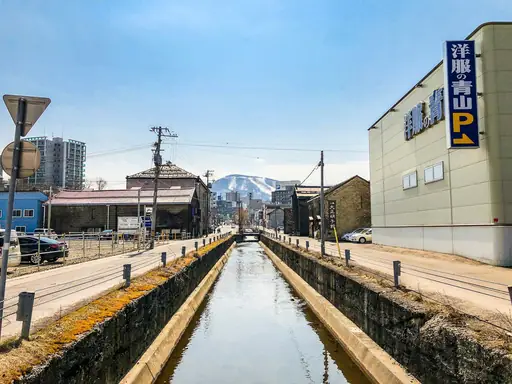
Otaru's harbor delivers uni and crab straight to sushi counters each morning. The city's canal district once shipped herring that built its early fortune. Diners can sit at counters where chefs slice fish caught hours earlier. A short walk away, glass workshops recall the port's old trading days.
City in Japan
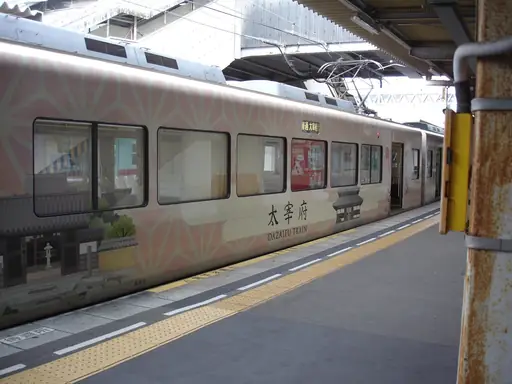
Fukuoka
Kyushu's biggest city, known for yatai and ramen
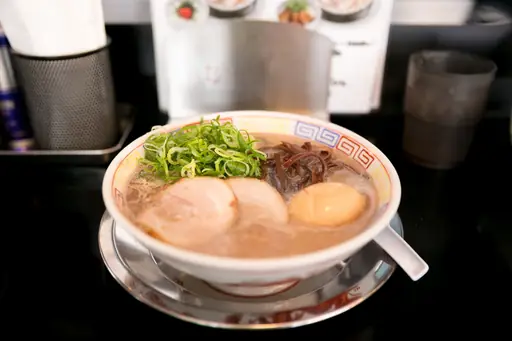
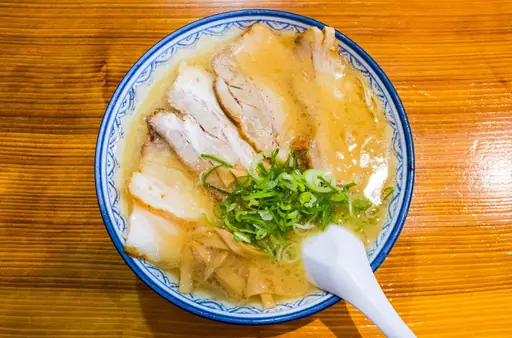
Around 100 yatai, open air food stalls, set up each evening along Fukuoka's rivers. Fukuoka is the only major Japanese city where this culture still runs at scale. Visitors can slurp tonkotsu ramen, a milky broth from the Hakata district. Mentaiko, spicy marinated cod roe, is another local specialty sold at the fish market.
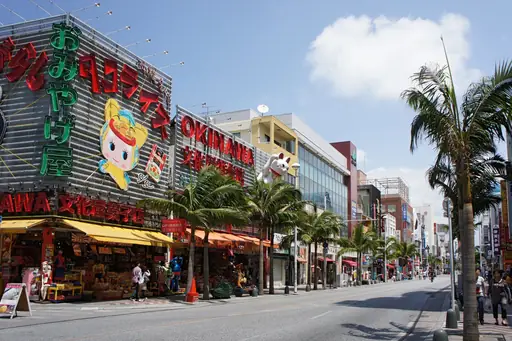
Island in Japan
Okinawa Island
Reef beaches and Ryukyu Kingdom heritage
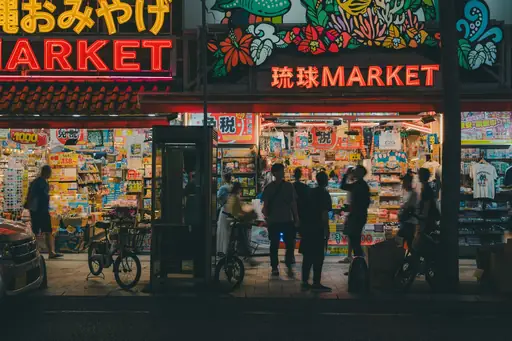
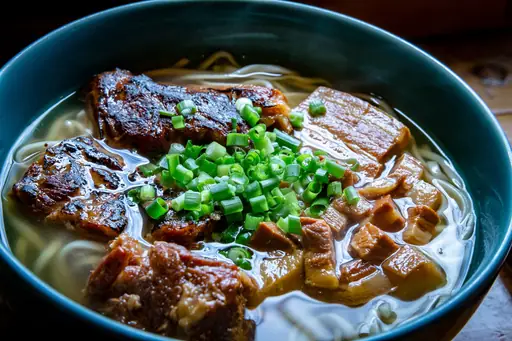
Okinawan cuisine is often studied for the region's high number of centenarians. Goya champuru, a stir fry of bitter melon, tofu and pork, is a signature dish. Visitors can try rafute, pork belly braised in awamori, soy sauce and sugar. Awamori, a distilled spirit made from Thai rice, is unique to Okinawa among Japanese regions.
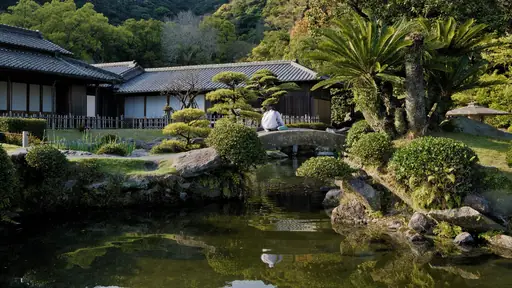

City in Japan
Kagoshima
Volcano views, samurai history and black pork
Kagoshima's kurobuta, a black pig breed, is prized across Japan for tender, flavorful meat. The region also makes shochu distilled from sweet potatoes rather than rice. Visitors can try satsuma age, a fried fish cake sold at markets and street stalls. Active volcano Sakurajima looms over the city, its ash occasionally dusting local produce.

City in Japan
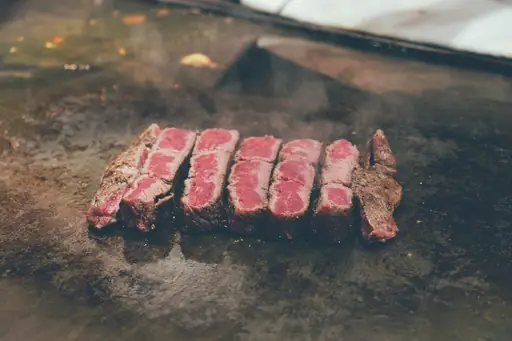
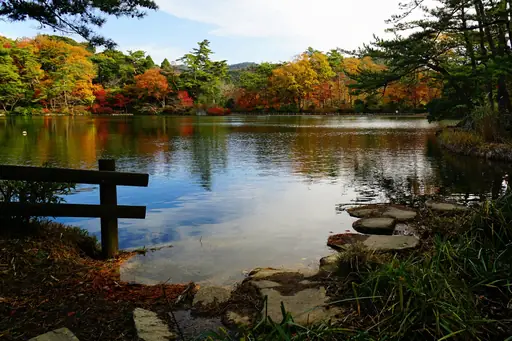
Kobe
Harbor city with hills, beef and hot springs
Kobe beef must come from Tajima cattle raised and processed within Hyogo Prefecture. The meat is prized for its heavy marbling, often served as thin grilled slices. Visitors can also wander Nankinmachi, Kobe's small Chinatown, for dumplings and steamed buns. The nearby Nada district holds some of Japan's best known sake breweries.
City in Japan
Kanazawa
Samurai streets, gold leaf and Kenrokuen garden
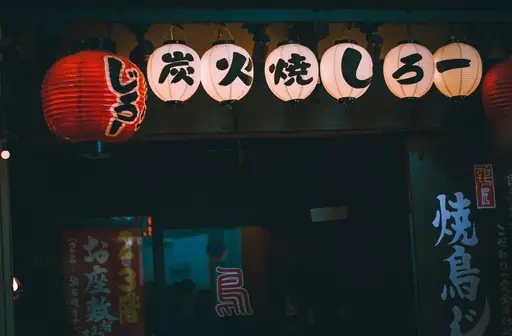
Omicho Market in Kanazawa has sold fresh seafood, including snow crab, since Edo times. Restaurants sometimes dust dishes with gold leaf, tied to the local gold leaf trade. Visitors can try kaisen don, a rice bowl piled with sashimi from market stalls. Kaga cuisine, refined for the region's feudal lords, still shapes formal dining here.
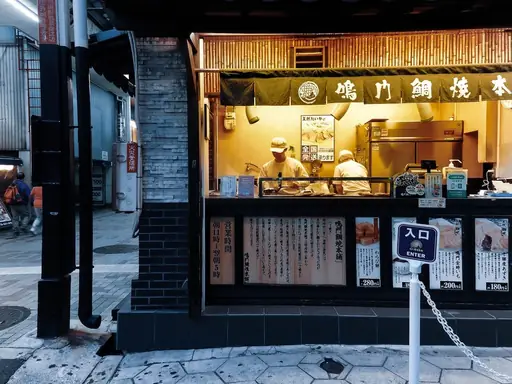
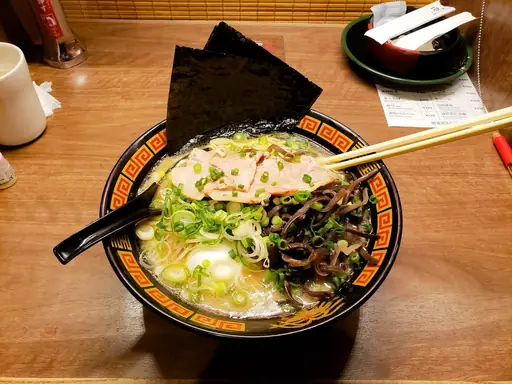
City in Japan
Osaka
Castle, neon canals and street food
Dotonbori's canal-side stalls serve takoyaki, octopus dumplings grilled on the spot. Locals call the city Japan's kitchen for its love of hearty, unpretentious food. You can watch vendors flip the batter-filled dumplings in cast-iron molds. Nearby izakayas serve kushikatsu, breaded skewers dipped in a shared sauce.
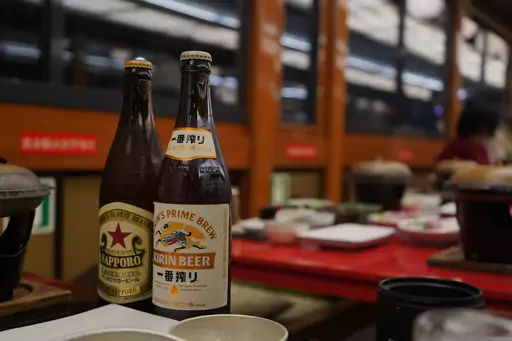
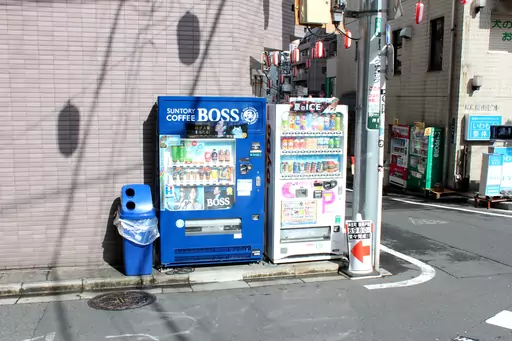
City in Japan
Tokyo
Japan's capital of temples, towers and food
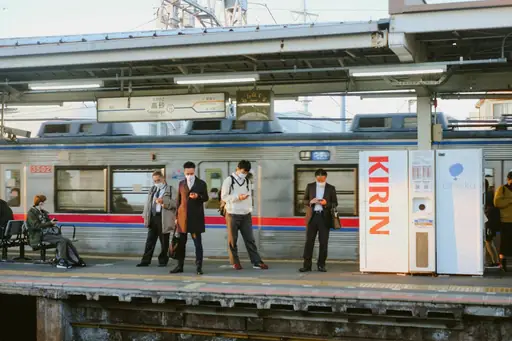
Tsukiji's outer market still trades tuna even after the main auction moved to Toyosu. Vendors slice fresh cuts of fish for sale right at their stalls. Visitors can eat sushi for breakfast at counters that have served workers for decades. Nearby stands grill skewers of tamagoyaki, sweet rolled omelet on a stick.
City in Japan
Takayama
Old town, morning markets and Hida beef
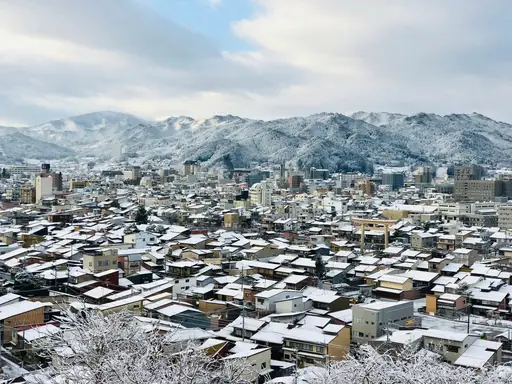
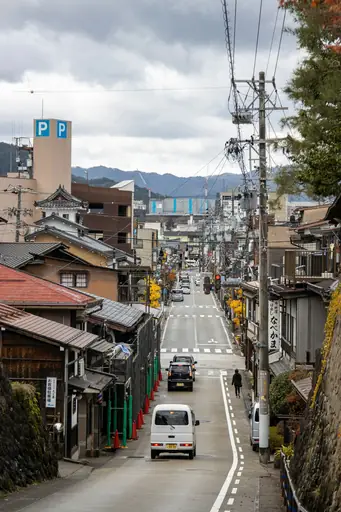
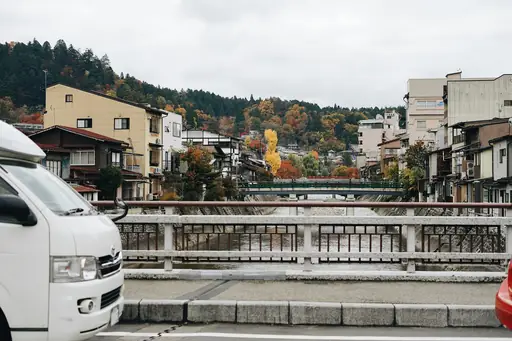
Sake breweries in Takayama hang a ball of cedar leaves, called a sugidama, when a batch is ready. The ball's color fades from green to brown as the sake matures. Visitors can walk two riverside morning markets for local produce and pickles. Hida beef skewers are a common street snack along the old town's streets.
City in Germany
Munich
Bavarian capital of beer gardens and museums
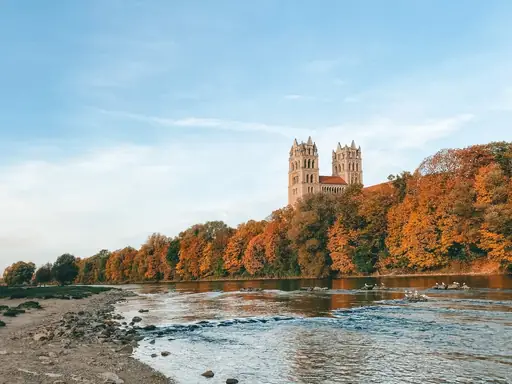
Munich's Viktualienmarkt has sold produce, cheese and meat in the city center since 1807. The Hofbrauhaus, one of Munich's oldest beer halls, has served beer on the same site since 1589. Visitors can eat weisswurst before the noon church bells ring. A maypole at the market's center is repainted and celebrated each spring.
City in Japan
Yamagata
Tohoku castle town near Yamadera and Zao
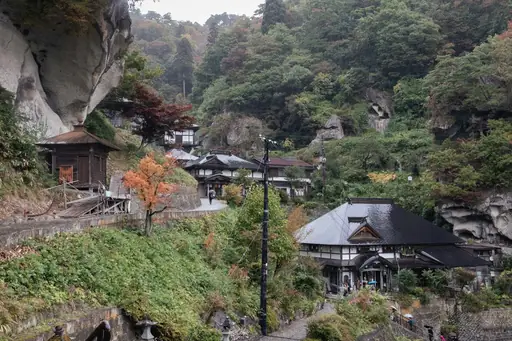
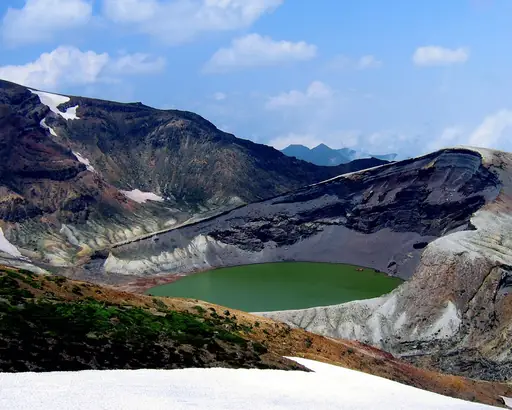
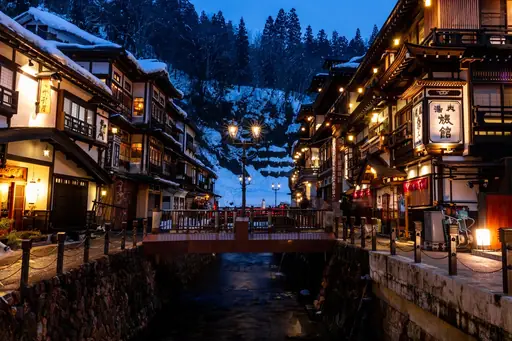
Orchards around Yamagata grow cherries prized across Japan for their deep red color. The region's cool mountain climate suits the fruit better than warmer prefectures. Visitors can pick and eat cherries straight from the trees each June. Nearby noodle shops serve cold soba, a local summer specialty.


City in Japan
Sapporo
Snow festival city with ramen and beer
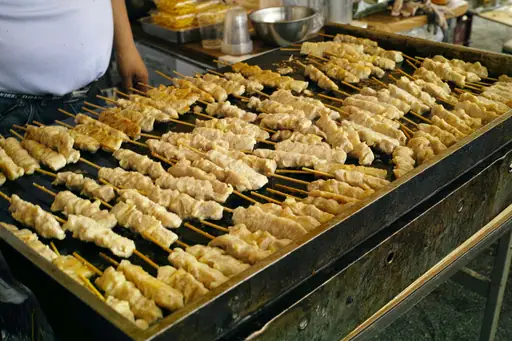
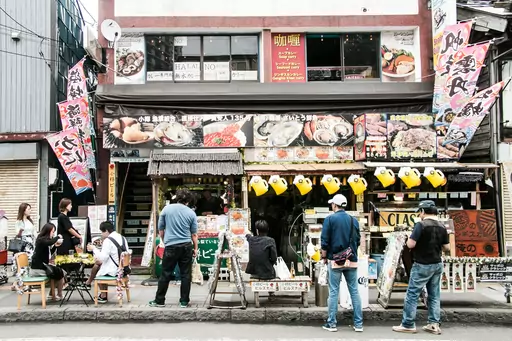
Ramen shops across Sapporo simmer a rich miso broth unique to the city. Cooks developed the style to warm diners through Hokkaido's long, cold winters. Visitors can slurp a bowl topped with butter and sweet corn. Nearby beer halls pour the local brew that shares the city's name.
State/Prefecture in Japan
Hokkaido
Volcanoes, powder snow and fresh seafood
Sapporo, Hokkaido's capital, is credited with popularizing miso ramen, a style now found worldwide. The island's cold waters produce some of Japan's most prized crab, sea urchin and scallops. Visitors can also try soup curry, a thinner curry style that developed in Sapporo cafes. Hokkaido's dairy farms supply much of Japan's milk, cheese and butter.

City in Japan
Hakodate
Harbor night view, seafood and a star fort
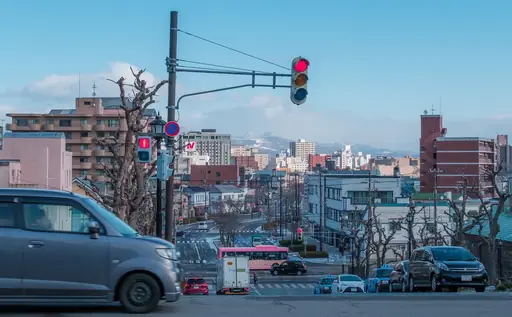
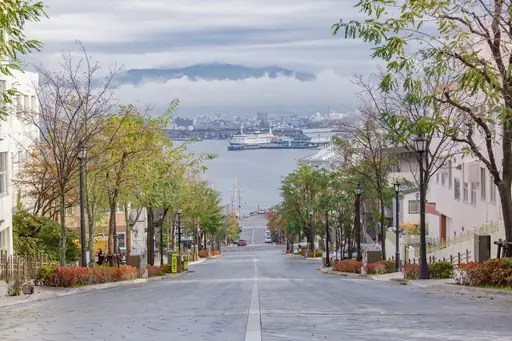
Hakodate's morning market has run near the harbor since it opened to foreign trade in the 1850s. Vendors sell live squid, urchin and crab pulled fresh from cold waters. Visitors can catch their own squid and have it sliced into sashimi minutes later. Hokkaido's dairy farms supply rich milk and butter for regional baked goods.
City in Japan
Niigata
Rice, sake and the Sea of Japan
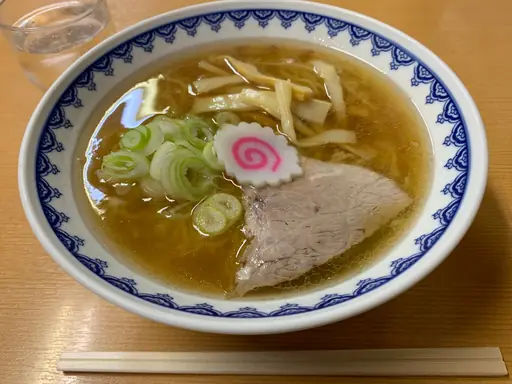
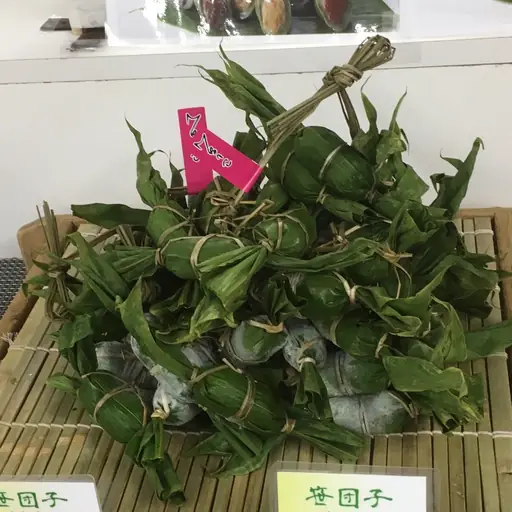
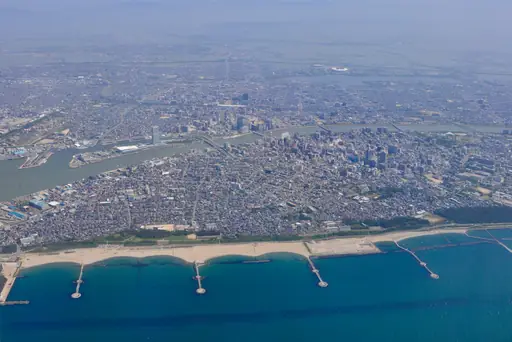
Niigata's heavy winter snowmelt and rice paddies help produce some of Japan's most prized sake. The region also grows koshihikari, a rice variety among the country's best for eating plain. Visitors can tour breweries for tastings paired with fresh seafood from the sea. A sake festival each March lets visitors sample dozens of labels.
City in Germany
Berlin
Wall history, Museum Island and all-night clubs
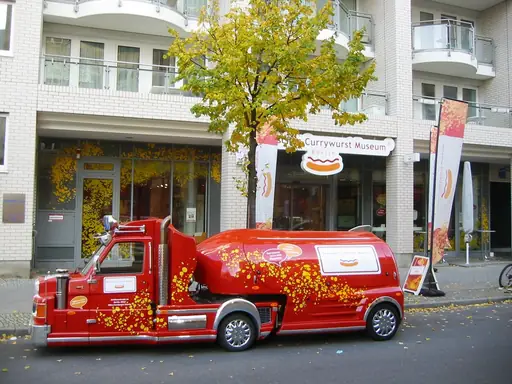
Herta Heuwer invented currywurst in Berlin in 1949, mixing ketchup and curry powder over sliced sausage. Germans now eat an estimated 800 million currywursts a year, 70 million in Berlin alone. Visitors can grab one from a stand for a quick lunch. Turkish immigrants later added doner kebab to the city's food identity.
Other lists you may like
Discover
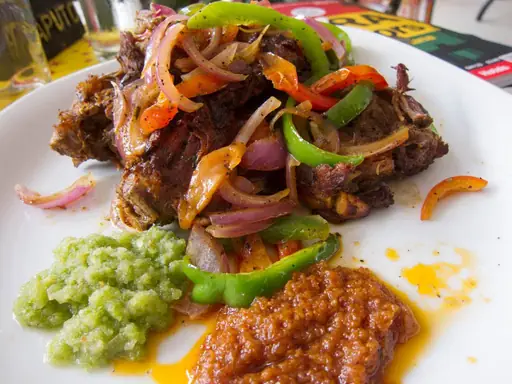
Best food destinations in Africa
Africa's food cultures are among the most underrepresented in international culinary consciousness, with distinct regional cuisines, indigenous ingredient traditions and spice…
Read more
Discover
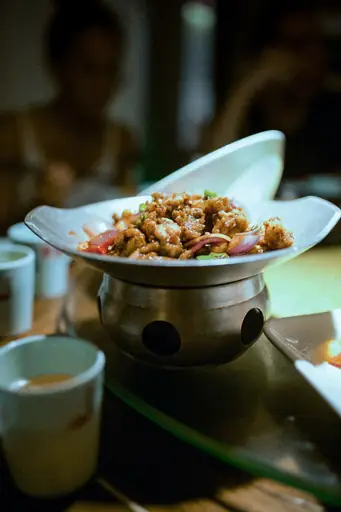
Best food destinations in Asia
Asia's food cultures are among the most diverse and sophisticated on earth, with distinct culinary traditions across dozens of regional cuisines that developed largely…
Read more
Discover
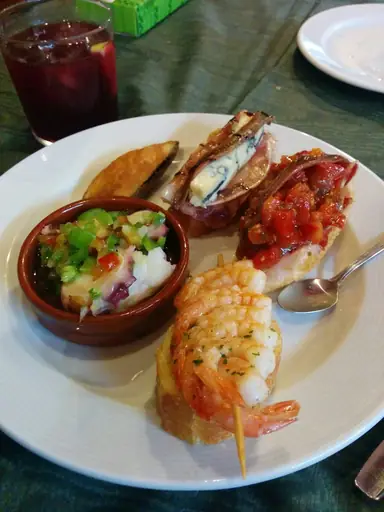
Best food destinations in Europe
Europe's food cultures span an extraordinary range of culinary traditions, with distinct regional cuisines, producer landscapes and restaurant scenes concentrated within a compact…
Read more
Discover
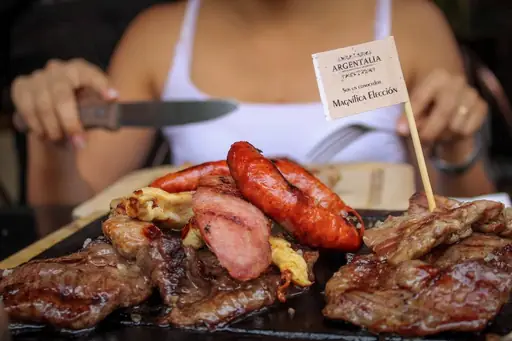
Best food destinations in North America
North America's food cultures reflect the continent's extraordinary diversity of immigrant communities, regional agricultural traditions and indigenous food knowledge, producing…
Read more
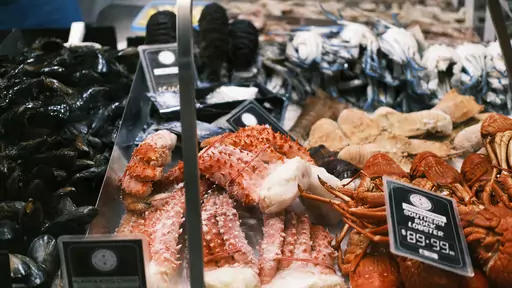
Discover
Best food destinations in Oceania
Oceania's food cultures have developed distinctive identities built around exceptional produce, multicultural influences and indigenous food traditions that reward dedicated…
Read more
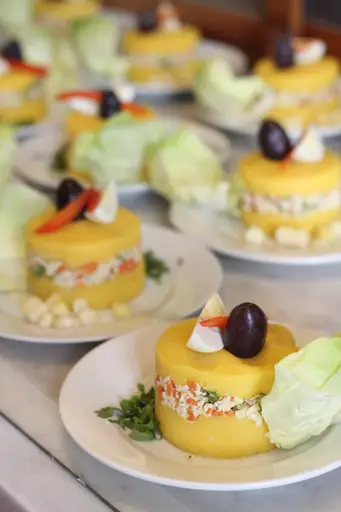
Discover
Best food destinations in South America
South America's food cultures are rooted in the confluence of indigenous ingredients, colonial influences and immigrant culinary traditions that have produced distinct national and…
Read more
What other users say about travelfilters
“travelfilters made it easy for me to find ski areas and compare what else they offer, so that I could find the best place for my personal travel style.”

Chris
Snowboarding & Onsen trip to Japan
“I love how transparent the data feels. There is no pushy upsell, just honest information and settings I can tune to my own travel style.”

Maria
After booking her 2027 winter escape
“The level of detail for each destination and how well those are displayed, make planning feel confident instead of overwhelming.”

Mina
Planned a week in New York City
“We used travelfilters for our planning from start to end. The trip turned out even better than expected, thanks to all their tools and customization options.”

Allan & Etienne
Trip to Japan to see autumn foliage
“Thanks to travelfilters, I found some hidden gems to see. Being able to filter for exactly your interests is a game changer for my travel planning.”

Michael
Tour through the old cities of Northern Italy
“The customizable filters helped me find a quiet beach town with good wifi and low season crowds in under five minutes.”

Diego
Weekend Escape to Llanes, Spain
“The airport connection map saved me hours by showing good flight options from my home airport to lesser-known cities.”

Nguyen
Planning a 2027 trip to France
“The website is clean, fast and focused on the search itself, which makes travelfilters feel more like a professional tool than an ad-heavy booking site.”

Hassan
Christmas Market trip, Germany
