


Asia › Japan › Hiroshima

Hiroshima

Scroll
Peace Park, okonomiyaki and Miyajima ferry

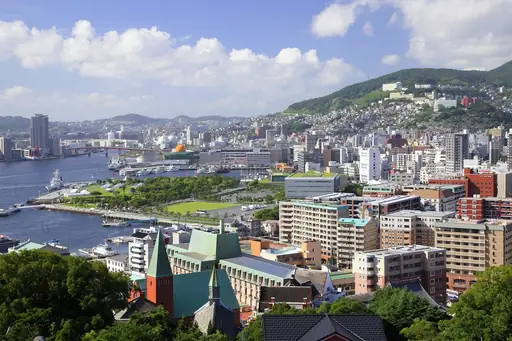
Hiroshima is the largest city in western Honshu and is best known as the first city hit by an atomic bomb near the end of World War II. It was rebuilt along the delta of the Ota River and today it's a modern, walkable city of trams and wide streets. Visitors can see the A-Bomb Dome, the Peace Memorial Museum and Hiroshima Castle, then ride the tram to the ferry for Miyajima. It's a calm and friendly place and the sights are close together, which makes it simple to cover in a day or two.

City in Japan
Climate zone: Humid subtropical

Humid subtropical: Warm temperate climates with hot, humid summers, mild winters and evenly distributed rainfall, common on eastern continental margins.

See climate table
Price level: $$$
$Cheap
$$Medium
$$$Expensive, upscale
$$$+Very expensive, luxury
See price details
Safety: 8.9
General Safety:9
Health & medical:9
Accessibility:8
Tap water:9
Read details
Tourist English: 3/5
In tourist areas, English is reasonably spoken, especially at hotels and major attractions. However, in smaller shops and local restaurants, English may be limited.
Last update: Oct 19, 2026
* We earn a commission from some links on this page.
Hiroshima Summary

These place ratings give you a quick overview of how well a destination matches different types of trips.

"Best for" scores:
The specific interest scores show where this place really shines – whether it's ideal for hiking, food & drink experiences, museums or other activities. These highlights help you understand what makes the destination special at a glance.

"Your personal" scores:
This reflects how well a place matches your personal preferences. You can adjust the importances of travel topics or other personal requirements categories in your account settings.

"Suited for" badges:
These give you a quick overview of how well a destination suits specific types of travelers, to help you find the places that match your lifestyle, preferences or travel situation.

Read how our scores work
Important for history and peace remembrance. Visit the Peace Memorial Park and museum, explore historic landmarks, try local food specialties and take short trips to nearby island temples.
Place score
8.4
Best at:
Spotless
9
Historic sites
9
Local cuisine
8
Museums
8
Large cities
7
Personal score
?
Log in to see how this place matches your personal travel interests.
Suited for
👶 8
Families
🧓 7
Seniors
🛡️ 9
Travel Beginners
👩 9
Solo
Japan – Quick facts
Power Grid: 100 V, 50 Hz
Plug: Type A
Type A:
Diagram of a Type A power plug

Read about power adapters
Currency: Japanese Yen (JPY)
$1 ≈ ¥158
Cashless info: Rating 4/5
Cashless payments are becoming more common, especially in cities, with some shops still preferring cash. Be prepared for occasional cash-only situations in rural areas.

Save with a travel credit card
eSIM providers: Best value: Saily
Flexibility: Airalo
Read our in-depth comparison
Tipping: Tipping is not customary in Japan and can be considered rude. Excellent service is the norm, and tipping is unnecessary in most places.
Public drinking: Public drinking is legal and commonly accepted, particularly during festivals and events.
Public smoking: Smoking is prohibited in indoor public places but allowed in designated outdoor areas. Some restaurants may have smoking sections.
New Year
(January)
One of the most important holidays, expect crowded temples and high prices. Plan ahead.
Golden Week
(April-May)
The busiest travel time, expect high demand for accommodation and transportation.
Obon
(August)
A time to honor ancestors, many businesses close, and transportation can be crowded.
Emergency contact: Emergency Number: 110 (Police), 119 (Fire & Ambulance)
Taxi apps: Uber, JapanTaxi, DiDi
Other: Japan is a country of respect, so understanding local customs and etiquette is important. Public transportation is efficient, but can be crowded during peak hours.
Best times to travel

The best times to travel section shows how the months compare for a visit, so you can find the time of year that fits what you want to do.

Background colors of the months:
The color shows the typical temperature: yellow (hot), green (mild) and blue (cold). How strong the color is shows the travel season: full color means high season, soft color means shoulder season and soft-striped means off season.

Weather symbols:
Each month has one symbol showing what the weather is typically like, such as hot and sunny, freezing or a rainy or snowy season. Use them to quickly spot months that match the weather you want, or to avoid the ones that don't.

Crowdedness:
The people icon shows how busy the place usually is. The more people, the more crowded it gets.

Additional notes:
The gray info boxes point out special things worth knowing, like recurring weather issues or seasonal events.

for Hiroshima, Japan
🌤️
Jan
🌤️
Feb
🌦️
Mar
🌦️
Apr
⛈️
May
⛈️
Jun
⛈️
Jul
🌦️
Aug
⛈️
Sep
🌤️
Oct
🌤️
Nov
🌤️
Dec
High season: April - May, Oct. - Nov.
Shoulder season: March
Crowdedness: 7 (Many tourists)
Tap on a month for more info Hover over a month for more info
Rainy season early June to mid July, typhoon season August to October
Peace Memorial Ceremony on August 6 at Peace Memorial Park, large crowds and heavy security
Golden Week (late April to early May) and Obon (mid August): Japanese domestic travel peaks, ferries and hotels fully booked

Why travel to Hiroshima?

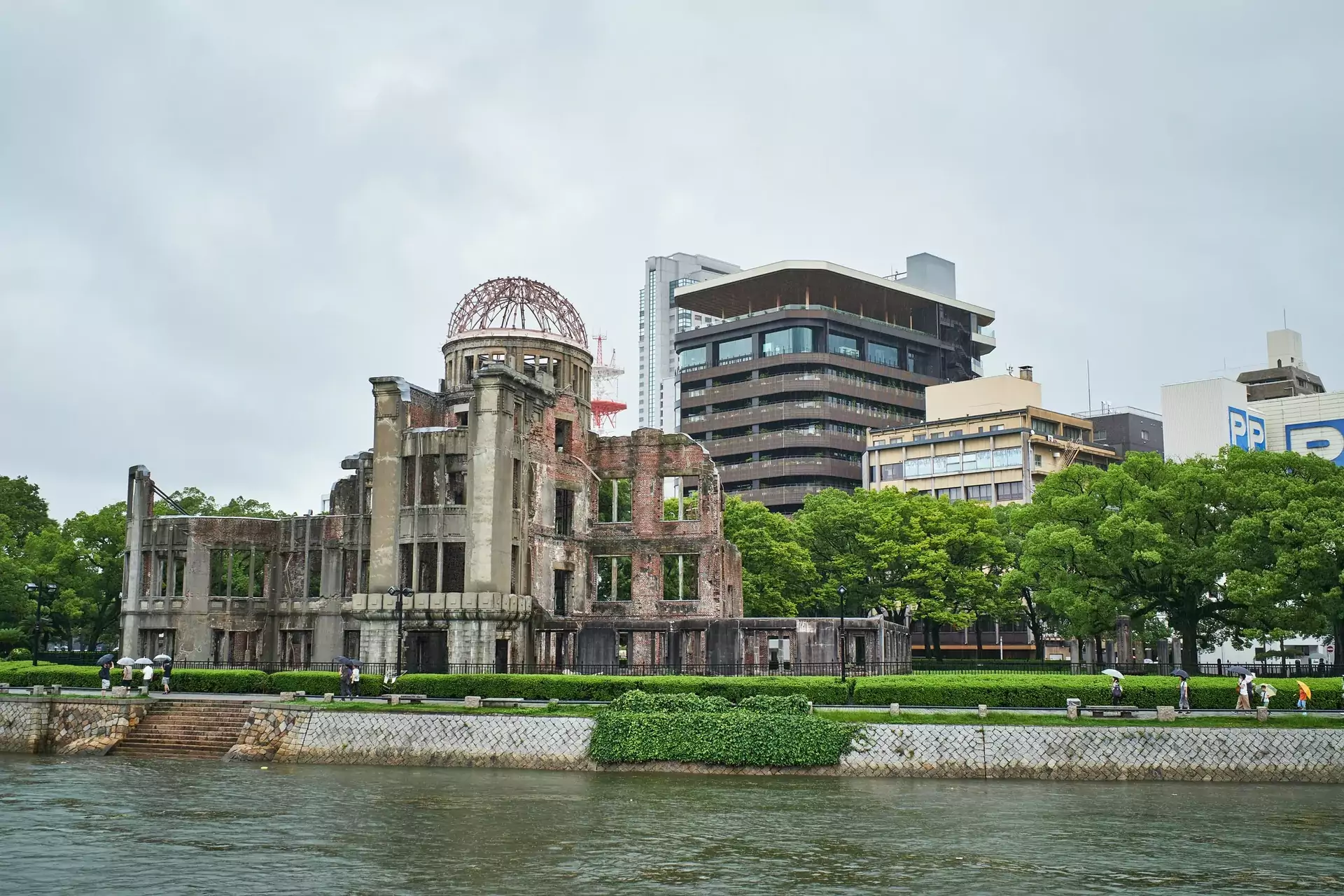
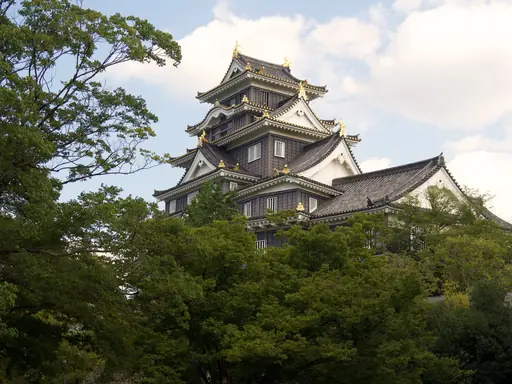
Hiroshima is known for its Peace Memorial Park. The A-Bomb Dome, the skeleton of a building left standing near the hypocenter, is a UNESCO World Heritage site and the park around it has the Cenotaph, the Peace Flame and the Children's Peace Monument. The Peace Memorial Museum nearby explains what happened through objects, photographs and survivors' accounts. It's a heavy but important visit and many people plan half a day around it. Lighter sights fill out the rest of the city. Hiroshima Castle is a rebuilt keep in the center while Shukkeien is a landscaped garden with small bridges and a pond. Hondori shopping arcade and the surrounding streets are busy with restaurants and bars. Food is a draw too, with a local style of okonomiyaki and oysters from Hiroshima Bay. Miyajima, a short train and ferry ride away, adds Itsukushima Shrine and its torii gate that appears to float at high tide. Most visitors give the city a full day and the island a half to full day. It also works as a stop between Osaka and Fukuoka on the Shinkansen line. Okunoshima and the Shimanami Kaido cycling route are other options nearby.

🏯Places worth seeing
  • 1 Hiroshima Castle
  • 2 Hiroshima Museum of Art
  • 3 Hiroshima City Museum of Contemporary Art
  • 4 Mazda Museum
  • 5 Hiroshima Peace Memorial Park
  • 6 Itsukushima
  • 7 Itsukushima Shrine
  • 8 Fudo-in Temple
  • 9 Atomic Bomb Dome
🎡Places for activities
  • 1 Fukuromachi Elementary School Peace Museum
  • 2 Hiroshima Peace Memorial Museum
  • 3 Hiroshima City Manga Library
  • 4 Mitaki-dera
  • 5 Yamato Museum
  • 6 Okonomi-mura
  • 7 Hiroshima Prefectural Art Museum
  • 8 Hiroshima Orizuru Tower
🏞️Natural landmarks
  • 1 Hijiyama Park
  • 2 Hiroshima Botanical Garden
  • 3 Shukkei Garden
  • 4 Momijidani Park
  • 5 Ujinajima Island
  • 6 Futabanosato Historical Walking Trail
  • 7 Seto Inland Sea National Park (Miyajima)
🛍️Shopping
  • 1 SOGO
  • 2 AEON MALL
  • 3 Omotesando shopping street
  • 4 Fukuya
  • 5 Sun Mall 立体駐車場
  • 6 shareo
  • 7 you me town
🍽️Eat & Drink
  • 1 Okonomiyaki Nagata-ya
    Nagata-ya serves Hiroshima-style okonomiyaki, built in layers with cabbage, pork, yakisoba noodles, egg and sauce, with optional local oyster toppings. It is at 1-7-19 Otemachi, a few minutes on foot from the Atomic Bomb Dome and Peace Memorial Park.
  • 2 Okonomimura
    Okonomimura is a multi-floor building of small specialist counters where visitors can try different versions of Hiroshima-style layered okonomiyaki. It is at 5-13 Shintenchi in central Hiroshima, near Hatchobori tram stop.
  • 3 Hassei
    Hassei is a compact, long-running restaurant known for carefully prepared Hiroshima-style okonomiyaki with noodles and generous cabbage. It is at 4-17 Fujimicho, around 10 minutes on foot from Chuden-mae tram stop.
  • 4 Kakiya
    Kakiya specializes in Hiroshima oysters served raw, grilled, fried, smoked and over rice, with seasonal set meals. It is on Omotesando shopping street on Miyajima, about 10 minutes on foot from the ferry terminal and Itsukushima Shrine.
  • 5 Kakifune Kanawa
    Kakifune Kanawa serves oyster-focused kaiseki and seafood meals aboard a traditional floating restaurant on the Motoyasu River. It is near the Atomic Bomb Dome, accessible from Motoyasu-bashi bridge.
  • 6 Anagomeshi Ueno Miyajimaguchi Main Store
    Ueno is a historic specialist in anagomeshi: grilled conger eel over rice seasoned with its savoury eel broth. It is at 1-5-11 Miyajimaguchi, directly beside Miyajimaguchi Station and the ferry approach to Miyajima.
  • 7 Ueno Miyajima Island Branch
    Ueno’s Miyajima branch serves anagomeshi in a more convenient setting for visitors already on the island. It is on Omotesando shopping street, within walking distance of Itsukushima Shrine.
  • 8 Tsuki Akari
    Tsuki Akari serves anagomeshi and seasonal Seto Inland Sea seafood in a relaxed Japanese dining setting. It is at 1-8-9 Otemachi, close to Peace Memorial Park and the Atomic Bomb Dome.
  • 9 Mitchan Sohonten Hatchobori Main Store
    Mitchan is one of Hiroshima’s best-known okonomiyaki names, serving layered pancakes with noodles, pork, egg and seafood options. Its Hatchobori main store is at 6-7 Hatchobori, near Hatchobori tram stop.
  • 10 Ramen Ippuku
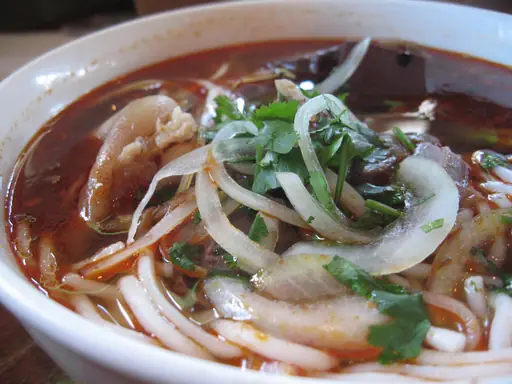
    Ippuku serves Hiroshima-style ramen, a mild pork-and-soy broth with thin noodles, pork, bean sprouts and green onion. It is near the Hiroshima Station area, convenient for a casual local meal before onward travel.
🎈Events
  • Hiroshima Peace Memorial Ceremony (August 6)
  • Hiroshima Flower Festival (May)
  • Miyajima Water Fireworks Festival (August)
  • Sake Matsuri (October)
  • Toka Ebisu Festival (January)
  • Hiroshima International Animation Festival
  • Hiroshima Dreamination (Winter Illumination)
  • Hiroshima Castle Cherry Blossom Festival (April)
  • Hiroshima Port Festa

Knowledge before you go

  • Reserve museum tickets online since daytime visits get very crowded.
  • Admission to the Peace Memorial Museum is ¥200 ($1.26) for adults and free for junior high students and younger.
  • Hiroshima okonomiyaki layers noodles, cabbage and egg instead of mixing them, so watch it cooked on the griddle.
  • The A-Bomb Dome is lit after dark and the Peace Park is far quieter in the evening than during the day.

How to travel to Hiroshima

The Sanyo Shinkansen stops at Hiroshima Station, which makes the train the easiest way to arrive. From Tokyo the fastest Nozomi trains take about 4 hours. From Kyoto they take under 2 hours, from Osaka about 1.5 hours and from Fukuoka's Hakata about 1 hour. The airport (HIJ) is about 31 mi from the city and an airport bus takes around 50 minutes to the station. Flights from Tokyo take about 1.5 hours, but the airport's distance means the Shinkansen is often as quick door to door. Highway buses link Hiroshima with Osaka, Kyoto, Tokyo and Fukuoka on overnight and daytime services. By car, Osaka is roughly 4 to 5 hours along the expressways. Ferries cross from Hiroshima Port to Matsuyama on Shikoku.

Access summary

  • From Hiroshima Airport (HIJ): Limousine buses to Hiroshima Station, about 45–55 minutes.
  • From Osaka: Sanyo Shinkansen to Hiroshima Station, usually around 1.5–2 hours.
  • From Fukuoka: Sanyo Shinkansen from Hakata to Hiroshima, typically about 1–1.25 hours.

Where to stay in Hiroshima

Hiroshima has a good range of business hotels and mid-range hotels, with the largest choice near Hiroshima Station and around the Hondori and Kamiyacho areas. Hotels near the station suit early Shinkansen departures and the tram stop beside it. Kamiyacho and Hondori put you in the middle of the shops, restaurants and nightlife and a short walk from the Peace Park. The waterfront and Peace Park area has a few quieter hotels with river views. Miyajima has traditional ryokan and small inns, which are pricier and fill quickly but let you see the shrine after the day trippers leave. Prices rise during Golden Week, weekends in baseball season and around August 6, when the memorial ceremony draws visitors. Book early then. Staying in Hiroshima and visiting Miyajima in a day trip is the simplest plan.

How to get around Hiroshima

Trams are the easiest way to get around central Hiroshima.

Trams:
Hiroden runs several lines that cover the center and the waterfront.
The tram stops on the second floor of Hiroshima Station. Lines 2 and 6 from the station reach the A-Bomb Dome stop in about 10 to 12 minutes. IC cards work on trams and a day pass is available if you plan several rides.

Buses and walking:
The Meipuru-pu sightseeing loop bus also circles the main sights from the station.
The Peace Park, the castle and the Hondori arcade are all walkable from each other. Taxis are plentiful and fair for short trips.

To Miyajima:
A JR train from Hiroshima Station to Miyajima-guchi takes about 25 minutes, followed by a ferry of around 10 minutes.
The tram is slower but runs straight from the city. A car isn't needed here and parking in the center is scarce.

Food in Hiroshima

Local food in Hiroshima is mostly okonomiyaki, oysters and noodles. Restaurants cluster around Hondori, Kamiyacho and Hiroshima Station while convenience stores and department store food halls are everywhere. Vegetarians should ask about ingredients since okonomiyaki and oysters aren't vegetarian and many broths use fish stock.

Okonomiyaki:
The Hiroshima style is built in layers rather than mixed.
Okonomimura, a multi-floor building of small okonomiyaki counters, is a popular place to try it.

Oysters and Miyajima:
Oysters from Hiroshima Bay appear grilled, fried and in hot pots, especially in winter.
Miyajima has grilled oysters, anago (conger eel) over rice and momiji manju, maple leaf shaped cakes with sweet fillings.

Tsukemen and sake:
Tsukemen in Hiroshima style comes with a spicy dipping sauce.
Sake from nearby Saijo is a regional specialty.

Budget snapshot
Costs compared to home

We calculate the average costs when traveling to destinations and compare those with the living costs at your home. With this you can get an estimate of how expensive or cheap the destination is for you.

To customize this, you can set up which location and price level are used for the calculations in your account settings.

-51 %
Daily expenses in Hiroshima are around 51% lower than the average across United States. That means you'll spend a lot less on meals and getting around.
Exchange rate trend

The exchange rate price factor shows how expensive or cheap a currency currently is compared to its historical average. It's a quick way to see if a country is currently more or less affordable due to exchange rate changes.

-17 %
Your exchange rate (USD to JPY) is 17% better than in recent years. That means traveling now is considerably cheaper compared to the past.

Travel costs

To help you plan your trip, we provide estimated daily costs per person (when traveling as a pair) for different travel styles. These numbers give you an idea of what you might spend each day at this destination, including accommodation, food, transport and activities.

Additionally, we also provide average hotel costs for different travel styles to give you an estimate for the accommodation only.

Please note that these are only estimates. The real costs depend on booking times, season and other factors.

Daily cost summary

Travel style categories explained:

Backpacker:
Staying in hostels or budget hotels, cooking your own meals or eating cheap and choosing low-cost activities.

Mid-range:
Staying in mid-range hotels, eating at a mix of restaurants and casual spots and enjoying a variety of activities.

Luxury:
Staying in luxury hotels, dining out at high-end restaurants and enjoying premium experiences without worrying about the price.

Backpacker Mid-range Luxury
💵 Total costs per day, including accommodation
$54
$120
$306
🏨 Accommodation per night, per person
$25
$70
$150
🍝 Food per day
$21
$42
$126
🚕 Transportation per day
$7
$8
$30
Food & Drink
🍽️ Restaurant Dinner, per person
$16
🍛 Lunch Set, per person
$6
🍟 Fast food combo
$4.60
🍝 Preparing your own food, per day
$8.50
☕ Cappuccino
$2.80
🍺 Beer in a restaurant, 0.5 l / 16 oz
$2.80
Transportation
🚌 Public transport ticket
$1.80
🚕 Taxi Ride, 10 km / 6 mi
$18
⛽ Gas, 1 l / ¼ gal
$1.10
Other
🎞️ Movie ticket
$12.50
👩‍⚕️ Doctor's consult
$13
🤧 Cold medication
$11.50
💇 Basic haircut
$6.50

Safety information overview

General safety
9
Hiroshima is very safe, with low crime and calm streets even late at night around the station and Hondori. Typhoons in late summer and heavy rain in June and July can bring flooding or landslides in the hills. Earthquakes are possible but uncommon.
Health & Medical
9
Hiroshima has many hospitals, clinics and pharmacies, including large university and city hospitals. English-speaking care is limited, so travel insurance is worth having. Summers are hot and humid, which makes heatstroke the main health risk on long sightseeing days.
Accessi­bility
8
Central Hiroshima is flat and the Peace Park, tram stops and many hotels are step-free. Low-floor trams and station elevators help. The castle keep and the shrine area on Miyajima involve stairs and gravel paths, so allow extra time there.
Tap water
9
Tap water in Hiroshima is safe to drink, as in the rest of Japan. Vending machines and convenience stores sell bottled water and tea on almost every block. Refilling a bottle at your hotel is the easiest option on hot summer days.

Looking for inspiration?

Discover
Top street food cities and local culinary markets
The best street food destinations treat the cart, stall, or hawker counter as a serious culinary format rather than a budget substitute for a real meal. In cities with strong…
Read more
Discover
Best couple vacation destinations in Asia
Asia is perfect for couples who want their holiday to feel like a shared adventure rather than just a change of scenery. Few continents offer so many ways to be amazed together.…
Read more
Discover
Top cruise destinations and major routes
Cruise travel has evolved considerably beyond its traditional demographic and now encompasses everything from large resort ships carrying thousands of passengers to small…
Read more
Discover
Best destinations for first-time travelers in Asia
Asia has one of the best established beginner travel routes anywhere, largely because so many first time travelers have worn the path before you. Southeast Asia in particular…
Read more
Discover
Best street food destinations in Asia
Walk through almost any city in Asia after dark and the real dinner rush is often happening on the sidewalk rather than inside a restaurant. Southeast Asia has some of the…
Read more
Discover
Top museum destinations and cultural institutions
Museum travel has developed a dedicated following built around the world's great permanent collections, blockbuster exhibition programmes and the architecturally significant…
Read more
Discover
Best couple vacation destinations
Travelling as a couple sounds simple enough, yet the best couple vacation destinations mean something different to almost every pair. What feels romantic to one couple can feel…
Read more
Discover
Best travel destinations for seniors in Asia
Asia offers some of the most senior friendly infrastructure anywhere, alongside destinations that still call for a bit more independence and stamina. Japan in particular stands…
Read more
Discover
Top historical destinations and historic sites
The most compelling history destinations are places where the past is still physically present and legible in the landscape, the architecture and the daily life of the people who…
Read more
Discover
Best destinations to visit in March in Asia
Asia moves quickly toward warmer weather in March, though how warm depends heavily on where you land. Southeast Asia heats up fast this month, edging toward its hottest stretch…
Read more
Discover
Best cruise destinations in Asia
Asia's cruise offer ranges from the established port-hopping itineraries of Southeast Asia and the river cruising networks of the great continental waterways to the remote…
Read more
Discover
Best destinations for first-time travelers
A first trip abroad works best somewhere that eases you in, rather than throwing every possible culture shock and logistical headache at you at once. Some first-time travelers…
Read more
Discover
Best museum destinations in Asia
Asia's museum offer encompasses one of the world's most diverse ranges of cultural traditions, artistic languages and historical periods, with institutions across the continent…
Read more
Discover
Best historical destinations in Asia
Asia's historical depth is staggering, encompassing some of the oldest continuous civilisations on earth and a range of empires, belief systems and cultural traditions that have…
Read more
Discover
Top food destinations and culinary hotspots
Food travel has matured into a sophisticated circuit built around the world's great culinary traditions, restaurant destinations and producer landscapes that offer experiences…
Read more
Feedback
