
Last update: Oct 20, 2026
* We earn a commission from some links on this page.
Japan Summary
These place ratings give you a quick overview of how well a destination matches different types of trips.
"Best for" scores:
The specific interest scores show where this place really shines – whether it's ideal for hiking, food & drink experiences, museums or other activities. These highlights help you understand what makes the destination special at a glance.
"Your personal" scores:
This reflects how well a place matches your personal preferences. You can adjust the importances of travel topics or other personal requirements categories in your account settings.
"Suited for" badges:
These give you a quick overview of how well a destination suits specific types of travelers, to help you find the places that match your lifestyle, preferences or travel situation.
Suited for
Japan – Quick facts
| Power Grid: |
100 V, 50 Hz Plug: Type A
Type A:
 Read about power adapters |
|---|---|
| Currency: |
Japanese Yen (JPY) $1 ≈ ¥158 |
| Cashless info: |
Rating 4/5
Cashless payments are becoming more common, especially in cities, with some shops still preferring cash. Be prepared for occasional cash-only situations in rural areas.
Save with a travel credit card |
| eSIM providers: |
Best value: Saily Flexibility: Airalo Read our in-depth comparison |
| Tipping: | Tipping is not customary in Japan and can be considered rude. Excellent service is the norm, and tipping is unnecessary in most places. |
|---|---|
| Public drinking: | Public drinking is legal and commonly accepted, particularly during festivals and events. |
| Public smoking: | Smoking is prohibited in indoor public places but allowed in designated outdoor areas. Some restaurants may have smoking sections. |
| New Year (January) |
One of the most important holidays, expect crowded temples and high prices. Plan ahead. |
|---|---|
| Golden Week (April-May) |
The busiest travel time, expect high demand for accommodation and transportation. |
| Obon (August) |
A time to honor ancestors, many businesses close, and transportation can be crowded. |
| Emergency contact: | Emergency Number: 110 (Police), 119 (Fire & Ambulance) |
|---|---|
| Taxi apps: | Uber, JapanTaxi, DiDi |
| Other: | Japan is a country of respect, so understanding local customs and etiquette is important. Public transportation is efficient, but can be crowded during peak hours. |
Best times to travel
The best times to travel section shows how the months compare for a visit, so you can find the time of year that fits what you want to do.
Background colors of the months:
The color shows the typical temperature: yellow (hot), green (mild) and blue (cold). How strong the color is shows the travel season: full color means high season, soft color means shoulder season and soft-striped means off season.
Weather symbols:
Each month has one symbol showing what the weather is typically like, such as hot and sunny, freezing or a rainy or snowy season. Use them to quickly spot months that match the weather you want, or to avoid the ones that don't.
Crowdedness:
The people icon shows how busy the place usually is. The more people, the more crowded it gets.
Additional notes:
The gray info boxes point out special things worth knowing, like recurring weather issues or seasonal events.
for Japan, Japan
Climate varies by region: Hokkaido best for skiing in winter and hiking in summer, Okinawa for beaches May to October, Tokyo, Kyoto and Osaka for sightseeing spring and autumn
Cherry blossoms bloom from late March in the south to late April in the north; autumn leaves peak late October to early December
Golden Week (late April to early May) and Obon (mid August) bring crowded transport and fully booked hotels
Don't miss
- 🏔️ See Mount Fuji reflect on Lake Kawaguchi at sunrise
- 🚶🏻 Walk the iconic Shibuya Crossing and feel Tokyo’s pulse
- 🏯 Admire Kyoto’s golden Kinkaku-ji Pavilion shimmering in sunlight
- 🚄 Ride the high-speed Shinkansen bullet train across the country
- ♨️ Soak in a traditional outdoor onsen surrounded by nature
- 🍣 Enjoy fresh sushi at Tokyo’s Toyosu Fish Market
You've been here?
Log in to manage your own bucket list! Why travel to Japan?
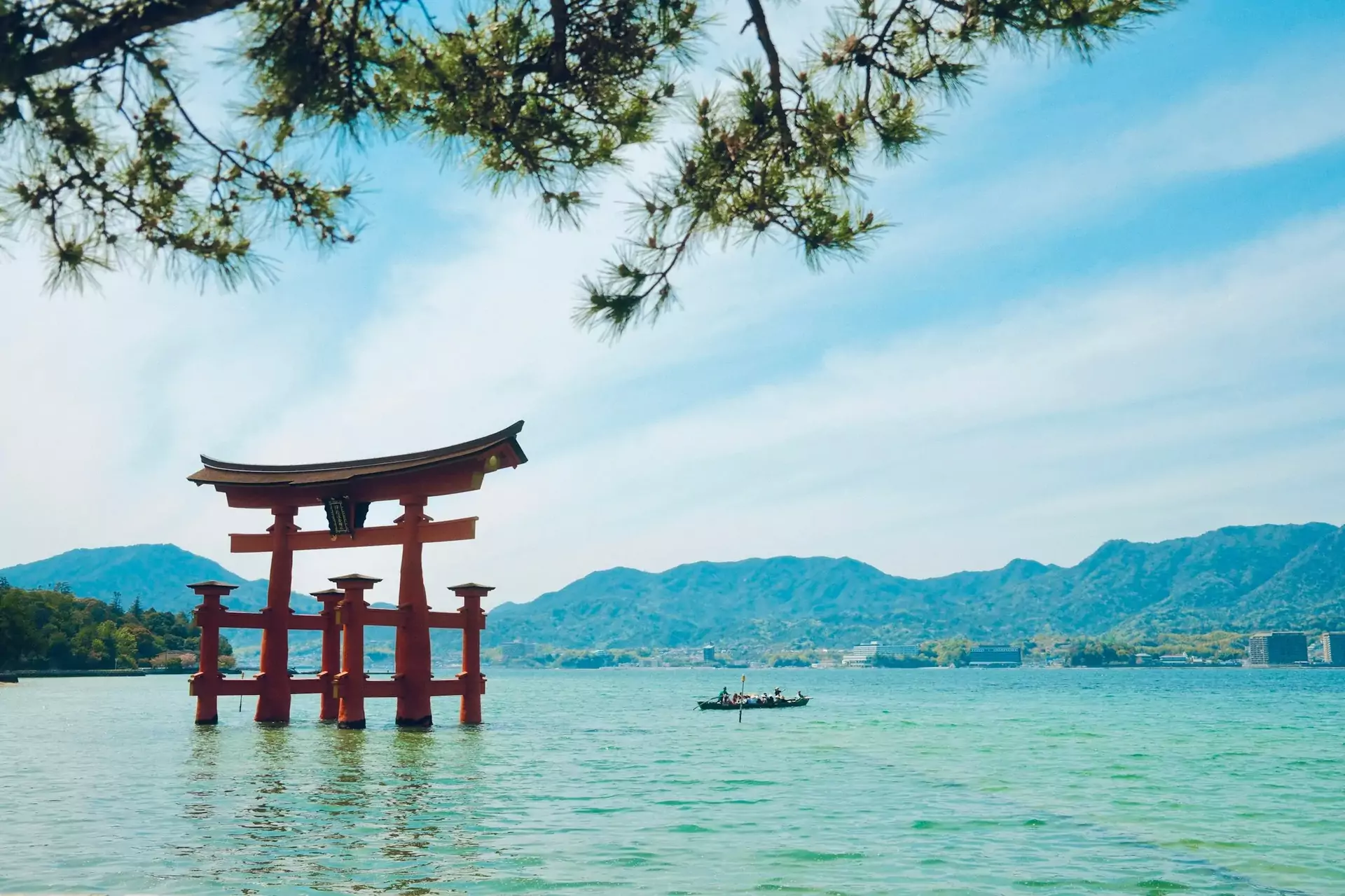
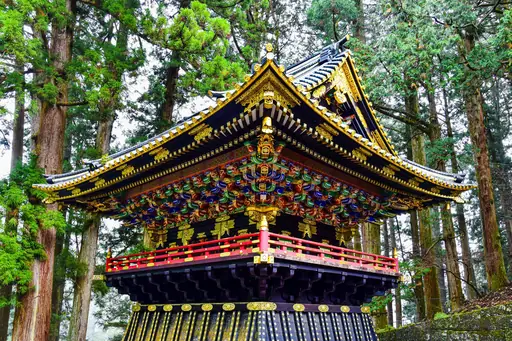
Japan has very different experiences in one trip. Tokyo and Osaka have huge city districts, food streets and shopping while Kyoto and Nara have temples and traditional streets. Mt. Fuji, Daisetsuzan National Park, Shiretoko and the Kumano Kodo cover the nature and pilgrimage side. Hot spring areas such as Hakone, Beppu, Yufuin and Kusatsu make a soak part of the route. The seasons change the trip. Cherry blossom viewing, skiing at Niseko and Hakuba and autumn color each give a reason to come in a different month. Food is a trip in itself, from sushi and yakitori to regional dishes and boxed station meals called ekiben. Food cities such as Fukuoka, Osaka, Sapporo and Kanazawa are worth planning around. Most first trips link Tokyo, Kyoto and Osaka by shinkansen, with Hiroshima or Fukuoka as easy extra legs by bullet train. Hokkaido and Okinawa need a flight and each deserves several days. Ten days covers the classic route while two weeks leaves time for one more region such as Kyushu or Hokuriku. Temple stays in places like Nikko, Nara and Kyoto add a quieter side to the trip. Islands such as Yakushima, Ishigaki and Sado reward those who have more time.
🏙️Cities & Regions
-
1
Tokyo
Japan's capital on Tokyo Bay, a huge city made up of distinct districts that each feel like their own town. Old temples, neon crossings, tall towers and food at every price are only a short train ride apart. -
2
Kyoto
Japan's imperial capital for over a thousand years, with UNESCO-listed temples, geisha districts, Zen gardens and some of the country's finest cooking. Tokyo is about 2 hours 15 minutes away by Shinkansen and Osaka just 15 minutes. -
3
Osaka
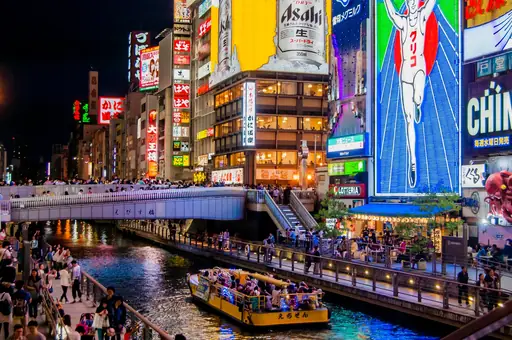
A commercial hub in Japan's Kansai region, known for its castle, the neon canal street of Dotonbori and a food culture built on takoyaki and okonomiyaki. Kyoto is 15 minutes away by Shinkansen, so Osaka works well as a base. -
4
Hiroshima
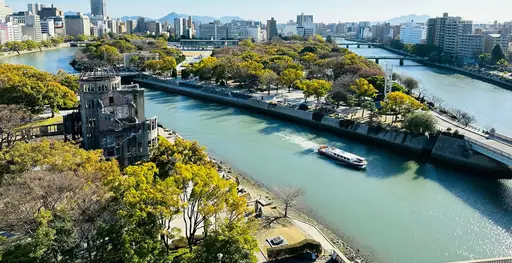
A rebuilt river city in western Japan, known worldwide for its Peace Memorial Park and the A-Bomb Dome. It also has a castle, a layered local okonomiyaki and a ferry to Miyajima's famous shrine, all within an easy day. -
5
Nara
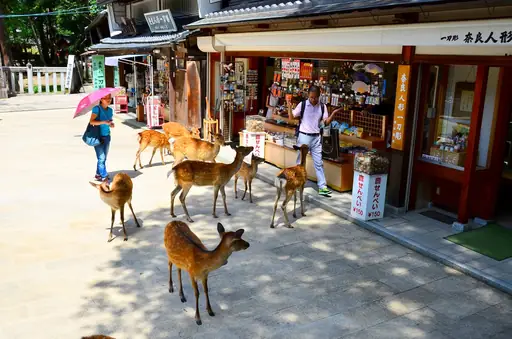
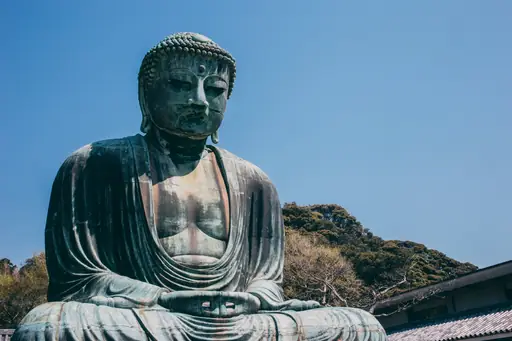
An early capital of Japan, with Todai-ji's enormous bronze Buddha and a park where more than a thousand deer roam freely. Kyoto and Osaka are 30 to 55 minutes away by train, so Nara works well as a day trip. -
6
Yokohama
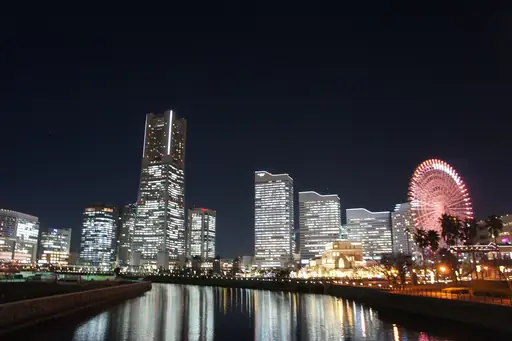
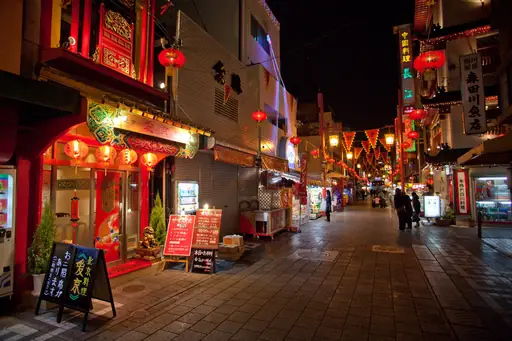
Japan's second-largest city, on Tokyo Bay about 30 minutes from central Tokyo by train. The harbor area has a modern skyline, the country's largest Chinatown, a seaside park and red brick warehouses within walking distance of each other. -
7
Fukuoka
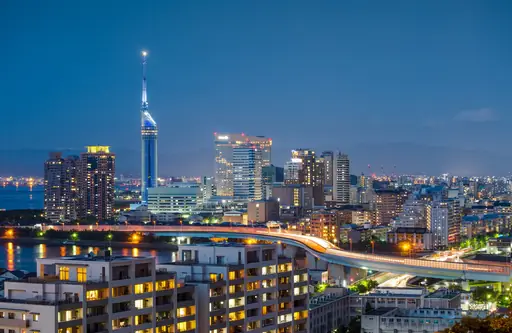
A city on Kyushu's north coast, formed from a samurai castle town and a merchant port. It's known for evening yatai food stalls, Hakata ramen and an airport only five minutes from the main train station by subway. -
8
Nagoya
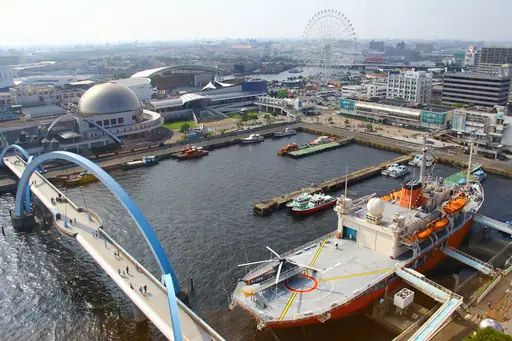
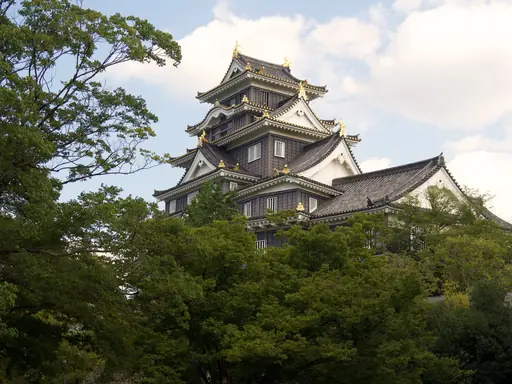
A big Aichi Prefecture city midway between Tokyo and Osaka, known for its castle, the Toyota story and a food scene called Nagoya meshi. Kyoto is about 35 minutes away by Shinkansen, so Nagoya also suits a stopover. -
9
Kanazawa
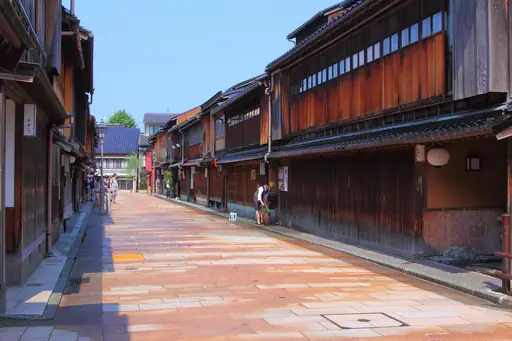
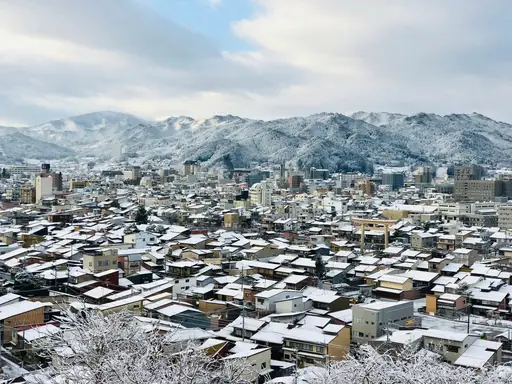
A castle city on the Sea of Japan coast with one of Japan's great gardens, preserved samurai and geisha districts and a fresh seafood market. The Shinkansen from Tokyo takes about 2.5 hours, so Kanazawa suits a two day stop. -
10
Sapporo
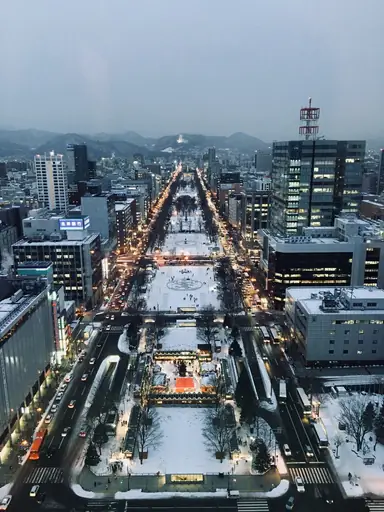
Hokkaido's largest city, laid out on a tidy grid around Odori Park with snowy winters and green summers. Miso ramen, soup curry, fresh seafood and cold beer make it a food-first stop in the north of Japan.
🏯Places worth seeing
🎡Places for activities
🏞️Natural landmarks
🍽️Eat & Drink
-
1
Nihonryori RyuGin
RyuGin presents modern Japanese kaiseki centered on seasonal ingredients and meticulous technique. It is in Hibiya, Chiyoda City, Tokyo, near Hibiya Park and Tokyo Midtown Hibiya. -
2
L’Effervescence
L’Effervescence creates ingredient-led contemporary French cuisine with strong Japanese influences and a sustainability focus. It is in Nishiazabu, Minato City, Tokyo, close to Omotesando and the Nezu Museum. -
3
Sazenka
Sazenka interprets Chinese cuisine through Japanese seasonal ingredients and tea culture in a refined tasting-menu format. It is in Minami-Azabu, Minato City, Tokyo, near Hiro-o and Arisugawa-no-miya Memorial Park. -
4
Myojaku
Myojaku serves precise contemporary Japanese cuisine rooted in seasonality and traditional culinary methods. It is in Minami-Azabu, Minato City, Tokyo, in the quiet residential area near Hiro-o. -
5
Kanda
Kanda offers intimate kaiseki dining focused on seasonal Japanese ingredients and understated presentation. It is in Moto-Azabu, Minato City, Tokyo, near Roppongi Hills and the Azabu-Juban district. -
6
Kikunoi Honten
Kikunoi Honten is a Kyoto kaiseki institution serving seasonal multicourse cuisine shaped by tea-ceremony traditions. It is in Higashiyama Ward, Kyoto, near Maruyama Park and Yasaka Shrine. -
7
Mizai
Mizai offers highly sought-after Kyoto kaiseki in an exclusive, seasonal tasting-menu format. It is within Maruyama Park in Higashiyama Ward, Kyoto, close to Yasaka Shrine and Chion-in Temple. -
8
Hyotei
Hyotei is a historic Kyoto restaurant known for formal kaiseki cuisine and its renowned soft-boiled egg course. It is in Nanzenji Kusakawacho, Sakyo Ward, Kyoto, near Nanzen-ji Temple and the Philosopher’s Path. -
9
HAJIME
HAJIME serves highly conceptual contemporary French cuisine, combining exacting technique with Japanese ingredients and visual storytelling. It is in Edobori, Nishi Ward, Osaka, near Higobashi Station and the Nakanoshima riverside. -
10
Taian
Taian serves innovative Japanese cuisine in an intimate counter setting, emphasizing seasonality and finely calibrated flavour. It is in Shinsaibashi, Chuo Ward, Osaka, near Dotonbori and the city’s main central dining district.
🎈Events
-
Cherry Blossom Season (late March-April 2025)
-
Osaka World Expo (April 13-October 13, 2025)
-
Kanda Festival in Tokyo (May 10-11, 2025)
-
Aoi Festival in Kyoto (May 15, 2025)
-
Gion Matsuri in Kyoto (July 2025)
-
Jingu Gaien Fireworks Festival (August 2025)
-
Fukagawa Hachiman Festival (August 15, 2025)
-
Tokyo World Athletics Championships (September 13-21, 2025)
-
Autumn Leaf Viewing (October-November 2025)
-
Setouchi Triennale Art Festival (Spring session: April 18-May 25, 2025)


Knowledge before you go
- Carry some cash because small shops and some taxis don't take cards.
- Get a Welcome Suica or Tourist PASMO since they need no deposit and work on trains and buses.
- Install the Safety Tips app to get push alerts for earthquakes and tsunamis while you travel.
- Save the 24 hour Japan Visitor Hotline, 050-3816-2787, for English help with illness, accidents or disasters.
How to travel to Japan
Most international visitors land at Narita or Haneda near Tokyo or at Kansai International Airport near Osaka. Narita is about an hour by express train from Tokyo and Haneda reaches central Tokyo in under half an hour. Kansai is about 50 minutes from Shin-Osaka and 75 minutes from Kyoto Station. Fukuoka, Naha, Nagoya and Sapporo's New Chitose also handle international flights. Ferries run from Busan to Fukuoka in about 3 hours 40 minutes and overnight from Busan to Osaka, with a weekly sailing from Shanghai taking about three days. Japan has visa exemption arrangements with 74 countries and regions, usually for stays of up to 90 days. Check the foreign ministry's list and your passport conditions before booking.
Access summary
- Tokyo: Fly to Haneda (HND) or Narita (NRT); rail, buses in.
- Kansai (Osaka/Kyoto): Fly to Kansai (KIX); JR trains to cities.
- Hokkaido/Okinawa: Fly domestically via Tokyo or Osaka; frequent connecting flights.
Check your route from anywhere
Where to stay in Japan
Choose bases by region instead of changing hotels every night. Tokyo works as a first base for day trips toward Mt. Fuji and Hakone while Kyoto suits temples and traditional streets with Nara and Osaka within easy reach. Osaka has the best nightlife and food and is close to Kansai Airport. Hiroshima and Fukuoka are practical stops on the western bullet train line. Sapporo is the natural base for Hokkaido and Naha for Okinawa. Hot spring towns have ryokan stays with dinner and breakfast, which are worth a night or two for the experience. Business hotels are the budget standard in cities. Book early for cherry blossom season, Golden Week, Obon and the autumn foliage weeks.
Hotel recommendations
*by rating and popularity. Commissions have no influence on the rankings.

Hotel Nikko Kansai Airport

Hotel Hankyu RESPIRE OSAKA

APA Hotel & Resort Yokohama Bay Tower

Hotel Villa Fontaine Grand Haneda Airport

APA Hotel & Resort Tokyo Bay Makuhari

Vessel Hotel Campana Okinawa

Hotel Nikko Osaka

Hotel Gracery Shinjuku

Keio Plaza Hotel Tokyo

Shinjuku Washington Hotel - Main Building
How to get around Japan
Trains are the backbone of travel, with flights, buses and rental cars filling the gaps.
Shinkansen:
The Tokaido shinkansen links Tokyo with Kyoto in a little over two hours while the Sanyo line continues on to Hiroshima and Hakata in Fukuoka. Kyoto to Hakata takes under three hours by Nozomi.
Cards and passes:
Rechargeable IC cards such as Suica and PASMO work on trains, buses and boats nationwide and in many shops. The Japan Rail Pass comes in 7, 14 and 21 day versions but Nozomi and Mizuho trains need a special ticket.
Flights and buses:
Domestic flights reach Hokkaido, Okinawa and Kyushu and Naha is the gateway for island hopping by ferry or plane. Highway buses run day and night.
Cars and taxis:
Rental cars suit rural areas but visitors need an international driving permit or an approved license translation. Some taxis take cards so carry cash.
Food in Japan
Japan's food changes from region to region. Sushi, yakitori, ramen and tempura are found everywhere, while each area adds its own dishes, from Sapporo's seafood to Osaka's street food in Dotonbori and Fukuoka's food stalls. Regional boxed meals called ekiben are sold at stations while sake and Japanese whisky are widely available. Convenience stores sell good quick meals. Many dishes use fish stock, so vegetarians and people with allergies should ask in advance or look for places that cater to them. Some small restaurants take cash only. In ryokan you eat the set dinner at a fixed time, so tell the inn about allergies when booking.
Budget snapshot
Costs compared to home
We calculate the average costs when traveling to destinations and compare those with the living costs at your home. With this you can get an estimate of how expensive or cheap the destination is for you.
To customize this, you can set up which location and price level are used for the calculations in your account settings.
Daily expenses in Japan are around 43% lower than the average across United States. That means you'll spend a lot less on meals and getting around.
Exchange rate trend
The exchange rate price factor shows how expensive or cheap a currency currently is compared to its historical average. It's a quick way to see if a country is currently more or less affordable due to exchange rate changes.
Your exchange rate (USD to JPY) is 17% better than in recent years. That means traveling now is considerably cheaper compared to the past.
Travel costs
To help you plan your trip, we provide estimated daily costs per person (when traveling as a pair) for different travel styles. These numbers give you an idea of what you might spend each day at this destination, including accommodation, food, transport and activities.
Additionally, we also provide average hotel costs for different travel styles to give you an estimate for the accommodation only.
Please note that these are only estimates. The real costs depend on booking times, season and other factors.
Daily cost summary
Travel style categories explained:
Backpacker:
Staying in hostels or budget hotels, cooking your own meals or eating cheap and choosing low-cost activities.
Mid-range:
Staying in mid-range hotels, eating at a mix of restaurants and casual spots and enjoying a variety of activities.
Luxury:
Staying in luxury hotels, dining out at high-end restaurants and enjoying premium experiences without worrying about the price.
| Backpacker | Mid-range | Luxury | |
|---|---|---|---|
| 💵 Total costs per day, including accommodation | |||
| 🏨 Accommodation per night, per person | |||
| 🍝 Food per day | |||
| 🚕 Transportation per day |
Food & Drink
| 🍽️ Restaurant Dinner, per person | |
|---|---|
| 🍛 Lunch Set, per person | |
| 🍟 Fast food combo | |
| 🍝 Preparing your own food, per day | |
| ☕ Cappuccino | |
| 🍺 Beer in a restaurant, 0.5 l / 16 oz |
Transportation
| 🚌 Public transport ticket | |
|---|---|
| 🚕 Taxi Ride, 10 km / 6 mi | |
| ⛽ Gas, 1 l / ¼ gal |
Other
| 🎞️ Movie ticket | |
|---|---|
| 👩⚕️ Doctor's consult | |
| 🤧 Cold medication | |
| 💇 Basic haircut |
Safety information overview
General safety
Japan is very safe for travelers, with low street crime, but the main risks are natural, including earthquakes, tsunamis and typhoons. Know the emergency numbers 110 for police and 119 for ambulance and fire and follow local instructions during any alert.
Health & Medical
Medical care is high quality but visitors pay for treatment themselves, so travel insurance is strongly advised. English-speaking staff are limited outside big cities. A national list of medical institutions can be searched by language and department. Unpaid bills can affect future entry.
Accessibility
Big stations in major cities usually have elevators and accessible toilets while many temples, castles and rural areas involve steps and gravel. Ask station staff for help with ramps and avoid rush hour trains, which are crowded. Check each sight in advance.
Tap water
Tap water is safe to drink across most of Japan and utilities must meet national drinking water quality standards, so there's no need to buy bottled water. Most restaurants serve tap water free. Bottled water is also sold in vending machines and convenience stores.
Packing recommendations for Japan
Log in to add this place to a travel list and get a summary of all recommended items for your whole trip.
📷
Camera
👟
Comfortable walking shoes
🧥
Rain jacket
umbrella or raincoat
☂️
Folding umbrella
umbrella or raincoat
🧼
Hand sanitizer
👛
Cash in small denominations
🔋
Power bank
🩹
Basic first aid kit
📃
Travel insurance
🪪
Copies of passport and important documents
📱
Translation app or phrasebook
📱
Travel eSIM
🔌
Universal power adapter
Type A/B plugs
🩺
Prescription medication
💳
Credit card with no foreign transaction fees
🛂
Passport
Related articles & guides for Japan



Nearby recommended places

Looking for inspiration?

Discover
Best couple vacation destinations
Travelling as a couple sounds simple enough, yet the best couple vacation destinations mean something different to almost every pair. What feels romantic to one couple can feel…
Read more

Discover
Best destinations for first-time travelers
A first trip abroad works best somewhere that eases you in, rather than throwing every possible culture shock and logistical headache at you at once. Some first-time travelers…
Read more

Discover
Top solo travel destinations and safe hubs
Traveling alone sounds like a bigger deal than it is. The first day feels strange – eating dinner by yourself, navigating without someone to double-check the map with, making every…
Read more

Discover
Best travel destinations for seniors
Senior travel covers a wide range, from slow, low effort trips built around comfort to more independent trips for travelers who still want to cover plenty of ground. Some…
Read more
Discover
Best couple vacation destinations in Asia
Asia is perfect for couples who want their holiday to feel like a shared adventure rather than just a change of scenery. Few continents offer so many ways to be amazed together.…
Read more
Discover
Best destinations for first-time travelers in Asia
Asia has one of the best established beginner travel routes anywhere, largely because so many first time travelers have worn the path before you. Southeast Asia in particular…
Read more

Discover
Best solo travel destinations in Asia
Asia is where most solo travelers figure out they can actually do this. The backpacker trails through Southeast Asia have been running for decades, and the infrastructure along…
Read more

Discover
Top historical destinations and historic sites
The most compelling history destinations are places where the past is still physically present and legible in the landscape, the architecture and the daily life of the people who…
Read more
Discover
Extraordinary natural wonders and scenic landscapes
Natural wonders occupy a different category from other travel destinations. They are places where the scale, the geology, the light or the sheer improbability of what exists there…
Read more
Discover
Best travel destinations for seniors in Asia
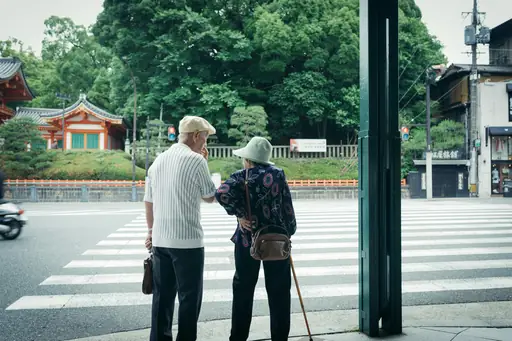
Asia offers some of the most senior friendly infrastructure anywhere, alongside destinations that still call for a bit more independence and stamina. Japan in particular stands…
Read more

Discover
Top hot springs destinations and thermal resorts
Hot spring travel sits at the intersection of natural landscape, geological spectacle and bathing culture, with the world's most rewarding destinations combining accessible thermal…
Read more
Discover
Traditional Japanese onsen towns and hot springs
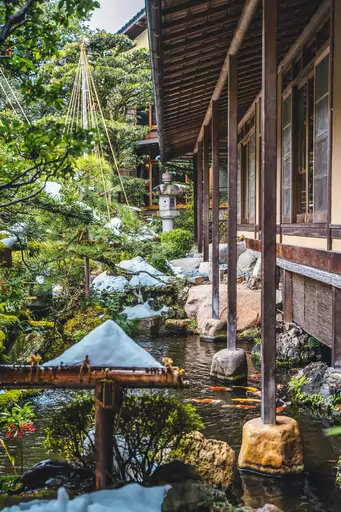
Japan has a relationship with hot spring bathing that goes back more than a thousand years, and the culture that has grown up around it is unlike anything found elsewhere. An onsen…
Read more
Discover
Top rural retreat destinations and countryside getaways
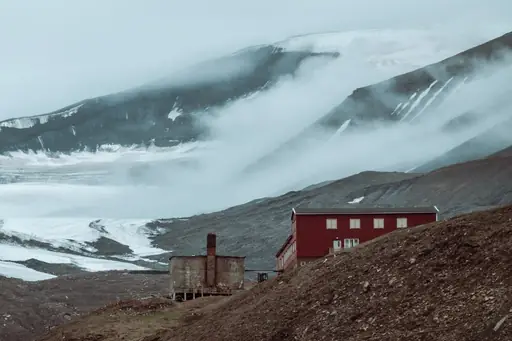
Rural retreat travel is defined by the deliberate removal from urban pace and density, with landscape immersion, slower rhythms and direct engagement with food, nature and local…
Read more

Discover
Top wellness destinations and holistic retreats
Wellness travel has matured from a niche pursuit into a mainstream category built around the world's most significant spa destinations, retreat centres and therapeutic landscape…
Read more
Discover
Top mountain destinations and famous peaks
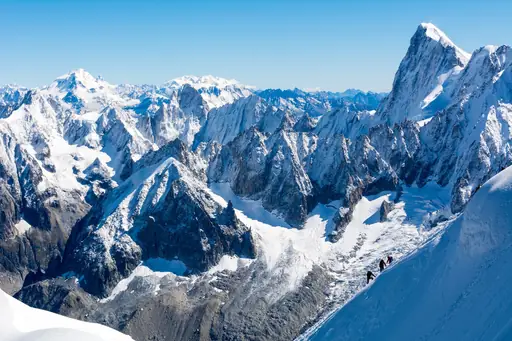
Mountain travel spans an enormous range of experience, from high-altitude expeditions and multi-day trekking circuits to accessible alpine day walks and scenic drives through…
Read more
What other users say about travelfilters
“travelfilters made it easy for me to find ski areas and compare what else they offer, so that I could find the best place for my personal travel style.”

Chris
Snowboarding & Onsen trip to Japan
“I love how transparent the data feels. There is no pushy upsell, just honest information and settings I can tune to my own travel style.”

Maria
After booking her 2027 winter escape
“The level of detail for each destination and how well those are displayed, make planning feel confident instead of overwhelming.”

Mina
Planned a week in New York City
“We used travelfilters for our planning from start to end. The trip turned out even better than expected, thanks to all their tools and customization options.”

Allan & Etienne
Trip to Japan to see autumn foliage
“Thanks to travelfilters, I found some hidden gems to see. Being able to filter for exactly your interests is a game changer for my travel planning.”

Michael
Tour through the old cities of Northern Italy
“The customizable filters helped me find a quiet beach town with good wifi and low season crowds in under five minutes.”

Diego
Weekend Escape to Llanes, Spain
“The airport connection map saved me hours by showing good flight options from my home airport to lesser-known cities.”

Nguyen
Planning a 2027 trip to France
“The website is clean, fast and focused on the search itself, which makes travelfilters feel more like a professional tool than an ad-heavy booking site.”

Hassan
Christmas Market trip, Germany
