


Asia › Japan › Tokyo

Tokyo

Scroll
Japan's capital of temples, towers and food

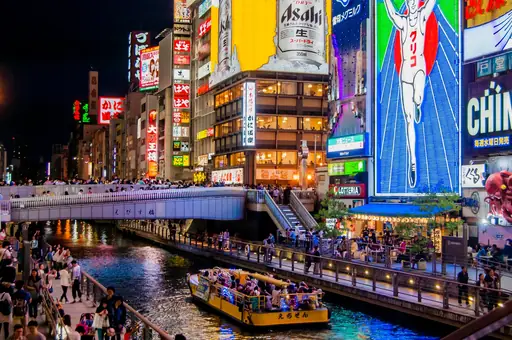
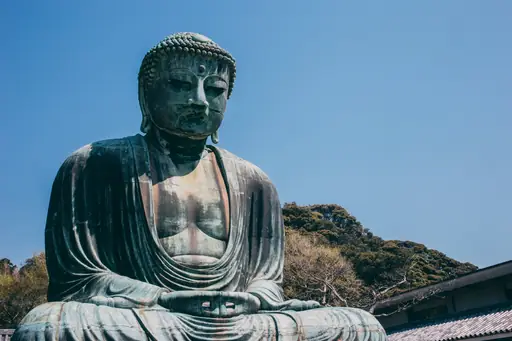
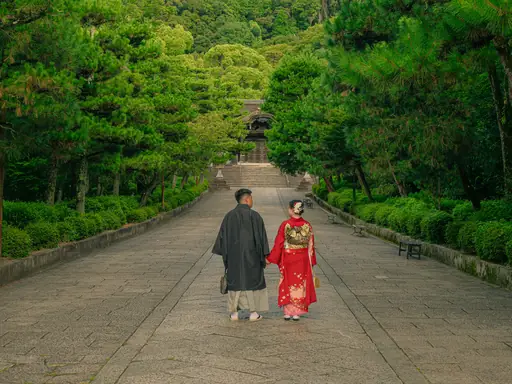
Tokyo is Japan's capital and the center of the world's most populous metropolis, on the shore of Tokyo Bay. What sets it apart is how different the districts feel from one another. Asakusa has the old temple of Senso-ji while Shibuya and Shinjuku have the neon crossings and tall towers. In Harajuku the forested Meiji Jingu shrine is right next to youth fashion shops. Trains and subways reach almost every corner and an IC card keeps fares simple. Three to five days is enough for a first look. With more time you can take day trips to Kamakura, Nikko and Mount Fuji.

City in Japan
Climate zone: Humid subtropical

Humid subtropical: Warm temperate climates with hot, humid summers, mild winters and evenly distributed rainfall, common on eastern continental margins.

See climate table
Price level: $$$
$Cheap
$$Medium
$$$Expensive, upscale
$$$+Very expensive, luxury
See price details
Safety: 8.9
General Safety:9
Health & medical:9
Accessibility:8
Tap water:9
Read details
Tourist English: 3/5
While Japanese is the primary language, many signs and announcements are in English, especially in tourist areas. Hotel staff and younger locals often have a basic understanding of English.
Last update: Oct 19, 2026
* We earn a commission from some links on this page.
Tokyo Summary

These place ratings give you a quick overview of how well a destination matches different types of trips.

"Best for" scores:
The specific interest scores show where this place really shines – whether it's ideal for hiking, food & drink experiences, museums or other activities. These highlights help you understand what makes the destination special at a glance.

"Your personal" scores:
This reflects how well a place matches your personal preferences. You can adjust the importances of travel topics or other personal requirements categories in your account settings.

"Suited for" badges:
These give you a quick overview of how well a destination suits specific types of travelers, to help you find the places that match your lifestyle, preferences or travel situation.

Read how our scores work
World-class for urban culture and food. Explore vibrant districts, enjoy outstanding restaurants, visit historic temples, shop in endless malls and experience nightlife, pop culture and modern city attractions.
Place score
9.7
Best at:
Large cities
10
Fine dining
10
Cherry blossoms
10
Luxury shopping
10
Luxury
9
Personal score
?
Log in to see how this place matches your personal travel interests.
Suited for
👶 8
Families
🧓 8
Seniors
👩 10
Solo
🛡️ 9
Travel Beginners
Japan – Quick facts
Power Grid: 100 V, 50 Hz
Plug: Type A
Type A:
Diagram of a Type A power plug

Read about power adapters
Currency: Japanese Yen (JPY)
$1 ≈ ¥158
Cashless info: Rating 4/5
Cashless payments are becoming more common, especially in cities, with some shops still preferring cash. Be prepared for occasional cash-only situations in rural areas.

Save with a travel credit card
eSIM providers: Best value: Saily
Flexibility: Airalo
Read our in-depth comparison
Tipping: Tipping is not customary in Japan and can be considered rude. Excellent service is the norm, and tipping is unnecessary in most places.
Public drinking: Public drinking is legal and commonly accepted, particularly during festivals and events.
Public smoking: Smoking is prohibited in indoor public places but allowed in designated outdoor areas. Some restaurants may have smoking sections.
New Year
(January)
One of the most important holidays, expect crowded temples and high prices. Plan ahead.
Golden Week
(April-May)
The busiest travel time, expect high demand for accommodation and transportation.
Obon
(August)
A time to honor ancestors, many businesses close, and transportation can be crowded.
Emergency contact: Emergency Number: 110 (Police), 119 (Fire & Ambulance)
Taxi apps: Uber, JapanTaxi, DiDi
Other: Japan is a country of respect, so understanding local customs and etiquette is important. Public transportation is efficient, but can be crowded during peak hours.
Best times to travel

The best times to travel section shows how the months compare for a visit, so you can find the time of year that fits what you want to do.

Background colors of the months:
The color shows the typical temperature: yellow (hot), green (mild) and blue (cold). How strong the color is shows the travel season: full color means high season, soft color means shoulder season and soft-striped means off season.

Weather symbols:
Each month has one symbol showing what the weather is typically like, such as hot and sunny, freezing or a rainy or snowy season. Use them to quickly spot months that match the weather you want, or to avoid the ones that don't.

Crowdedness:
The people icon shows how busy the place usually is. The more people, the more crowded it gets.

Additional notes:
The gray info boxes point out special things worth knowing, like recurring weather issues or seasonal events.

for Tokyo, Japan
☀️
Jan
🌤️
Feb
🌤️
Mar
🌤️
Apr
🌤️
May
🌤️
Jun
🔥
Jul
🔥
Aug
🌤️
Sep
🌤️
Oct
☀️
Nov
☀️
Dec
High season: March - May, Oct. - Nov.
Shoulder season: Jan. - Feb., July - Sep., Dec.
Crowdedness: 7 (Many tourists)
Tap on a month for more info Hover over a month for more info
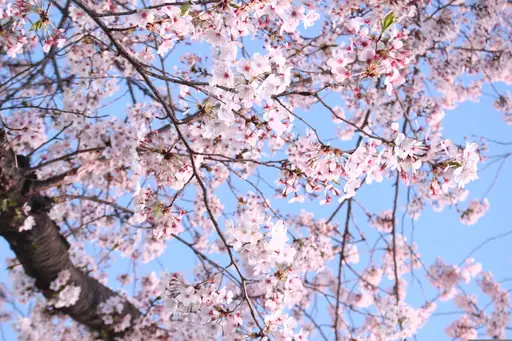
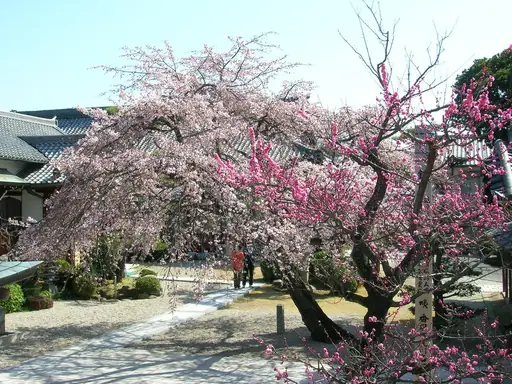
Cherry blossoms late March to early April, autumn leaves mid November to early December
Golden Week (late April to early May) and Obon (mid August) bring crowded trains and higher prices
New Year, December 29 to January 3: many shops and restaurants closed

Why travel to Tokyo?

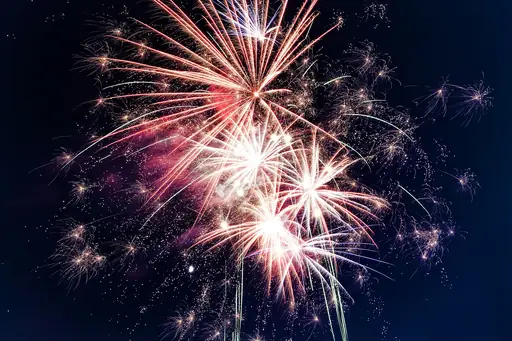
Tokyo is a set of districts that each have their own character, so a few days here can feel like visiting several different towns. Asakusa is the old downtown where the temple of Senso-ji draws crowds down a lane of snack and souvenir stalls. Shinjuku is the business district with skyscrapers and tiny bars in the side streets. Shibuya and Harajuku bring youth culture and trendy shopping while Ginza has luxury flagship stores and Akihabara has electronics, games and anime. Green and quiet corners are easy to find. Meiji Jingu is in a forest next to Harajuku and parks such as Shinjuku Gyoen, Ueno and Yoyogi are popular for picnics in spring. Koishikawa Korakuen is a good garden to visit in autumn. In summer there's one of Japan's largest fireworks displays on the Sumida River. Food is a reason in itself. The city has Michelin-starred restaurants and also ramen counters where a bowl costs around ¥1,000 ($6.31). Spring brings cherry blossoms and autumn brings foliage. Summers are hot and humid and winters are dry and cold, so spring and autumn are the most comfortable seasons for walking between the sights. Check the one-week weather forecast before you plan outdoor days.

🏙️Cities & Regions
  • 1 Shinjuku
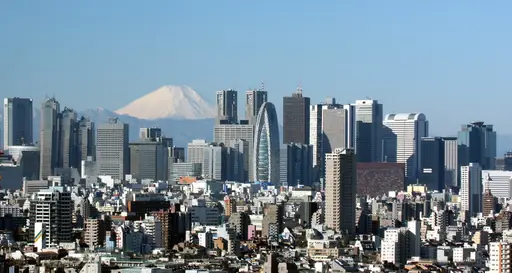
    Tokyo's major entertainment and business hub, built around the world's busiest train station. Skyscrapers are to the west, while Kabukicho and the tiny bars of Golden Gai light up the northeast after dark.
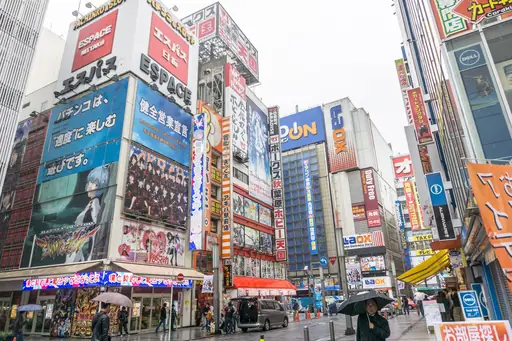
  • 2 Akihabara
    Tokyo's electric town, a compact shopping district of electronics stores, anime and manga shops, retro game stores and arcades around the station. The main street goes car-free on Sunday afternoons, which makes browsing easier.
  • 3 Odaiba
    A man-made island in Tokyo Bay lined with malls, entertainment complexes and a waterfront beach park. You can ride an automated train across Rainbow Bridge and watch the city skyline light up from the shore.
  • 4 Shibuya
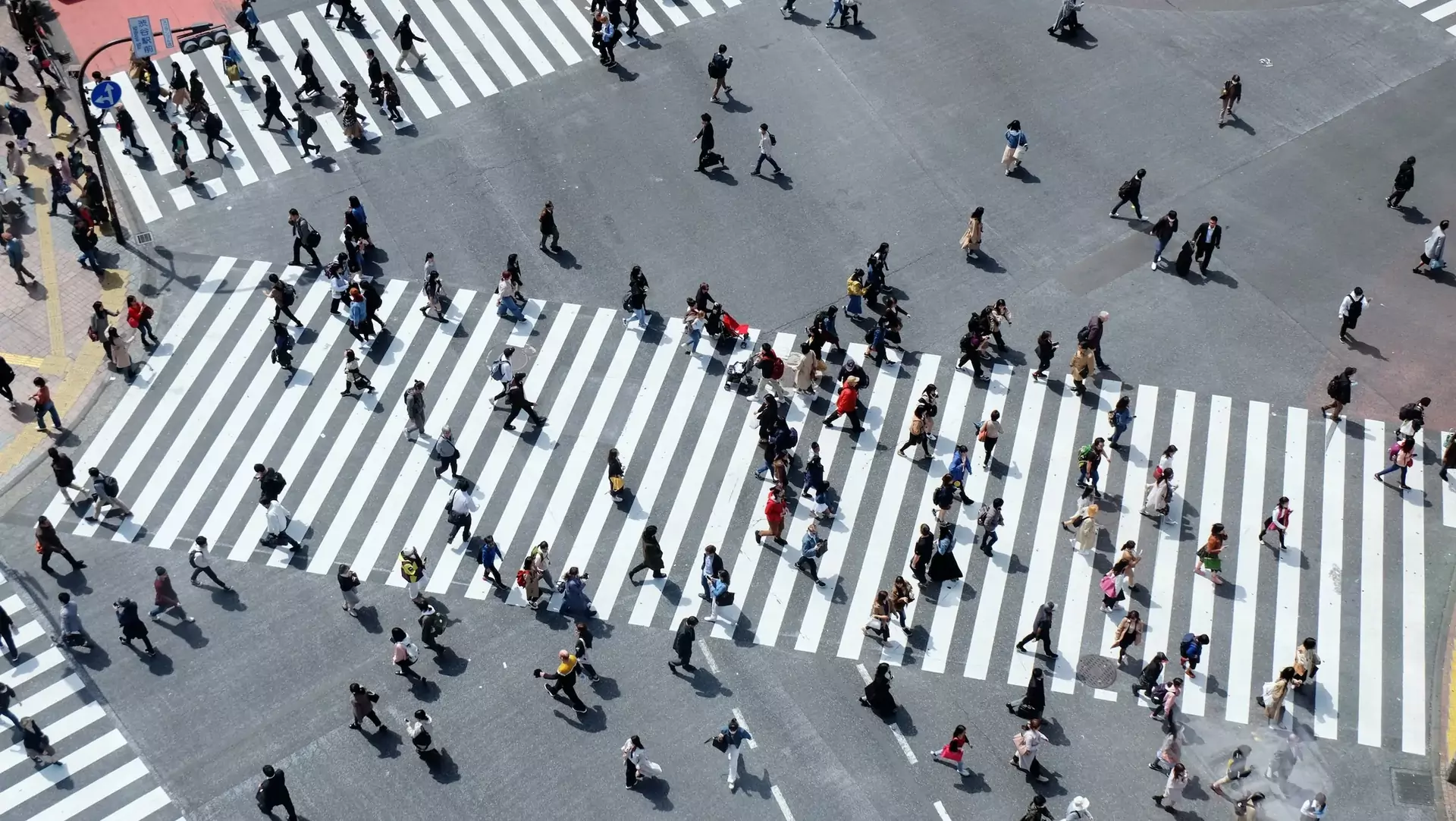
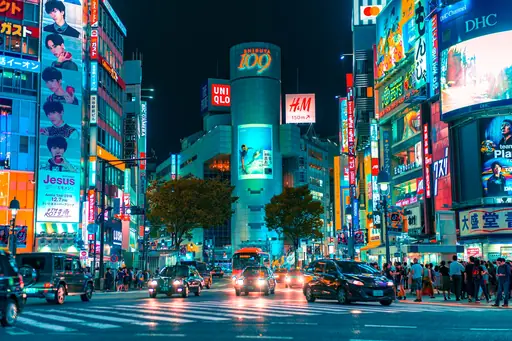
    A shopping and entertainment district in southwest Tokyo built around one of the city's busiest rail stations. You can walk the scramble crossing, go up a skyscraper observation deck and eat late into the night.
🏯Places worth seeing
  • 1 Sensō-ji
    Tokyo's oldest Buddhist temple, founded in the 7th century in Asakusa. A red lantern gate and the Nakamise shopping street lead to the main hall and a five-story pagoda, with free entry to the grounds.
  • 2 Tokyo Skytree
    A {{distance:m:634}} broadcasting tower in Sumida, east of central Tokyo, with observation decks at {{distance:m:350}} and {{distance:m:450}}. The lower deck has a glass floor and Mount Fuji can be seen from it on clear days.
  • 3 Tokyo Tower
    A {{distance:m:333}} steel broadcasting tower in Minato Ward, opened in 1958, with observation decks at {{distance:m:150}} and {{distance:m:250}}. The tower is lit through the year, so evening visits come with a bright city view.
  • 4 Meiji Jingu Shrine
    A Shinto shrine in central Tokyo set in a forest of roughly 100,000 trees. It honors Emperor Meiji and Empress Shoken and is a calm walk away from the busy streets of Harajuku.
  • 5 Shibuya Crossing
    A scramble intersection outside Shibuya Station where traffic stops and upwards of 1,000 people can cross from every direction at once. It's free and always open, with the best views from the Shibuya Sky deck.
  • 6 Imperial Palace
  • 7 Mori Art Museum
  • 8 Tokyo Metropolitan Government Main Building 1
🎡Places for activities
  • 1 Ueno Zoo
    Japan's oldest zoo, set inside a sizable Tokyo park alongside museums and a pond. More than 3,000 animals live here while a seventeenth-century pagoda is among the enclosures. Allow half a day for the visit.
  • 2 Mitaka Forest Ghibli Museum
  • 3 Tokyo Dome City
  • 4 Tokyo Disneyland
  • 5 teamLab Planets
  • 6 Sumida Aquarium
  • 7 Tokyo National Museum
🏞️Natural landmarks
  • 1 Mount Takao
  • 2 Yoyogi Park
  • 3 Shinjuku Gyoen National Garden
  • 4 Hamarikyu Gardens
  • 5 Ueno Park
  • 6 Rikugien Garden
  • 7 Shōwa Memorial Park
🛍️Shopping
  • 1 Tokyo Midtown
  • 2 LaLaPort Toyosu
  • 3 Omotesando Hills
  • 4 Ginza
  • 5 Kappabashi Dogugai Street
  • 6 Sunshine City
  • 7 Takeshita Street
🍽️Eat & Drink
  • 1 Tsukiji Outer Market
    Tsukiji Outer Market is Tokyo’s historic food district for sushi, seafood bowls, grilled scallops, tamagoyaki and other ready-to-eat specialties from dozens of vendors. It is in Tsukiji, a short walk from Tsukiji Station or Tsukijishijo Station.
  • 2 Sushi no Midori Ginza
    Sushi no Midori serves generous, good-value nigiri, sashimi and set sushi in a lively sit-down setting. Its Ginza branch is near Ginza-itchome Station, a short walk from Ginza Station and Yurakucho Station.
  • 3 Sometaro
    Sometaro serves okonomiyaki and monjayaki cooked on tabletop grills in a preserved, retro-style building. It is in Asakusa, about a 10-minute walk from Senso-ji Temple and Asakusa Station.
  • 4 Daikokuya Tempura
    Daikokuya is a long-running Asakusa tempura restaurant known for Edo-style tempura and tendon rice bowls finished with a dark, sweet-savoury sauce. It is on Asakusa’s Denboin-dori, near Senso-ji Temple.
  • 5 Kamiya Bar
    Kamiya Bar is a historic casual bar serving Denki Bran, its signature herbal brandy-based drink, alongside simple Western-influenced Japanese dishes. It is beside Kaminarimon Gate, directly across from Asakusa Station.
  • 6 Ningyocho Imahan Honten
    Ningyocho Imahan specializes in sukiyaki and shabu-shabu with carefully selected wagyu beef, prepared in a traditional setting. It is in Ningyocho, near Ningyocho Station and the historic Ningyocho shopping streets.
  • 7 Kaneko Hannosuke Nihombashi Honten
    Kaneko Hannosuke serves a piled-high tendon bowl of freshly fried seafood and vegetables over rice with its sweet soy-based sauce. It is at 1-11-15 Nihombashi Muromachi, near Mitsukoshimae Station and Nihombashi’s historic core.
  • 8 Kanda Matsuya
    Kanda Matsuya is a traditional soba restaurant serving handmade buckwheat noodles, tempura and sake-friendly small dishes. It is in Kanda-Sudacho, about five minutes on foot from Awajicho and Ogawamachi stations.
  • 9 Tokyo Ramen Street
    Tokyo Ramen Street gathers several specialist ramen shops offering varied regional styles, including shoyu, tonkotsu and tsukemen. It is in the basement of Tokyo Station Ichibangai, beside the Yaesu underground central exit.
  • 10 Toritake Shibuya
    Toritake is a busy old-school yakitori restaurant known for charcoal-grilled chicken skewers, including large tsukune meatballs. It is near Shibuya Station’s west side, a short walk from the Hachiko exit and Shibuya Crossing.
🎈Events
  • Cherry Blossom Viewing (March-April)
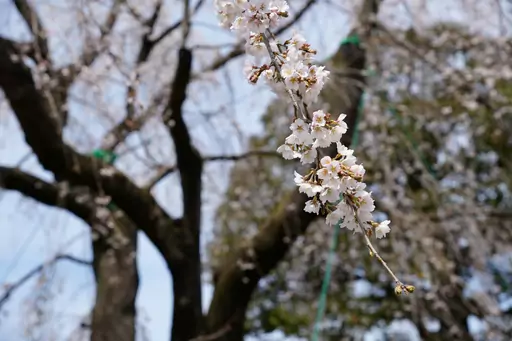
    You can see cherry blossoms in many places in Tokyo during the season. The most famous ones are at the Meguro River or in Chiyoda around the Imperial palace. They also have light ups at night which is beautiful to see - expect big crowds though.
  • Sumida River Fireworks Festival (July)
  • Sanja Matsuri (May)
  • Tokyo Marathon (February)
  • Shibuya Halloween (October)

Knowledge before you go

  • Tipping isn't practiced in Japan and service is already included.
  • The Tokyo Subway Ticket for visitors costs ¥800 ($5.05) for 24 hours and covers Metro and Toei lines only.
  • Carry some cash since many small eateries and old shops still don't accept cards.
  • Avoid the morning and early evening rush hours on the Yamanote and other busy lines when you can.

How to travel to Tokyo

Tokyo has two main airports. Haneda is close to the center with the Keikyu Line reaching Shinagawa in about 14 minutes for ¥330 ($2.08). The Tokyo Monorail is another option from the terminals and connects to the Yamanote Line. Narita is farther out. The Narita Express runs direct to Tokyo, Shinagawa, Shibuya and Shinjuku in 75 to 80 minutes for roughly ¥3,200 ($20.19). The Keisei Skyliner reaches Nippori or Ueno in about 41 to 44 minutes for ¥2,580 ($16.28). Limousine buses stop at many hotels and suit heavy luggage but traffic can slow them down. The Shinkansen links Tokyo Station with Kyoto, Osaka and the rest of the network in a few hours.

Access summary

  • From Narita (NRT): Narita Express or Skyliner trains, about 1 hour.
  • From Haneda (HND): Monorail or Keikyu trains to central Tokyo, 20–30 minutes.
  • From Osaka: Tokaido Shinkansen bullet train to Tokyo Station, about 2.5–3 hours.

Where to stay in Tokyo

Choose by transit rather than by sights. Shinjuku and Shibuya are lively and well connected with many hotels and plenty of food. The area around Tokyo Station and Ginza is polished and handy for the Shinkansen and day trips. Asakusa and Ueno are older neighborhoods with cheaper rooms and a quieter feel. Rooms are small by international standards. Business hotels are the standard choice and capsule hotels and guesthouses suit a tight budget. Cherry blossom season, Golden Week and the autumn weeks fill up first. Book early for those dates and look near a Yamanote Line station if you want the easiest connections to everything else.

How to get around Tokyo

Central Tokyo is too big to cover on foot, though each district is easy to walk once you arrive. Shinjuku and Shibuya are on the west side, Tokyo Station and Ginza are in the east and Asakusa and Ueno are to the northeast, so most days include a few train rides between areas.

Trains and subways:
The JR network includes the Yamanote Line, which loops through Shinjuku, Shibuya, Ueno and Tokyo Station.
Tokyo Metro and Toei subways fill in the gaps. Most trains stop around midnight so check the last train before a late dinner. Stations are huge, so follow the line colors and exit numbers on the signs.

Cards and tickets:
A Suica or PASMO card works on trains, subways and buses and on most transport across Japan.
Visitors can also buy a Tokyo Subway Ticket, which covers Metro and Toei lines but not JR and is sold for 24, 48 or 72 hours. A card is simpler if you'll ride JR lines often.

Buses, taxis and bikes:
Buses help outside the center and take the same Suica or PASMO card.
Taxis have English signage and are an option after the last train. Bicycles are practical in the compact central area.

Food in Tokyo

Food in Tokyo goes from standing counters and ramen shops to Michelin-starred restaurants, so there's a meal for almost any budget. Several of the city's classics began in Edo, as Tokyo used to be called.

Sushi:
Tokyo is where Edomae sushi began and the range is wide.
Standing counters sell pieces for a few hundred yen while omakase meals cost much more.

Ramen:
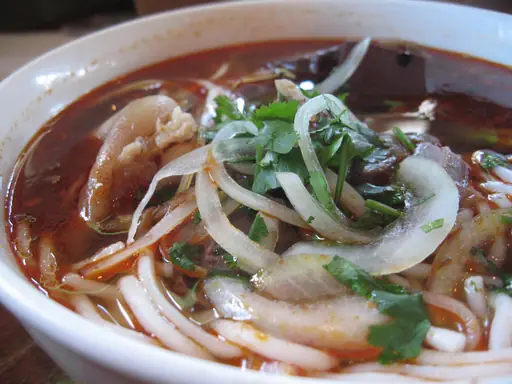
Shoyu ramen is the local style with a clear chicken or pork broth and thin noodles.
A bowl runs about ¥800 – 1,200 ($5.05 – 7.57).

Tempura:
Tempura started in Edo and a tendon rice bowl in Asakusa or Ueno is a cheap way to try it.

Monjayaki:
Monjayaki is the city's savory pancake and it's usually cooked on a griddle at the table.
Tsukishima has a street full of shops for it.

Izakaya:
Izakaya serve many small dishes with beer or sake and cost roughly ¥2,000 – 5,000 ($12.62 – 31.55) per person with drinks.
They're a good way to try many dishes in one evening.

Department store basements sell bento and sweets and mark them down in the evening, which makes them a good option for a cheap meal.

Budget snapshot
Costs compared to home

We calculate the average costs when traveling to destinations and compare those with the living costs at your home. With this you can get an estimate of how expensive or cheap the destination is for you.

To customize this, you can set up which location and price level are used for the calculations in your account settings.

-36 %
Daily expenses in Tokyo are around 36% lower than the average across United States. That means you'll spend considerably less on meals and getting around.
Exchange rate trend

The exchange rate price factor shows how expensive or cheap a currency currently is compared to its historical average. It's a quick way to see if a country is currently more or less affordable due to exchange rate changes.

-17 %
Your exchange rate (USD to JPY) is 17% better than in recent years. That means traveling now is considerably cheaper compared to the past.

Travel costs

To help you plan your trip, we provide estimated daily costs per person (when traveling as a pair) for different travel styles. These numbers give you an idea of what you might spend each day at this destination, including accommodation, food, transport and activities.

Additionally, we also provide average hotel costs for different travel styles to give you an estimate for the accommodation only.

Please note that these are only estimates. The real costs depend on booking times, season and other factors.

Daily cost summary

Travel style categories explained:

Backpacker:
Staying in hostels or budget hotels, cooking your own meals or eating cheap and choosing low-cost activities.

Mid-range:
Staying in mid-range hotels, eating at a mix of restaurants and casual spots and enjoying a variety of activities.

Luxury:
Staying in luxury hotels, dining out at high-end restaurants and enjoying premium experiences without worrying about the price.

Backpacker Mid-range Luxury
💵 Total costs per day, including accommodation
$56
$162
$462
🏨 Accommodation per night, per person
$25
$100
$250
🍝 Food per day
$25
$52
$156
🚕 Transportation per day
$6
$10
$56
Food & Drink
🍽️ Restaurant Dinner, per person
$21
🍛 Lunch Set, per person
$7.50
🍟 Fast food combo
$5
🍝 Preparing your own food, per day
$10
☕ Cappuccino
$3.40
🍺 Beer in a restaurant, 0.5 l / 16 oz
$3.40
Transportation
🚌 Public transport ticket
$1.40
🚕 Taxi Ride, 10 km / 6 mi
$35
⛽ Gas, 1 l / ¼ gal
$1.15
Other
🎞️ Movie ticket
$13
👩‍⚕️ Doctor's consult
$35
🤧 Cold medication
$9.50
💇 Basic haircut
$22

Safety information overview

General safety
9
Tokyo is among the safest big cities in the world with low violent crime and well-lit streets at night. Pickpocketing is rare but possible in crowded stations and at events. Earthquakes and typhoons are the main natural hazards so know your hotel's exit routes.
Health & Medical
9
Medical care is excellent with major hospitals and many clinics across the city. English is limited outside larger hospitals and international clinics but pharmacies are easy to find. Summers are hot and humid so heat is the main everyday risk. Travel insurance is sensible.
Accessi­bility
8
Most subway and JR stations have lifts but large hubs like Shinjuku and Tokyo are huge so allow extra time. Older temples and shrines have gravel paths and steps while sidewalks are generally smooth and well kept.
Tap water
9
Tap water in Tokyo is safe to drink like in the rest of Japan. Vending machines and convenience stores sell bottled water and cold drinks on almost every block. Heat in summer makes a refillable bottle worth carrying.

Packing recommendations for Tokyo

Log in to add this place to a travel list and get a summary of all recommended items for your whole trip.

Popular districts of Tokyo

Looking for inspiration?

Discover
Best festivals in Asia
Few regions match Asia for the sheer scale and variety of festivals: religious, agricultural and seasonal traditions span the continent across multiple major faiths, often…
Read more
Discover
Best cherry blossom destinations in Asia
Cherry blossom season turns parts of Asia into a completely different place for a few short weeks each year, drawing travelers who plan their entire trip around a single bloom.…
Read more
Discover
Best destinations to visit in October in Asia
October counts among the best months of the year across much of Asia, as the wet season eases and clearer skies take over. India's monsoon has typically fully retreated by…
Read more
Discover
Top street food cities and local culinary markets
The best street food destinations treat the cart, stall, or hawker counter as a serious culinary format rather than a budget substitute for a real meal. In cities with strong…
Read more
Discover
Best travel destinations for food allergies
Traveling with a food allergy adds a layer of planning most people never have to think about, and the right destination can make that planning a lot easier. Some travelers…
Read more
Discover
Top art destinations and cultural hubs
For many travelers, standing in front of a painting they have only ever seen in books is one of the best moments of a trip, and it often feels very different from what they…
Read more
Discover
Best couple vacation destinations in Asia
Asia is perfect for couples who want their holiday to feel like a shared adventure rather than just a change of scenery. Few continents offer so many ways to be amazed together.…
Read more
Discover
Top New Year's Eve celebrations and holiday spots
How you want to spend New Year's Eve says a lot about what kind of year you are hoping to start, and the best destinations reflect that same range of moods. Some travelers want…
Read more
Discover
Top cherry blossom destinations and spring blooms
Cherry blossom season is brief and weather-dependent almost everywhere it happens, which is part of why it draws so much dedicated travel. The bloom typically lasts only a week or…
Read more
Discover
Best destinations for first-time travelers in Asia
Asia has one of the best established beginner travel routes anywhere, largely because so many first time travelers have worn the path before you. Southeast Asia in particular…
Read more
Discover
Top architecture destinations and iconic landmarks
Architecture travel spans everything from ancient ceremonial complexes and medieval urban cores to the grands projets of the twentieth century and contemporary buildings that draw…
Read more
Discover
Best gardens and parks in Asia
Asia has some of the oldest garden traditions in the world, and the range across the continent is wide enough that the word "garden" barely covers it. Classical Chinese gardens…
Read more
Discover
Best street food destinations in Asia
Walk through almost any city in Asia after dark and the real dinner rush is often happening on the sidewalk rather than inside a restaurant. Southeast Asia has some of the…
Read more
Discover
Best music destinations in Asia
Asia's music destinations span an extraordinary range of traditions, from the classical court music and folk traditions of South and Southeast Asia to the contemporary pop…
Read more
Discover
Top theaters and performing arts destinations
The world's great theatres are as much architectural and cultural landmarks as performance spaces: buildings with acoustics, history and a resident company or programme that…
Read more
Feedback
