
Asia › Japan › Kamakura

Kamakura

Scroll
Great Buddha, Zen temples and surf beaches

Kamakura was the seat of Japan's first shogunate, which ruled from here in the 12th and 13th centuries. Its legacy is a ring of hills, dozens of temples and shrines and the Great Buddha, a bronze statue in the open air. Visitors can follow forest trails between temples, browse the snack stalls of Komachi-dori or walk the beach at Yuigahama. The vintage Enoden tram line links the sights and the coast. Most people come from Tokyo or Yokohama for the day, though a night here suits a slower look at the temples.

City in Japan
Climate zone: Humid subtropical

Humid subtropical: Warm temperate climates with hot, humid summers, mild winters and evenly distributed rainfall, common on eastern continental margins.

See climate table
Price level: $$$
$Cheap
$$Medium
$$$Expensive, upscale
$$$+Very expensive, luxury
See price details
Safety: 8.4
General Safety:9
Health & medical:8
Accessibility:5
Tap water:9
Read details
Tourist English: 3/5
In tourist areas and major temples, English is often available, especially in signage and some guided tours. However, English proficiency may be limited in smaller shops and restaurants.
Last update: Oct 20, 2026
* We earn a commission from some links on this page.
Kamakura Summary

These place ratings give you a quick overview of how well a destination matches different types of trips.

"Best for" scores:
The specific interest scores show where this place really shines – whether it's ideal for hiking, food & drink experiences, museums or other activities. These highlights help you understand what makes the destination special at a glance.

"Your personal" scores:
This reflects how well a place matches your personal preferences. You can adjust the importances of travel topics or other personal requirements categories in your account settings.

"Suited for" badges:
These give you a quick overview of how well a destination suits specific types of travelers, to help you find the places that match your lifestyle, preferences or travel situation.

Read how our scores work
Excellent for temples and coastal walks. Visit historic Buddhist temples and shrines, see the Great Buddha, hike forest trails between sites and relax on nearby beaches.
Place score
8.5
Best at:
Religious sites
9
Cozy towns
8
Spotless
8
Historic sites
8
Sea
7
Personal score
?
Log in to see how this place matches your personal travel interests.
Suited for
👶 7
Families
🧓 5
Seniors
🛡️ 9
Travel Beginners
👩 8
Solo
Japan – Quick facts
Power Grid: 100 V, 50 Hz
Plug: Type A
Type A:
Diagram of a Type A power plug

Read about power adapters
Currency: Japanese Yen (JPY)
$1 ≈ ¥158
Cashless info: Rating 4/5
Cashless payments are becoming more common, especially in cities, with some shops still preferring cash. Be prepared for occasional cash-only situations in rural areas.

Save with a travel credit card
eSIM providers: Best value: Saily
Flexibility: Airalo
Read our in-depth comparison
Tipping: Tipping is not customary in Japan and can be considered rude. Excellent service is the norm, and tipping is unnecessary in most places.
Public drinking: Public drinking is legal and commonly accepted, particularly during festivals and events.
Public smoking: Smoking is prohibited in indoor public places but allowed in designated outdoor areas. Some restaurants may have smoking sections.
New Year
(January)
One of the most important holidays, expect crowded temples and high prices. Plan ahead.
Golden Week
(April-May)
The busiest travel time, expect high demand for accommodation and transportation.
Obon
(August)
A time to honor ancestors, many businesses close, and transportation can be crowded.
Emergency contact: Emergency Number: 110 (Police), 119 (Fire & Ambulance)
Taxi apps: Uber, JapanTaxi, DiDi
Other: Japan is a country of respect, so understanding local customs and etiquette is important. Public transportation is efficient, but can be crowded during peak hours.
Best times to travel

The best times to travel section shows how the months compare for a visit, so you can find the time of year that fits what you want to do.

Background colors of the months:
The color shows the typical temperature: yellow (hot), green (mild) and blue (cold). How strong the color is shows the travel season: full color means high season, soft color means shoulder season and soft-striped means off season.

Weather symbols:
Each month has one symbol showing what the weather is typically like, such as hot and sunny, freezing or a rainy or snowy season. Use them to quickly spot months that match the weather you want, or to avoid the ones that don't.

Crowdedness:
The people icon shows how busy the place usually is. The more people, the more crowded it gets.

Additional notes:
The gray info boxes point out special things worth knowing, like recurring weather issues or seasonal events.

for Kamakura, Japan
☀️
Jan
🌤️
Feb
🌤️
Mar
🌤️
Apr
☀️
May
🌤️
Jun
🌤️
Jul
🔥
Aug
🌤️
Sep
🌤️
Oct
🌤️
Nov
☀️
Dec
High season: April - May, Nov.
Shoulder season: Jan., March, June - Aug., Oct., Dec.
Crowdedness: 8 (Very crowded)
Tap on a month for more info Hover over a month for more info
Weekends and holidays are far busier than weekdays, especially at Kotokuin (Great Buddha), Hasedera and Enoden trains
Rainy season roughly June to mid July; hydrangeas peak mid June at Meigetsuin and Hasedera
Typhoon risk August to October can disrupt Enoden trains and beach days

Why travel to Kamakura?

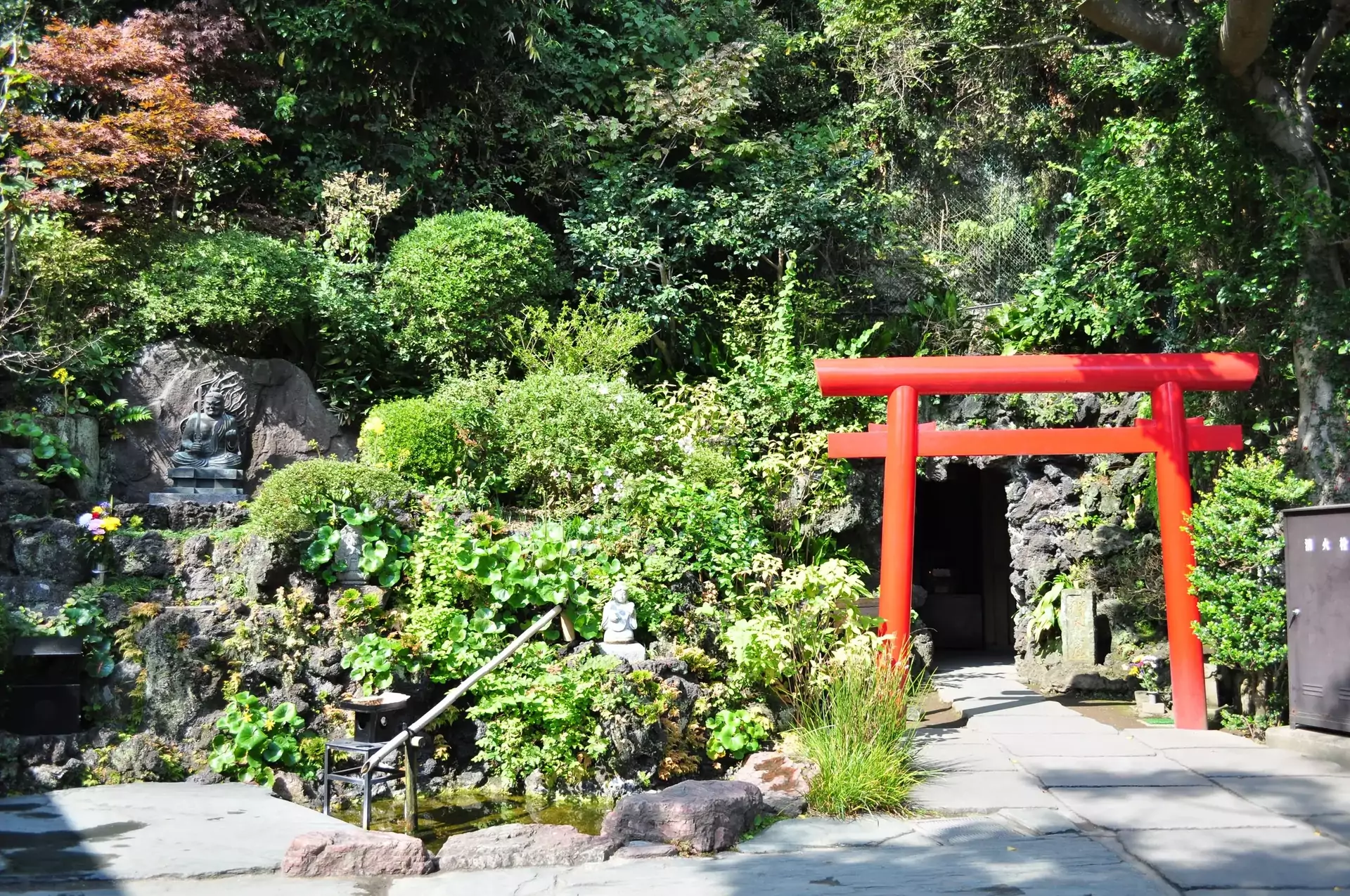
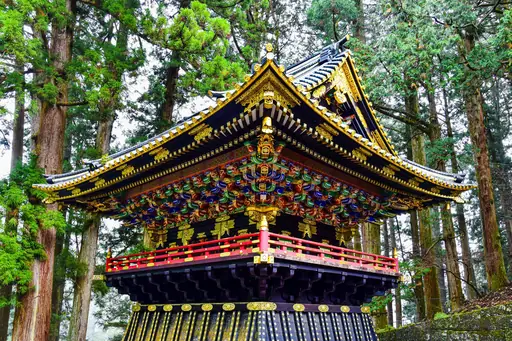
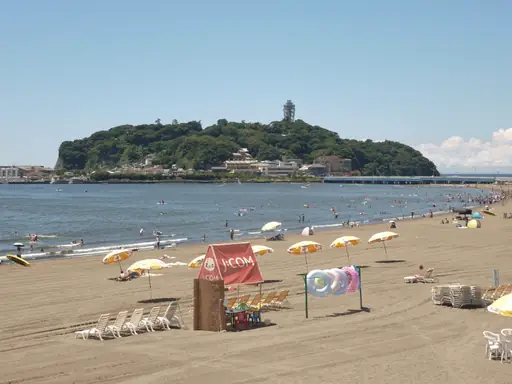
The Great Buddha at Kotoku-in is a large outdoor bronze Amida Buddha and a national treasure. Hase-dera, a short walk away, is a hillside temple with a tall wooden Kannon statue, terraced gardens and a view over Yuigahama bay. Tsurugaoka Hachimangu is the city's main shrine, reached by a long avenue that goes from the beach to the hill. The Zen temples of Kita-Kamakura, such as Engaku-ji, are in wooded valleys and are quieter. Hokoku-ji has a small bamboo grove with a tea house. June fills the temples with hydrangeas and autumn turns the leaves red. Hiking trails link several temples across the hills and give a green break from the town. Kamakura is also a beach town. Yuigahama and Zaimokuza are popular for surfing and evening walks while Enoshima island is a short ride down the coast. A single day covers the main temples and a stretch of beach. Two days leave room to hike, add Kita-Kamakura and take a slower pace. The temples are smaller than Kyoto's and set among hills and sea, which gives the town a more relaxed feel.

🏯Places worth seeing
  • 1 Zeniarai Benzaiten Ugafuku Shrine
  • 2 Great Buddha of Kamakura
  • 3 Kenchō Temple
  • 4 Engaku Temple
  • 5 Hase-dera temple
  • 6 Hōkokuji Temple
🎡Places for activities
  • 1 Kamakura Tenen Hiking Course Entrance
🏞️Natural landmarks
  • 1 Yuigahama Beach
  • 2 Tenen Hiking Trail
  • 3 Gion-yama Hiking Course
  • 4 Enoshima Island Spa
  • 5 Genjiyama Park
  • 6 材木座海岸
  • 7 Inamuragasaki Park
🍽️Eat & Drink
  • 1 Akimoto
    Akimoto serves shirasu-don, rice bowls topped with local Shonan whitebait, either raw when the daily catch allows or lightly boiled. It is just outside Kamakura Station’s east exit, near Wakamiya-oji and the walk to Tsurugaoka Hachimangu.
  • 2 Kamakura Kamameshi Kamakama
    Kamakama specializes in kamameshi rice cooked in individual pots, including a three-colour version with shirasu, salmon roe and sea urchin. It is on Komachi-dori, a few minutes on foot from Kamakura Station and Tsurugaoka Hachimangu.
  • 3 Shirasu Kenkyujo Kamakura
    Shirasu Kenkyujo creates dishes using whitebait and produce sourced from Shonan-area producers, including shirasu bowls and the local kenchin-jiru vegetable soup. It is at 2-10-12 Komachi, around three minutes on foot from Kamakura Station.
  • 4 Kawagoeya
    Kawagoeya serves shirasu bowls, seafood and soba, with whitebait delivered directly from fishing cooperatives. It is at 1-6-19 Komachi, directly near Kamakura Station’s east exit.
  • 5 Caraway
    Caraway is a classic Kamakura curry restaurant known for substantial Japanese-style curry plates, including beef curry. It is near Komachi-dori and Hase’s central visitor area, a short walk from Kamakura Station.
  • 6 OXYMORON Komachi
    OXYMORON serves spice-forward Japanese-style curries, seasonal desserts and drinks in a relaxed café setting. It is on Komachi-dori, about five minutes on foot from Kamakura Station.
  • 7 Kakiyahonten
    Kakiya is a long-running Koshigoe restaurant known for shirasu bowls and seafood meals, including generous bowls of boiled whitebait. It is on the Enoden street-running section between Koshigoe and Enoshima stations.
  • 8 Hasedera Kaikoan
    Kaikoan is a temple restaurant at Hasedera serving Buddhist-inspired vegetarian meals, plus matcha, sweets and views over Kamakura. It is inside Hasedera Temple, about five minutes on foot from Hase Station.
  • 9 Toshimaya Honten
    Toshimaya’s flagship sells hato sabure, the dove-shaped butter biscuits that are Kamakura’s best-known souvenir sweet, along with seasonal Japanese confections. It is at 2-11-19 Komachi on Komachi-dori, near Kamakura Station.
🎈Events
  • Kamakura Festival (April)
  • Gion Festival (July)
  • Fireworks at Yuigahama Beach (August)
  • Hydrangea Festival (June)
  • Hatsumode at Tsurugaoka Hachimangu (New Year)
  • Setsubun at Hasedera (February)
  • Yabusame (Archery Festival, September)
  • Hase-dera Winter Illumination
  • Kamakura Mochitsuki (Rice Cake Making, January)
  • Kamakura Flower Festival (April)

Knowledge before you go

  • Go early, since weekends and holidays are crowded at the Daibutsu.
  • Black kites snatch food from hands near the beaches and Komachi-dori, so eat snacks indoors.
  • The Great Buddha costs ¥300 ($1.89) to see and ¥50 ($0.32) more to step inside the statue.
  • A hiking trail through the hills links Kita-Kamakura to the Daibutsu, taking roughly an hour on foot.

How to travel to Kamakura

Trains are the easiest way to reach Kamakura. From Tokyo Station the JR Yokosuka line takes about 55 minutes to Kamakura and the Shonan-Shinjuku line from Shinjuku takes a similar time. From Yokohama it takes about 25 minutes. The Odakyu line from Shinjuku reaches Fujisawa, where you change to the Enoden. Tokyo Haneda (HND) is the closer airport and takes roughly 1 hour 15 minutes by train via Yokohama. Narita (NRT) is further and takes around 2 to 2.5 hours depending on connections. By car, Kamakura is roughly 1 to 1.5 hours from central Tokyo in light traffic. Weekends and holidays bring heavy congestion around the coast road, so the train is the better choice.

Access summary

  • From Haneda (HND): Keikyu + JR lines, around 1–1.5 hours.
  • From Tokyo: JR Yokosuka or Shonan-Shinjuku Line, roughly 1 hour.
  • From Yokohama: JR Yokosuka Line trains, about 25–35 minutes.

Where to stay in Kamakura

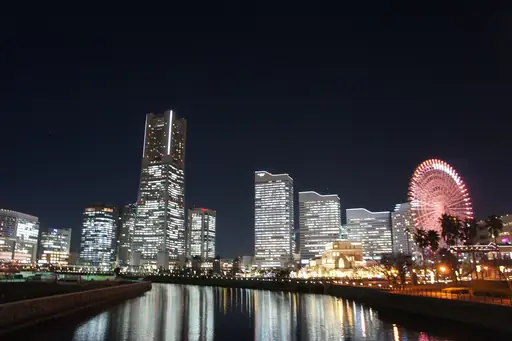
Kamakura has a small number of hotels, guesthouses and a few traditional inns, since most visitors come for the day. The area around Kamakura Station is the handiest base for trains and the sights. Some guesthouses and small hotels near Yuigahama and Zaimokuza are closer to the beach and suit surfers and slower stays. Hase has small inns close to the Daibutsu and Hase-dera and is quieter in the evening. Kita-Kamakura has a few places near the Zen temples. Choices are limited, so rooms fill on summer weekends and during the hydrangea and autumn leaf seasons. Book early then. Many visitors stay in Yokohama or Tokyo instead and take the train in. Yokohama is about 25 minutes away and has far more hotels, which gives you the option of an early start at the temples.

How to get around Kamakura

The town is small enough that walking and trains cover most of it.

Stations and trains:
Kamakura Station is the hub, with Komachi-dori and Tsurugaoka Hachimangu a few minutes on foot.
Kita-Kamakura Station, one stop north on the JR line, is the base for the Zen temples. The Daibutsu and Hase-dera are served by Hase Station on the Enoden, a small tram-like railway that links Kamakura and Fujisawa along narrow streets and the coast.

Buses:
Buses fill the gaps and serve temples further from the stations, such as those on the east side.
They get slow on busy weekends because the roads are narrow. Day passes for the Enoden and buses exist but prices change, so check at the stations.

Hiking and taxis:
Hiking trails between Kita-Kamakura and Hase go through the hills if you want to link temples on foot.
Taxis are easy to find but can be stuck in traffic. A car is more trouble than help here, since roads clog and parking is limited.

Food in Kamakura

Kamakura is a seafood town on Sagami Bay and a long-time Zen center, so its food runs from fresh fish to temple vegetarian cooking. The beaches have casual cafes and craft beer spots. The town itself has plenty of small cafes and bakeries.

Shirasu:
Shirasu, small whitebait fish, are the local specialty.
They come as a topping on rice bowls, either raw when the catch allows or lightly boiled.

Shojin ryori:
Shojin ryori is the vegetarian temple cuisine served at a few restaurants near the Zen temples.
It's one of the easier ways to eat meat-free and fish-free in town.

Komachi-dori snacks:
Komachi-dori is a narrow street of snack stalls and sweets shops.
It gets crowded on weekends, so it's best to go early or on a weekday.

Black kites circle over the beaches and Komachi-dori and snatch food from people's hands, so it helps to eat indoors or keep snacks covered. Convenience stores cover simple meals.

Budget snapshot
Costs compared to home

We calculate the average costs when traveling to destinations and compare those with the living costs at your home. With this you can get an estimate of how expensive or cheap the destination is for you.

To customize this, you can set up which location and price level are used for the calculations in your account settings.

-47 %
Daily expenses in Kamakura are around 47% lower than the average across United States. That means you'll spend a lot less on meals and getting around.
Exchange rate trend

The exchange rate price factor shows how expensive or cheap a currency currently is compared to its historical average. It's a quick way to see if a country is currently more or less affordable due to exchange rate changes.

-17 %
Your exchange rate (USD to JPY) is 17% better than in recent years. That means traveling now is considerably cheaper compared to the past.

Travel costs

To help you plan your trip, we provide estimated daily costs per person (when traveling as a pair) for different travel styles. These numbers give you an idea of what you might spend each day at this destination, including accommodation, food, transport and activities.

Additionally, we also provide average hotel costs for different travel styles to give you an estimate for the accommodation only.

Please note that these are only estimates. The real costs depend on booking times, season and other factors.

Daily cost summary

Travel style categories explained:

Backpacker:
Staying in hostels or budget hotels, cooking your own meals or eating cheap and choosing low-cost activities.

Mid-range:
Staying in mid-range hotels, eating at a mix of restaurants and casual spots and enjoying a variety of activities.

Luxury:
Staying in luxury hotels, dining out at high-end restaurants and enjoying premium experiences without worrying about the price.

Backpacker Mid-range Luxury
💵 Total costs per day, including accommodation
$55
$129
$318
🏨 Accommodation per night, per person
$25
$77
$147
🍝 Food per day
$24
$42
$120
🚕 Transportation per day
$6
$10
$50
Food & Drink
🍽️ Restaurant Dinner, per person
$16
🍛 Lunch Set, per person
$7.50
🍟 Fast food combo
$5
🍝 Preparing your own food, per day
$10
☕ Cappuccino
$2.60
🍺 Beer in a restaurant, 0.5 l / 16 oz
$2.30
Transportation
🚌 Public transport ticket
$1.50
🚕 Taxi Ride, 10 km / 6 mi
$32
⛽ Gas, 1 l / ¼ gal
$1.15
Other
🎞️ Movie ticket
$12
👩‍⚕️ Doctor's consult
$49
🤧 Cold medication
$10.50
💇 Basic haircut
$21

Safety information overview

General safety
9
Kamakura is very safe, with low crime and calm streets. The main hazards are physical, since the beaches have strong currents and rip tides and heavy surf follows typhoons. The coast also sits in earthquake and tsunami territory.
Health & Medical
8
Kamakura has clinics, a general hospital and pharmacies near the station. English-speaking care is limited, so Yokohama or Tokyo are the better places for serious treatment. Summers are hot and humid, which makes heatstroke the main risk on temple walks.
Accessi­bility
5
Kamakura is hilly and has many temples with long stone staircases. The Daibutsu has a flat approach and the grounds are mostly manageable, but Hase-dera is steep. Narrow streets, uneven paths and crowded trains make wheelchair travel difficult on busy days.
Tap water
9
Tap water in Kamakura is safe to drink, as in the rest of Japan. Vending machines and convenience stores sell bottled water and tea near the stations and temples. Carry a bottle for the hikes since the trails have few shops.

Looking for inspiration?

Discover
Best couple vacation destinations in Asia
Asia is perfect for couples who want their holiday to feel like a shared adventure rather than just a change of scenery. Few continents offer so many ways to be amazed together.…
Read more
Discover
Best destinations to visit in June in Asia
June splits Asia sharply between regions turning wet and regions still enjoying some of their best weather of the year. India's monsoon typically arrives in June, and much of…
Read more
Discover
Best destinations for first-time travelers in Asia
Asia has one of the best established beginner travel routes anywhere, largely because so many first time travelers have worn the path before you. Southeast Asia in particular…
Read more
Discover
Top architecture destinations and iconic landmarks
Architecture travel spans everything from ancient ceremonial complexes and medieval urban cores to the grands projets of the twentieth century and contemporary buildings that draw…
Read more
Discover
Top traditional destinations and cultural heritage sites
Traditional destinations are those where cultural practices, craftsmanship, ceremony and ways of life that predate industrialisation and mass tourism remain visible and active…
Read more
Discover
Best solo travel destinations in Asia
Asia is where most solo travelers figure out they can actually do this. The backpacker trails through Southeast Asia have been running for decades, and the infrastructure along…
Read more
Discover
Top solo travel destinations and safe hubs
Traveling alone sounds like a bigger deal than it is. The first day feels strange – eating dinner by yourself, navigating without someone to double-check the map with, making every…
Read more
Discover
Best couple vacation destinations
Travelling as a couple sounds simple enough, yet the best couple vacation destinations mean something different to almost every pair. What feels romantic to one couple can feel…
Read more
Discover
Best travel destinations for seniors in Asia
Asia offers some of the most senior friendly infrastructure anywhere, alongside destinations that still call for a bit more independence and stamina. Japan in particular stands…
Read more
Discover
Top historical destinations and historic sites
The most compelling history destinations are places where the past is still physically present and legible in the landscape, the architecture and the daily life of the people who…
Read more
Discover
Best traditional destinations in Asia
Asia contains the world's greatest concentration of living traditional cultures, craft traditions and ceremonial practices, with communities across the continent maintaining ways…
Read more
Discover
Best destinations for first-time travelers
A first trip abroad works best somewhere that eases you in, rather than throwing every possible culture shock and logistical headache at you at once. Some first-time travelers…
Read more
Discover
Best destinations to visit in June
June marks the real start of summer across most of the Northern Hemisphere, right as the Southern Hemisphere settles into winter. School summer holidays begin in many countries…
Read more
Discover
Best historical destinations in Asia
Asia's historical depth is staggering, encompassing some of the oldest continuous civilisations on earth and a range of empires, belief systems and cultural traditions that have…
Read more
Discover
Best travel destinations for seniors
Senior travel covers a wide range, from slow, low effort trips built around comfort to more independent trips for travelers who still want to cover plenty of ground. Some…
Read more
Was this page helpful?
Feedback
