








Was this page helpful?

| Public website: | www.s-n-p.jp |
|---|
| Power Grid: |
100 V, 50 Hz Plug: Type A
Type A:
 Read about power adapters |
|---|---|
| Currency: |
Japanese Yen (JPY) $1 ≈ ¥158 |
| Cashless info: |
Rating 4/5
Cashless payments are becoming more common, especially in cities, with some shops still preferring cash. Be prepared for occasional cash-only situations in rural areas.
Save with a travel credit card |
| eSIM providers: |
Best value: Saily Flexibility: Airalo Read our in-depth comparison |
| Tipping: | Tipping is not customary in Japan and can be considered rude. Excellent service is the norm, and tipping is unnecessary in most places. |
|---|---|
| Public drinking: | Public drinking is legal and commonly accepted, particularly during festivals and events. |
| Public smoking: | Smoking is prohibited in indoor public places but allowed in designated outdoor areas. Some restaurants may have smoking sections. |
| New Year (January) |
One of the most important holidays, expect crowded temples and high prices. Plan ahead. |
|---|---|
| Golden Week (April-May) |
The busiest travel time, expect high demand for accommodation and transportation. |
| Obon (August) |
A time to honor ancestors, many businesses close, and transportation can be crowded. |
| Emergency contact: | Emergency Number: 110 (Police), 119 (Fire & Ambulance) |
|---|---|
| Taxi apps: | Uber, JapanTaxi, DiDi |
| Other: | Japan is a country of respect, so understanding local customs and etiquette is important. Public transportation is efficient, but can be crowded during peak hours. |
The best times to travel section shows how the months compare for a visit, so you can find the time of year that fits what you want to do.
Background colors of the months:
The color shows the typical temperature: yellow (hot), green (mild) and blue (cold). How strong the color is shows the travel season: full color means high season, soft color means shoulder season and soft-striped means off season.
Weather symbols:
Each month has one symbol showing what the weather is typically like, such as hot and sunny, freezing or a rainy or snowy season. Use them to quickly spot months that match the weather you want, or to avoid the ones that don't.
Crowdedness:
The people icon shows how busy the place usually is. The more people, the more crowded it gets.
Additional notes:
The gray info boxes point out special things worth knowing, like recurring weather issues or seasonal events.
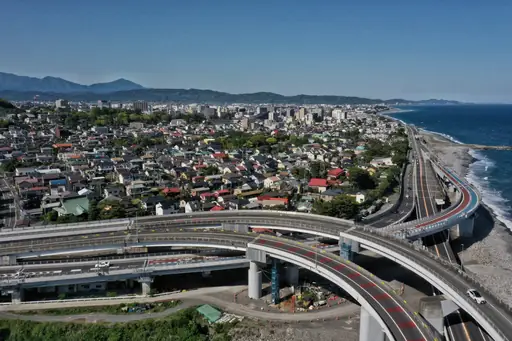
Enoshima is an islet in Fujisawa, connected to the Shonan coast over a 1,300 ft bridge. It was a favorite day trip for Tokyo residents in the Edo period, particularly for entertainers such as kabuki actors. The island enshrines Benzaiten, a deity linked to entertainment and the arts. Today it draws beachgoers, couples and families, especially in summer. Swimming isn't allowed off the island itself but the mainland has beaches, an aquarium and shops.
From the red torii gate the island's main path goes through Enoshima Shrine, which is made up of three shrines. Hetsumiya was built in 1206 and enshrines Myoon-Benzaiten, also called Hadaka Benzaiten. Nakatsumiya dates from 853 and Okutsumiya from 1841. Three outdoor escalator sections called the Enoshima Escar take visitors up about 150 ft in roughly 4 minutes, to the garden entrance and the Sea Candle.
The Enoshima Sea Candle is a lighthouse observation tower about 330 ft high with a panorama especially striking at night. The Samuel Cocking Garden next to the tower is free during the day. At the inner end of the island the Iwaya Caves are two natural caves. They were a favorite of Minamoto no Yoritomo and the second is linked to a dragon legend. The Love Bell is a popular stop for couples, who ring the bell and attach a lock to the fence.
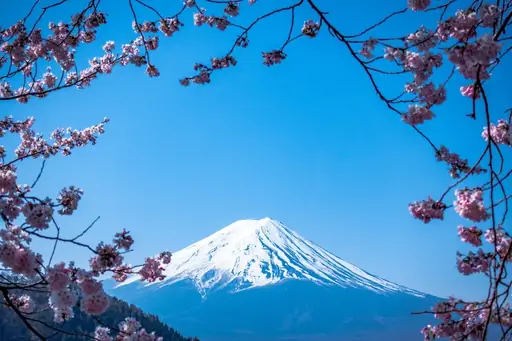
Plan on a few hours for a relaxed visit or a full day if you add the beach, cafes or a hot spring bath. A combined Sea Candle ticket covering the garden, tower and escalator costs ¥1,100 ($6.94) for adults. Prices changed recently, so check the operator's page. On a clear day you can see Mount Fuji to the northwest. Crowds are heaviest on summer weekends and holidays.
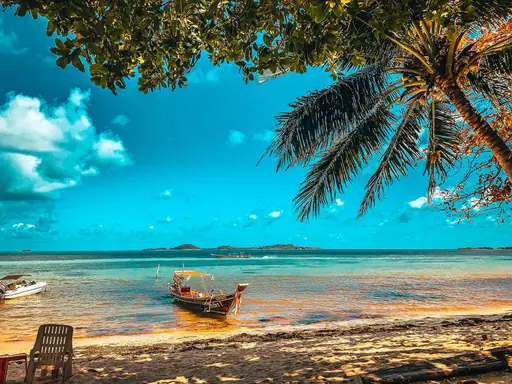
Enoshima packs shrines, caves, sea views and street food onto one small island, so a single day covers a lot. The shopping lane of Benzaiten Nakamise Dori sells street food and souvenirs on the way to the Enoshima Shrine complex, which is dedicated to the goddess Benten. Higher up, the Sea Candle lighthouse has wide views over the water. The island's caves and gardens add some variety and the Dragon's Love Bell is a popular stop for couples. On clear days you can see Mount Fuji across the water. In summer the beaches fill with swimmers and surfers, while the rest of the year is quieter and calmer. Be ready for a hilly walk with lots of steps. Paid escalators cover part of the climb if you want to skip it. The island gets crowded on weekends, holidays and especially in summer. Some attractions charge entry fees and the beaches can be packed and noisy in peak season. Bring cash for small shops and snacks. Many visitors treat Enoshima as a day trip from Tokyo, Yokohama or Kamakura because trains run directly to the island's three stations. The mainland side has an aquarium, beaches and shops. A few hours is enough for a relaxed visit and a full day gives time for the beach, cafes or a hot spring bath.
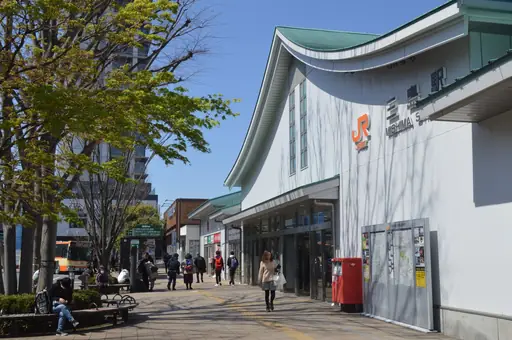
Enoshima is reached by three small railways, each a short walk from the bridge. From Kamakura the Enoden line is the most convenient and its Enoshima Station is the stop. From Tokyo, Odakyu trains run to Katase-Enoshima Station while the Shonan Monorail serves Shonan Enoshima Station. Trains also run from Yokohama. From any of the three stations it's a walk across the Benten Bridge to the island. To the Sea Candle from the stations takes about 20 to 26 minutes on foot, including the climb. Buses to the Enoshima stop run from Fujisawa Station in about 15 minutes and from Ofuna Station in about 30 minutes, followed by an 8-minute walk. Driving is possible, with car parks about 10 minutes away on foot. Weekends and holidays are very crowded, so trains and buses work better.
Many visitors treat Enoshima as a day trip from Tokyo, Yokohama or Kamakura, since trains run directly to the island's three stations. Staying in Kamakura gives you temples and quiet lanes together with the Enoden line to the island. Fujisawa and Katase also have hotels and guesthouses that are close to the bridge. Sleeping near the island lets you see the Sea Candle lit at night and walk the shrine path early, before day trippers arrive. The island itself has a few inns and a hot spring facility, while the nearby beaches have beachfront stays. Rooms fill on summer weekends and during illumination events, so book early for those dates. Shoulder seasons are calmer and less costly.
Enoshima is small enough to explore on foot and a standard route connects all the main sights. Expect steep hills and many steps.
Climbing the island:
Three outdoor escalator sections called the Enoshima Escar are paid and take you up about 150 ft in roughly 4 minutes to the garden entrance and the Sea Candle. Walking from the stations to the Sea Candle takes about 20 to 26 minutes including the climb.
Mainland side:
The mainland area with the beaches and the aquarium is also walkable and rental bikes are handy for exploring the Shonan coast. Car parks are about 10 minutes away on foot, but weekends and holidays are crowded so trains work better.
Seafood is the main theme on Enoshima. Shops and small restaurants line the lane from the bridge to the shrine, selling fresh fish rice bowls, grilled seafood and snacks to eat as you walk. Cafes with sea views are near the top of the island and along the shore, many serving dessert and coffee.
The mainland beach area has casual restaurants and beach huts in summer. You'll find few places to eat near the caves, so plan lunch before walking out to them. Weekends and holidays are busy at midday, so an early or late meal helps avoid queues. Convenience stores are available near the stations for water and quick snacks.
Log in to add this place to a travel list and get a summary of all recommended items for your whole trip.
We calculate the average costs when traveling to destinations and compare those with the living costs at your home. With this you can get an estimate of how expensive or cheap the destination is for you.
To customize this, you can set up which location and price level are used for the calculations in your account settings.
The exchange rate price factor shows how expensive or cheap a currency currently is compared to its historical average. It's a quick way to see if a country is currently more or less affordable due to exchange rate changes.
