
Few travel topics divide people as much as tour packages. For some travelers, they're the only way to go. Everything is organized and someone else takes care of the logistics while you lean back and enjoy the experience. For others, a group tour is the opposite of real travel and they wouldn't get on that bus for anything. As with most travel debates, the truth is probably somewhere in the middle. Some packages show you a country mostly through a bus window, but the good ones can offer you a great deal and nice accommodation with very little planning required from your side.
Step 1: Know what you're actually buying
The term "tour package" covers a few quite different things. The classic package holiday combines your flight and accommodation in one booking, sometimes with transfers and meals included. Once you've arrived, you're on your own. An escorted group tour goes further and includes the whole itinerary, with a guide, a bus, a group of fellow travelers and days that are planned out in advance. There's also the day tour, a guided excursion you book separately as part of an otherwise independent trip.
In many countries, package trips come with legal protections that separately booked flights and hotels don't have. In the EU, for example, the Package Travel Directive makes the organizer responsible for the whole trip, even if a hotel or airline is the one that messes up. The organizer also has to be insured against insolvency, so you get your money back or get brought home if the company goes bankrupt. How strong these protections are depends on where you book, so make sure to check the fine print.
Step 2: Ask yourself if a package makes sense

Organized tours make the most sense in a few specific situations. One is when the logistics are highly complicated, for example in places with difficult internal transport or a lot of paperwork that professionals handle better. Another is when a guide is required or adds a lot to the experience. In the Galápagos, for example, you can only visit the protected areas of the national park together with an authorized naturalist guide. Packages also save a lot of time if you'd rather pay a bit more than spend a lot of time on planning. And if you're traveling solo, a group tour also means you'll have company.
Sometimes packages are simply cheaper. Tour operators buy hotel rooms and flight seats in large numbers and get rates that individual travelers usually can't get, especially for classic beach destinations in high season. So instead of deciding whether packages are good or bad in general, think about the type of trip you want to go on, how much time you have to do the research and individual bookings and whether you'd enjoy traveling with a group or prefer venturing out on your own.
Step 3: Read the itinerary very carefully
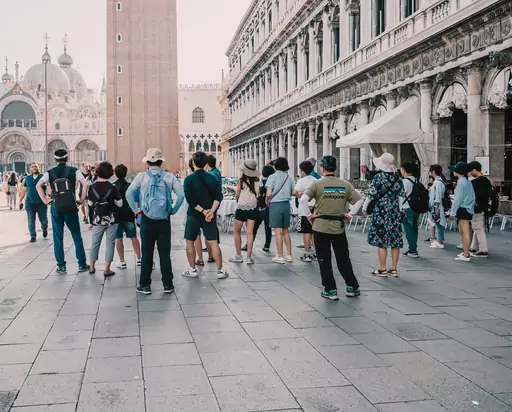
Tour itineraries are written to sell the tour, so read them with that in mind. A long list of famous places can look impressive, but it doesn't tell you how much time you'll actually have at each one. Some tours try to fit as many highlights as possible into a few days, which often means you spend more time on the bus than at the places themselves. You might only get an hour at a site where you would have liked to spend half a day. So check how much time is planned for each stop once you take away the driving. A tour with fewer places and more time at each one is often the one you will enjoy more instead of just trying to cross things off your list.
The number of hotel changes is just as important. Every change usually costs you hours with packing, checking out and checking in again, so a tour with a new hotel almost every night can get tiring quickly. Also look at how much free time the itinerary leaves you to explore a place on your own or simply take a break. The maximum group size makes a big difference too. A tour with fifteen people feels very different from one with forty-five, even at the same price. Finally, look closely at what's included. Meals, entrance fees and transfers can vary a lot between tours. Be especially careful with optional excursions. Some tours move the actual highlights into paid extras so the headline price looks lower. Ask for the list of optional excursions and their prices before you book and add the ones you would definitely do to your comparison.
Step 4: Compare the real total price with planning it yourself
Once you know the total price of the package, add the optional excursions, tips where they're expected and the surcharge for single rooms if you're traveling alone. Then work out roughly what the same trip would cost if you planned it yourself. That means the flights, the accommodation, the transport between your stops and individual day tours for the parts where you want a guide. Sometimes the package is clearly cheaper, especially flight and hotel bundles to popular beach destinations. Sometimes your own version costs about the same and gives you a lot more freedom. This is often the case in less popular destinations that are only covered by niche tour operators, which tend to be on the higher end of the price spectrum.
One thing to watch out for is a multi-day tour that's priced so low it can't possibly cover the bus, the hotels and the guide. In that case, the money has to come from somewhere because it's not like the tour operators are running a non-profit. Usually that means stops at shops that pay the guide a commission and a lot of pressure to book extras during the trip. Thailand, for example, has been cracking down on so-called zero-dollar tours, where tourists are taken to specific stores and pushed to buy overpriced goods. You might not pay much upfront, but you pay with your time and your nerves. Don't waste your precious vacation time arguing with highly trained salespeople and go for a fairly priced tour with a solid mid-range operator instead.
Step 5: Check the operator and keep your protections
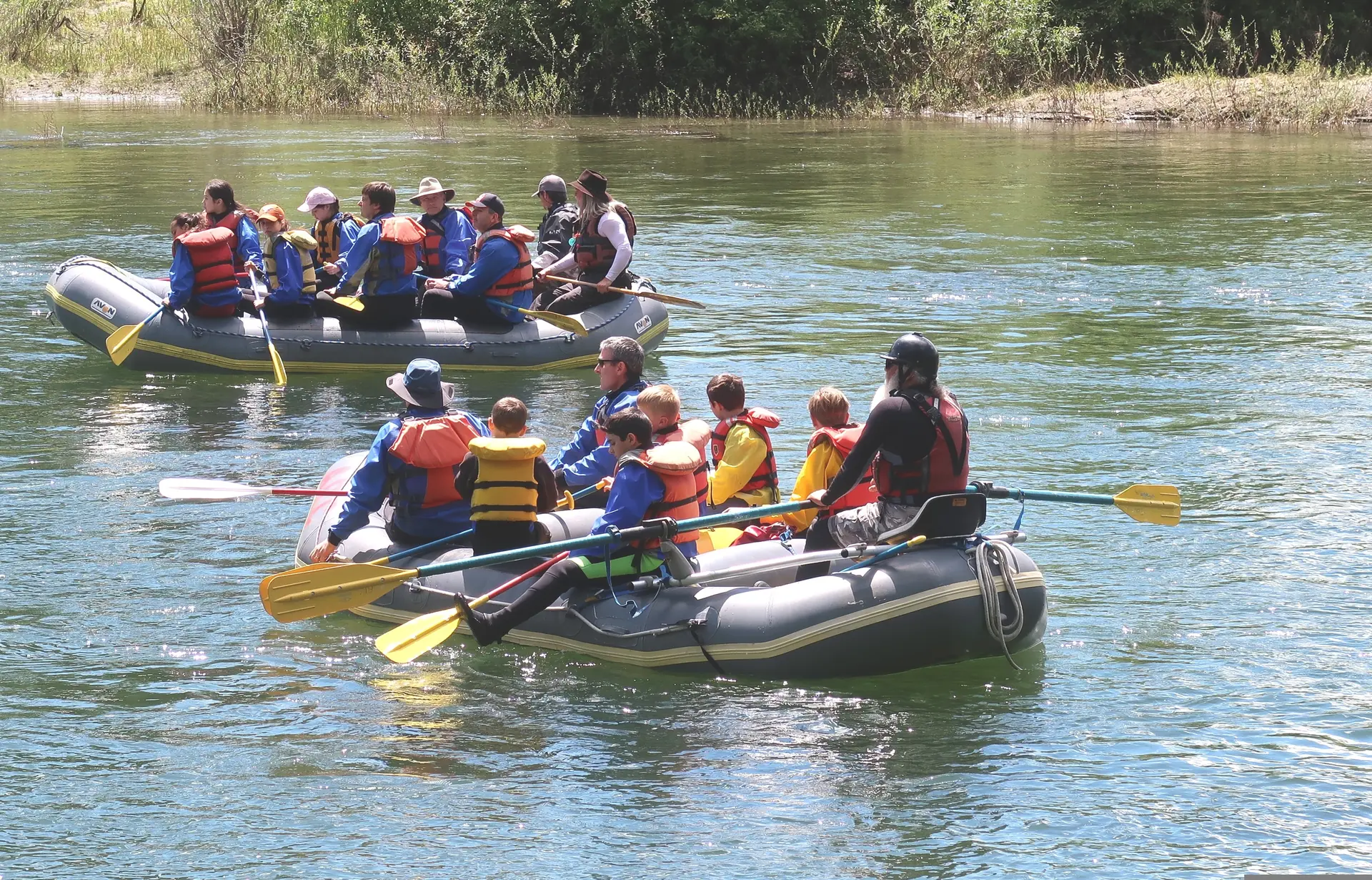
Once you've narrowed it down to a few options, check the operators the same way you would check a hotel. Read recent reviews and look for patterns instead of single complaints. Pay special attention to what people say about the guides, since a good or bad guide can make a huge difference on an escorted tour. It also helps to see how the operator dealt with problems like delays or cancellations. Then read the cancellation and change conditions before you book, because they can range from very flexible to very strict.
Also make sure you actually get the protections you're paying for. Book in a way that the package travel rules of your country apply and check that the operator has the insolvency protection that's usually required. Pay with a method that gives you options if something goes wrong, like a credit card. Also get your own travel insurance on top of that, since the package rules protect the trip itself and not your health.
Step 6: Combine the best of tour packages and individual planning
For many trips, the best solution is a mix of both. You plan the basics yourself, so the destination, the itinerary and everything else is for you to decide just the way you like it. Then you can add day tours for the parts where some organization really helps. That could be an archaeological site that's a lot more interesting with a guide, a food tour that takes you to places you'd never find on your own or a day trip that would take you a lot of time and effort to plan yourself.
That way you get the freedom of traveling independently and the local knowledge of an organized tour, without committing your whole vacation to one or the other. Our Trip Finder can help you with the first part. Once you've found your destinations, you can save them to a travel list, turn that list into a route and then add guided tours where they make sense.
Finding the right mix for your trip
Whether a tour package makes sense depends a lot on what type of traveler you are and what kind of trip you want to go on. Read the itinerary carefully, compare the real total prices, check the operator and be careful with prices that look too good to be true. If neither a full package nor a completely independent trip feels right, you can always book organized tours for just a day or two.