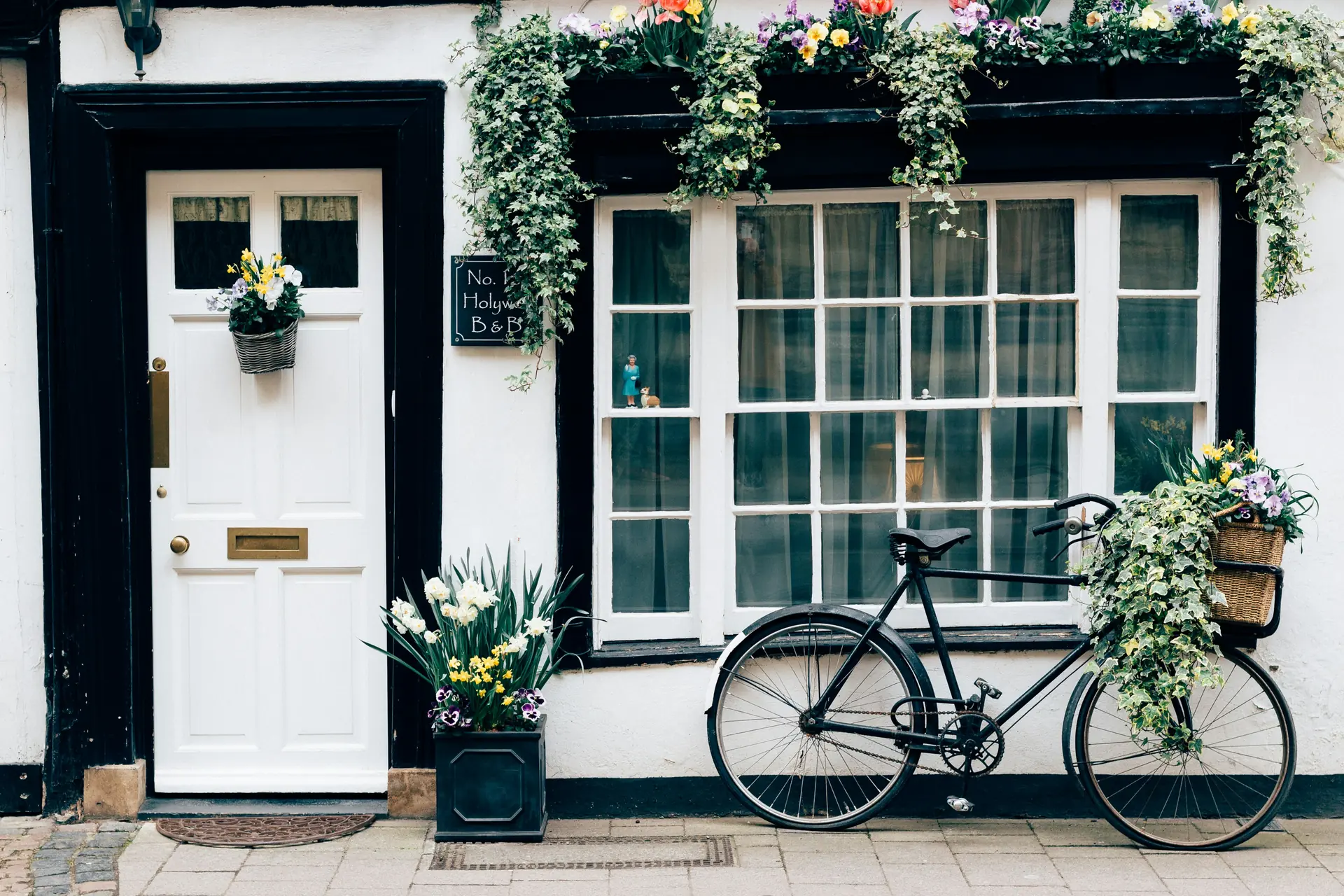

Some of the best local tips you'll get on a trip don't come from a concierge or an app. They come from the woman who runs the six-room pension you're staying at. Her whole life she's lived in the town and over breakfast she tells you to skip the restaurant you had planned for dinner and go to the one behind the church instead. She recommends going to the viewpoint at five in the afternoon when the light is better. By the second morning she knows how you take your coffee.
Pensions, B&Bs and guesthouses are often misunderstood. Some people book them like a small hotel and are then disappointed that there's no room service or 24-hour reception. Others skip them completely because the listing only has a few photos and no well-known brand name. Once you know what to expect from these places and what their advantages are, they can give you some of the nicest travel memories for the money you spend.
Step 1: Get to know the different names
The first thing that can be confusing is the vocabulary. Small accommodations run by their owners have a different name in almost every country. Pension, guesthouse, B&B and inn are some of the more common ones. On top of that there are local terms, for example for farm stays in wine regions or family-run houses in fishing villages. What these places offer can differ as well. Some of them only serve breakfast and some do dinners as well. At times you might stay in a room in the family's own home and sometimes in a small separate house. What they usually have in common is that there are only a few rooms and the host is a real person who lives there or close by.
If you only filter for "B&B" on a booking platform in a country where they're called something else, you might get almost no results in a town that's actually full of them. Try the different accommodation categories on the booking sites, look up the local term and check if the local tourism office has a list of private accommodation.
Step 2: Know what small places are great at
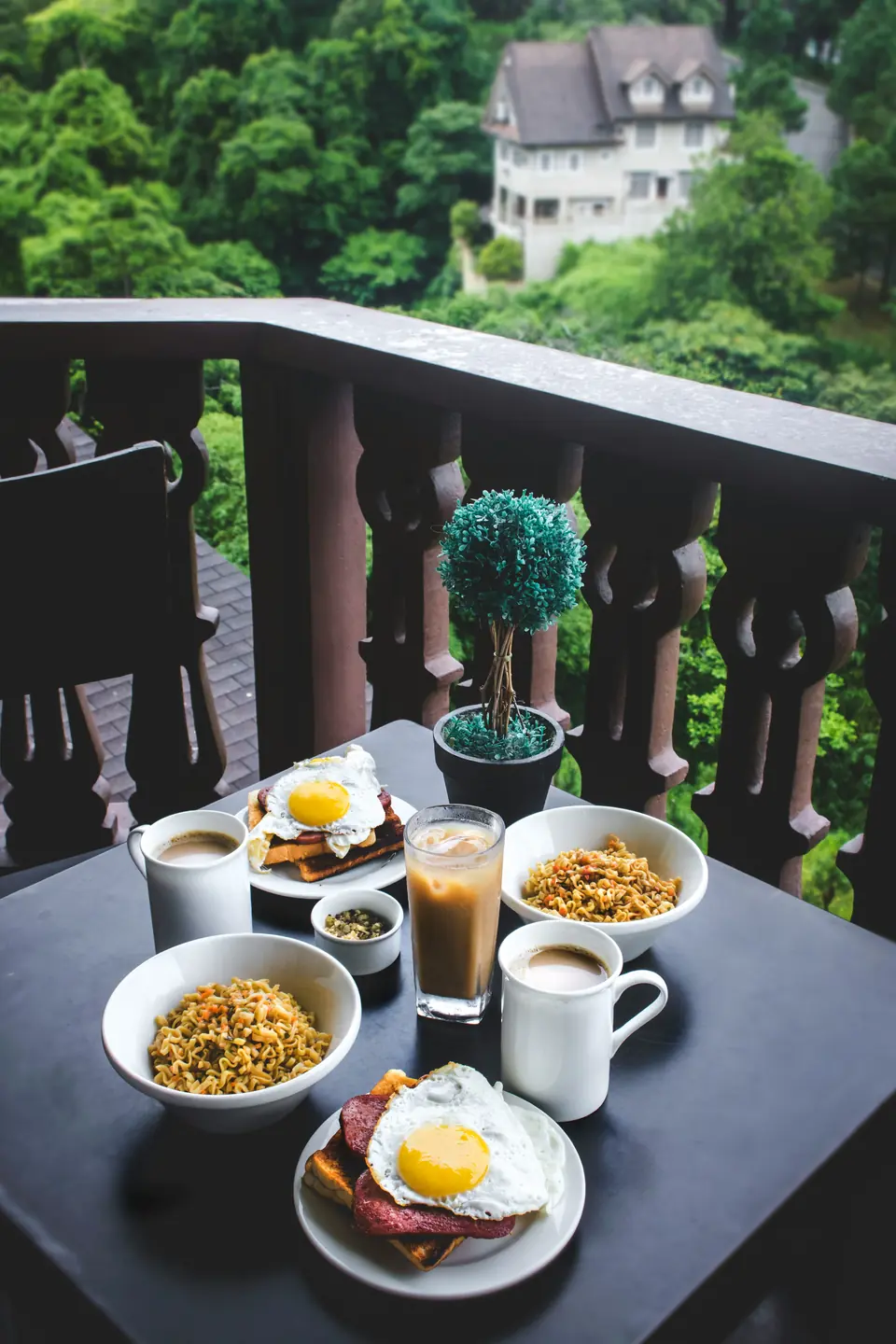
The biggest advantage of a guesthouse is usually the host. They know the area like a local because they are one and are often happy to share what they know. That can make your whole stay feel a bit like a guided tour of the place. Breakfasts are often a highlight as well because they are usually homemade and might include some local delicacies if the place is known for something specific. The character of these places also tends to be genuine. The building was often a farmhouse, a townhouse or a family home long before it took in guests, so nobody had to design it to look charming. And the value for money is often very good, because you pay for a nice room and a host who cares and not for a big lobby and lots of staff.
There's also the question of where your money ends up. At a family-run guesthouse it goes directly to the household and stays in the town. All of this adds up to something big hotels are unable to recreate, which is the feeling of staying somewhere typically local with someone who actually lives there.
Step 3: Be aware of the trade-offs
The small size also comes with a few downsides and it helps to know about them before you book. There's no 24-hour reception. You usually agree on an arrival time with the host in advance and if you show up at midnight without telling anyone, you might find a dark house and a locked door. Services are limited, so there's often no daily cleaning, no restaurant and no gym. Amenities can vary a lot too. Old townhouses don't always have air conditioning, an elevator or a TV in the room. The walls and floors in historic buildings can be thin, so you'll probably hear your neighbors. Many houses also have fixed times, like breakfast until ten and quiet hours in the evening. In some parts of the world you might have to pay in cash, so it's a good idea to ask about payment beforehand.
This is just how small guesthouses are run. If you need to arrive at any time of night, come and go without anyone noticing and have a reception that takes care of every problem, a hotel is probably the better choice for that trip. A guesthouse might also not be a great option if you're someone who isn't particularly social or if you just need a trip where you want to unwind and talk with as few people as possible. For either of those scenarios, the more familiar vibe of these places might be too much.
Step 4: Find the good ones
Quality varies a lot in this category because every place depends on the standards of one family. Recent reviews are a good place to get an idea of what to expect. Good small places are often well known locally too. The tourism office usually has lists and local forums often have recommendations.
One big advantage of small places is that you can simply write to them. Send a short, friendly message with your dates, the number of people traveling and maybe a question or two. You'll see how quickly and how kindly they reply. Small places lose quite a bit of money on platform commissions, so booking directly can sometimes get you a better price or a nicer room. It's also a good start to the relationship with your host since it tends to be their preferred option. Just make sure you get a written confirmation, which any serious host will send you without a problem.
Step 5: Be a good guest
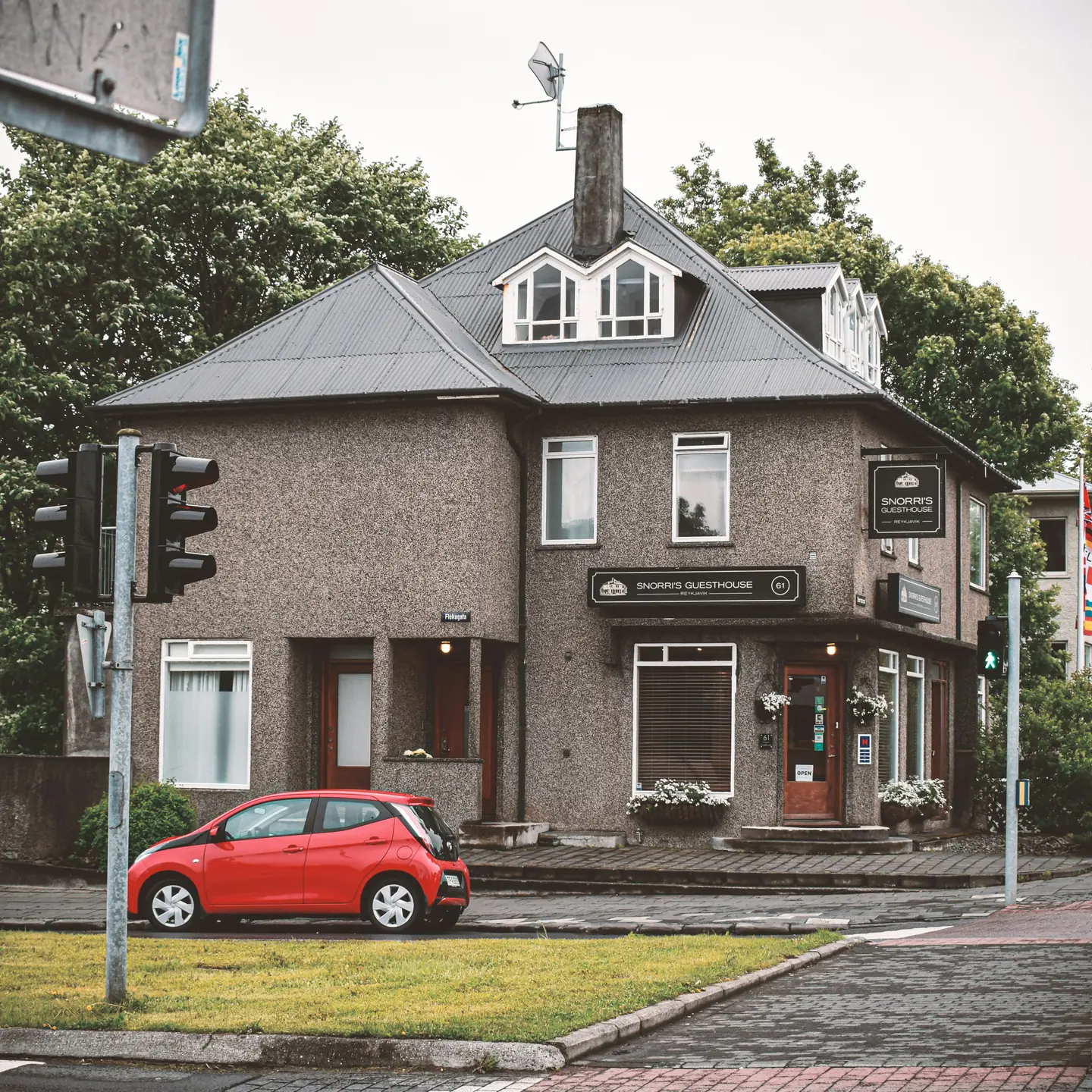
Being a good guest in a guesthouse isn't complicated. Let the host know when you'll arrive and send an update if you're running late. There's a person waiting for you and not a reception with staff working in shifts. If you agree on a breakfast time, try to be there on time, since someone is cooking for the number of guests they expect. Keep to the house rules, especially at night, since the hallway might be right above someone's bedroom. Treat shared spaces with care. If something isn't working, mention it early and politely. The person who can fix it is usually the owner and small places tend to sort things out very quickly. After your stay, leave an honest review and be generous where it's deserved. For a small pension, reviews make a big difference, because a lot of future guests will decide based on them.
Step 6: Go where guesthouses are part of the culture
Small guesthouses aren't spread evenly around the world. You'll find most of them in places where the big hotel chains usually don't go, like small towns, wine regions, coastal villages and the countryside between the famous cities. In many of these places, family-run pensions are simply the most common type of accommodation and often the one with the best value. So if you enjoy staying in guesthouses, it can make sense to pick a destination where there are plenty of them.
Our Trip Finder can help with that. You can filter for the things you enjoy, like hiking, good food, peace and quiet or a certain budget level. The results show you the full list of matching destinations, including lots of smaller places you might not have heard of. Once you've saved a few candidates to a list, you can compare them and check what kind of accommodation each one has.
Why a small guesthouse can be the highlight of your trip
Pensions and B&Bs are a nice reminder that accommodation used to be about hospitality first. You get a few rooms, a proper breakfast and a host who is happy you came. If you book them for what they are, communicate with your host and stick to the house rules, you'll often get a stay that's hard for any hotel chain to match.