
A rental car can open up a whole new side of a destination. Suddenly the beaches beyond the bus routes, the small villages between the famous towns and the viewpoint that no tour stops at are all within reach for you to explore. At the same time, there are quite a few things that can go wrong when you rent a car. A cheap online booking can end up costing twice as much at the counter. You might have to make decisions about insurance in thirty seconds while the agent waits for your answer. And sometimes a damage charge shows up on your credit card weeks after you're back home.
The good thing is that most of these problems are easy to avoid if you know about them in advance. Millions of travelers rent cars abroad every year without any trouble and if you want to be one of them it's good to come prepared.
Step 1: Decide whether you actually need a car
Before you compare cars and prices, think about whether a car makes sense for your trip at all. In cities, a rental car is often more of a burden than a help. Parking is expensive, the traffic is unfamiliar and many city centers have restricted zones that are easy to drive into by accident and expensive to pay for afterwards. City centers can also be a lot more demanding than what you're used to at home when it comes to driving. Cyclists and pedestrians in Europe or scooters in Southeast Asia are factors that make sitting behind the steering wheel a lot more stressful. If a city has good public transport, it's usually the easier and cheaper option. A car is much more useful in the countryside, on islands and in regions where the interesting places are spread out between the towns.
It also doesn't have to be all or nothing. You can rent a car for only part of your trip. Spend the city days without one and pick it up for the two or three days when you want to explore the region. That way you save on parking and stress and you only have the car when you really need it. If you've saved your destinations to a travel list on travelfilters, you can turn it into a route and see the estimated driving times between your stops. That gives you a good overview of which parts of the trip need a car and which don't.
Step 2: Book early and compare the total price
Rental car prices often work a bit like flight prices. They tend to go up as fewer cars are available, so booking early can save you money, especially in high season and on islands where the number of cars is limited. Compare the big booking platforms and the rental companies' own websites, since neither one is always cheaper. Look at the total price for your dates with all the extras you need and not just the daily rate. A second driver, a child seat or an automatic car can change the price quite a bit.
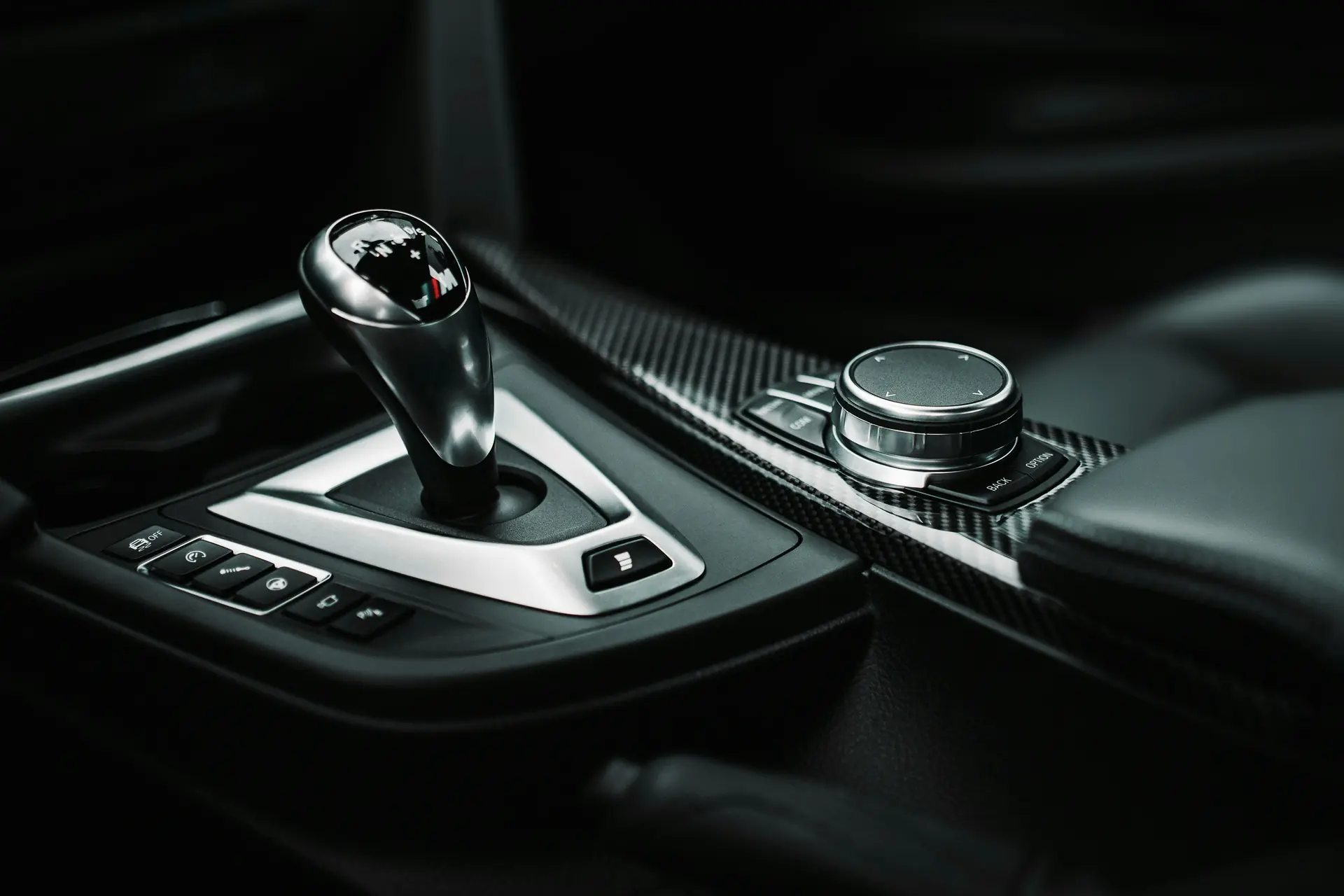
The transmission is especially important. In many parts of the world, manual cars are the standard and automatics are rarer and more expensive. If you can't or don't want to drive a manual, book an automatic early and don't count on getting one at the counter. You don't want to feel like you're in driving school again on unfamiliar roads, so don't wing it if you're not up to the challenge. Also check the requirements for the driver. Many companies charge extra for young drivers below a certain age. Some countries also require an International Driving Permit in addition to your national license, so check the rules for your destination before you leave and apply on time if you need one.
Step 3: Know who you're actually renting from
Online car rental aggregators like DiscoverCars, Rentalcars.com or Economybookings compare the offers of many rental companies at once and often show lower prices than the rental companies' own websites. They can be a good way to get an overview. Just keep in mind that you're booking through a middleman. Your rental contract is with the company behind the desk at your destination and that isn't always a brand you know. Check which company you're actually renting from and look at its ratings, since the cheapest offers often come with strings attached. The office might be outside the airport and only reachable by shuttle bus. Or the fuel policy might be unfavorable and the staff at the desk might push hard to sell you extras.
Many aggregators also sell their own "full coverage" insurance. This is usually reimbursement insurance and not part of your rental contract. The rental company will still block a deposit on your credit card. If the car gets damaged, the rental company charges you first and you claim the money back from the aggregator afterwards. Don't be surprised if the staff at the desk tell you that this insurance isn't valid with them. It isn't part of their contract, but it can still cover your costs later. If something goes wrong, having a middleman involved can also make customer service a bit slower.
Big international chains have their own advantages. They usually have more locations and newer cars and they make one-way rentals easier. Their processes are fairly standardized from country to country and many of them have loyalty programs. On the other hand, they're often more expensive and their extras can make the total run up quickly.
Smaller independent rental companies are an option that a lot of travelers overlook. In many holiday regions, local companies offer all-inclusive prices that already include insurance without an excess, a second driver and child seats. Some don't even require a credit card deposit. The service tends to be more personal and some companies even bring the car to your hotel. The downsides are that they usually have fewer offices and shorter opening hours. One-way rentals are often not possible and the cars can be older. Roadside assistance might also be limited once you leave their area. The quality varies a lot from company to company, so read recent reviews before you book.
Step 4: Sort out the insurance before you get to the counter
Insurance is usually the most confusing part of renting a car, so it helps to understand the basics in advance. Basic insurance is normally included in the price, but it comes with an excess. That's the amount you have to pay yourself if the car gets damaged and it can be quite high. At the counter, the rental company will usually offer you their own insurance to reduce the excess. That's convenient, but often the most expensive option. Alternatively, you can book extra coverage together with the car online as mentioned above or get a separate excess insurance from a third-party provider. If you rent cars often, an annual policy that covers all your rentals can save you a lot of money. Also check your credit cards, because many of them include this type of coverage. You usually have to pay for the rental with that card and decline the rental company's own coverage. Some cards also exclude certain countries, so read the conditions carefully.
Decide which option you want before you pick up the car. The counter isn't a great place to make that decision, since the agents are trained to sell and there are often more people waiting behind you. If you're already covered, you can just politely say no. Also check the deposit rules before your trip. Most companies block a deposit on a credit card in the main driver's name and many don't accept debit cards for it. If you don't have the right card with you, you might not get the car at all.
Step 5: Check the car carefully at pickup
Taking a few minutes at pickup can save you a lot of trouble later. Walk around the car and take photos or a video of every scratch, dent and chip, including the windshield, the wheels and the interior. Make sure any existing damage is noted on the handover form before you drive off. That way you have proof if the company later tries to charge you for damage that was already there.
While you're at it, ask about a few practical things. Make sure you're aware of the type of fuel that the car needs. Filling up with the wrong fuel can be a very expensive mistake. Also be aware of the fuel policy. Full-to-full, where you get the car with a full tank and return it full, is usually the fairest option. Potential limits to the distance you're allowed to drive and how to handle tolls if there are any are other important questions. Some countries require a vignette, others have electronic toll systems and the rental company's own toll package isn't always the cheapest choice.
If you're planning on crossing borders with the rental car, that adds another level of complexity. Make sure this is allowed in the first place and the insurance covers it as well. In many cases you'll have to pay an extra fee if you don't limit the trip to one country. That's even the case within the Schengen Area, where you usually don't even notice that you've crossed a border.
Step 6: Get to know the local driving rules
Driving abroad is mostly similar to driving at home, but there are a few things you should know. Read up on the basic local rules before you set off, from speed limits and right of way to whether people drive on the left. Many countries have lots of automatic speed cameras. The fines usually reach you at home through the rental company, often with an extra processing fee. In cities, look out for low-emission zones and parking that's only for residents, since both are easy to miss as a visitor.
Traffic accidents are one of the biggest real risks for travelers, so it makes sense to be extra careful when you're the one driving. Take it a bit slower than you would at home and try to avoid driving at night on roads you don't know. Never leave valuables visible in a parked car. Rental cars with luggage on the back seat are a common target for thieves in tourist areas.
Step 7: Return the car as carefully as you picked it up
Take the same amount of care when you return the car. Fill up the tank shortly before you drop it off and keep the receipt, since some companies ask for proof. Bring the car back on time, because even being an hour late can mean you pay for an extra day. Take photos of the car again at the return spot, ideally with an agent there. Ask for a written confirmation that the car was returned without any new damage.
After the trip, keep an eye on your credit card statements for a few weeks. Late charges for fuel, tolls or damage do happen sometimes. If they do, your photos from the pickup and the return will help you sort things out quickly. In most cases there won't be any surprises though.
Exploring beyond the bus routes
A rental car can make it a lot easier to see the parts of a destination that public transport doesn't reach. Think about whether you really need one, compare the total price, sort out the insurance in advance and check the car carefully when you pick it up and return it. Then you can just enjoy the drive.