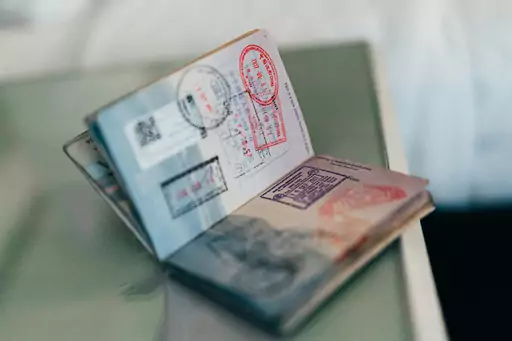

If you watch tourists in a foreign metro station for a few minutes, you'll see two very different kinds of approaches. Some people tap their phone at the gate and are on their way to the hotel within minutes. Others stand in front of a ticket machine with their luggage, trying to figure out which zone they need and whether the machine takes cards or they might need to withdraw cash first. Some of them only find out at the first ticket check that their paper ticket should have been stamped at the validation machine and that failing to do that can come with a steep fine.
Most of these problems come down to the same handful of things, like how you pay, which zone you need and whether your ticket has to be validated. Once you know what to look out for, public transport is usually the cheapest and easiest way to get around a city. A few minutes of research before you arrive can save you a lot of time and money on the ground.
Step 1: Find out how to pay before you arrive
Ticket systems can be completely different from one city to the next, even within the same country. In some cities you just tap your normal bank card or your phone at the gate. In others you need a local transit card that you have to buy and top up at a machine first. Some cities sell their tickets mainly through an app. That's also why tips from a friend who visited a different city aren't always very helpful.
Paris is a good example of how quickly things can change. The city has stopped selling the old paper tickets and now sells single journeys through official apps or on the rechargeable Navigo Easy card. Paying with a bank card at the gate is only being introduced step by step and won't work on all metro lines for a few more years. So check how payment works in your destination before you land and not when you're standing in front of the gate with your suitcase. If you want to know how much cash you'll need in general, the Quick Facts box on our place info pages shows you a cashless payment rating for each destination.
Step 2: Check the rules on the official website or app

Once you know how the system works, look up the details on an official source. That's usually the website or app of the local transport company. Google Maps and other route planners are great for finding connections, but they don't always know the current fare rules. And if you get checked, the inspector goes by the official rules and not by what your map app said.
If you're planning to pay by card, there are a few more things to keep in mind. In many cities, each person needs their own card or phone to tap in. In London, for example, you can't pay for yourself and your travel partner with the same card on the same journey. You also need to use the same card or phone every time, because the system can only cap your fares with frequent use if it recognizes you. And keep an eye on your bank's fees. If your card charges a fee for every foreign transaction, tapping in ten times a day can add up quickly.
Step 3: Understand the fare zones
Many cities charge different prices depending on how far you travel. The network is split into zones and the ticket price depends on how many zones you pass through. The zone borders aren't always easy to see on a normal map, so check the official zone map and see where your hotel and the main sights are.
A common mistake is buying the cheapest ticket because it's the first option on the machine. That ticket often only covers the central zone. If your hotel or the airport is further out, it might not be valid for your whole trip. Buying the wrong zone counts as traveling without a valid ticket, so double-check the zones before you buy. Airport connections in particular often have their own fares that can be a lot higher than a normal ticket. Sometimes, you can choose between a premium train and a slower, regular one to get from the airport to the city center. {{place:165607}} (FCO) gives you that option, for example. It's up to you to decide whether paying a premium is worth saving some time for you, but it's nice to know that option exists. Our airport profile pages give you all the important info on transport options to and from the airport, so just use the search bar above to find the airport you're looking for.
Step 4: Compare passes and single tickets
Day passes and tourist passes sound convenient, but they don't always save you money. Before you buy one, count roughly how many rides you'll actually take. If you mostly walk and only take the metro once or twice a day, single tickets are often cheaper. A pass usually makes more sense if you know you'll use public transport several times every day. Some tourist passes also include museum entries or other discounts, so check whether you would actually use those.
More and more cities also have fare capping. This means you just tap in with the same card or phone every time and the system stops charging you once you've reached a daily or weekly limit. In New York, for example, subway and local bus fares are capped at $35 ($35) over seven days when you tap with OMNY. London has daily and weekly caps as well. In cities with fare capping, you usually don't need to buy a pass at all.
Step 5: Always validate your ticket
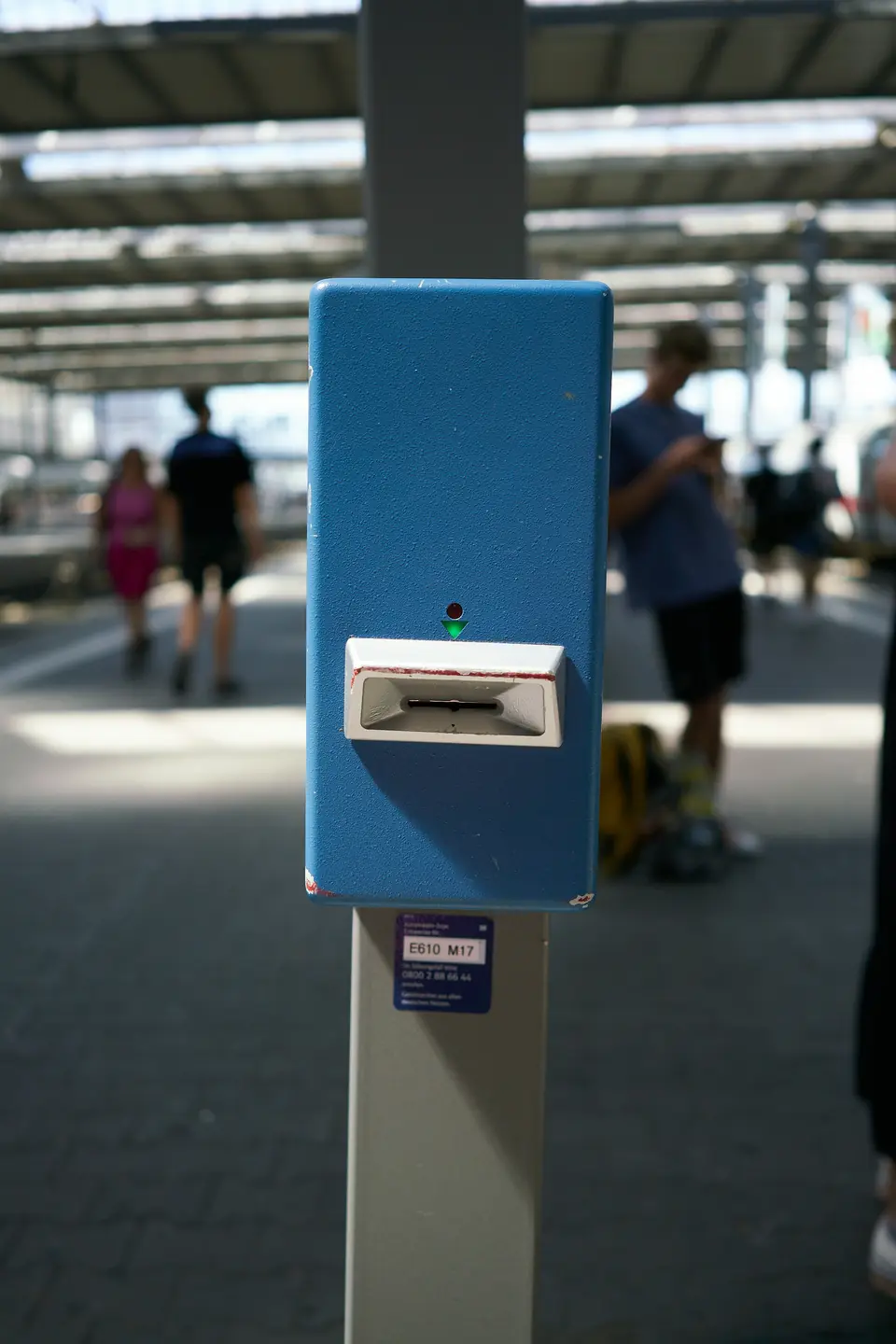
This is the mistake that leads to more fines than any other. In many cities, especially in Southern and Central Europe, a ticket you bought isn't valid until you validate it. That usually means putting it into a small machine on the platform or on the bus, which stamps the date and time on it. If you're checked without a stamp, it counts as if you had no ticket at all.
Rome is known for this. Tourists regularly get fined on buses because their paper ticket wasn't stamped and the fine is at least €50 ($55.72) per person if you pay within five days and they hit you with a late fee if you fail to pay on time. Inspectors hear the excuse that you didn't know every day like a broken record, so you're unlikely to get away with it even if you genuinely didn't know. When you get on a bus or tram, look for the validation machine and watch what the locals do. Also keep your ticket until you've left the station, since some cities check tickets at the exit too.
Step 6: Think about public transport when you choose your accommodation
How well you can get around also depends on where you stay. If the public transport network is fast and cheap, you can easily stay further out and save money on your accommodation. If it's slow or expensive, a central location can make more sense, even if the room costs a bit more.
When you compare places to stay, check how far it is to the nearest metro, tram or bus stop and how long the ride to the places you want to see takes. A cheap hotel that's a 20-minute walk from the nearest station can end up costing you a lot of time every day. And if you arrive late at night, check whether there's still a connection from the airport or train station to your accommodation at that time.
Even if you're not usually a public transport person, keep an open mind if you're going to destinations with heavy traffic. If you have a trip to Bangkok planned, you will thank yourself in hindsight for booking a hotel near a BTS or MRT station. Even if you're willing and able to spend enough money to rent a personal driver and a luxury car, Bangkok traffic will still treat you without mercy, especially during rush hour. You might spend precious hours of your trip stuck in chaotic traffic, while you could have reached your destination quickly, in air-conditioned and clean public transport for less than THB 100 ($2.96).
Getting around without the stress
Public transport in a new city is a lot easier if you do some research on the local systems before you arrive. Find out how to pay, check the zones, compare passes with single tickets and always validate your ticket if the city requires it. Then the only thing you have to figure out on the ground is which direction your train is going. And most importantly, don't be afraid to use it just because you wouldn't consider doing that at home. Many countries on this planet have excellent public transport and you should take advantage of that.