
Top beer destinations and famous breweries
Top beer destinations and famous breweries
Top beer destinations and brewery tours
Beer travel has developed a dedicated following built around the explosion of craft and independent brewing that has transformed the offer in many countries over the past two decades. The most rewarding destinations combine a strong brewing tradition with an accessible taproom culture, allowing visitors to drink close to the source across a range of styles within a compact area. Historic brewing regions and newer craft scenes both reward deliberate, unhurried exploration.
Regional brewing traditions tied to specific ingredients, water profiles or fermentation methods produce styles that are difficult to appreciate fully outside their place of origin, giving beer travel a terroir dimension that parallels wine tourism. Brewery taprooms and beer-focused bars have become anchor points for dedicated itineraries, with organised tours and festival experiences widely available across the strongest markets.
Major beer festivals sell out months ahead and require early planning for accommodation and tickets. Visiting outside festival periods often delivers better brewery access with more time than peak events allow. Responsible consumption planning is worth taking seriously on multi-brewery days and organised tours with transport are widely available across most established destinations.
Lists by region
Region in Germany
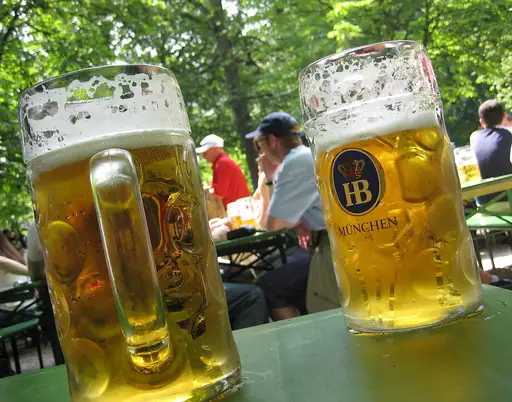
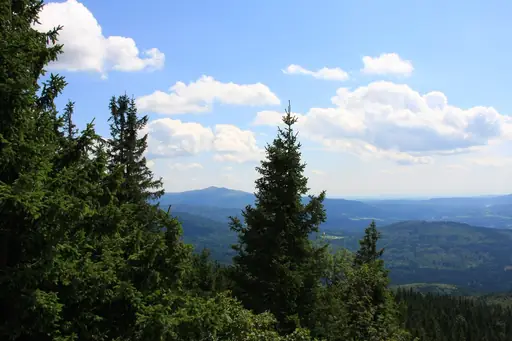
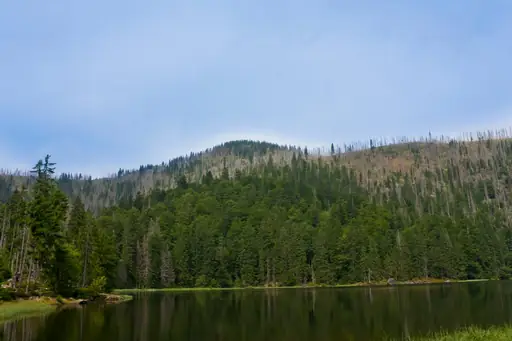
Bavaria
Alps, castles, beer gardens and old towns
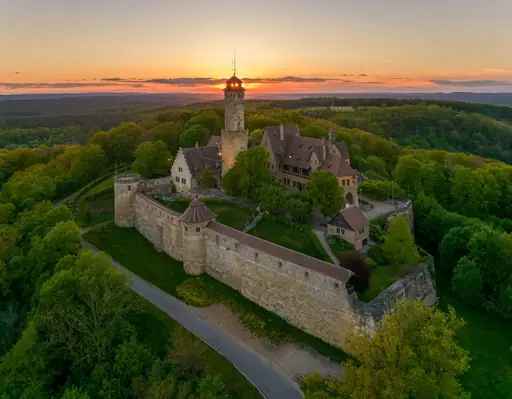
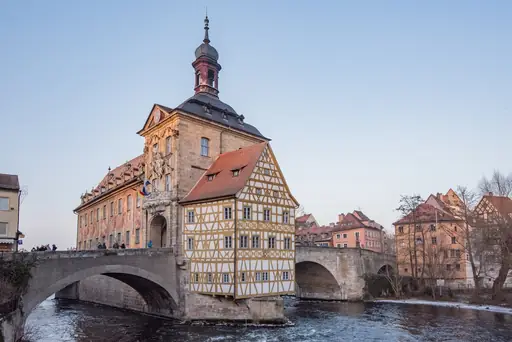
A beer purity law passed here in 1516 still influences brewing regulations across Germany today. Only water, barley and hops were originally permitted under the law, later amended to include yeast. Munich's Oktoberfest, the world's largest beer festival, draws millions of visitors to the region each autumn.
City in Germany
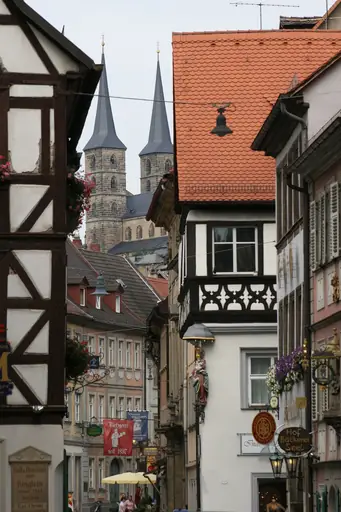
Bamberg
Smoked beer and a UNESCO old town
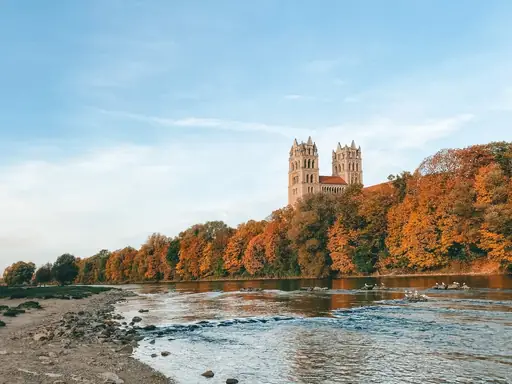
Smoked beer called Rauchbier remains a specialty here, made using malt dried over open flames. Schlenkerla, one of the city's oldest breweries, still serves the style from wooden casks in its historic tavern. Bamberg's old town, a UNESCO World Heritage Site, holds several breweries within walking distance of each other.
City in Germany
Munich
Bavarian capital of beer gardens and museums
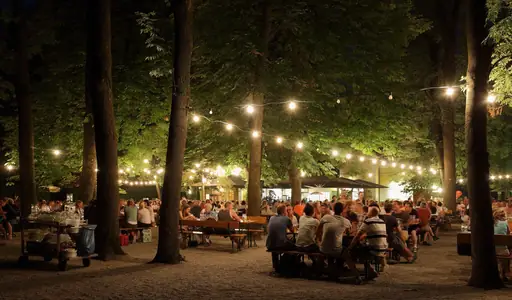
Oktoberfest began here in 1810 as a royal wedding celebration before growing into the world's largest beer festival. Hofbrauhaus, one of the city's oldest breweries, has served beer on the same site since the 1500s. Large communal tables inside traditional beer halls encourage strangers to share space and conversation.
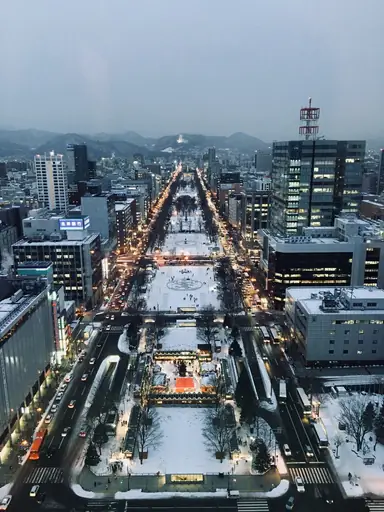

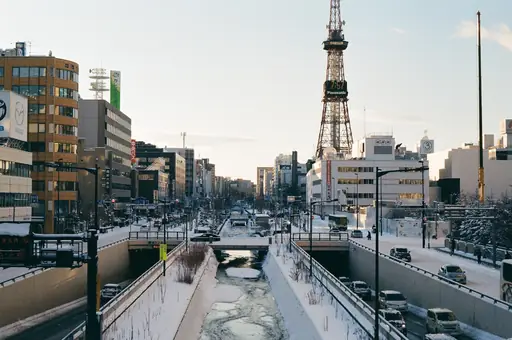
City in Japan
Sapporo
Snow festival city with ramen and beer
Sapporo Beer, one of Japan's oldest brands, traces its roots to a brewery founded in this city in 1876. A museum on the original brewery grounds walks visitors through the company's history and beer-making process. An annual beer festival held each summer takes over a park in the city center.
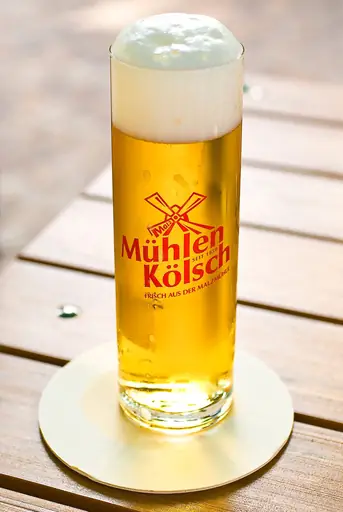
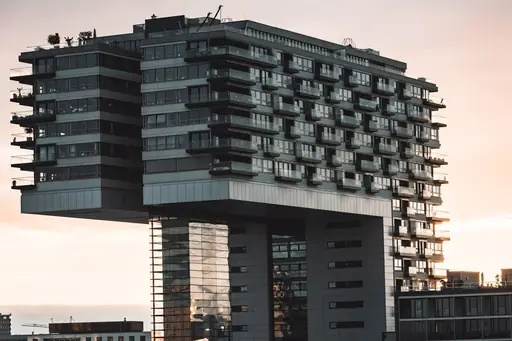

City in Germany
Cologne
Gothic cathedral, Roman ruins and Kölsch
Kolsch, a light, crisp beer style, can only legally be called by that name if brewed within this city. Traditional Cologne breweries serve the beer in small, narrow glasses called stangen, refilled quickly by roaming waiters. A coaster placed on an empty glass signals to servers that a drinker is finished.

Town in Germany
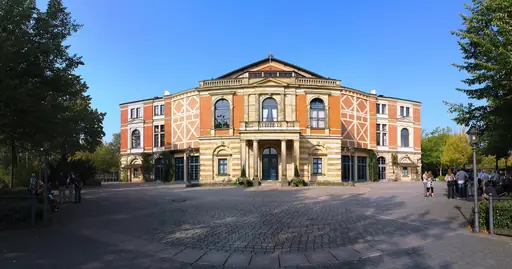
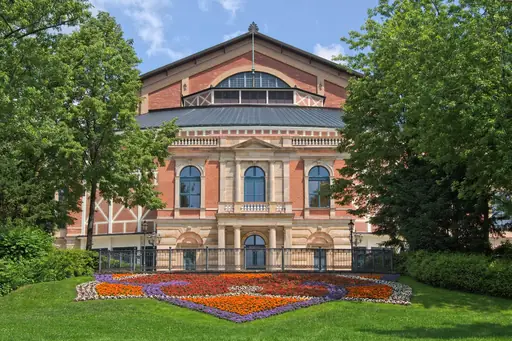
Bayreuth
Wagner, baroque theaters and Franconian beer
Maisel's Weisse has brewed wheat beer in this city since the 1880s, specializing in the cloudy, fruity style. A brewery museum here traces the history of beer production using historic equipment and displays. Bayreuth is better known internationally for its opera festival, though beer culture runs just as deep locally.
Region in Germany
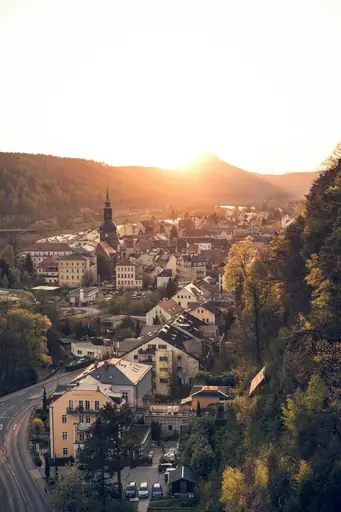
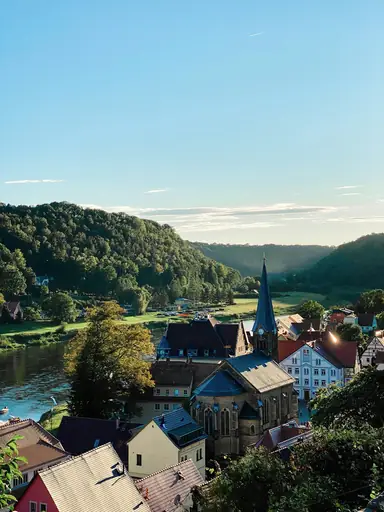
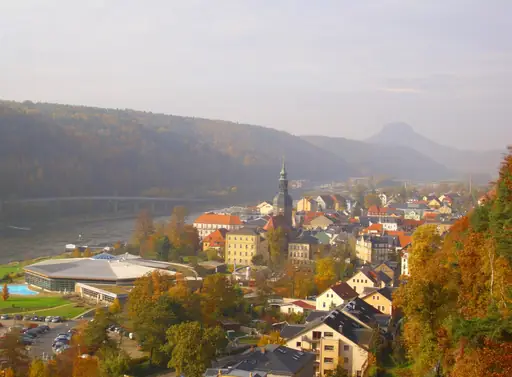
Saxon Switzerland
Sandstone towers and Elbe valley hikes
Sandstone caves carved throughout this region were historically used to store beer at consistent cool temperatures before refrigeration. Small local breweries still operate in towns scattered across the surrounding hills. Hikers exploring the region's dramatic rock formations often stop at village taverns for a local beer.
Region in Germany
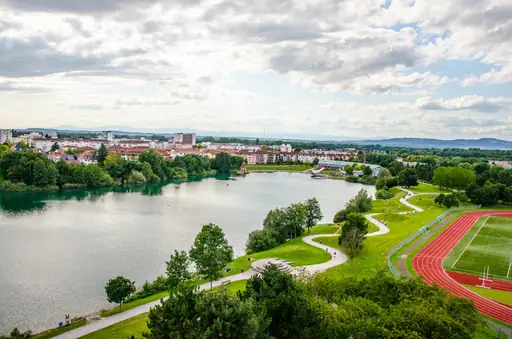
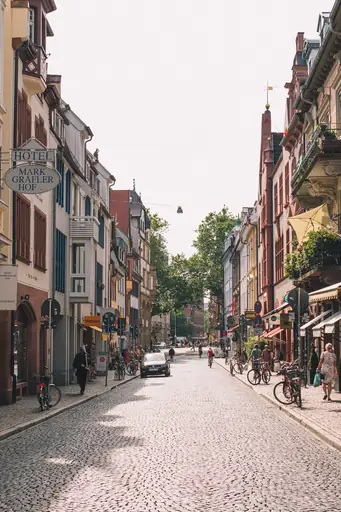
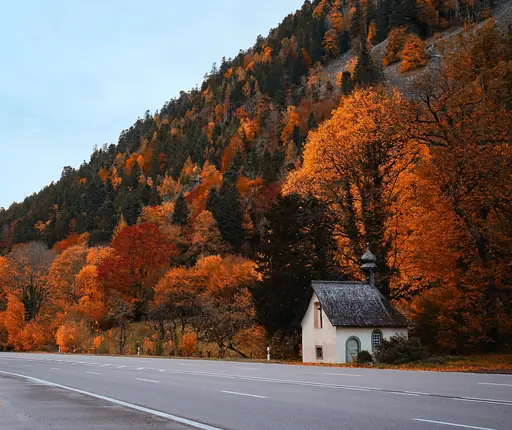
Black Forest
Dark woods, lakes and hilltop villages
Rothaus brewery has operated in this region since 1791, best known for its Tannenzapfle pilsner in a green bottle. Traditional breweries throughout the Black Forest still follow recipes passed down across generations. Forest-fed spring water plays a central role in the character of many local beers.
Region in Germany
Franconia
Beer cellars, vineyards and Baroque palaces
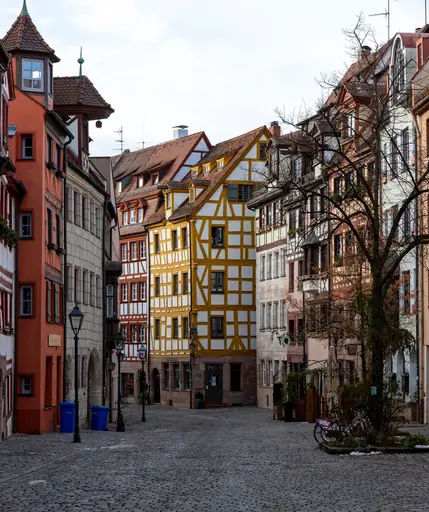
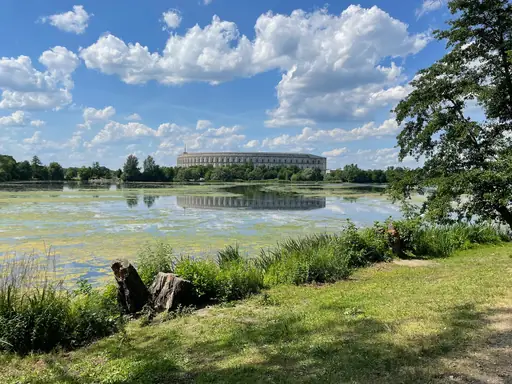
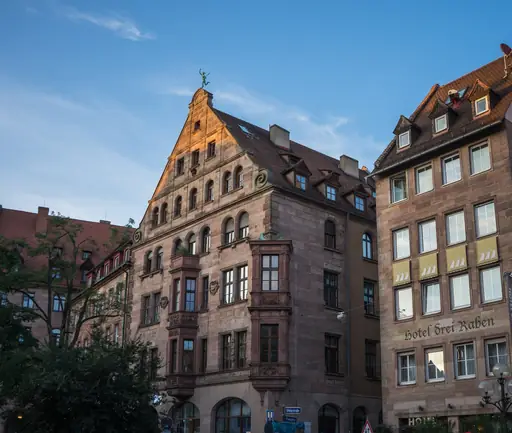
This German region holds the highest density of breweries per capita found anywhere in the world. Small village breweries often produce beer sold only within a few miles of where it was made. Many have operated continuously for well over a century, passed down through family generations.
Lake in Germany
Bodensee
Alpine lake shared by three countries
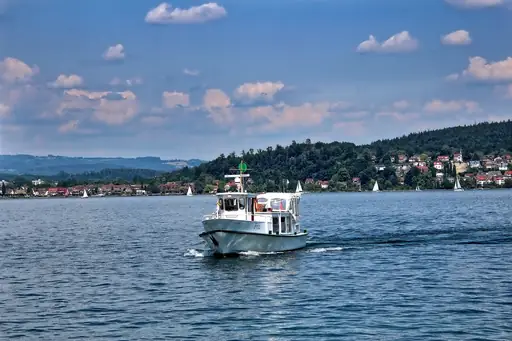
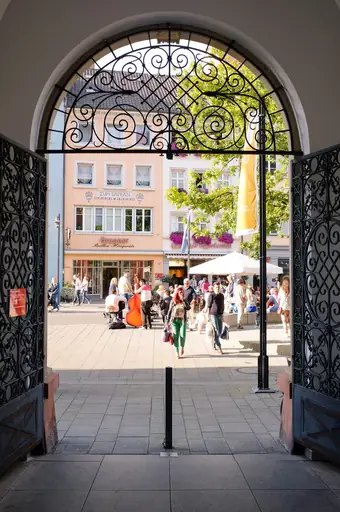
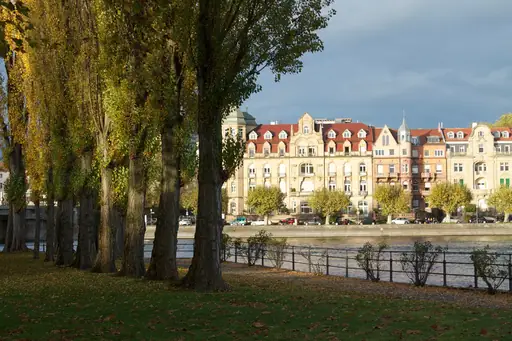
Small breweries dot the shores of this lake, shared between Germany, Switzerland and Austria. Local beer gardens take advantage of lake views during the warmer months, popular with cyclists circling the shoreline. Regional styles here often reflect a mix of German and Swiss brewing traditions.

City in Japan
Tokyo
Japan's capital of temples, towers and food
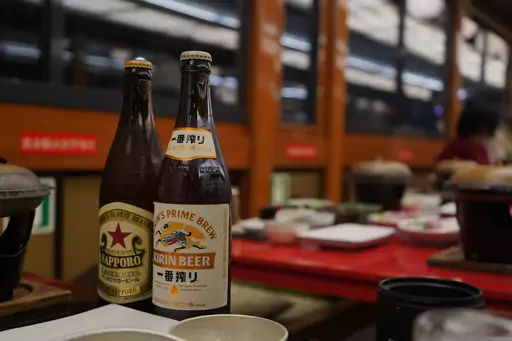
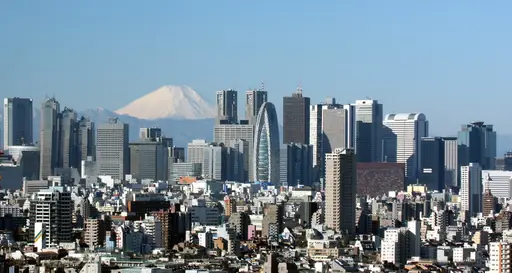
Baird Brewing and other craft producers have grown steadily here, adding variety to Japan's traditionally lager-dominated beer scene. Izakaya pubs throughout the city still serve mostly mainstream Japanese lager alongside small plates of food. Beer gardens open seasonally on rooftops across the city during warmer summer months.
City in Germany
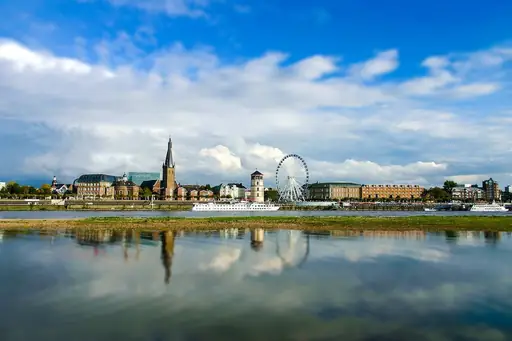
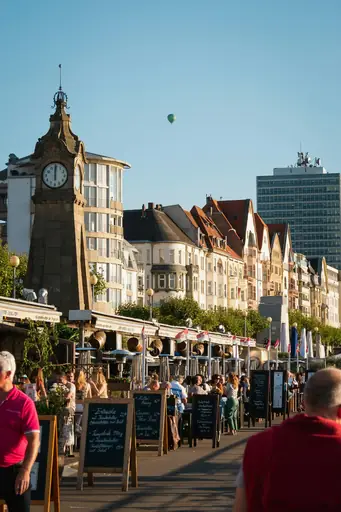
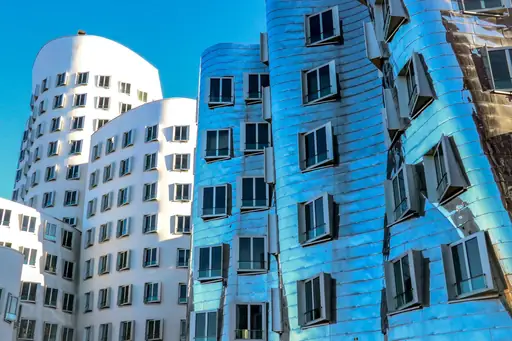
Düsseldorf
Rhine promenade, Altbier and Königsallee
Altbier, a dark, copper-colored ale, remains the defining beer style across this city's traditional brewpubs. Servers carry trays of small glasses through crowded pubs, refilling empty ones without needing to be asked. The old town holds one of the highest concentrations of breweries anywhere in Germany.
Brewery in Germany
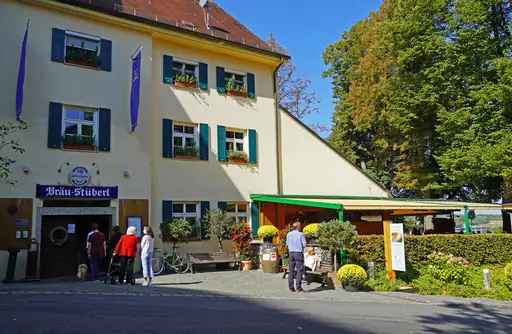
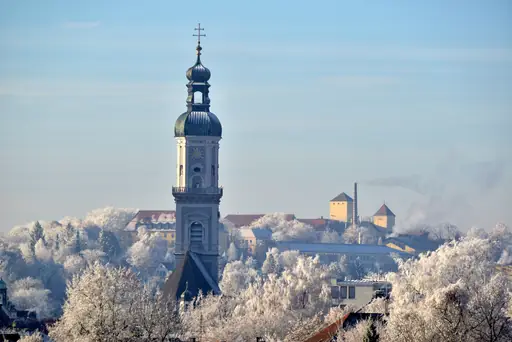
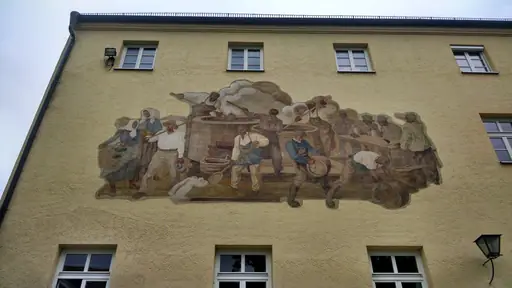
Weihenstephan
Brewing on the same hill for centuries
This Bavarian brewery has operated continuously since 768, making it the oldest brewery still in existence anywhere. Monks originally ran the operation before it eventually came under state ownership. A brewing science program tied to the site trains many of Germany's professional brewers today, keeping the tradition alive.

City in Japan
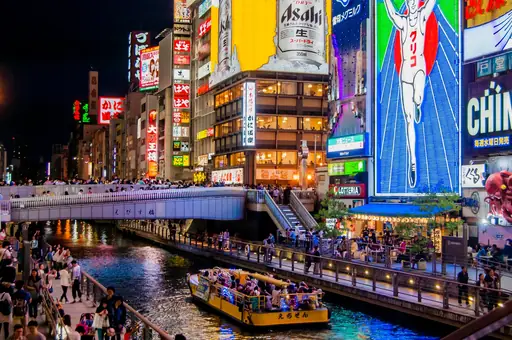
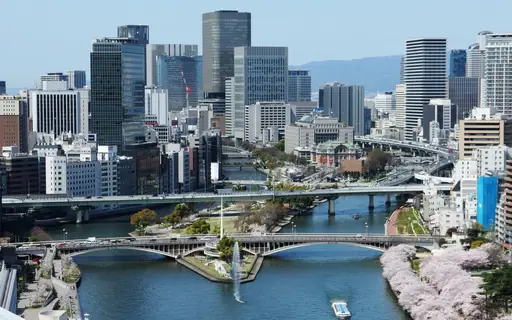
Osaka
Castle, neon canals and street food
Craft beer bars have multiplied across this city in recent years, adding variety to Japan's traditionally lager-focused drinking culture. Small breweries often operate out of narrow spaces tucked between the city's dense restaurant districts. Izakaya pubs throughout Osaka still serve mostly mainstream Japanese lager alongside food.
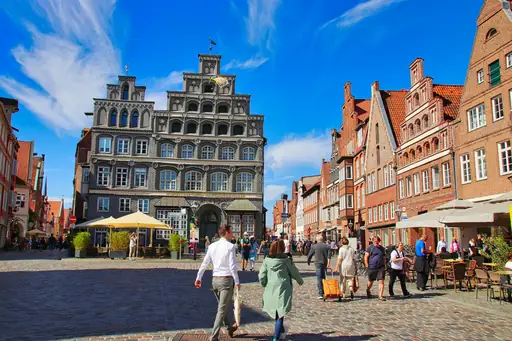
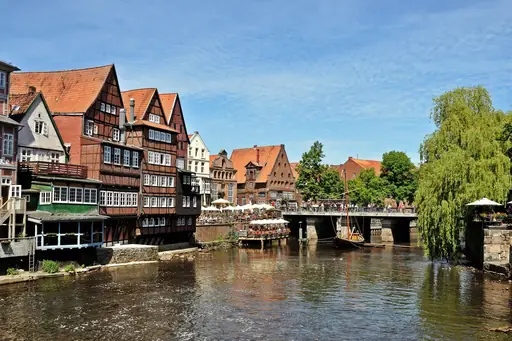
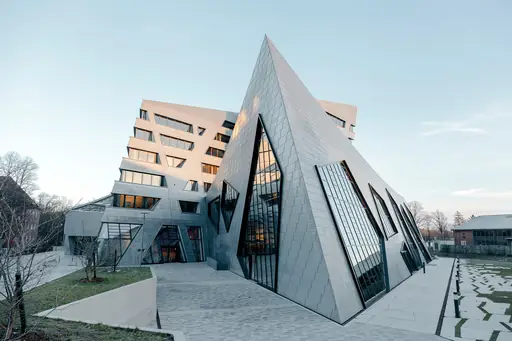
Region in Germany
Lüneburg Heath
Heather moors, sheep and sandy trails
The town of Luneburg built its early wealth on salt production, a trade closely tied to preserving beer for transport. Local breweries in the region still draw on that salt-mining heritage in their branding. Heather fields across the surrounding heath turn purple each August, drawing visitors alongside the area's beer gardens.
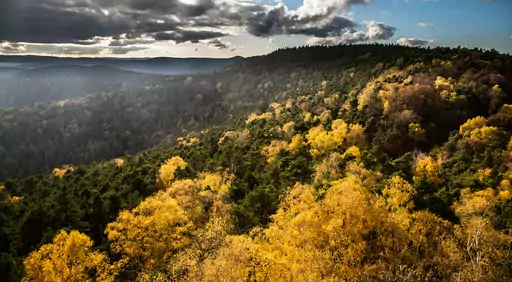
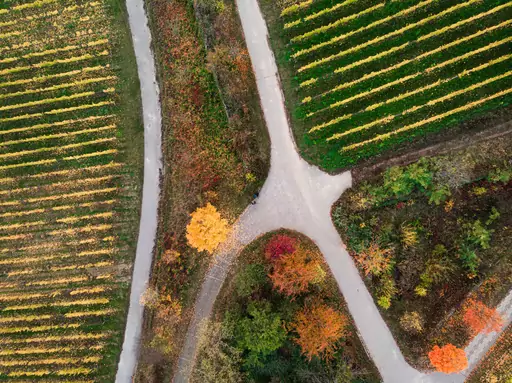
Region in Germany
Pfalz
Wine villages and a vast sandstone forest
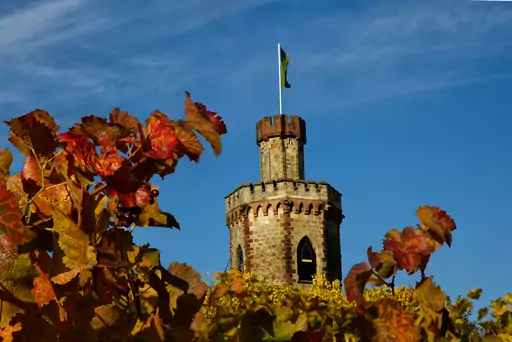
This German wine region also holds a smaller but steady brewing tradition, often overshadowed by its vineyards. Local breweries here tend to produce traditional German lagers rather than experimental craft styles. Wine festivals throughout the region sometimes feature beer tents alongside the more prominent wine stands.
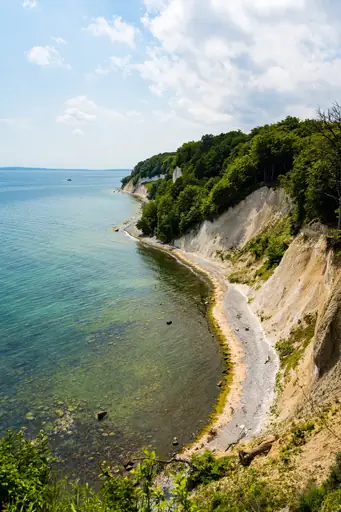
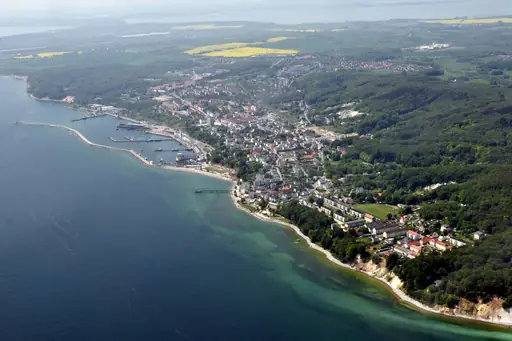
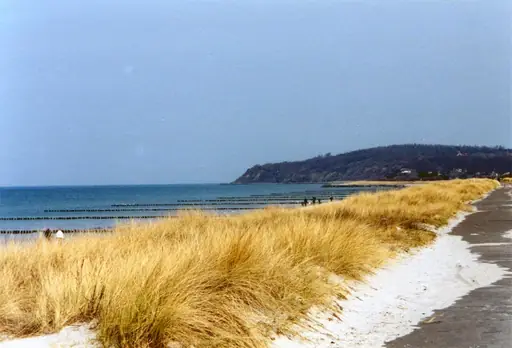
Island in Germany
Rügen
Chalk cliffs, grand piers and long beaches
This German island holds a small but growing number of local breweries serving the surrounding coastal towns. Baltic Sea views from island beer gardens draw visitors during the warmer summer months. Chalk cliffs along the coast provide a scenic backdrop for many of the island's outdoor drinking spots.
Other lists you may like
Discover
Best beer destinations in Africa
Africa's beer culture is built on a foundation of mass-market lager brands with deep roots in local identity, several of which have genuine character and are worth engaging with on…
Read more
Discover
Best beer destinations in Asia
Asia's beer culture spans an enormous range, from the deeply embedded drinking traditions of East Asia and the rapidly evolving craft scenes of its major cities to the more…
Read more
Discover
Best beer destinations in Europe
Europe contains the world's most deeply rooted brewing traditions, with distinct regional styles shaped by centuries of accumulated knowledge about local ingredients, water…
Read more
Discover
Best beer destinations in North America
North America's beer culture has been transformed by four decades of craft brewing growth that has produced one of the most diverse and innovative brewing scenes in the world. The…
Read more
Discover
Best beer destinations in Oceania
Oceania's beer scene is dominated by the mature and diverse craft brewing industries of Australia and New Zealand, both of which have developed well beyond the early craft wave…
Read more
Discover
Best beer destinations in South America
South America's beer culture is undergoing a rapid transformation, with a craft brewing movement that has taken root across the continent's major cities and produced a scene of…
Read more
What other users say about travelfilters
“travelfilters made it easy for me to find ski areas and compare what else they offer, so that I could find the best place for my personal travel style.”

Chris
Snowboarding & Onsen trip to Japan
“I love how transparent the data feels. There is no pushy upsell, just honest information and settings I can tune to my own travel style.”

Maria
After booking her 2027 winter escape
“The level of detail for each destination and how well those are displayed, make planning feel confident instead of overwhelming.”

Mina
Planned a week in New York City
“We used travelfilters for our planning from start to end. The trip turned out even better than expected, thanks to all their tools and customization options.”

Allan & Etienne
Trip to Japan to see autumn foliage
“Thanks to travelfilters, I found some hidden gems to see. Being able to filter for exactly your interests is a game changer for my travel planning.”

Michael
Tour through the old cities of Northern Italy
“The customizable filters helped me find a quiet beach town with good wifi and low season crowds in under five minutes.”

Diego
Weekend Escape to Llanes, Spain
“The airport connection map saved me hours by showing good flight options from my home airport to lesser-known cities.”

Nguyen
Planning a 2027 trip to France
“The website is clean, fast and focused on the search itself, which makes travelfilters feel more like a professional tool than an ad-heavy booking site.”

Hassan
Christmas Market trip, Germany
