
Top fine dining cities and culinary destinations
Top fine dining cities and culinary destinations
Award-winning restaurants and culinary destinations to visit
Some cities earn a reputation for food that goes well beyond a handful of well-reviewed restaurants. Fine dining destinations tend to have a deeper culinary infrastructure, including markets, producers, training systems and a dining culture, that supports excellence across dozens of kitchens rather than one or two standout tables.
The cities on this list range from long-established culinary capitals with centuries of gastronomic tradition to younger food scenes that have built serious reputations in a single generation. Some lean on Michelin-starred formality, others on chef-driven informality that takes the cooking just as seriously.
Booking ahead matters more here than almost anywhere else in travel. The best tables in a serious food city fill weeks or months out and arriving without reservations usually means settling for whatever's left.
Lists by region


City in Japan
Kyoto
Temples, geisha districts and kaiseki dining
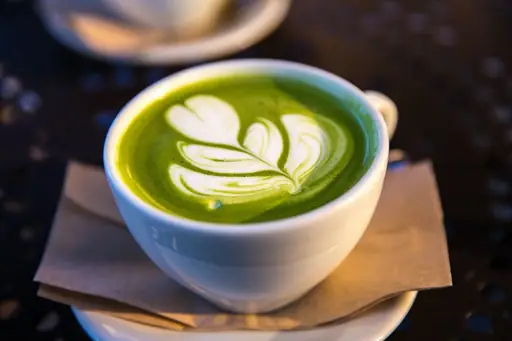
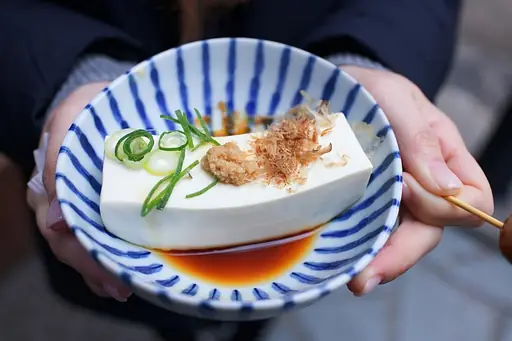
Kaiseki, a multicourse meal built around seasonal ingredients, developed alongside this city's tea ceremony tradition. Tofu here gets elevated into full tasting menus at restaurants near old temples. Visitors can eat in a private tatami room overlooking a small, carefully tended garden. Nishiki Market's narrow lanes sell pickles, sweets and seafood found nowhere else.
City in Japan
Tokyo
Japan's capital of temples, towers and food
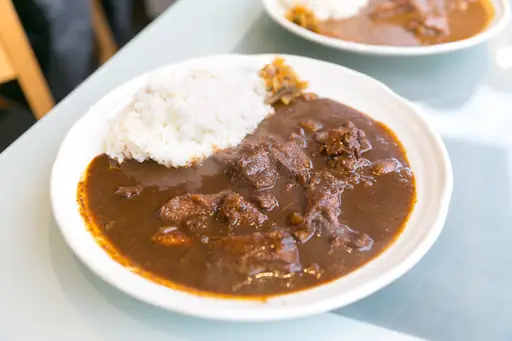
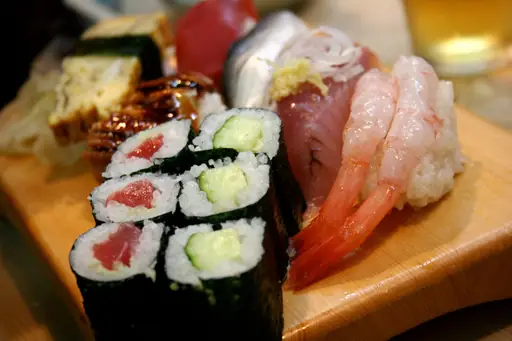
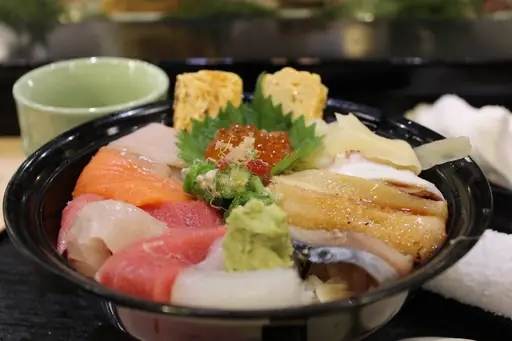
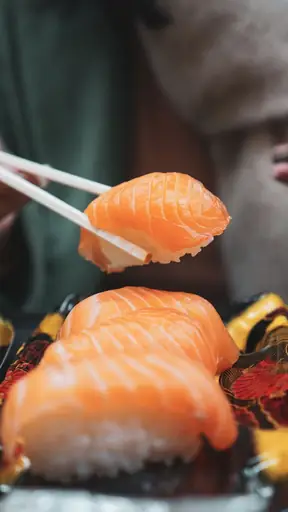
This city holds more Michelin starred restaurants than any other in the world. Sushi counters seating fewer than ten guests often require reservations booked months ahead. Visitors can pair a ramen lunch with a formal kaiseki dinner the same day. Tsukiji's outer market still sells knives, seaweed and dried goods to home cooks and chefs.
City in Japan
Osaka
Castle, neon canals and street food
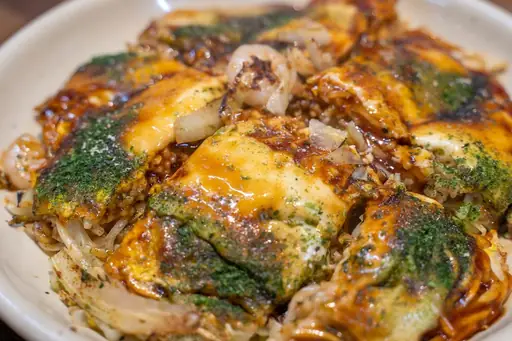
Locals call this city Japan's kitchen, a nod to its long reputation for serious eating. Takoyaki, octopus filled batter balls, get grilled on street corners across Dotonbori. Visitors can slurp okonomiyaki, a savory pancake cooked tableside at counter restaurants. Kuromon Market supplies chefs with seafood, produce and knives sold by specialty vendors.
Island in Japan
Kyushu
Volcanoes, onsen and tonkotsu ramen
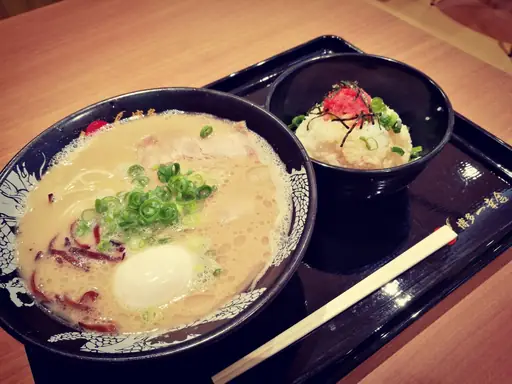
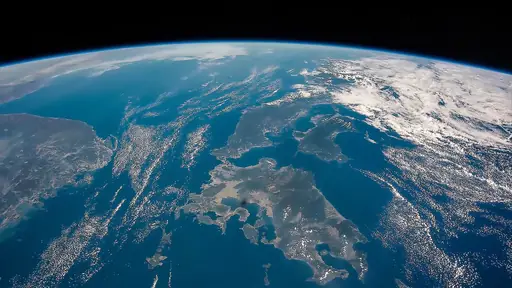
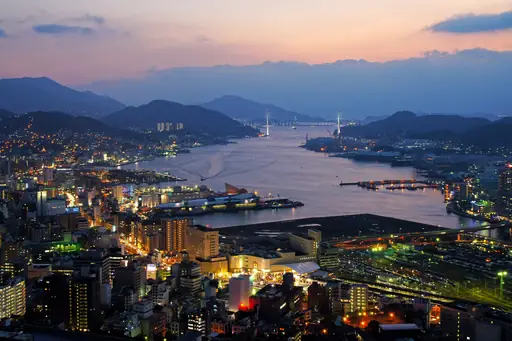
Tonkotsu ramen, built on a cloudy pork bone broth, originated on this southern island. Hot spring resorts here pair mineral bathing with multicourse kaiseki dinners each evening. Visitors can sample basashi, thin sliced horse meat, a regional specialty around Kumamoto. Shochu distilleries across the island produce spirits from sweet potato, barley or rice.

City in Germany
Berlin
Wall history, Museum Island and all-night clubs
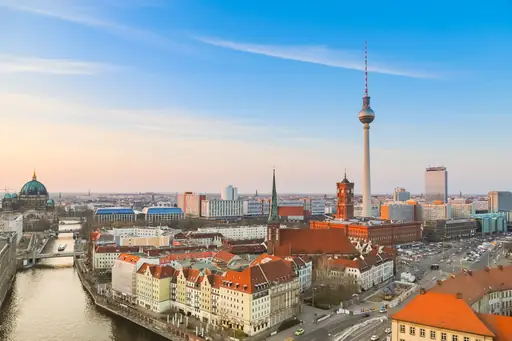
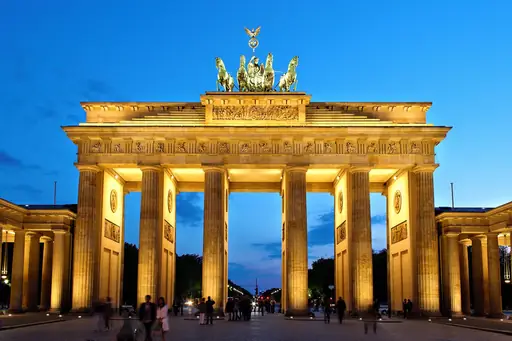
Currywurst stalls sit within blocks of Michelin starred kitchens across this city. Turkish immigrants brought the doner kebab here, now a late night staple citywide. Visitors can graze a food hall before a tasting menu at a converted warehouse. Craft breweries and natural wine bars have multiplied across once industrial neighborhoods.

City
New York City
Five boroughs of skyline, food and museums
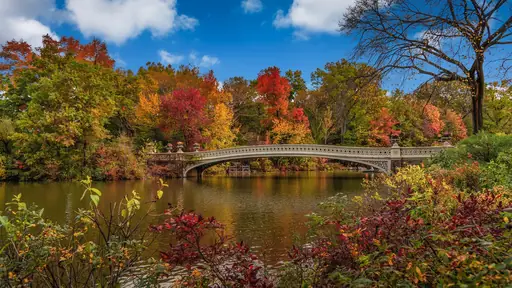
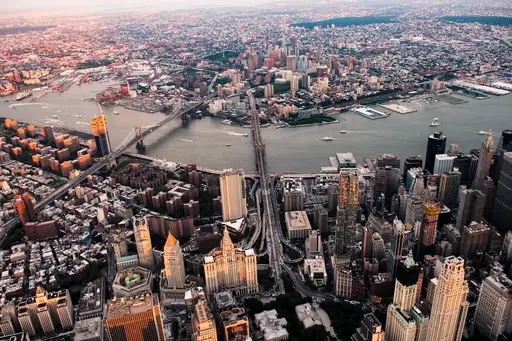
Bagels boiled before baking remain a defining breakfast tradition at the city's delis. Immigrant neighborhoods have shaped entire culinary scenes, from Chinatown to Little Italy. Visitors can pair a slice of pizza with a tasting menu the same week. Greenmarkets supply chefs with produce grown across the Hudson Valley region.

Country
Maldives
Coral atolls, lagoons and overwater villas
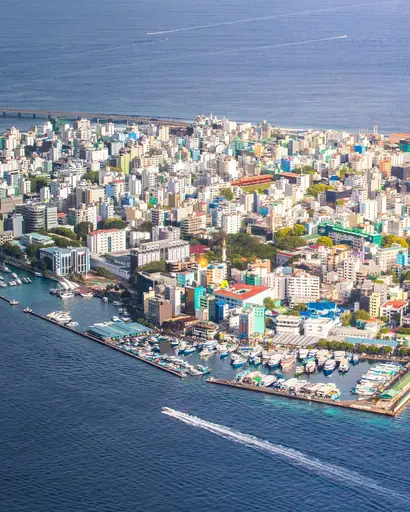
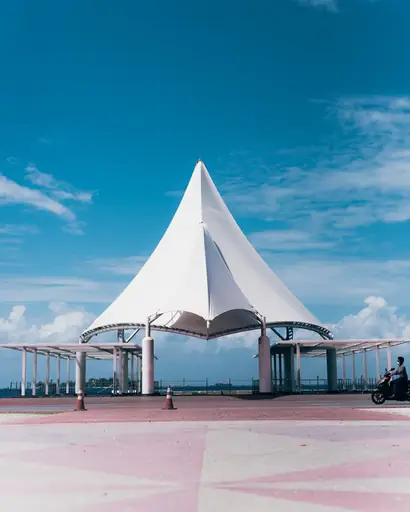
Garudhiya, a clear fish broth with rice and lime, remains a staple dish. Overwater restaurants here serve reef fish and lobster caught within sight of the table. Visitors can join a sunset fishing trip before a chef prepares the catch. Coconut appears throughout the cuisine, from curries to desserts served after dinner.
State/Prefecture in Japan
Hokkaido
Volcanoes, powder snow and fresh seafood
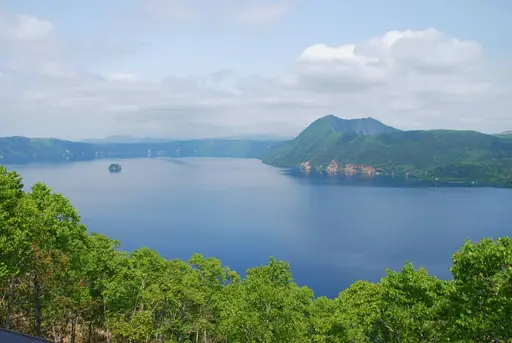
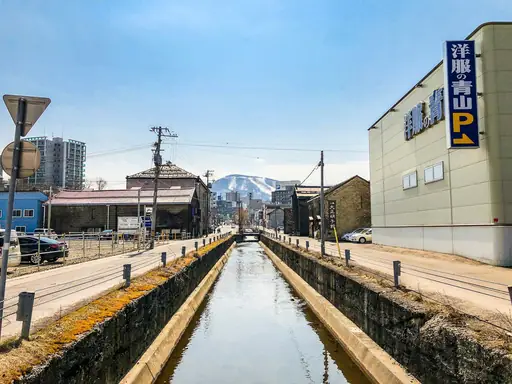
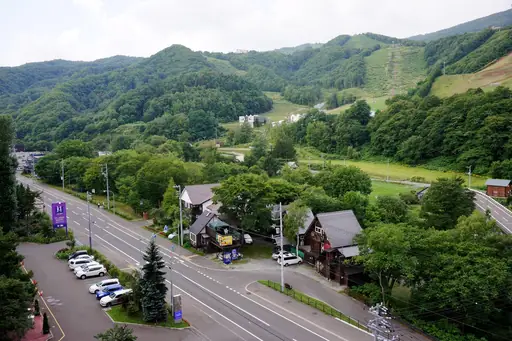
Uni and scallops from these cold waters are prized across Japan's sushi restaurants. Dairy farms here supply much of the country's butter, cheese and soft serve. Visitors can eat fresh crab straight from tanks at a market near Sapporo's station. Ramen shops in Sapporo serve a rich miso broth specific to this region.
Country
Singapore
Tropical city-state of hawker food and gardens
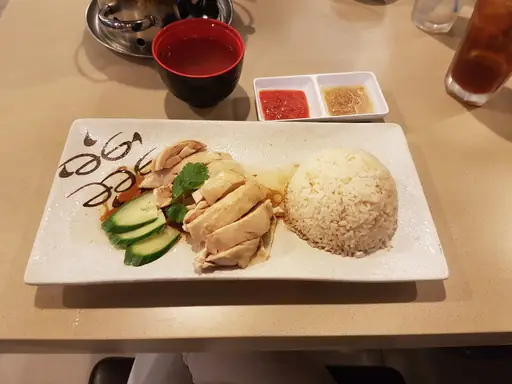
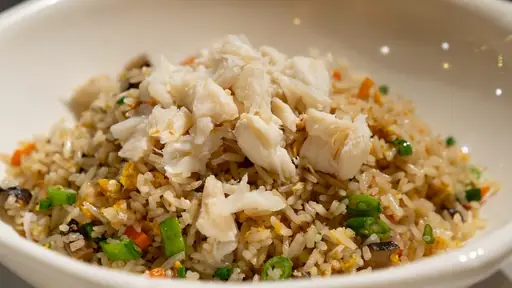
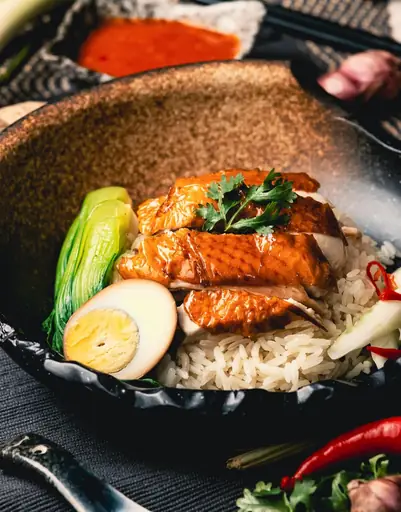
Hawker centers here hold Michelin stars alongside the country's most refined tasting menus. Chili crab, stir fried in a sweet and spicy sauce, remains a signature dish. Visitors can sample laksa, satay and roti at a single hawker center. Peranakan cooking blends Chinese and Malay traditions into dishes found only here.
City in Japan
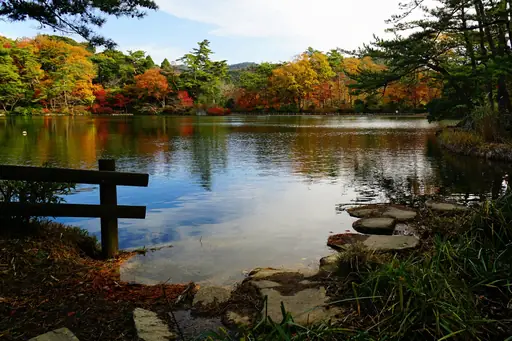
Kobe
Harbor city with hills, beef and hot springs
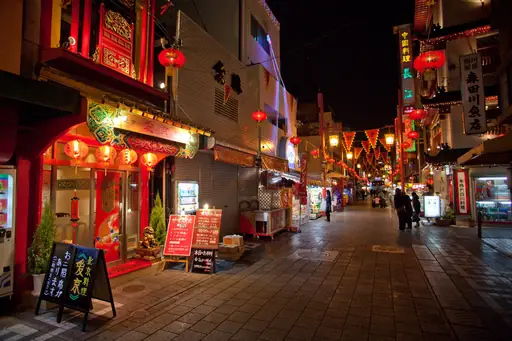
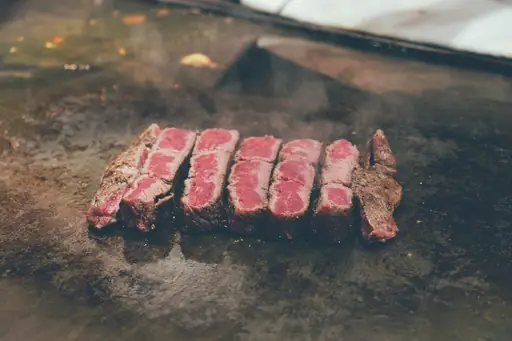
Kobe beef, prized for its marbling, comes from cattle raised under strict regional standards. Teppanyaki restaurants here grill the beef tableside on a hot iron plate. Visitors can pair a steak dinner with sake produced in the nearby Nada district. Chinatown near the harbor adds dumplings and noodle dishes to the city's culinary mix.
City in Japan
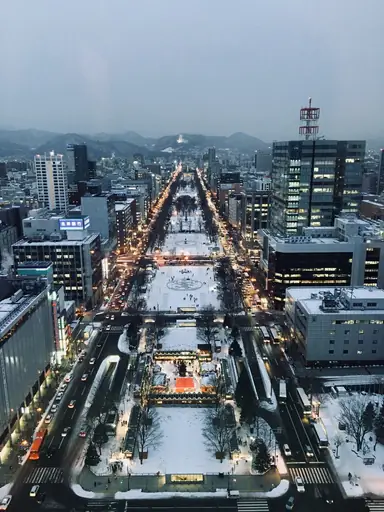
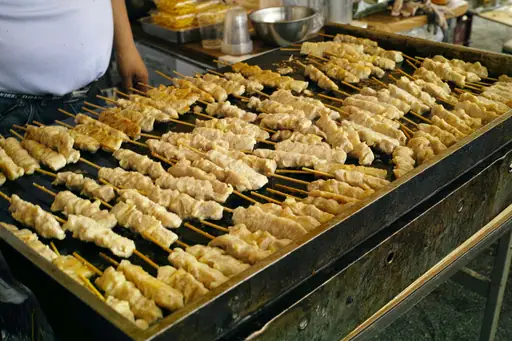
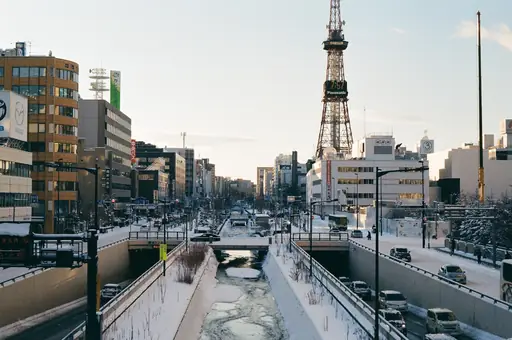
Sapporo
Snow festival city with ramen and beer
Miso ramen, developed in this city, uses a rich broth associated specifically with the region. Crab markets nearby sell live king crab pulled from cold northern waters. Visitors can pair fresh seafood with local Sapporo beer at a market stall. Soup curry, a lighter local specialty, blends Japanese and Southeast Asian influences.
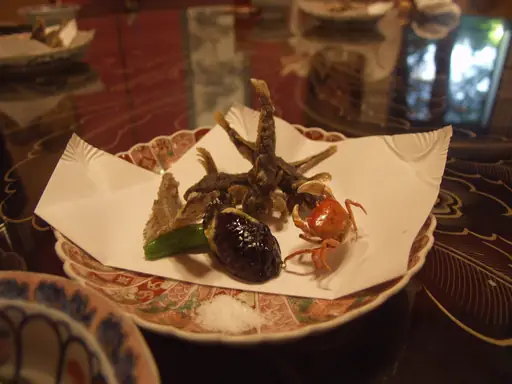

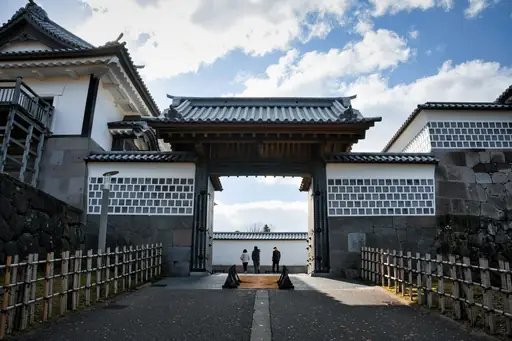
City in Japan
Kanazawa
Samurai streets, gold leaf and Kenrokuen garden
Fresh seafood from the Sea of Japan supplies sushi counters across this city. Omicho Market has supplied local kitchens with fish, crab and produce for centuries. Visitors can eat kaiseki, a multicourse meal, at a restaurant inside a converted teahouse. Gold leaf, produced locally, sometimes tops desserts sold near the historic district.
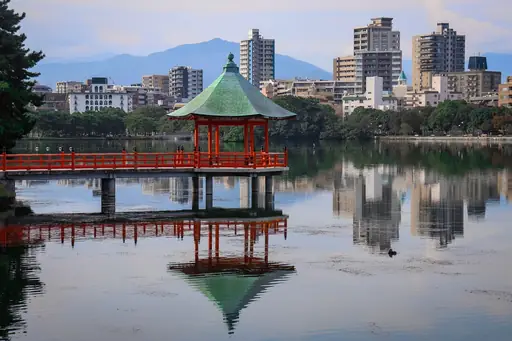
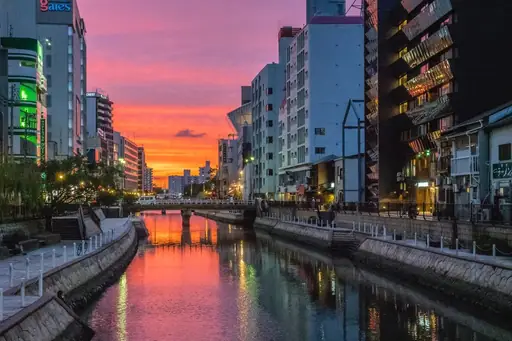
City in Japan
Fukuoka
Kyushu's biggest city, known for yatai and ramen
Yatai food stalls line the riverbanks each evening, serving ramen from open carts. Hakata style ramen here uses a rich pork bone broth simmered for hours. Visitors can hop between stalls, sampling a different dish at each stop. Mentaiko, spiced cod roe, appears in dishes across the city's restaurants and markets.
Other lists you may like

Discover
Best fine dining destinations in Africa
South Africa anchors much of Africa's fine dining scene, with a wine-region restaurant culture built alongside some of the world's most renowned vineyards. North African cities…
Read more

Discover
Best fine dining destinations in Asia
East Asia holds more world-renowned fine dining recognition than any other region on earth and that single fact says a lot about the depth of the wider culinary scene. Several…
Read more
Discover
Best fine dining destinations in Europe
Europe still anchors the world's idea of fine dining, from classical haute cuisine traditions to a reinvention of Nordic cooking that has reshaped the culinary world over the past…
Read more
Discover
Best fine dining destinations in North America
Major coastal cities anchor much of North America's fine dining reputation, but other cities have emerged as exciting food capitals in their own right, reinterpreting regional…
Read more
Discover
Best fine dining destinations in Oceania
Major coastal cities have built fine dining scenes that rank among the most respected anywhere, drawing on the region's exceptional seafood and produce as much as international…
Read more
Discover
Best fine dining destinations in South America
Andean and coastal cuisines have helped one part of the continent become one of the world's most respected food regions over the past two decades, drawing on extraordinary…
Read more
What other users say about travelfilters
“travelfilters made it easy for me to find ski areas and compare what else they offer, so that I could find the best place for my personal travel style.”

Chris
Snowboarding & Onsen trip to Japan
“I love how transparent the data feels. There is no pushy upsell, just honest information and settings I can tune to my own travel style.”

Maria
After booking her 2027 winter escape
“The level of detail for each destination and how well those are displayed, make planning feel confident instead of overwhelming.”

Mina
Planned a week in New York City
“We used travelfilters for our planning from start to end. The trip turned out even better than expected, thanks to all their tools and customization options.”

Allan & Etienne
Trip to Japan to see autumn foliage
“Thanks to travelfilters, I found some hidden gems to see. Being able to filter for exactly your interests is a game changer for my travel planning.”

Michael
Tour through the old cities of Northern Italy
“The customizable filters helped me find a quiet beach town with good wifi and low season crowds in under five minutes.”

Diego
Weekend Escape to Llanes, Spain
“The airport connection map saved me hours by showing good flight options from my home airport to lesser-known cities.”

Nguyen
Planning a 2027 trip to France
“The website is clean, fast and focused on the search itself, which makes travelfilters feel more like a professional tool than an ad-heavy booking site.”

Hassan
Christmas Market trip, Germany
