
More trips have been quietly downsized by language fear than by any visa office. The country that sounded wonderful but "we would not understand anything", the restaurant skipped for the one with the English menu, the question never asked because the asking felt impossible. And the irony is thick, because the language barrier is the most overestimated obstacle in all of travel: millions of people cross it daily, in both directions, armed with twenty words, a phone and a smile, and come home with the barrier itself as one of the stories.
Still, the default strategies underdeliver. Speak English slower and louder, as if the problem were volume? Wave the phone at people before saying hello? Or actually try to learn the language, discover in week one that languages are large, and give up entirely?
Getting by in a foreign language is not a linguistic achievement; it is a small kit of phrases, tools and manners, assembled in an evening. So let's go through it step by step.
Step 1: Right-size the fear before it sizes your trip
Start with the honest math: as a traveler you do not need the language, you need about twenty words of it, plus the tourism infrastructure that runs multilingual almost everywhere visitors go, plus the universal human talent for pointing. Hotels, stations, sights and most restaurants in visited places transact in gestures and fragments all day long, and the person across the counter has successfully served hundreds of travelers less prepared than you are about to be.
The real currency, and this is the secret of the whole topic, is effort. The traveler who opens in the local language, however badly, receives a measurably different reception than the one who opens in English as if it were owed: warmer service, more patience, better recommendations, the occasional free correction delivered with a grin. Locals do not expect you to speak their language. They notice, everywhere on earth, whether you tried. That premium is purchasable for the price of a dozen phrases, which makes it the best exchange rate in travel.
Step 2: Learn the magic dozen, by ear
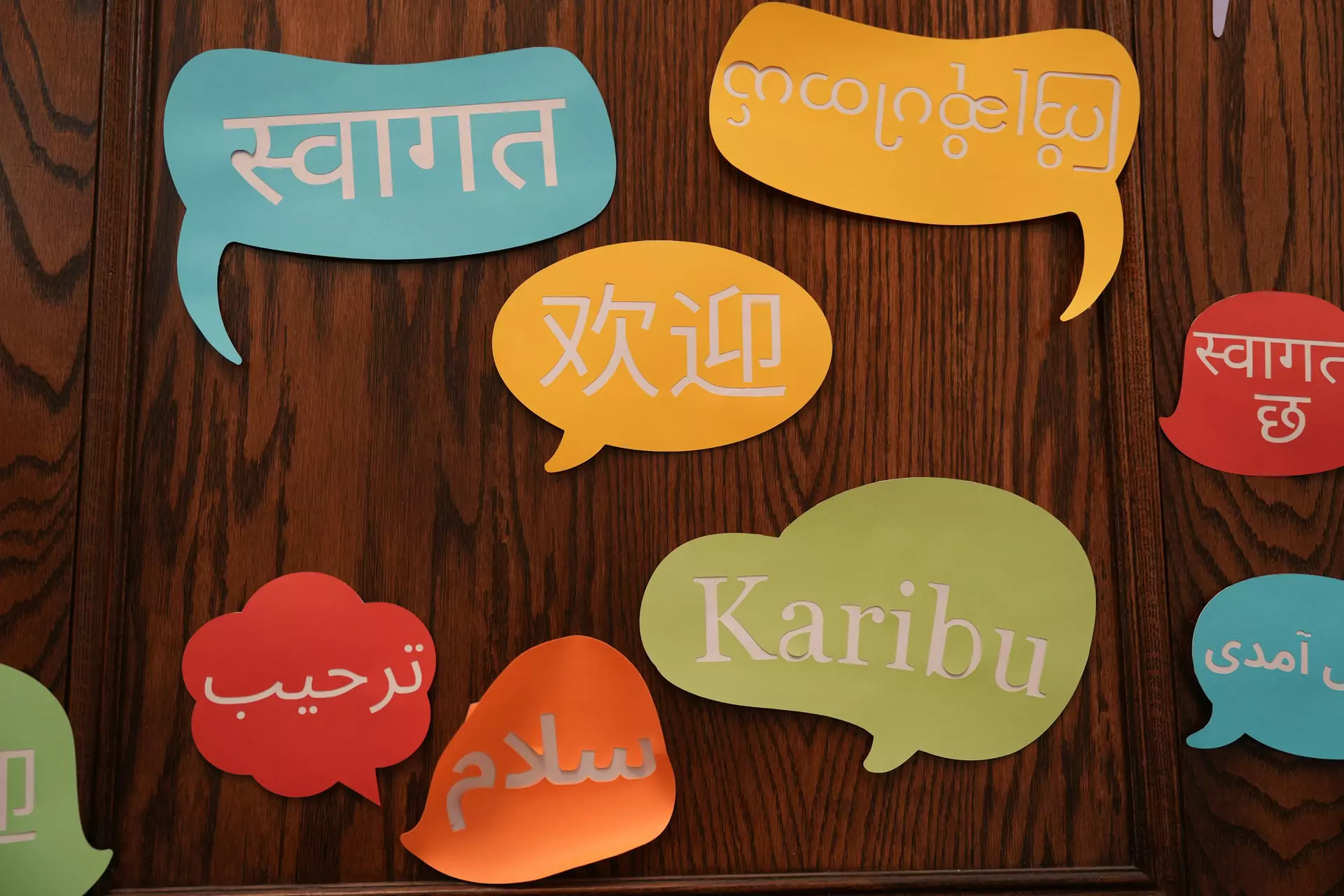
The kit itself is short: hello, goodbye, please, thank you, excuse me, yes, no, how much, where is, the bill please, one and two (numbers carry pointing a long way), and the single most useful sentence in the set, "do you speak English?", asked in their language. That last one is the politeness key: it acknowledges whose country you are in before requesting the switch, and it transforms the exact same conversation that follows. Most people who can help you will happily do so in English once asked properly; the asking is what was owed.
Learn the dozen from audio, not from spelling, because the goal is being understood, and a phrase pronounced confidently from hearing beats one read hesitantly from text. Ten minutes with any language app or video the week before, a note in the phone as backup, and you are equipped. For destinations whose script you cannot read, add a recognition layer: learn what "exit", "entrance", "open" and "closed" look like, photograph the station name you will return to, and the alphabet stops being a wall and becomes scenery.
Step 3: Load the phone before you land
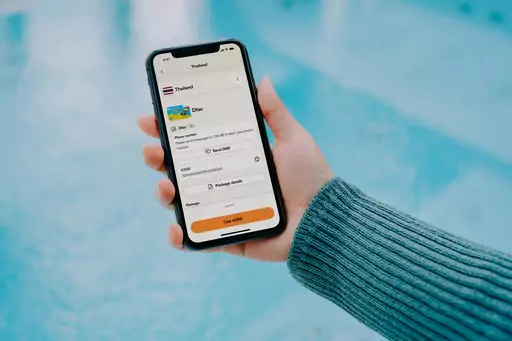
The translation apps have quietly solved most of what remains, provided you prepare them while the Wi-Fi lasts (our phone guide's downloading ritual applies in full). Install the offline language pack for your destination, because the moment you need translation most is reliably the moment the signal is worst. Then learn the two features that matter. The camera translation, pointed at a menu, a sign, a train ticket or a washing machine's control panel, is the single most magical travel technology of the decade, and it works offline with the pack installed. And the conversation mode, passing the phone back and forth, handles the genuinely complicated exchanges, the pharmacy question, the changed booking, the landlord's instructions, with a patience no phrasebook ever had.
Two habits keep the magic reliable: the power bank, since translation is exactly the dependency you cannot lose at 9 p.m., and the courtesy of the greeting first, the phone second. The device is a brilliant interpreter and a rude opening move.
Step 4: Master the wordless craft
A surprising share of travel communication needs no language at all, done right. Pointing at the menu, at the map, at the item on the shelf, ideally with the please and thank you from step 2 as bookends. Writing numbers down for prices and times, since spoken numbers are the first thing to dissolve in an accent and the calculator held up is the market's oldest contract. Keeping the accommodation's address saved and written in the local script, our airport transfer guide's trick, so the driver reads rather than deciphers. Photographing the things you need before you need them: the medication box, the adapter type, the dish someone recommended, because a photo shown is a sentence spoken fluently.
And underneath all of it, the manner: slow down, smile, and never raise the volume, because loudness translates as anger in every language and comprehension in none. Patience is the actual lingua franca. The exchange that takes ninety seconds instead of twenty is not a failure; done warmly, it is frequently the day's nicest interaction, on both sides of the counter.
Step 5: Prepare separately for the serious moments
Everyday charades are fine until the stakes rise, and the serious situations deserve real preparation rather than improvisation. For health, our travel medicine guide's homework doubles as language insurance: the generic names of your medications (the universal vocabulary every pharmacist reads), and a translated card for any allergy or condition that matters, the same instrument our plant-based guide uses for dietary lines, upgraded to medical stakes. For anything official, the police report, the insurance claim, the hospital intake, do not wing it with an app: your travel insurance hotline almost always offers interpretation as part of the service (one of the quiet reasons the policy exists), your embassy maintains lists of local doctors and translators, and asking a bilingual hotel receptionist for two minutes of help is a normal request that is normally granted.
The preparation is one evening: the cards made, the hotline saved, the generic names noted. Like every safety net in this series, its purpose is to be carried and never used, and to change what a bad day means if it comes.
Step 6: Let the language become part of the trip
The final step is a reframe the best travelers share: the language is not the obstacle between you and the place; it is part of the place, and engaging with it is one of the activities. Collect words as souvenirs, the waiter will teach you the dish's real name if you ask, the market vendor enjoys correcting your numbers, and by day four the dozen phrases have become twenty because acquisition is what brains do when fear gets out of the way. Traveling with kids, make it the family game our family guide would endorse: children collect thank-yous in new languages like stickers, and doors open for the child who says one word locally that would stay shut for a fluent adult.
And be honest, without shame, about your comfort level when choosing where to go, the way our solo travel guide advises for first trips: destinations differ enormously in how easily a visitor gets by, and that reality is a fair item on the practical checklist when you compare your candidates on your travelfilters list, next to the season and the transport. Some trips are for stretching; some are for resting. Both are allowed, and the dozen phrases work everywhere.
Stop being afraid of the words. Start collecting them.
The language barrier, up close, is a low fence with a gate in it: twenty phrases learned by ear, a phone loaded before landing, a pen for the numbers, cards for the serious things, and the manner that makes every fumbled exchange land warmly. Cross it once and the fear never comes back, which opens more of the map than any budget increase ever will.
That is the travelfilters spirit applied to the talking: the world matched to your preferences, with the practicalities checked calmly in advance, so the trip is spent collecting words instead of dreading them.
Your ideal destination is out there, and you already almost know how to say hello. Try our Trip Finder to find it.