
Top traditional destinations and cultural heritage sites
Top traditional destinations and cultural heritage sites
Important heritage sites and historic cultural traditions
Traditional destinations are those where cultural practices, craftsmanship, ceremony and ways of life that predate industrialisation and mass tourism remain visible and active rather than preserved purely for visitor consumption. The most rewarding experiences are found where tradition is maintained by and for local communities, with visitors gaining access to something genuine rather than a performance staged for external audiences.
The distinction between living tradition and heritage reconstruction matters considerably, with the most compelling destinations those where markets, festivals, craft workshops and ceremonial life operate on their own terms regardless of tourist interest. Slow travel and extended stays consistently deliver more authentic engagement than brief visits, as the rhythms of traditional life unfold across seasonal cycles and community calendars rather than daily visitor schedules.
Respectful engagement requires advance research into appropriate behaviour, dress codes and photography protocols that vary considerably by culture and context. Several of the world's most significant traditional destinations are experiencing pressure from visitor numbers that risk commodifying the very practices that make them worth visiting. Community-based tourism operators with genuine local relationships consistently deliver more meaningful access than standard tour circuits at the most visited traditional destinations.
Lists by region

Island in Japan
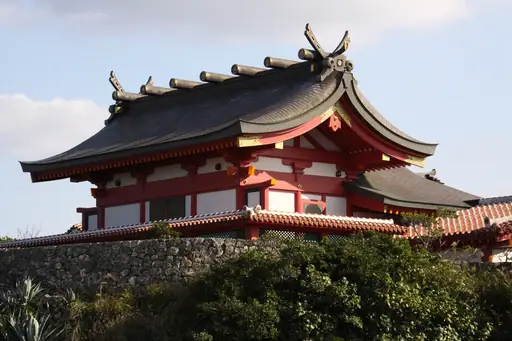
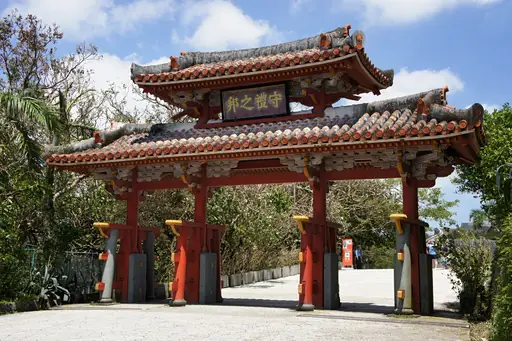
Okinawa Island
Reef beaches and Ryukyu Kingdom heritage
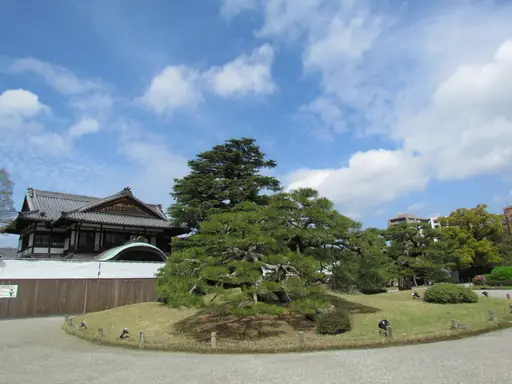
Okinawa preserves the culture of the former independent Ryukyu Kingdom. Shuri Castle once served as the kingdom's royal seat before it was destroyed and rebuilt. Visitors can watch performances of traditional Ryukyuan dance and eisa drumming. Local artisans continue weaving bingata textiles dyed in vivid traditional patterns.
Island in Japan
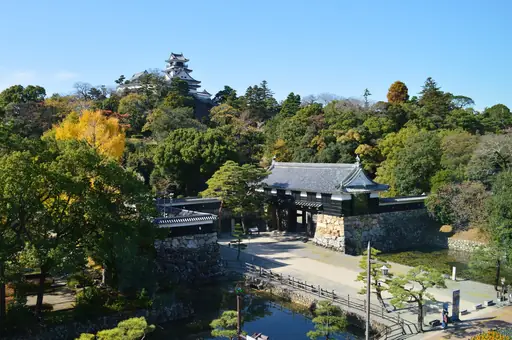
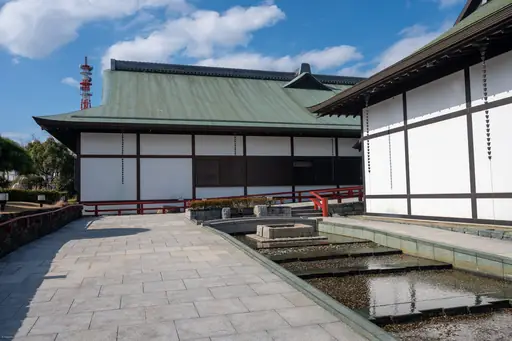
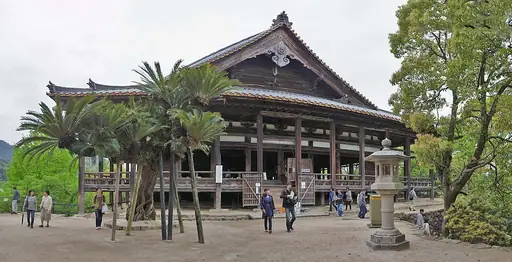
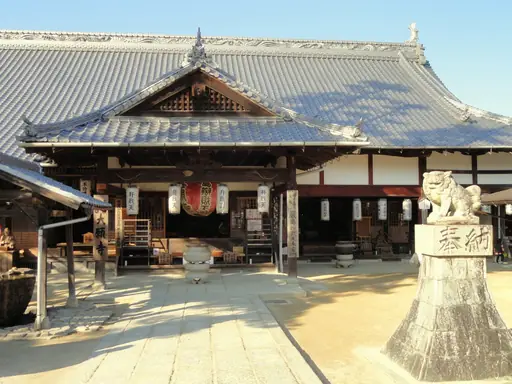
Shikoku
Pilgrimage trail, gorges and hot springs
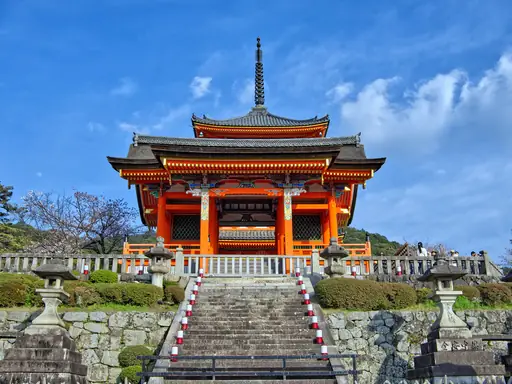
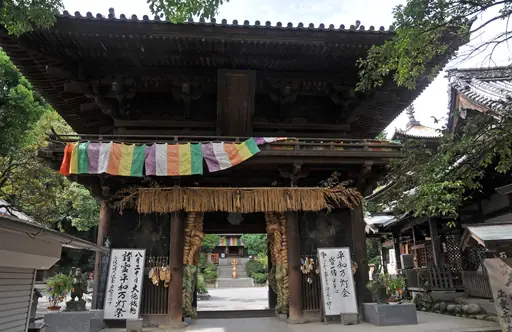
Shikoku's 88 Temple Pilgrimage links sites founded by the monk Kukai over a thousand years ago. Pilgrims called henro walk or cycle the full loop in white robes. Visitors can join for a single day or follow the whole route. Temple stamps collected along the way fill a special pilgrim's book.
City in Japan
Kyoto
Temples, geisha districts and kaiseki dining
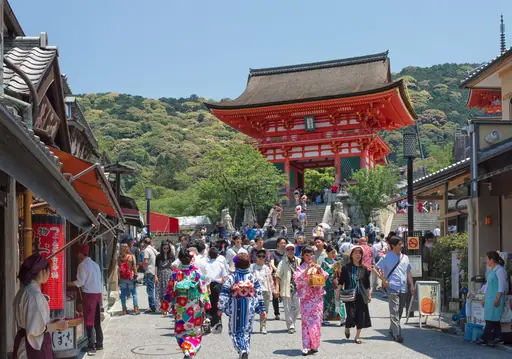
Kyoto served as Japan's imperial capital for more than a thousand years. Its Gion district still preserves wooden teahouses where geiko and maiko entertain guests. Visitors can walk beneath thousands of vermillion torii gates at Fushimi Inari Shrine. Traditional kaiseki restaurants throughout the city serve multi course meals rooted in imperial court cuisine.
Island in Japan
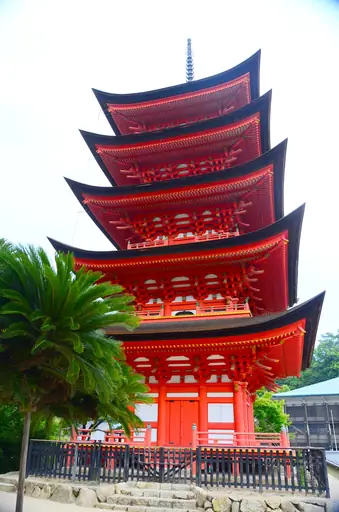
Miyajima
Torii in the sea, deer and Mount Misen
Itsukushima Shrine's vermilion torii gate appears to float on the sea as the tide rises. Builders raised the shrine on stilts so boats could pass beneath during ceremonies. Visitors can walk to the gate at low tide or view it by boat at high tide. Sacred deer wander freely, seen locally as divine messengers.
Region in Germany
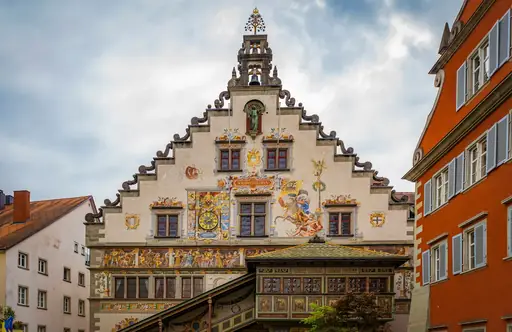
Bavaria
Alps, castles, beer gardens and old towns
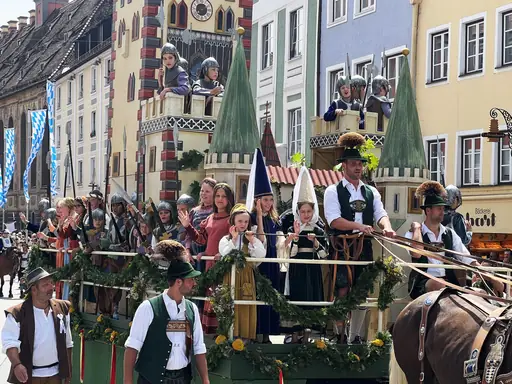
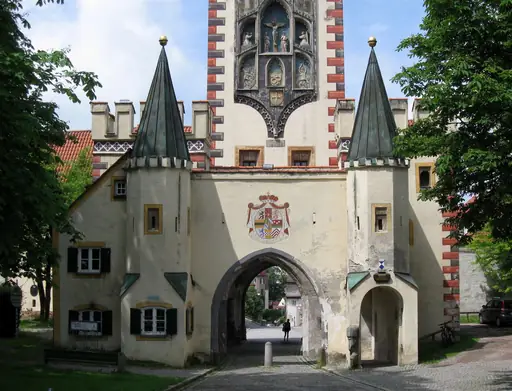
Bavaria hosts Oktoberfest, a beer festival tracing back to a royal wedding celebration in 1810. Communities across the region still hold folk festivals featuring lederhosen and dirndl dress. Visitors can watch traditional Schuhplattler dancers slap their shoes and thighs in a routine. Alpine villages in southern Bavaria keep brass bands that perform at church festivals.
City in Japan
Takayama
Old town, morning markets and Hida beef
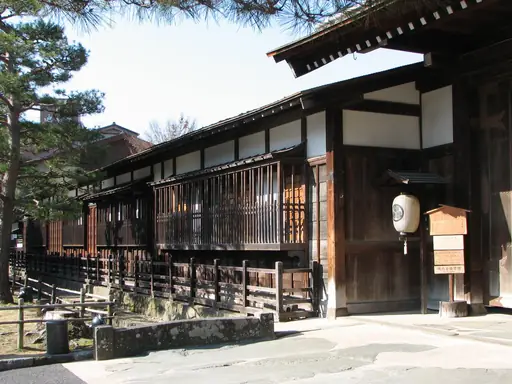
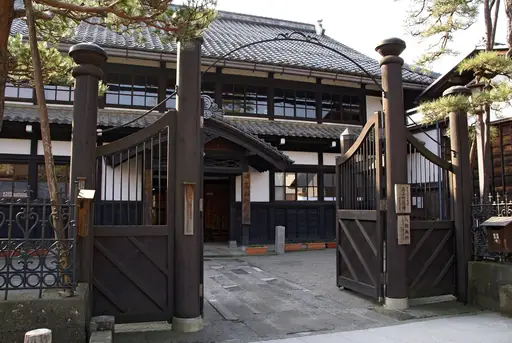
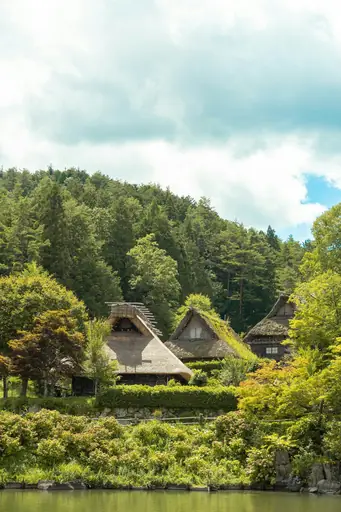
Takayama's old town preserves merchant houses built during the Edo period. Sake breweries there mark their entrances with round cedar ball signs called sugidama. Visitors can browse a morning market along the Miyagawa River selling local pickles and crafts. Carved wooden floats from the Takayama Festival are displayed in a museum year round.
City in Japan
Kurashiki
Canal town with storehouses and Western art
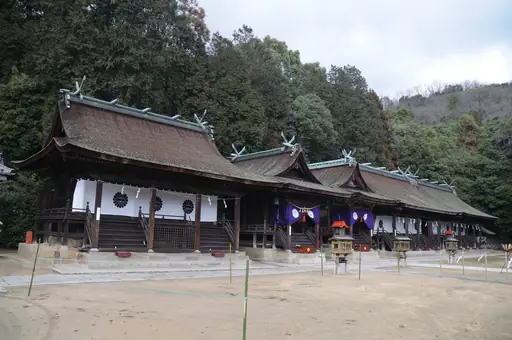
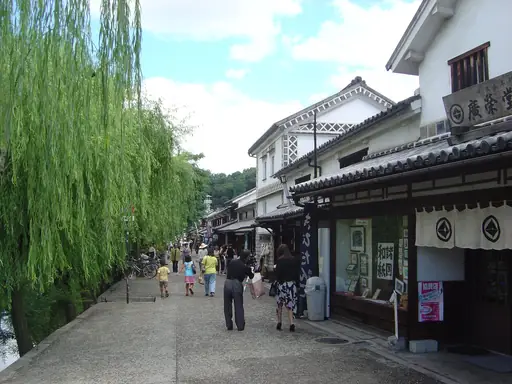
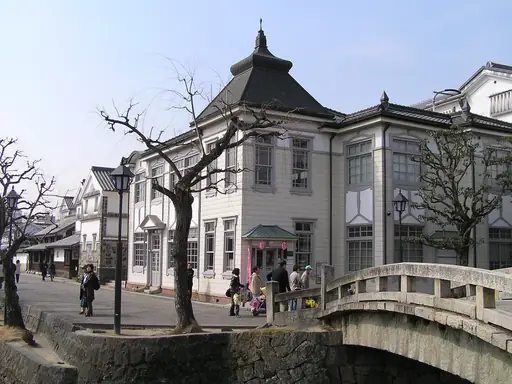
Kurashiki's canal district preserves white walled rice warehouses from the Edo period. Willow trees line the canal where boats once carried goods through the merchant town. Visitors can take a small boat ride along the same waterway past the old storehouses. Several warehouses now house museums displaying traditional crafts and folk art.
City in Japan
Kanazawa
Samurai streets, gold leaf and Kenrokuen garden
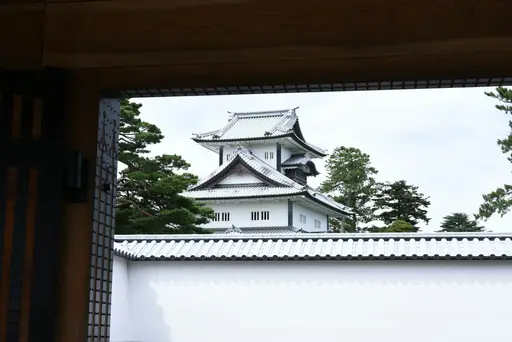
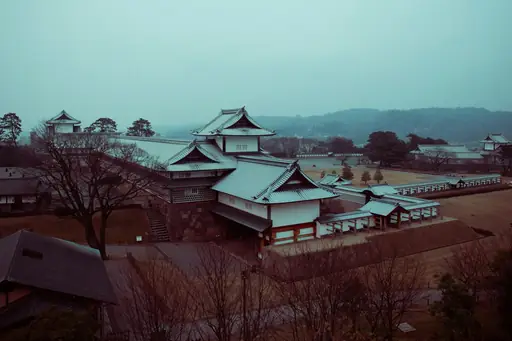
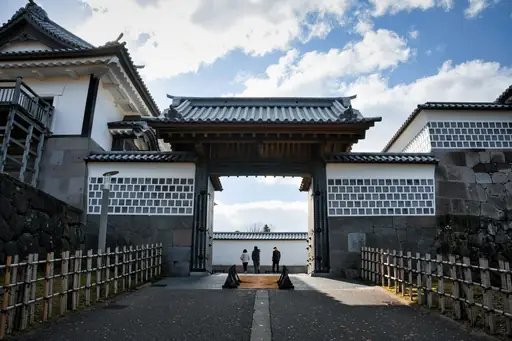
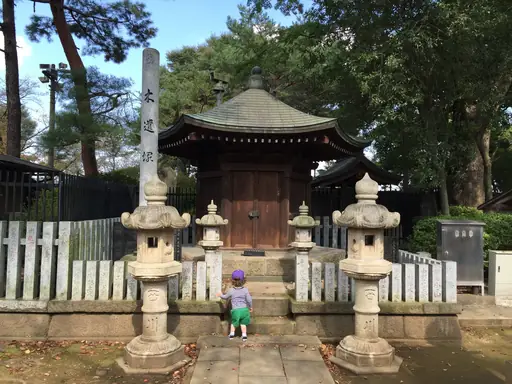
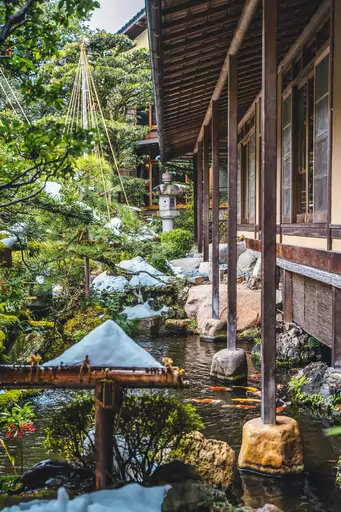
Kanazawa's samurai district preserves earthen walled residences from the Edo period. Kenrokuen Garden nearby is ranked among Japan's three most celebrated traditional gardens. Visitors can walk the garden's paths past stone lanterns propped above a winter pond. Gold leaf craftsmen in the city still hand apply gilding using centuries old techniques.
City in Japan
Kawagoe
Edo-style warehouse town near Tokyo
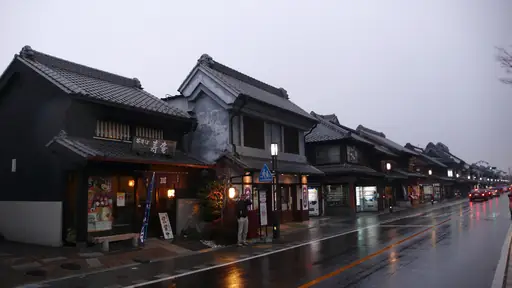
Kawagoe preserves a row of thick walled kurazukuri warehouses built during the Edo period. Locals nicknamed the town Little Edo for how closely it resembles old Tokyo. Visitors can browse shops selling traditional sweets along the historic Candy Alley. A wooden bell tower rebuilt after a fire still rings out the hour today.
City in Japan
Matsumoto
Black castle town below the Alps
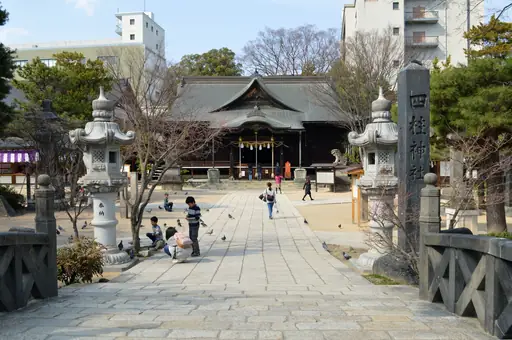
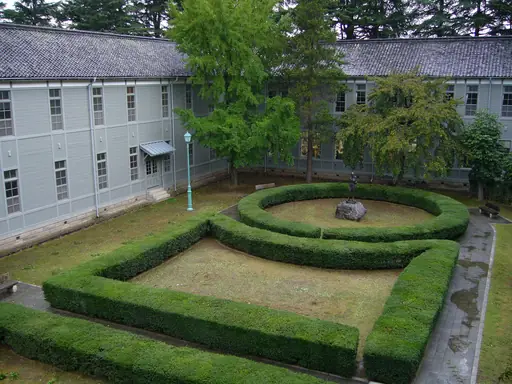
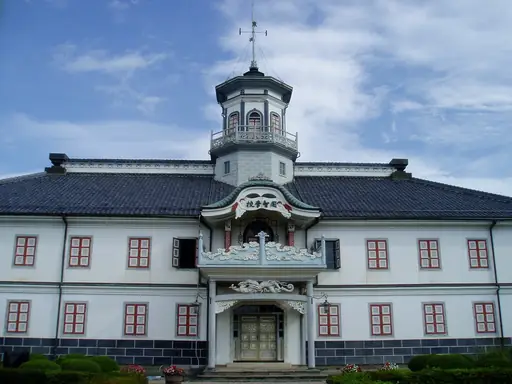
Matsumoto Castle's black wooden exterior earned it the nickname the Crow Castle. The castle's original keep has survived largely intact since the 1590s. Visitors can climb steep interior stairs inside the same wooden structure samurai once used. A moat still surrounds the castle grounds within the modern city center.
City in Japan
Hida
Carp canal and sake town near Takayama
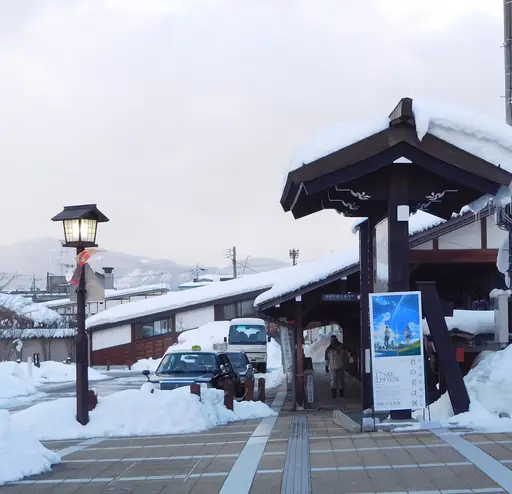
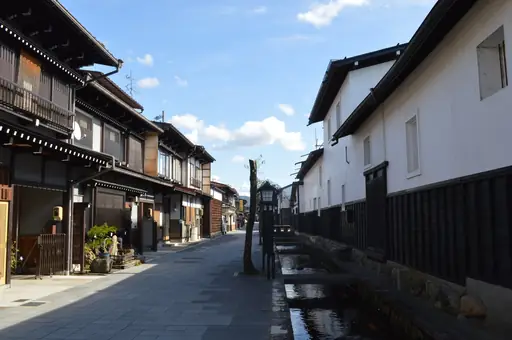
Hida's mountain villages preserve gassho-zukuri farmhouses with steep thatched roofs shaped like praying hands. The design lets heavy snow slide off during the region's long winters. Visitors can tour a farmhouse interior still fitted with a traditional sunken hearth. Nearby Takayama's old town holds sake breweries marked by hanging cedar ball signs.
Country
Bhutan
Himalayan monasteries, dzongs and trekking trails
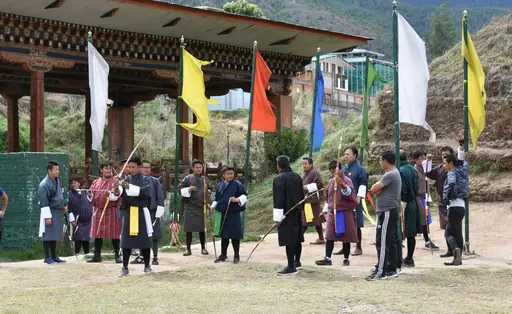
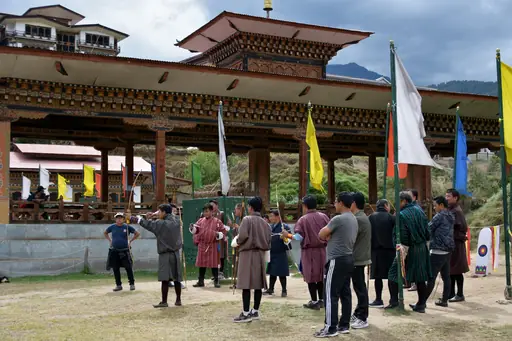
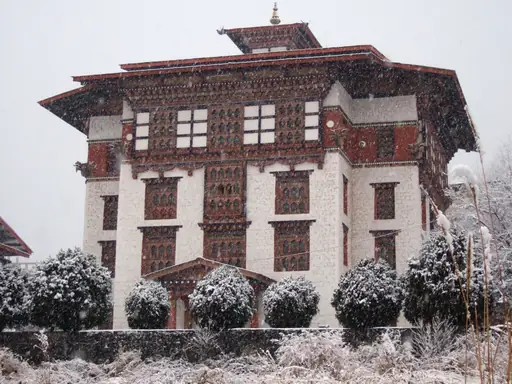
Bhutan measures national progress using Gross National Happiness rather than economic output alone. The Tiger's Nest monastery clings to a cliff face nearly 3,000 feet above the valley floor. Visitors can hike several hours up a steep trail to reach the monastery's entrance. Traditional dress remains mandatory for citizens entering government buildings and temples.
City in Japan
Nara
Giant Buddha, tame deer and ancient temples
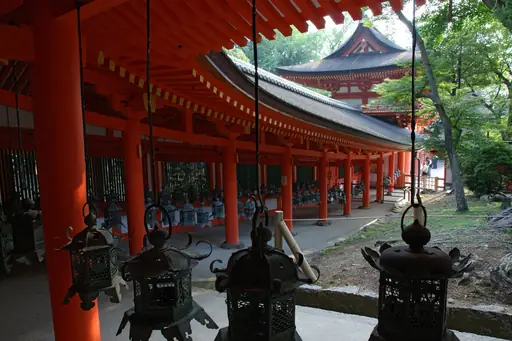
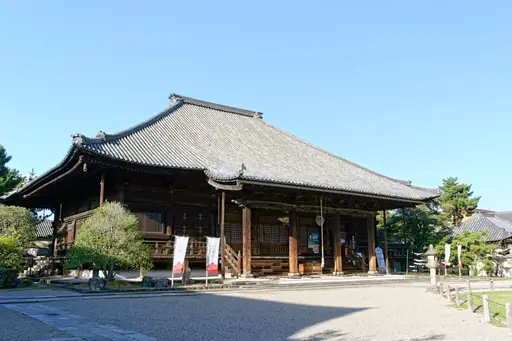
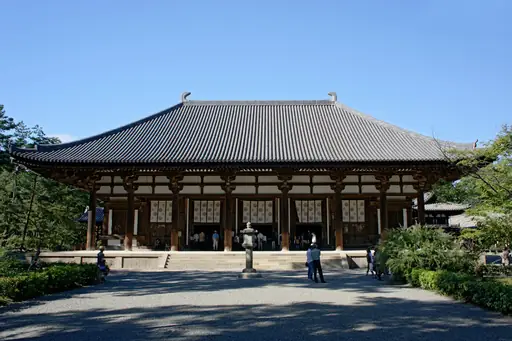
Nara served as Japan's capital before the court moved to Kyoto in the late 700s. Its Todai-ji temple houses one of the world's largest bronze Buddha statues. Visitors can walk through a park where sacred deer roam freely and bow for crackers. Traditional ink and brush calligraphy workshops still operate near the temple grounds.
Town in Germany
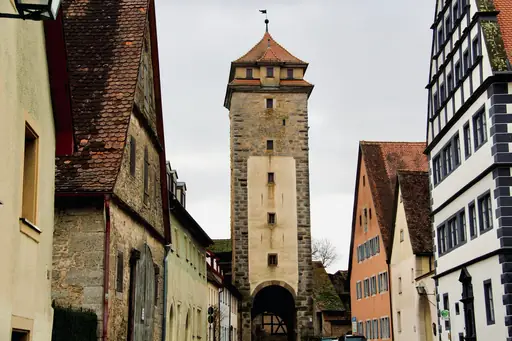
Rothenburg ob der Tauber
Half-timbered streets and a walkable town wall
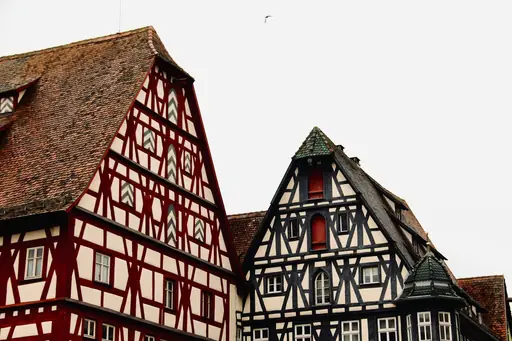
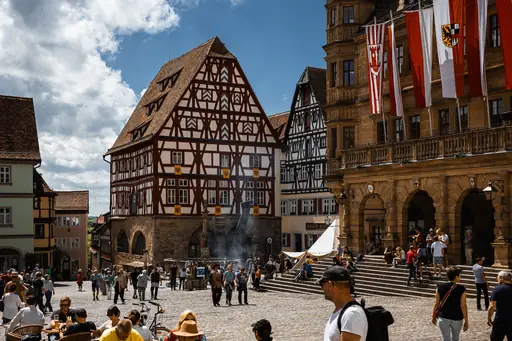
Rothenburg ob der Tauber preserves a complete medieval wall visitors can walk around the town. Half timbered houses line streets that have changed little since the 1600s. Visitors can climb the town hall tower for views over the walled old center. A night watchman still leads lantern tours recounting the town's medieval history.
City in Japan
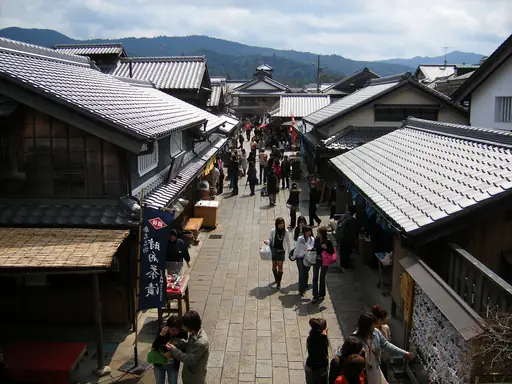
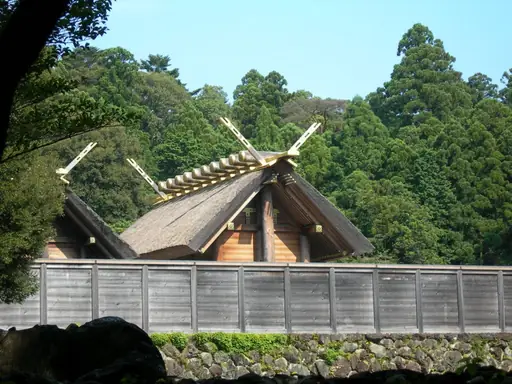
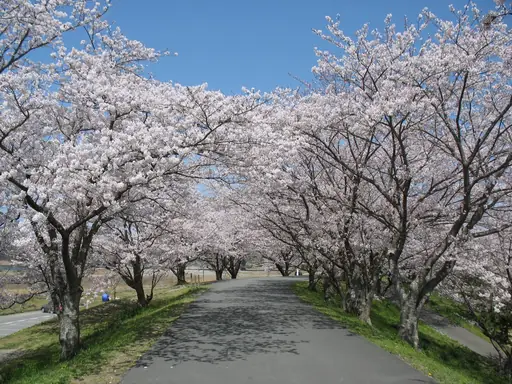
Ise
Japan's most sacred Shinto shrine city
Ise Grand Shrine is rebuilt from scratch every twenty years using traditional carpentry techniques. The practice has continued for more than 1,300 years to preserve the craft itself. Visitors can walk through cedar forest approaches leading to the shrine's wooden halls. A nearby market street sells mochi rice cakes tied to centuries of pilgrim tradition.
City in Germany
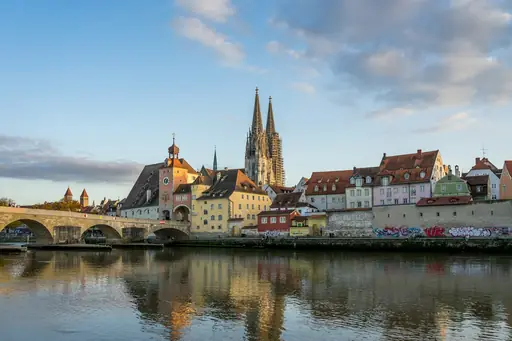
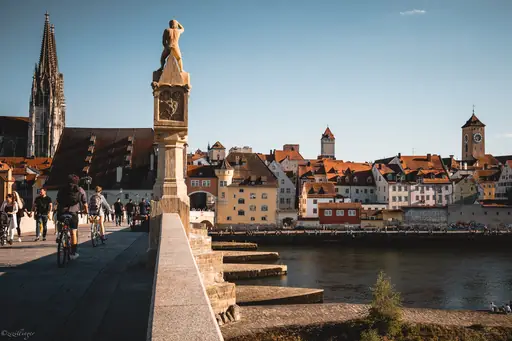
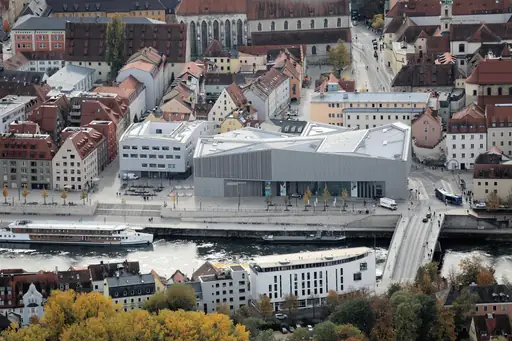
Regensburg
Medieval Danube city with a stone bridge
Regensburg's Stone Bridge has spanned the Danube since the 1100s. Its medieval old town survived World War II largely without serious damage. Visitors can sample sausages from a historic riverside sausage kitchen dating to the same era. Merchant towers built by medieval trading families still rise above the city's rooftops.

District in Kyoto
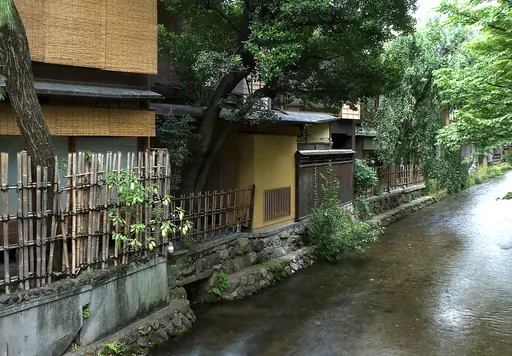
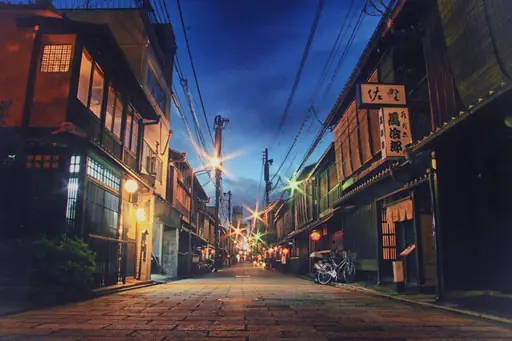
Gion
Wooden teahouse lanes where geiko work
Geiko and maiko still hurry between appointments through Gion's lantern lit lanes most evenings. Traditional teahouses called ochaya host private performances of dance and music behind sliding wooden doors. Visitors can glimpse the district's wooden machiya townhouses along Hanamikoji street. Photography is now restricted on some private lanes to protect residents from crowds.
Village in Japan
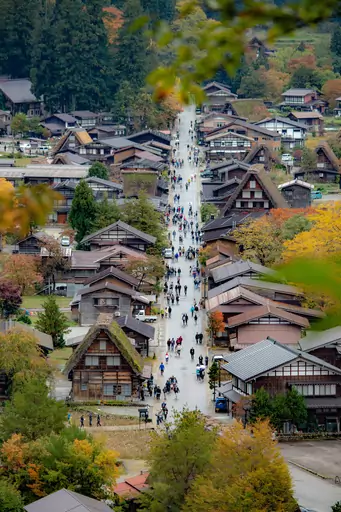
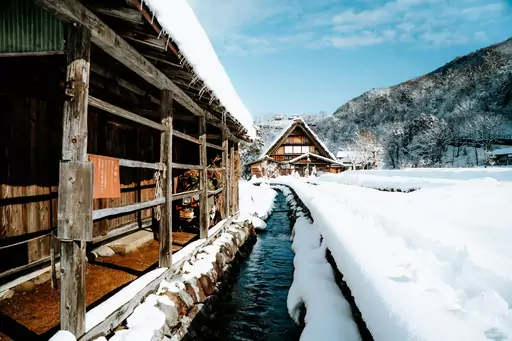
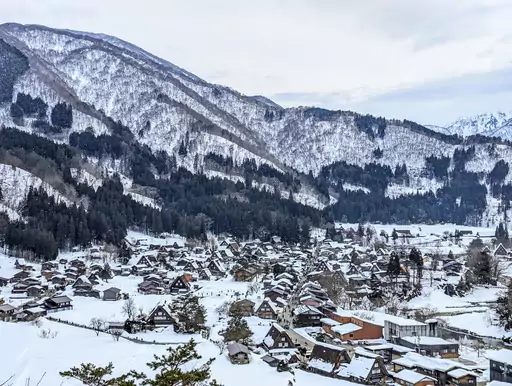
Shirakawa-go
Thatched gassho farmhouses in the Hida mountains
Shirakawa-go's gassho-zukuri farmhouses have steep thatched roofs built to shed heavy mountain snow. Some of the wooden structures date back more than 250 years without a single nail. Visitors can tour one converted into a small folk museum. Winter nights bring a rare illumination when the whole village lights up under snow.
City in Germany
Bamberg
Smoked beer and a UNESCO old town
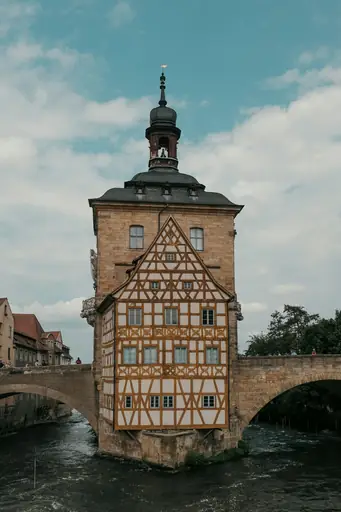
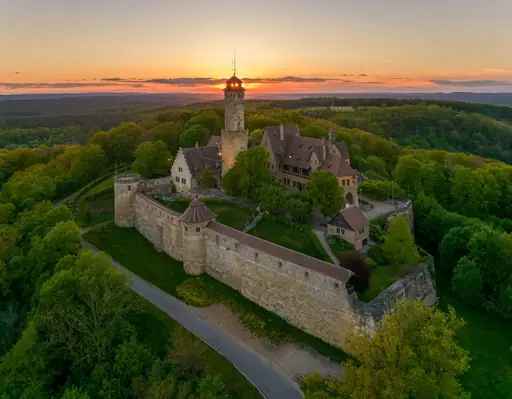
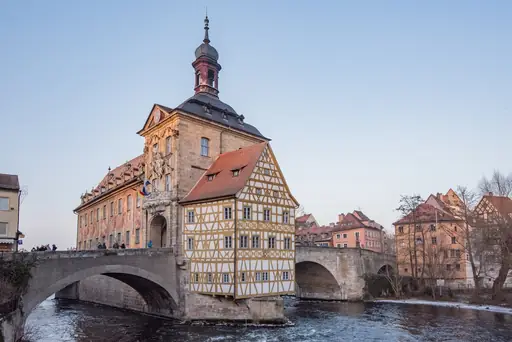
Bamberg's medieval old town survived World War II largely undamaged, keeping its half timbered houses. Breweries there still produce Rauchbier, a smoky beer made from malt dried over flame. Visitors can sample the beer at taverns clustered around the old town hall. The town hall itself was built on an artificial island in the river.
Village in Japan
Kurokawa Onsen
Riverside bath hopping in a Kumamoto valley
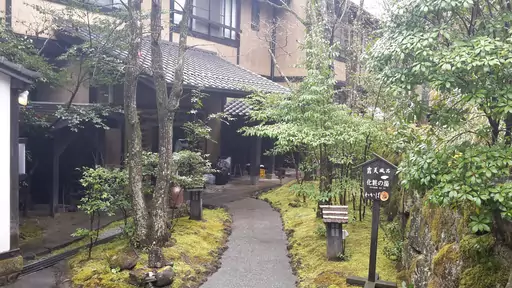
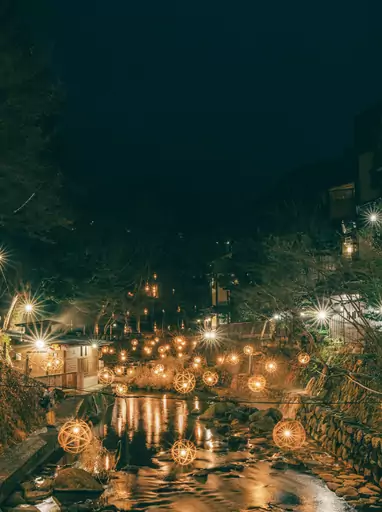
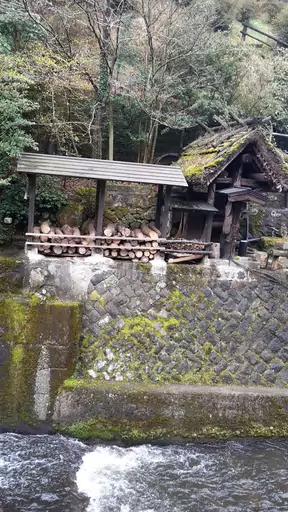
Kurokawa Onsen visitors buy a wooden pass granting entry to three open air baths of their choosing. Each bath sits tucked among rocks and trees, with no two pools looking alike. Visitors can wander between them in a rented yukata robe along stone paths. Rustic wooden ryokan inns line the small river running through town.
City in Japan
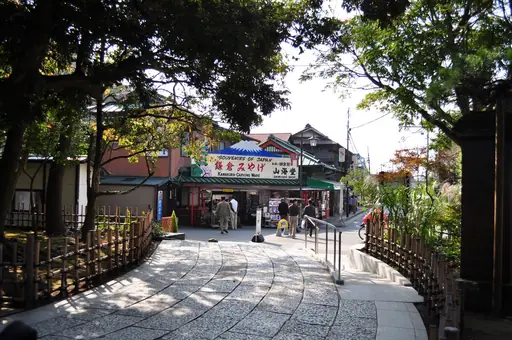
Kamakura
Great Buddha, Zen temples and surf beaches
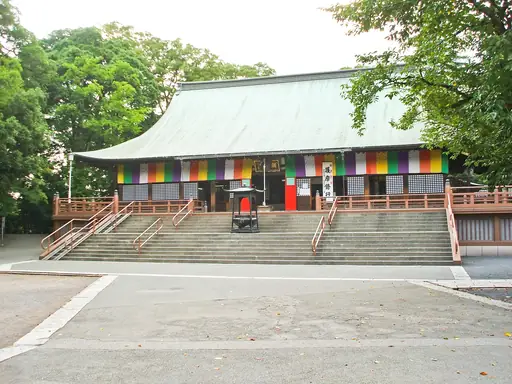
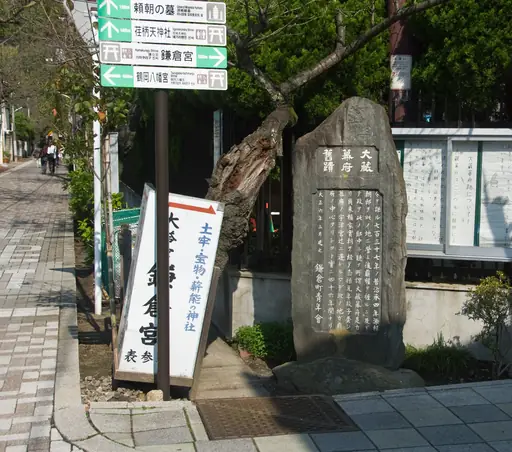
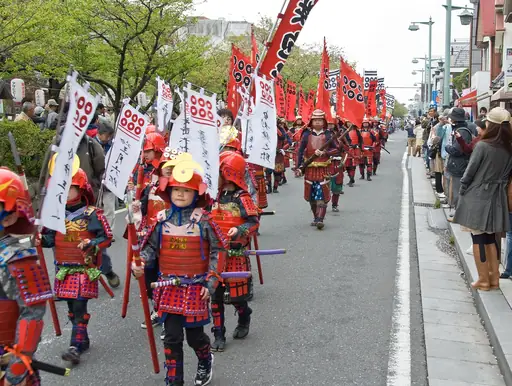
Kamakura served as Japan's political capital during the Kamakura shogunate of the 1100s. Its Great Buddha, cast in bronze, has sat in the open air since the 1400s. Visitors can hike a wooded trail connecting dozens of temples and shrines across the hills. Hydrangea gardens at nearby Meigetsu-in bloom each June, drawing seasonal crowds.
Town in Japan
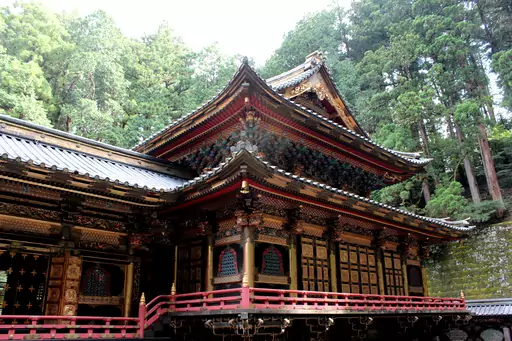
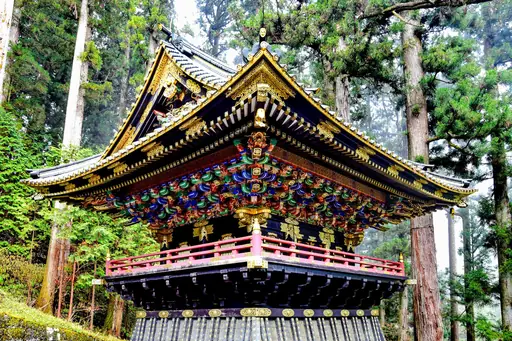
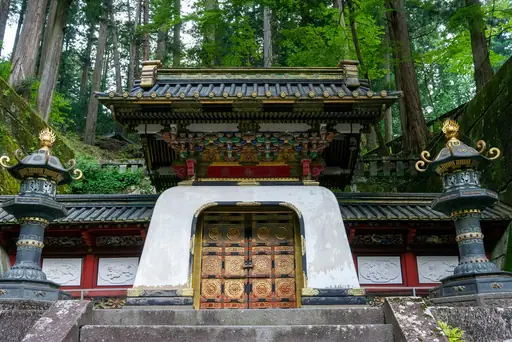
Nikko
Tokugawa shrines, waterfalls and hot springs
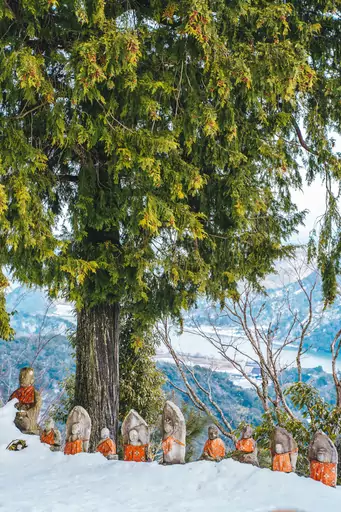
Nikko's Toshogu Shrine holds the mausoleum of shogun Tokugawa Ieyasu. Elaborate wood carvings across the shrine include the well known three wise monkeys. Visitors can walk an avenue of towering cedar trees planted centuries ago as an offering. Nearby waterfalls and mountain trails have long drawn pilgrims alongside shrine visitors.
Village in Japan
Kinosaki Onsen
Seven bathhouses to stroll between in yukata
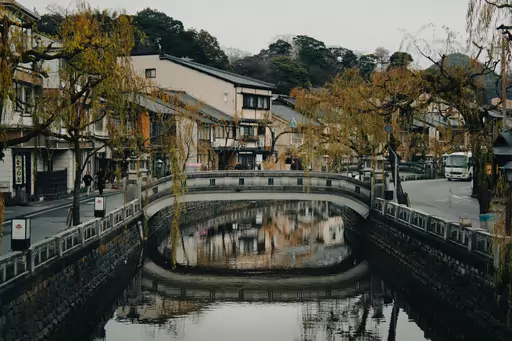
Kinosaki Onsen visitors traditionally stroll between seven public bathhouses dressed in a rented yukata robe. The tradition of hopping between baths, called sotoyu meguri, dates back over a century. Visitors can collect a stamp at each bathhouse along the canal. The town's hot springs have drawn travelers for more than 1,300 years.
Region in Japan
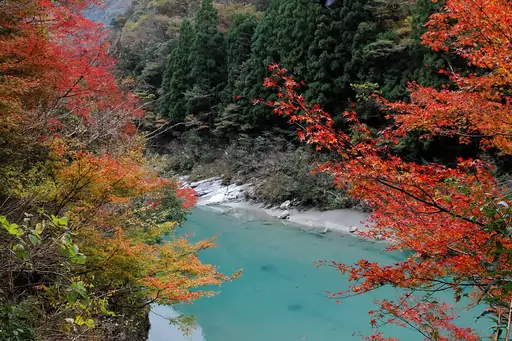
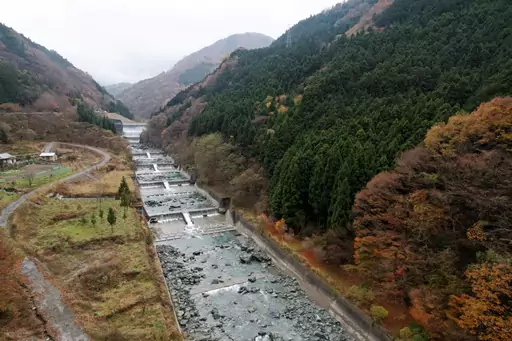
Iya Valley
Vine bridges, deep gorges and mountain hot springs
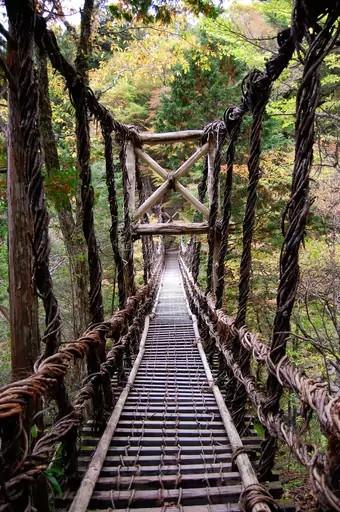
Iya Valley holds several vine bridges once built using twisted mountain vine rather than rope. Villagers rebuild the bridges every few years using the same traditional method. Visitors can cross the swaying Kazurabashi bridge suspended above a rushing river gorge. Thatched roof farmhouses cling to the valley's steep terraced slopes nearby.
Region in Japan
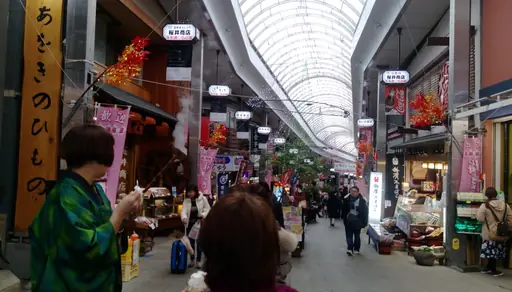
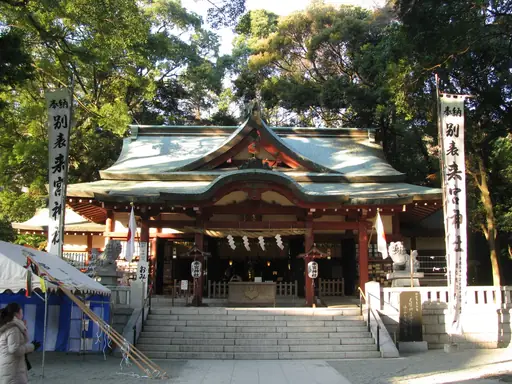
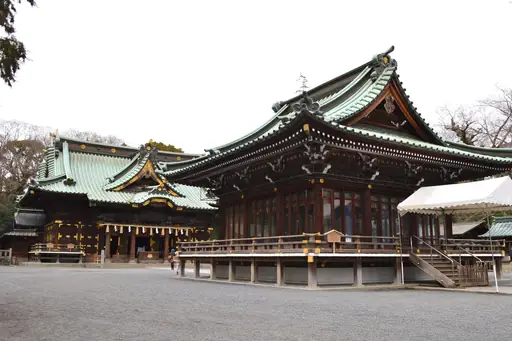
Izu Peninsula
Hot springs, volcanic coast and beaches
Izu Peninsula has drawn visitors to its natural hot springs for well over a thousand years. Coastal onsen towns there built bathhouses directly overlooking the Pacific shoreline. Visitors can soak in an open air rotenburo bath while watching waves below. Traditional ryokan inns along the coast still serve multi course kaiseki dinners.
Other lists you may like

Discover
Best traditional destinations in Africa
Africa's traditional destinations encompass some of the world's most diverse and ancient living cultures, craft traditions and ceremonial practices, with communities across the…
Read more
Discover
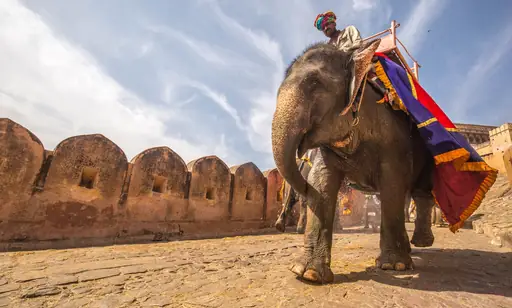
Best traditional destinations in Asia
Asia contains the world's greatest concentration of living traditional cultures, craft traditions and ceremonial practices, with communities across the continent maintaining ways…
Read more
Discover
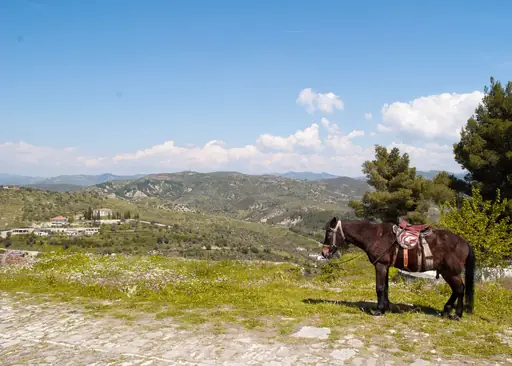
Best traditional destinations in Europe
Europe's traditional destinations are found in the rural fringes and island communities that retained distinct craft traditions, folk cultures and ways of life while the…
Read more
Discover
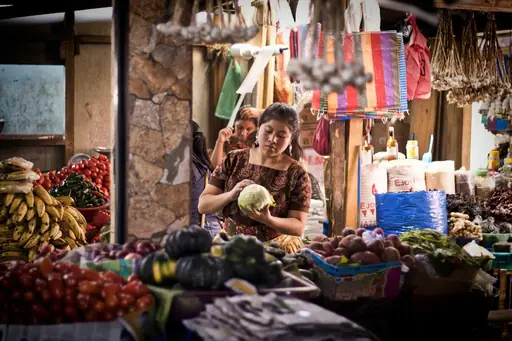
Best traditional destinations in North America
North America's traditional destinations are defined by the indigenous communities, living craft traditions and folk cultures that have maintained distinct practices despite the…
Read more

Discover
Best traditional destinations in Oceania
Oceania's traditional destinations are defined by the indigenous cultures of Australia, New Zealand and the Pacific island groups, where some of the world's oldest continuous…
Read more

Discover
Best traditional destinations in South America
South America's traditional destinations are anchored by the indigenous communities of the Andean highlands, Amazonian basin and Pacific coastal cultures that have maintained…
Read more
What other users say about travelfilters
“travelfilters made it easy for me to find ski areas and compare what else they offer, so that I could find the best place for my personal travel style.”

Chris
Snowboarding & Onsen trip to Japan
“I love how transparent the data feels. There is no pushy upsell, just honest information and settings I can tune to my own travel style.”

Maria
After booking her 2027 winter escape
“The level of detail for each destination and how well those are displayed, make planning feel confident instead of overwhelming.”

Mina
Planned a week in New York City
“We used travelfilters for our planning from start to end. The trip turned out even better than expected, thanks to all their tools and customization options.”

Allan & Etienne
Trip to Japan to see autumn foliage
“Thanks to travelfilters, I found some hidden gems to see. Being able to filter for exactly your interests is a game changer for my travel planning.”

Michael
Tour through the old cities of Northern Italy
“The customizable filters helped me find a quiet beach town with good wifi and low season crowds in under five minutes.”

Diego
Weekend Escape to Llanes, Spain
“The airport connection map saved me hours by showing good flight options from my home airport to lesser-known cities.”

Nguyen
Planning a 2027 trip to France
“The website is clean, fast and focused on the search itself, which makes travelfilters feel more like a professional tool than an ad-heavy booking site.”

Hassan
Christmas Market trip, Germany
