
Best traditional destinations in Asia
Best traditional destinations in Asia
Ancient dynastic temple complexes and regional folk heritage sites across Asia
Asia contains the world's greatest concentration of living traditional cultures, craft traditions and ceremonial practices, with communities across the continent maintaining ways of life and social structures that have evolved over centuries with remarkable continuity. The continent's traditional destinations range from ancient walled cities and highland communities to island cultures and nomadic societies whose practices remain largely independent of globalising forces.
The depth and variety of traditional culture rewards itineraries built around specific crafts, religious traditions or ethnic communities rather than general sightseeing. Markets, temple festivals and craft villages operate on their own seasonal calendars, and timing visits around specific events delivers considerably more than arriving outside the rhythms that give traditional life its character.
Overtourism is commodifying practices at the most visited destinations and community-based operators deliver more meaningful access than standard circuits. Respectful engagement requires research into appropriate behaviour and photography protocols. Your money goes a long way making extended itineraries into less visited communities practical on modest budgets.
Lists by region
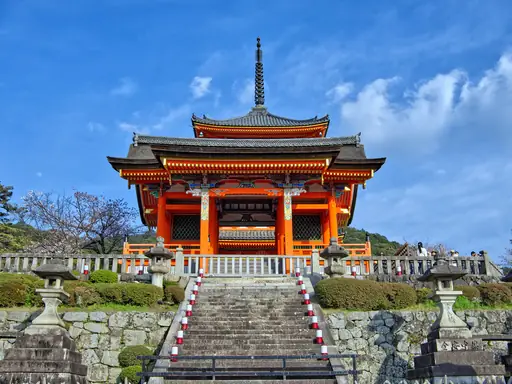
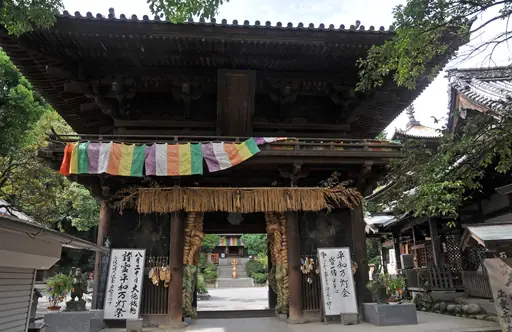
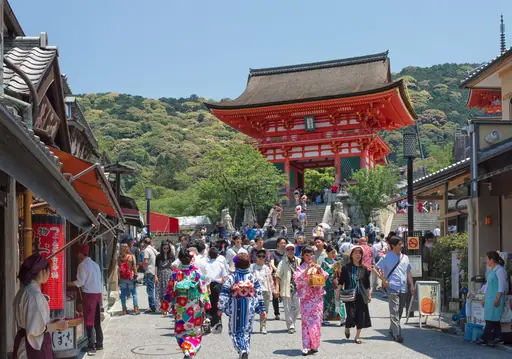
City in Japan
Kyoto
Temples, geisha districts and kaiseki dining
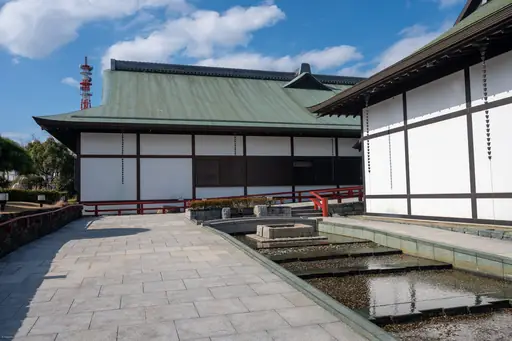
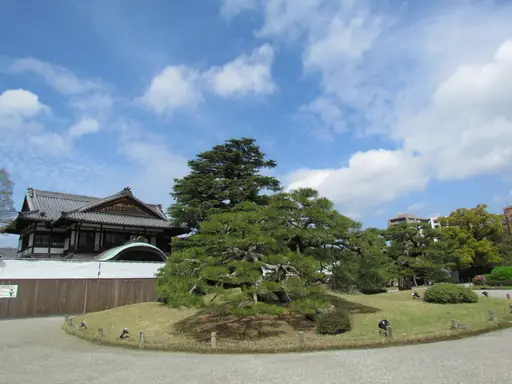
Japan's imperial capital for over a thousand years, this city holds 17 UNESCO sites. Kinkakuji, Fushimi Inari and Kiyomizudera are the biggest names. Geisha still walk the lanes of Gion in the evening. Visitors can join a traditional tea ceremony at a temple or a historic teahouse.
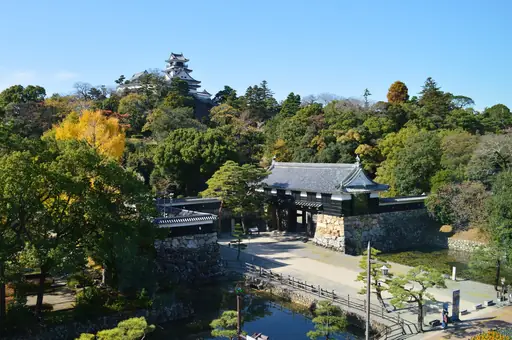
Island in Japan
Shikoku
Pilgrimage trail, gorges and hot springs
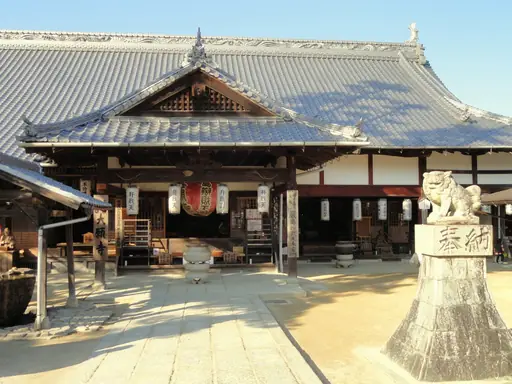
Pilgrims walk an 88 temple circuit around the island, following the path of the monk Kobo Daishi. The route stretches for about 1,200 kilometers. Many walkers wear white jackets and carry wooden staffs as they go. Locals offer snacks and tea called osettai along the way.
City in Japan
Ise
Japan's most sacred Shinto shrine city
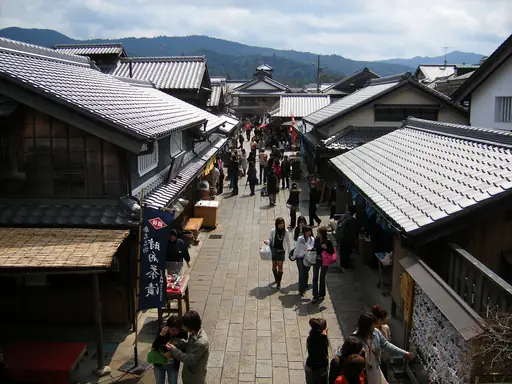
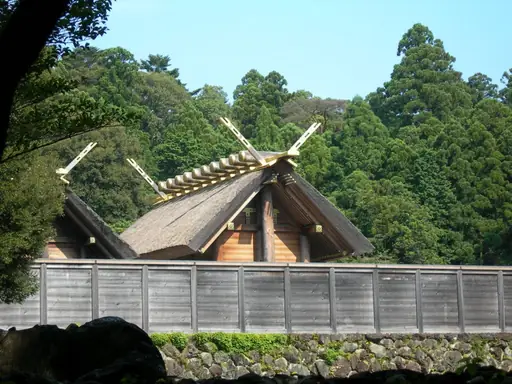
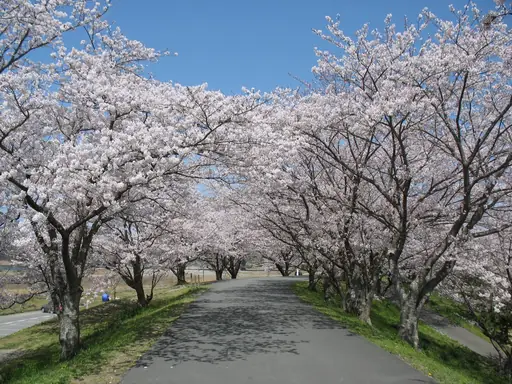
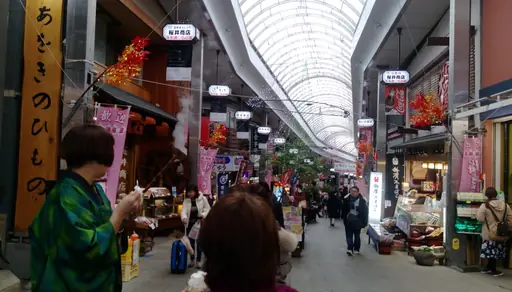
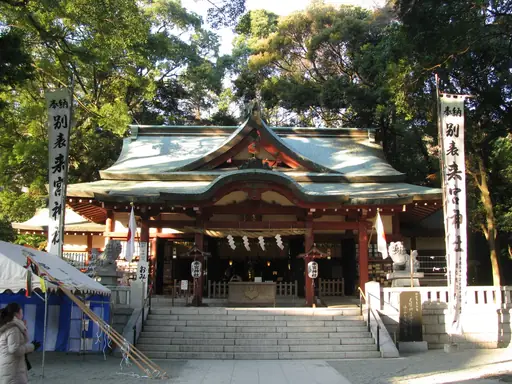
Amaterasu, the sun goddess, is honored at Ise Grand Shrine. Its wooden buildings are rebuilt every 20 years in an ancient ritual. Visitors walk through cedar forests to the inner shrine. Okage Yokocho street sells sweets like akafuku rice cakes near the shrine gates and the river.
City in Japan
Takayama
Old town, morning markets and Hida beef
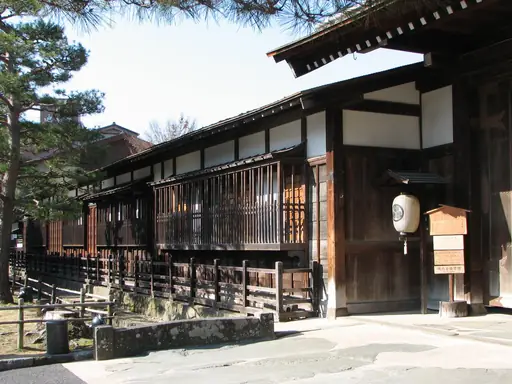
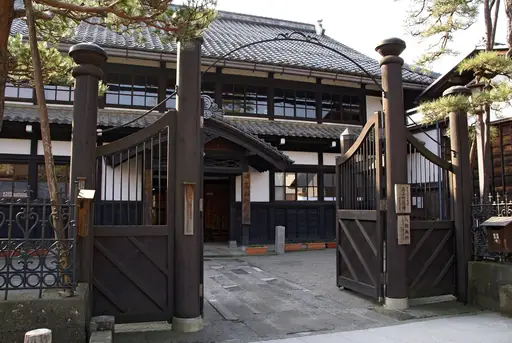
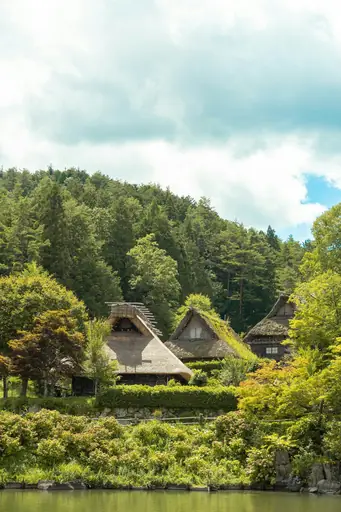
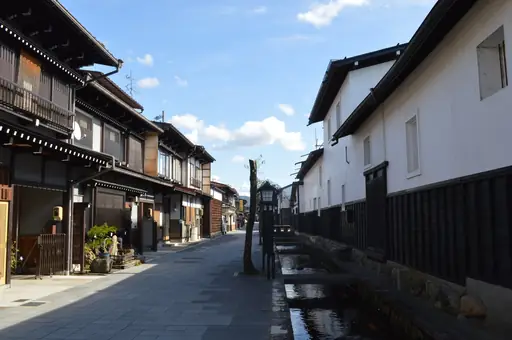
Preserved Edo era merchant streets line the Sanmachi Suji district. Sake breweries hang cedar balls over their doors. Morning markets sell pickles, crafts and hot coffee beside the river. Huge decorated floats parade through town during the spring and autumn festivals that date back centuries.
District in Kyoto
Gion
Wooden teahouse lanes where geiko work
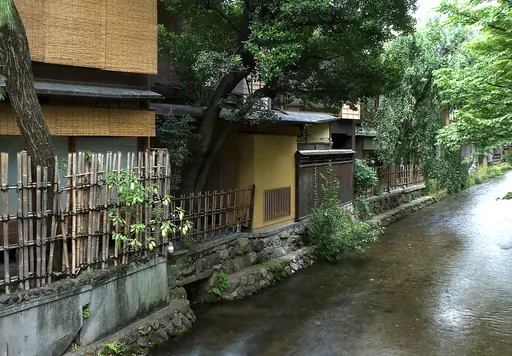
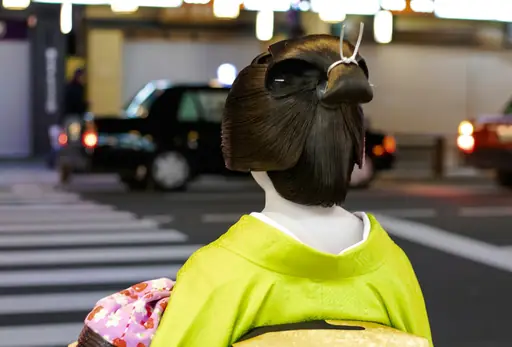
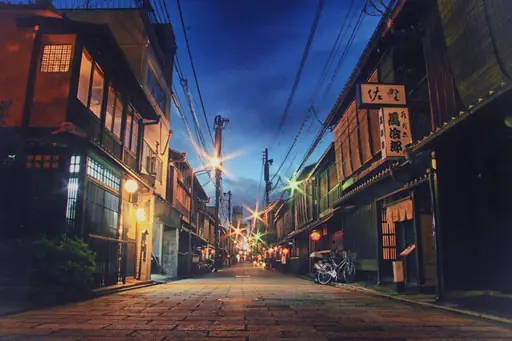
Geiko and maiko walk the stone lanes of Gion at dusk on their way to appointments. Wooden machiya townhouses line Hanamikoji Street, where teahouses host evening banquets. Visitors can watch dance performances and tea ceremonies at Gion Corner. Spotting a geiko is a matter of luck.
Island in Japan
Miyajima
Torii in the sea, deer and Mount Misen
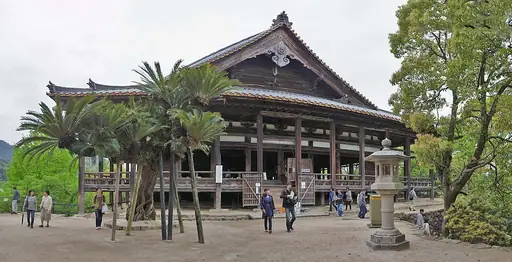
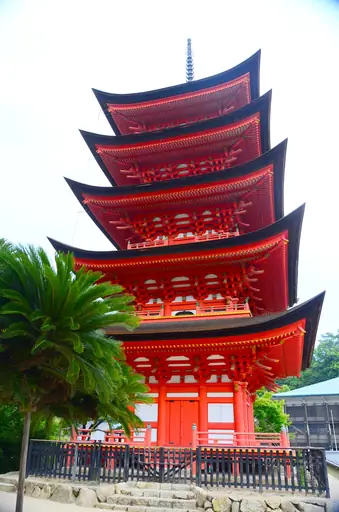
A red torii gate appears to float on the water at high tide off Itsukushima Island. The shrine halls stand on piles above the bay. Visitors can walk to the gate across wet sand at low tide. Wild deer roam the village streets behind the main shrine.
Village in Japan
Shirakawa-go
Thatched gassho farmhouses in the Hida mountains
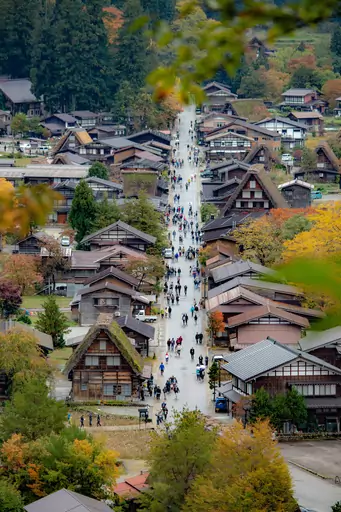
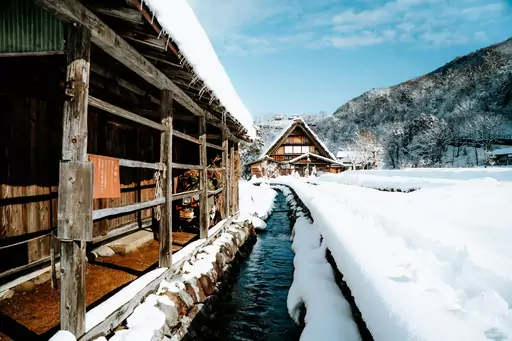
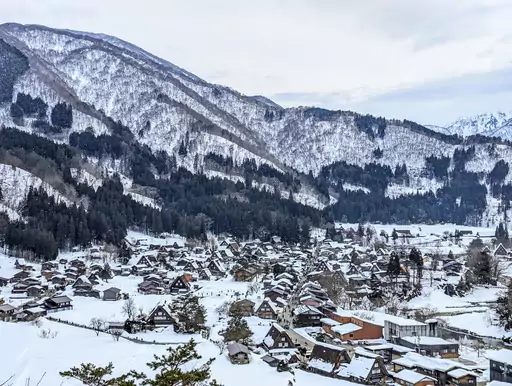
Steep thatched farmhouses called gassho zukuri fill this snowy mountain valley in Gifu. Their steep roofs resemble hands pressed together in prayer. Visitors can climb to a hilltop lookout for sweeping views over the village. Some houses are open to the public as museums or guesthouses.
City in Japan
Kamakura
Great Buddha, Zen temples and surf beaches
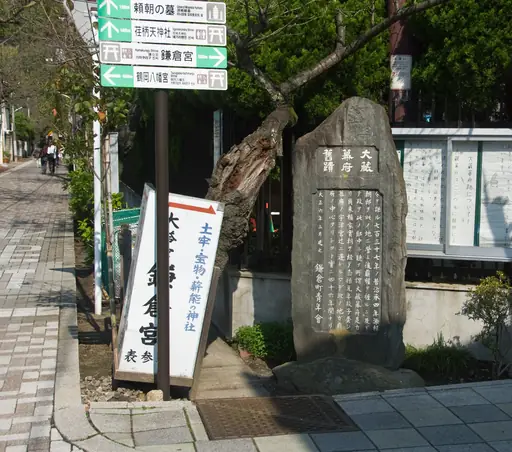
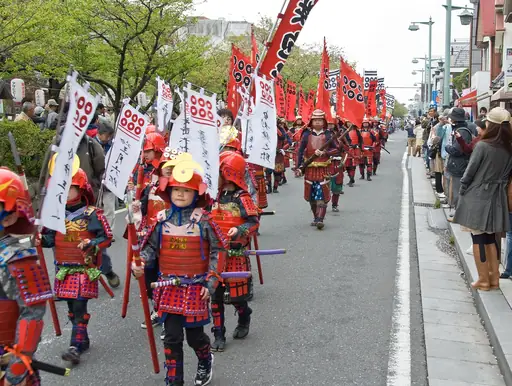
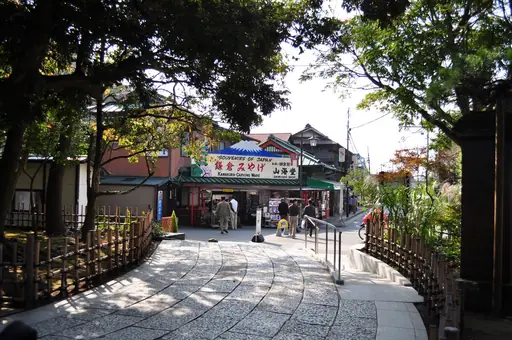
Samurai rulers made this town their capital in the late 1100s. The Great Buddha is a huge bronze statue sitting outdoors since the 1200s. Hase dera temple has hillside gardens with sea views over the bay. The Enoden train rattles along the coast between temples and beaches.
City in Japan
Matsumoto
Black castle town below the Alps
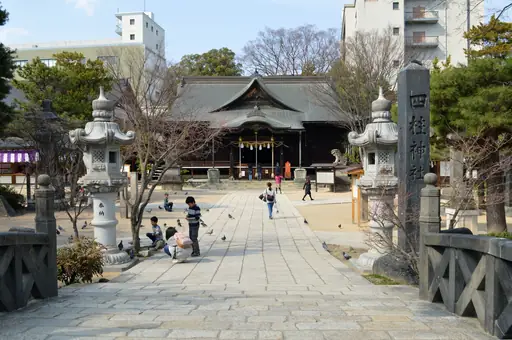
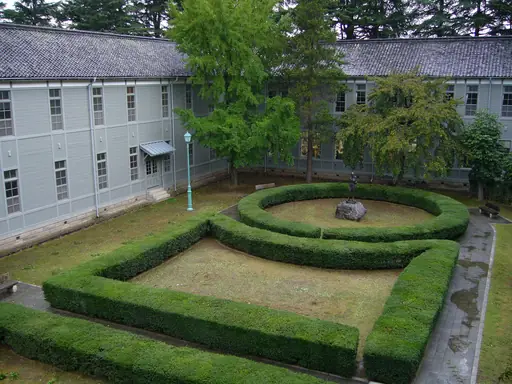
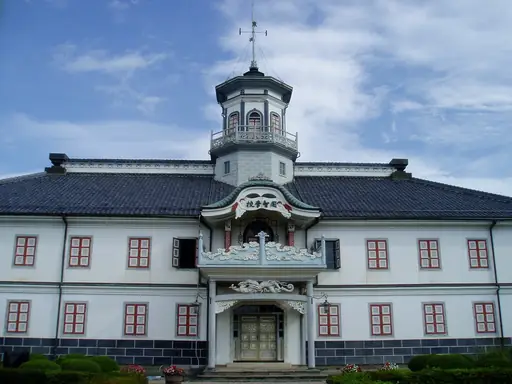
A black keep known as Crow Castle stands in the middle of town. It is one of a handful of original castles left in Japan. Visitors can climb steep wooden stairs to the top floor for views of the Alps. A red bridge crosses the moat beside it.
City in Japan
Hida
Carp canal and sake town near Takayama
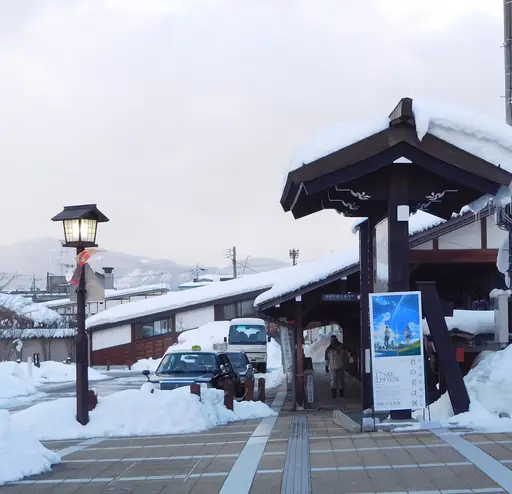
Steep thatched gassho zukuri farmhouses stand in the mountain villages of this region. Hida Folk Village displays about 30 old houses in an open air museum. Visitors can try Hida beef and mountain vegetable dishes. Shirakawago is a UNESCO site nearby and makes an easy day trip.
Village in Japan
Kurokawa Onsen
Riverside bath hopping in a Kumamoto valley
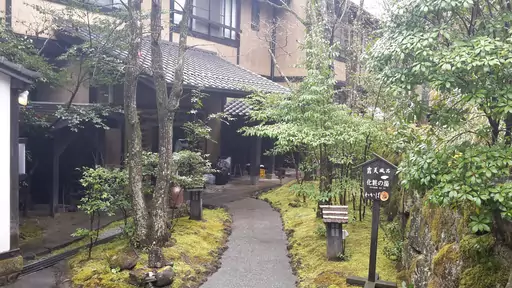
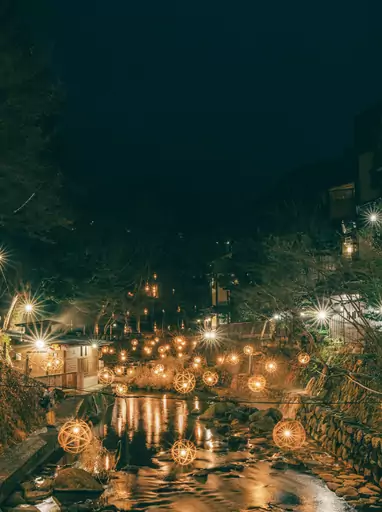
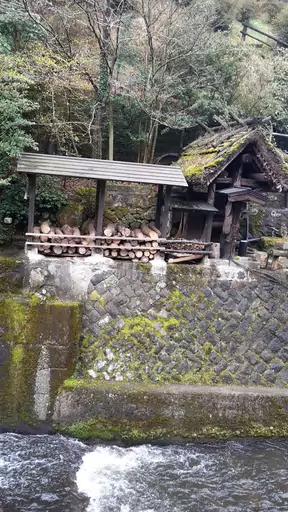
Visitors to Kurokawa buy a wooden bath pass to try three different outdoor baths. Small inns line a quiet stream in a forested valley of Kyushu. Rotenburo pools sit beside cedar trees and bamboo groves. Evening lanterns light the stone paths between the traditional ryokan.
Island in Japan
Okinawa Island
Reef beaches and Ryukyu Kingdom heritage
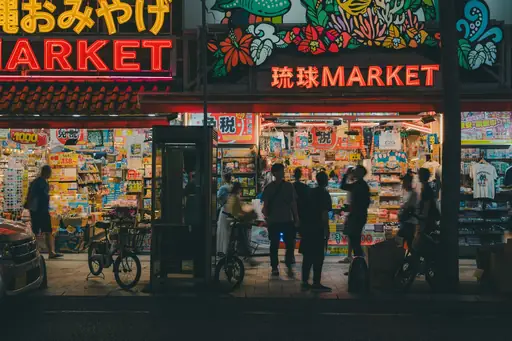
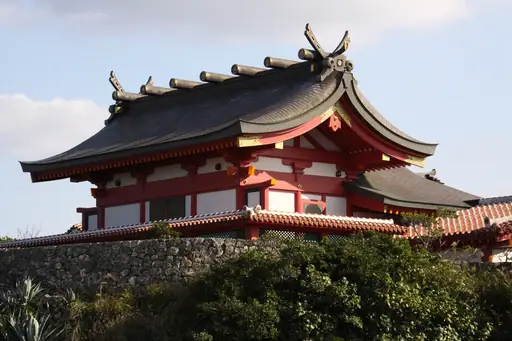
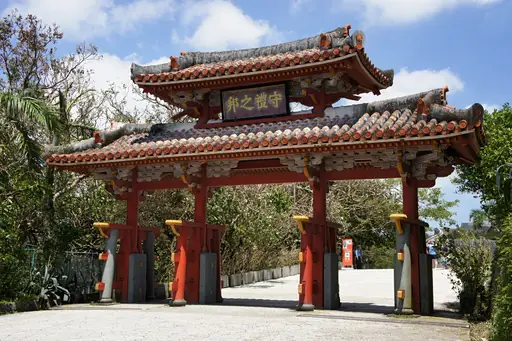
Shuri Castle served as the royal seat of the Ryukyu Kingdom until 1879. Its red halls show a blend of Chinese and Japanese design. Visitors can learn about court dance and bingata textiles in nearby workshops. Many villages hold eisa drum dances during the summer Obon season.
Village in Japan
Kinosaki Onsen
Seven bathhouses to stroll between in yukata
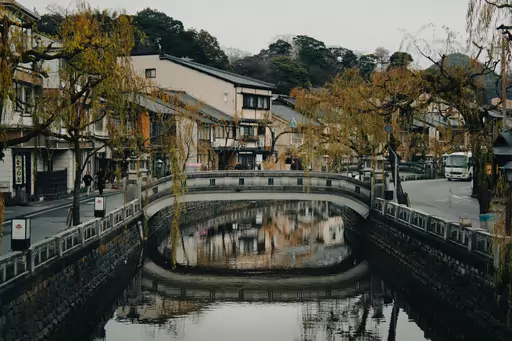
Seven public bathhouses line the willow shaded canal of this hot spring town. Guests wear cotton yukata robes and wooden sandals to stroll between them. Each bathhouse has its own style of pools and stonework. Visitors can buy a day pass that covers all seven bathhouses.
City in Japan
Kanazawa
Samurai streets, gold leaf and Kenrokuen garden
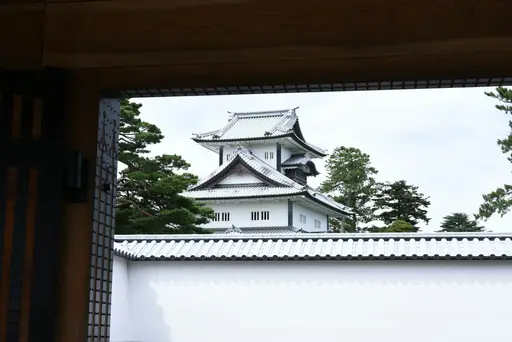
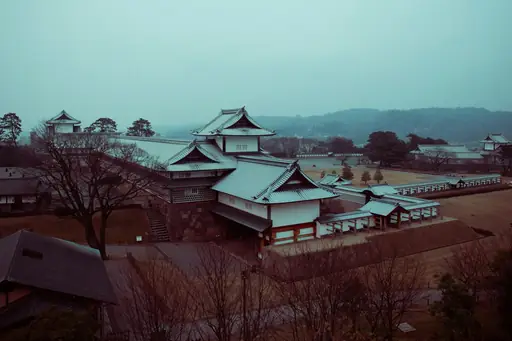
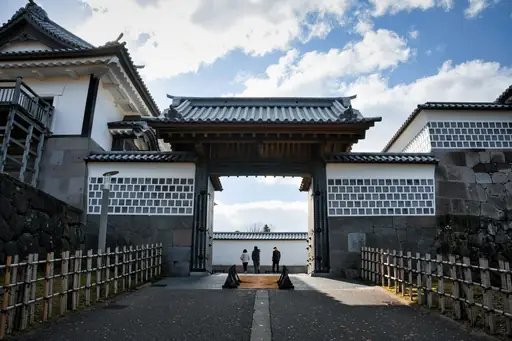
Geisha districts and old samurai houses line the preserved streets of this city. Kenroku en is one of Japan's most famous gardens and opens early. Gold leaf crafts and lacquerware are local specialties. Omicho market sells fresh seafood, fruit and regional snacks near the station.
Town in Japan
Nikko
Tokugawa shrines, waterfalls and hot springs
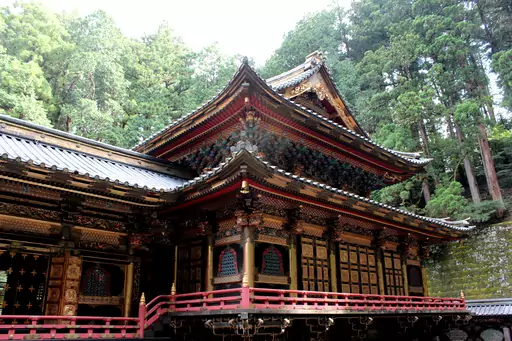
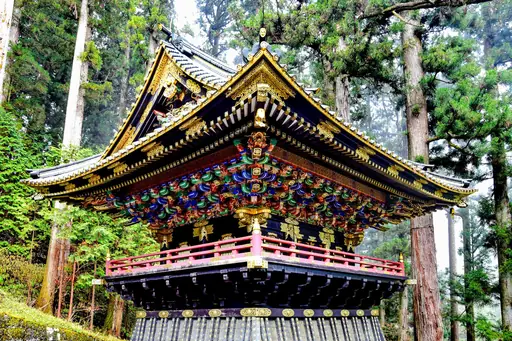
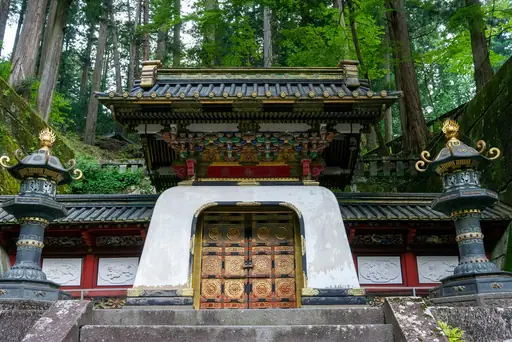
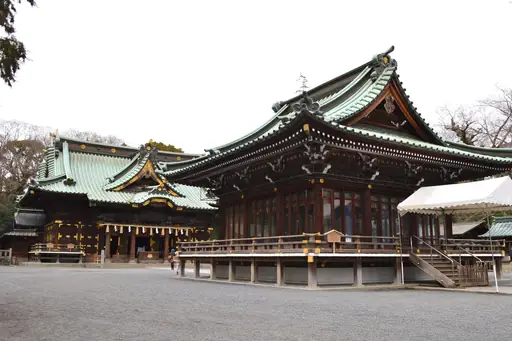
Toshogu Shrine honors the shogun Tokugawa Ieyasu with carved gates and gilded halls. Its carved panels include the famous three wise monkeys who see no evil. Visitors can walk through an old cedar forest to reach the grounds. Rinnoji temple adds to the sacred mountain setting.
Country
Bhutan
Himalayan monasteries, dzongs and trekking trails
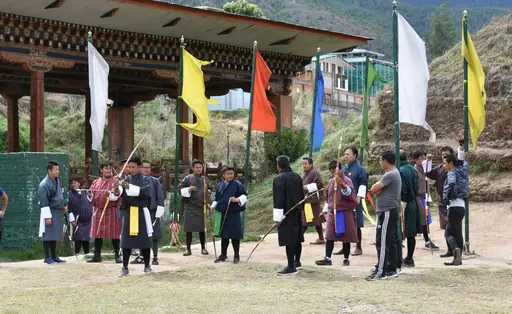
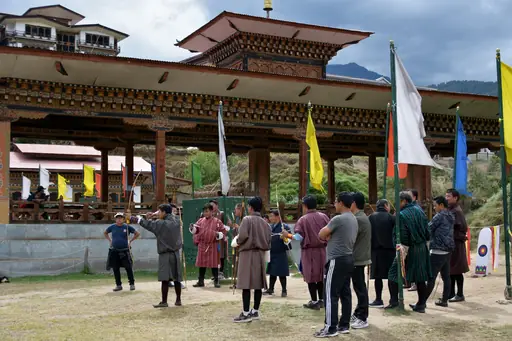
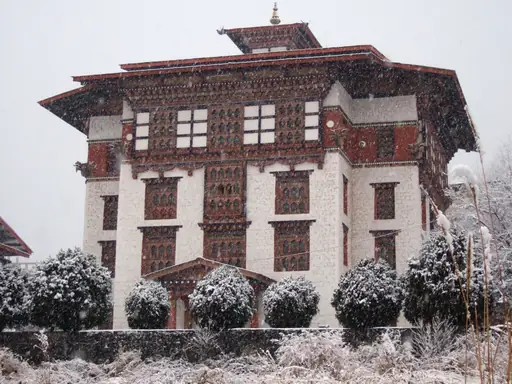
Buddhist monasteries called dzongs shape every valley of this Himalayan kingdom. Tiger's Nest perches on a cliff above the Paro valley. Visitors see monks in maroon robes and colorful tsechu festivals with masked dances. Citizens still wear traditional dress called gho and kira in daily life.
Region in Japan
Izu Peninsula
Hot springs, volcanic coast and beaches
Hot spring towns dot the coast and hills of this scenic peninsula. Shuzenji Onsen has an old temple and a bamboo path beside the river. Shimoda recalls the arrival of Perry's black ships in the 1850s. Wasabi farms in the mountains add local flavor to meals.
City in Japan
Kawagoe
Edo-style warehouse town near Tokyo
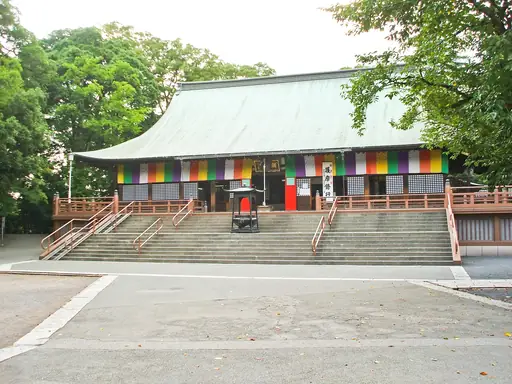
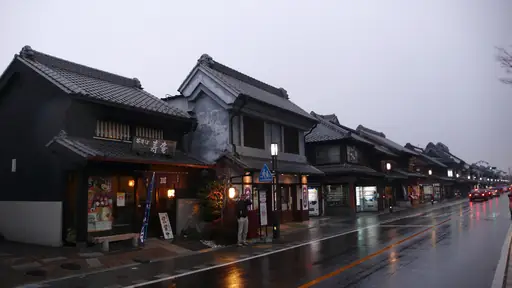
Black tiled kurazukuri warehouses line the main street of this Edo style town. The Toki no Kane bell tower rings four times daily. Kashiya Yokocho is a lane of old candy shops. Trains from Tokyo take under an hour so it works as a day trip.
City in Japan
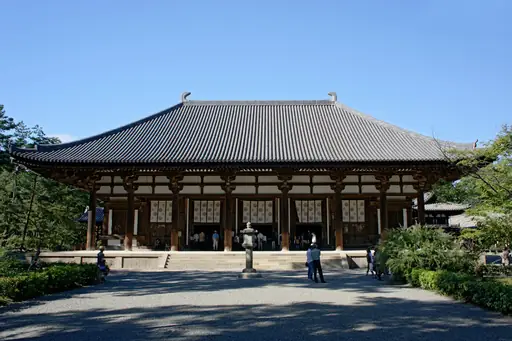
Nara
Giant Buddha, tame deer and ancient temples
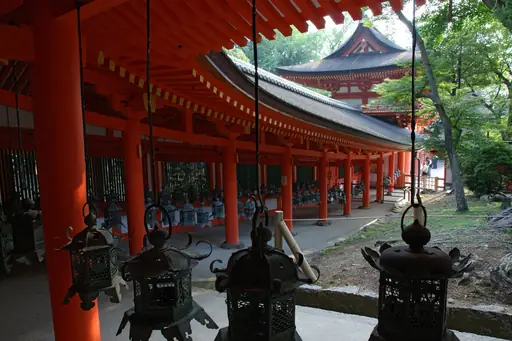
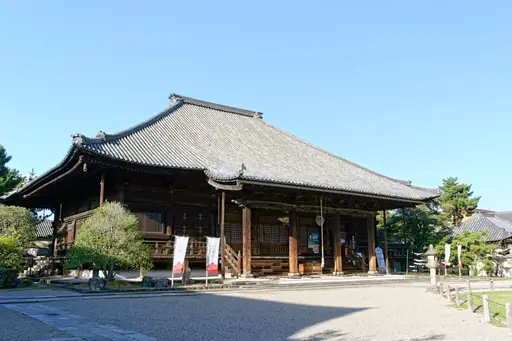
Todaiji Temple houses a giant bronze Buddha inside one of the largest wooden halls in the world. Sika deer roam freely through the park around the temple grounds. Visitors can buy special crackers from vendors to feed them. Kasuga Taisha shrine glows with hundreds of stone and bronze lanterns.
Region in Japan
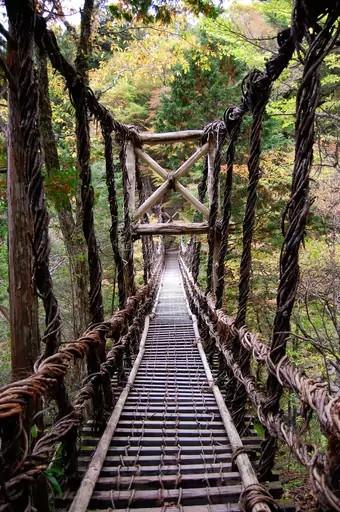
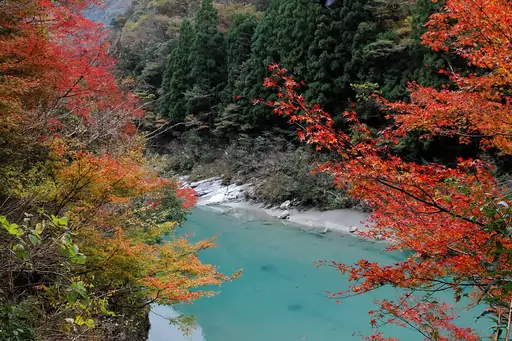
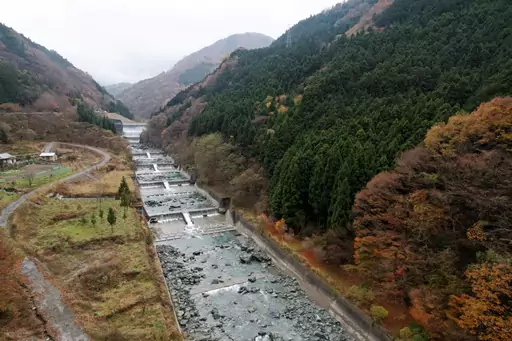
Iya Valley
Vine bridges, deep gorges and mountain hot springs
Kazurabashi vine bridges span the Iya river in a deep mountain valley. Remote villages keep thatched farmhouses and old terraced fields. Visitors can walk across the swaying bridges and hike forest trails. Chiiori, an old farmhouse, offers stays with an open hearth and simple country food.
City in Japan
Kurashiki
Canal town with storehouses and Western art
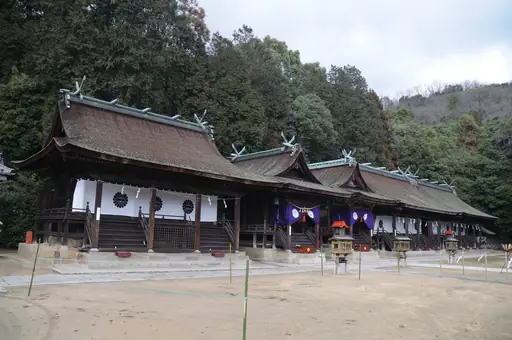
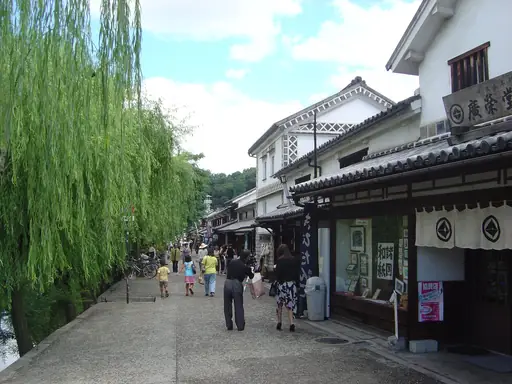
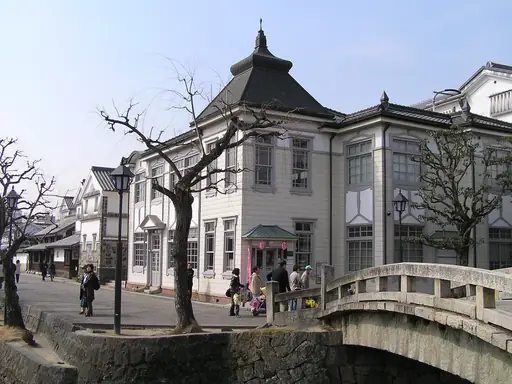
White walled rice warehouses line a willow lined canal in the old merchant quarter. The Bikan Historical Quarter keeps Edo era shops and tea houses. Ohara Museum of Art shows works by Monet and El Greco. Denim shops nearby sell local jeans made in Okayama.
Other lists you may like
Discover
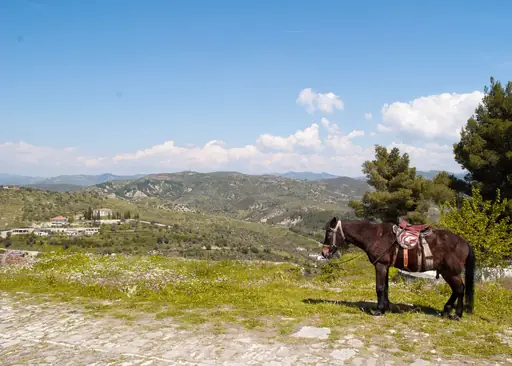
Best traditional destinations in Africa
Africa's traditional destinations encompass some of the world's most diverse and ancient living cultures, craft traditions and ceremonial practices, with communities across the…
Read more
Discover
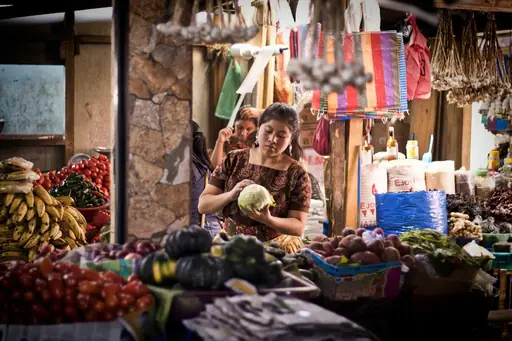
Best traditional destinations in Europe
Europe's traditional destinations are found in the rural fringes and island communities that retained distinct craft traditions, folk cultures and ways of life while the…
Read more
Discover
Best traditional destinations in North America
North America's traditional destinations are defined by the indigenous communities, living craft traditions and folk cultures that have maintained distinct practices despite the…
Read more

Discover
Best traditional destinations in Oceania
Oceania's traditional destinations are defined by the indigenous cultures of Australia, New Zealand and the Pacific island groups, where some of the world's oldest continuous…
Read more
Discover
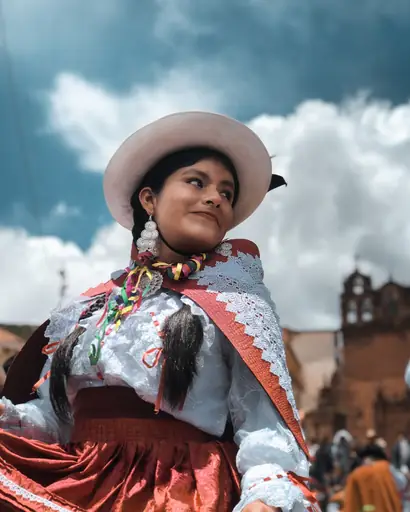
Best traditional destinations in South America
South America's traditional destinations are anchored by the indigenous communities of the Andean highlands, Amazonian basin and Pacific coastal cultures that have maintained…
Read more
Discover
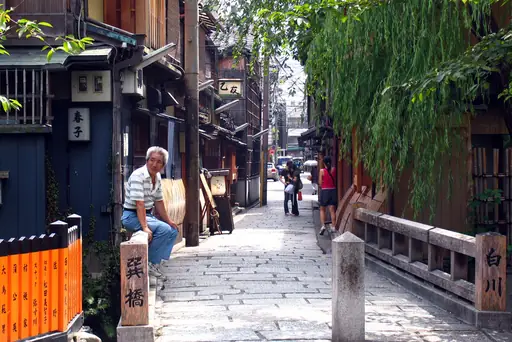
Top traditional destinations and cultural heritage sites
Traditional destinations are those where cultural practices, craftsmanship, ceremony and ways of life that predate industrialisation and mass tourism remain visible and active…
Read more
What other users say about travelfilters
“travelfilters made it easy for me to find ski areas and compare what else they offer, so that I could find the best place for my personal travel style.”

Chris
Snowboarding & Onsen trip to Japan
“I love how transparent the data feels. There is no pushy upsell, just honest information and settings I can tune to my own travel style.”

Maria
After booking her 2027 winter escape
“The level of detail for each destination and how well those are displayed, make planning feel confident instead of overwhelming.”

Mina
Planned a week in New York City
“We used travelfilters for our planning from start to end. The trip turned out even better than expected, thanks to all their tools and customization options.”

Allan & Etienne
Trip to Japan to see autumn foliage
“Thanks to travelfilters, I found some hidden gems to see. Being able to filter for exactly your interests is a game changer for my travel planning.”

Michael
Tour through the old cities of Northern Italy
“The customizable filters helped me find a quiet beach town with good wifi and low season crowds in under five minutes.”

Diego
Weekend Escape to Llanes, Spain
“The airport connection map saved me hours by showing good flight options from my home airport to lesser-known cities.”

Nguyen
Planning a 2027 trip to France
“The website is clean, fast and focused on the search itself, which makes travelfilters feel more like a professional tool than an ad-heavy booking site.”

Hassan
Christmas Market trip, Germany
