
Top hot springs destinations and thermal resorts
Top hot springs destinations and thermal resorts
Natural hot springs and thermal resorts
Hot spring travel sits at the intersection of natural landscape, geological spectacle and bathing culture, with the world's most rewarding destinations combining accessible thermal water with settings of genuine natural beauty. The experience ranges from wild soaking in unmarked backcountry pools to architecturally ambitious spa complexes built around the same geothermal resource, with the most compelling destinations offering both within a short distance of each other.
Bathing cultures built around hot springs vary considerably in character and social etiquette, with communal traditions, mixed bathing norms and dress code expectations differing significantly by country and cultural context. The therapeutic reputation of mineral-rich thermal water has generated a substantial wellness tourism infrastructure around the most developed destinations, ranging from basic facilities to world-class spa complexes with accommodation built around the bathing experience.
Water temperatures at natural sources vary considerably and checking before entering is non-negotiable at unmarked wild springs where dangerously hot water is common. Ground stability around active geothermal features requires caution and staying on established paths is essential. The most visited hot spring destinations have introduced advance booking and timed entry systems that sell out well ahead during peak season, particularly at the most celebrated developed bathing facilities.
Lists by region
City in Japan
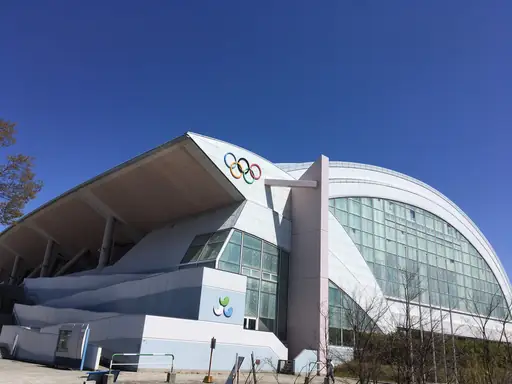
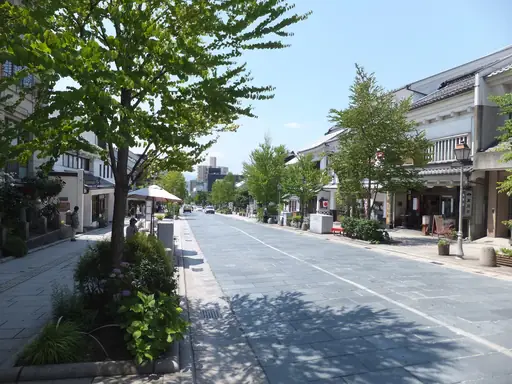
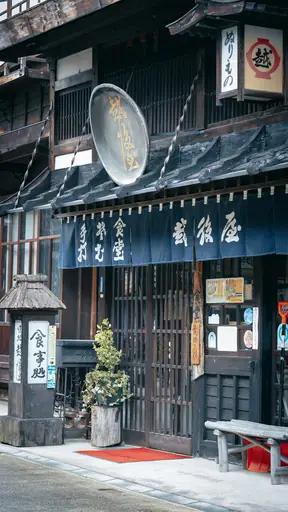
Nagano
Temple pilgrimage town near snow monkeys
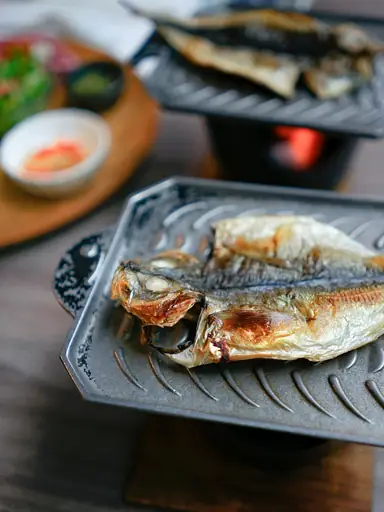
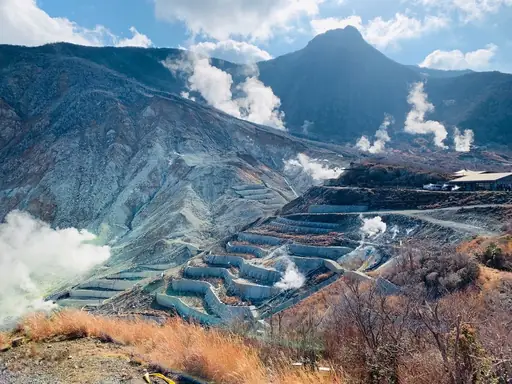
Nagano's mountain hot springs draw on volcanic activity within the surrounding Japanese Alps. Snow monkeys famously soak in hot spring pools at a park within the prefecture. Visitors can watch the monkeys bathe or soak in their own nearby onsen. Nearby ski resorts make Nagano a year-round mountain destination.
National Park in Japan
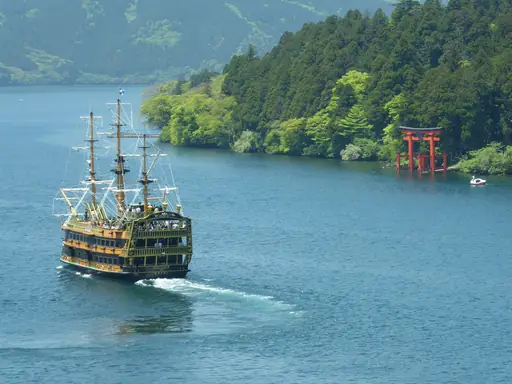
Fuji-Hakone-Izu National Park
Fuji, Hakone, Izu and volcanic islands
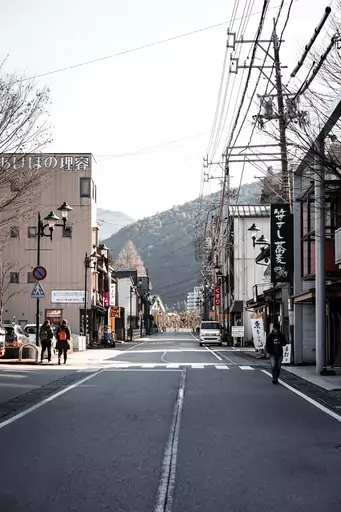
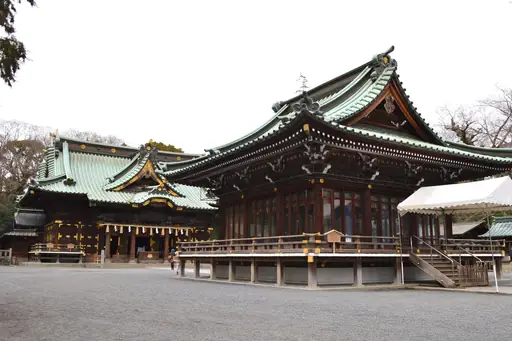
Hakone's hot springs draw on volcanic activity from a caldera formed long ago. Onsen inns here have hosted travelers along an old mountain trade route for centuries. Visitors can soak outdoors with views toward Mount Fuji on clear days. Nearby, a pirate-style boat crosses Lake Ashi past the volcanic scenery.
City in Japan
Gero
One of Japan's three great hot springs
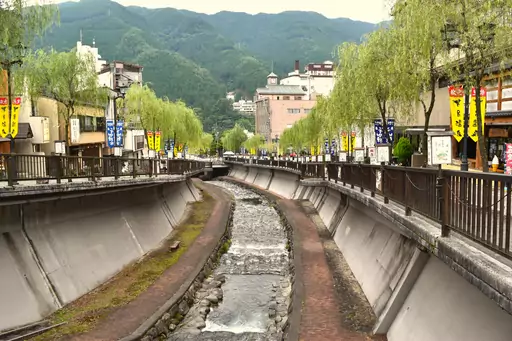
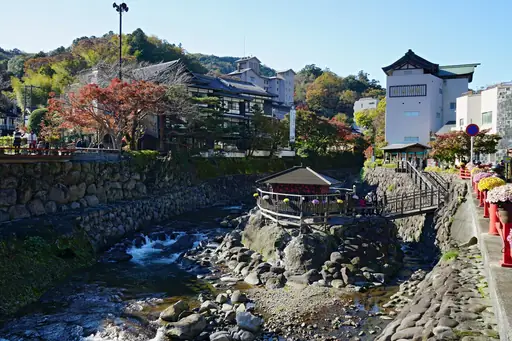
Gero ranks among Japan's most celebrated hot spring towns, praised for centuries by traveling poets. Mineral water here is said to leave skin remarkably soft after bathing. Visitors can soak in public baths scattered along the town's riverside streets. Nearby mountain scenery frames the town throughout every season.

City in Japan
Oita
Monkeys, hot springs and Otomo history
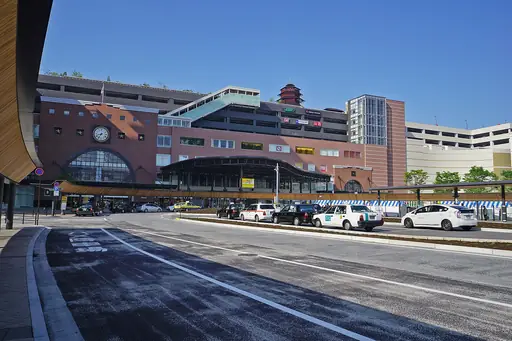
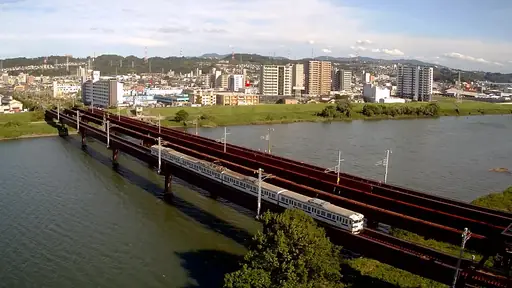
Oita prefecture produces the highest volume of hot spring water anywhere in Japan. Beppu, within the prefecture, alone accounts for a large share of the national total. Visitors can tour colorful hot spring pools known locally as the Hells of Beppu. Nearby ryokan inns offer traditional baths fed by the same underground heat.
Town in Japan
Kinugawa-Onsen
Gorge hot spring resort near Nikko
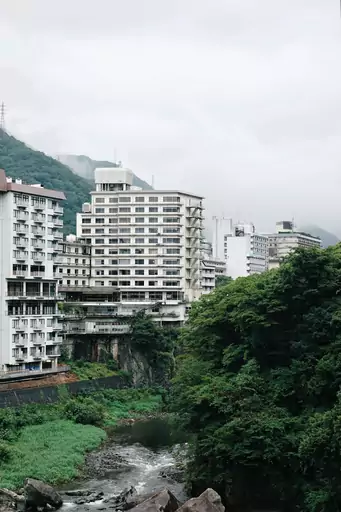
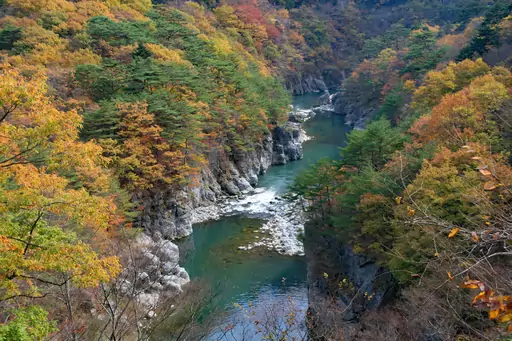
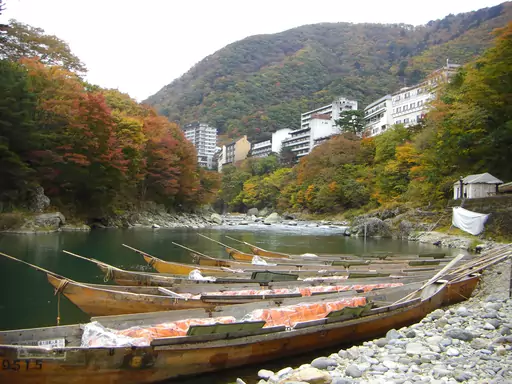
Kinugawa Onsen lines a river gorge with hot spring inns built into the steep hillside. Travelers have soaked here since the springs first opened to the public in the 1600s. Visitors can soak in riverside baths with views of the surrounding gorge. Nearby cable cars offer additional views over the valley below.
Town in Japan
Nyuto Onsen
Seven secluded onsen inns in beech forest
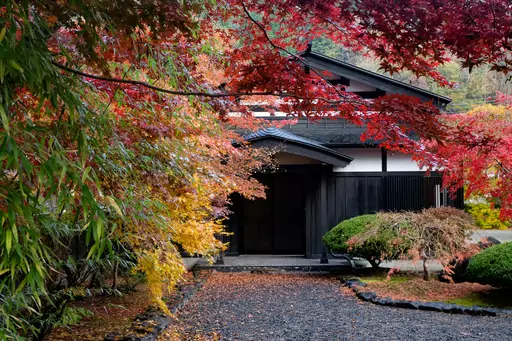
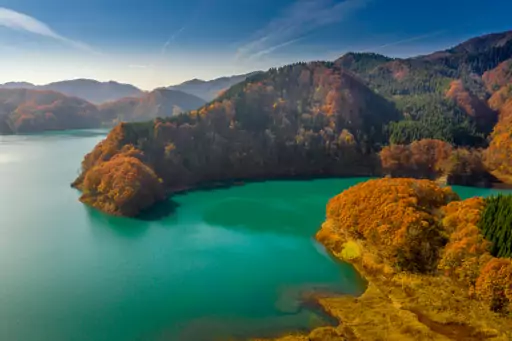
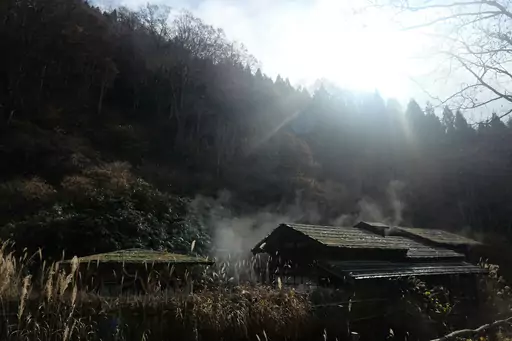
Nyuto Onsen clusters several rustic hot spring inns within a remote mountain valley. Snow blankets the inns for much of the year, adding to their secluded, timeless feel. Visitors can soak in milky, mineral-rich baths surrounded by forest and snow. Nearby trails connect the scattered inns for those touring multiple baths.
City in Japan
Matsuyama
A hilltop castle and Japan's oldest hot spring
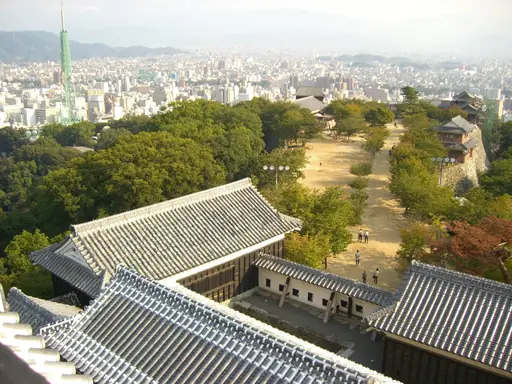
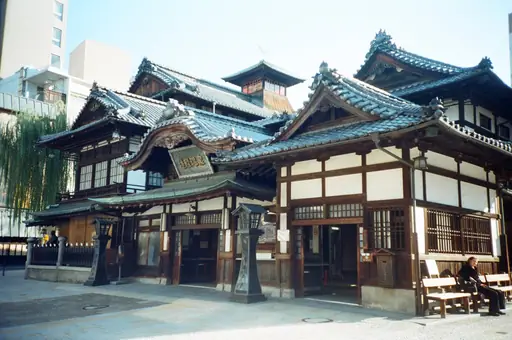
Dogo Onsen in Matsuyama ranks among Japan's oldest hot spring bathhouses. Legend holds that an injured deer once revealed the healing waters to early visitors. Visitors can bathe at the historic building, said to have inspired a famous animated film. Nearby shopping streets serve visitors drawn to the centuries-old springs.
Town in Japan
Yufuin Onsen
Lakeside onsen town below Mount Yufu
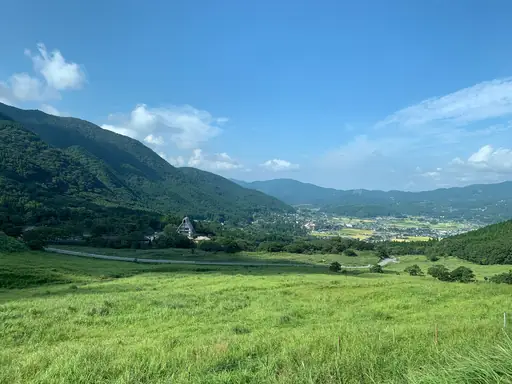
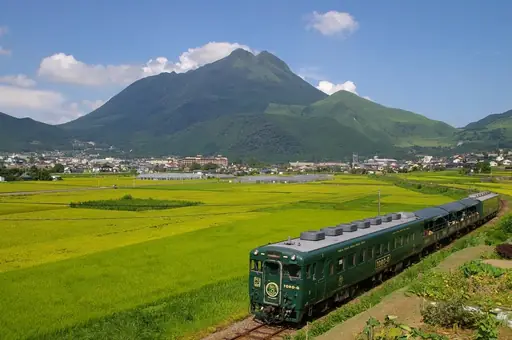
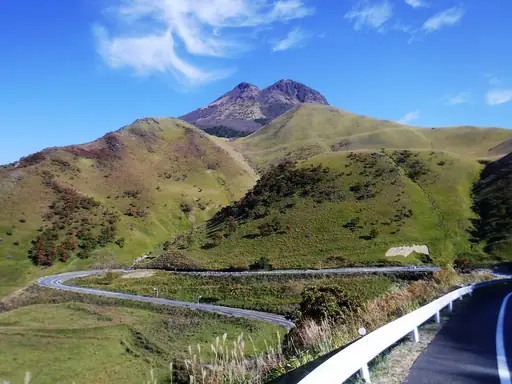
Steam rises from hot spring inns scattered across the valley town of Yufuin. Mount Yufu looms over the town, its slopes visible from many of the outdoor baths. Visitors can soak in an open-air onsen with mountain views close by. Nearby lakes and craft shops fill the quiet streets below the hills.

Town in Japan
Kusatsu-Onsen
Steaming hot water field and bath hopping
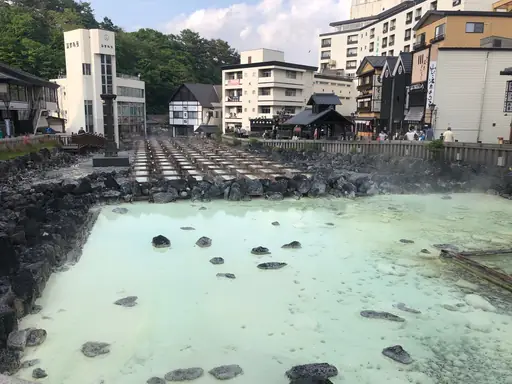
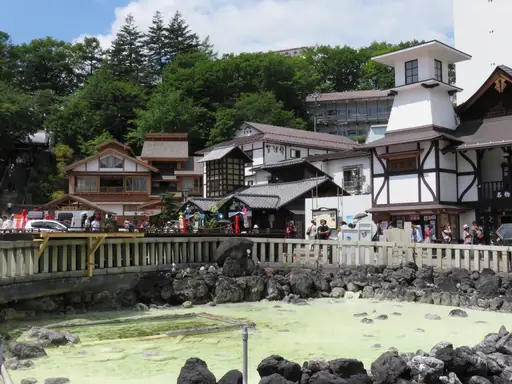
Kusatsu Onsen produces some of the highest volume of natural hot spring water in Japan. A central field in town channels the steaming water for visitors to see up close. Visitors can watch traditional water-cooling performances before soaking in the baths. Nearby ryokan inns have served travelers drawn to the springs for centuries.
Town in Japan
Hakone
Onsen town with Fuji views and lake cruises
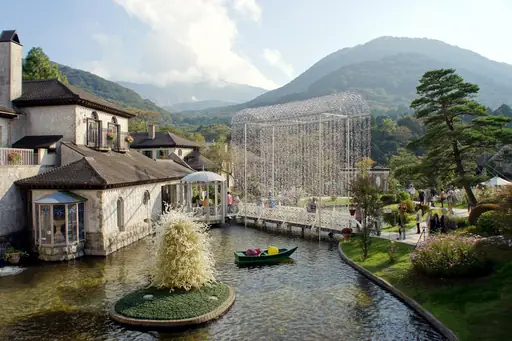
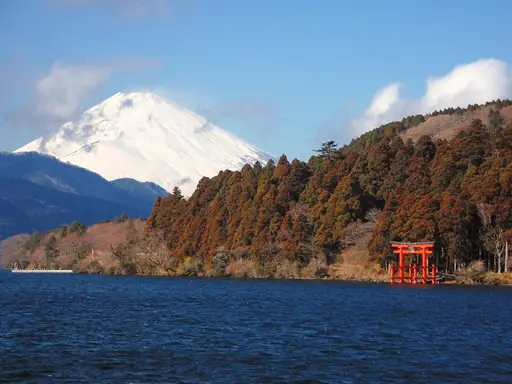
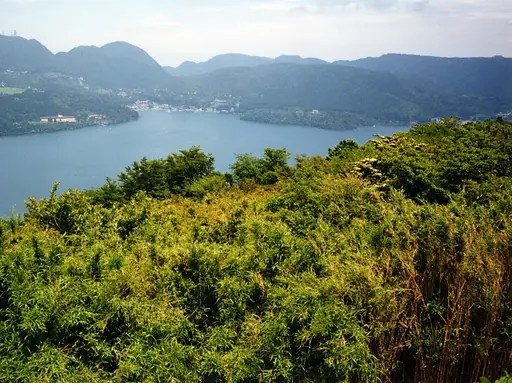
Sulfur vents still steam at Owakudani, a volcanic valley formed thousands of years ago. Vendors there boil eggs in the hot spring water until the shells turn black. Visitors can eat one, said locally to add years to your life. Nearby cable cars cross the valley with views toward Mount Fuji.
City in Japan
Beppu
Steaming hot springs and colorful Hells
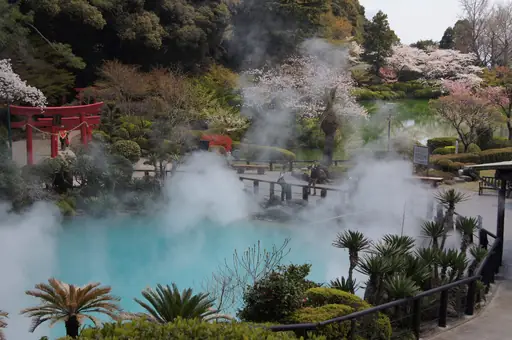
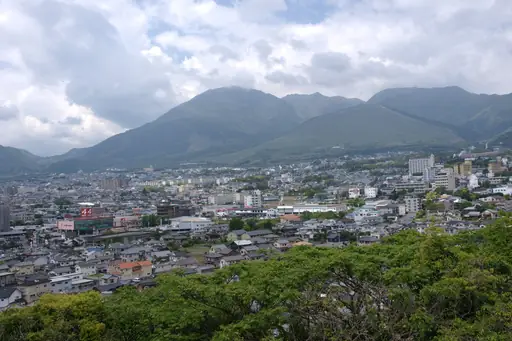
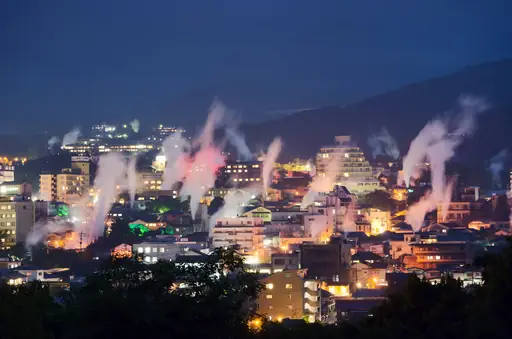
Beppu produces more hot spring water than almost any other town in Japan. Steam rises constantly from vents scattered across the city's hillsides and streets. Visitors can tour a set of colorful hot spring pools known as the Hells of Beppu. Nearby, bathers can soak in mineral-rich water piped directly from underground sources.
Town in Germany
Baden-Baden
Thermal baths and a leafy spa promenade
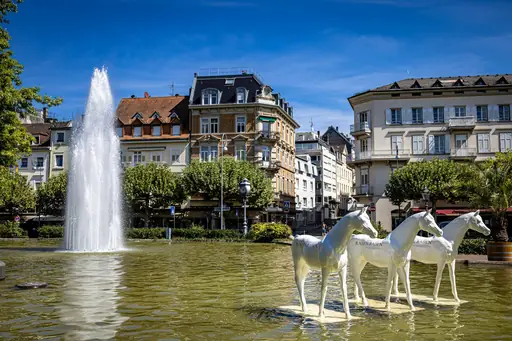
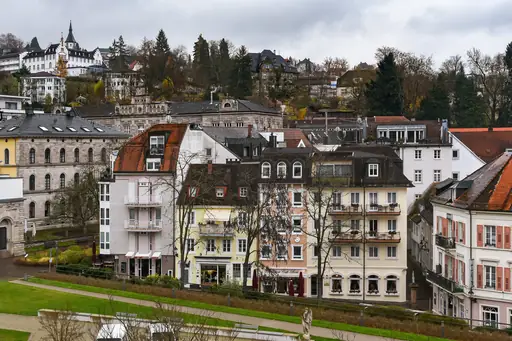
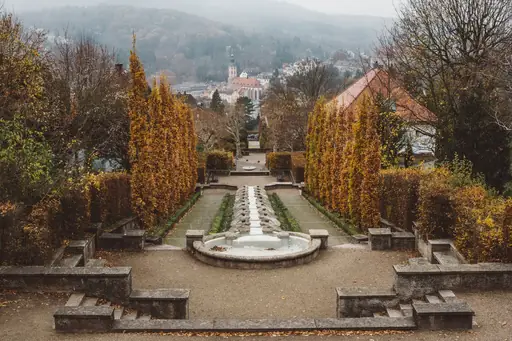
Baden-Baden built its reputation on thermal springs used since Roman times. European aristocracy flocked to the town's grand bathhouses throughout the 1800s. Visitors can soak in historic Roman-Irish baths following a traditional multi-stage bathing ritual. Nearby casinos and gardens reflect the town's long history as an elegant spa resort.
City in Japan
Toyota
Car capital with Korankei maple gorge
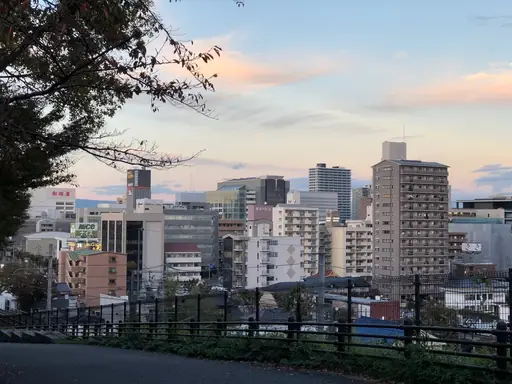
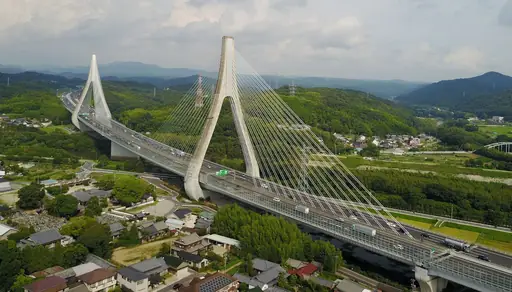
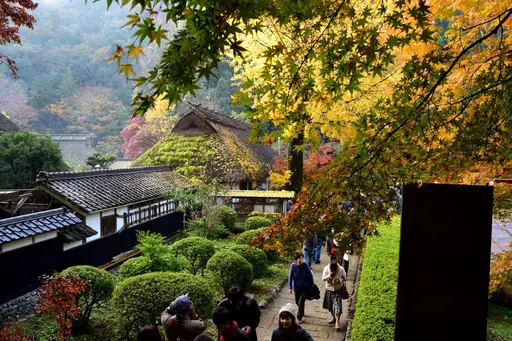
Hot springs near Toyota draw on geothermal activity within the surrounding mountain terrain. Local inns have offered mineral baths to travelers for generations in this region. Visitors can soak in traditional baths fed by naturally heated underground water. Nearby forests and mountain trails add to the area's rural appeal.
Village in Japan
Shibu Onsen
Nine public baths and cobbled lanes
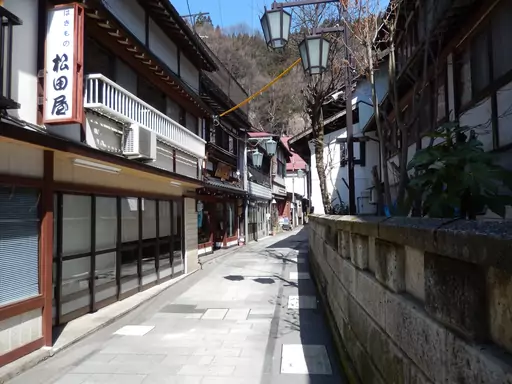
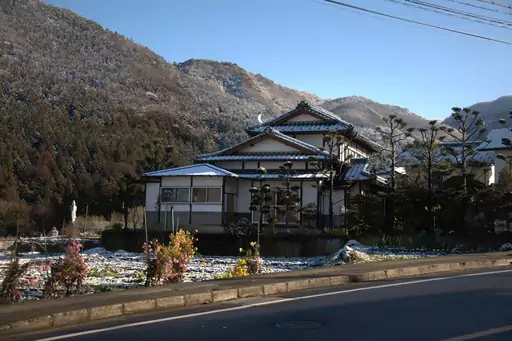
Shibu Onsen's narrow lanes connect nine public bathhouses fed by natural hot springs. Tradition holds that visiting all nine baths brings good fortune to bathers. Visitors can wander the historic streets in traditional robes between baths. Nearby, wild snow monkeys famously soak in hot springs of their own.
Island in Japan
Shikoku
Pilgrimage trail, gorges and hot springs
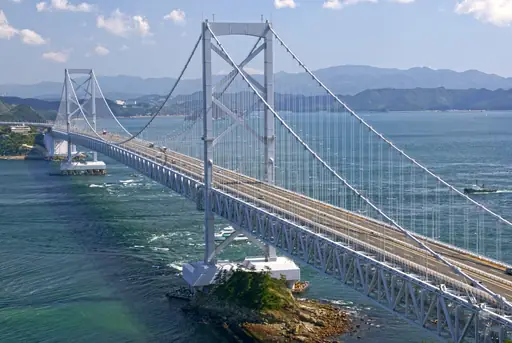
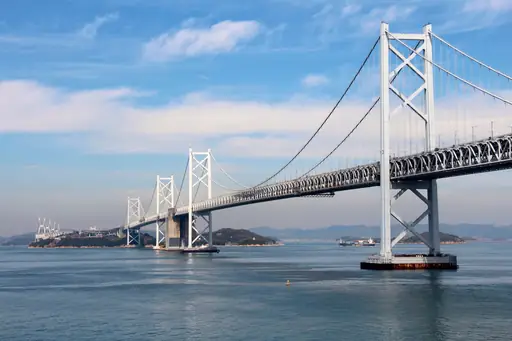
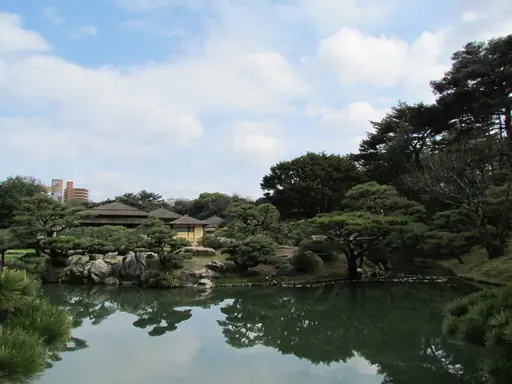
Dogo Onsen on Shikoku ranks among Japan's oldest hot spring bathhouses. Legend holds that an injured deer once revealed the healing waters to early visitors. Visitors can bathe at the historic building, said to have inspired a famous animated film. Nearby shopping streets serve visitors drawn to the centuries-old springs.
Village in Japan
Kinosaki Onsen
Seven bathhouses to stroll between in yukata
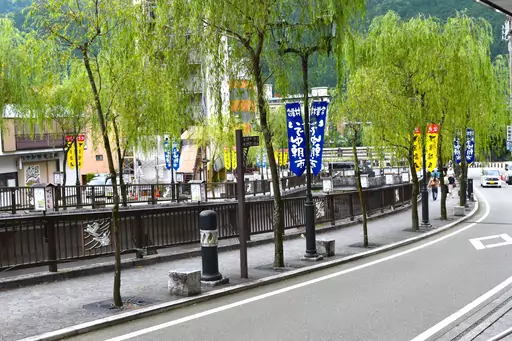
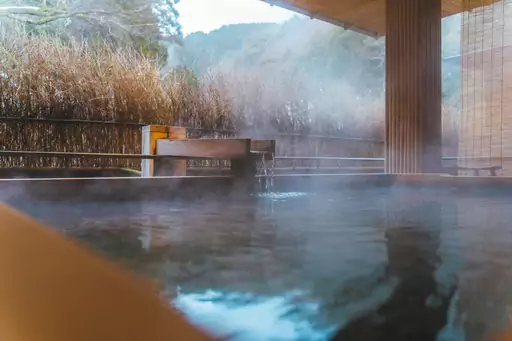
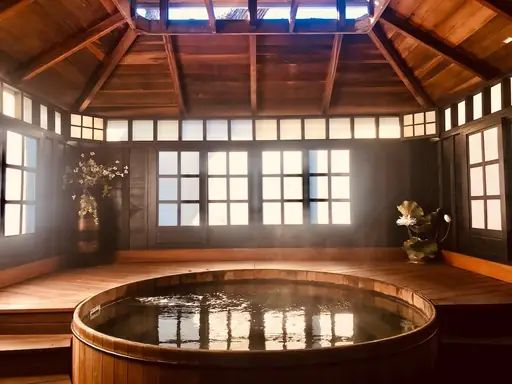
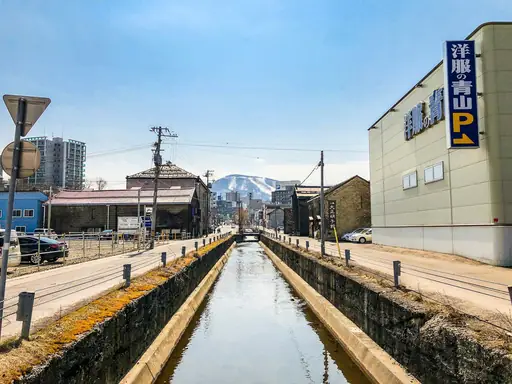
Kinosaki Onsen lines a canal with willow trees and seven public bathhouses open to visitors. Guests traditionally wear yukata robes while strolling between baths along the canal. Visitors can purchase a pass for entry to all seven historic bathhouses. Nearby wooden footbridges cross the canal throughout the compact hot spring town.
State/Prefecture in Japan
Hokkaido
Volcanoes, powder snow and fresh seafood
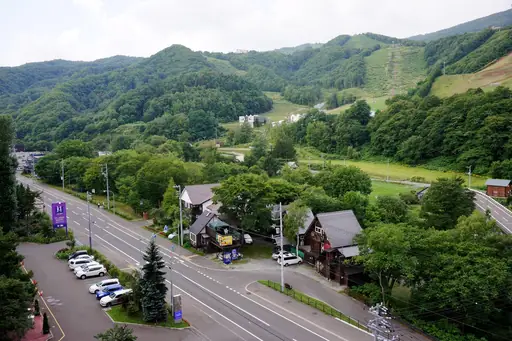
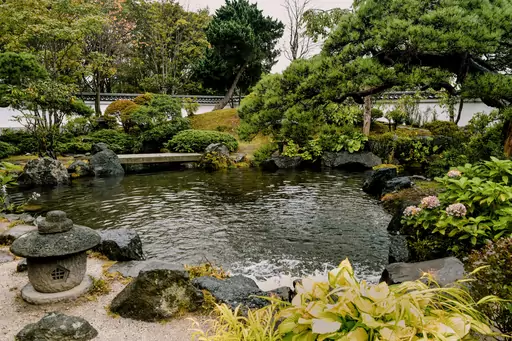
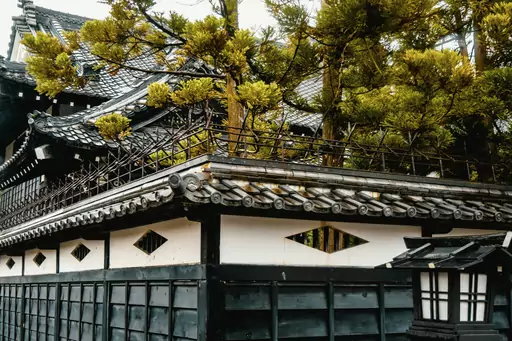
Hot spring towns dot Hokkaido, tapping the island's constant volcanic activity. Noboribetsu's Jigokudani (Hell Valley) steams with sulfurous vents just outside town. Visitors can walk boardwalks past bubbling vents before soaking in a nearby onsen. Nearby forests turn bright red each autumn around the steaming valley.
Town in Japan
Noboribetsu
Steaming hell valley and nine spring types
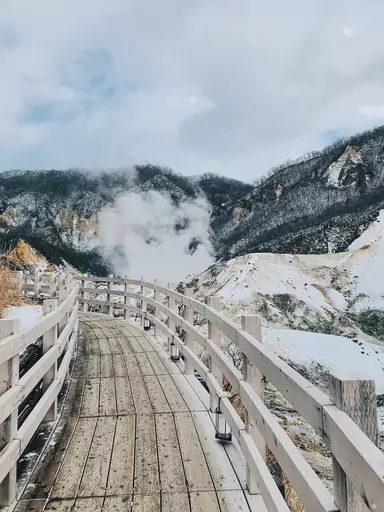
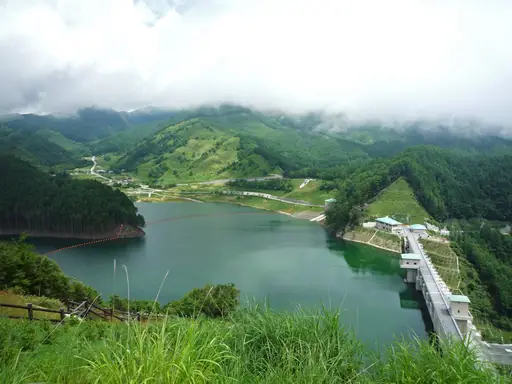
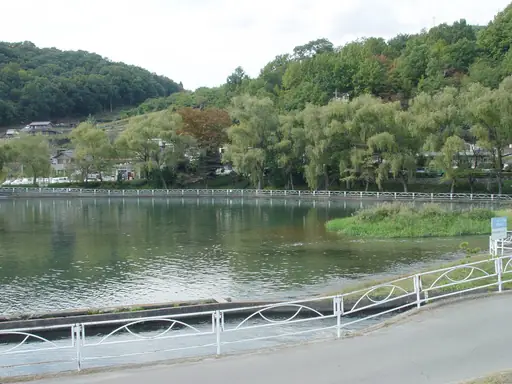
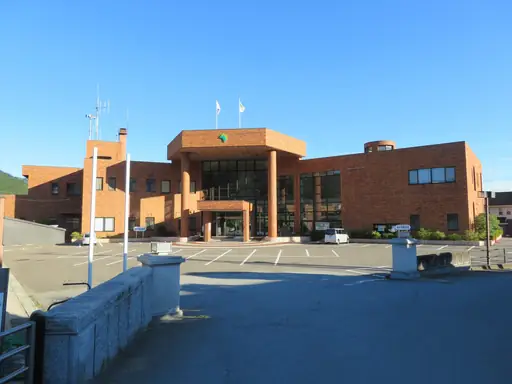
Jigokudani (Hell Valley) steams with sulfurous vents just outside Noboribetsu. Volcanic heat from the valley feeds the hot spring baths the town is known for. Visitors can walk boardwalks past bubbling vents before soaking in a nearby onsen. Nearby forests turn bright red each autumn around the steaming valley.
State/Prefecture in Japan
Yamanashi
Mount Fuji's north side, lakes and wine
Hot spring towns dot Yamanashi prefecture, drawing on volcanic activity near Mount Fuji. Onsen inns here have hosted travelers for generations seeking mountain views and warm baths. Visitors can soak outdoors with views toward Japan's tallest peak. Nearby lakes reflect Fuji's snow-capped summit on clear mornings.
Island in Japan
Kyushu
Volcanoes, onsen and tonkotsu ramen
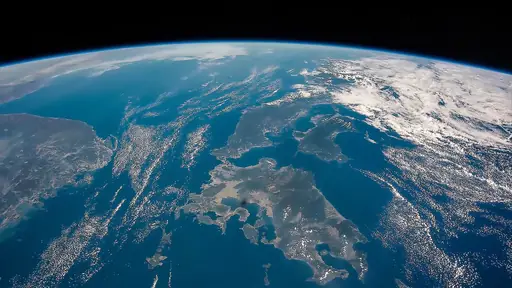
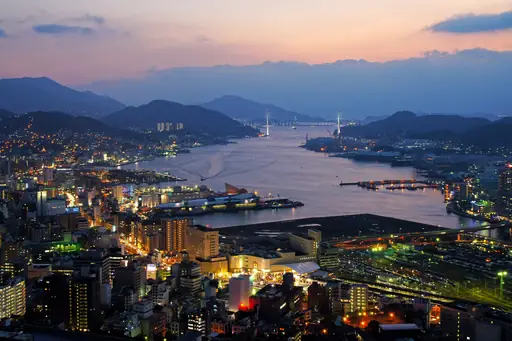
Volcanic activity across Kyushu has produced some of Japan's most famous hot spring towns. Mount Aso's active crater sits at the center of one of the world's largest calderas. Visitors can drive to the rim and look down into the smoking crater. Nearby hot spring towns draw on the same volcanic heat below.
Town in Japan
Fujikawaguchiko
Lake town with Mount Fuji views and onsen
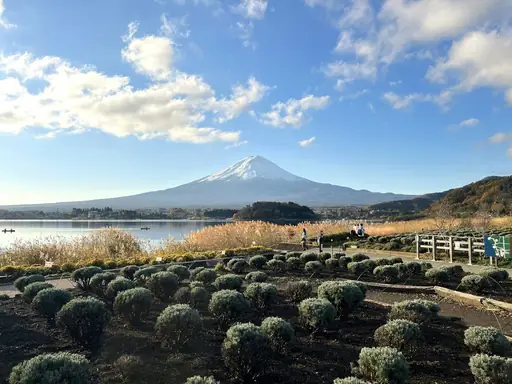
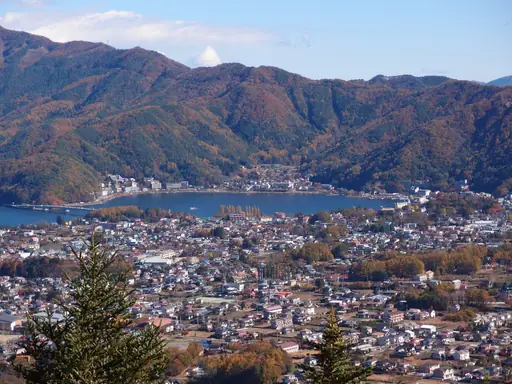
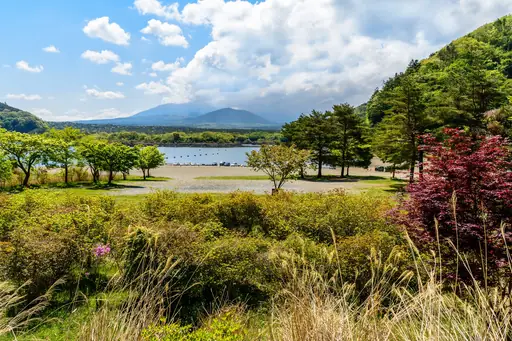
Hot spring inns around Lake Kawaguchi offer views of Mount Fuji from outdoor baths. Photographers gather along the shore especially during cherry blossom season each spring. Visitors can soak in an onsen while watching the mountain's reflection in the lake. Nearby paths circle the lake for visitors touring beyond the baths.
Region in Japan
Izu Peninsula
Hot springs, volcanic coast and beaches
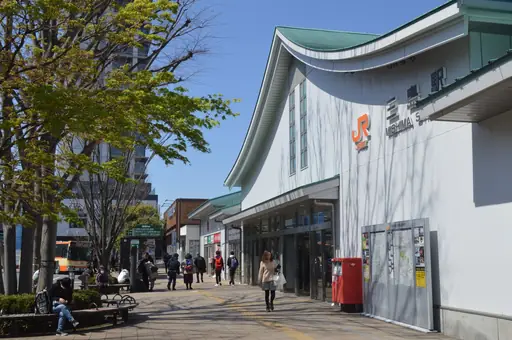
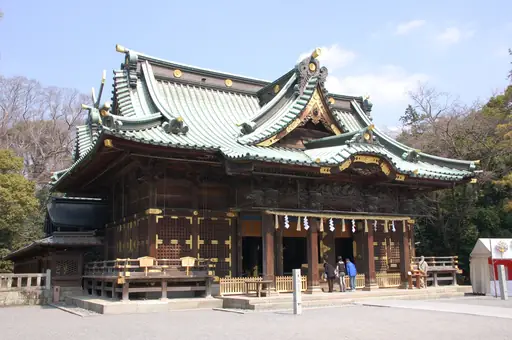
Steam vents and hot springs dot the Izu Peninsula, fed by underground volcanic heat. Ancient eruptions shaped much of the peninsula's dramatic coastal terrain. Visitors can soak in oceanfront baths built directly into coastal rock formations. Nearby hiking trails wind past cliffs formed by the same volcanic history.
City in Japan
Kumamoto
Castle city with horse sashimi and Mt. Aso
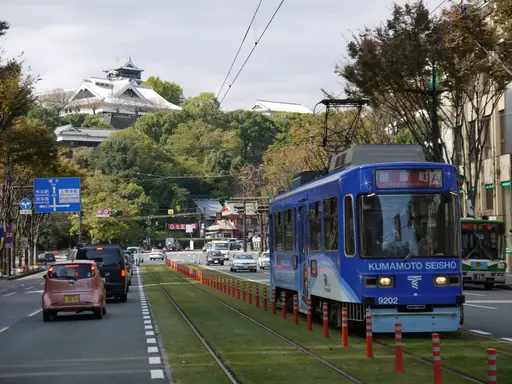
Kumamoto's hot springs draw on volcanic activity tied to nearby Mount Aso. Kurokawa Onsen, within the prefecture, ranks among Japan's most celebrated hot spring villages. Visitors can purchase a pass for entry to several outdoor baths in town. Nearby forest paths connect scattered inns along a quiet river.
Town in Japan
Izu
Shuzenji hot springs, wasabi and Amagi hikes
Volcanic activity shaped the Izu Peninsula's rugged coastline and many hot spring towns. Onsen inns here have drawn travelers from Tokyo for day trips since the 1800s. Visitors can soak in seaside baths with views out over the Pacific. Nearby cliffs and coves make for scenic coastal hiking trails.
National Park in Japan
Aso-Kuju National Park
Giant caldera, active volcano and highlands
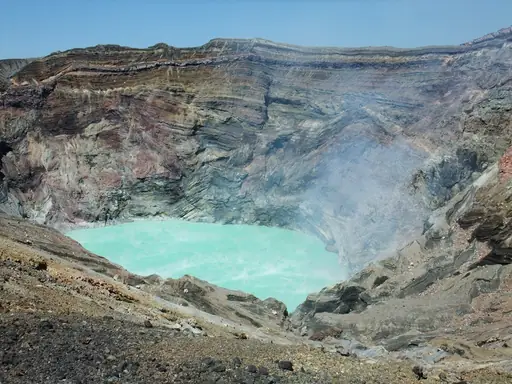
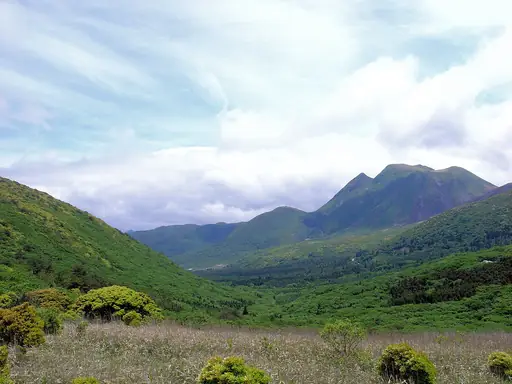
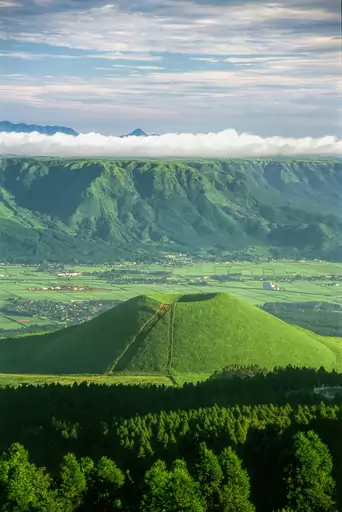
Mount Aso's crater ranks among the largest active volcanic calderas in the world. Farmers still graze cattle on grasslands formed by centuries of past eruptions. Visitors can drive to the rim before soaking in nearby hot spring towns. Nearby hot spring towns draw on the same volcanic heat underground.
Village in Japan
Kurokawa Onsen
Riverside bath hopping in a Kumamoto valley
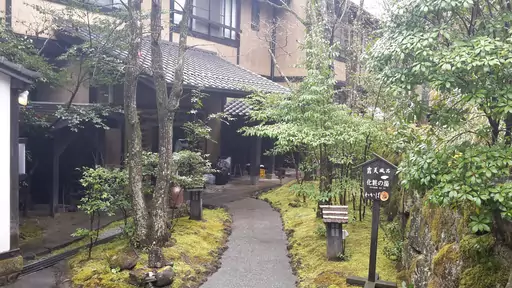
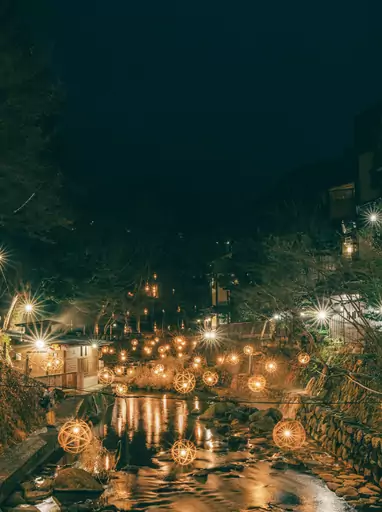
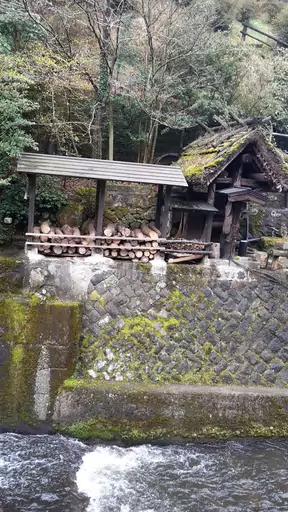
Kurokawa Onsen preserves a traditional hot spring village atmosphere along a wooded river valley. Wooden inns here maintain rustic charm rather than modern hotel development. Visitors can purchase a pass allowing entry to multiple outdoor baths around town. Nearby forest paths connect the scattered inns along the riverbank.
City in Japan
Hida
Carp canal and sake town near Takayama
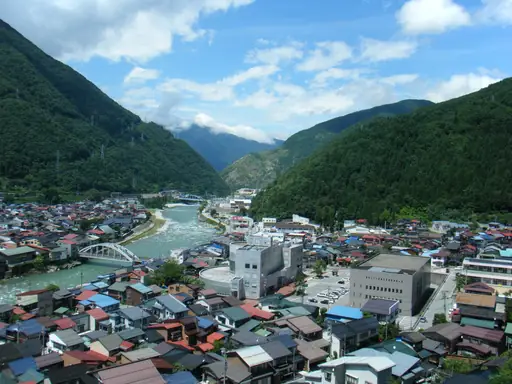
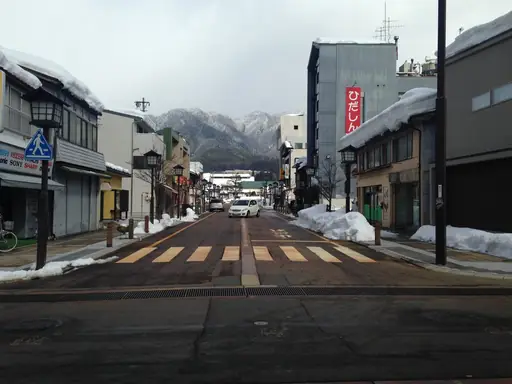
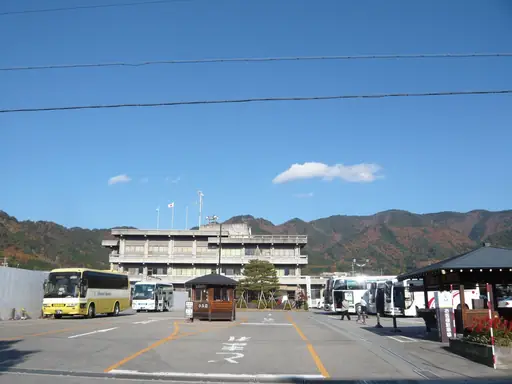
Hida's mountain hot springs draw on volcanic activity within Japan's central highlands. Traditional wooden inns here have welcomed travelers along old trade routes for generations. Visitors can soak in outdoor baths surrounded by forested mountain scenery. Nearby historic villages preserve thatched farmhouses from centuries past.
Mountain in Japan
Koyasan
Temple town with monastery stays
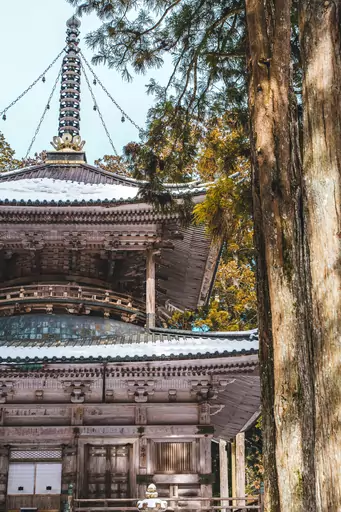
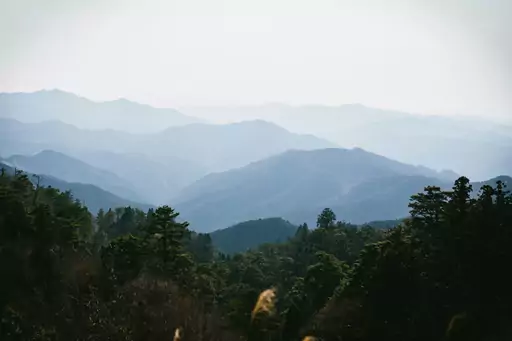
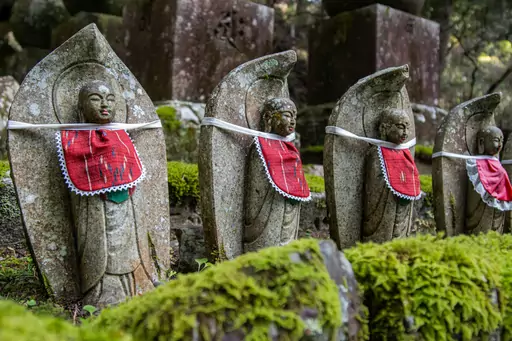
Hot springs near Mount Koya offer a soak after visiting the mountain's Buddhist monasteries. Pilgrims have journeyed to this sacred site for over a thousand years. Visitors can bathe at inns near the temple complex following a day of temple visits. Nearby cedar forests surround one of Japan's most important religious centers.
Other lists you may like
Discover
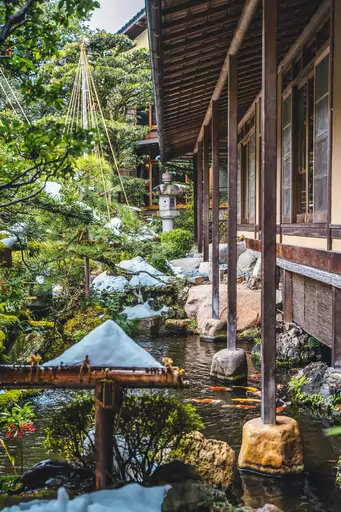
Traditional Japanese onsen towns and hot springs
Japan has a relationship with hot spring bathing that goes back more than a thousand years, and the culture that has grown up around it is unlike anything found elsewhere. An onsen…
Read more
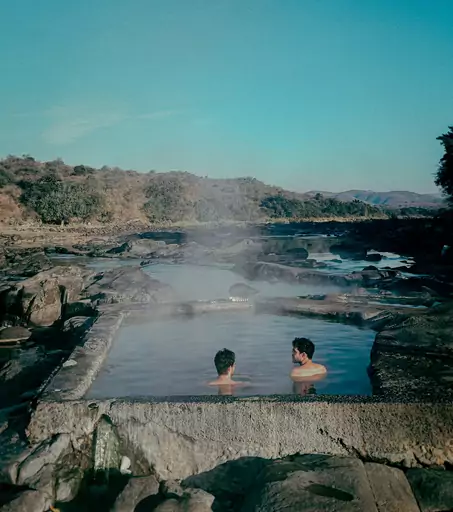
Discover
Best hot springs destinations in Africa
Africa's hot spring offer is distributed along the East African Rift System, where ongoing tectonic activity produces thermal springs, boiling pools and mineral-rich lakes across a…
Read more
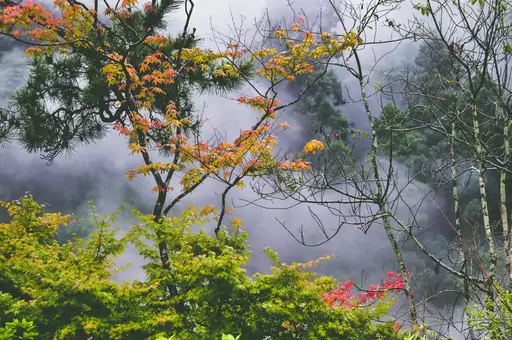
Discover
Best hot springs destinations in Asia
Asia's hot spring offer is defined by Japan's onsen culture, one of the world's most sophisticated and deeply embedded bathing traditions, where thousands of facilities ranging…
Read more
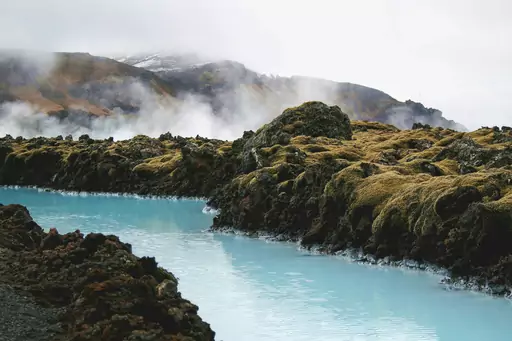
Discover
Best hot springs destinations in Europe
Europe's hot spring offer spans the wild thermal rivers and developed lagoon complexes of Iceland to the architecturally grand thermal bath institutions of central Europe and the…
Read more
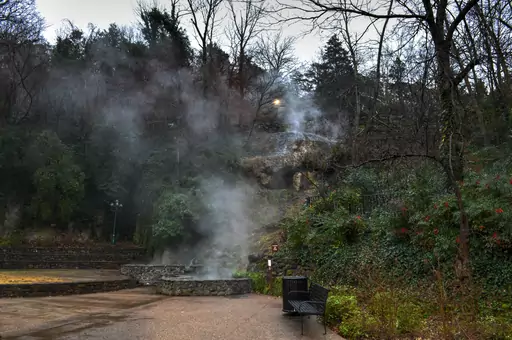
Discover
Best hot springs destinations in North America
North America's hot spring offer ranges from the wild backcountry pools of the western mountain states and the developed thermal attractions of the national parks system to the…
Read more
Discover
Best hot springs destinations in Oceania
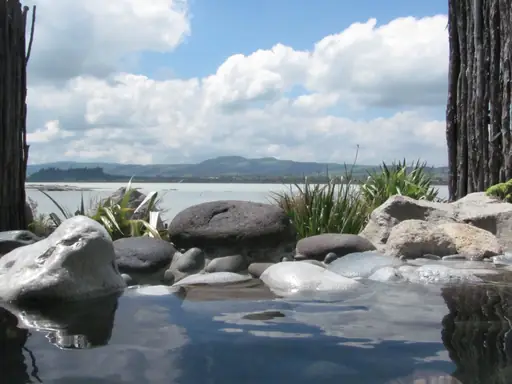
Oceania's hot spring offer is anchored by New Zealand's North Island geothermal zone, where one of the world's most accessible and varied thermal landscapes produces hot springs,…
Read more
Discover
Best hot springs destinations in South America
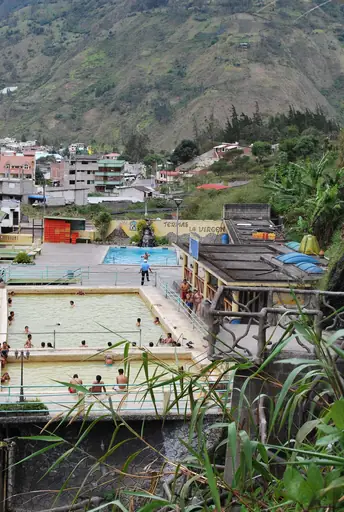
South America's hot spring offer is distributed along the Andean volcanic arc, where active and dormant volcanic systems produce thermal water at altitudes that add a distinctive…
Read more
What other users say about travelfilters
“travelfilters made it easy for me to find ski areas and compare what else they offer, so that I could find the best place for my personal travel style.”

Chris
Snowboarding & Onsen trip to Japan
“I love how transparent the data feels. There is no pushy upsell, just honest information and settings I can tune to my own travel style.”

Maria
After booking her 2027 winter escape
“The level of detail for each destination and how well those are displayed, make planning feel confident instead of overwhelming.”

Mina
Planned a week in New York City
“We used travelfilters for our planning from start to end. The trip turned out even better than expected, thanks to all their tools and customization options.”

Allan & Etienne
Trip to Japan to see autumn foliage
“Thanks to travelfilters, I found some hidden gems to see. Being able to filter for exactly your interests is a game changer for my travel planning.”

Michael
Tour through the old cities of Northern Italy
“The customizable filters helped me find a quiet beach town with good wifi and low season crowds in under five minutes.”

Diego
Weekend Escape to Llanes, Spain
“The airport connection map saved me hours by showing good flight options from my home airport to lesser-known cities.”

Nguyen
Planning a 2027 trip to France
“The website is clean, fast and focused on the search itself, which makes travelfilters feel more like a professional tool than an ad-heavy booking site.”

Hassan
Christmas Market trip, Germany
