
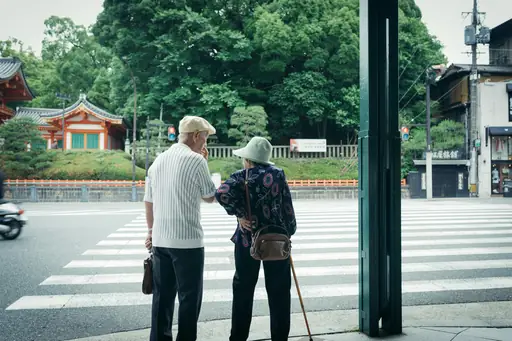
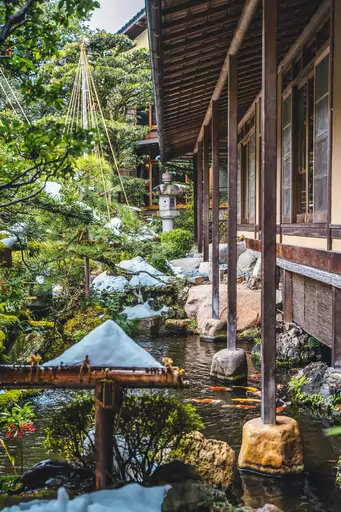
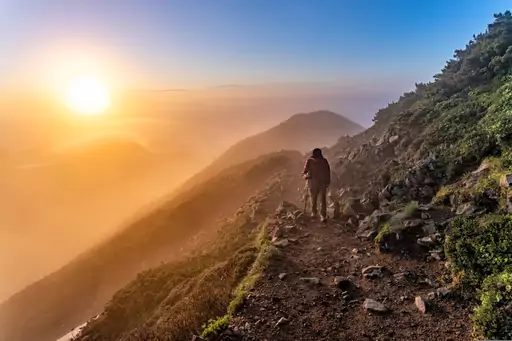
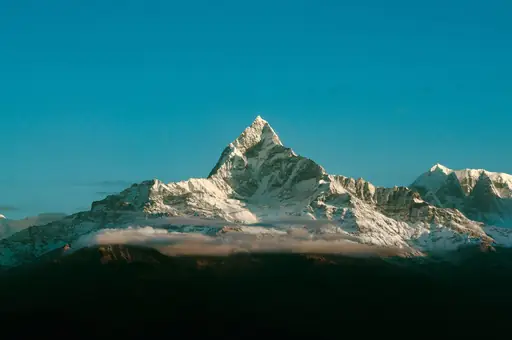
Naganojmmmm, CC BY-SA 4.0, via Wikimedia Commons
Asia › Japan › Nagano

Nagano

Scroll
Temple pilgrimage town near snow monkeys

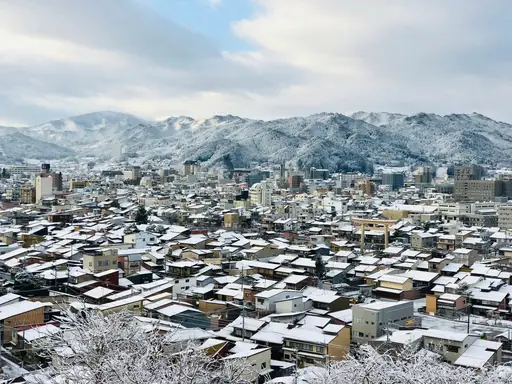
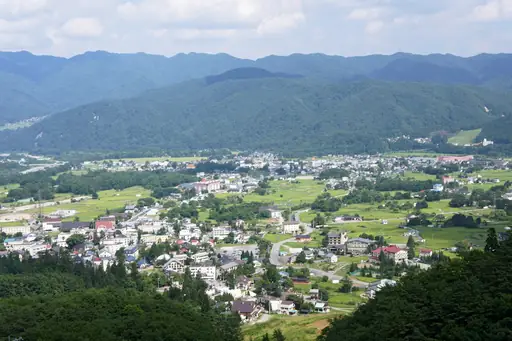
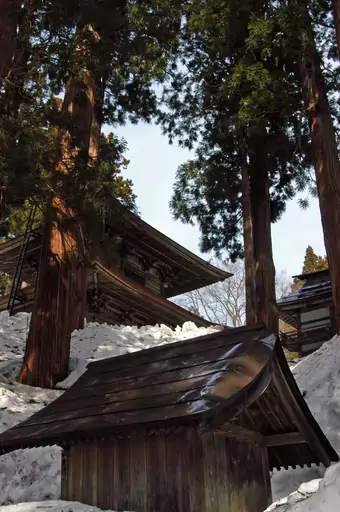
Nagano is a mountain city in Nagano Prefecture built around Zenko-ji, a temple that welcomes people of every denomination and has drawn pilgrims for centuries. The approach street goes about 1 mi up from the station and has about 60 shops. Buses reach the forest shrines of Togakushi in roughly an hour. Trains and buses take around an hour and a half to Jigokudani Monkey Park, where macaques soak in hot springs. The Hokuriku Shinkansen links Nagano with Tokyo in roughly 1.5 hours, so it works for a short break from the capital.

City in Japan
Climate zone: Hot continental

Hot continental: Humid continental climates with hot summers, cold winters and year-round precipitation, common in mid-latitude interior landmasses.

See climate table
Price level: $$$
$Cheap
$$Medium
$$$Expensive, upscale
$$$+Very expensive, luxury
See price details
Safety: 8.5
General Safety:9
Health & medical:8
Accessibility:5
Tap water:10
Read details
Tourist English: 2/5
English is spoken at major hotels, tourist centers, and some restaurants, but less so in small shops or rural areas. Most signage at attractions is bilingual. A translation app is useful for deeper exploration.
Last update: Oct 18, 2026
* We earn a commission from some links on this page.
Nagano Summary

These place ratings give you a quick overview of how well a destination matches different types of trips.

"Best for" scores:
The specific interest scores show where this place really shines – whether it's ideal for hiking, food & drink experiences, museums or other activities. These highlights help you understand what makes the destination special at a glance.

"Your personal" scores:
This reflects how well a place matches your personal preferences. You can adjust the importances of travel topics or other personal requirements categories in your account settings.

"Suited for" badges:
These give you a quick overview of how well a destination suits specific types of travelers, to help you find the places that match your lifestyle, preferences or travel situation.

Read how our scores work
Great for mountain nature and winter sports. Ski famous resorts, hike alpine trails, visit historic temples and relax in traditional hot springs.
Place score
7.4
Best at:
Mountains
10
Skiing
10
Hiking
10
Snow
9
Spotless
9
Personal score
?
Log in to see how this place matches your personal travel interests.
Suited for
👶 8
Families
🧓 6
Seniors
🛡️ 8
Travel Beginners
👩 8
Solo
Japan – Quick facts
Power Grid: 100 V, 50 Hz
Plug: Type A
Type A:
Diagram of a Type A power plug

Read about power adapters
Currency: Japanese Yen (JPY)
$1 ≈ ¥158
Cashless info: Rating 4/5
Cashless payments are becoming more common, especially in cities, with some shops still preferring cash. Be prepared for occasional cash-only situations in rural areas.

Save with a travel credit card
eSIM providers: Best value: Saily
Flexibility: Airalo
Read our in-depth comparison
Tipping: Tipping is not customary in Japan and can be considered rude. Excellent service is the norm, and tipping is unnecessary in most places.
Public drinking: Public drinking is legal and commonly accepted, particularly during festivals and events.
Public smoking: Smoking is prohibited in indoor public places but allowed in designated outdoor areas. Some restaurants may have smoking sections.
New Year
(January)
One of the most important holidays, expect crowded temples and high prices. Plan ahead.
Golden Week
(April-May)
The busiest travel time, expect high demand for accommodation and transportation.
Obon
(August)
A time to honor ancestors, many businesses close, and transportation can be crowded.
Emergency contact: Emergency Number: 110 (Police), 119 (Fire & Ambulance)
Taxi apps: Uber, JapanTaxi, DiDi
Other: Japan is a country of respect, so understanding local customs and etiquette is important. Public transportation is efficient, but can be crowded during peak hours.
Best times to travel

The best times to travel section shows how the months compare for a visit, so you can find the time of year that fits what you want to do.

Background colors of the months:
The color shows the typical temperature: yellow (hot), green (mild) and blue (cold). How strong the color is shows the travel season: full color means high season, soft color means shoulder season and soft-striped means off season.

Weather symbols:
Each month has one symbol showing what the weather is typically like, such as hot and sunny, freezing or a rainy or snowy season. Use them to quickly spot months that match the weather you want, or to avoid the ones that don't.

Crowdedness:
The people icon shows how busy the place usually is. The more people, the more crowded it gets.

Additional notes:
The gray info boxes point out special things worth knowing, like recurring weather issues or seasonal events.

for Nagano, Japan
🌨️
Jan
🌨️
Feb
🌨️
Mar
🌤️
Apr
🌤️
May
🌦️
Jun
🌦️
Jul
🔥
Aug
🌦️
Sep
🌥️
Oct
🌤️
Nov
🌨️
Dec
High season: Jan. - April, July - Aug., Oct., Dec.
Shoulder season: May, Sep., Nov.
Crowdedness: 6 (Many tourists)
Tap on a month for more info Hover over a month for more info
Ski season runs December to April, with the best powder January to February
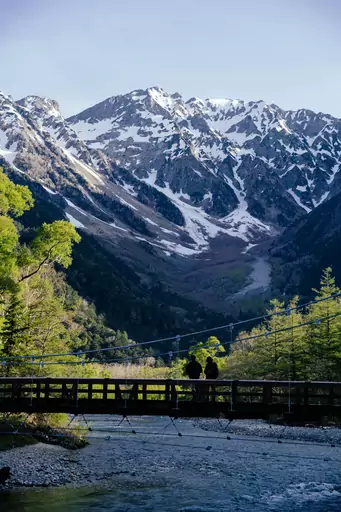
Kamikochi and the Alpine Route are open roughly mid April to mid November, closed to visitors in winter
Cherry blossoms mid to late April, later at higher elevations

Why travel to Nagano?

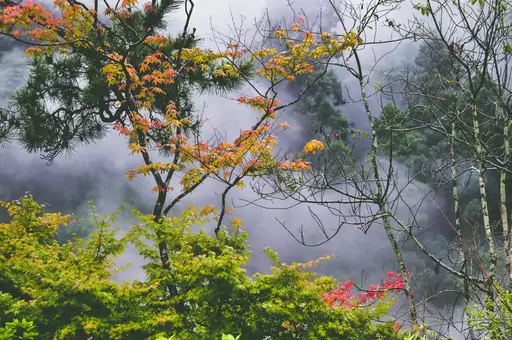
Zenko-ji is a Buddhist temple that welcomes people of any denomination. Its principal image is a hidden Amida Triad that isn't shown to the public. A substitute figure goes on view during the Gokaicho ceremony, held once every seven years. A free morning service starts about 30 minutes after sunrise and lasts about 30 minutes. Visitors can also walk the Okaidan Meguri, a pitch-black passage of about three minutes beneath the main hall that ends at a metal key at the far end. The mountains and wildlife nearby add a second reason to visit. Togakushi has five shrine sites linked by forest paths and a cedar avenue. The full circuit takes about three hours. At Jigokudani Monkey Park, Japanese macaques bathe in hot springs, with January and February the most reliable months for snow around the pool. Soba, oyaki dumplings and sauce katsudon are the local foods. The cherry trees around the temple bloom in April and the mountains have autumn color from late October into early November. A day trip from Tokyo is possible, but two nights give enough time for the temple, Togakushi and the monkeys without rushing.

🏯Places worth seeing
  • 1 Jigokudani Monkey Park
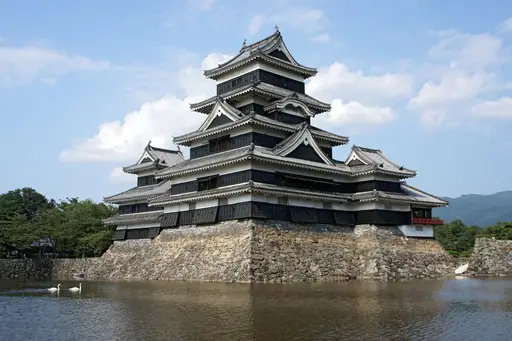
  • 2 Matsumoto Castle
  • 3 Takashima Castle
  • 4 Ueda Castle Park
  • 5 Zenkoji temple
  • 6 Bessho-onsen
  • 7 Togakushi Shrine Chu-sha
  • 8 Chausuyama Zoo
🎡Places for activities
  • 1 Shiga Kogen
  • 2 Hakuba
  • 3 Nozawa Onsen
  • 4 Togakushi
  • 5 Sugadaira Kogen Pine Beak Ski Resort
🏞️Natural landmarks
  • 1 Mt. Yarigatake
  • 2 Azumino
  • 3 Kamikochi
  • 4 Chausuyama Park Ent.
  • 5 Yudanaka Shibu Onsen-kyo Suimei
  • 6 Chikuma River
🍽️Eat & Drink
  • 1 Togakushi Soba Yamaguchiya
    Yamaguchiya serves Togakushi soba, a Shinshu buckwheat specialty presented in small bundles on a tray. It is in the Togakushi district northwest of Nagano City, near the cedar-lined approach to Togakushi Shrine’s Chusha area.
  • 2 Soba Juwari Ten
    Soba Juwari Ten makes juwari soba with 100 percent buckwheat flour, served with seasonal tempura and Nagano sake. It is near Nagano Station in central Nagano City, within the downtown dining area south of Zenkoji Temple.
  • 3 Soba Daizen
    Soba Daizen prepares handmade Shinshu soba with buckwheat flour ground in-house. It is on the route between Nagano Station and Zenkoji Temple, in Nagano City’s Monzen historic district near the temple approach.
  • 4 Ogawa no Sho Daimon Shop
    Ogawa no Sho grills oyaki, Nagano’s filled wheat-and-buckwheat dumplings, over charcoal. It is in Patio Daimon on Zenkoji’s approach in central Nagano City, serving fillings such as nozawana greens, mushroom and miso eggplant.
  • 5 Irohado Zenkoji Nakamise Shop
    Irohado makes oyaki that are fried and then baked, producing a soft, bread-like crust around vegetable fillings. It is on Nakamise-dori directly below Zenkoji Temple in Nagano City’s Monzen district.
  • 6 Tsumugi
    Tsumugi offers reservation-based kaiseki meals built around juwari soba, locally grown produce and heirloom vegetables. It is in Patio Daimon, approximately 20 minutes on foot from Nagano Station, near Zenkoji’s main approach.
  • 7 Imamura Soba Honten
    Imamura Soba Honten serves traditional Shinshu soba and regional dishes in central Nagano City. It is near Zenkoji Temple’s Monzen streets, a convenient local-noodle stop while walking between the temple and Nagano Station.
  • 8 Imuraya Ishido Shop
    Imuraya serves ankake kata-yakisoba, crisp fried noodles topped with a thick vegetable-and-pork sauce, a Nagano City comfort-food specialty. It is in Minami-Ishidocho near Nagano Station, in the city-centre shopping district.
  • 9 Tonkatsu Karari
    Tonkatsu Karari serves thick cutlets made with Waton Mochibuta pork and pairs them with local Nagano sake. It is in central Nagano City near Zenkoji’s Monzen district, among the restaurants on the temple approach.
  • 10 Kurabito Stay and Kitsukura Brewery
    Kitsukura Brewery produces local sake, and Kurabito Stay offers immersive brewing experiences with the brewery staff. It is in Saku, eastern Nagano Prefecture, a distinct regional stop roughly 75 kilometres east of Nagano City.
🎈Events
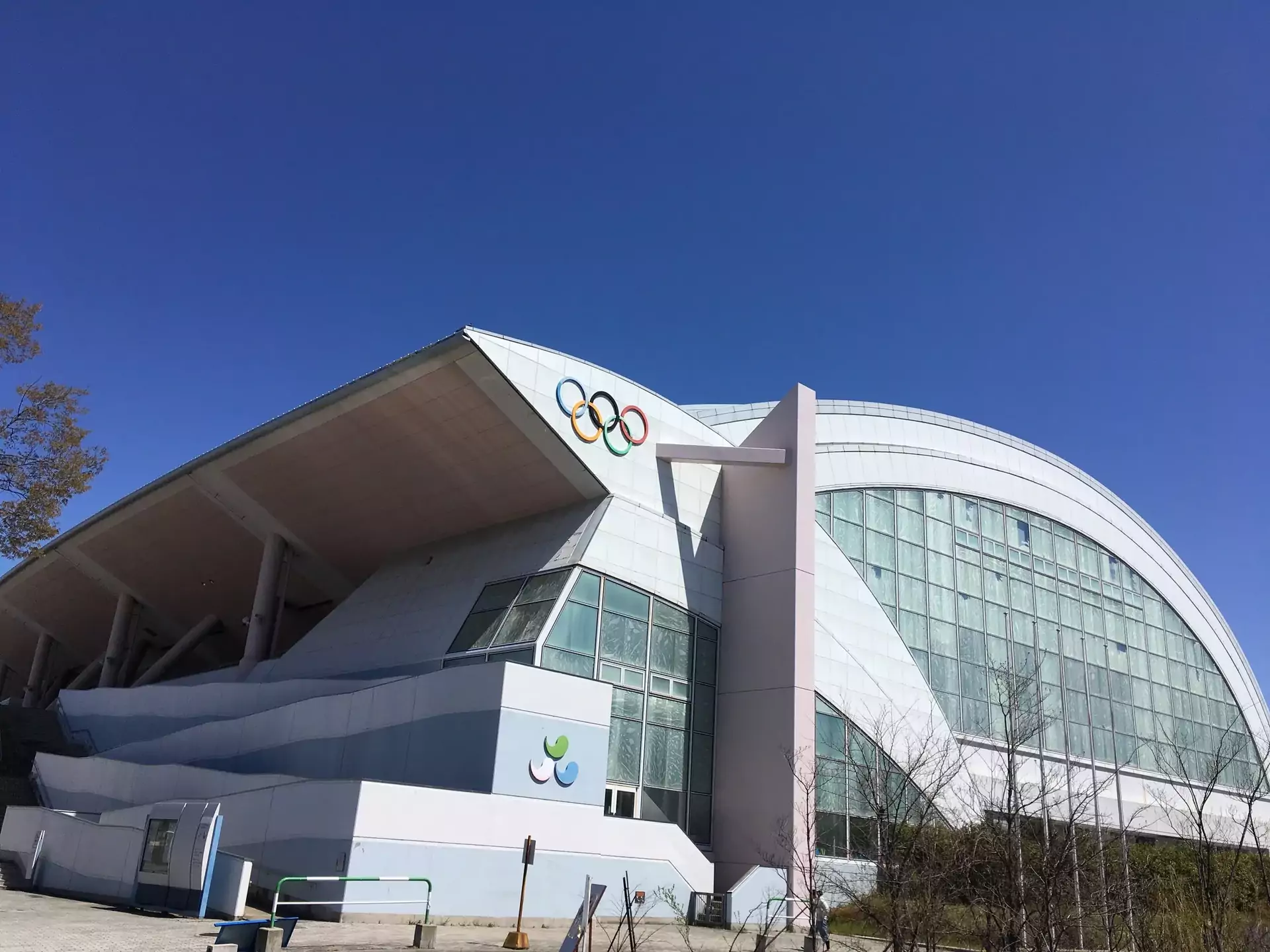
  • Nagano Winter Olympics Commemorative Events
  • Zenkoji Temple Festival
  • Togakushi Autumn Foliage Festival
  • Nozawa Onsen Fire Festival
  • Matsumoto Castle Festival
  • Suwa Grand Shrine Festival
  • Ski Season Opening Celebrations
  • Autumn Harvest Festivals
  • Nagano Lantern Festival (Feb)
  • Togakushi Soba Festival
  • Obuse Chestnut Festival
  • Nagano Marathon
  • Matsushiro Samurai Festival
  • Zenkoji Omotesando Illumination
  • Cherry Blossom Viewing (April)
  • Shinano Art Festival

Knowledge before you go

  • Arrive early for the free morning service at Zenko-ji.
  • Carry coins and small bills, since some local buses don't have card readers on board.
  • Check the season first, because the Okusha trail at Togakushi closes from early November to mid-April.
  • Plan snow monkey visits for January or February, when snow and monkeys in the hot pool are most reliable.

How to travel to Nagano

The easiest way to reach Nagano from Tokyo is the Hokuriku Shinkansen, which takes roughly 1.5 hours to Nagano Station. A highway bus from Shinjuku takes about 3 hours 40 minutes and costs less but runs on road traffic. From Matsumoto, the Wide View Shinano limited express takes about 50 minutes. There's no airport close to the city, so most international visitors fly into Tokyo. Within the region, Nagaden express trains reach Yudanaka in about 50 minutes from Nagano Station. Buses to Togakushi take about 60 minutes. Winter driving needs snow tires, so check conditions before renting a car in cold months.

Access summary

  • From Matsumoto Airport (MMJ): bus/train via Matsumoto, about 1.5–2 hours.
  • From Tokyo: Hokuriku Shinkansen from Tokyo Station, about 80–100 minutes.
  • From Osaka/Kyoto: Limited Express plus Hokuriku Shinkansen, roughly 3.5–4.5 hours.

Where to stay in Nagano

Most visitors stay near Nagano Station, where hotels are close to the shinkansen, the buses and the shopping streets. Staying along the approach to Zenko-ji puts you closer to the temple for the early morning service. Some temple lodgings (shukubo) offer rooms with dinner and breakfast, though booking directly with the temple is recommended. For the monkey park, many travelers stay in the hot spring town of Yudanaka. Togakushi has lodging for a quiet forest stay. Book ahead for autumn color, the Gokaicho ceremony and winter weekends in snow season. Rooms near the temple also fill up at cherry blossom time in April.

How to get around Nagano

Central Nagano is compact enough to cover on foot, with Zenko-ji about a 30-minute walk from the station along a gently uphill approach street. Local buses cover the rest of the city, while the mountain stops outside it need a bus, a private train or a car.

Buses:
A local bus covers the route to Zenko-ji in about 10 minutes and runs every 10 to 15 minutes.
A loop bus called the Guruin-go also goes around the main sights. Keep some cash handy because not every bus has a card reader.

Mountain stops:
For Togakushi, take an Alpico bus from stop 7 at the station.
Reservations are encouraged and Suica and PASMO cards aren't accepted there. A private train line, Nagaden, goes to Yudanaka for the monkey park. A rental car helps if you want to combine several mountain stops in a day.

Food in Nagano

Food in Nagano is based on Shinshu buckwheat soba and mountain-region home cooking. Many soba shops close for a break in the mid-afternoon, so plan lunch earlier or later. The approach to Zenko-ji has shops selling spice mixes and snacks. Stalls around the temple sell oyaki, which are stuffed dumplings.

Soba:
Shinshu soba is made with local buckwheat and is the signature dish.
Togakushi soba is eaten near the shrines and has long queues at the best-known shops.

Sauce katsudon:
Sauce katsudon is a local pork cutlet rice bowl, while some places also serve horse meat dinners.
The station building has restaurants with local dishes such as sauce katsudon, which is a handy backup when the town is quiet.

Budget snapshot
Costs compared to home

We calculate the average costs when traveling to destinations and compare those with the living costs at your home. With this you can get an estimate of how expensive or cheap the destination is for you.

To customize this, you can set up which location and price level are used for the calculations in your account settings.

-45 %
Daily expenses in Nagano are around 45% lower than the average across United States. That means you'll spend a lot less on meals and getting around.
Exchange rate trend

The exchange rate price factor shows how expensive or cheap a currency currently is compared to its historical average. It's a quick way to see if a country is currently more or less affordable due to exchange rate changes.

-17 %
Your exchange rate (USD to JPY) is 17% better than in recent years. That means traveling now is considerably cheaper compared to the past.

Travel costs

To help you plan your trip, we provide estimated daily costs per person (when traveling as a pair) for different travel styles. These numbers give you an idea of what you might spend each day at this destination, including accommodation, food, transport and activities.

Additionally, we also provide average hotel costs for different travel styles to give you an estimate for the accommodation only.

Please note that these are only estimates. The real costs depend on booking times, season and other factors.

Daily cost summary

Travel style categories explained:

Backpacker:
Staying in hostels or budget hotels, cooking your own meals or eating cheap and choosing low-cost activities.

Mid-range:
Staying in mid-range hotels, eating at a mix of restaurants and casual spots and enjoying a variety of activities.

Luxury:
Staying in luxury hotels, dining out at high-end restaurants and enjoying premium experiences without worrying about the price.

Backpacker Mid-range Luxury
💵 Total costs per day, including accommodation
$80
$174
$428
🏨 Accommodation per night, per person
$50
$120
$250
🍝 Food per day
$24
$44
$127
🚕 Transportation per day
$6
$10
$50
Notable additional fees: Shiga Kogen day pass about ¥7,500 ($47.51) for Japan's largest linked area. Ski, boot and pole hire costs roughly ¥5,000 – 7,000 ($31.67 – 44.34) a day.
Food & Drink
🍽️ Restaurant Dinner, per person
$15
🍛 Lunch Set, per person
$8.50
🍟 Fast food combo
$5
🍝 Preparing your own food, per day
$10
☕ Cappuccino
$3.10
🍺 Beer in a restaurant, 0.5 l / 16 oz
$2.90
Transportation
🚌 Public transport ticket
$1.40
🚕 Taxi Ride, 10 km / 6 mi
$32
⛽ Gas, 1 l / ¼ gal
$1.15
Other
🎞️ Movie ticket
$11
👩‍⚕️ Doctor's consult
$22
🤧 Cold medication
$9
💇 Basic haircut
$18

Safety information overview

General safety
9
Nagano is a safe city with low crime and the main risks are practical ones. Winter snow and ice make streets and mountain roads slippery. Stay on marked trails at Togakushi and keep your distance from the macaques at Jigokudani.
Health & Medical
8
Nagano has hospitals and clinics for everyday and urgent care, though English-speaking care is limited. Winters are cold so pack warm layers. Mountain walks at Togakushi call for sturdy shoes, water and sun protection in summer.
Accessi­bility
5
The route from the station to Zenko-ji is gently uphill and about a 30 minute walk, so a bus or taxi helps. The temple has steps. The Togakushi shrines involve long forest paths and the Okusha trail closes in winter.
Tap water
10
Tap water is safe to drink here, as across Japan, so there's no need to buy bottled water. A refillable bottle helps on temple walks and mountain trails. Vending machines around the station also sell drinks.

Packing recommendations for Nagano

Log in to add this place to a travel list and get a summary of all recommended items for your whole trip.

Looking for inspiration?

Discover
Best couple vacation destinations in Asia
Asia is perfect for couples who want their holiday to feel like a shared adventure rather than just a change of scenery. Few continents offer so many ways to be amazed together.…
Read more
Discover
Top fall foliage destinations and autumn colors
Few natural spectacles are as season-specific and location-dependent as autumn foliage, where the combination of tree species composition, temperature drop and daylight reduction…
Read more
Discover
Best destinations for first-time travelers in Asia
Asia has one of the best established beginner travel routes anywhere, largely because so many first time travelers have worn the path before you. Southeast Asia in particular…
Read more
Discover
Top hiking destinations and famous trails
Hiking at its best is one of the most direct ways to engage with a landscape. The pace forces a relationship with terrain, weather and distance that faster forms of travel rarely…
Read more
Discover
Top hot springs destinations and thermal resorts
Hot spring travel sits at the intersection of natural landscape, geological spectacle and bathing culture, with the world's most rewarding destinations combining accessible thermal…
Read more
Discover
Best solo travel destinations in Asia
Asia is where most solo travelers figure out they can actually do this. The backpacker trails through Southeast Asia have been running for decades, and the infrastructure along…
Read more
Discover
Top solo travel destinations and safe hubs
Traveling alone sounds like a bigger deal than it is. The first day feels strange – eating dinner by yourself, navigating without someone to double-check the map with, making every…
Read more
Discover
Best hot springs destinations in Asia
Asia's hot spring offer is defined by Japan's onsen culture, one of the world's most sophisticated and deeply embedded bathing traditions, where thousands of facilities ranging…
Read more
Discover
Best couple vacation destinations
Travelling as a couple sounds simple enough, yet the best couple vacation destinations mean something different to almost every pair. What feels romantic to one couple can feel…
Read more
Discover
Best travel destinations for seniors in Asia
Asia offers some of the most senior friendly infrastructure anywhere, alongside destinations that still call for a bit more independence and stamina. Japan in particular stands…
Read more
Discover
Top historical destinations and historic sites
The most compelling history destinations are places where the past is still physically present and legible in the landscape, the architecture and the daily life of the people who…
Read more
Discover
Traditional Japanese onsen towns and hot springs
Japan has a relationship with hot spring bathing that goes back more than a thousand years, and the culture that has grown up around it is unlike anything found elsewhere. An onsen…
Read more
Discover
Best destinations for first-time travelers
A first trip abroad works best somewhere that eases you in, rather than throwing every possible culture shock and logistical headache at you at once. Some first-time travelers…
Read more
Discover
Best hiking destinations in Asia
Asia offers some of the most varied and rewarding hiking terrain on earth, ranging from high altitude Himalayan trails and volcanic crater routes to ancient pilgrimage paths,…
Read more
Discover
Best mountain destinations in Asia
Asia contains the world's highest and most extensive mountain systems, with the Himalayas, Karakoram and Hindu Kush forming a vast elevated arc across the continent that includes…
Read more
Feedback