
Asia › Japan › Hakuba

Hakuba

Scroll
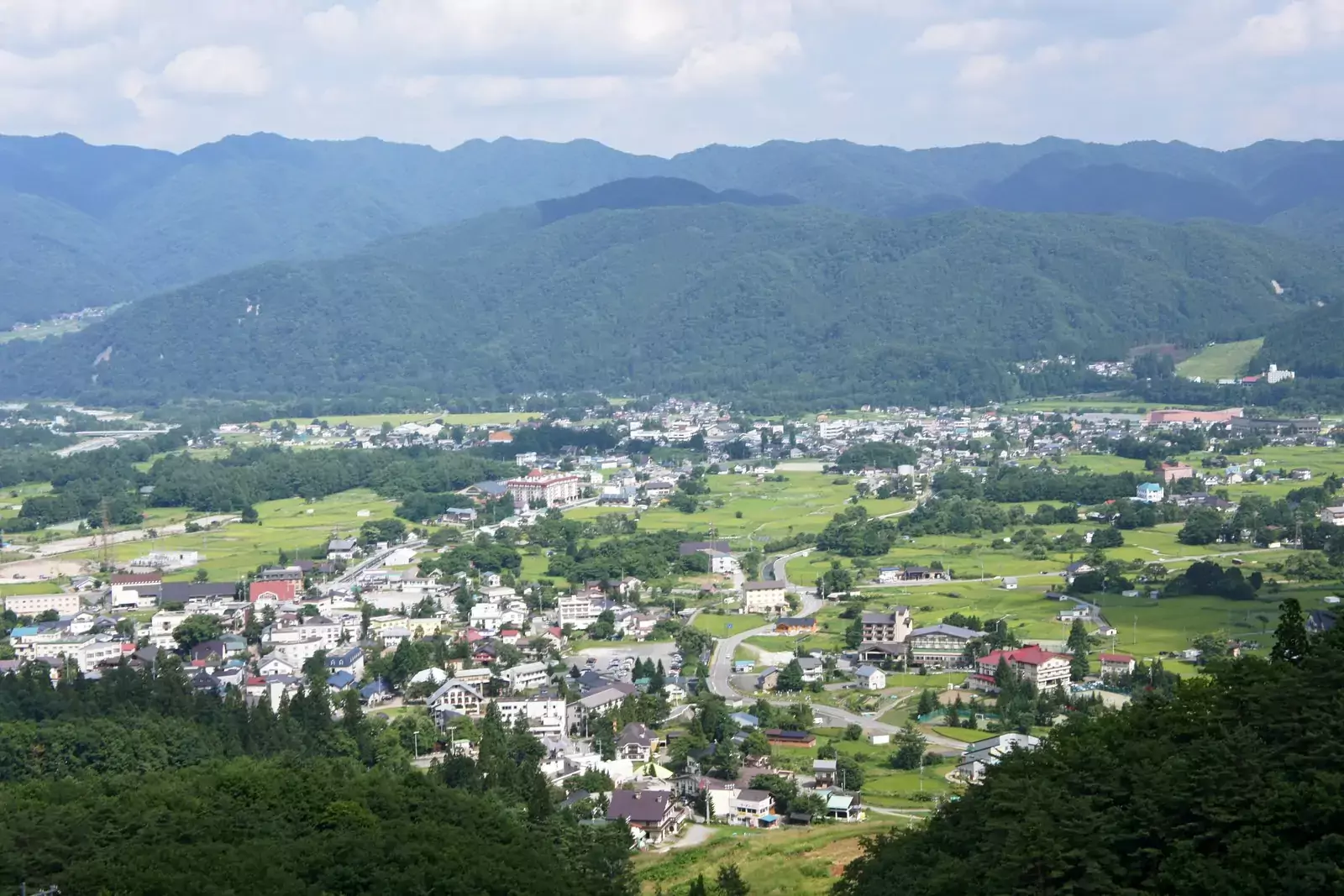
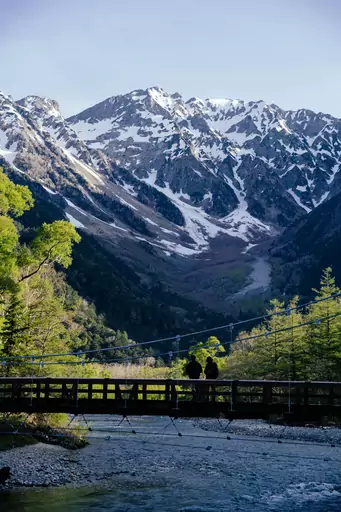
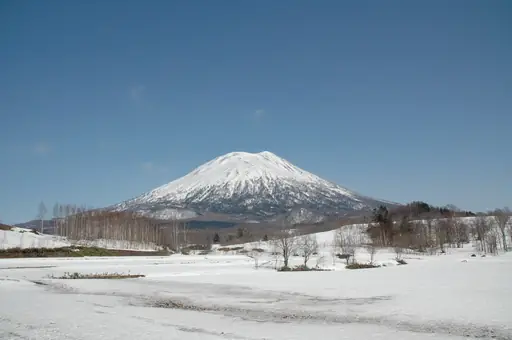
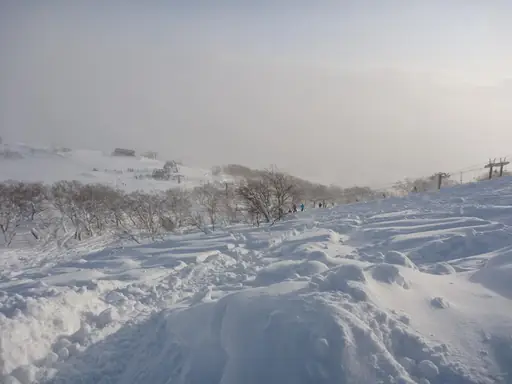
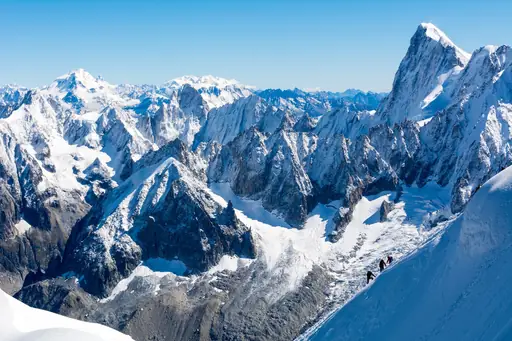
Alpine ski valley beneath the Japan Alps

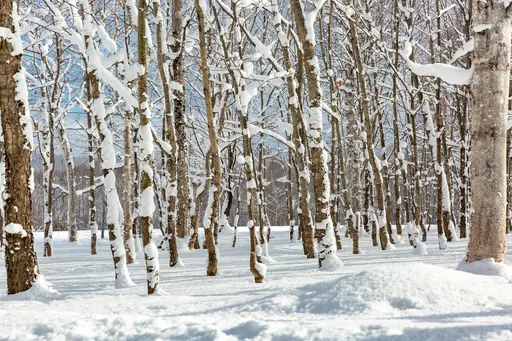
Hakuba is a mountain village in northwestern Nagano Prefecture. It's best known as a winter destination with ten ski resorts, some of whose slopes hosted Olympic alpine events. Skiers can choose between gentle groomed runs and long cruising courses while shuttle buses link the resorts. In summer the Happo gondola takes you to a ridge with walking paths to Happo Pond. Onsen baths and village restaurants fill out the evenings. Nagano Station is just over an hour away by bus, which makes Hakuba practical for a ski week or a long weekend.

Village in Japan
Climate zone: Hot continental

Hot continental: Humid continental climates with hot summers, cold winters and year-round precipitation, common in mid-latitude interior landmasses.

See climate table
Price level: $$$
$Cheap
$$Medium
$$$Expensive, upscale
$$$+Very expensive, luxury
See price details
Safety: 8.2
General Safety:9
Health & medical:7
Accessibility:5
Tap water:10
Read details
Tourist English: 4/5
English is widely spoken at hotels, ski schools, restaurants, and rental shops, especially in winter. Most signage is bilingual. In small local eateries or rural spots, English may be limited, but staff are friendly and helpful.
Last update: Oct 19, 2026
* We earn a commission from some links on this page.
Hakuba Summary

These place ratings give you a quick overview of how well a destination matches different types of trips.

"Best for" scores:
The specific interest scores show where this place really shines – whether it's ideal for hiking, food & drink experiences, museums or other activities. These highlights help you understand what makes the destination special at a glance.

"Your personal" scores:
This reflects how well a place matches your personal preferences. You can adjust the importances of travel topics or other personal requirements categories in your account settings.

"Suited for" badges:
These give you a quick overview of how well a destination suits specific types of travelers, to help you find the places that match your lifestyle, preferences or travel situation.

Read how our scores work
World-class for skiing and alpine scenery. Ride famous powder slopes in winter, hike mountain trails in summer and enjoy hot springs after outdoor adventures.
Place score
7.9
Best at:
Snow
10
Skiing
10
Mountains
9
Spotless
9
Hiking
9
Personal score
?
Log in to see how this place matches your personal travel interests.
Suited for
👶 8
Families
🧓 5
Seniors
🛡️ 8
Travel Beginners
👩 8
Solo
Japan – Quick facts
Power Grid: 100 V, 50 Hz
Plug: Type A
Type A:
Diagram of a Type A power plug

Read about power adapters
Currency: Japanese Yen (JPY)
$1 ≈ ¥158
Cashless info: Rating 4/5
Cashless payments are becoming more common, especially in cities, with some shops still preferring cash. Be prepared for occasional cash-only situations in rural areas.

Save with a travel credit card
eSIM providers: Best value: Saily
Flexibility: Airalo
Read our in-depth comparison
Tipping: Tipping is not customary in Japan and can be considered rude. Excellent service is the norm, and tipping is unnecessary in most places.
Public drinking: Public drinking is legal and commonly accepted, particularly during festivals and events.
Public smoking: Smoking is prohibited in indoor public places but allowed in designated outdoor areas. Some restaurants may have smoking sections.
New Year
(January)
One of the most important holidays, expect crowded temples and high prices. Plan ahead.
Golden Week
(April-May)
The busiest travel time, expect high demand for accommodation and transportation.
Obon
(August)
A time to honor ancestors, many businesses close, and transportation can be crowded.
Emergency contact: Emergency Number: 110 (Police), 119 (Fire & Ambulance)
Taxi apps: Uber, JapanTaxi, DiDi
Other: Japan is a country of respect, so understanding local customs and etiquette is important. Public transportation is efficient, but can be crowded during peak hours.
Best times to travel

The best times to travel section shows how the months compare for a visit, so you can find the time of year that fits what you want to do.

Background colors of the months:
The color shows the typical temperature: yellow (hot), green (mild) and blue (cold). How strong the color is shows the travel season: full color means high season, soft color means shoulder season and soft-striped means off season.

Weather symbols:
Each month has one symbol showing what the weather is typically like, such as hot and sunny, freezing or a rainy or snowy season. Use them to quickly spot months that match the weather you want, or to avoid the ones that don't.

Crowdedness:
The people icon shows how busy the place usually is. The more people, the more crowded it gets.

Additional notes:
The gray info boxes point out special things worth knowing, like recurring weather issues or seasonal events.

for Hakuba, Japan
🌨️
Jan
🌨️
Feb
🌨️
Mar
🌤️
Apr
☀️
May
🌦️
Jun
⛈️
Jul
🌦️
Aug
🌦️
Sep
🌦️
Oct
🌤️
Nov
🌨️
Dec
High season: Jan. - March, Aug., Dec.
Shoulder season: July, Sep. - Oct.
Crowdedness: 7 (Many tourists)
Tap on a month for more info Hover over a month for more info
Ski season early December to early May, best snow January to February
High mountain trails usually snow-free only from July to October
Many restaurants and lodges close in April to May and November, between ski and hiking seasons

Why travel to Hakuba?

Hakuba is mainly a ski destination. The valley has ten resorts with terrain from gentle groomed runs to cruising courses about 5 mi long. Happo-One is the largest and most famous. It's closest to the village center and Hakuba Station and hosted Olympic downhill and super G races. Goryu and Hakuba 47 share a mountain and a combined ticket. Tsugaike Kogen is the second largest area with 14 lifts. The bigger resorts usually run from late November or early December to early May. Summer is the second reason. The Happo Alpine Line combines a gondola and a lift to reach about 6,000 ft. It runs through the green season only. From the top a beginner-friendly trail to Happo Pond takes roughly 2.5 hours round trip. Over 300 alpine plants grow along the way and snow can linger around the pond into July. Night gondola rides for stargazing run on selected summer dates. As a destination in itself, a winter trip deserves at least three or four days to try more than one resort. Summer can be a long day trip from Nagano or a quiet stay of two or three nights.

🏯Places worth seeing
  • 1 Hakuba Ski Jumping Stadium
  • 2 Hakuba Iwatake Mountain Resort
🎡Places for activities
  • 1 Tsugaike Ropeway
🏞️Natural landmarks
  • 1 Happo Pond
  • 2 Tateyama Kurobe Alpine Route
  • 3 Hakuba Mountain Harbor
🍽️Eat & Drink
  • 1 Sobadokoro Riki
    Riki makes handmade nihachi soba with freshly stone-ground buckwheat grown in Hakuba, served with bonito-forward dipping broth and seasonal tempura. It is in Mizuho, Hokujo, a short drive from Happo Bus Terminal in central Hakuba Village.
  • 2 Soba Sake Bar Zen
    Zen serves handmade soba, tempura and Japanese set meals in a renovated century-old house, with vegetarian options and sake in the evening. It is at 3020-49 Hokujo, close to Happo Bus Terminal and Happo-One’s base area.
  • 3 Nagomitei
    Nagomitei serves soba made from stone-ground Shinshu buckwheat, including flour sourced from Hakuba, Hokkaido and nearby regions. It is in Hokujo, central Hakuba Village, within easy reach of the Happo-One ski area.
  • 4 Soba-jin
    Soba-jin prepares handmade noodles using organic buckwheat flour, paired with seasonal vegetable tempura. It is in Hakuba Village’s Hokujo district, close to the central accommodation areas and the slopes of Happo-One.
  • 5 Farmer’s Restaurant Komakusa
    Komakusa serves handmade soba from locally produced Hakuba buckwheat as well as purple-rice balls and vegetable-focused meals. It is in Hakuba Village, offering a farm-oriented local-food stop outside the busiest ski-resort streets.
  • 6 Michi-no-Eki Hakuba Restaurant
    The Roadside Station Hakuba restaurant serves hand-cut soba milled from Daikoku-region Nagano buckwheat, along with local-ingredient set meals. It is at 21462-1 Kamishiro on Route 148, near Kamishiro Station in southern Hakuba Village.
  • 7 Takahashi-ke
    Takahashi-ke is a family-run ramen restaurant serving Japanese noodle dishes near the Goryu ski-resort base. It is in Kamishiro, southern Hakuba Village, close to Hakuba Goryu and the JR Kamishiro Station area.
  • 8 Shouya Maruhachi Dining
    Shouya Maruhachi Dining serves Japanese set meals and regional dishes in a renovated traditional folk house. It is in the Iwatake area of northern Hakuba Village, near Hakuba Iwatake Mountain Resort and its gondola base.
  • 9 Tori Co.
    Tori Co. is a modern izakaya specializing in yakitori and Japanese small plates, using seasonal Nagano ingredients. It is in wooded Wadano Village, a few hundred metres from the Sakka slopes of Happo-One.
  • 10 Teppanyaki Dining Yamanami
    Yamanami cooks local ingredients, wagyu and seafood on a teppan grill in an intimate dinner setting. It is near Happo Bus Terminal in central Hakuba, a short walk from the Happo-One resort base and major hotels.
🎈Events
  • Hakuba Snow Festival
  • Hakuba Valley Ski Season Opening (December)
  • Summer Mountain Festival
  • Winter Light-up Events
  • Local Matsuri Festivals
  • Happo Summer Festival
  • Hakuba Trail Running Race
  • Winter Torchlight Parade

Knowledge before you go

  • Book winter lodging early because December to February fills up fast.
  • Ride the valley shuttle for free on ski days if you hold an all-mountain day pass.
  • Bring warm layers for Happo Pond because snow can linger around it into July.
  • Check lift operating dates before you go because the summer gondola runs only from about June to early November.

How to travel to Hakuba

Most visitors reach Hakuba from Tokyo by the Hokuriku Shinkansen to Nagano, which takes about 100 minutes. An express bus then runs from Nagano Station to Hakuba in roughly an hour to an hour and a half. You can also take the JR Azusa limited express from Shinjuku to Matsumoto and change to the Oito Line to Hakuba Station, which takes about four to four and a half hours. Highway buses from Tokyo take around five hours while travelers from Nagoya go via Matsumoto first. By car it's about an hour from Azumino IC. There's no airport nearby so most international visitors fly into Tokyo.

Access summary

  • From Tokyo Narita/Haneda: Direct ski shuttle or trains via Nagano, 4–6 hours.
  • From Tokyo city: Shinkansen to Nagano then bus or express train, 3–4 hours.
  • From Nagano city: Highway bus or shuttle to Hakuba, usually about 1–1.5 hours.

Where to stay in Hakuba

Lodging is spread across the valley in pensions, guesthouses, hotels and rental apartments. Staying near Happo-One and the village center puts you closest to Hakuba Station, restaurants and bars. Goryu and Hakuba 47 suit those who want a quieter base next to their lifts. Tsugaike has its own cluster of lodging on the northern side. Many places offer free shuttles to the slopes and some have hot spring baths or 24 hour baths. Book early for December to February since the best-located rooms fill up first. Summer is calmer with more availability and walking trails right outside many doors. A car is optional if you stay close to a shuttle route.

How to get around Hakuba

Hakuba Valley is spread out, so a shuttle bus is the main way to get between resorts, lodging and the station.

Shuttles:
A paid shuttle connects the resorts and it costs nothing for holders of an all-mountain day pass, though not at night.
Many lodgings run their own shuttles for guests.

Distances:
Happo-One is the closest resort to Hakuba Station and a bus covers the short ride.
Tsugaike Kogen is about 4.5 mi north of the village center and takes around 30 minutes by bus or shuttle from the station. Cortina and Norikura are just outside the village limits.

By car:
A rental car gives flexibility when you want to move between resorts on your own schedule.
Winter roads need snow tires and careful driving.

Food in Hakuba

Mountain cooking and Nagano specialties are the focus. Oyaki, stuffed dumplings from Nagano, are a common snack and appear on guided hikes. Soba noodles are widely available across the region. The village center has restaurants and bars along its main street while many lodgings serve dinner and breakfast. On the mountain, terraces at the top of the gondola serve drinks and light meals. Food trucks appear at summer events. Small places can fill up in peak ski weeks, so plan dinner early or book a table. Bring snacks for the slopes because lunch queues build at midday. Ask your lodging about local dishes.

Budget snapshot
Costs compared to home

We calculate the average costs when traveling to destinations and compare those with the living costs at your home. With this you can get an estimate of how expensive or cheap the destination is for you.

To customize this, you can set up which location and price level are used for the calculations in your account settings.

-45 %
Daily expenses in the region are around 45% lower than the average across United States. That means you'll spend a lot less on meals and getting around.
Exchange rate trend

The exchange rate price factor shows how expensive or cheap a currency currently is compared to its historical average. It's a quick way to see if a country is currently more or less affordable due to exchange rate changes.

-17 %
Your exchange rate (USD to JPY) is 17% better than in recent years. That means traveling now is considerably cheaper compared to the past.

Travel costs (Data for Omachi, Japan - 14 miles away)

To help you plan your trip, we provide estimated daily costs per person (when traveling as a pair) for different travel styles. These numbers give you an idea of what you might spend each day at this destination, including accommodation, food, transport and activities.

Additionally, we also provide average hotel costs for different travel styles to give you an estimate for the accommodation only.

Please note that these are only estimates. The real costs depend on booking times, season and other factors.

Daily cost summary

Travel style categories explained:

Backpacker:
Staying in hostels or budget hotels, cooking your own meals or eating cheap and choosing low-cost activities.

Mid-range:
Staying in mid-range hotels, eating at a mix of restaurants and casual spots and enjoying a variety of activities.

Luxury:
Staying in luxury hotels, dining out at high-end restaurants and enjoying premium experiences without worrying about the price.

Backpacker Mid-range Luxury
💵 Total costs per day, including accommodation
$69
$183
$460
🏨 Accommodation per night, per person
$40
$130
$280
🍝 Food per day
$22
$42
$128
🚕 Transportation per day
$7
$10
$52
Notable additional fees: Hakuba Valley day pass about ¥9,500 ($60.18) for ten linked resorts. Ski, boot and pole hire runs roughly ¥5,000 – 8,000 ($31.67 – 50.68) a day. Covered by the Epic Pass.
Food & Drink
🍽️ Restaurant Dinner, per person
$15
🍛 Lunch Set, per person
$7
🍟 Fast food combo
$4.90
🍝 Preparing your own food, per day
$9
☕ Cappuccino
$2.80
🍺 Beer in a restaurant, 0.5 l / 16 oz
$3.10
Transportation
🚌 Public transport ticket
$1.60
🚕 Taxi Ride, 10 km / 6 mi
$32
⛽ Gas, 1 l / ¼ gal
$1.10
Other
🎞️ Movie ticket
$12
👩‍⚕️ Doctor's consult
$27
🤧 Cold medication
$9
💇 Basic haircut
$16

Safety information overview

General safety
9
Hakuba is very safe from crime. The main risks come from the mountains, such as avalanches outside patrolled runs, sudden weather changes and icy roads in winter. Stay inside marked ski courses unless you're trained and check conditions before hiking.
Health & Medical
7
The village has clinics for everyday care and injuries while larger hospitals are in nearby cities. English-speaking care is limited. Ski injuries are common so travel insurance is wise and mountain weather is cold for much of the year so carry layers.
Accessi­bility
5
The village is spread across a wide valley so getting between resorts and lodging needs a shuttle bus or car. Winter snow and ice make streets slippery. Trails to Happo Pond involve uneven ground while the gondola gives high-mountain views without hiking.
Tap water
10
Tap water is safe to drink here, as across Japan, so there's no need to buy bottled water. Mountain water is often cool and clean while a refillable bottle helps on hikes and ski days. Vending machines and shops also sell drinks.

Packing recommendations for Hakuba

Log in to add this place to a travel list and get a summary of all recommended items for your whole trip.

Looking for inspiration?

Discover
Top adventure destinations and outdoor activities
Adventure travel covers an enormous range of activities and risk tolerances, from multi-day wilderness trekking and white water rafting to technical climbing, polar expeditions and…
Read more
Discover
Best snow destinations in Asia
Asia has some of the most reliable snow in the world, and in parts of Japan it falls so often and so heavily that skiers plan whole trips around it. Hokkaido is famous for its…
Read more
Discover
Best couple vacation destinations in Asia
Asia is perfect for couples who want their holiday to feel like a shared adventure rather than just a change of scenery. Few continents offer so many ways to be amazed together.…
Read more
Discover
Best destinations for first-time travelers in Asia
Asia has one of the best established beginner travel routes anywhere, largely because so many first time travelers have worn the path before you. Southeast Asia in particular…
Read more
Discover
Best solo travel destinations in Asia
Asia is where most solo travelers figure out they can actually do this. The backpacker trails through Southeast Asia have been running for decades, and the infrastructure along…
Read more
Discover
Top solo travel destinations and safe hubs
Traveling alone sounds like a bigger deal than it is. The first day feels strange – eating dinner by yourself, navigating without someone to double-check the map with, making every…
Read more
Discover
Best couple vacation destinations
Travelling as a couple sounds simple enough, yet the best couple vacation destinations mean something different to almost every pair. What feels romantic to one couple can feel…
Read more
Discover
Top snow destinations and winter wonderlands
Snow has a way of making even a familiar place feel new, and for a lot of travelers a winter trip is about much more than skiing. Some people chase fresh powder in places like…
Read more
Discover
Best destinations for first-time travelers
A first trip abroad works best somewhere that eases you in, rather than throwing every possible culture shock and logistical headache at you at once. Some first-time travelers…
Read more
Discover
Best destinations to visit in January in Asia
Asia splits fairly cleanly in January, with much of the south and southeast enjoying dry, comfortable weather while the north settles into full winter. Southeast Asia sees some…
Read more
Discover
Best mountain destinations in Asia
Asia contains the world's highest and most extensive mountain systems, with the Himalayas, Karakoram and Hindu Kush forming a vast elevated arc across the continent that includes…
Read more
Discover
Top winter sports destinations and ski resorts
Winter sports travel is as much about the overall experience as the skiing or riding itself. The best destinations combine reliable snow conditions with well-designed…
Read more
Discover
Best winter sports destinations in Asia
Asia's winter sports destinations are less well known than their European or North American counterparts but offer experiences that are genuinely compelling, particularly for those…
Read more
Discover
Top mountain destinations and famous peaks
Mountain travel spans an enormous range of experience, from high-altitude expeditions and multi-day trekking circuits to accessible alpine day walks and scenic drives through…
Read more
Discover
Best destinations to visit in January
For a lot of travelers, January comes down to one choice, escape the cold with a warm trip, or lean into winter with a proper snow trip instead. Some travelers want to chase the…
Read more
Feedback
