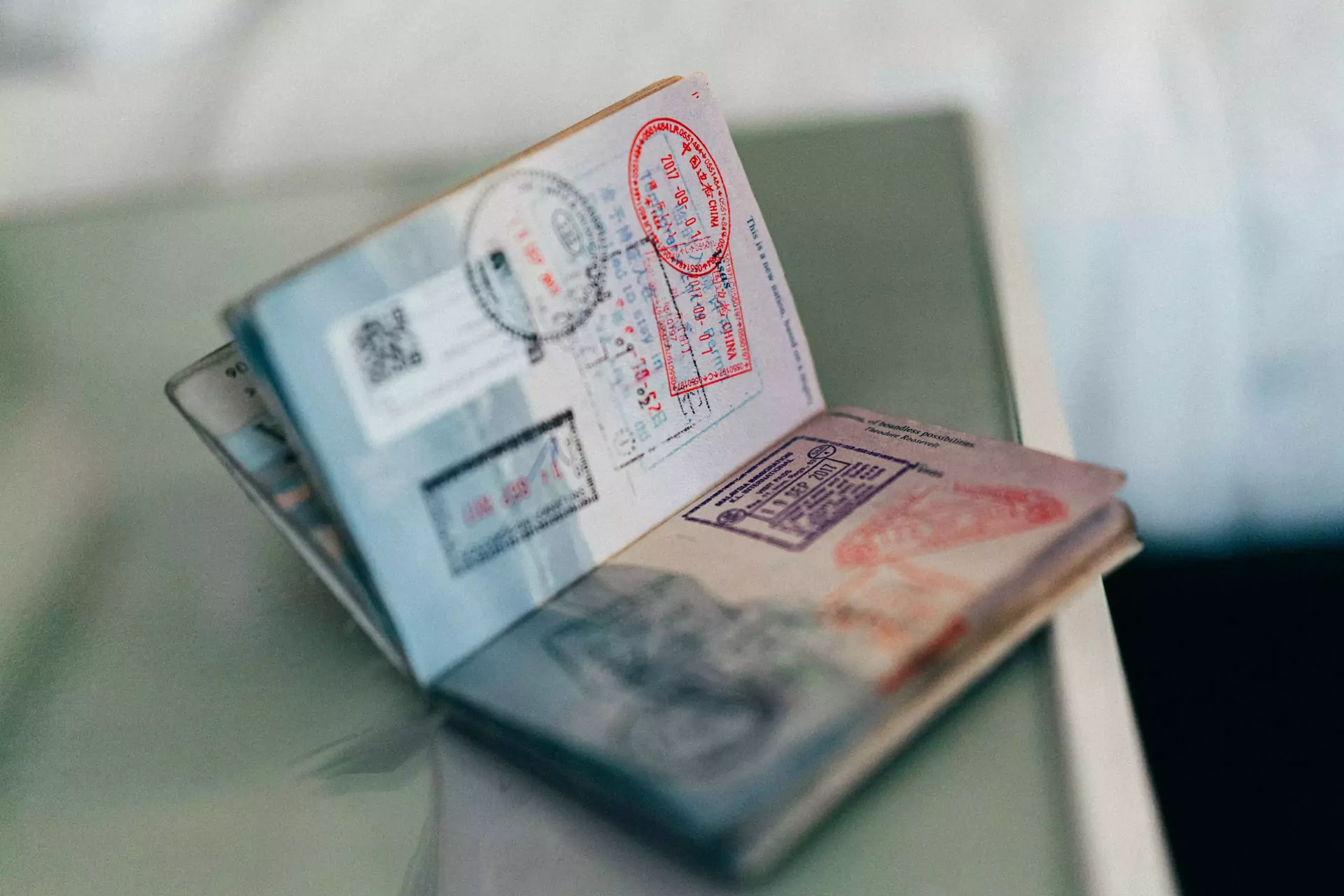

Ask travelers about visas and you'll get very different stories depending on who you ask. For some, the topic barely exists. They book a flight, show up with their passport and get a stamp on arrival almost everywhere they go. For many others, the visa is the first and biggest question of every single trip. It decides where they can go, how far in advance they have to plan and how much extra money the trip will cost before it has even started.
While it's impossible to come up with a to-do list that would be valid for every passport and destination when it comes to visas, the pitfalls are usually the same. People check the requirements too late, book non-refundable trips before the visa is approved or find out at the check-in counter that their passport expires too soon. Airlines check your documents before immigration and being denied boarding is one of the worst ways a trip can end.
Generally, the aspects that have an impact on visa requirements are your nationality, your destination, your reason for travel and sometimes even your route.
Step 1: Start with your passport, not with the destination
The most important thing to understand about visas is that the rules aren't attached to the destination. They're attached to the combination of the destination and your passport. Two people on the same flight, going to the same beach, can face completely different requirements. One walks in visa-free. The other had to apply weeks ahead with bank statements and an appointment at the embassy. This is why travel advice from friends with a different nationality can be well-meant and completely useless at the same time.
With a so-called strong passport, most trips only need a quick check to confirm that nothing has changed. With a more limited passport, the realistic question is often the reverse. Instead of asking yourself what you need for this destination, you ask which destinations you can actually visit with a reasonable amount of effort.
Step 2: Check the requirements at an official source

Once you have a destination in mind, check what it requires for your specific passport and check it at an official source. That means the destination country's immigration website, its embassy or consulate or your own government's travel advice pages. Third-party visa websites can give a helpful overview, but rules change and the official source is the one the border officer works with.
While checking, you'll meet a handful of recurring categories. Visa-free entry means you simply show up with your passport, usually for a limited number of days. Electronic travel authorizations are a short online form and usually come with a small fee before you fly. E-visas are proper visas applied for online, with more questions and longer processing. Visa on arrival means you get the visa at the airport when you land, sometimes with conditions like exact cash or a passport photo. And the classic embassy visa comes with an application, an appointment and sometimes an interview.
Step 3: Plan the timeline around the visa, not the other way around
If your passport needs a visa for the destination, the whole trip schedule depends on it. In some places, embassy appointments can be booked out for weeks or months. Processing times are often longer than the official estimates and your physical passport might spend that time in an envelope at the embassy. So find out the processing times first, apply as early as the rules allow and plan backwards from your departure date with a generous buffer.
The most important rule during this phase is to avoid pouring non-refundable money into the trip before the visa is approved. Many applications want to see flight details or an itinerary. A reservation or a refundable booking is usually fine for that purpose. Some embassies even ask for a fully booked itinerary or want a sponsor to provide one, so read the requirements of your specific application carefully. Booking everything non-refundable and then hoping for approval is a gamble you don't need to take.
Step 4: Prepare the paperwork properly
For many passports, the application is more than a form. Bank statements to prove sufficient funds, an employment letter, travel insurance, accommodation bookings, onward tickets and sometimes an invitation or sponsor letter are all common requirements. Gather them early and make sure the information is consistent across all documents, because contradictions between your form and your papers are a common reason for rejections. And a rejection usually doesn't just cost time. In most cases, the visa fee isn't refunded and some future applications will ask whether you've been rejected before.
Two passport basics apply to everyone, whatever the strength of the document. Many countries require your passport to be valid for several months beyond your trip (often six), so check the expiry date before you book anything. It's also a good idea to keep copies. An encrypted digital copy in the cloud and one physical copy make life much easier if the original is lost or stolen. They also let you leave the passport in the hotel safe where local rules allow it.
Step 5: Don't forget transit and the border itself

Transit is another aspect that many travelers neglect to check the requirements for. A layover on the way to your destination can come with its own visa requirements, depending on the airport, whether you change terminals and once again on your passport. If your cheap connection routes you through a third country, check its transit rules before you book. The same trip can be visa-free through one hub and require a transit visa through another.
At the border itself, entry requirements don't end with the visa. Officers can ask for proof of onward travel, sufficient funds or your accommodation details. Thailand, for example, has been checking these things more strictly in recent years. Have your documents reachable instead of buried in your checked luggage and answer what is asked, honestly and briefly.
Step 6: Let the visa requirements have a say in where you go
Visa effort is a real cost of a trip, just like the flight price or the travel time. It's paid in lead time, paperwork and fees. How much work you have to put in depends largely on your passport. If most of the world is open to you, a demanding application is a rare exception you can plan around. If your passport is more limited, it makes sense to differentiate between trips. You can take the spontaneous ones to destinations that are visa-free or visa on arrival for your nationality and there are usually more of those than people expect. The big applications you can save for the big trips, where the effort is clearly worth it.
So when you compare possible destinations, put the entry requirements for your passport on the list of things you check for each of them, right next to the flights and the weather.
Be strict about the paperwork, relaxed about everything else
Visas feel intimidating mostly because we check them too late, with too much already booked. Checked early and at the official source, they turn into a necessary part of trip planning that might feel annoying but ultimately can't be avoided if that specific trip is what you want. Whatever passport you hold, the method is the same. Know your requirements, respect the timeline, keep your documents consistent and don't pay for the trip before you're allowed to take it.
If they don't let you into the country, there's no trip. That's the one part of travel planning where you should be strict with yourself. Get it right and everything after the border is the fun part.