
Top castle destinations and historic fortresses
Top castle destinations and historic fortresses
Historic fortresses and castles to visit
For many travellers, a castle is the one stop on a trip that makes history feel real, but what counts as a great castle depends on what you picture when you hear the word.
Some people want a fairy-tale tower with pointed roofs and a view over the treetops. Others prefer a weathered fortress with thick walls, narrow stairs and a moat that still holds water. Families usually love the climbing and exploring, while history fans might happily spend an hour reading about one siege.
Castles and fortresses were built on nearly every continent, usually for very different reasons, so there is plenty to choose from. The destinations on our list include famous castles that have earned their crowds as well as quieter forts that few visitors ever reach. Those lesser-known places usually take more planning, but they are definitely worth the extra effort.
Lists by region

City in Japan
Matsuyama
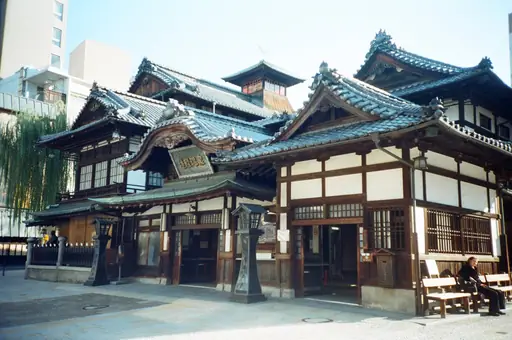
A hilltop castle and Japan's oldest hot spring
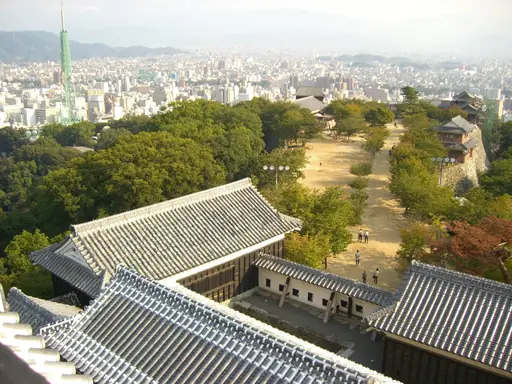
Matsuyama Castle sits atop Mount Katsuyama, reachable by a short ropeway or chairlift above the city below. Construction began in 1602 under feudal lord Kato Yoshiaki and took over twenty years to finish. It is one of only twelve Japanese castles with an original wooden keep still standing.
Region in Germany
Franconia
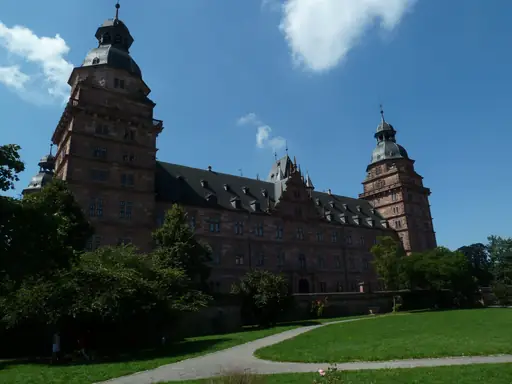
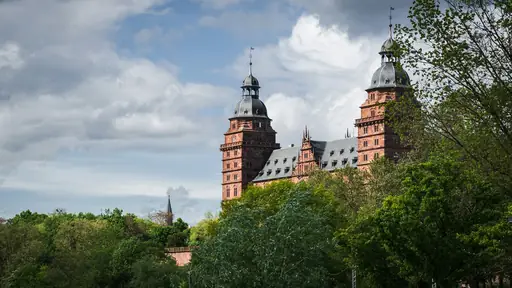
Beer cellars, vineyards and Baroque palaces
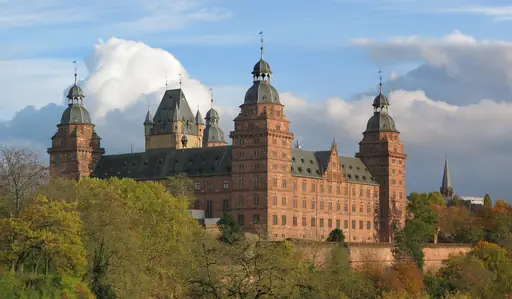
Veste Coburg overlooks the town of Coburg from a hilltop, one of Germany's largest and best preserved medieval fortresses. Martin Luther hid here for six months in 1530. He translated parts of the Bible while under the protection of a local elector. Its collection of armor, coaches and prints ranks among the largest in Germany.
City in Japan
Okayama
A castle, a garden and Momotaro's legend
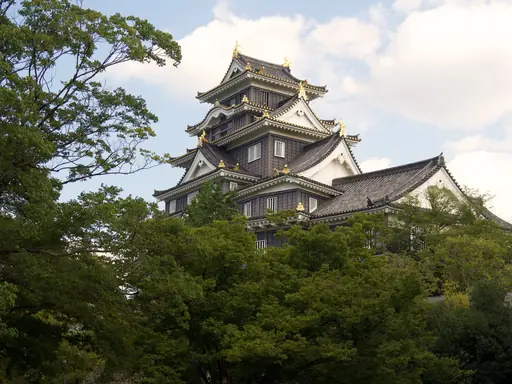
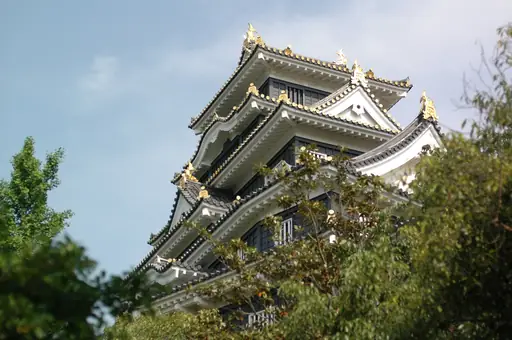
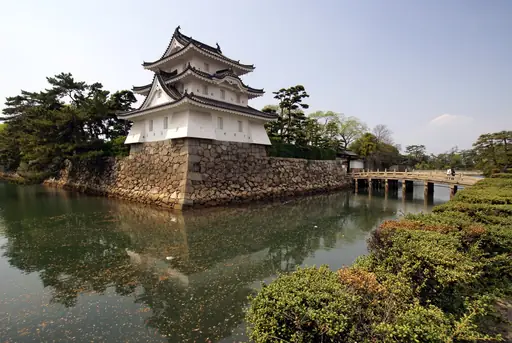
Okayama Castle is nicknamed Crow Castle for its black lacquered exterior, a striking contrast to nearby Himeji's white walls. Lord Ukita Hideie completed it in 1597 beside the Asahi River. Bombing destroyed the original keep in 1945. The rebuilt version now sits beside the Okayama Korakuen garden.
Region in Germany
Moselle Valley
Steep vineyards and riverside wine towns
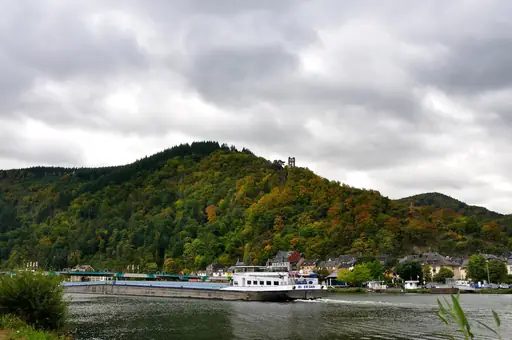
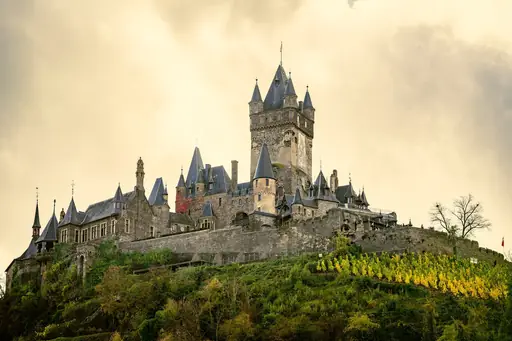
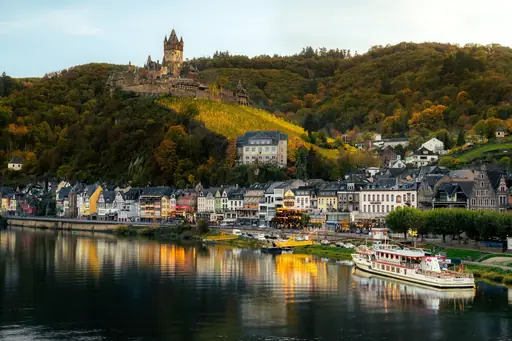
Reichsburg Cochem rises above the Moselle River on a steep hill. It was rebuilt in the 1860s over a medieval castle destroyed by French troops in 1689. The original fortress dated to around 1000, guarding river traffic and tolls below. Its neo-Gothic towers now anchor one of the most photographed views along the Moselle.
Village in Germany
Schwangau
Fairytale castles below the Alps
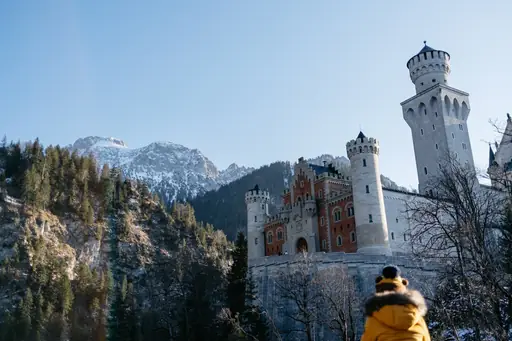
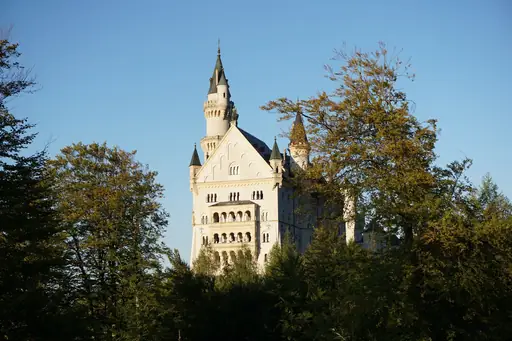
Hohenschwangau Castle sits just below its famous neighbor Neuschwanstein. King Maximilian II built it in the 1830s over the ruins of an older fortress. His son, King Ludwig II, spent much of his childhood here. He later commissioned his own dream castle on the ridge above.
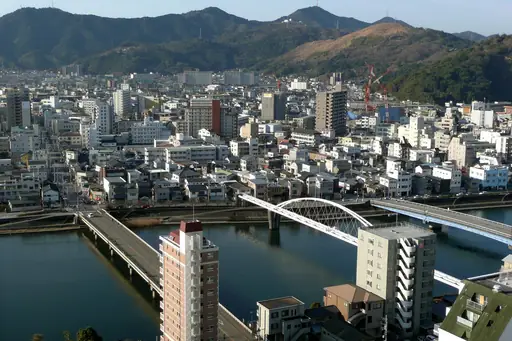
City in Japan
Kochi
Castle city with Sunday market and bonito
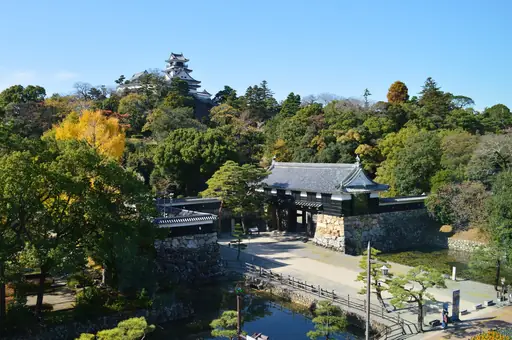
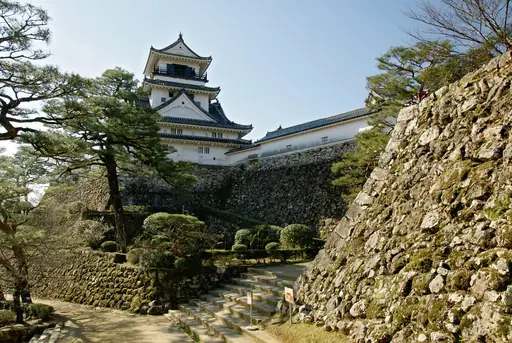
Kochi Castle keeps its original main keep and palace together on one site, rare among Japan's surviving castles. Lord Yamauchi Kazutoyo began construction in 1601 after the Battle of Sekigahara. A fire destroyed most of the complex in 1727. Rebuilding finished by 1753, closely following the original layout and design.
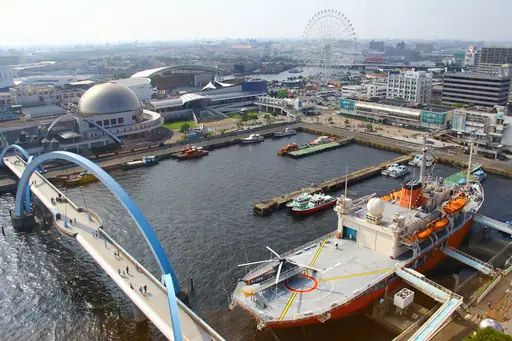
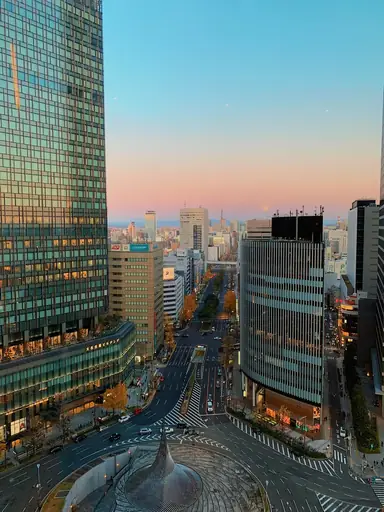
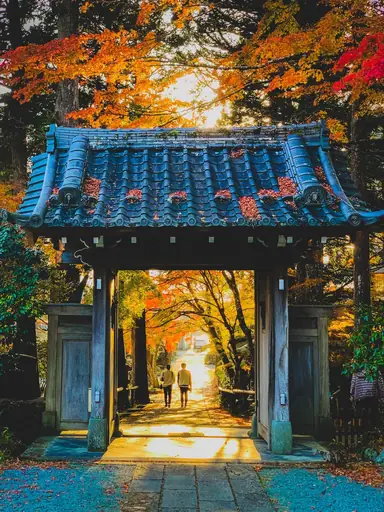
City in Japan
Nagoya
Castle, car makers and miso-rich food
Nagoya Castle is topped with two gilded dolphin shaped ornaments called shachihoko, once covered in real gold leaf. Tokugawa Ieyasu ordered its construction in 1610 to guard the road between Kyoto and Edo. American bombing destroyed the original keep in 1945. The current concrete version dates from 1959.
City in Japan
Himeji
Famed white castle and samurai gardens
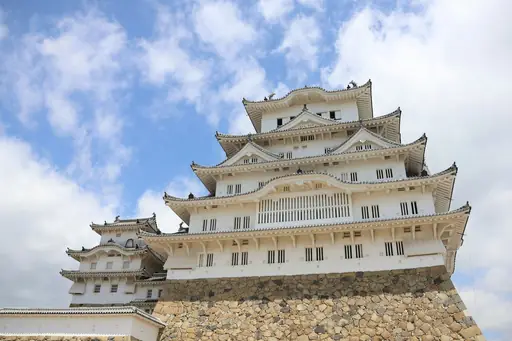
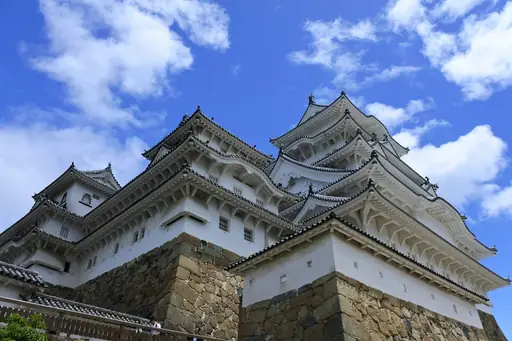
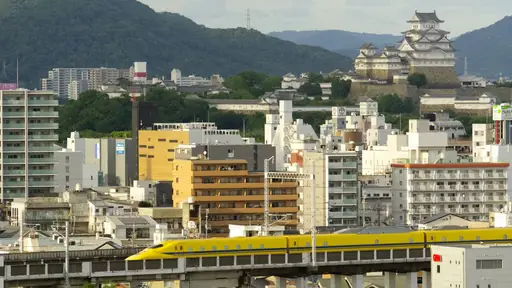
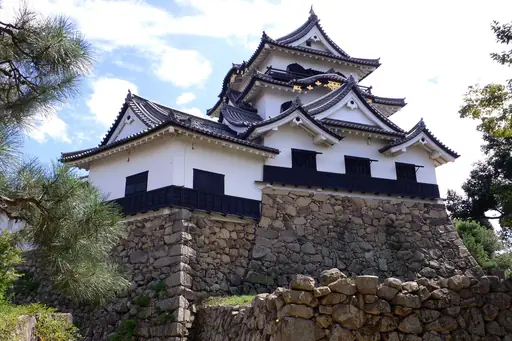
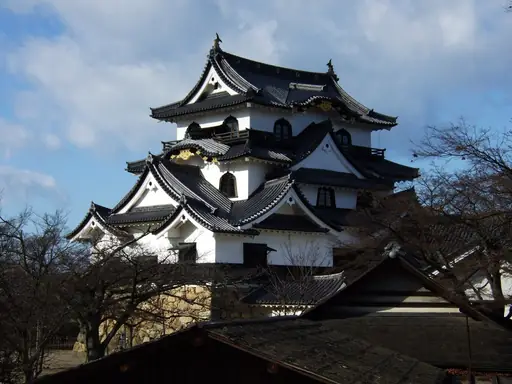
Locals call Himeji Castle the White Heron for its plaster walls, said to resemble a bird in flight. The current keep was completed in 1609 under Ikeda Terumasa. It is one of the few Japanese castles never destroyed by war, fire or earthquake. A stray WWII bomb landed on the grounds but failed to explode.
City in Japan
Hikone
Original castle town on Lake Biwa
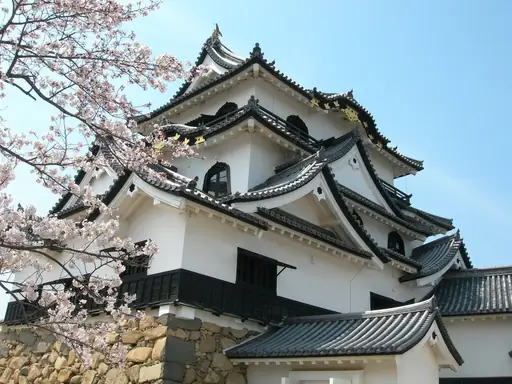
Hikone Castle is one of only twelve Japanese castles with an original keep. It has never been rebuilt since completion in 1622. The Ii clan, allies of the Tokugawa shogunate, built it using materials salvaged from three older, dismantled castles nearby. Its compact three story keep is a designated National Treasure.
Region in Germany
Bavaria
Alps, castles, beer gardens and old towns
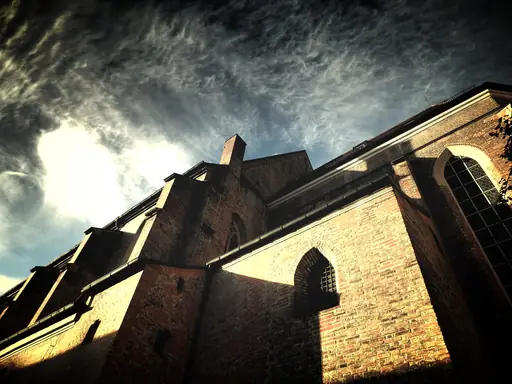
Burghausen Castle stretches over a kilometer along a narrow ridge. Guinness World Records lists it as the longest castle complex on earth. Its origins trace back to before 1025, later expanded by the Wittelsbach dukes into six connected courtyards. The complex sits between the Salzach River and a small lake on the Austrian border.
City in Japan
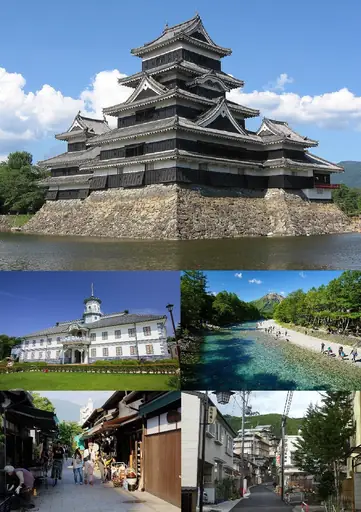
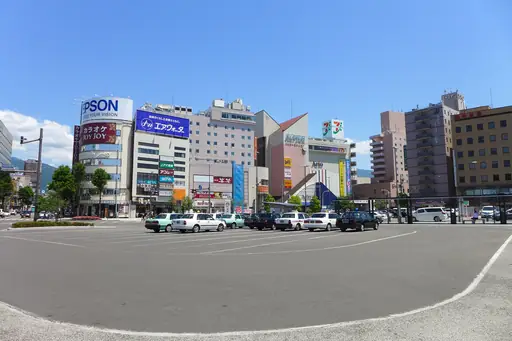
Matsumoto
Black castle town below the Alps
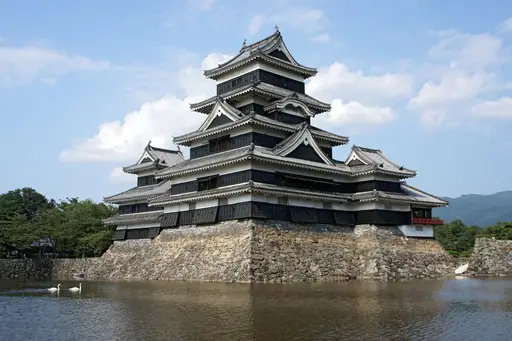
Matsumoto Castle earned the nickname Crow Castle for its black wooden walls, a contrast to Japan's white fortresses. It was built in the late 1500s on flat ground rather than a hill. A wide moat serves as its defense instead of height. Its six story keep is one of Japan's oldest surviving originals.
City in Japan
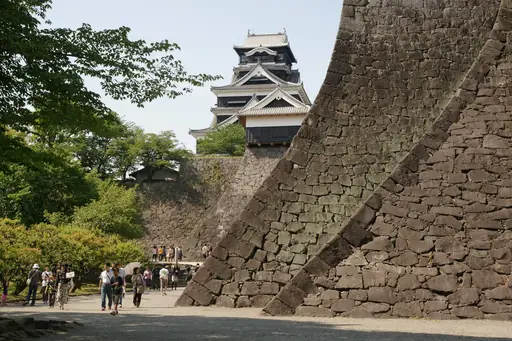
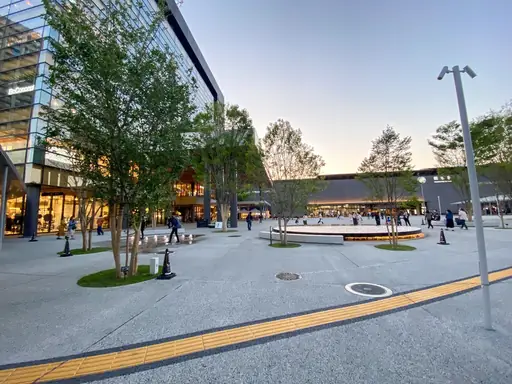
Kumamoto
Castle city with horse sashimi and Mt. Aso
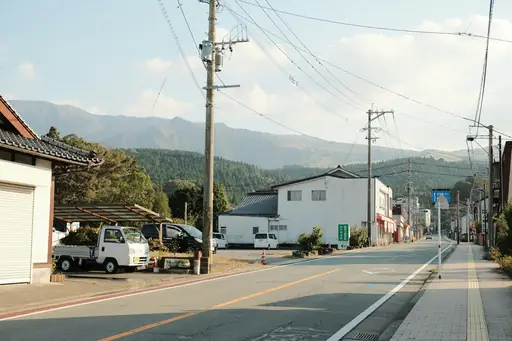
Kumamoto Castle is known for its curved stone walls. They grow steeper near the top, making it nearly impossible for attackers to climb over. Samurai lord Kato Kiyomasa completed the castle in 1607 after seven years of construction. A 2016 earthquake damaged large sections. Restoration of the main keep took years.
City in Japan
Kanazawa
Samurai streets, gold leaf and Kenrokuen garden
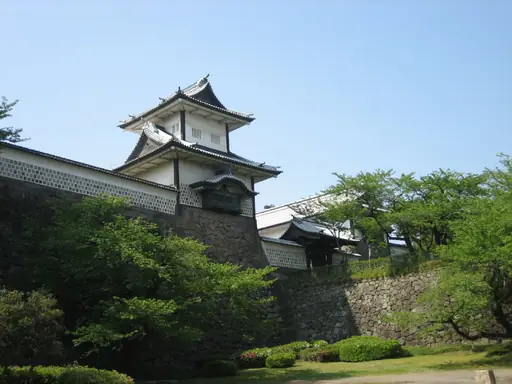
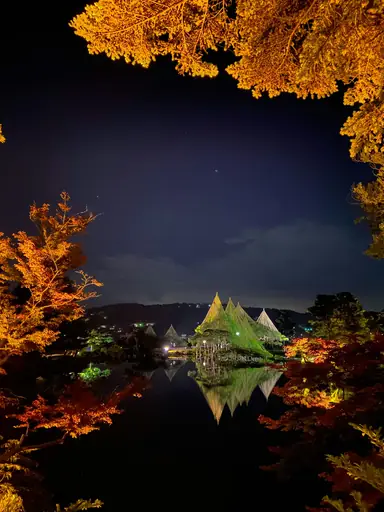
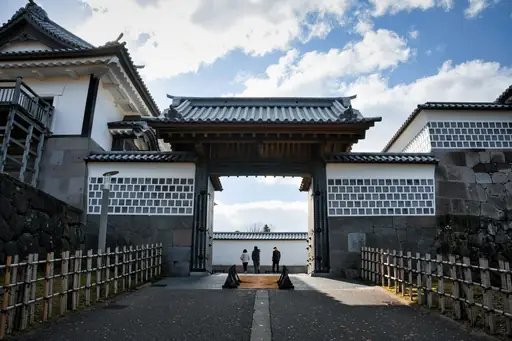
Kanazawa Castle sits beside Kenrokuen, ranked one of Japan's three most beautiful gardens. The Maeda clan, Japan's wealthiest feudal family after the shoguns, built it starting in 1580 as their seat of power. Fires destroyed much of the castle repeatedly, so most structures visitors see today are careful modern reconstructions.
City in Germany
Heidelberg
Castle ruin above the Neckar and old town
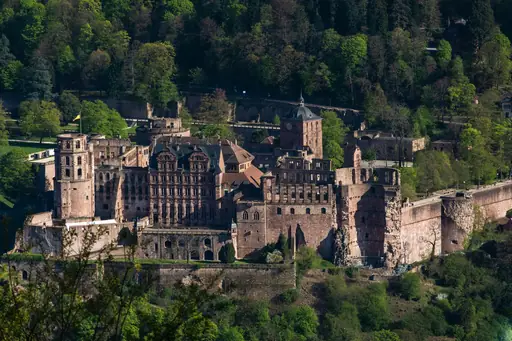
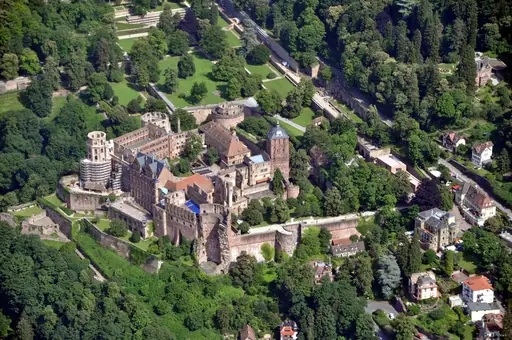
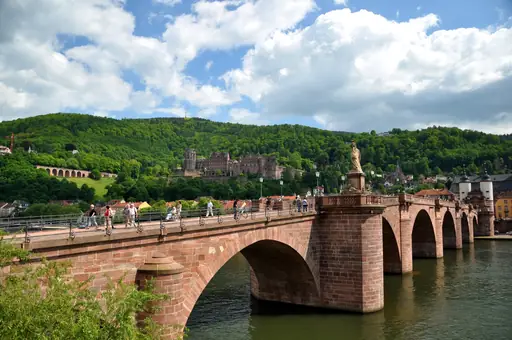
Heidelberg Castle overlooks the city from a hillside above the Neckar River. Its red sandstone walls stand partly ruined since a 17th century war and later lightning strikes. The castle holds the Heidelberg Tun, a wine barrel large enough to hold over 200,000 liters. A funicular railway still carries visitors up from the old town.
City in Germany
Dresden
Baroque Elbe city rebuilt from the ruins
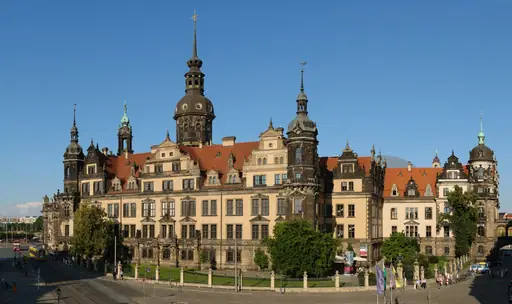
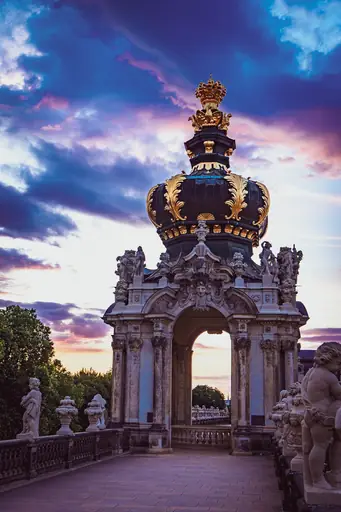
Dresden Castle served as home to Saxon rulers for nearly five centuries. Wartime bombing destroyed much of the palace, which was later rebuilt using historical records. Visitors can tour restored rooms holding one of Europe's largest treasure collections. Nearby, the rebuilt Frauenkirche stands as another symbol of the city's postwar recovery.
City in Germany
Nuremberg
Imperial castle, gingerbread and Christmas market
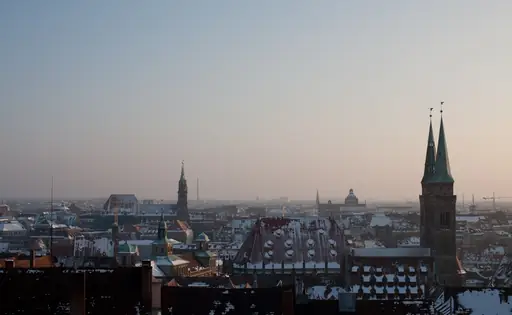
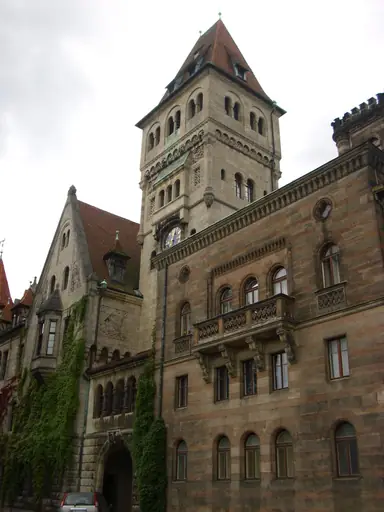
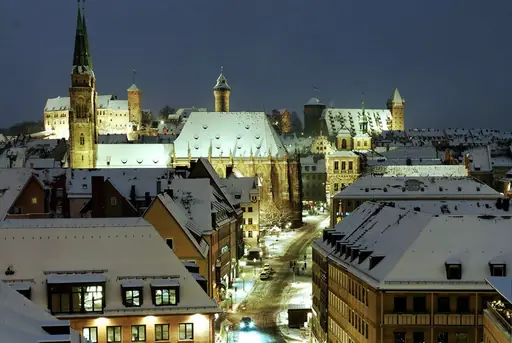
The Kaiserburg overlooks Nuremberg from a sandstone outcrop. Holy Roman Emperors used it while traveling between cities of the empire. Building began in the 12th century. Every emperor from 1050 to 1571 is said to have stayed within its walls at least once. A deep well inside still descends over 50 meters into the rock.
Region in Germany
Brandenburg
Lakes, palaces and Spreewald canals
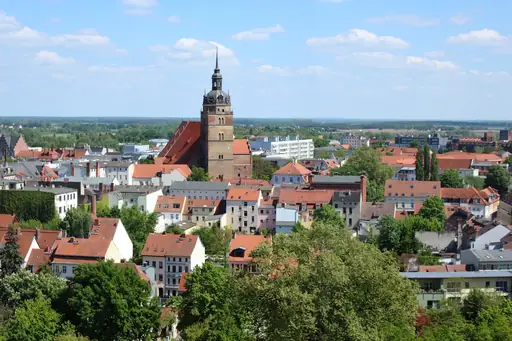
Rheinsberg Palace sits beside a lake north of Berlin. It was remodeled in the 1730s for the young Crown Prince Frederick, later Frederick the Great. He called his years there among the happiest of his life, before Prussian politics pulled him away. Composer and philosopher friends once gathered in its rooms for music and debate.
Region in Germany
Thuringia
Goethe's Weimar, the Wartburg and the Rennsteig
Wartburg Castle sits above the town of Eisenach. Martin Luther hid here under a false name, translating part of the Bible into German in just eleven weeks. Built starting around 1067, the castle also hosted medieval song contests among traveling poets. Its collection of religious art and armor draws visitors from across Germany.
City in Germany
Potsdam
Prussian palaces and lakes near Berlin
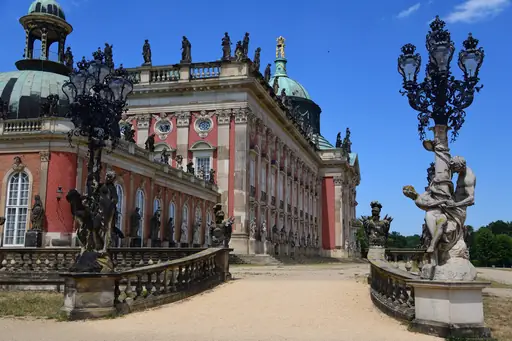
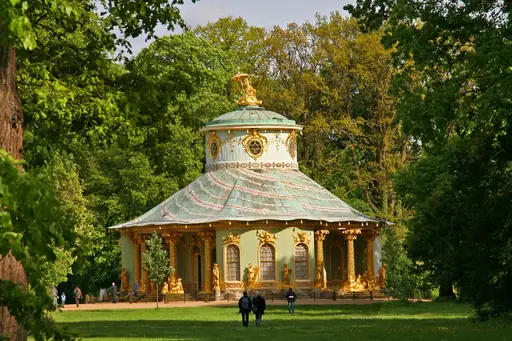
Sanssouci Palace was built as a summer retreat for Prussian king Frederick the Great. It was completed in 1747 on a terraced hill of vineyards. Its name means without worries in French, reflecting his wish to escape court formality. Frederick chose to be buried on the terrace beside his dogs, not inside the palace.

Town in Germany
Füssen
Alpine old town near the royal castles
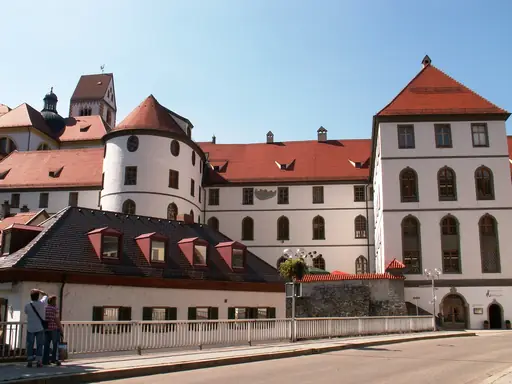
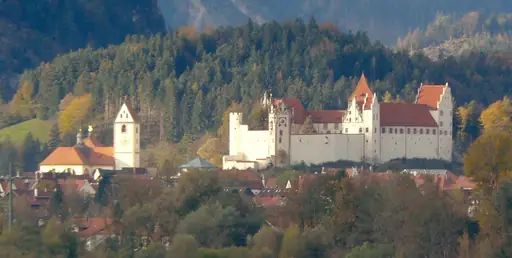
The Hohes Schloss towers over the old town of Fussen, a well preserved late Gothic castle in southern Germany. Bishops of Augsburg built it as a summer residence starting in the 1300s. They added painted facades designed to look like elaborate stonework. Today it houses a branch of the Bavarian state painting collection.
Region in Germany
Rheingau-Taunus-Kreis
Riesling slopes and Taunus woods
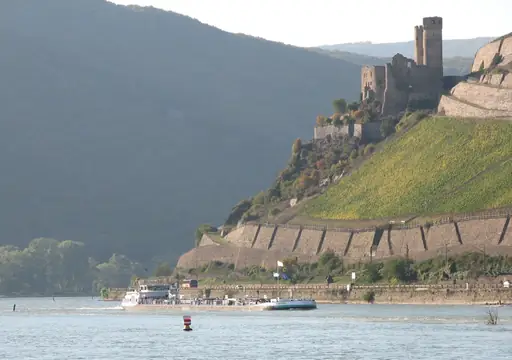
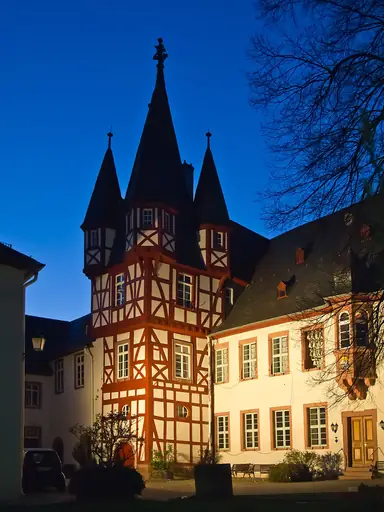
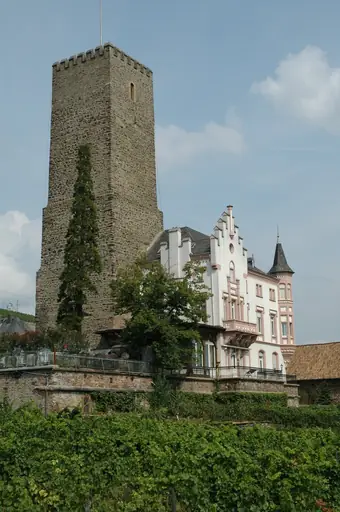
Eltville Castle sits beside the Rhine River, built in the 14th century as a residence for the Archbishops of Mainz. Its red sandstone keep once guarded a key crossing point along the river's wine growing slopes. Rose gardens now surround the ruins, drawing visitors during the annual rose festival each summer.
Castle in Germany
Burg Eltz
Family-owned medieval castle in a forest valley
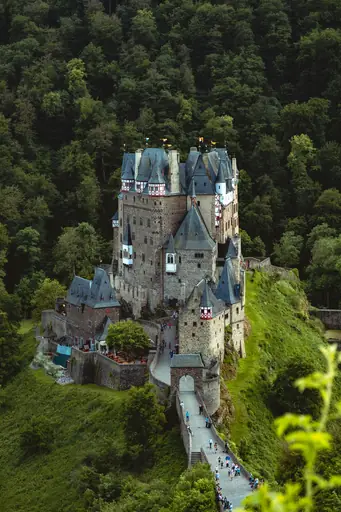
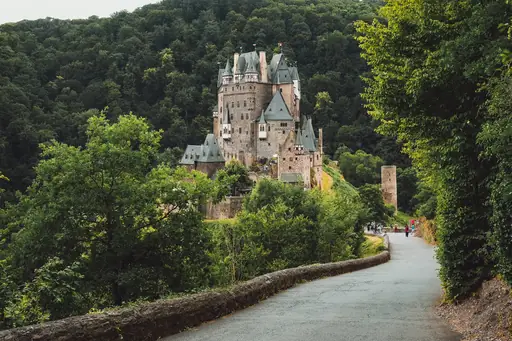
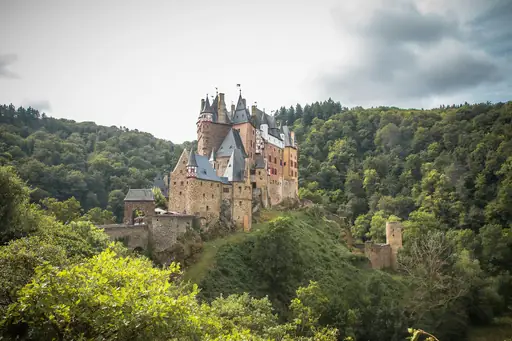
Burg Eltz rises above the Moselle valley, best visited on a weekday morning before the tour groups arrive. It was first recorded in 1157. The same family has owned it for roughly 900 years. It was never destroyed in war. Three branches of that family once shared its courtyard, well and chapel.
City in Germany
Würzburg
Baroque palace, fortress and Franconian wine
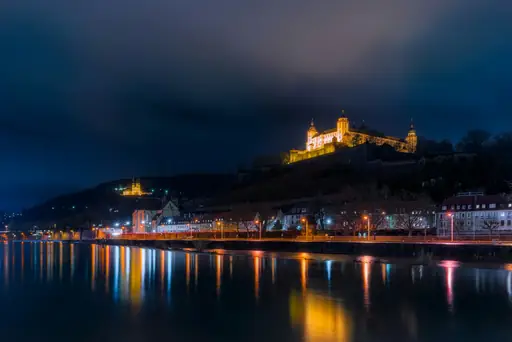
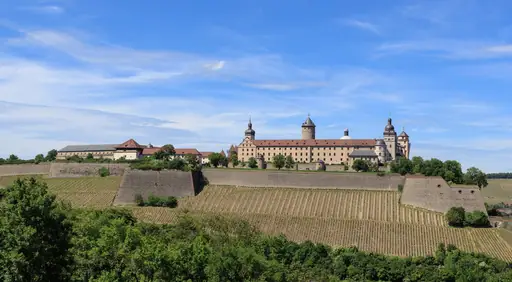
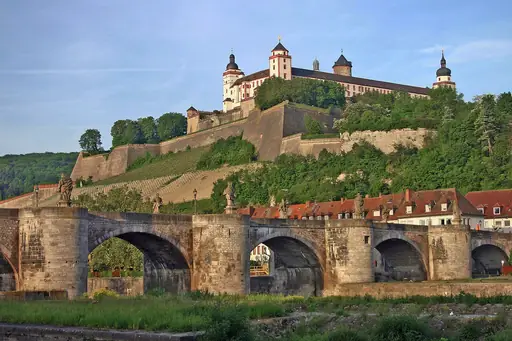
The Wurzburg Residence served as home to powerful prince-bishops who ruled the region for centuries. Architects and artists from across Europe collaborated on the palace's lavish frescoed ceilings. Visitors can tour staterooms beneath one of the largest painted ceilings in the world. Nearby vineyards produce wine using grapes grown on the same estate for generations.
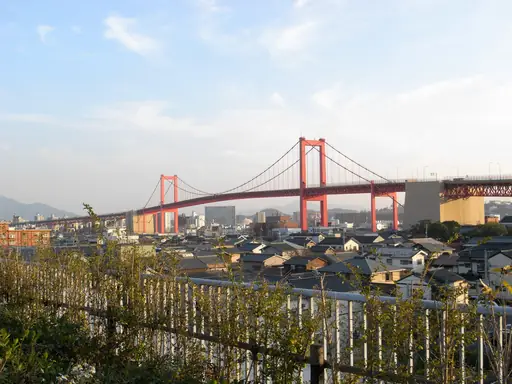
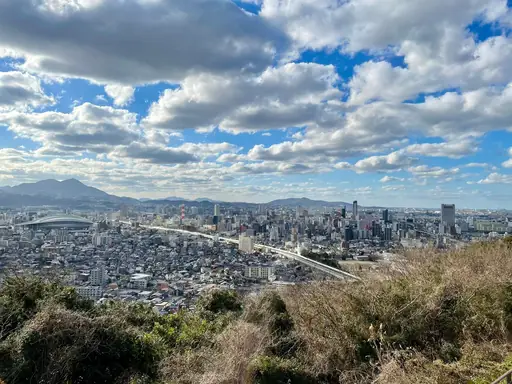
City in Japan
Kitakyushu
Castle, retro port and steel heritage
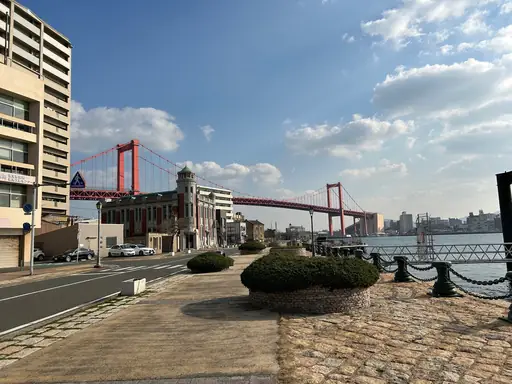
Kokura Castle features a distinctive top floor that flares outward, wider than the story below it. This design is rare in Japanese castle architecture. Lord Hosokawa Tadaoki completed the castle in 1602. Fire destroyed the original keep in 1866. The 1959 concrete rebuild now houses a small museum.
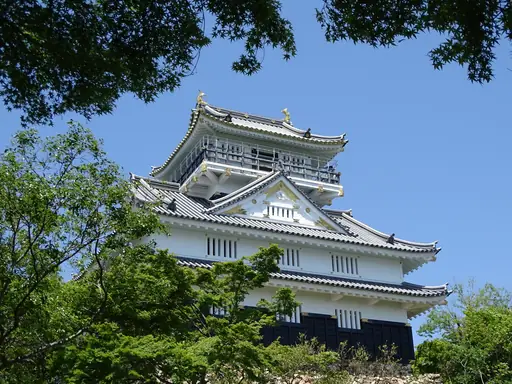
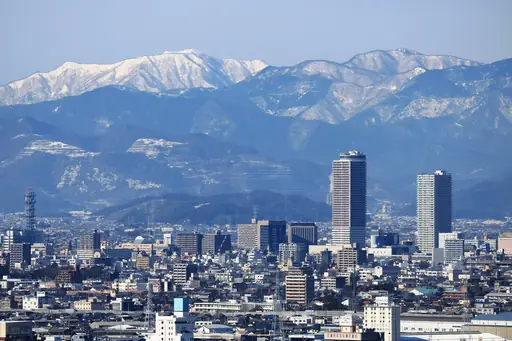
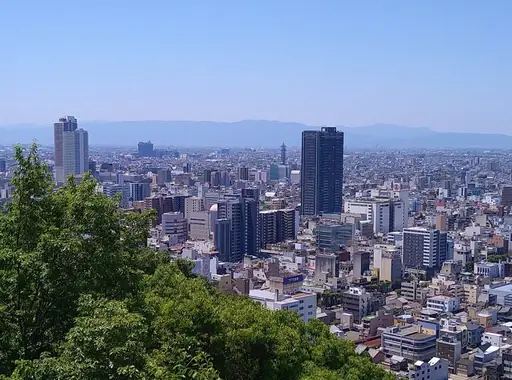
City in Japan
Gifu
Cormorant fishing, castle and old merchant lanes
Gifu Castle crowns Mount Kinka, over 300 meters above the city, reached by cable car or a steep hiking trail. Warlord Oda Nobunaga took the castle in 1567 and used it as his base for unifying Japan. The current concrete keep, rebuilt in 1956, still offers views stretching to the Japan Alps.
Region in Germany
Pfalz
Wine villages and a vast sandstone forest
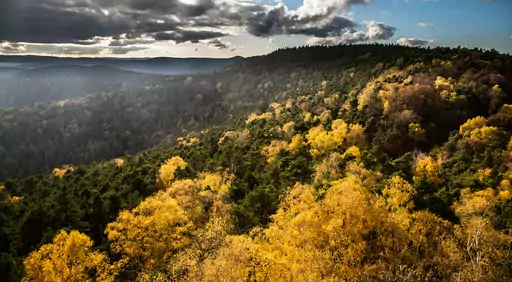
Trifels Castle stands above the town of Annweiler in the Palatinate forest. It once held the medieval crown jewels of the Holy Roman Empire. England's King Richard the Lionheart was held prisoner here in 1193 while his ransom was negotiated. The castle fell into ruin after a fire and was rebuilt in the 1900s.
Region in Germany
Saxon Switzerland
Sandstone towers and Elbe valley hikes
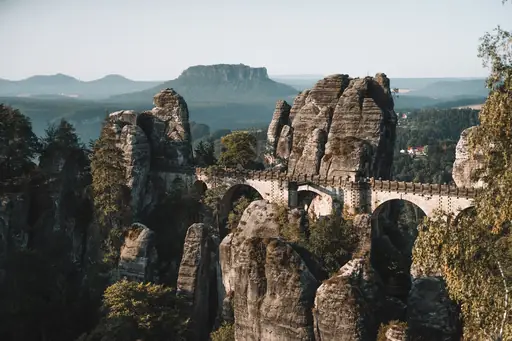
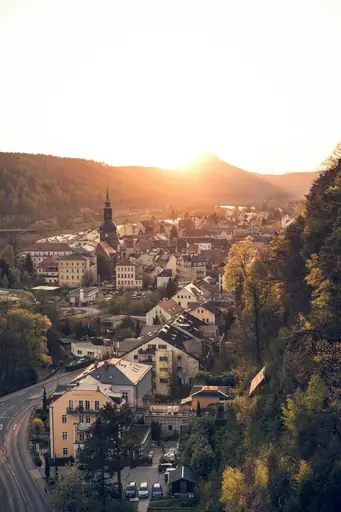
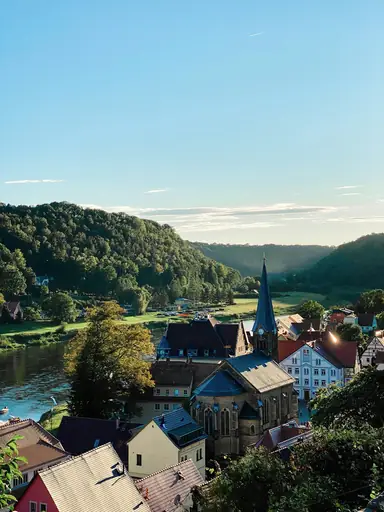
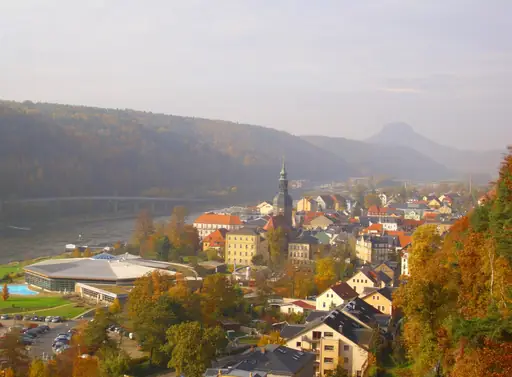
Koenigstein Fortress crowns a flat topped sandstone plateau above the Elbe River, one of the largest hilltop fortresses in Europe. Never taken by force, it served Saxon rulers as a treasury and a prison for centuries. A deep well inside was dug over 50 meters through solid rock to secure water during a siege.


City in Japan
Iwakuni
Wooden arch bridge, castle and white snakes
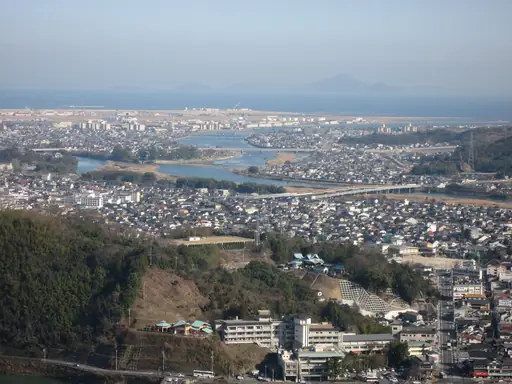
Iwakuni Castle sits above the famous Kintai Bridge, a wooden arched bridge visible from the keep's viewing deck. Lord Kikkawa Hiroie built the original castle in 1608. A new shogunate law limiting castles per domain forced its demolition just seven years later. The current keep is a 1962 reconstruction.
Castle in Germany
Neuschwanstein Castle
Ludwig II's unfinished castle above a gorge
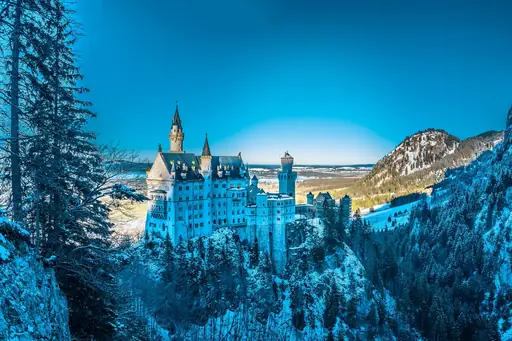
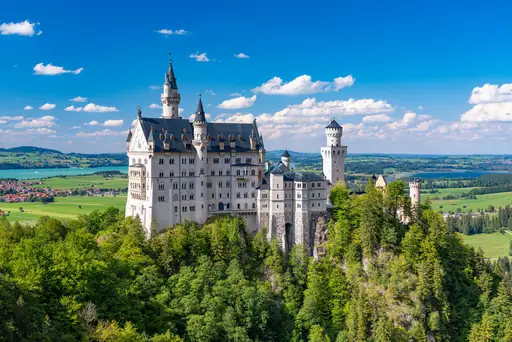
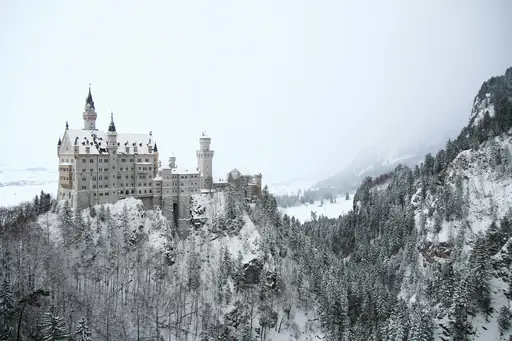
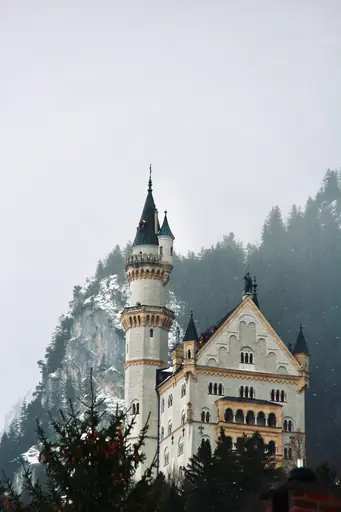
Neuschwanstein sits above the Bavarian Alps, near the older Hohenschwangau Castle where King Ludwig II grew up. He commissioned the new castle in 1869 as a private retreat, not a fortress. It was never finished. Walt Disney's team later used its towers as inspiration for Sleeping Beauty's castle.
Castle in Kyoto
Nijō Castle
The Tokugawa shogun's Kyoto palace and gardens
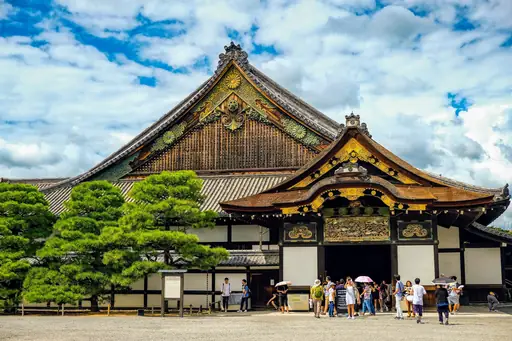
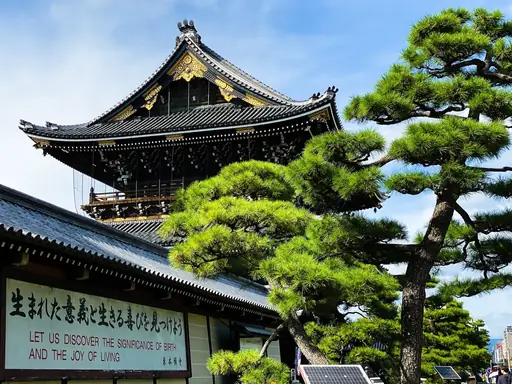
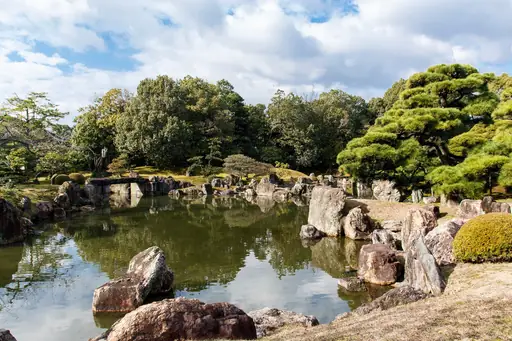
Step onto the floors of Ninomaru Palace at Nijo Castle and they chirp underfoot. The sound comes from clamps and nails worn down over four centuries. Built in 1603 for the shogun Tokugawa Ieyasu, the castle hides bodyguard alcoves behind sliding doors. Its gardens and painted screens are just as carefully staged as the floors.
Other lists you may like
Discover
Best castle destinations in Africa
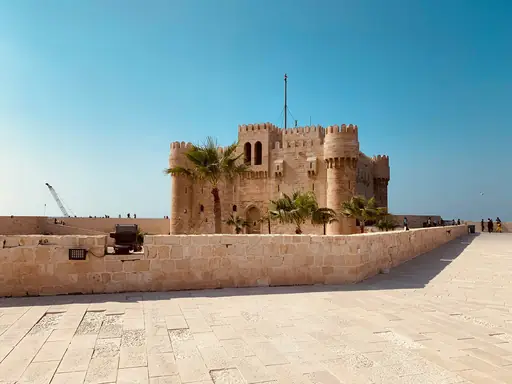
Africa has a fortress history that often surprises people, and a castle trip here usually feels very different from one in Europe. The continent has stone forts along the coast,…
Read more
Discover
Best castle destinations in Asia
Asian fortresses come in more shapes than most people picture, from wooden-roofed keeps on stone bases to huge sandstone forts with walls that run for miles. Asia has everything…
Read more
Discover
Best castle destinations in Europe
Europe is where most of us look first when someone says castle and it's easy to see why, since the continent has many thousands of them. You can find tall towers above river…
Read more
Discover
Best castle destinations in North America
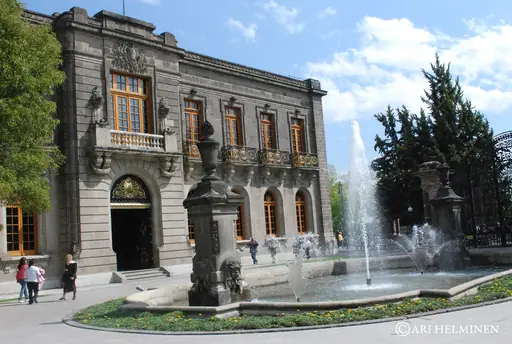
North America has a different kind of castle story and it's more about star-shaped forts and stone walls built to guard harbors and trade routes than about medieval towers. Some…
Read more
Discover
Best castle destinations in Oceania
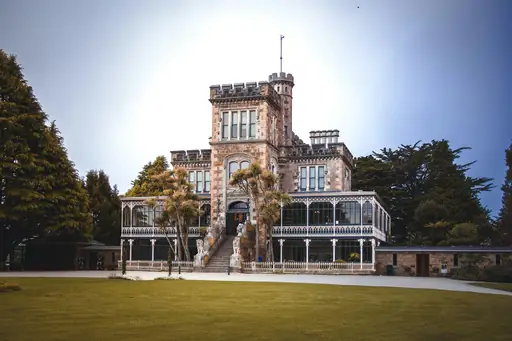
Australia and New Zealand have no real castle tradition of their own, and the two sites that come closest earn the label for very different reasons. Larnach Castle in Dunedin,…
Read more
Discover
Best castle destinations in South America
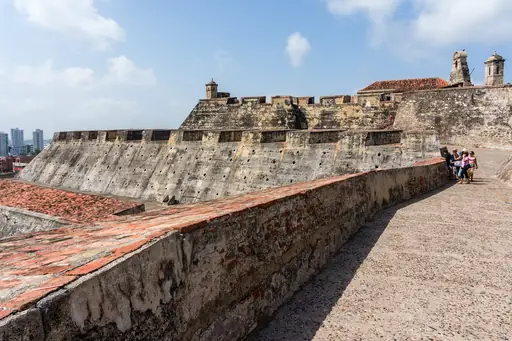
South America holds a handful of European-style castles built by wealthy immigrants and industrialists rather than medieval rulers, reflecting a very different kind of…
Read more
What other users say about travelfilters
“travelfilters made it easy for me to find ski areas and compare what else they offer, so that I could find the best place for my personal travel style.”

Chris
Snowboarding & Onsen trip to Japan
“I love how transparent the data feels. There is no pushy upsell, just honest information and settings I can tune to my own travel style.”

Maria
After booking her 2027 winter escape
“The level of detail for each destination and how well those are displayed, make planning feel confident instead of overwhelming.”

Mina
Planned a week in New York City
“We used travelfilters for our planning from start to end. The trip turned out even better than expected, thanks to all their tools and customization options.”

Allan & Etienne
Trip to Japan to see autumn foliage
“Thanks to travelfilters, I found some hidden gems to see. Being able to filter for exactly your interests is a game changer for my travel planning.”

Michael
Tour through the old cities of Northern Italy
“The customizable filters helped me find a quiet beach town with good wifi and low season crowds in under five minutes.”

Diego
Weekend Escape to Llanes, Spain
“The airport connection map saved me hours by showing good flight options from my home airport to lesser-known cities.”

Nguyen
Planning a 2027 trip to France
“The website is clean, fast and focused on the search itself, which makes travelfilters feel more like a professional tool than an ad-heavy booking site.”

Hassan
Christmas Market trip, Germany
