
Best castle destinations in Asia
Best castle destinations in Asia
Ancient dynastic stone fortresses and imperial palaces across Asia
Asian fortresses come in more shapes than most people picture, from wooden-roofed keeps on stone bases to huge sandstone forts with walls that run for miles.
Asia has everything from mountain strongholds above the clouds to palaces on lakes and sea forts washed by the tides. Some feel like a quiet walk through gardens and others mean a lot of stairs in serious heat. Many also have an old town or a market right outside the gate. Budgets vary too, since a small local fort can cost almost nothing to visit, while a famous one has long lines and ticket times to plan around.
For Asia, our list mixes the big icons with lesser-known forts that tour buses tend to skip. If you like a bit of effort to get somewhere, there is plenty here to keep you busy and if you don't, there are easy ones too.
Lists by region
City in Japan
Hikone
Original castle town on Lake Biwa
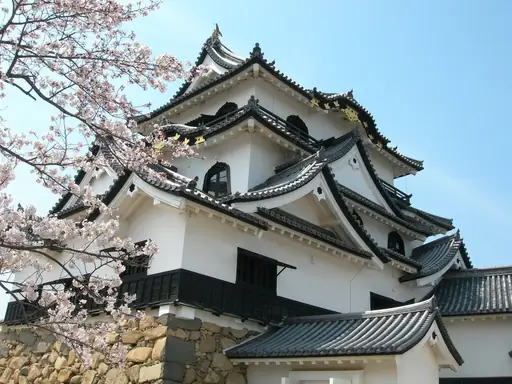
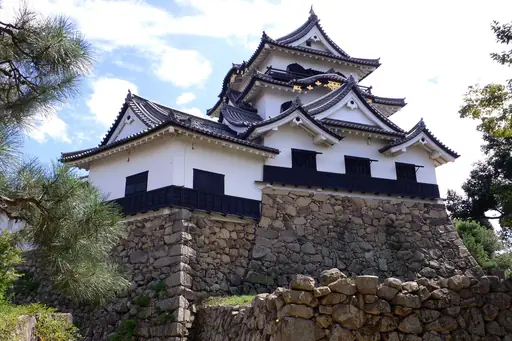
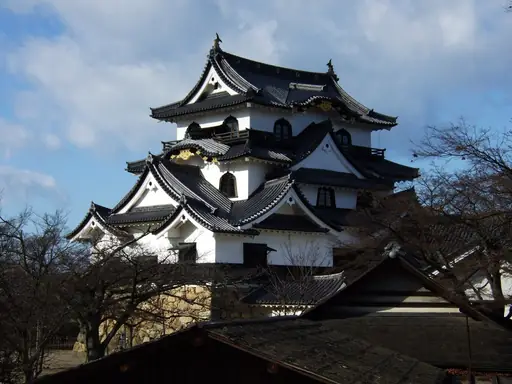
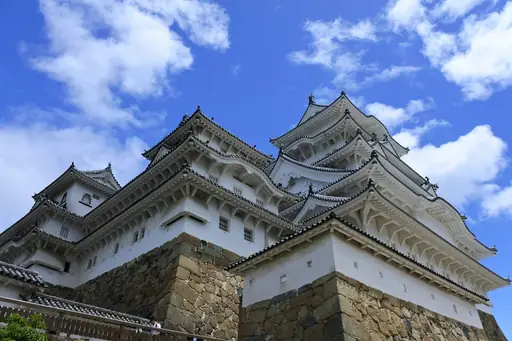
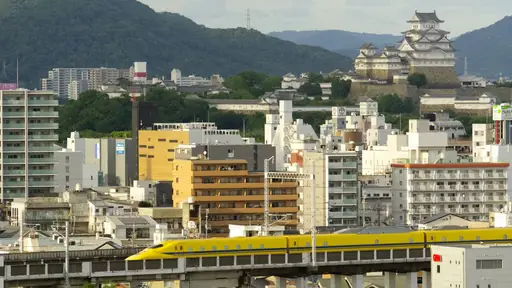
Hikone Castle overlooks Lake Biwa from a hill in Shiga. Its three story keep is one of five castle keeps in Japan listed as National Treasures. Construction ended in 1622. Genkyuen Garden below the keep has a pond and a tea house. Visitors meet Hikonyan, the castle's cat mascot, at scheduled appearances.
City in Japan
Himeji
Famed white castle and samurai gardens
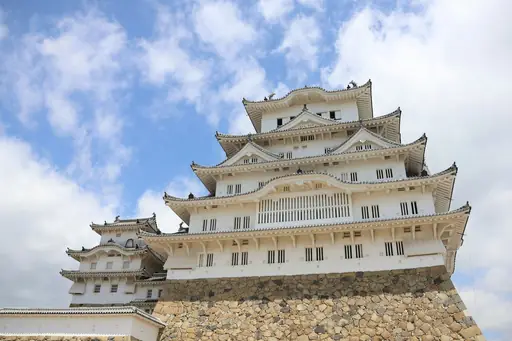
Late March and early April bring cherry blossoms to the grounds of Himeji Castle. The white keep dates from 1609 and has five stories outside and six floors inside. UNESCO listed it in 1993. Visitors follow a winding path through gates and walls built to slow attackers.
City in Japan
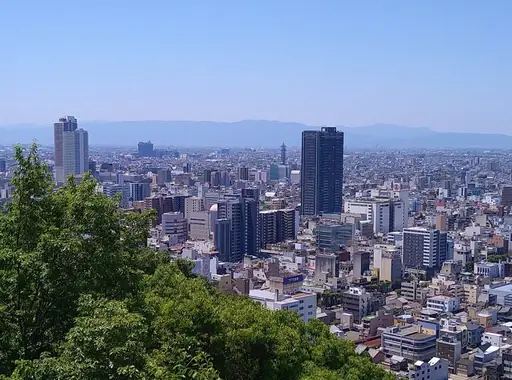
Gifu
Cormorant fishing, castle and old merchant lanes
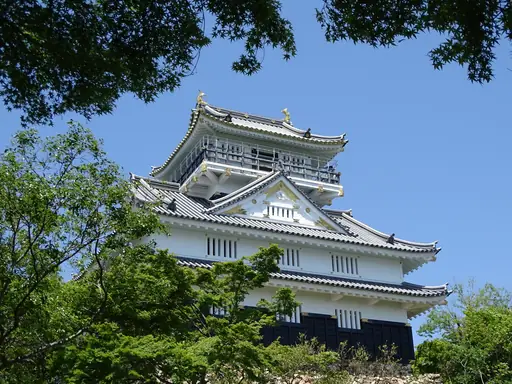
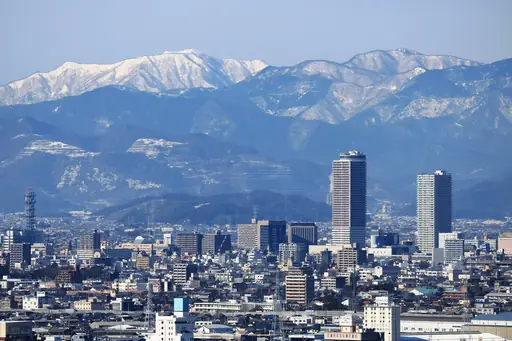
A ropeway rises through the trees on Mount Kinka to Gifu Castle, 329 meters above the Nagara River. Oda Nobunaga took the castle in 1567 and renamed the town Gifu. The keep has a small museum and a lookout. Cormorant fishing boats work the Nagara River at night from May to October.
City in Japan
Kanazawa
Samurai streets, gold leaf and Kenrokuen garden
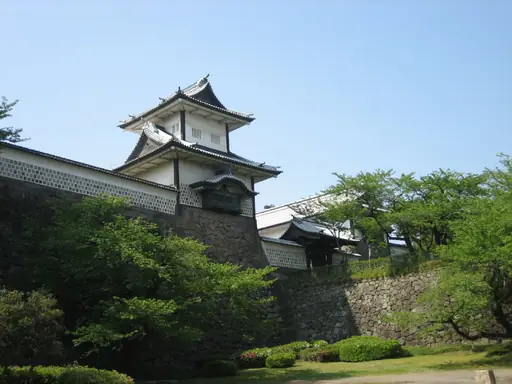
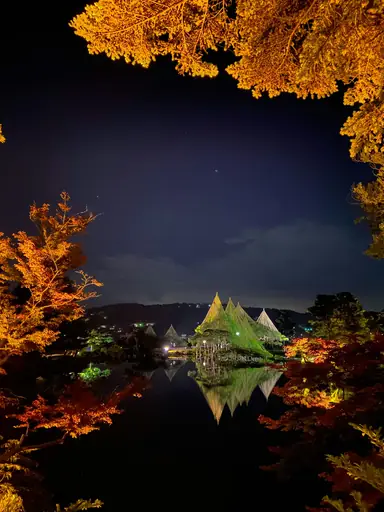
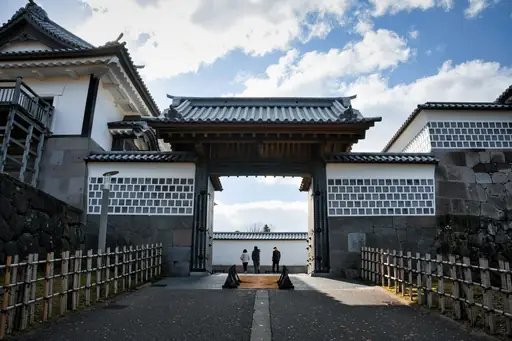
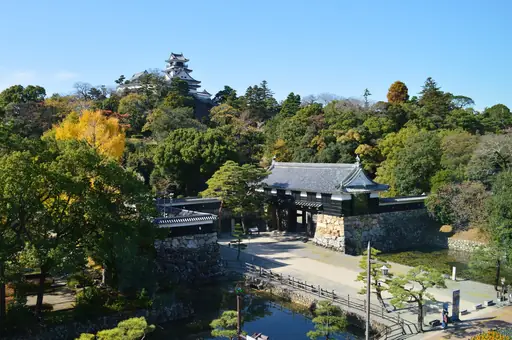
Ishikawa Gate leads into Kanazawa Castle Park. The Hishi Yagura turret and Gojikken Nagaya storehouse were rebuilt with traditional methods in 2001. The Maeda clan ruled from this castle for 14 generations. Kenrokuen Garden, one of Japan's three great gardens, is across the road. The park grounds are free to enter.
City in Japan
Matsumoto
Black castle town below the Alps
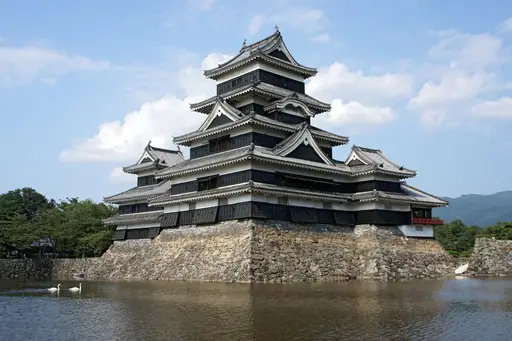
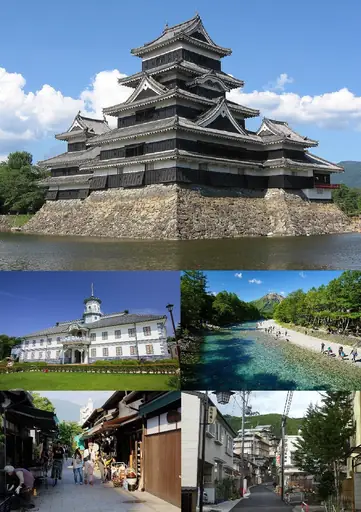
In early April cherry trees bloom around Matsumoto Castle, with snow still on the Japanese Alps behind it. The black keep is a National Treasure and dates from the 1590s. A moon viewing room was added in 1635. A red bridge crosses the moat beside the keep.
City in Japan
Matsuyama
A hilltop castle and Japan's oldest hot spring
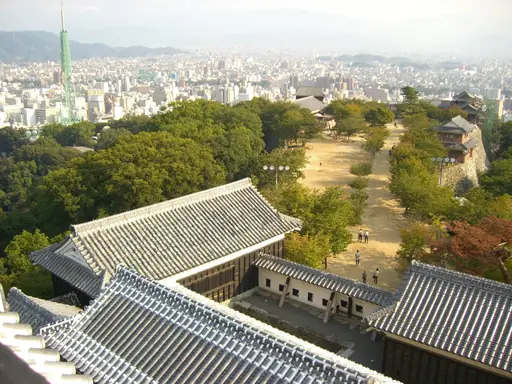
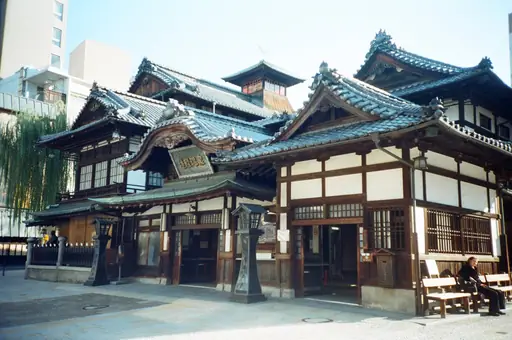
A chairlift and a ropeway climb Mount Katsuyama to Matsuyama Castle. The keep dates from 1854 and is one of 12 original keeps in Japan. The haiku poet Masaoka Shiki was born in the city. Haiku boxes in town collect visitors' poems. Dogo Onsen, an old bathhouse, is a tram ride away.


City in Japan
Iwakuni
Wooden arch bridge, castle and white snakes
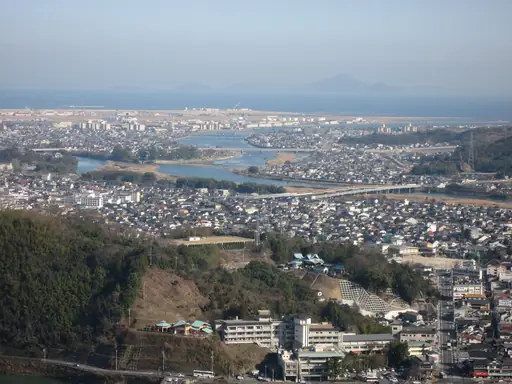
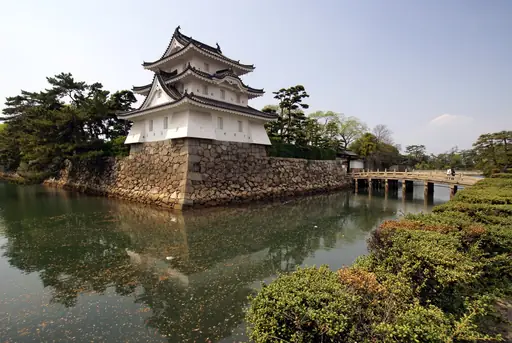
From June to September cormorant fishing boats work the Nishiki River below Kintai Bridge at night. The wooden bridge has five arches and was first built in 1673. A ropeway climbs Mount Yokoyama to Iwakuni Castle. The keep is a 1962 reconstruction with views of the Seto Inland Sea.
City in Japan
Okayama
A castle, a garden and Momotaro's legend
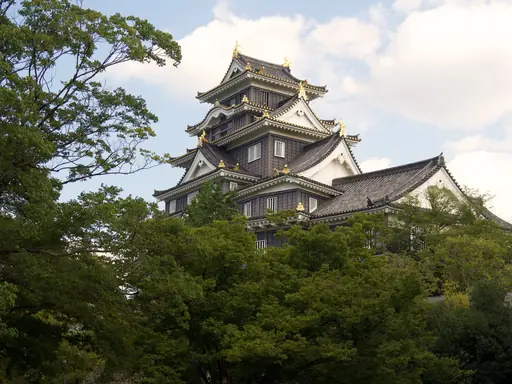
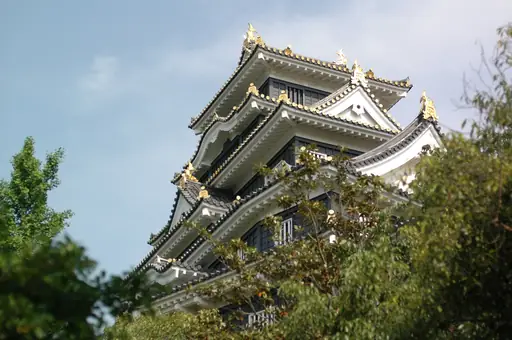
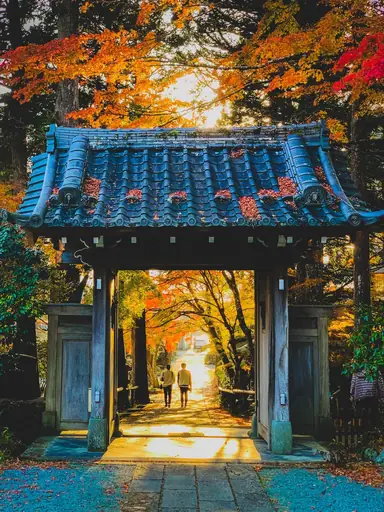
Ukita Hideie finished Okayama Castle in 1597 with black boards on its walls. Locals call it Crow Castle. An air raid burned the keep in 1945. The present keep dates from 1966. Korakuen Garden, completed in 1700, lies across the Asahi River. A footbridge links the two.
City in Japan
Nagoya
Castle, car makers and miso-rich food
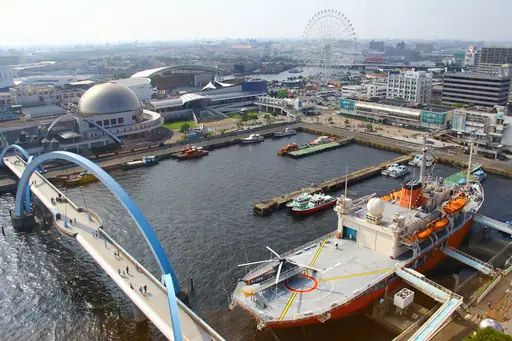
The keep is a 1959 concrete rebuild of the 1612 original, which burned in 1945. It has been closed since May 2018 for earthquake safety. Honmaru Palace, rebuilt by 2018, is open with reproduction painted sliding doors. A pair of gold shachihoko ornaments sit on the keep roof.
City in Japan
Kitakyushu
Castle, retro port and steel heritage
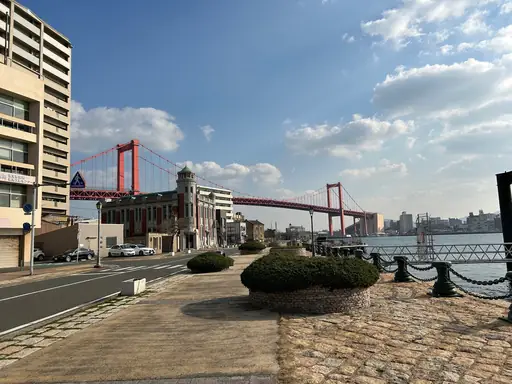
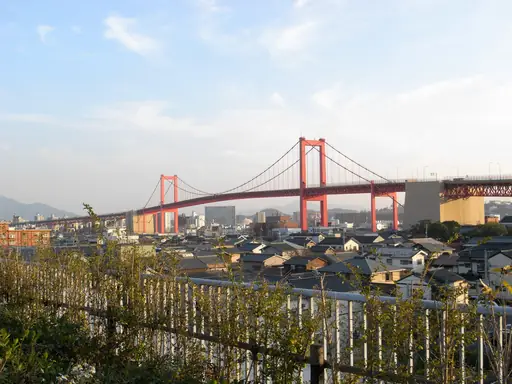
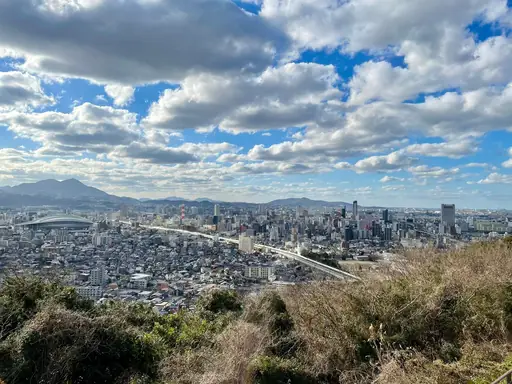
Hosokawa Tadaoki built Kokura Castle in 1602. Its keep has upper floors wider than the lower ones, a style called Kokura zukuri. Fire destroyed the keep in 1837 and the present one dates from 1959. The top floor has a lookout over Kitakyushu. The castle stands beside the Murasaki River.
City in Japan
Kochi
Castle city with Sunday market and bonito
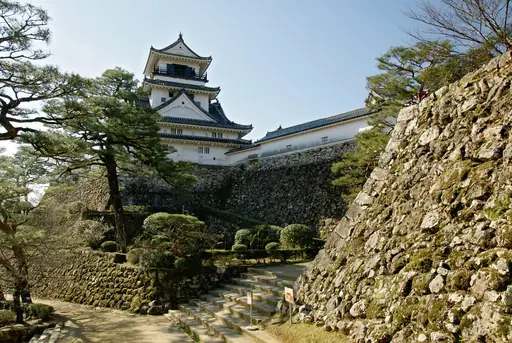
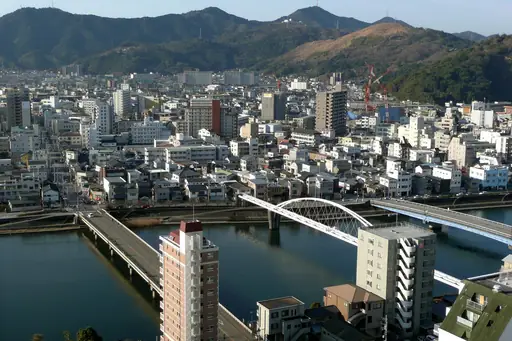
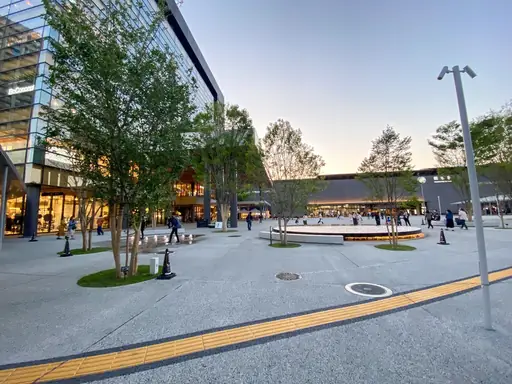
Steep wooden stairs lead up through the keep of Kochi Castle, rebuilt in 1749. It is one of 12 original keeps left in Japan. The honmaru palace beside it also survives. Yamauchi Kazutoyo began the castle in 1601. Kochi's Sunday market runs along the street to the castle gate.
City in Japan
Kumamoto
Castle city with horse sashimi and Mt. Aso
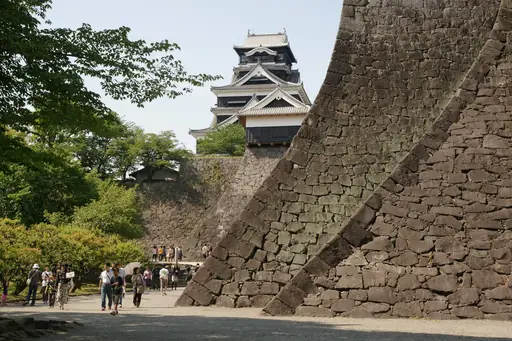
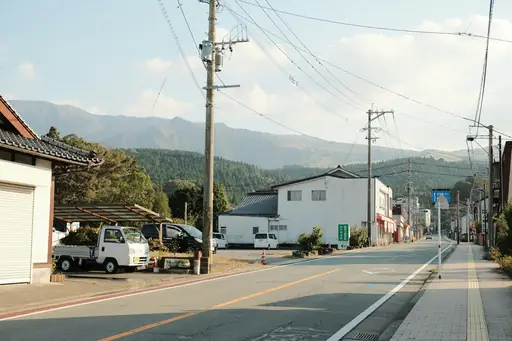
Kumamoto Castle covers a hill in the middle of Kumamoto city on Kyushu. Kato Kiyomasa expanded it from 1601 to 1607. Its curved stone walls rise steeply to stop attackers climbing. The 2016 earthquakes collapsed sections of wall and two turrets. Restoration is planned to run until 2052.
Castle in Kyoto
Nijō Castle
The Tokugawa shogun's Kyoto palace and gardens
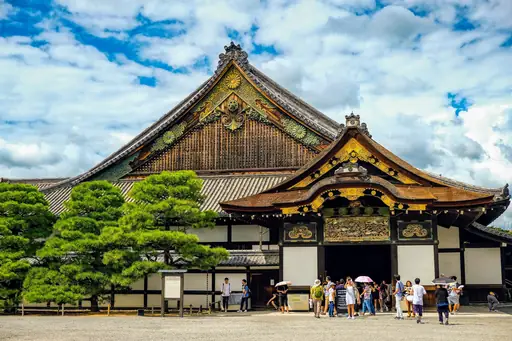
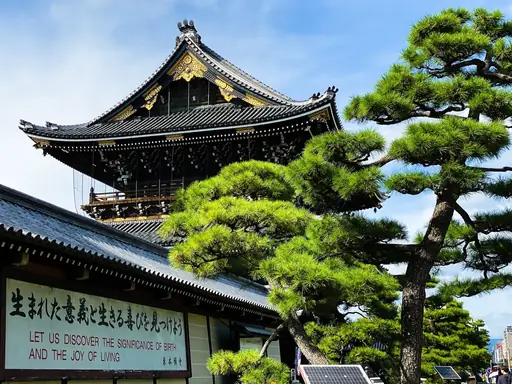
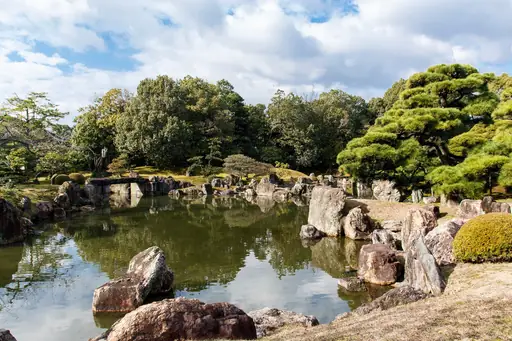
Nijo Castle is in central Kyoto with a subway stop at its gate. Tokugawa Ieyasu had it built in 1603. Floors in the Ninomaru Palace squeak on purpose to warn of intruders. They are called nightingale floors. UNESCO listed the castle in 1994. The Ninomaru Garden was designed for an imperial visit in 1626.
Other lists you may like

Discover
Top castle destinations and historic fortresses
For many travellers, a castle is the one stop on a trip that makes history feel real, but what counts as a great castle depends on what you picture when you hear the word. Some…
Read more
Discover
Best castle destinations in Africa
Africa has a fortress history that often surprises people, and a castle trip here usually feels very different from one in Europe. The continent has stone forts along the coast,…
Read more
Discover
Best castle destinations in Europe
Europe is where most of us look first when someone says castle and it's easy to see why, since the continent has many thousands of them. You can find tall towers above river…
Read more
Discover
Best castle destinations in North America
North America has a different kind of castle story and it's more about star-shaped forts and stone walls built to guard harbors and trade routes than about medieval towers. Some…
Read more
Discover
Best castle destinations in Oceania
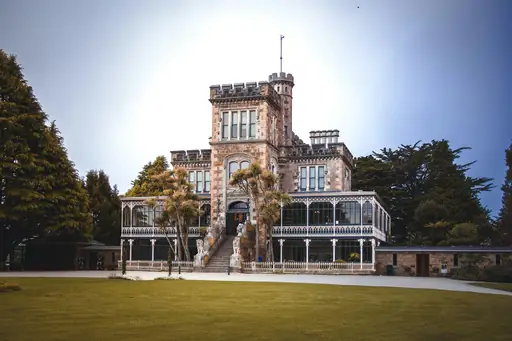
Australia and New Zealand have no real castle tradition of their own, and the two sites that come closest earn the label for very different reasons. Larnach Castle in Dunedin,…
Read more
Discover
Best castle destinations in South America
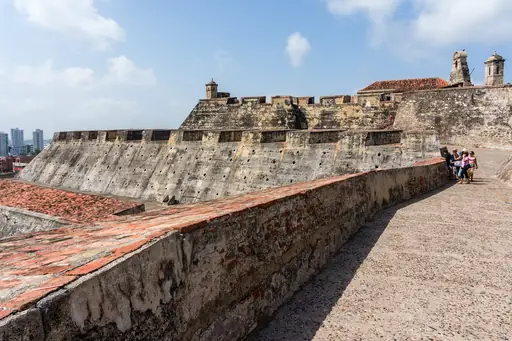
South America holds a handful of European-style castles built by wealthy immigrants and industrialists rather than medieval rulers, reflecting a very different kind of…
Read more
What other users say about travelfilters
“travelfilters made it easy for me to find ski areas and compare what else they offer, so that I could find the best place for my personal travel style.”

Chris
Snowboarding & Onsen trip to Japan
“I love how transparent the data feels. There is no pushy upsell, just honest information and settings I can tune to my own travel style.”

Maria
After booking her 2027 winter escape
“The level of detail for each destination and how well those are displayed, make planning feel confident instead of overwhelming.”

Mina
Planned a week in New York City
“We used travelfilters for our planning from start to end. The trip turned out even better than expected, thanks to all their tools and customization options.”

Allan & Etienne
Trip to Japan to see autumn foliage
“Thanks to travelfilters, I found some hidden gems to see. Being able to filter for exactly your interests is a game changer for my travel planning.”

Michael
Tour through the old cities of Northern Italy
“The customizable filters helped me find a quiet beach town with good wifi and low season crowds in under five minutes.”

Diego
Weekend Escape to Llanes, Spain
“The airport connection map saved me hours by showing good flight options from my home airport to lesser-known cities.”

Nguyen
Planning a 2027 trip to France
“The website is clean, fast and focused on the search itself, which makes travelfilters feel more like a professional tool than an ad-heavy booking site.”

Hassan
Christmas Market trip, Germany
