
Best castle destinations in Europe
Best castle destinations in Europe
Medieval stone strongholds and royal palace estates across Europe
Europe is where most of us look first when someone says castle and it's easy to see why, since the continent has many thousands of them.
You can find tall towers above river valleys, island fortresses on cold northern coasts, walled hill towns in the warm south and ruins that are mostly grass and a single archway. Some castles are still lived in or used for concerts, while others are quiet museums with an old kitchen and a long staircase. Prices, crowds and opening hours change a lot from one region to the next, so a little planning goes a long way.
Some of the castles on our European list fill up fast, so booking ahead usually helps, especially for the ones with guided tours. A bit of reading before you go makes any of them a lot more fun and you will notice more once you know who built the place and why.
Lists by region
City in Germany
Potsdam
Prussian palaces and lakes near Berlin
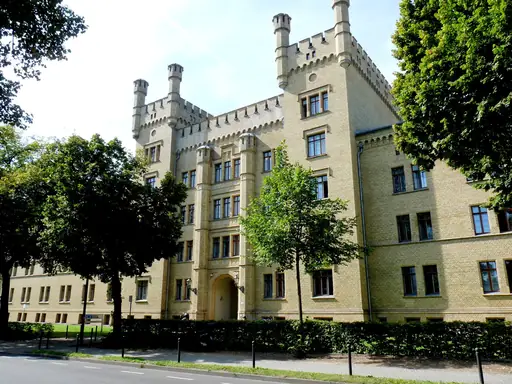
Cecilienhof Palace was built in a Tudor style with tall brick chimneys. The Potsdam Conference of 1945 took place in its halls. Visitors can see the table where the Allied leaders met. Babelsberg Castle and Sanssouci lie a short ride away in the same park landscape.
City in Germany
Dresden
Baroque Elbe city rebuilt from the ruins
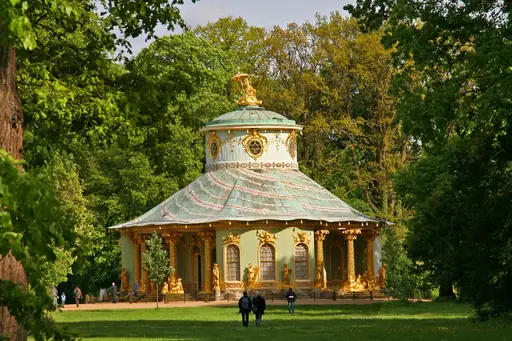
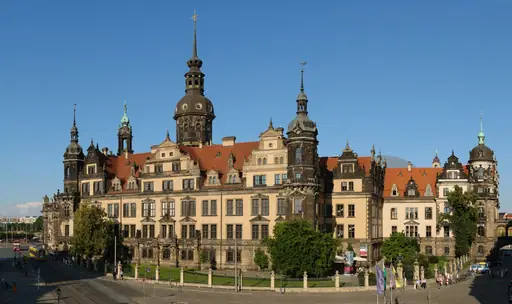
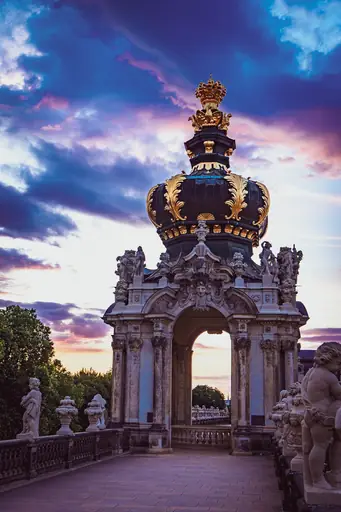
Rebuilt after 1945, the Royal Palace holds the Green Vault treasure rooms. The Zwinger nearby is a Baroque courtyard palace. Visitors can also see Moritzburg Castle, a Baroque hunting lodge on a lake just outside the city. Pillnitz Castle on the Elbe adds Chinese style roofs.
Village in Germany
Schwangau
Fairytale castles below the Alps
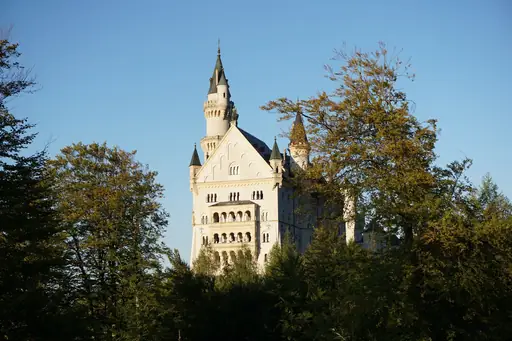
Hohenschwangau Castle stands above two lakes in a pastel yellow. Ludwig II grew up here as a boy. Maximilian II rebuilt the old fortress in the 1830s. Rooms inside keep painted scenes from German legends on the walls. A short walk leads through the forest to Neuschwanstein.
Region in Germany
Pfalz
Wine villages and a vast sandstone forest
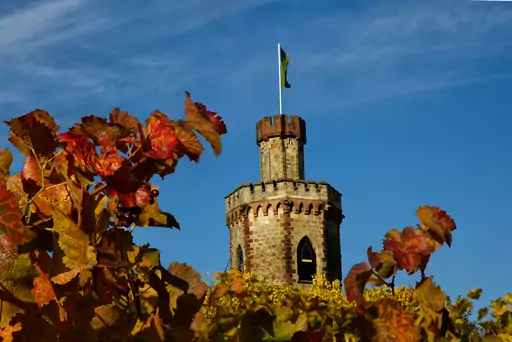
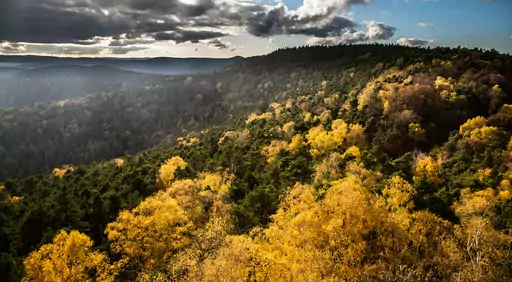
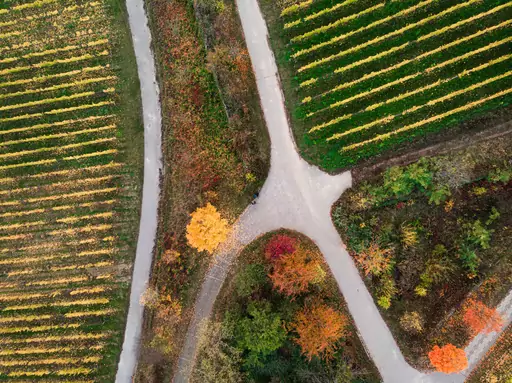
Hambach Castle sits on a hill above the vineyards of the Palatinate. In 1832 thousands gathered here to demand democracy and national unity. The ruin now holds an exhibition on this event. The wine villages below offer tastings and country inns serving hearty local dishes.
Region in Germany
Saxon Switzerland
Sandstone towers and Elbe valley hikes
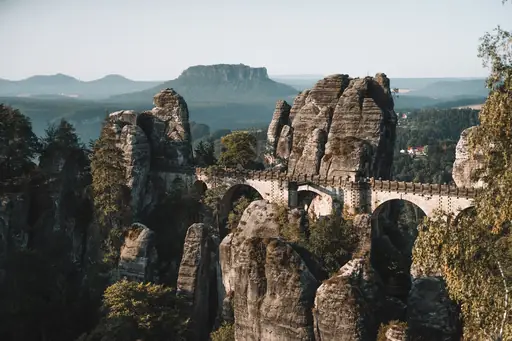
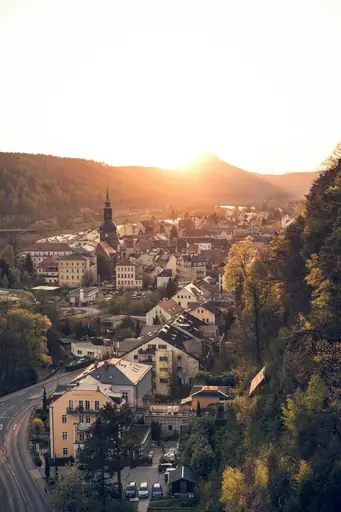
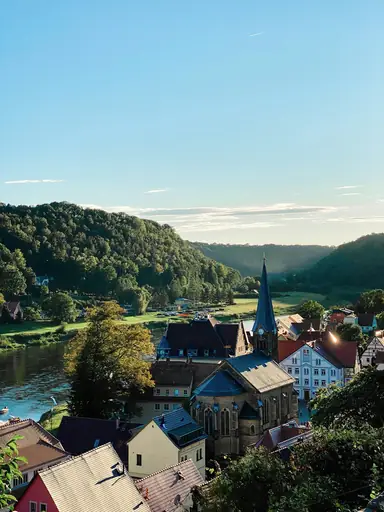
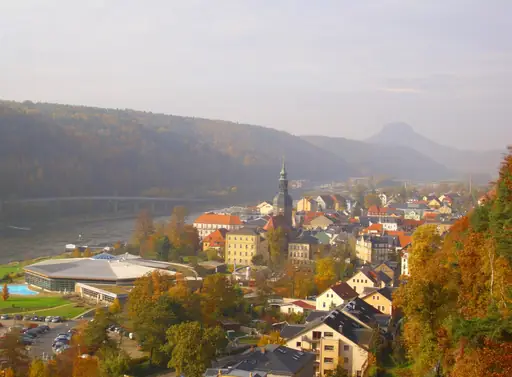
Konigstein Fortress sits on a sandstone table mountain about two hundred forty meters above the Elbe. Its well reaches one hundred fifty two meters into the rock. Museums and barracks fill the walled plateau. Nearby the Bastei rocks hold the ruins of Neurathen rock castle.
City in Germany
Nuremberg
Imperial castle, gingerbread and Christmas market
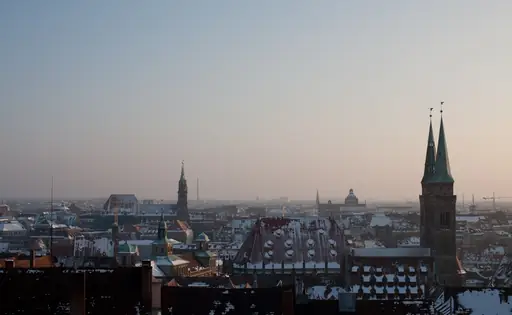
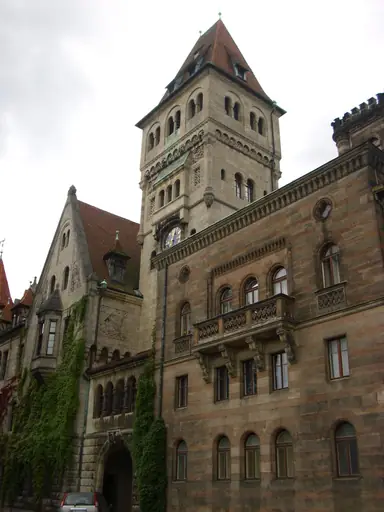
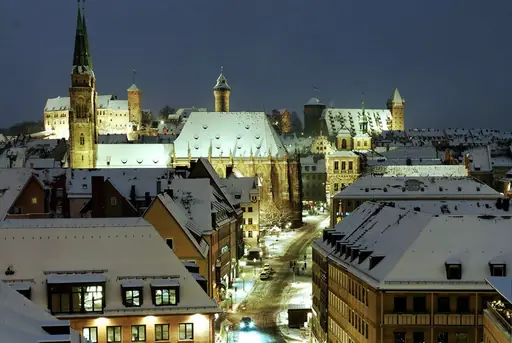
The Imperial Castle crowns a sandstone ridge above the old town. Emperors of the Holy Roman Empire stayed here during the Middle Ages. A deep well shaft plunges about fifty meters through the rock beside the courtyard. Visitors can climb the Sinwell Tower for wide views over the red roofs.
Region in Germany
Moselle Valley
Steep vineyards and riverside wine towns
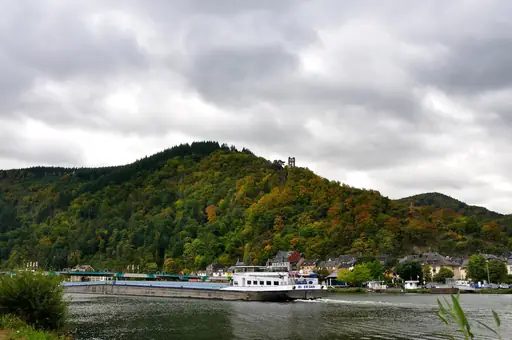
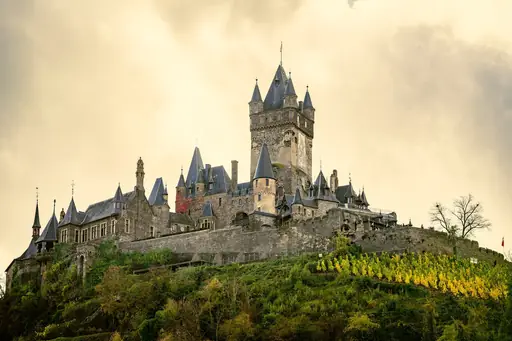
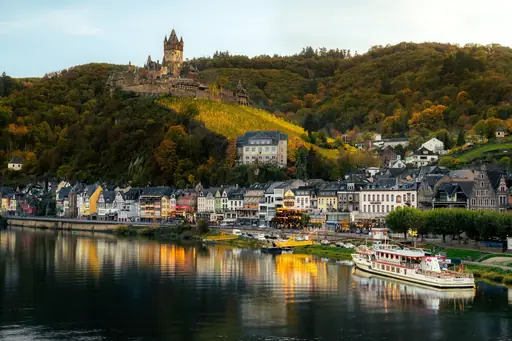
Reichsburg Cochem perches on a hill above the Moselle town. It was rebuilt in the nineteenth century in a neo Gothic style with turrets and painted rooms. Visitors can tour the interiors and look over the river bends. Vineyards cover the steep slopes below and reach the water.
Region in Germany
Bavaria
Alps, castles, beer gardens and old towns
King Ludwig II built fairy tale castles across this German state in the 1800s. Neuschwanstein, Linderhof and Herrenchiemsee are the most famous. Nuremberg's imperial castle overlooks a medieval old town in the north. Munich's Nymphenburg Palace adds baroque splendor for anyone who wants a city palace.
Region in Germany
Brandenburg
Lakes, palaces and Spreewald canals
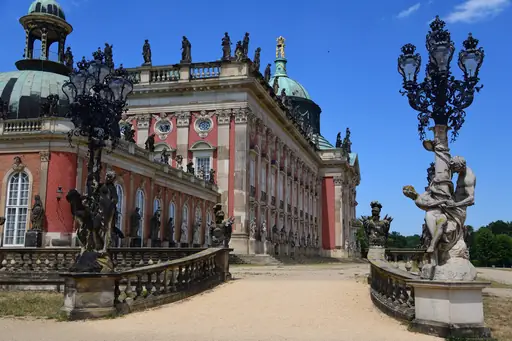
Sanssouci Palace in Potsdam was Frederick the Great's summer retreat. Its terraced vineyard and rococo rooms are UNESCO listed. Visitors can also see the New Palace and Cecilienhof, site of the 1945 conference. Lakes and parks tie the palaces together for long relaxed walks between visits.
City in Germany
Heidelberg
Castle ruin above the Neckar and old town
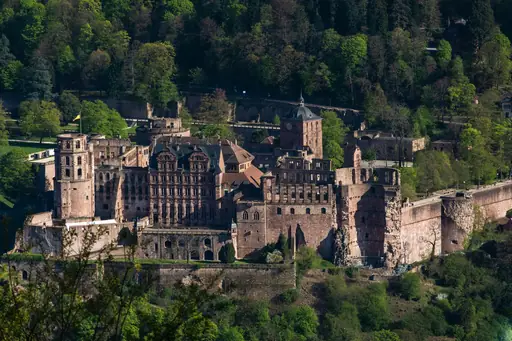
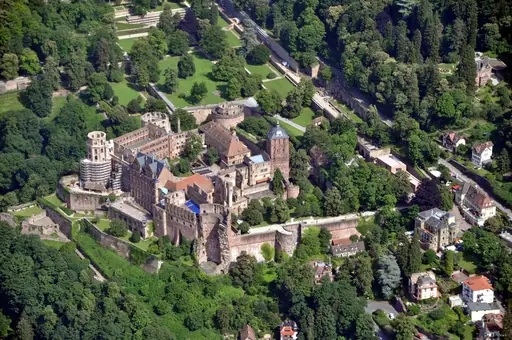
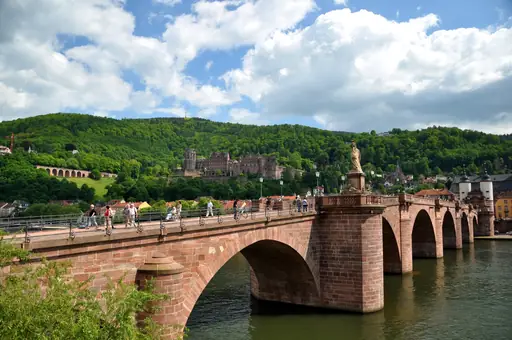
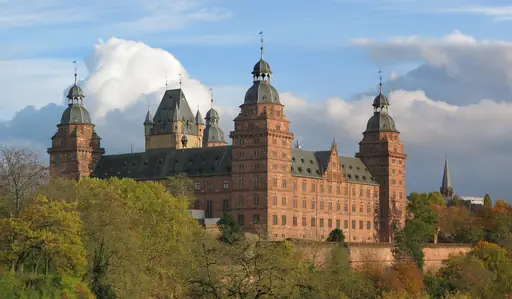
Red sandstone ruins rise above the Neckar river and the old town. Lightning and war damaged the palace in the 1600s and 1700s. The huge Heidelberg Tun barrel holds over 200,000 liters of wine. A funicular climbs from the old town to the castle for easy access.
Region in Germany
Franconia
Beer cellars, vineyards and Baroque palaces
Medieval castles and fortified towns fill this northern Bavarian region. Nuremberg's Imperial Castle and Würzburg's Residenz are highlights of the region for visitors. Veste Coburg crowns a hill above its town with wide views over the countryside. Bamberg's old town adds UNESCO charm nearby for a longer trip.
City in Germany
Würzburg
Baroque palace, fortress and Franconian wine
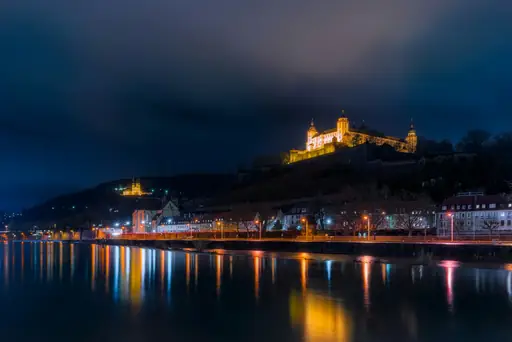
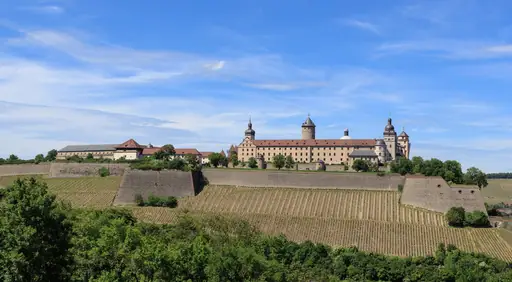
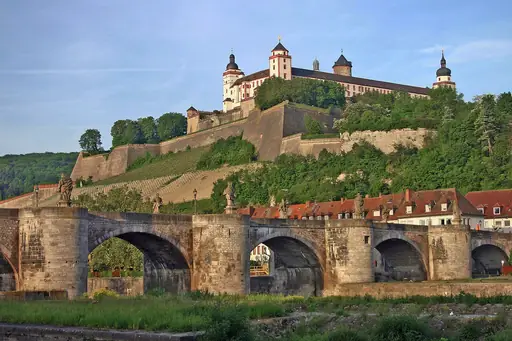
Marienberg Fortress stands on a hill above the Main river and vineyards. Prince bishops lived here for centuries before moving into town. A museum inside displays works by the sculptor Tilman Riemenschneider. A path through the vines leads up from the Old Main Bridge and rewards walkers with views.
Region in Germany
Rheingau-Taunus-Kreis
Riesling slopes and Taunus woods
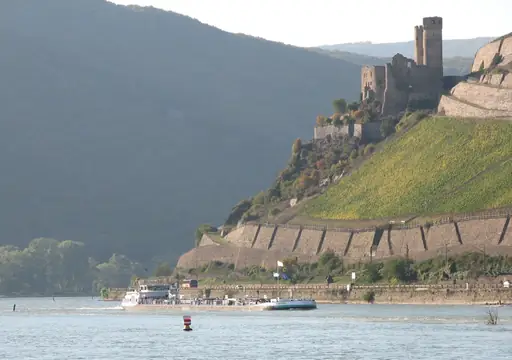
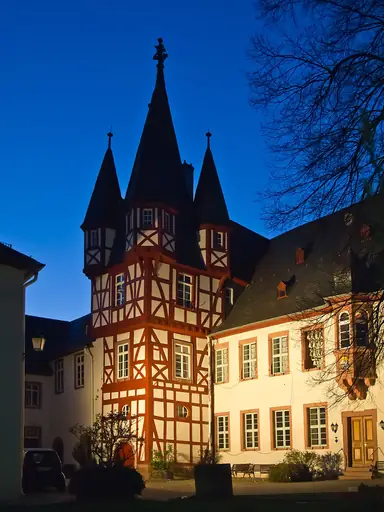
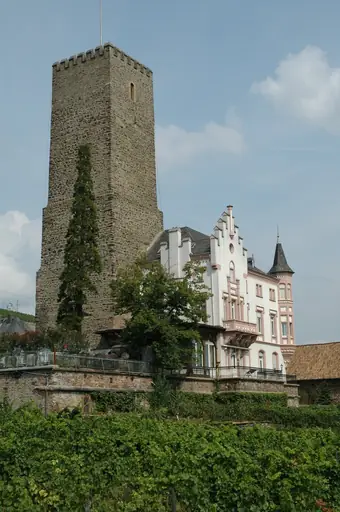
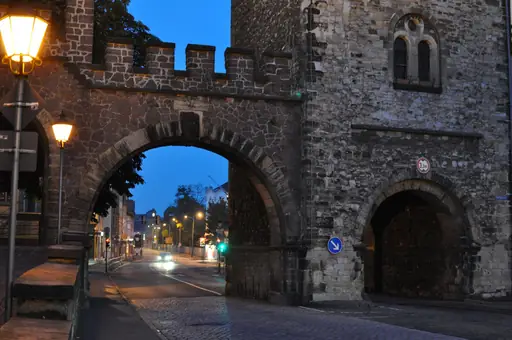
The Bromserburg in Rudesheim houses a museum of Rhine wine culture. Its thick stone walls rise beside the river. The ruin of Ehrenfels stands high above the water nearby. Rhine cruises pass castles every few kilometers along this valley and the vineyards climb the slopes above.
Region in Germany
Thuringia
Goethe's Weimar, the Wartburg and the Rennsteig
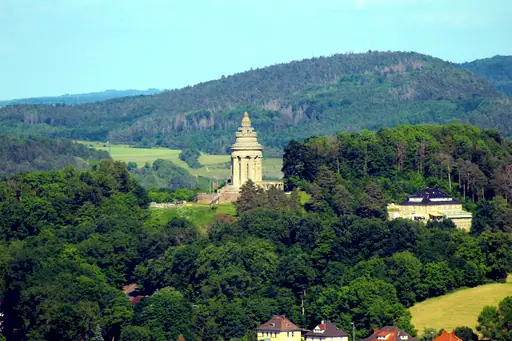
Wartburg Castle crowns a wooded hill above the town of Eisenach. Martin Luther hid here in 1521 and translated the Greek Bible into German. Visitors can see the small paneled room where he worked. UNESCO lists the castle as a World Heritage site and hikers enjoy the forest trails around it.

Town in Germany
Füssen
Alpine old town near the royal castles
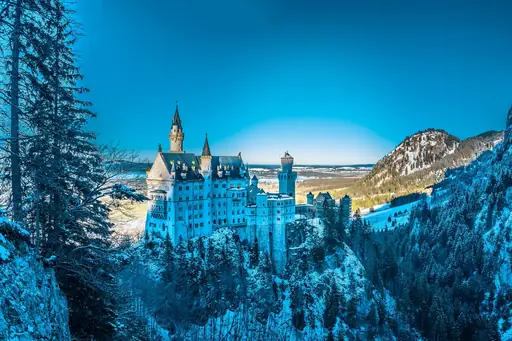
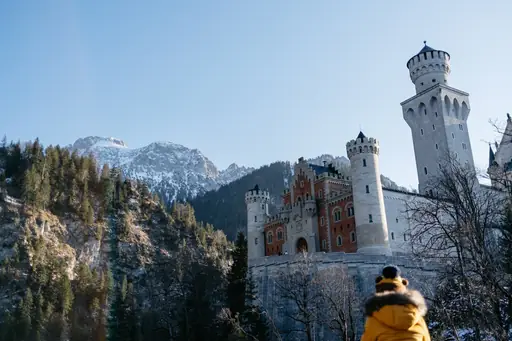
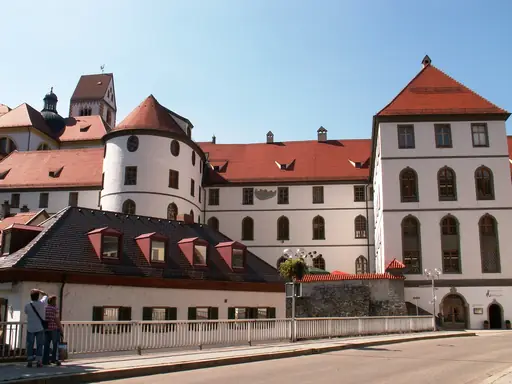
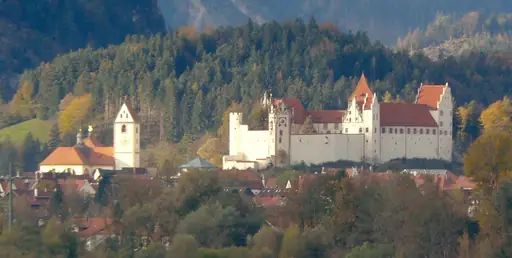
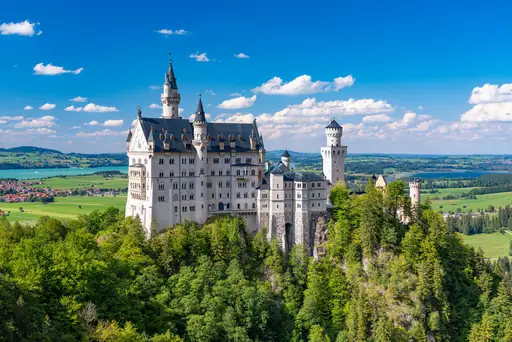
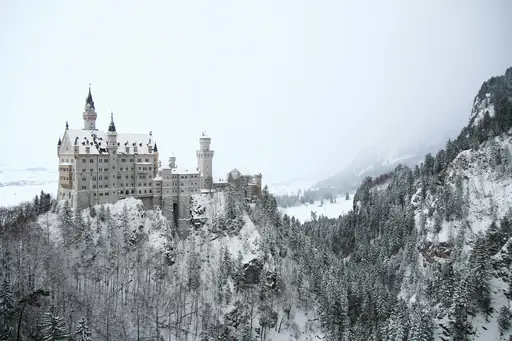
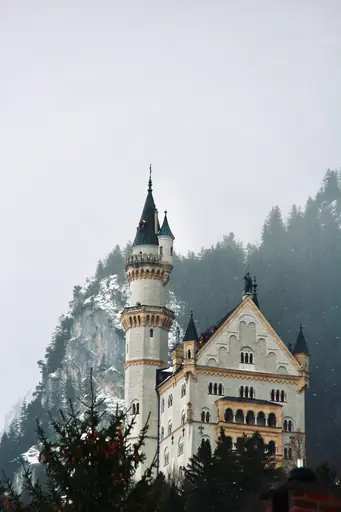
Neuschwanstein Castle rises above the town in the Bavarian Alps and draws crowds each year. King Ludwig II began building it in 1869. Visitors can hike to Marienbrücke bridge for the classic view of the castle and the valley. Hohenschwangau Castle, Ludwig's childhood home, lies just below.
Castle in Germany
Neuschwanstein Castle
Ludwig II's unfinished castle above a gorge
King Ludwig II began building Neuschwanstein in 1869 as a dreamlike retreat. The Singers' Hall and the Throne Hall glow with painted murals and gold. The king lived there only a short time. The Marienbrucke bridge gives the famous view of the castle above the gorge.
Castle in Germany
Burg Eltz
Family-owned medieval castle in a forest valley
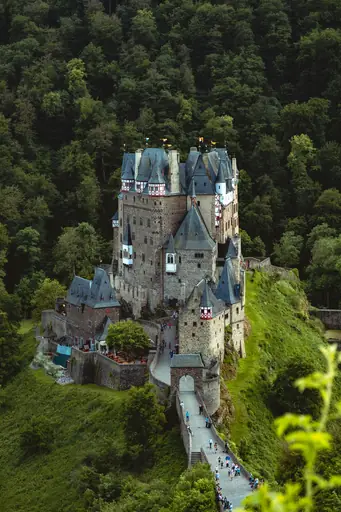
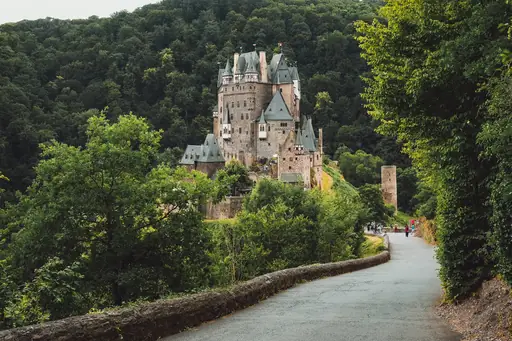
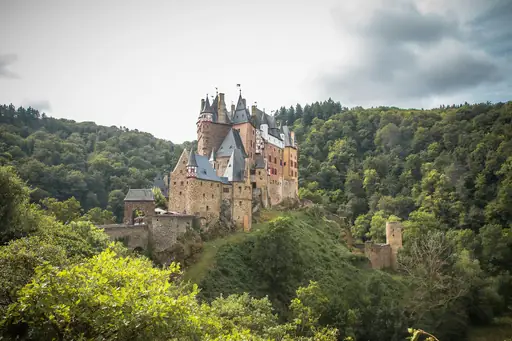
Burg Eltz hides in a forested valley above the Elzbach stream. The same family has owned it for about eight hundred fifty years. Tall half timbered tower houses crowd its rocky hill. A woodland path from the car park leads to a view of the whole castle.
Other lists you may like
Discover
Top castle destinations and historic fortresses
For many travellers, a castle is the one stop on a trip that makes history feel real, but what counts as a great castle depends on what you picture when you hear the word. Some…
Read more
Discover
Best castle destinations in Africa
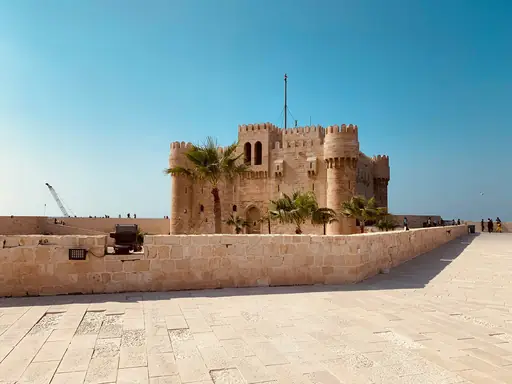
Africa has a fortress history that often surprises people, and a castle trip here usually feels very different from one in Europe. The continent has stone forts along the coast,…
Read more
Discover
Best castle destinations in Asia
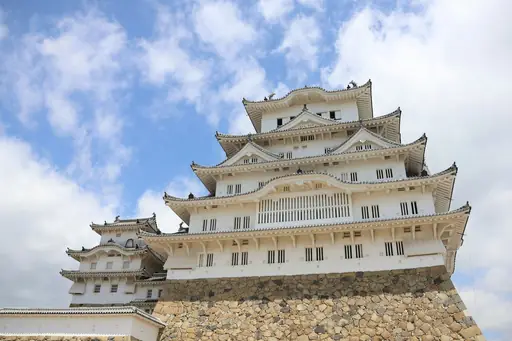
Asian fortresses come in more shapes than most people picture, from wooden-roofed keeps on stone bases to huge sandstone forts with walls that run for miles. Asia has everything…
Read more
Discover
Best castle destinations in North America
North America has a different kind of castle story and it's more about star-shaped forts and stone walls built to guard harbors and trade routes than about medieval towers. Some…
Read more
Discover
Best castle destinations in Oceania
Australia and New Zealand have no real castle tradition of their own, and the two sites that come closest earn the label for very different reasons. Larnach Castle in Dunedin,…
Read more
Discover
Best castle destinations in South America
South America holds a handful of European-style castles built by wealthy immigrants and industrialists rather than medieval rulers, reflecting a very different kind of…
Read more
What other users say about travelfilters
“travelfilters made it easy for me to find ski areas and compare what else they offer, so that I could find the best place for my personal travel style.”

Chris
Snowboarding & Onsen trip to Japan
“I love how transparent the data feels. There is no pushy upsell, just honest information and settings I can tune to my own travel style.”

Maria
After booking her 2027 winter escape
“The level of detail for each destination and how well those are displayed, make planning feel confident instead of overwhelming.”

Mina
Planned a week in New York City
“We used travelfilters for our planning from start to end. The trip turned out even better than expected, thanks to all their tools and customization options.”

Allan & Etienne
Trip to Japan to see autumn foliage
“Thanks to travelfilters, I found some hidden gems to see. Being able to filter for exactly your interests is a game changer for my travel planning.”

Michael
Tour through the old cities of Northern Italy
“The customizable filters helped me find a quiet beach town with good wifi and low season crowds in under five minutes.”

Diego
Weekend Escape to Llanes, Spain
“The airport connection map saved me hours by showing good flight options from my home airport to lesser-known cities.”

Nguyen
Planning a 2027 trip to France
“The website is clean, fast and focused on the search itself, which makes travelfilters feel more like a professional tool than an ad-heavy booking site.”

Hassan
Christmas Market trip, Germany
