



Laitr Keiows, CC BY-SA 3.0, via Wikimedia Commons
Asia › Japan › Kobe

Kobe

Scroll
Harbor city with hills, beef and hot springs

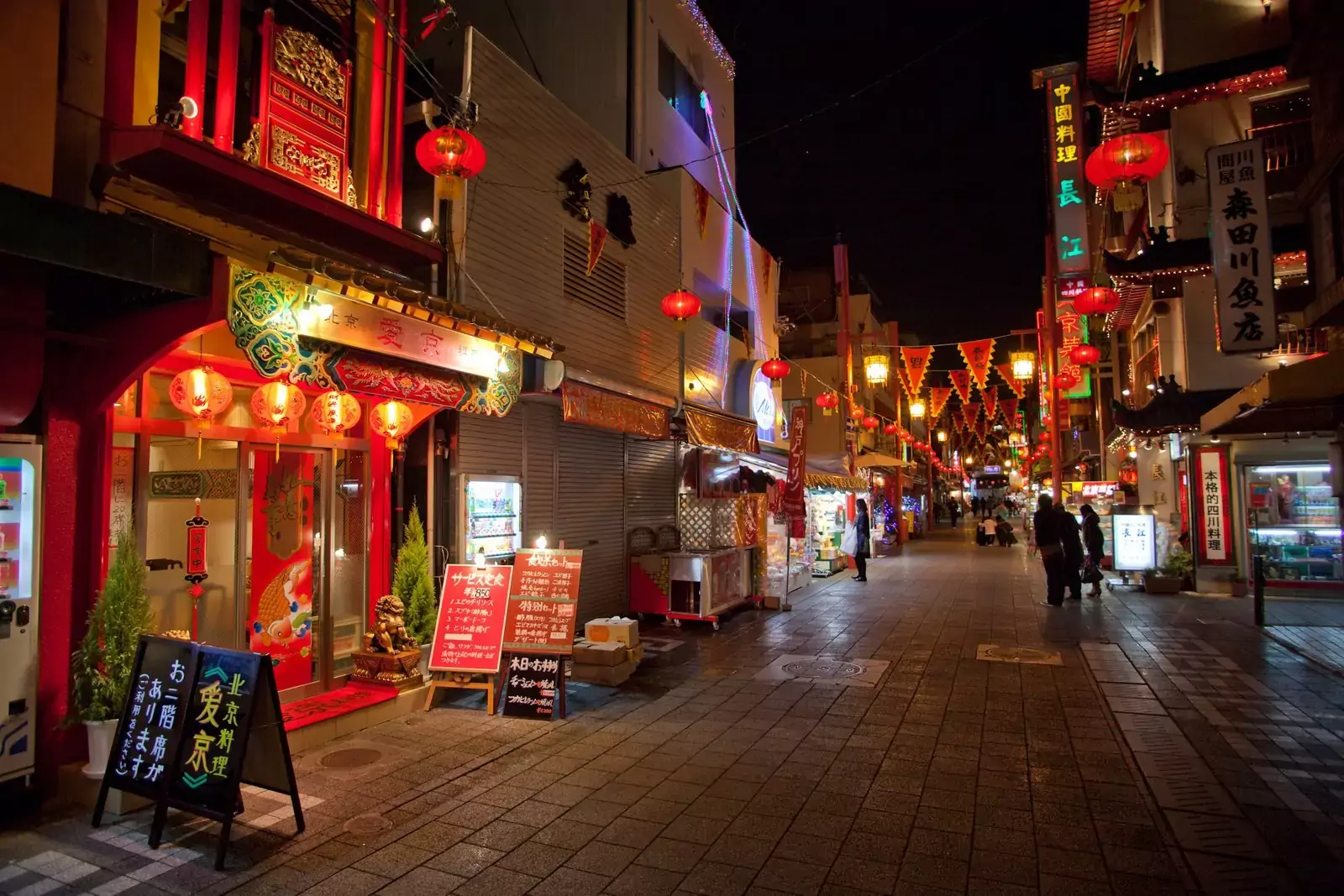
Kobe is a port city in Hyogo Prefecture along Osaka Bay with the Rokko mountains close behind. The port opened to foreign ships in 1868 and the foreign settlement left Western-style houses on the hillside at Kitano and a Chinatown near the center. Visitors can walk the waterfront at Meriken Park and Harborland, ride a cable car up Mount Rokko for the night view or take a bus to Arima Onsen. The center is compact between Sannomiya and the harbor, so a day covers the main sights and two days leave time for the mountain and the hot springs.

City in Japan
Climate zone: Humid subtropical

Humid subtropical: Warm temperate climates with hot, humid summers, mild winters and evenly distributed rainfall, common on eastern continental margins.

See climate table
Price level: $$$
$Cheap
$$Medium
$$$Expensive, upscale
$$$+Very expensive, luxury
See price details
Safety: 8.9
General Safety:9
Health & medical:9
Accessibility:8
Tap water:9
Read details
Tourist English: 3/5
English is moderately available, especially at hotels, major attractions, and transport hubs. Signage and menus often include English, but smaller shops or restaurants may have limited English – translation apps can be helpful.
Last update: Oct 20, 2026
* We earn a commission from some links on this page.
Kobe Summary

These place ratings give you a quick overview of how well a destination matches different types of trips.

"Best for" scores:
The specific interest scores show where this place really shines – whether it's ideal for hiking, food & drink experiences, museums or other activities. These highlights help you understand what makes the destination special at a glance.

"Your personal" scores:
This reflects how well a place matches your personal preferences. You can adjust the importances of travel topics or other personal requirements categories in your account settings.

"Suited for" badges:
These give you a quick overview of how well a destination suits specific types of travelers, to help you find the places that match your lifestyle, preferences or travel situation.

Read how our scores work
Strong in food culture and harbor city views. Enjoy famous Kobe beef restaurants, stroll waterfront promenades, ride mountain cable cars and explore lively shopping districts.
Place score
7.8
Best at:
Spotless
9
Local cuisine
9
Spirits
9
Large cities
8
Hot springs
8
Personal score
?
Log in to see how this place matches your personal travel interests.
Suited for
👶 7
Families
🧓 7
Seniors
🛡️ 9
Travel Beginners
👩 9
Solo
Japan – Quick facts
Power Grid: 100 V, 50 Hz
Plug: Type A
Type A:
Diagram of a Type A power plug

Read about power adapters
Currency: Japanese Yen (JPY)
$1 ≈ ¥158
Cashless info: Rating 4/5
Cashless payments are becoming more common, especially in cities, with some shops still preferring cash. Be prepared for occasional cash-only situations in rural areas.

Save with a travel credit card
eSIM providers: Best value: Saily
Flexibility: Airalo
Read our in-depth comparison
Tipping: Tipping is not customary in Japan and can be considered rude. Excellent service is the norm, and tipping is unnecessary in most places.
Public drinking: Public drinking is legal and commonly accepted, particularly during festivals and events.
Public smoking: Smoking is prohibited in indoor public places but allowed in designated outdoor areas. Some restaurants may have smoking sections.
New Year
(January)
One of the most important holidays, expect crowded temples and high prices. Plan ahead.
Golden Week
(April-May)
The busiest travel time, expect high demand for accommodation and transportation.
Obon
(August)
A time to honor ancestors, many businesses close, and transportation can be crowded.
Emergency contact: Emergency Number: 110 (Police), 119 (Fire & Ambulance)
Taxi apps: Uber, JapanTaxi, DiDi
Other: Japan is a country of respect, so understanding local customs and etiquette is important. Public transportation is efficient, but can be crowded during peak hours.
Best times to travel

The best times to travel section shows how the months compare for a visit, so you can find the time of year that fits what you want to do.

Background colors of the months:
The color shows the typical temperature: yellow (hot), green (mild) and blue (cold). How strong the color is shows the travel season: full color means high season, soft color means shoulder season and soft-striped means off season.

Weather symbols:
Each month has one symbol showing what the weather is typically like, such as hot and sunny, freezing or a rainy or snowy season. Use them to quickly spot months that match the weather you want, or to avoid the ones that don't.

Crowdedness:
The people icon shows how busy the place usually is. The more people, the more crowded it gets.

Additional notes:
The gray info boxes point out special things worth knowing, like recurring weather issues or seasonal events.

for Kobe, Japan
🌤️
Jan
🌤️
Feb
🌤️
Mar
🌤️
Apr
☀️
May
🌤️
Jun
🌦️
Jul
🔥
Aug
☀️
Sep
☀️
Oct
☀️
Nov
🌤️
Dec
High season: April - May, Oct. - Nov.
Shoulder season: March, Sep., Dec.
Crowdedness: 6 (Many tourists)
Tap on a month for more info Hover over a month for more info
Typhoon season August to September can disrupt ferries, trains and flights
Kobe Luminarie light festival runs early to mid December

Why travel to Kobe?

Kobe is a contrast between harbor and hills. The port opened to foreign trade in 1868 and merchants from abroad built their homes on the slope at Kitano. A few of these Western-style houses, known as Ijinkan, are open to visitors and include the Weathercock House. Kitano is a short walk from Shin-Kobe Station, so it makes an easy first stop after arriving by Shinkansen. The waterfront is the second draw. Meriken Park has the Port Tower and the Kobe Maritime Museum. Harborland next door has red brick warehouses and the umie MOSAIC shopping mall. Harbor cruises leave from here and the Port Tower and Ferris wheel have night views. West of Sannomiya, Nankinmachi is the Chinatown and street food is its highlight. A memorial museum in the east of the city covers the 1995 earthquake and disaster prevention. The mountains and hot springs add a second day. Mount Rokko is 3,100 ft high and has more than 70 hiking trails. Cable cars and ropeways, including the Rokko Cable and the Maya Viewline, reach the mountain. The Kikuseidai viewpoint on Mount Maya is ranked among Japan's three great night views. Arima Onsen in the hills to the north is one of the country's most famous hot spring towns and has an iron-rich bronze-colored spring and a colorless carbonate one. East of the center, the Five Villages of Nada have brewed sake for centuries.

🏙️Cities & Regions
  • 1 Arima Onsen
    A hot spring town within Kobe's city limits on the far side of Mount Rokko. Two kinds of water feed the public baths and ryokan, brown iron-rich kinsen and clear carbonated ginsen. The compact center is easy to walk.
🏯Places worth seeing
  • 1 Kobe Chinatown
  • 2 Kobe Port Tower
  • 3 Kobe Maritime Museum
  • 4 Kobe City Museum
  • 5 Ikuta Shrine
🎡Places for activities
  • 1 Hakutsuru Sake Brewery Museum
  • 2 Kobe Luminous Hotel
  • 3 KOBE Animal Kingdom
  • 4 Kobe Kitano Museum
  • 5 UCC Coffee Museum
  • 6 Kobe Gakuin University Port Island Campus
🏞️Natural landmarks
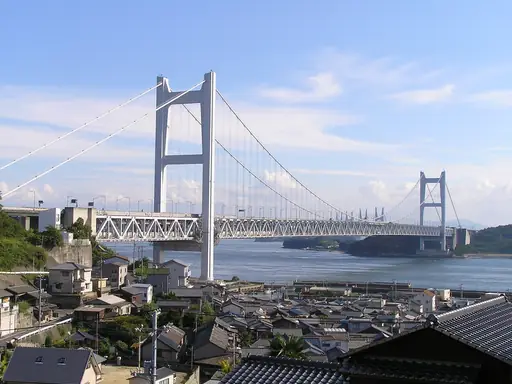
  • 1 Akashi Kaikyō Bridge
  • 2 Two kinds of granite forming Mount Rokko
  • 3 Meriken Park
  • 4 Arima Onsen
  • 5 Sorakuen Garden
  • 6 Rokko Alpine Botanical Garden
  • 7 Nunobiki Odaki Waterfall
  • 8 Kobe Brick Warehouse Harbor Stores
  • 9 Port Island
  • 10 Kobe Nunobiki Herb Garden
  • 11 Seto Inland Sea
🛍️Shopping
  • 1 Kobe Chinatown
  • 2 Sannomiya Center Gai Shopping Street/East Side
  • 3 Kobe HarborLand umie
  • 4 Daimaru
  • 5 Rokko Island
  • 6 Kobe Harborland
  • 7 Motomachi Shopping Street (Nankinmachi Mae)
  • 8 Kitano Meister Garden
🍽️Eat & Drink
  • 1 Steak Misono Kobe Main Store
    Founded in 1945, Misono is recognized as the original teppanyaki steak restaurant and serves Kobe beef with minimal seasoning, grilled at the counter. It is at 1-1-2 Shimoyamatedori in Sannomiya, about two minutes from Hankyu Sannomiya Station.
  • 2 Kobe Plaisir
    Kobe Plaisir is operated by the Hyogo agricultural cooperative and serves certified Kobe beef as teppanyaki, shabu-shabu and steamed dishes alongside Hyogo-grown rice and vegetables. It is in Isogami-dori, a short walk south of Sannomiya Station.
  • 3 Mouriya Honten
    Mouriya has served certified Kobe beef since 1885, preparing steak at teppanyaki counters. Its main branch is in Sannomiya’s Kitanozaka area, near the bars, restaurants and shopping streets north of Sannomiya Station.
  • 4 Kobe Steak Ishida Kitanozaka
    Kobe Steak Ishida serves certified Kobe beef as teppanyaki, steak, sukiyaki and shabu-shabu, using beef supplied through its meat-wholesaler operation. It is on Kitanozaka in Sannomiya, near Ikuta Shrine and the Kitano Ijinkan district approach.
  • 5 Kobe Beef Steakland Kobe-kan
    Steakland offers counter-grilled Kobe beef and other Hyogo wagyu in a comparatively casual teppanyaki setting. It is at 1-9-17 Kitanagasadori in Sannomiya, immediately near the major rail-station exits.
  • 6 Nagata Tetsujin
    Nagata Tetsujin serves sobameshi, a Kobe working-class dish of chopped yakisoba stir-fried with rice, as well as okonomiyaki and bokkake beef-tendon dishes. It is in Shin-Nagata, near the Tetsujin 28-go statue and JR Shin-Nagata Station.
  • 7 Okonomiyaki Aomori
    Aomori is a longstanding Shin-Nagata okonomiyaki shop serving sobameshi and bokkake, sweet-savoury braised beef tendon with konnyaku. It is in the Nagata district west of central Kobe, close to Shin-Nagata Station and local shopping streets.
  • 8 Motomachi Cake
    Motomachi Cake is a classic Kobe patisserie known for simple fresh-cream sponge cakes, especially its long-running Zakuro cake. It is in Motomachi, between Sannomiya and Nankinmachi, near the old foreign-settlement shopping area.
  • 9 Kouran Nankinmachi
    Kouran serves Chinese dishes and takeaway snacks in Kobe’s Nankinmachi Chinatown, with Kobe beef buns among its local specialities. It is at the Nankinmachi central square, a short walk from Motomachi Station and Meriken Park.
  • 10 Ganso Gyozaen
    Ganso Gyozaen is a Nankinmachi specialist in handmade dumplings, including Kobe beef gyoza. It is at 1-2-2 Motomachidori, beside Nankinmachi’s central square and near Motomachi Station.
🎈Events
  • Nankinmachi Chinese New Year
  • Kobe Fireworks Display
  • Ikuta Shrine Festival
  • Infiorata Kobe Flower Festival
  • Kobe Christmas Market
  • Kobe Matsuri (May)
  • Kobe Umi no Bon Odori (August)
  • Kobe Jazz Street (October)
  • Luminarie Light Festival (December)
  • Nada Sake Festival (October)
  • Kobe Marathon (November)
  • Port Festival (July)
  • Kobe Beef Festival

Knowledge before you go

  • A one-day City Loop bus pass pays off after about three rides.
  • Check return times before going up Mount Rokko since the cable cars stop far earlier than city trains.
  • Express buses from Sannomiya reach Arima Onsen in about 25 minutes for ¥600 ($3.79) one way.
  • Lunch sets at beef restaurants usually cost much less than dinner courses so lunch is the cheaper way to try Kobe beef.

How to travel to Kobe

Most visitors arrive by train from Osaka or Kyoto. The JR Kobe Line takes about 20 to 25 minutes from Osaka to Sannomiya and the Hankyu and Hanshin lines run in parallel. Some Shinkansen services stop at Shin-Kobe Station in the hills near Kitano. Others stop at Shin-Osaka, a short ride away, so check which one your train uses. Kobe Airport is on a man-made island and the Port Liner reaches Sannomiya in about 18 minutes. Many international visitors land at Kansai International Airport instead. A high-speed ferry links it with Kobe Airport in about 30 minutes. Cruise ships and ferries also use the port and a car adds little in the center.

Access summary

  • From Kobe Airport (UKB): Port Liner to Sannomiya, about 15–20 minutes.
  • From Osaka (Umeda/Namba): JR or private lines to Kobe, roughly 25–35 minutes.
  • From Kansai Airport (KIX): Limousine bus or train, usually around 1–1.5 hours.

Where to stay in Kobe

Most visitors stay around Sannomiya and Motomachi, where hotels, restaurants and all the train lines are within walking distance. Shin-Kobe suits travelers with an early Shinkansen and is close to Kitano. The waterfront around Meriken Park and Harborland has larger hotels with harbor views and the evening lights next door. Arima Onsen, about 30 minutes from downtown, is the place to stay for ryokan with hot spring baths and a quieter evening. Rooms there usually fill first on weekends and in autumn. Kobe is close enough to Osaka and Kyoto that many people stay there and visit as a day trip. A night in the city lets you see the harbor and the mountain lights.

How to get around Kobe

The central area between Sannomiya Station and the harbor is flat and easy to walk. Kitano is on a steep slope above it so allow extra time or take a taxi.

City Loop bus:
The retro City Loop bus links Sannomiya, Kitano, Chinatown, Meriken Park and Harborland.
A ride costs about ¥260 ($1.64) and a one-day pass about ¥700 ($4.42).

Trains and cards:
Three train lines run east to west with JR the fastest and the subway starts around ¥210 ($1.32).
The Port Liner, an automated train, runs from Sannomiya to Kobe Airport in about 18 minutes for roughly ¥340 ($2.15).

Cards and hours:
An IC card such as ICOCA, Suica or PASMO works on trains, subways and buses.
Most trains stop around midnight and the mountain cable cars stop much earlier.

Food in Kobe

Kobe beef is the famous order, with Chinatown street food, sake and a few snacks from Arima Onsen as the other highlights. Vegetarians will find the meat focus hard, so it helps to ask about the stock in noodle and soup dishes.

Kobe beef:
Kobe beef comes from Tajima cattle raised in Hyogo Prefecture and has to meet strict standards for marbling and meat quality.
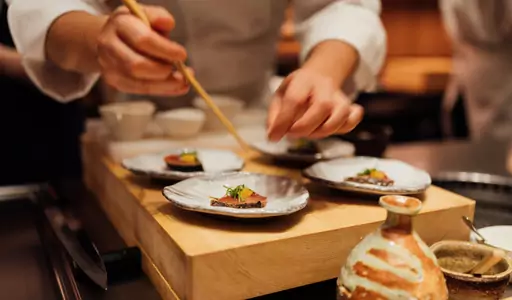
Many steakhouses cook it on a teppan griddle at the table. Prices are high, so expect to pay well above ordinary beef.

Nankinmachi:
Nankinmachi, the Chinatown, is the easiest place for street food such as steamed buns and fried snacks.
It's a good option when you want something quick and cheaper than a steakhouse.

Sake and snacks:
The Nada district is known for sake and several of its breweries have museums with tastings.
At Arima Onsen look for tansan senbei, crisp crackers made with carbonated spring water.

Budget snapshot
Costs compared to home

We calculate the average costs when traveling to destinations and compare those with the living costs at your home. With this you can get an estimate of how expensive or cheap the destination is for you.

To customize this, you can set up which location and price level are used for the calculations in your account settings.

-52 %
Daily expenses in Kobe are around 52% lower than the average across United States. That means you'll spend a lot less on meals and getting around.
Exchange rate trend

The exchange rate price factor shows how expensive or cheap a currency currently is compared to its historical average. It's a quick way to see if a country is currently more or less affordable due to exchange rate changes.

-17 %
Your exchange rate (USD to JPY) is 17% better than in recent years. That means traveling now is considerably cheaper compared to the past.

Travel costs

To help you plan your trip, we provide estimated daily costs per person (when traveling as a pair) for different travel styles. These numbers give you an idea of what you might spend each day at this destination, including accommodation, food, transport and activities.

Additionally, we also provide average hotel costs for different travel styles to give you an estimate for the accommodation only.

Please note that these are only estimates. The real costs depend on booking times, season and other factors.

Daily cost summary

Travel style categories explained:

Backpacker:
Staying in hostels or budget hotels, cooking your own meals or eating cheap and choosing low-cost activities.

Mid-range:
Staying in mid-range hotels, eating at a mix of restaurants and casual spots and enjoying a variety of activities.

Luxury:
Staying in luxury hotels, dining out at high-end restaurants and enjoying premium experiences without worrying about the price.

Backpacker Mid-range Luxury
💵 Total costs per day, including accommodation
$53
$154
$362
🏨 Accommodation per night, per person
$23
$105
$210
🍝 Food per day
$24
$41
$121
🚕 Transportation per day
$6
$8
$31
Food & Drink
🍽️ Restaurant Dinner, per person
$14
🍛 Lunch Set, per person
$7
🍟 Fast food combo
$5
🍝 Preparing your own food, per day
$10
☕ Cappuccino
$2.80
🍺 Beer in a restaurant, 0.5 l / 16 oz
$2.90
Transportation
🚌 Public transport ticket
$1.40
🚕 Taxi Ride, 10 km / 6 mi
$19
⛽ Gas, 1 l / ¼ gal
$1.10
Other
🎞️ Movie ticket
$12
👩‍⚕️ Doctor's consult
$19
🤧 Cold medication
$9.50
💇 Basic haircut
$21

Safety information overview

General safety
9
Kobe is very safe with low crime and busy streets around Sannomiya in the evening. Typhoons and heavy rain in late summer and autumn can disrupt trains and mountain lifts. Hillside paths get slippery in rain.
Health & Medical
9
Medical care is good with large hospitals and many clinics across the city though English is limited at smaller practices. Pharmacies are easy to find. Summers are hot and humid so heat is the main everyday risk. Travel insurance is sensible.
Accessi­bility
8
The flat streets near Sannomiya and the waterfront are easy to roll along and the main stations have lifts. Kitano and the hillside streets above it are steep with stairs. Arima Onsen has steep slopes too but its station has ramps and lifts.
Tap water
9
Tap water in Kobe is safe to drink like in the rest of Japan. Vending machines and convenience stores sell bottled water and cold drinks across the center. Summer is hot and humid and the hillside walks are steep so carry a refillable bottle.

Looking for inspiration?

Discover
Top street food cities and local culinary markets
The best street food destinations treat the cart, stall, or hawker counter as a serious culinary format rather than a budget substitute for a real meal. In cities with strong…
Read more
Discover
Best couple vacation destinations in Asia
Asia is perfect for couples who want their holiday to feel like a shared adventure rather than just a change of scenery. Few continents offer so many ways to be amazed together.…
Read more
Discover
Top cruise destinations and major routes
Cruise travel has evolved considerably beyond its traditional demographic and now encompasses everything from large resort ships carrying thousands of passengers to small…
Read more
Discover
Best winter illumination destinations in Asia
East Asian cities turn entire districts into large-scale lighting installations each winter, drawing crowds specifically for the display rather than any single landmark. A northern…
Read more
Discover
Best destinations for first-time travelers in Asia
Asia has one of the best established beginner travel routes anywhere, largely because so many first time travelers have worn the path before you. Southeast Asia in particular…
Read more
Discover
Best street food destinations in Asia
Walk through almost any city in Asia after dark and the real dinner rush is often happening on the sidewalk rather than inside a restaurant. Southeast Asia has some of the…
Read more
Discover
Best solo travel destinations in Asia
Asia is where most solo travelers figure out they can actually do this. The backpacker trails through Southeast Asia have been running for decades, and the infrastructure along…
Read more
Discover
Top solo travel destinations and safe hubs
Traveling alone sounds like a bigger deal than it is. The first day feels strange – eating dinner by yourself, navigating without someone to double-check the map with, making every…
Read more
Discover
Best couple vacation destinations
Travelling as a couple sounds simple enough, yet the best couple vacation destinations mean something different to almost every pair. What feels romantic to one couple can feel…
Read more
Discover
Best cruise destinations in Asia
Asia's cruise offer ranges from the established port-hopping itineraries of Southeast Asia and the river cruising networks of the great continental waterways to the remote…
Read more
Discover
Best destinations for first-time travelers
A first trip abroad works best somewhere that eases you in, rather than throwing every possible culture shock and logistical headache at you at once. Some first-time travelers…
Read more
Discover
Top fine dining cities and culinary destinations
Some cities earn a reputation for food that goes well beyond a handful of well-reviewed restaurants. Fine dining destinations tend to have a deeper culinary infrastructure,…
Read more
Discover
Top winter illumination destinations and light displays
Winter light displays turn the shortest, darkest part of the year into one of the most visited seasons in cities that take it seriously. A serious illumination destination invests…
Read more
Discover
Top food destinations and culinary hotspots
Food travel has matured into a sophisticated circuit built around the world's great culinary traditions, restaurant destinations and producer landscapes that offer experiences…
Read more
Discover
Best food destinations in Asia
Asia's food cultures are among the most diverse and sophisticated on earth, with distinct culinary traditions across dozens of regional cuisines that developed largely…
Read more
Feedback