
Best food destinations in Asia
Best food destinations in Asia
Busy street food markets and iconic culinary capitals across Asia
Asia's food cultures are among the most diverse and sophisticated on earth, with distinct culinary traditions across dozens of regional cuisines that developed largely independently of western influences and reward dedicated exploration. The continent's street food traditions represent some of the world's most compelling eating, with hawker centres, night markets and roadside stalls delivering extraordinary quality at accessible price points.
The relationship between landscape, agriculture and local cuisine is unusually direct, with regional ingredient specialities, fermentation traditions and cooking techniques varying considerably even within individual countries. Cooking schools, market tours and producer visits are widely available and deliver context that restaurant eating alone cannot provide.
Food safety standards vary considerably by country and adjusting eating habits gradually on arrival reduces digestive disruption. Dietary restrictions require advance research as specific ingredients are fundamental to many regional cuisines. Your money goes a long way making extended food-focused itineraries practical across multiple countries.
Lists by region

City in Japan
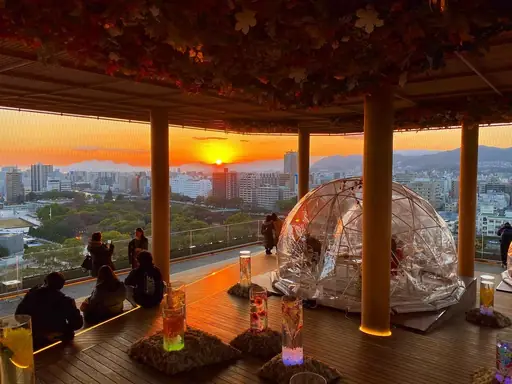
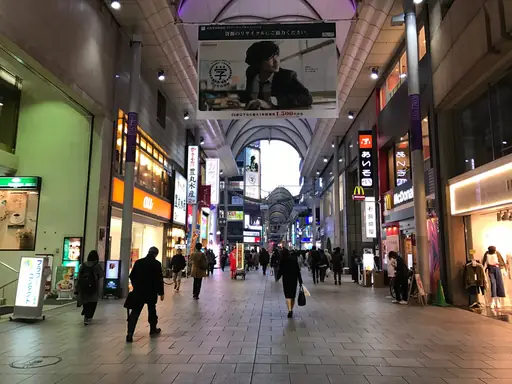
Hiroshima
Peace Park, okonomiyaki and Miyajima ferry
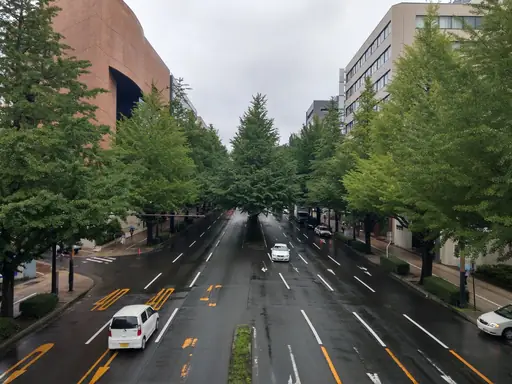
Locals eat okonomiyaki, a savory pancake, in layers rather than mixed up. Cabbage, noodles and egg are stacked in order on a hot griddle. Try it at Okonomimura, a building packed with small stalls on several floors. Oysters from the nearby bay are grilled or fried.
City in Japan
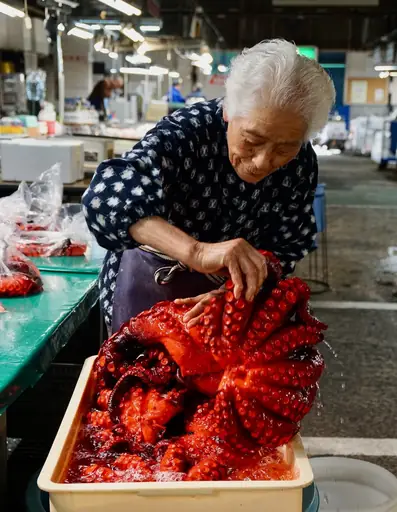
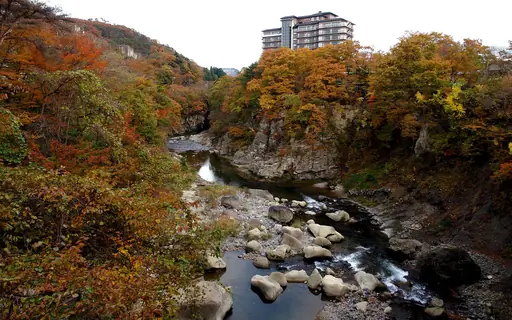
Sendai
Tohoku's biggest city with samurai roots
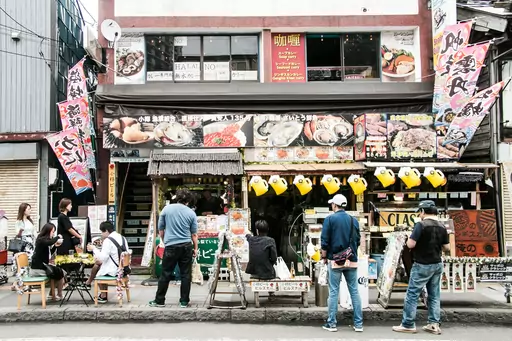
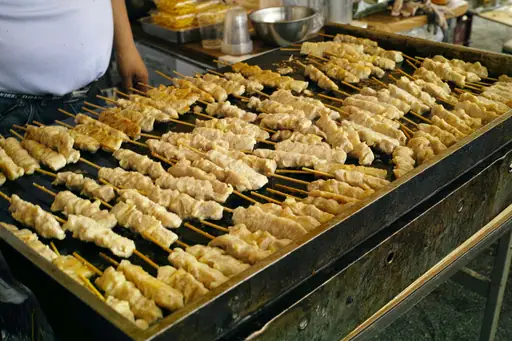
Gyutan grilled beef tongue is the signature dish of this northern city. Fish cakes, zunda mochi and oysters from nearby Matsushima Bay round out local menus. Visitors can eat at gyutan restaurants near the station. Local sake from Miyagi prefecture ends the night well for most diners.

State/Prefecture in Japan
Hokkaido
Volcanoes, powder snow and fresh seafood
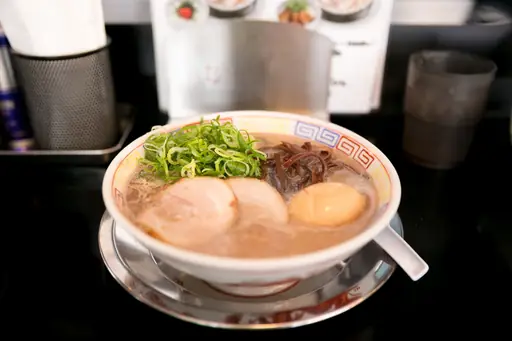
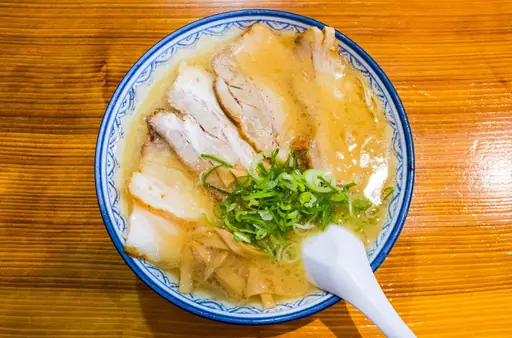
Settlers from across Japan came to this northern island in the 1870s and built a farming and fishing economy. Cold seas bring crab, sea urchin and scallops. Sapporo is where miso ramen began in the 1950s. Dairy is big too, with fresh milk and soft ice cream.
City in Japan
Fukuoka
Kyushu's biggest city, known for yatai and ramen
On Kyushu's north coast, this port city is the home of tonkotsu ramen, made with a creamy pork bone broth. After dark yatai, small open air food carts, line the riverside. Order a bowl with a side of mentaiko, which is spicy cod roe. Locals slurp it fast at the counter.
City in Japan
Tokyo
Japan's capital of temples, towers and food
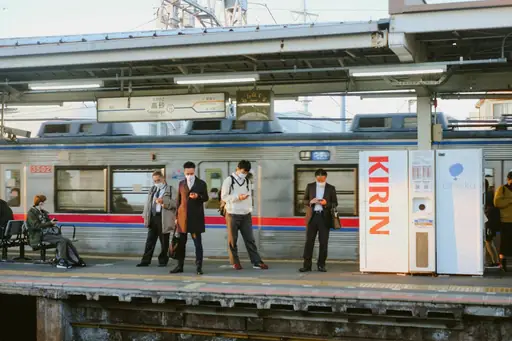
Sushi counters, ramen shops and izakayas cover every budget in Japan's capital. The Tsukiji outer market and Toyosu offer fresh seafood in the mornings. Visitors can eat standing at tiny yakitori stalls in Omoide Yokocho. Department store food halls sell bento, sweets and wagashi to take home.
Island in Japan
Kyushu
Volcanoes, onsen and tonkotsu ramen
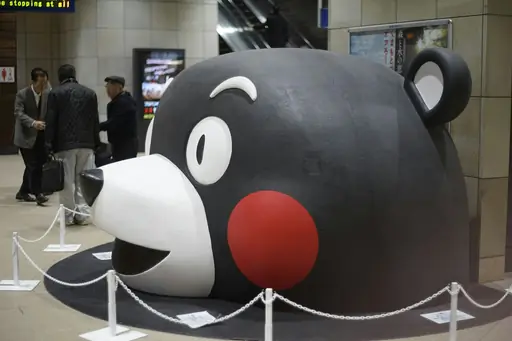
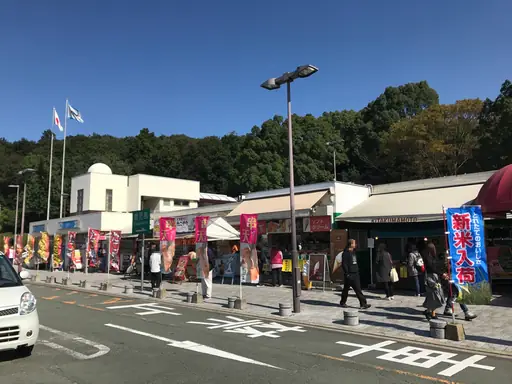
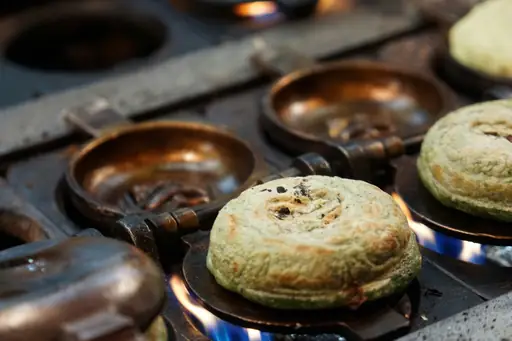
Japan's southwestern island serves several distinct ramen styles from Hakata to Kumamoto. Shochu, chicken dishes and Nagasaki champon show strong regional pride. Visitors can eat food steamed by volcanic vents in the hot spring town of Beppu. Yatai stalls and onsen towns make food trips easy.
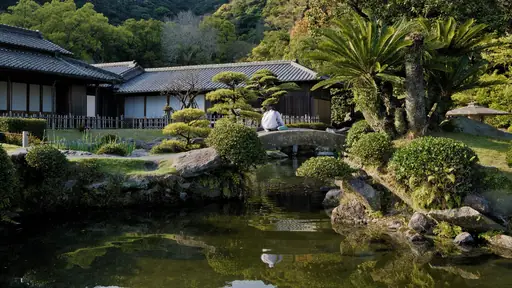

City in Japan
Kagoshima
Volcano views, samurai history and black pork
Kurobuta black pork from southern Kyushu is the pride of local menus. Satsuma cooking also brings fish cakes, sweet potatoes and shochu spirits. Visitors can eat with views of the Sakurajima volcano across the bay. Shirokuma shaved ice makes a cool dessert stop on warm days.
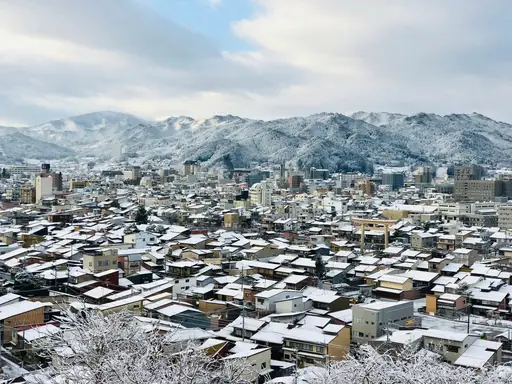
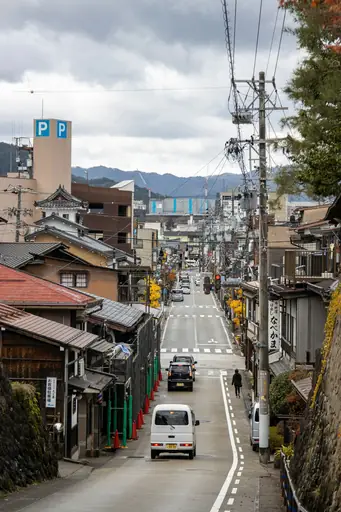
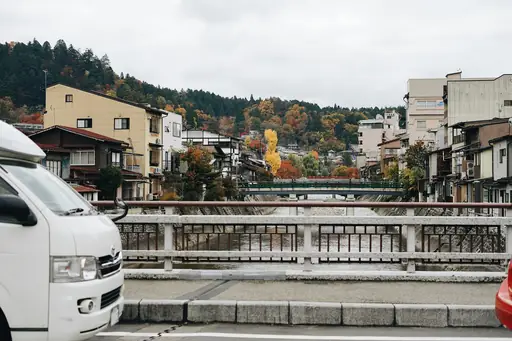
City in Japan
Takayama
Old town, morning markets and Hida beef
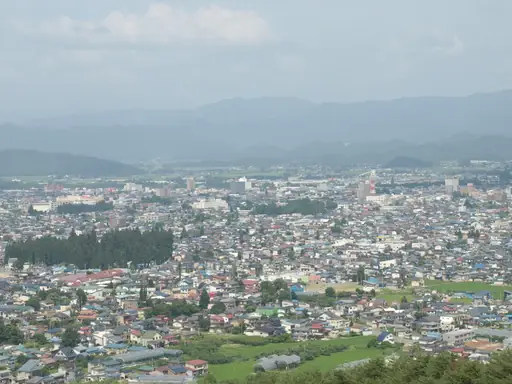
By 7 am sellers are setting up along the Miyagawa river for the morning market. They sell pickles, fresh vegetables and mitarashi dango, grilled rice dumplings glazed in soy sauce. Later try Takayama ramen, which has thin curly noodles in a light soy broth. Visit the old sake breweries next.
City in Japan
Yonezawa
Uesugi castle town, beef and snow lanterns
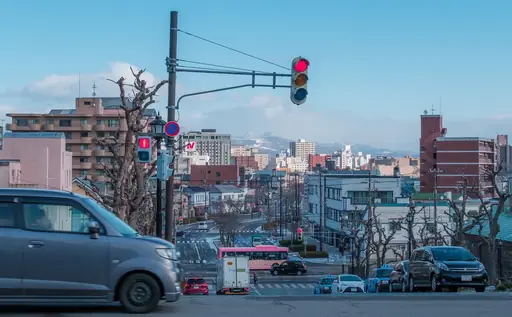
Marbled wagyu raised in the Okitama basin is the pride of this castle town. Samurai lords of the Uesugi clan promoted carp farming and simple local dishes. Visitors can try the beef as sukiyaki, steak or yakiniku at family run restaurants. Curly ramen noodles and local sake round out the menu.

City in Japan
Hakodate
Harbor night view, seafood and a star fort
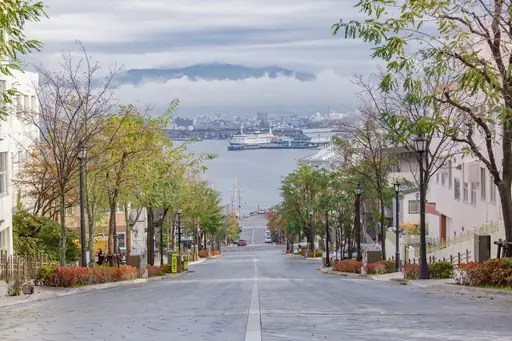
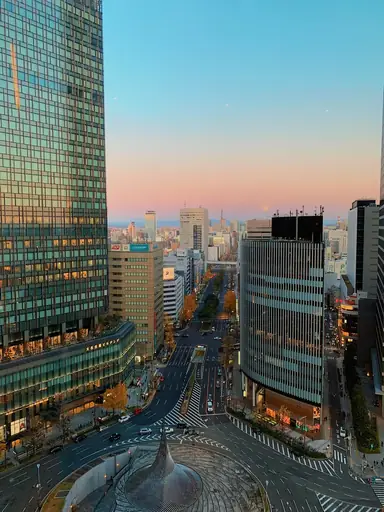
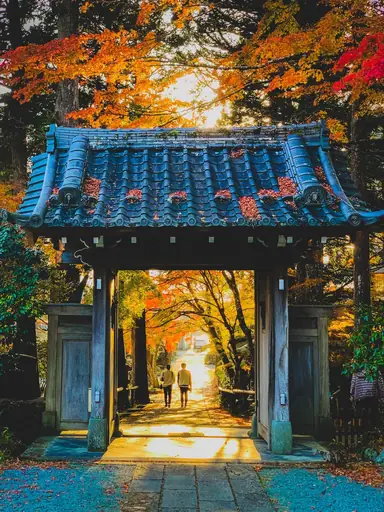
Hakodate was one of the ports opened to foreign ships in 1854. The harbor still brings in fresh squid. At the morning market you can catch squid yourself in a tank and have it served as sashimi. Warm up after with a bowl of salty shio ramen.
City in Japan
Nagoya
Castle, car makers and miso-rich food
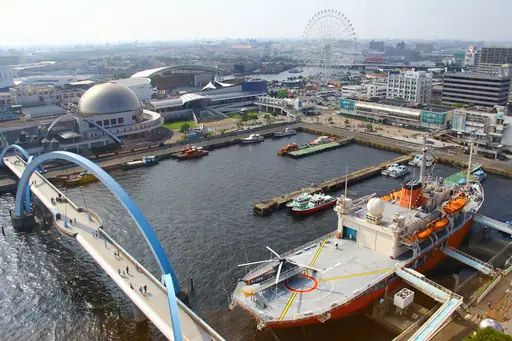
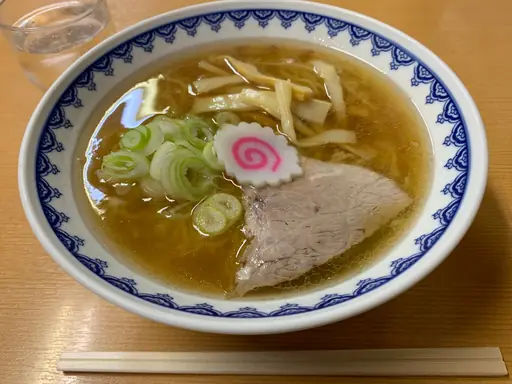
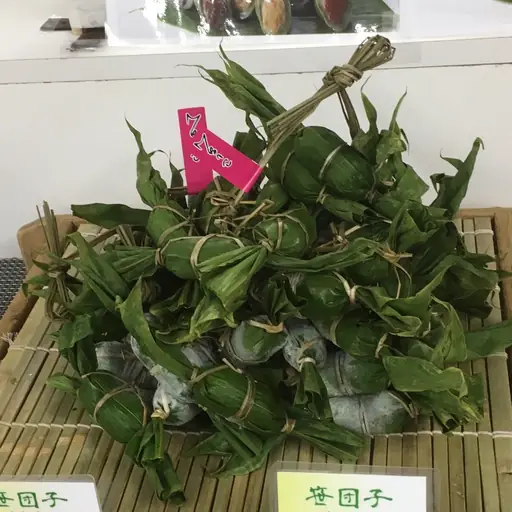
Rich red miso flavors define the local cooking style called Nagoya meshi. Hitsumabushi eel, miso katsu and tebasaki chicken wings are local favorites. Visitors can eat at Osu Kannon's street stalls and the noodle shops near Atsuta Shrine. Coffee shops serve big morning sets with toast and eggs.
City in Japan
Niigata
Rice, sake and the Sea of Japan
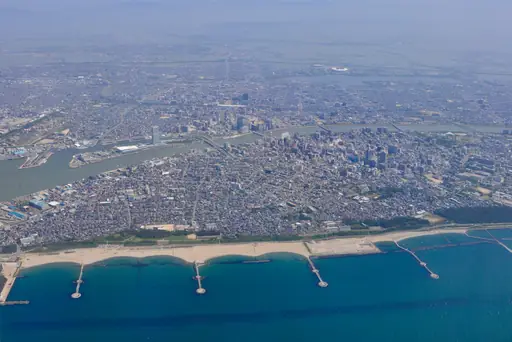
Rice paddies and snowmelt water produce some of Japan's most loved rice. Nearly ninety sake breweries operate in the prefecture. Visitors can taste sake, fresh seafood and hegi soba noodles. The Ponshukan tasting hall at the station lets visitors try dozens of local sake for a small fee.

City in Japan
Sapporo
Snow festival city with ramen and beer
Miso ramen was invented in the city and has spread across Japan. Soup curry, Genghis Khan lamb barbecue and fresh seafood also draw crowds. Visitors can eat at Ramen Alley and Nijo Market. Beer gardens serve cold local lager with grilled lamb in a historic brewery setting.
Country
Singapore
Tropical city-state of hawker food and gardens
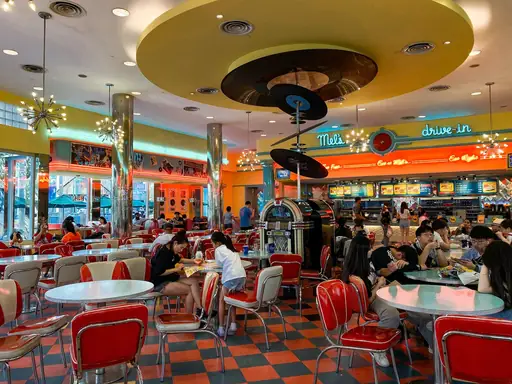
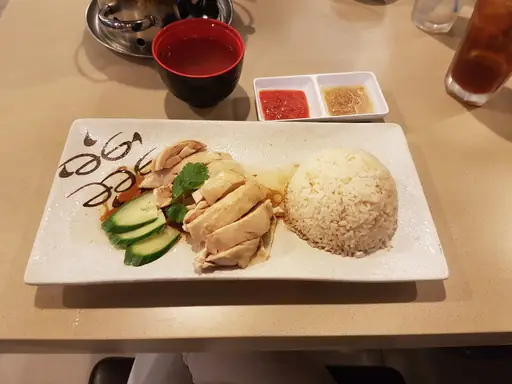
Hawker centres serve Chinese, Malay and Indian dishes at very low prices. Chicken rice, chili crab, laksa and kaya toast are local classics. Visitors can eat at Maxwell, Lau Pa Sat and Tekka hawker centres. UNESCO added the city's hawker culture to its heritage list in 2020.
City in Japan
Osaka
Castle, neon canals and street food
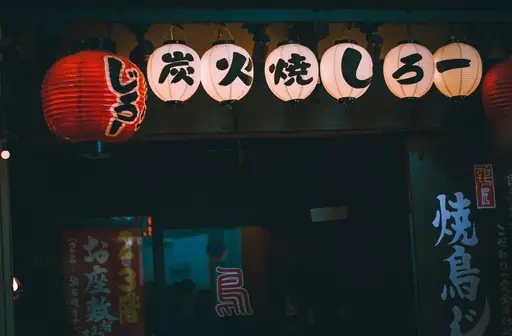
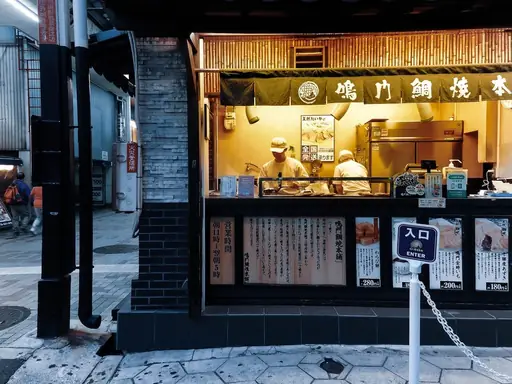
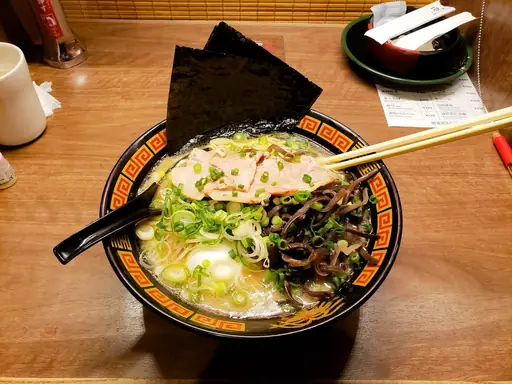
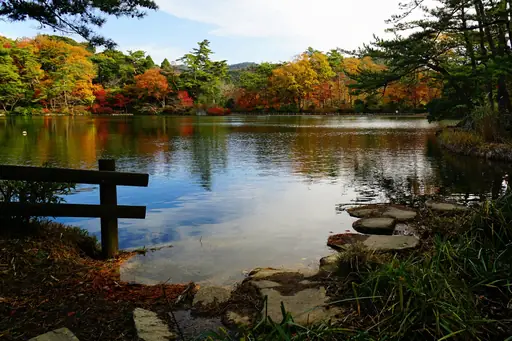
Locals call the city the nation's kitchen and take eating very seriously. Takoyaki, okonomiyaki and kushikatsu fill the streets around Dotonbori. Visitors can eat until dawn at street stalls and izakayas. The local phrase kuidaore means to eat until you drop. Locals really mean it.
City in Japan
Kobe
Harbor city with hills, beef and hot springs
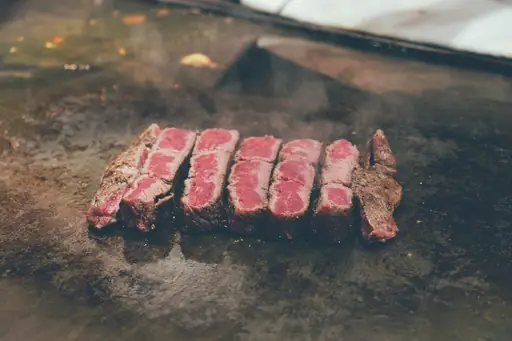
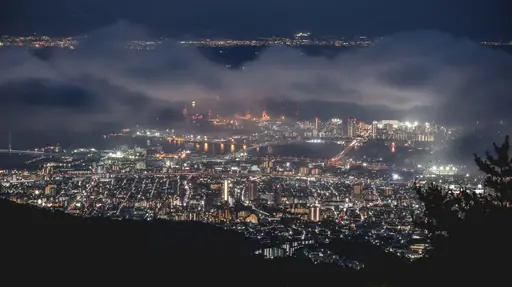
Marbled Kobe beef is graded strictly and served in steak houses across the city. Visitors can compare teppanyaki counters with quieter grill restaurants near Sannomiya. Nankinmachi Chinatown adds dumplings and street snacks. Nearby Nada breweries supply sake. Old bakeries recall the port's foreign trading days.
City in Japan
Yamagata
Tohoku castle town near Yamadera and Zao
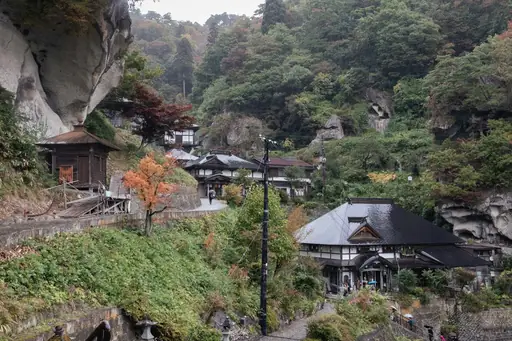
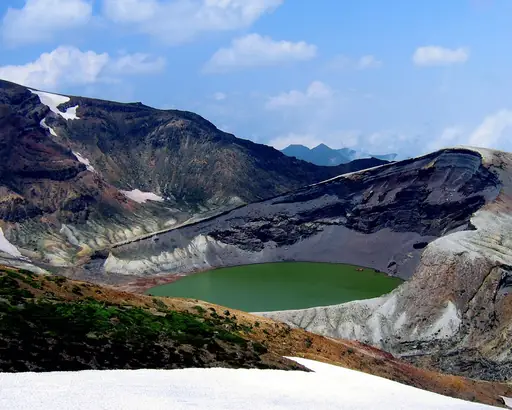
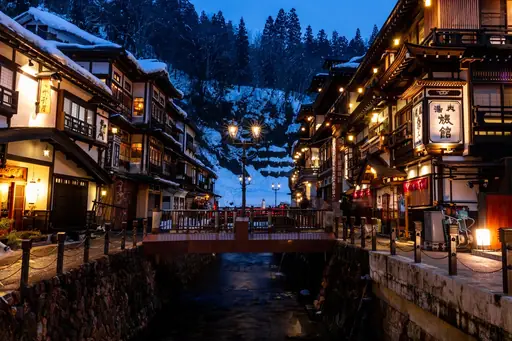
Soba noodles and mountain vegetables define this northern region's cooking. Imoni taro stew is cooked in giant pots on riverbanks each autumn. Visitors can taste cherries, sake and Yonezawa beef. Hot spring towns like Ginzan Onsen add cozy dinners in old wooden inns nearby for tired hikers.
City in Japan
Kyoto
Temples, geisha districts and kaiseki dining
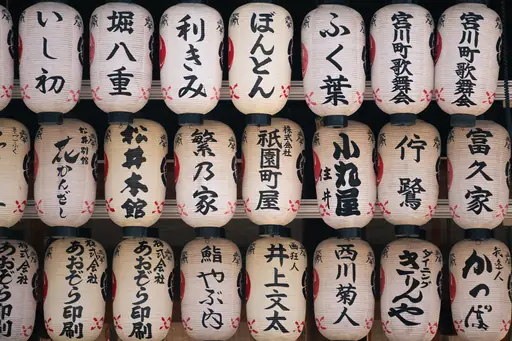
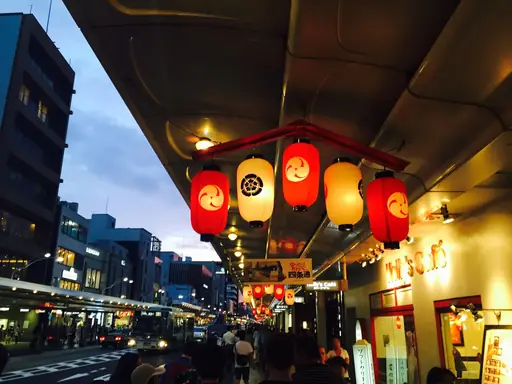
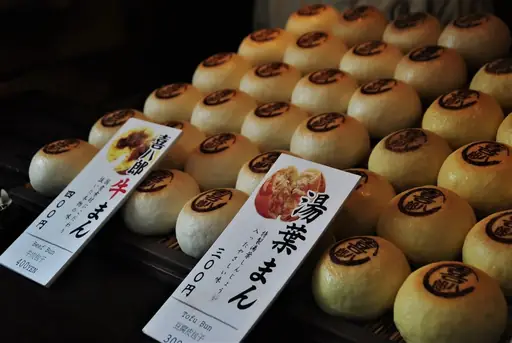
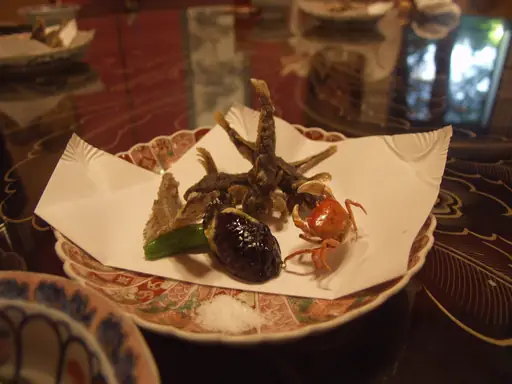
Kaiseki, the multi course meal of seasonal dishes, was refined in this former imperial capital. Tofu, pickles and matcha sweets also show the city's delicate style. Visitors can browse Nishiki Market and dine in old machiya townhouses. Michelin starred restaurants sit alongside humble noodle shops.
City in Japan
Kanazawa
Samurai streets, gold leaf and Kenrokuen garden
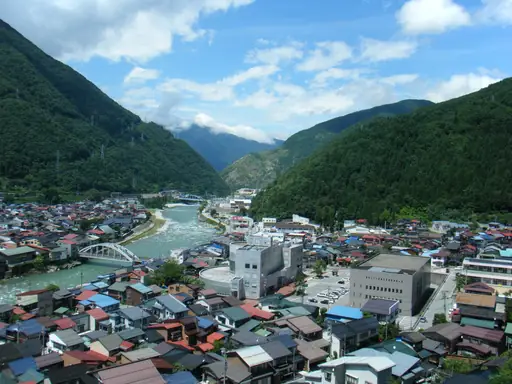
Fresh seafood from the Sea of Japan reaches Omicho Market every morning. Kaga cuisine adds delicate dishes such as jibuni duck stew and fine sushi. Visitors can eat gold leaf soft serve in the old Higashi Chaya district. Sweet shops and green tea houses keep the historic alleys busy.
City in Japan
Hida
Carp canal and sake town near Takayama
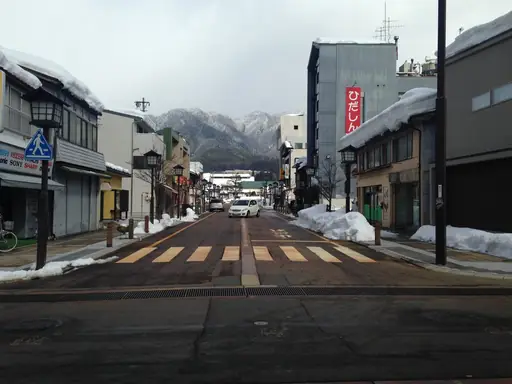
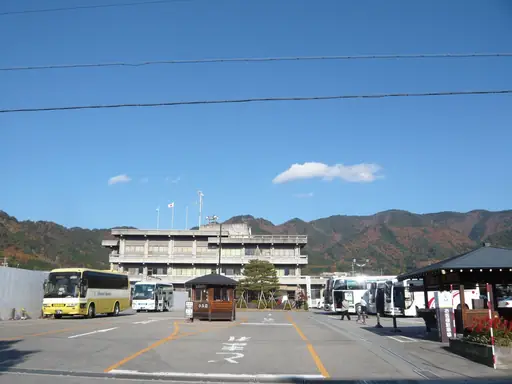
Deep in the mountains of northern Gifu, farms raise cattle for Hida beef, which is soft and richly marbled. You can grill it on a magnolia leaf with sweet miso, a local style called hoba miso. Add pickled mountain vegetables and a cup of local sake.
Island in Japan
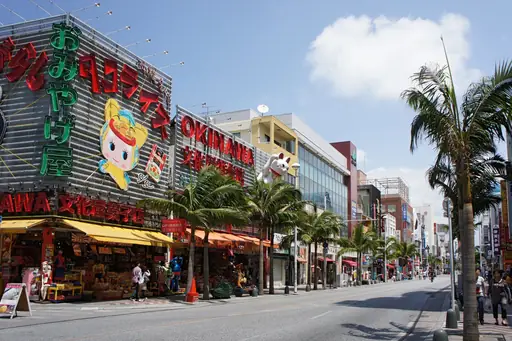
Okinawa Island
Reef beaches and Ryukyu Kingdom heritage
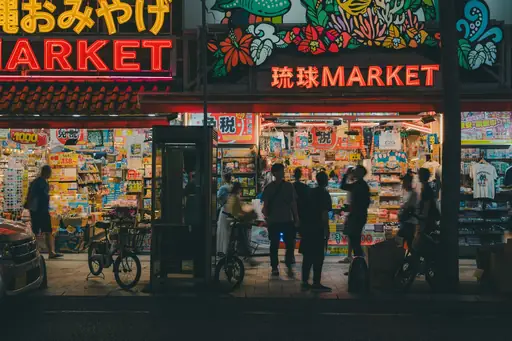
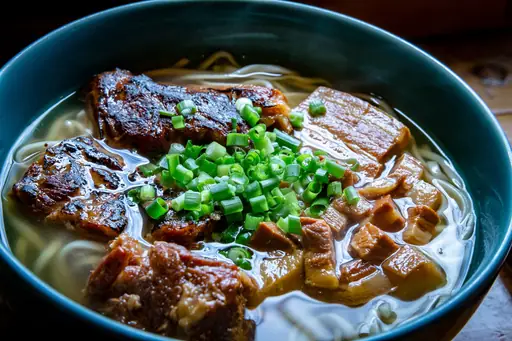
Longevity diets and southern island flavors define local cooking. Goya champuru, Okinawa soba and rafute pork are everyday dishes. Visitors can eat at Makishi Public Market and buy fresh fish downstairs to be cooked upstairs. Awamori spirit and tropical fruit add sweet and strong finishes.

City in Japan
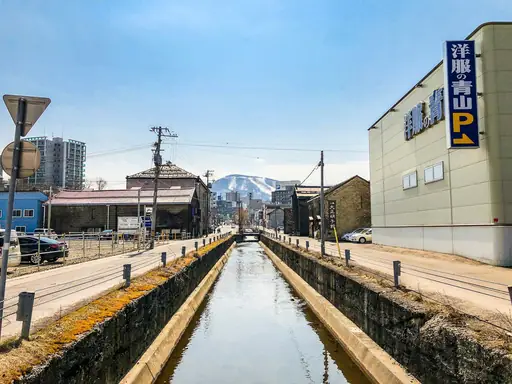
Otaru
Canal warehouses, glass shops and sushi
Sushi Street near the harbor packs many family run sushi restaurants. Fresh Hokkaido crab, uni and salmon roe come in from the port each morning. Visitors can stroll the old canal and try local sweets and glass shops. LeTao cheesecakes and cream puffs make good souvenirs.
Other lists you may like
Discover
Top food destinations and culinary hotspots
Food travel has matured into a sophisticated circuit built around the world's great culinary traditions, restaurant destinations and producer landscapes that offer experiences…
Read more
Discover
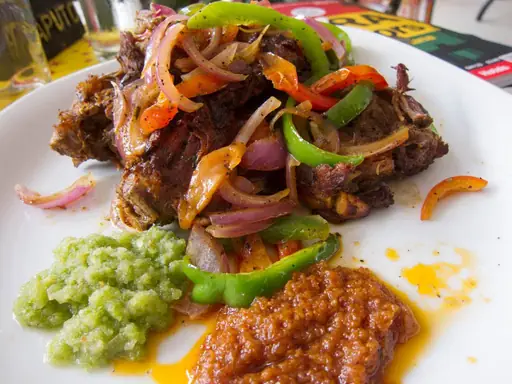
Best food destinations in Africa
Africa's food cultures are among the most underrepresented in international culinary consciousness, with distinct regional cuisines, indigenous ingredient traditions and spice…
Read more
Discover
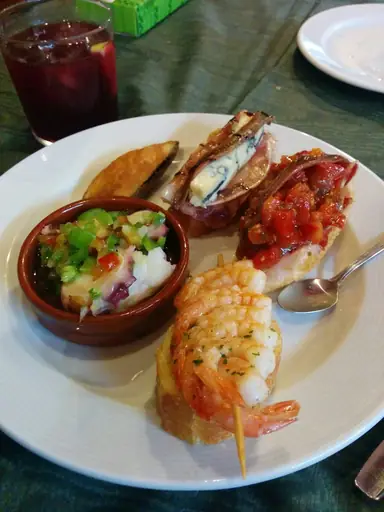
Best food destinations in Europe
Europe's food cultures span an extraordinary range of culinary traditions, with distinct regional cuisines, producer landscapes and restaurant scenes concentrated within a compact…
Read more
Discover
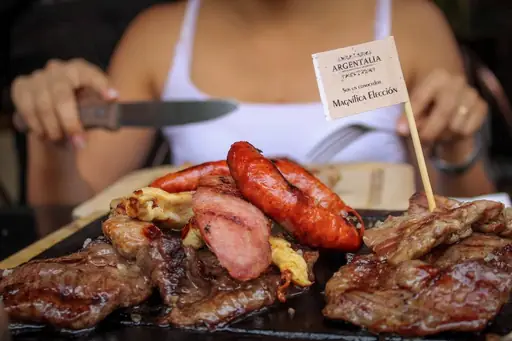
Best food destinations in North America
North America's food cultures reflect the continent's extraordinary diversity of immigrant communities, regional agricultural traditions and indigenous food knowledge, producing…
Read more
Discover
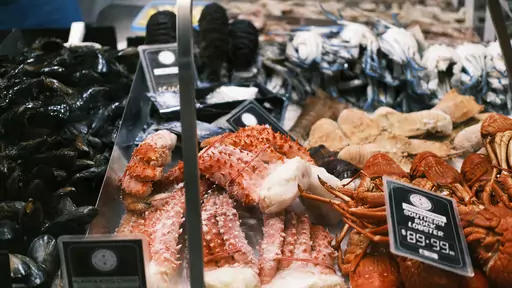
Best food destinations in Oceania
Oceania's food cultures have developed distinctive identities built around exceptional produce, multicultural influences and indigenous food traditions that reward dedicated…
Read more
Discover
Best food destinations in South America
South America's food cultures are rooted in the confluence of indigenous ingredients, colonial influences and immigrant culinary traditions that have produced distinct national and…
Read more
What other users say about travelfilters
“travelfilters made it easy for me to find ski areas and compare what else they offer, so that I could find the best place for my personal travel style.”

Chris
Snowboarding & Onsen trip to Japan
“I love how transparent the data feels. There is no pushy upsell, just honest information and settings I can tune to my own travel style.”

Maria
After booking her 2027 winter escape
“The level of detail for each destination and how well those are displayed, make planning feel confident instead of overwhelming.”

Mina
Planned a week in New York City
“We used travelfilters for our planning from start to end. The trip turned out even better than expected, thanks to all their tools and customization options.”

Allan & Etienne
Trip to Japan to see autumn foliage
“Thanks to travelfilters, I found some hidden gems to see. Being able to filter for exactly your interests is a game changer for my travel planning.”

Michael
Tour through the old cities of Northern Italy
“The customizable filters helped me find a quiet beach town with good wifi and low season crowds in under five minutes.”

Diego
Weekend Escape to Llanes, Spain
“The airport connection map saved me hours by showing good flight options from my home airport to lesser-known cities.”

Nguyen
Planning a 2027 trip to France
“The website is clean, fast and focused on the search itself, which makes travelfilters feel more like a professional tool than an ad-heavy booking site.”

Hassan
Christmas Market trip, Germany
