



Asia › Japan › Takayama

Takayama

Scroll
Old town, morning markets and Hida beef

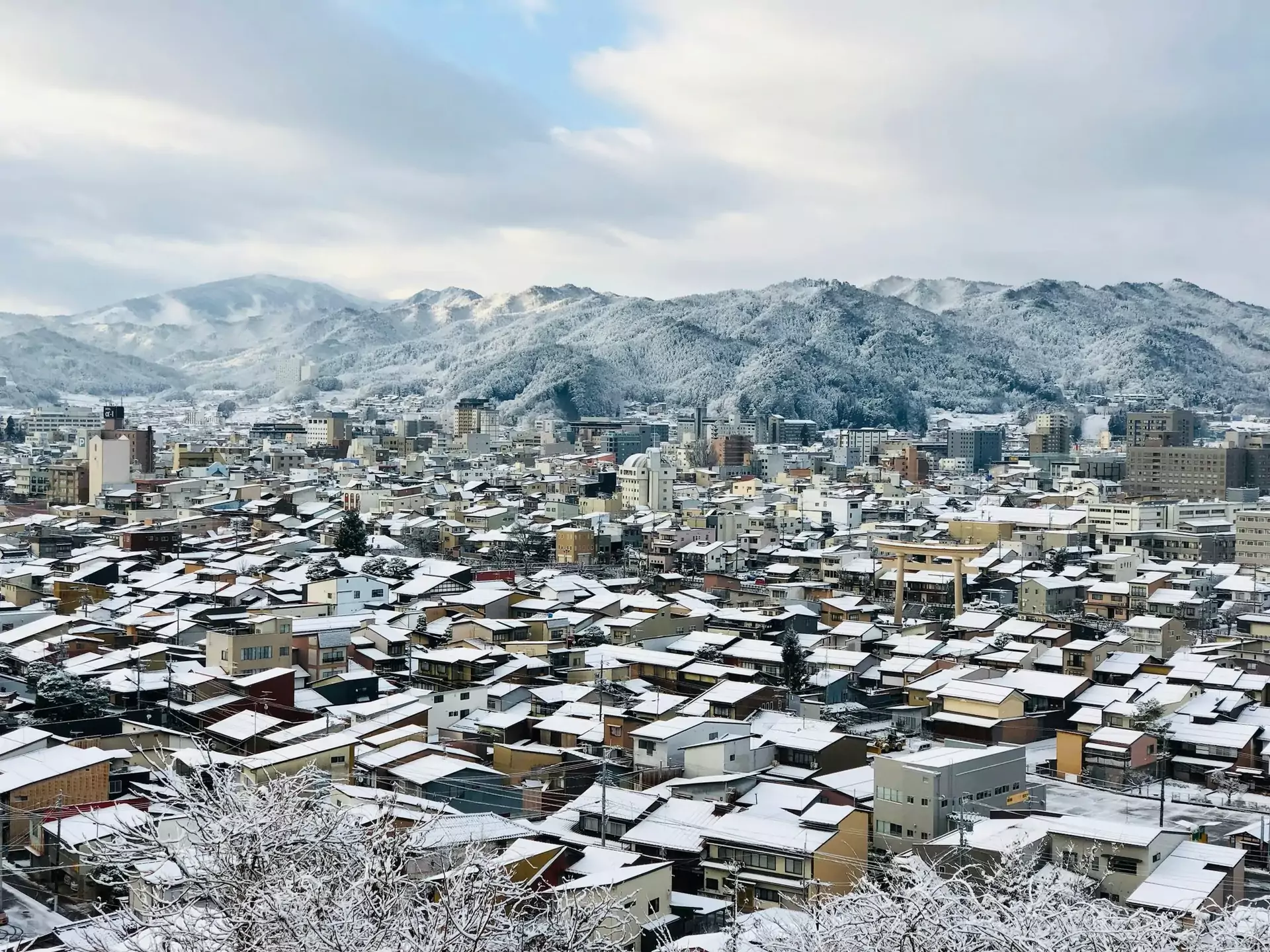
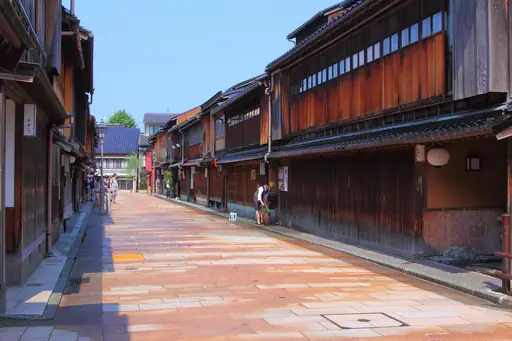
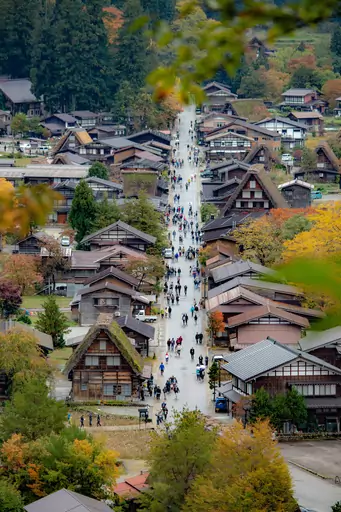
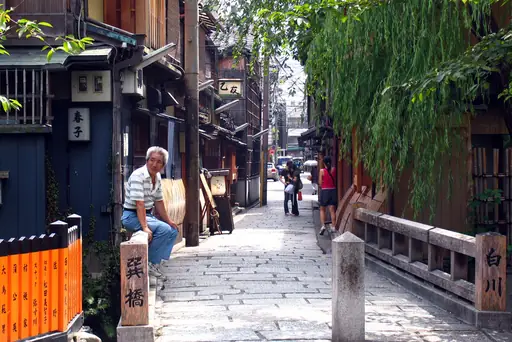
Takayama is a small city in the Hida mountains of Gifu Prefecture, nicknamed Little Kyoto for its preserved merchant streets. Its old town, Sanmachi Suji, has dark wooden townhouses, sake breweries and craft shops. Nearby are the morning markets along the Miyagawa River, the old government office of Takayama Jinya and the open-air Hida Folk Village. The Takayama Festival draws visitors in spring and autumn. The center is compact and can be covered on foot in a day, though an overnight stay lets you see it quiet in the evening and early morning. Hot spring villages in the Okuhida mountains are further out.

City in Japan
Climate zone: Hot continental

Hot continental: Humid continental climates with hot summers, cold winters and year-round precipitation, common in mid-latitude interior landmasses.

See climate table
Price level: $$$
$Cheap
$$Medium
$$$Expensive, upscale
$$$+Very expensive, luxury
See price details
Safety: 8.5
General Safety:9
Health & medical:8
Accessibility:5
Tap water:10
Read details
Tourist English: 3/5
While English is not widely spoken, tourist-friendly spots like hotels, some restaurants, and attractions often have English information and helpful staff.
Last update: Oct 19, 2026
* We earn a commission from some links on this page.
Takayama Summary

These place ratings give you a quick overview of how well a destination matches different types of trips.

"Best for" scores:
The specific interest scores show where this place really shines – whether it's ideal for hiking, food & drink experiences, museums or other activities. These highlights help you understand what makes the destination special at a glance.

"Your personal" scores:
This reflects how well a place matches your personal preferences. You can adjust the importances of travel topics or other personal requirements categories in your account settings.

"Suited for" badges:
These give you a quick overview of how well a destination suits specific types of travelers, to help you find the places that match your lifestyle, preferences or travel situation.

Read how our scores work
Great for traditional villages and mountain culture. Walk preserved wooden streets, visit local markets, explore temples and enjoy regional food.
Place score
8.1
Best at:
Cozy towns
9
Mountains
9
Walkable
9
Spotless
9
Traditional culture
9
Personal score
?
Log in to see how this place matches your personal travel interests.
Suited for
👶 8
Families
🧓 7
Seniors
🛡️ 8
Travel Beginners
👩 8
Solo
Japan – Quick facts
Power Grid: 100 V, 50 Hz
Plug: Type A
Type A:
Diagram of a Type A power plug

Read about power adapters
Currency: Japanese Yen (JPY)
$1 ≈ ¥158
Cashless info: Rating 4/5
Cashless payments are becoming more common, especially in cities, with some shops still preferring cash. Be prepared for occasional cash-only situations in rural areas.

Save with a travel credit card
eSIM providers: Best value: Saily
Flexibility: Airalo
Read our in-depth comparison
Tipping: Tipping is not customary in Japan and can be considered rude. Excellent service is the norm, and tipping is unnecessary in most places.
Public drinking: Public drinking is legal and commonly accepted, particularly during festivals and events.
Public smoking: Smoking is prohibited in indoor public places but allowed in designated outdoor areas. Some restaurants may have smoking sections.
New Year
(January)
One of the most important holidays, expect crowded temples and high prices. Plan ahead.
Golden Week
(April-May)
The busiest travel time, expect high demand for accommodation and transportation.
Obon
(August)
A time to honor ancestors, many businesses close, and transportation can be crowded.
Emergency contact: Emergency Number: 110 (Police), 119 (Fire & Ambulance)
Taxi apps: Uber, JapanTaxi, DiDi
Other: Japan is a country of respect, so understanding local customs and etiquette is important. Public transportation is efficient, but can be crowded during peak hours.
Best times to travel

The best times to travel section shows how the months compare for a visit, so you can find the time of year that fits what you want to do.

Background colors of the months:
The color shows the typical temperature: yellow (hot), green (mild) and blue (cold). How strong the color is shows the travel season: full color means high season, soft color means shoulder season and soft-striped means off season.

Weather symbols:
Each month has one symbol showing what the weather is typically like, such as hot and sunny, freezing or a rainy or snowy season. Use them to quickly spot months that match the weather you want, or to avoid the ones that don't.

Crowdedness:
The people icon shows how busy the place usually is. The more people, the more crowded it gets.

Additional notes:
The gray info boxes point out special things worth knowing, like recurring weather issues or seasonal events.

for Takayama, Japan
🌨️
Jan
🌨️
Feb
🌨️
Mar
🌦️
Apr
🌦️
May
⛈️
Jun
⛈️
Jul
⛈️
Aug
🌧️
Sep
🌦️
Oct
🌤️
Nov
🌨️
Dec
High season: April - May, Oct. - Nov.
Shoulder season: Jan. - Feb., Aug. - Sep.
Crowdedness: 8 (Very crowded)
Tap on a month for more info Hover over a month for more info
Takayama Festival with float parades April 14 to 15 and October 9 to 10; book months ahead
Shirakawa-go winter light-up on a few select evenings in January and February, advance reservation required
Heavy snow December to March can delay trains and buses

Why travel to Takayama?

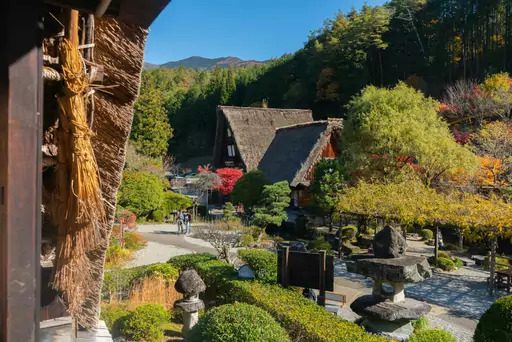
Takayama is known for its old town. Sanmachi Suji is a few streets of dark wooden merchant houses, sake breweries, miso shops and craft stores that look much as they did in the Edo period. Cedar balls hang outside the breweries and many shops offer tastings. Takayama Jinya, the former regional government office, is one of the few of its kind left in Japan and can be toured inside. Mornings are busy along the Miyagawa River, where stalls sell vegetables, pickles, crafts and snacks. Hida Folk Village on a hillside outside the center has old farmhouses with thatched roofs around a pond and gives a taste of life in the mountains. The Takayama Festival in spring and autumn parades huge decorated floats through the streets. The town suits an overnight stay or a full day. It works as a stop between Nagoya, Kanazawa and Matsumoto and as a base for the hot springs and mountains of Okuhida. Winter brings snow that makes the old streets quiet and photogenic. It also makes mountain roads slower, so allow extra time if you're driving or catching buses out of town.

🏯Places worth seeing
  • 1 Takayama Jinya
  • 2 Takayama Festival Floats Exhibition Hall
  • 3 Museum of History and Art
  • 4 Hida Kokubunji Temple
🎡Places for activities
  • 1 Ohno Karakuri Museum
  • 2 Takayama Shōwa-kan
🏞️Natural landmarks
  • 1 Kamikochi
  • 2 Shiroyama Park
  • 3 Mt. Norikura
  • 4 江名子川
  • 5 Hida Mountains
🛍️Shopping
  • 1 Miyagawa Morning Market
🍽️Eat & Drink
  • 1 Hida Kotte Ushi
    Hida Kotte Ushi serves Hida beef nigiri sushi on crisp rice crackers, plus grilled beef skewers, making it a classic Old Town walking snack. It is at 34 Kamisannomachi, close to Nakabashi Bridge and the Sanmachi historic district.
  • 2 Maruaki Hida-Takayama Store
    Maruaki is a butcher and yakiniku restaurant specializing in richly marbled Hida beef, served as grilled cuts, steak and sukiyaki. It is at 6-8 Tenmanmachi, roughly five minutes on foot from Takayama Station.
  • 3 Kitchen Hida
    Kitchen Hida serves certified Hida beef as steak, hamburg steak and other Western-influenced dishes in a polished dining room. It is at 1-66 Honmachi, in the Old Town near the Miyagawa River.
  • 4 Aji no Yohei
    Aji no Yohei serves Hida beef grilled dishes, sukiyaki and hoba miso, a local meal of beef and vegetables cooked over miso on a magnolia leaf. It is in a renovated former sake brewery near Takayama Station.
  • 5 Menya Shirakawa
    Menya Shirakawa specializes in Takayama ramen, or chuka soba: thin curly noodles in a clear soy-sauce broth with pork, bamboo shoots and green onion. It is at 56-2 Aioimachi, a short walk from the Miyagawa Morning Market.
  • 6 Chuka Soba M
    Chuka Soba M serves Takayama-style soy-sauce ramen with thin noodles, roasted pork and aromatic chicken-and-fish broth. It is in central Takayama, within walking distance of Takayama Station and the Old Town.
  • 7 Jinya-mae Asami
    Jinya-mae Asami is a morning-market stop for local pickles, vegetables, fruit, snacks and simple regional bites near the historic government office. It is directly in front of Takayama Jinya on the Miyagawa side of central Takayama.
  • 8 Hida Gyuman Honpo
    Hida Gyuman Honpo sells steamed buns filled with Hida beef and vegetables, an easy hot snack while exploring the old town. It is on Kamisannomachi near the Takayama Old Town pedestrian streets.
  • 9 Mitsuhashi
    Mitsuhashi serves regional Japanese cuisine with Hida beef, seasonal mountain vegetables and locally brewed sake, with advance reservations recommended. It is near Takayama Station, around four minutes on foot from the east exit.
  • 10 Nikiya
    Nikiya is a historic sake brewery where visitors can sample and buy local Hida sake, shaped by the region’s cold climate and mountain water. It is at 40 Kamisannomachi in the Sanmachi historic district.
🎈Events
  • Takayama Spring Festival
  • Takayama Autumn Festival
  • Sanno Matsuri
  • Hachiman Matsuri
  • Shinmei Shrine Grand Festival
  • Winter Illumination at Hida Folk Village
  • Takayama Noryo Matsuri
  • Hida Takayama Ehon Festa
  • Takayama Tanabata Festival

Knowledge before you go

  • Morning markets run daily, so go early for the best choice.
  • Look for a cedar ball hanging outside a sake brewery, which signals that new sake is ready.
  • Takayama Jinya costs around ¥430 ($2.71) for adults and closes by late afternoon all year.
  • The Takayama Festival floats are shown year round at the Yatai Kaikan, so you can see them outside festival days.

How to travel to Takayama

The easiest way to reach Takayama is by train from Nagoya. The Hida limited express takes about 2.5 hours and runs around ten times a day. From Tokyo, ride the Shinkansen to Nagoya and change, which takes around 4.5 to 5 hours in total. Kyoto and Osaka also change at Nagoya. The same line continues north to Toyama. The Nohi long-distance bus center beside the station has buses to Matsumoto in about 2.5 hours, Kanazawa via Shirakawa-go, Toyama, Osaka and Tokyo's Shinjuku. Buses are cheaper than the train and some are overnight. There's no airport in town. Nagoya's Centrair (NGO) is the usual gateway, with a train to Nagoya Station and then the Hida express. By car, Nagoya is roughly 3 hours away on the expressways. Mountain roads can be icy from December to March.

Access summary

  • From Chubu Centrair Airport (NGO): Train via Nagoya, roughly 3–3.5 hours.
  • From Nagoya: Limited Express Hida train, usually about 2.5 hours.
  • From Tokyo: Shinkansen to Nagoya plus Hida train, around 4.5–5 hours.

Where to stay in Takayama

Takayama has a wide mix of places to stay, from business hotels and guesthouses to traditional ryokan with hot spring baths. The area around Takayama Station has the most business hotels and puts you beside trains and buses. The old town has guesthouses and ryokan within a short walk of the markets and breweries. Hotels with onsen baths are common and a bath after a day on foot is a highlight. Some ryokan serve dinners with Hida beef and mountain vegetables. For a quieter stay look at the Okuhida hot spring villages about an hour away by bus, which suit a night or two with hiking or snow views. Rooms fill during the Takayama Festival in April and October, in autumn and over holidays, so book early. Winter has fewer visitors and lower prices. Staying in Nagoya or Kanazawa is possible but adds a long journey each way.

How to get around Takayama

Takayama's center is compact and walking is the easiest way to get around.

Walking and cycling:
The old town is about 10 minutes on foot from Takayama Station and most museums, markets and breweries are within a short stroll of each other.
Rental bicycles are popular for the Hida Folk Village and other sights on the edge of town in good weather.

Loop bus and taxis:
A small loop bus serves outer sights and the Hida Folk Village, but it runs infrequently.
Check the timetable and the last departure before you set out. Taxis wait at the station and are practical for the hills in winter.

Long-distance trips:
For trips to Shirakawa-go or the Okuhida mountains, long-distance buses leave from the Nohi bus center beside the station.
A rental car is only helpful if you plan to explore the mountain valleys and onsen villages.

Food in Takayama

Local food in Takayama is mostly beef, noodles and sake from the mountains of the Hida region. Mountain vegetables and river fish also appear in set meals at ryokan. Most restaurants close early so plan dinner before the evening. Convenience stores cover simple meals though vegetarians may find the choices limited since miso and broths often use fish stock.

Hida beef:
This is marbled local beef served as steak or in sushi.
It's also sold on skewers at street stalls.

Ramen and hoba miso:
Takayama ramen has a clear soy broth and thin curly noodles.
Hoba miso is miso grilled on a magnolia leaf over a small burner.

Mitarashi dango:
These rice dumplings are glazed with soy sauce and sold at street stalls in the old town.

Sake:
Sake is a local specialty because of the cold climate and clean water.
Several breweries in the old town offer small tastings and a cedar ball outside signals fresh sake.

Budget snapshot
Costs compared to home

We calculate the average costs when traveling to destinations and compare those with the living costs at your home. With this you can get an estimate of how expensive or cheap the destination is for you.

To customize this, you can set up which location and price level are used for the calculations in your account settings.

-45 %
Daily expenses in Takayama are around 45% lower than the average across United States. That means you'll spend a lot less on meals and getting around.
Exchange rate trend

The exchange rate price factor shows how expensive or cheap a currency currently is compared to its historical average. It's a quick way to see if a country is currently more or less affordable due to exchange rate changes.

-17 %
Your exchange rate (USD to JPY) is 17% better than in recent years. That means traveling now is considerably cheaper compared to the past.

Travel costs

To help you plan your trip, we provide estimated daily costs per person (when traveling as a pair) for different travel styles. These numbers give you an idea of what you might spend each day at this destination, including accommodation, food, transport and activities.

Additionally, we also provide average hotel costs for different travel styles to give you an estimate for the accommodation only.

Please note that these are only estimates. The real costs depend on booking times, season and other factors.

Daily cost summary

Travel style categories explained:

Backpacker:
Staying in hostels or budget hotels, cooking your own meals or eating cheap and choosing low-cost activities.

Mid-range:
Staying in mid-range hotels, eating at a mix of restaurants and casual spots and enjoying a variety of activities.

Luxury:
Staying in luxury hotels, dining out at high-end restaurants and enjoying premium experiences without worrying about the price.

Backpacker Mid-range Luxury
💵 Total costs per day, including accommodation
$59
$133
$358
🏨 Accommodation per night, per person
$30
$80
$180
🍝 Food per day
$22
$43
$131
🚕 Transportation per day
$7
$10
$48
Food & Drink
🍽️ Restaurant Dinner, per person
$17
🍛 Lunch Set, per person
$6.50
🍟 Fast food combo
$4.80
🍝 Preparing your own food, per day
$9
☕ Cappuccino
$2.90
🍺 Beer in a restaurant, 0.5 l / 16 oz
$3
Transportation
🚌 Public transport ticket
$1.60
🚕 Taxi Ride, 10 km / 6 mi
$30
⛽ Gas, 1 l / ¼ gal
$1.10
Other
🎞️ Movie ticket
$12
👩‍⚕️ Doctor's consult
$31
🤧 Cold medication
$9.50
💇 Basic haircut
$15

Safety information overview

General safety
9
Takayama is very safe, with low crime and quiet streets even in the evening. The main risks come from the mountains. Winter brings snow and ice on roads and sidewalks while bears live in the surrounding hills, so hikers should carry a bell.
Health & Medical
8
Takayama has a general hospital, clinics and pharmacies, though English is limited. Serious cases may go to larger hospitals in Nagoya or Matsumoto, which are a few hours away. Winters are cold, so dress warmly and watch for slips on ice.
Accessi­bility
5
The old town is mostly flat and compact, which makes it easier than many mountain towns. Narrow lanes, raised thresholds and uneven paving can slow wheelchairs. Hida Folk Village is hilly with gravel paths. Snow and ice make winter walking harder.
Tap water
10
Tap water in Takayama is safe to drink, as in the rest of Japan. The mountain water is clean and is part of why the town's sake is well regarded. Vending machines and convenience stores sell bottled water and tea.

Looking for inspiration?

Discover
Best cozy town destinations in Asia
A lantern-lit old town in Vietnam has preserved its heritage remarkably well, with tailors, lanterns and riverside cafés creating an atmosphere that's hard to find elsewhere in the…
Read more
Discover
Top street food cities and local culinary markets
The best street food destinations treat the cart, stall, or hawker counter as a serious culinary format rather than a budget substitute for a real meal. In cities with strong…
Read more
Discover
Top cozy towns and quaint villages
Some towns have an atmosphere that's hard to manufacture deliberately: scale, architecture and a pace of life that makes a short visit feel unusually restorative. The best of them…
Read more
Discover
Best couple vacation destinations in Asia
Asia is perfect for couples who want their holiday to feel like a shared adventure rather than just a change of scenery. Few continents offer so many ways to be amazed together.…
Read more
Discover
Best craft destinations in Asia
Asia contains the world's most diverse and technically sophisticated craft traditions, with ceramics, textiles, lacquerwork, metalsmithing, woodcarving and papermaking traditions…
Read more
Discover
Markets and street shopping in Asia
Asia has some of the most extraordinary market cultures on earth, shaped by thousands of years of trade and an extraordinary diversity of produce, cuisine, and craft traditions.…
Read more
Discover
Best destinations for first-time travelers in Asia
Asia has one of the best established beginner travel routes anywhere, largely because so many first time travelers have worn the path before you. Southeast Asia in particular…
Read more
Discover
Best street food destinations in Asia
Walk through almost any city in Asia after dark and the real dinner rush is often happening on the sidewalk rather than inside a restaurant. Southeast Asia has some of the…
Read more
Discover
Top traditional destinations and cultural heritage sites
Traditional destinations are those where cultural practices, craftsmanship, ceremony and ways of life that predate industrialisation and mass tourism remain visible and active…
Read more
Discover
Top museum destinations and cultural institutions
Museum travel has developed a dedicated following built around the world's great permanent collections, blockbuster exhibition programmes and the architecturally significant…
Read more
Discover
Best solo travel destinations in Asia
Asia is where most solo travelers figure out they can actually do this. The backpacker trails through Southeast Asia have been running for decades, and the infrastructure along…
Read more
Discover
Top solo travel destinations and safe hubs
Traveling alone sounds like a bigger deal than it is. The first day feels strange – eating dinner by yourself, navigating without someone to double-check the map with, making every…
Read more
Discover
Best couple vacation destinations
Travelling as a couple sounds simple enough, yet the best couple vacation destinations mean something different to almost every pair. What feels romantic to one couple can feel…
Read more
Discover
Best travel destinations for seniors in Asia
Asia offers some of the most senior friendly infrastructure anywhere, alongside destinations that still call for a bit more independence and stamina. Japan in particular stands…
Read more
Discover
Top historical destinations and historic sites
The most compelling history destinations are places where the past is still physically present and legible in the landscape, the architecture and the daily life of the people who…
Read more
Was this page helpful?
Feedback
