
Most beautiful gardens and parks worldwide
Most beautiful gardens and parks worldwide
Beautiful public parks and gardens worldwide
Some places are worth visiting just to stand still for a while. Gardens and parks don't always make it onto the classic travel itineraries, but they're often where a city's character shows up most clearly in what it chooses to cultivate, preserve or let grow wild. A formal French garden says something different about a place than a sprawling urban park or a hillside of terraced rice fields.
The destinations on this page were chosen because the outdoor spaces are genuinely central to the experience, not just a nice add-on. That might mean a botanical garden that draws visitors from across the world, a national park that defines an entire region, or a quiet city park that locals treat like a second living room. The scale varies a lot.
Gardens and parks also tend to reward slower travel. They're not always the flashiest reason to visit a place, but they're often the part people remember longest. Seasonal changes can shift the whole atmosphere, and a lot of what makes these spaces worth visiting doesn't show up in photos.
Lists by region

City in Germany
Potsdam
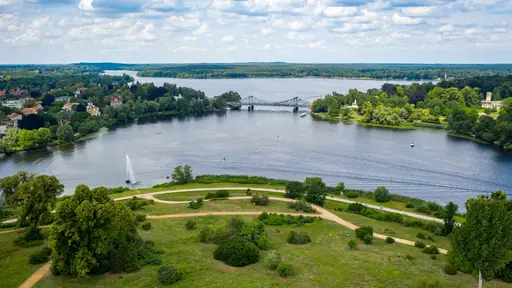
Prussian palaces and lakes near Berlin
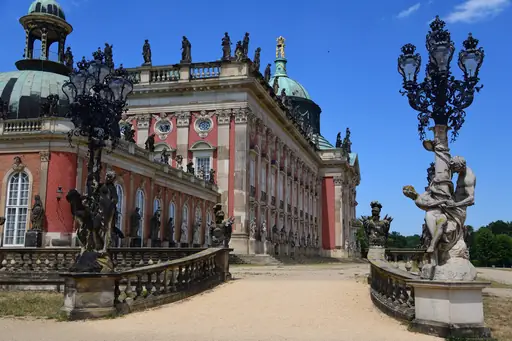
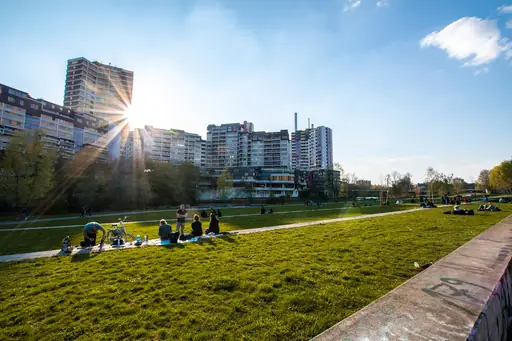
Sanssouci Park stretches across roughly 700 acres, built as a summer retreat for a Prussian king in the 1740s. Terraced vineyards climb the hill beneath the palace, following a design the king reportedly sketched himself. Fountains, follies and a Chinese-style teahouse dot the grounds. UNESCO recognized the palace and park in 1990.
City in Germany
Hanover
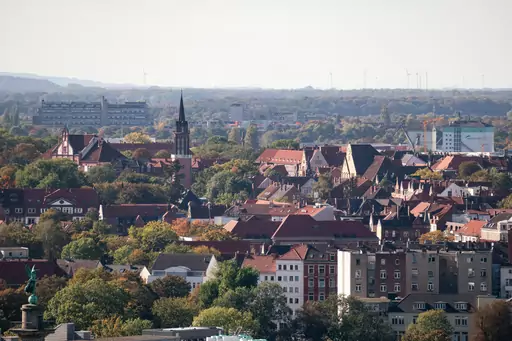
Baroque gardens, lakeside walks and big fairs
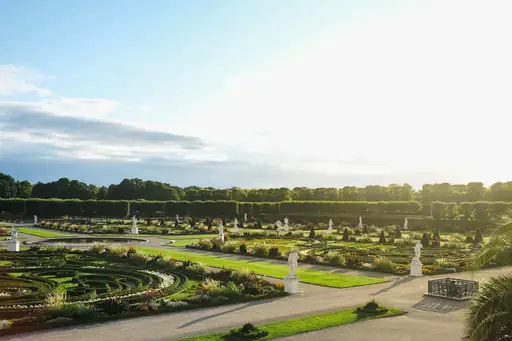
Herrenhausen Gardens here holds one of Europe's best-preserved Baroque gardens, laid out in strict geometric precision. Fountains throughout the grounds include one that shoots water over 80 meters into the air. A maze and grotto sit tucked within the garden's formal hedges. Summer concerts and light shows draw crowds to the grounds most weekends.
City in Japan
Nara
Giant Buddha, tame deer and ancient temples
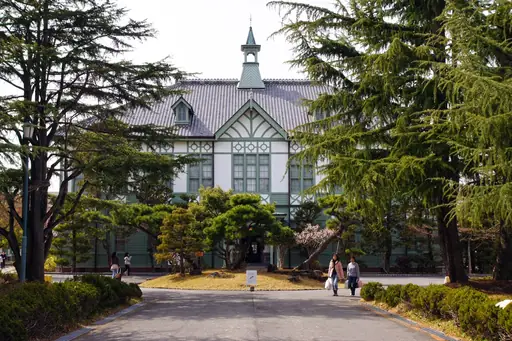
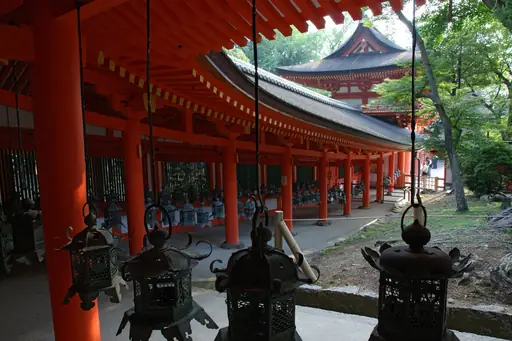
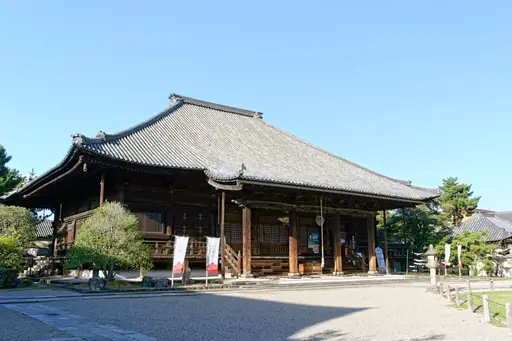
Over a thousand deer roam freely through Nara Park, considered sacred messengers in local tradition. Isuien Garden nearby uses the surrounding hills as a backdrop, a technique called borrowed scenery. Temples and shrines dot the wider park grounds alongside lawns where the deer graze. Vendors sell crackers that visitors can feed directly to the animals.
City in Japan
Kitakyushu
Castle, retro port and steel heritage
Kawachi Fuji Garden here fills tunnels with hanging wisteria blossoms each spring. Over 20 varieties of wisteria bloom in overlapping waves across the private garden's slopes. Photos of the tunnels have circulated widely online, drawing visitors from well beyond the region. The garden limits daily visitor numbers to manage crowds during peak bloom.
City in Japan
Okayama
A castle, a garden and Momotaro's legend
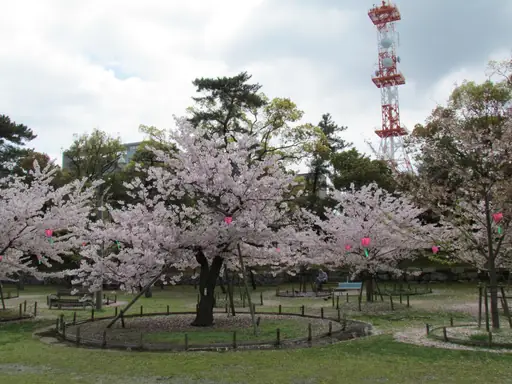
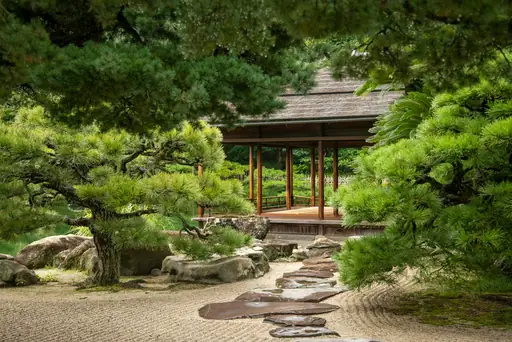
Korakuen ranks among Japan's three great gardens, built for a feudal lord in the late 1600s. A technique called borrowed scenery frames the nearby castle as part of the garden. Wide lawns set it apart from more enclosed Japanese gardens elsewhere. Tea fields and a small rice paddy sit tucked within the ornamental grounds.
City in Japan
Tokyo
Japan's capital of temples, towers and food
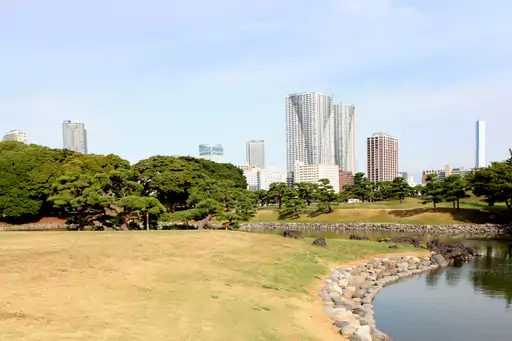
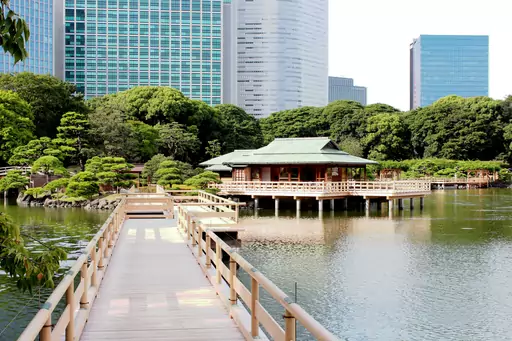
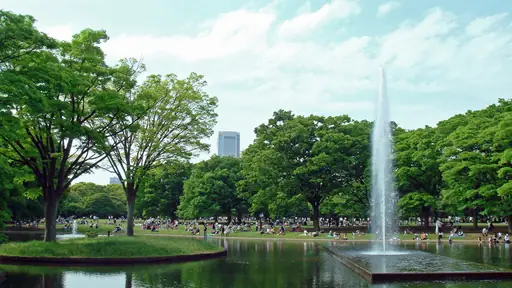
Shinjuku Gyoen blends French, English and Japanese garden styles across grounds near the city center. Cherry blossoms here draw dense crowds each spring, with over a thousand trees blooming at different times. Hamarikyu Gardens elsewhere sits beside Tokyo Bay, its tidal pond rising with the ocean. Teahouses at both sites serve matcha with water views.
City in Japan
Kyoto
Temples, geisha districts and kaiseki dining
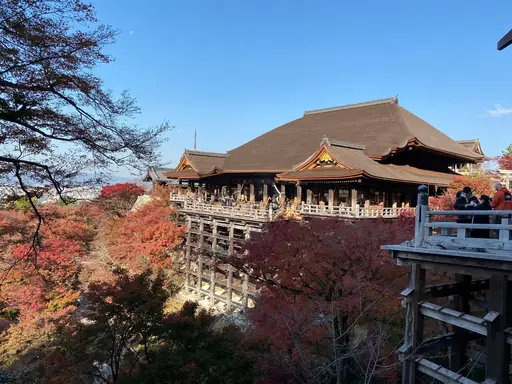
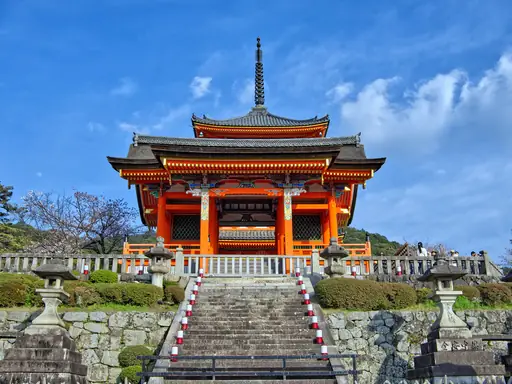
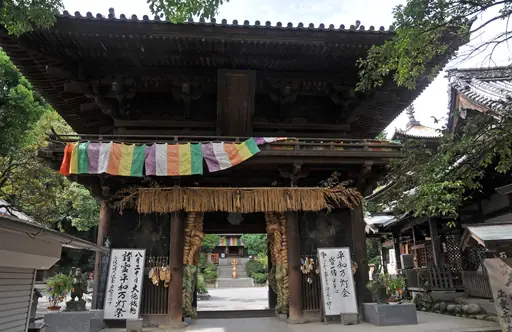
A bamboo grove near Arashiyama towers over a narrow path, filtering sunlight into shifting patterns. Wind through the stalks creates a sound distinct enough to be named a Japan soundscape. Temples throughout the city maintain their own gardens, many centuries old. Moss gardens, dry rock gardens and pond gardens all appear across the temple grounds.



City
New York City
Five boroughs of skyline, food and museums
Cherry trees burst into pink bloom each spring across the Brooklyn Botanic Garden's cherry esplanade. A Japanese hill-and-pond garden nearby dates to 1915, among the oldest of its kind here. Rose gardens and a native plant collection round out the grounds. You can walk the site in an afternoon or linger over one section.

City in Japan
Kanazawa
Samurai streets, gold leaf and Kenrokuen garden
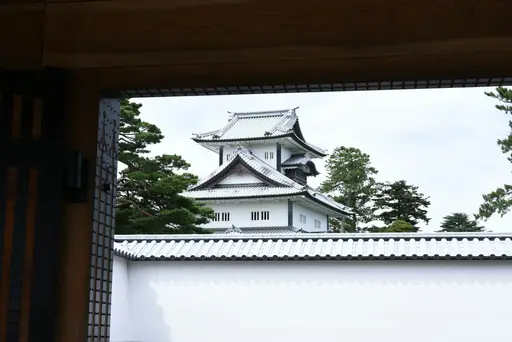
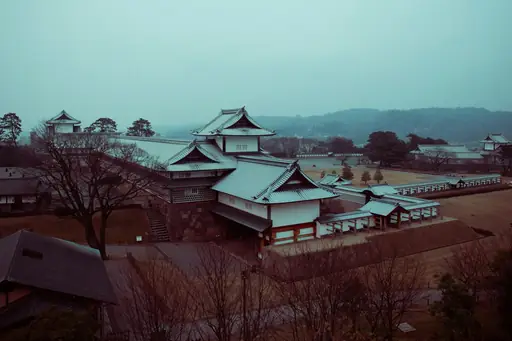
Kenroku-en ranks as one of Japan's three great gardens, built by feudal lords over two centuries. Its name translates to garden of six qualities, traits deemed key to an ideal landscape. A stone lantern with two uneven legs, one submerged in a pond, marks the garden's signature image. Plantings shift its character across the seasons.
City in Germany
Constance
Lakeside old town on the Swiss border
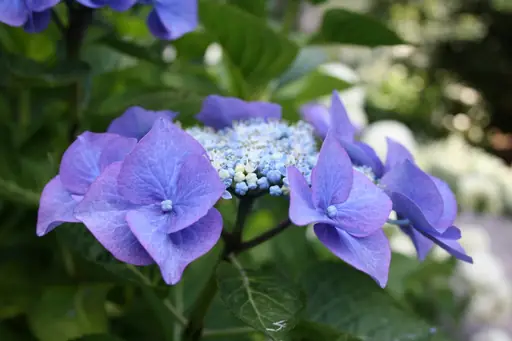
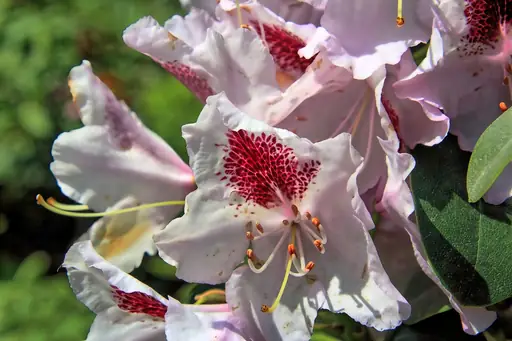
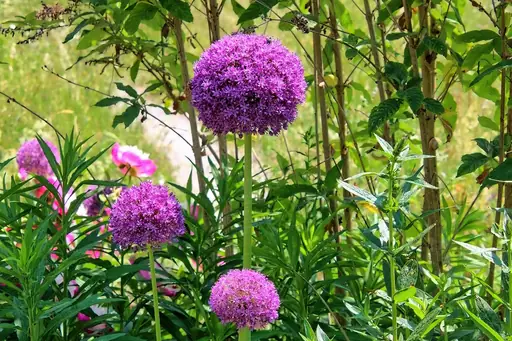
Mainau Island sits in Lake Constance, covered almost entirely in gardens kept by a Swedish noble family. Palm trees and Mediterranean plants grow here despite the cooler climate, aided by the lake's moderating effect. A butterfly house on the island holds tropical species. Flower displays shift with the seasons, from spring tulips to summer roses.
City in Japan
Himeji
Famed white castle and samurai gardens
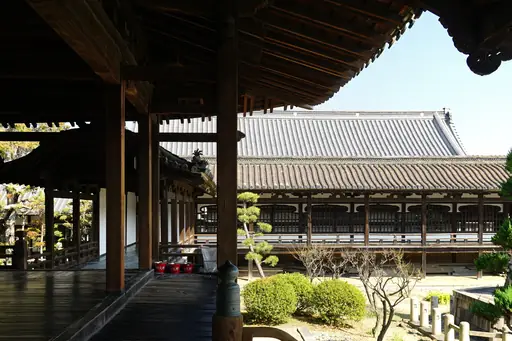
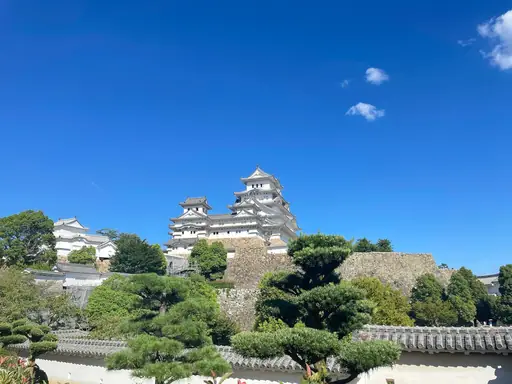
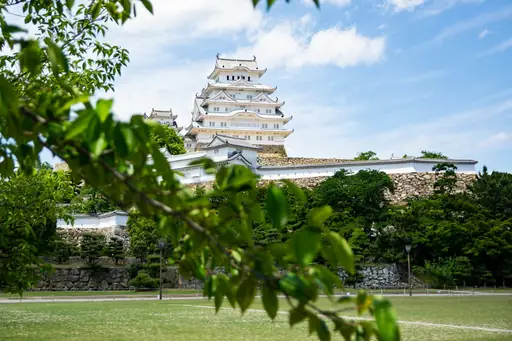
Koko-en Garden sits beside this city's castle, made up of nine walled gardens in different styles. Each section recreates a different era or theme, from a tea garden to bamboo groves. Carp swim through ponds connected by small waterfalls throughout the grounds. The garden opened in 1992 on the site of a former samurai residence.
Temple in Kyoto
Ryoan-ji
Zen temple with Japan's famous rock garden
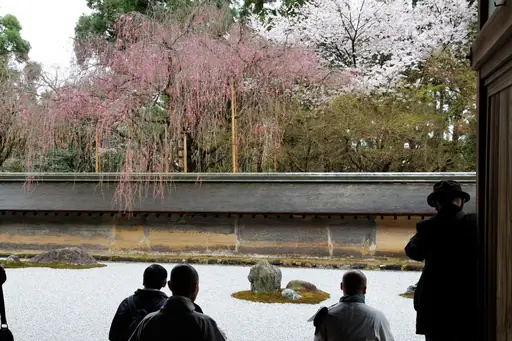
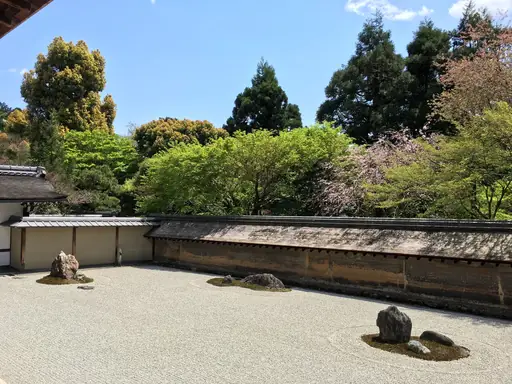
Fifteen rocks sit arranged across a bed of raked white gravel in this Zen temple's rock garden. No matter where a visitor stands on the viewing platform, at least one rock stays hidden. Monks have maintained the garden's design since the late 15th century. Its stark simplicity has influenced garden design across Japan and beyond.

State/Prefecture in Japan
Hokkaido
Volcanoes, powder snow and fresh seafood
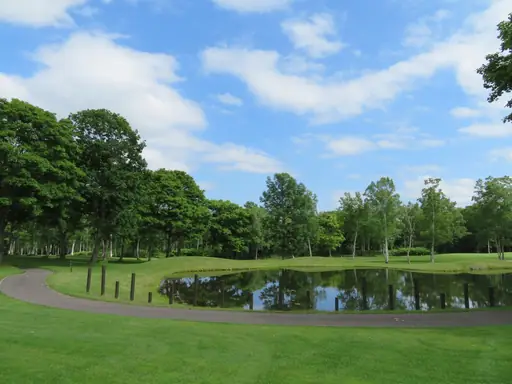
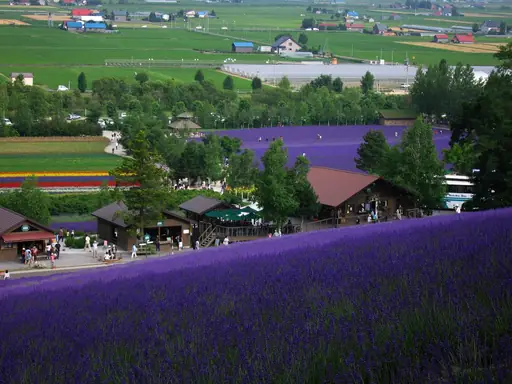
Shikisai-no-oka near Furano covers rolling hills with flowers planted in bands of contrasting color. Lavender fields nearby peak each July, drawing crowds to the region's farms and gardens. Tractor-pulled carts carry visitors across the grounds for a closer look at the blooms. Snow covers the same hills for much of the rest of the year.
Garden in Japan
Ashikaga Flower Park
Giant wisteria trellis and winter light show
A single wisteria tree here spreads across roughly 1,000 square meters, held up by steel poles. Its lavender blossoms peak for a few weeks each spring, drawing crowds who plan trips around it. Light displays illuminate the grounds after dark each autumn, strung through the plantings. Both events rank among Japan's most visited flower displays.
Landmark in Kyoto
Kinkaku-ji
Gold leaf pavilion beside a mirror pond
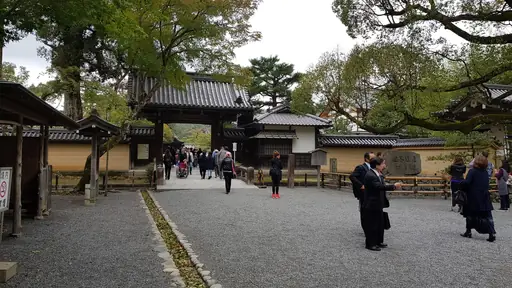
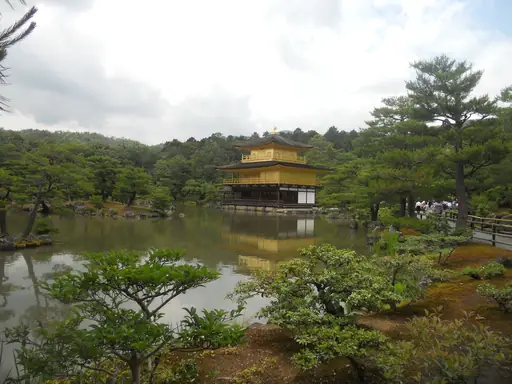
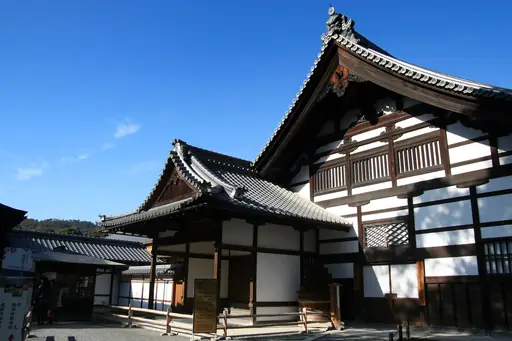
Gold leaf covers the top two floors of this temple, reflecting off the pond in front. Monks rebuilt the structure in 1955 after a novice set the original building on fire. Moss-covered paths wind around the pond past smaller gardens meant to be viewed from set angles. Each floor follows a different architectural style.
Other lists you may like
Discover
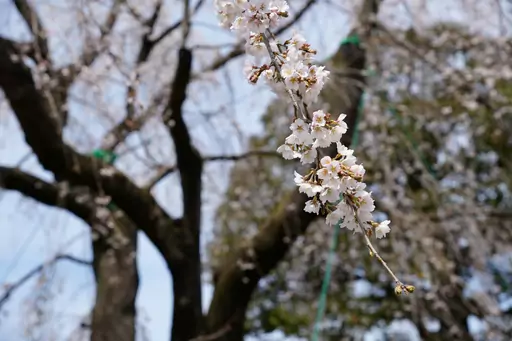
Best gardens and parks in Africa
Africa doesn't always come up in conversations about great gardens, but the continent has a longer horticultural history than most people realise. Botanical gardens established…
Read more
Discover
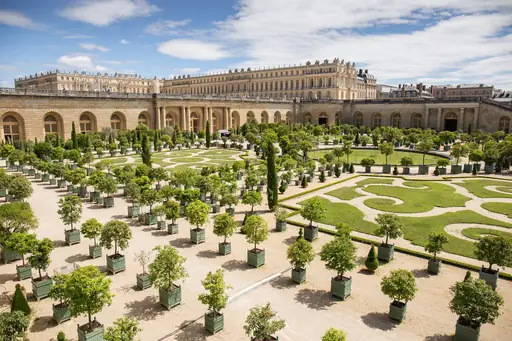
Best gardens and parks in Asia
Asia has some of the oldest garden traditions in the world, and the range across the continent is wide enough that the word "garden" barely covers it. Classical Chinese gardens…
Read more
Discover
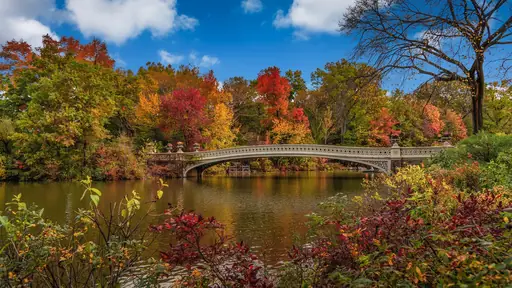
Best gardens and parks in Europe
Europe has been shaping its landscapes deliberately for a long time, and the range of what counts as a garden here is wider than anywhere else. Baroque palace grounds laid out to…
Read more
Discover
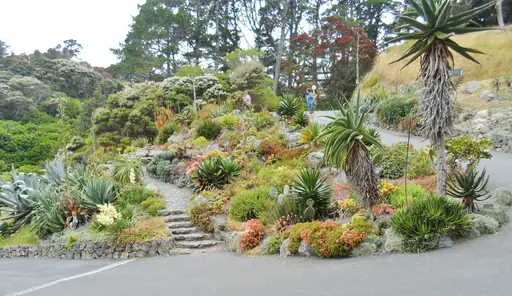
Best gardens and parks in North America
North America's garden tradition is younger than Europe's or Asia's, but that hasn't stopped some of its institutions from becoming genuinely world-class. Botanical gardens founded…
Read more
Discover
Best gardens and parks in Oceania
Oceania's garden culture is shaped by isolation and biodiversity. Many of the plants growing in botanical collections here are found nowhere else in the world, and several of the…
Read more
Discover
Best gardens and parks in South America
South America's botanical gardens and public parks reflect the continent's extraordinary plant diversity, with collections that draw on one of the richest floras in the world. The…
Read more
What other users say about travelfilters
“travelfilters made it easy for me to find ski areas and compare what else they offer, so that I could find the best place for my personal travel style.”

Chris
Snowboarding & Onsen trip to Japan
“I love how transparent the data feels. There is no pushy upsell, just honest information and settings I can tune to my own travel style.”

Maria
After booking her 2027 winter escape
“The level of detail for each destination and how well those are displayed, make planning feel confident instead of overwhelming.”

Mina
Planned a week in New York City
“We used travelfilters for our planning from start to end. The trip turned out even better than expected, thanks to all their tools and customization options.”

Allan & Etienne
Trip to Japan to see autumn foliage
“Thanks to travelfilters, I found some hidden gems to see. Being able to filter for exactly your interests is a game changer for my travel planning.”

Michael
Tour through the old cities of Northern Italy
“The customizable filters helped me find a quiet beach town with good wifi and low season crowds in under five minutes.”

Diego
Weekend Escape to Llanes, Spain
“The airport connection map saved me hours by showing good flight options from my home airport to lesser-known cities.”

Nguyen
Planning a 2027 trip to France
“The website is clean, fast and focused on the search itself, which makes travelfilters feel more like a professional tool than an ad-heavy booking site.”

Hassan
Christmas Market trip, Germany
