











Was this page helpful?

These place ratings give you a quick overview of how well a destination matches different types of trips.
"Best for" scores:
The specific interest scores show where this place really shines – whether it's ideal for hiking, food & drink experiences, museums or other activities. These highlights help you understand what makes the destination special at a glance.
"Your personal" scores:
This reflects how well a place matches your personal preferences. You can adjust the importances of travel topics or other personal requirements categories in your account settings.
"Suited for" badges:
These give you a quick overview of how well a destination suits specific types of travelers, to help you find the places that match your lifestyle, preferences or travel situation.
| Power Grid: |
230 V, 50 Hz Plug: Type C , Type F
Type C:
  Read about power adapters |
|---|---|
| Currency: |
Euro (EUR) $1 ≈ €0.90 |
| Cashless info: |
Rating 4/5
Cards are widely accepted, especially in urban areas, but small establishments may prefer cash. Be prepared for occasional cash-only situations.
Save with a travel credit card |
| eSIM providers: |
Best value: Saily Flexibility: Airalo Read our in-depth comparison |
| Tipping: | Tipping is common in restaurants, typically 5-10%. For taxis, it is customary to round up to the nearest euro. Tipping in cash is more common than adding it to card payments. |
|---|---|
| Public drinking: | Public drinking is allowed in most parts of Germany, especially in beer gardens and public events, but some local regulations may restrict it in specific areas. |
| Public smoking: | Smoking is prohibited indoors in public places such as restaurants, trains, and buses. Designated smoking areas are available outside many buildings. |
| Oktoberfest (September) |
Huge crowds in Munich. Expect high hotel rates and crowded transportation. |
|---|---|
| Christmas (December) |
Christmas markets are popular, expect crowded cities and higher prices. |
| Labour Day (May) |
Many shops are closed, and there are celebrations throughout the country. |
| Emergency contact: | Police: 110, Emergency Number: 112 (Fire, Ambulance) |
|---|---|
| Taxi apps: | Uber, Free Now, myTaxi |
| Other: | Germany is well-equipped for tourists, with good public transport and high-quality facilities. However, be prepared for language barriers in some rural areas. |
The best times to travel section shows how the months compare for a visit, so you can find the time of year that fits what you want to do.
Background colors of the months:
The color shows the typical temperature: yellow (hot), green (mild) and blue (cold). How strong the color is shows the travel season: full color means high season, soft color means shoulder season and soft-striped means off season.
Weather symbols:
Each month has one symbol showing what the weather is typically like, such as hot and sunny, freezing or a rainy or snowy season. Use them to quickly spot months that match the weather you want, or to avoid the ones that don't.
Crowdedness:
The people icon shows how busy the place usually is. The more people, the more crowded it gets.
Additional notes:
The gray info boxes point out special things worth knowing, like recurring weather issues or seasonal events.
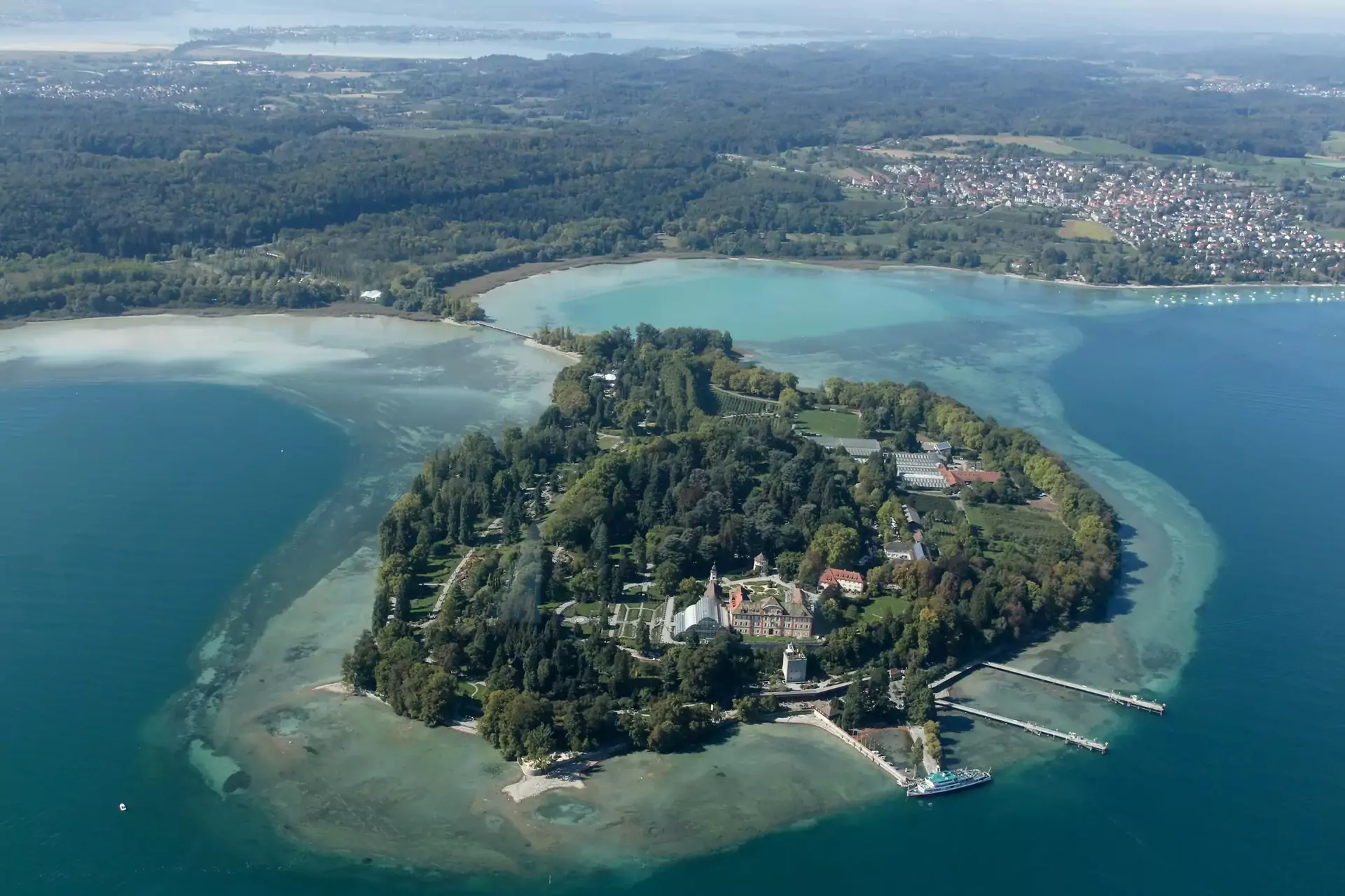
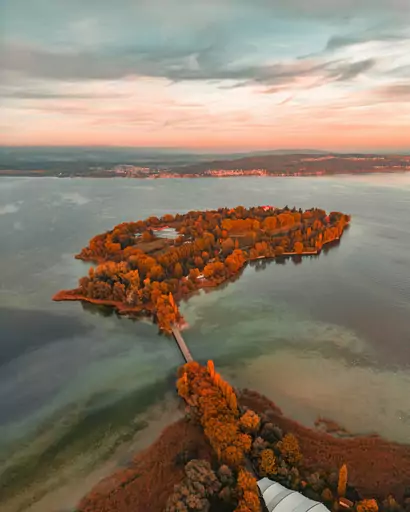
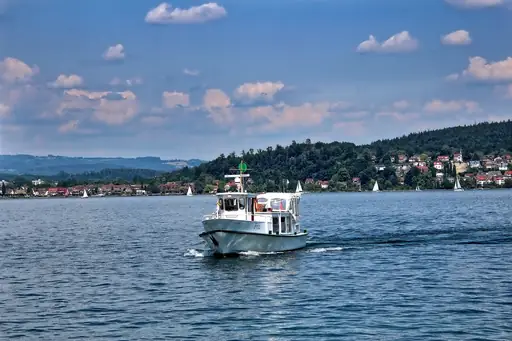
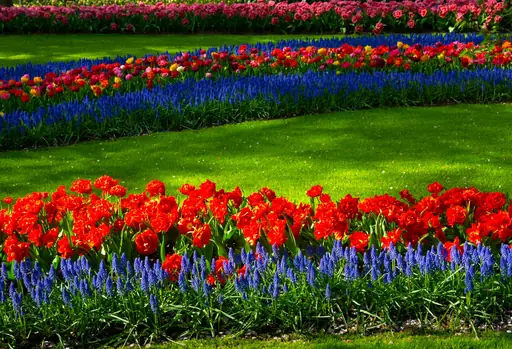
Konstanz is worth a visit for its lakeside setting and its history. The Council of Constance met here and in the process ended the Papal Schism and elected Pope Martin V. The Konzilgebäude by the harbor dates from this period. The Imperia statue at the harbor mouth is a sculpture 30 ft tall that satirically commemorates the council. The cathedral has been the city's landmark for centuries and its tower has views over the roofs and the lake. The lake is the other reason to come. A car ferry crosses to Meersburg and catamarans connect Konstanz with Friedrichshafen. Boat trips leave from the harbor. Mainau island, the island of flowers, belongs to the city. The Bodensee Therme spa and the Bismarck Tower, a good sunset spot, are further stops. The Swiss border runs along the southern edge of the city, so Kreuzlingen is within walking distance. Many Swiss visitors come to shop. The University of Konstanz adds students, cafés and a lively evening scene. A weekend covers the old town, the cathedral and one boat trip. The lake paths also suit cycling and swimming spots in summer.
Trains are the easiest way to reach Konstanz. The station is the end of the High Rhine Railway and has direct hourly trains from Zurich in about 1 hour 20 minutes. From elsewhere in Germany you usually change in Singen. Stuttgart is roughly 2.5 to 3 hours away. Zurich Airport is the best airport, with a direct train to Konstanz in about 1 hour 20 minutes. Friedrichshafen Airport is smaller. Stuttgart Airport is also an option and needs a change in Singen. By boat, a car ferry from Meersburg takes about 15 minutes and the catamaran from Friedrichshafen takes about an hour. By car, the A81 leads from Stuttgart to Singen and roads continue to Konstanz. Parking in the old town is limited.
Most visitors stay in the old town or near the harbor, where hotels and guesthouses are close to the cathedral, the shops and the ferries. Hotels near the main station are practical for early trains. Rates run high near the Swiss border. Petershausen across the Rhine is quieter and residential, with apartments and small guesthouses. Hostels and cheaper rooms are also available in Kreuzlingen on the Swiss side, but prices there are in francs. Book ahead for summer weekends, the lake festival season and the Christmas market. Carnival and trade events can also fill rooms. Weekday rooms are busy because of the university and business visitors.
Konstanz's old town is largely pedestrian and compact, so walking covers most sights. The harbor and the main station are next to each other. Buses reach the districts across the Rhine and farther out. Boats link the city with other lake towns.
Walking:
The old town, the harbor and the lakeside promenades are all within a short walk. Kreuzlingen in Switzerland is also within walking distance of the border crossing.
Buses and boats:
City buses run from the main station to the districts and to Mainau island. Ferries and catamarans leave from the harbor for Meersburg and Friedrichshafen. Boat schedules thin out in winter.
Bikes:
The terrain is flat and bikes can be rented near the station. Paths lead along the lake and the Rhine.
Car:
A car isn't needed in the old town. Parking is limited and paid, so use a garage on the edge and walk in.
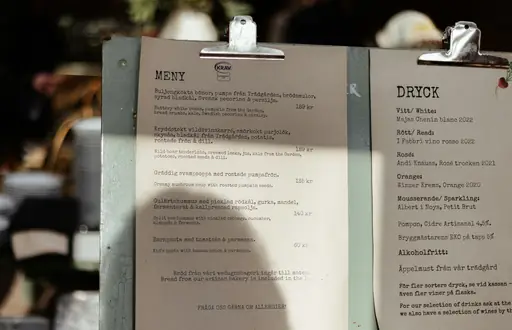
Food in Konstanz is a mix of Baden, Swabian and Swiss cooking with a lake focus. The nearby Swiss border pushes menu prices up. Vegetarian dishes are easy to find in the old town.
Felchen:
Felchen is a whitefish from the lake. It's usually fried or pan-cooked and served with potatoes and salad in restaurants by the harbor.
Kässpätzle:
Kässpätzle are soft egg noodles layered with cheese and topped with fried onions. They're a hearty classic across the region and a common vegetarian choice.
Lake wines:
Vineyards around the lake produce light whites such as Müller-Thurgau and Pinot Blanc. Spätburgunder is the main red. Local taverns serve them by the glass.
Reichenau vegetables:
The nearby island of Reichenau is known for vegetables, especially salads and tomatoes. They appear in summer on menus and at markets.
We calculate the average costs when traveling to destinations and compare those with the living costs at your home. With this you can get an estimate of how expensive or cheap the destination is for you.
To customize this, you can set up which location and price level are used for the calculations in your account settings.
The exchange rate price factor shows how expensive or cheap a currency currently is compared to its historical average. It's a quick way to see if a country is currently more or less affordable due to exchange rate changes.
To help you plan your trip, we provide estimated daily costs per person (when traveling as a pair) for different travel styles. These numbers give you an idea of what you might spend each day at this destination, including accommodation, food, transport and activities.
Additionally, we also provide average hotel costs for different travel styles to give you an estimate for the accommodation only.
Please note that these are only estimates. The real costs depend on booking times, season and other factors.
Travel style categories explained:
Backpacker:
Staying in hostels or budget hotels, cooking your own meals or eating cheap and choosing low-cost activities.
Mid-range:
Staying in mid-range hotels, eating at a mix of restaurants and casual spots and enjoying a variety of activities.
Luxury:
Staying in luxury hotels, dining out at high-end restaurants and enjoying premium experiences without worrying about the price.
| Backpacker | Mid-range | Luxury | |
|---|---|---|---|
| 💵 Total costs per day, including accommodation | |||
| 🏨 Accommodation per night, per person | |||
| 🍝 Food per day | |||
| 🚕 Transportation per day |
| 🍽️ Restaurant Dinner, per person | |
|---|---|
| 🍛 Lunch Set, per person | |
| 🍟 Fast food combo | |
| 🍝 Preparing your own food, per day | |
| ☕ Cappuccino | |
| 🍺 Beer in a restaurant, 0.5 l / 16 oz |
| 🚌 Public transport ticket | |
|---|---|
| 🚕 Taxi Ride, 10 km / 6 mi | |
| ⛽ Gas, 1 l / ¼ gal |
| 🎞️ Movie ticket | |
|---|---|
| 👩⚕️ Doctor's consult | |
| 🤧 Cold medication | |
| 💇 Basic haircut |
Log in to add this place to a travel list and get a summary of all recommended items for your whole trip.
