





Was this page helpful?

These place ratings give you a quick overview of how well a destination matches different types of trips.
"Best for" scores:
The specific interest scores show where this place really shines – whether it's ideal for hiking, food & drink experiences, museums or other activities. These highlights help you understand what makes the destination special at a glance.
"Your personal" scores:
This reflects how well a place matches your personal preferences. You can adjust the importances of travel topics or other personal requirements categories in your account settings.
"Suited for" badges:
These give you a quick overview of how well a destination suits specific types of travelers, to help you find the places that match your lifestyle, preferences or travel situation.
| Power Grid: |
100 V, 50 Hz Plug: Type A
Type A:
 Read about power adapters |
|---|---|
| Currency: |
Japanese Yen (JPY) $1 ≈ ¥158 |
| Cashless info: |
Rating 4/5
Cashless payments are becoming more common, especially in cities, with some shops still preferring cash. Be prepared for occasional cash-only situations in rural areas.
Save with a travel credit card |
| eSIM providers: |
Best value: Saily Flexibility: Airalo Read our in-depth comparison |
| Tipping: | Tipping is not customary in Japan and can be considered rude. Excellent service is the norm, and tipping is unnecessary in most places. |
|---|---|
| Public drinking: | Public drinking is legal and commonly accepted, particularly during festivals and events. |
| Public smoking: | Smoking is prohibited in indoor public places but allowed in designated outdoor areas. Some restaurants may have smoking sections. |
| New Year (January) |
One of the most important holidays, expect crowded temples and high prices. Plan ahead. |
|---|---|
| Golden Week (April-May) |
The busiest travel time, expect high demand for accommodation and transportation. |
| Obon (August) |
A time to honor ancestors, many businesses close, and transportation can be crowded. |
| Emergency contact: | Emergency Number: 110 (Police), 119 (Fire & Ambulance) |
|---|---|
| Taxi apps: | Uber, JapanTaxi, DiDi |
| Other: | Japan is a country of respect, so understanding local customs and etiquette is important. Public transportation is efficient, but can be crowded during peak hours. |
The best times to travel section shows how the months compare for a visit, so you can find the time of year that fits what you want to do.
Background colors of the months:
The color shows the typical temperature: yellow (hot), green (mild) and blue (cold). How strong the color is shows the travel season: full color means high season, soft color means shoulder season and soft-striped means off season.
Weather symbols:
Each month has one symbol showing what the weather is typically like, such as hot and sunny, freezing or a rainy or snowy season. Use them to quickly spot months that match the weather you want, or to avoid the ones that don't.
Crowdedness:
The people icon shows how busy the place usually is. The more people, the more crowded it gets.
Additional notes:
The gray info boxes point out special things worth knowing, like recurring weather issues or seasonal events.
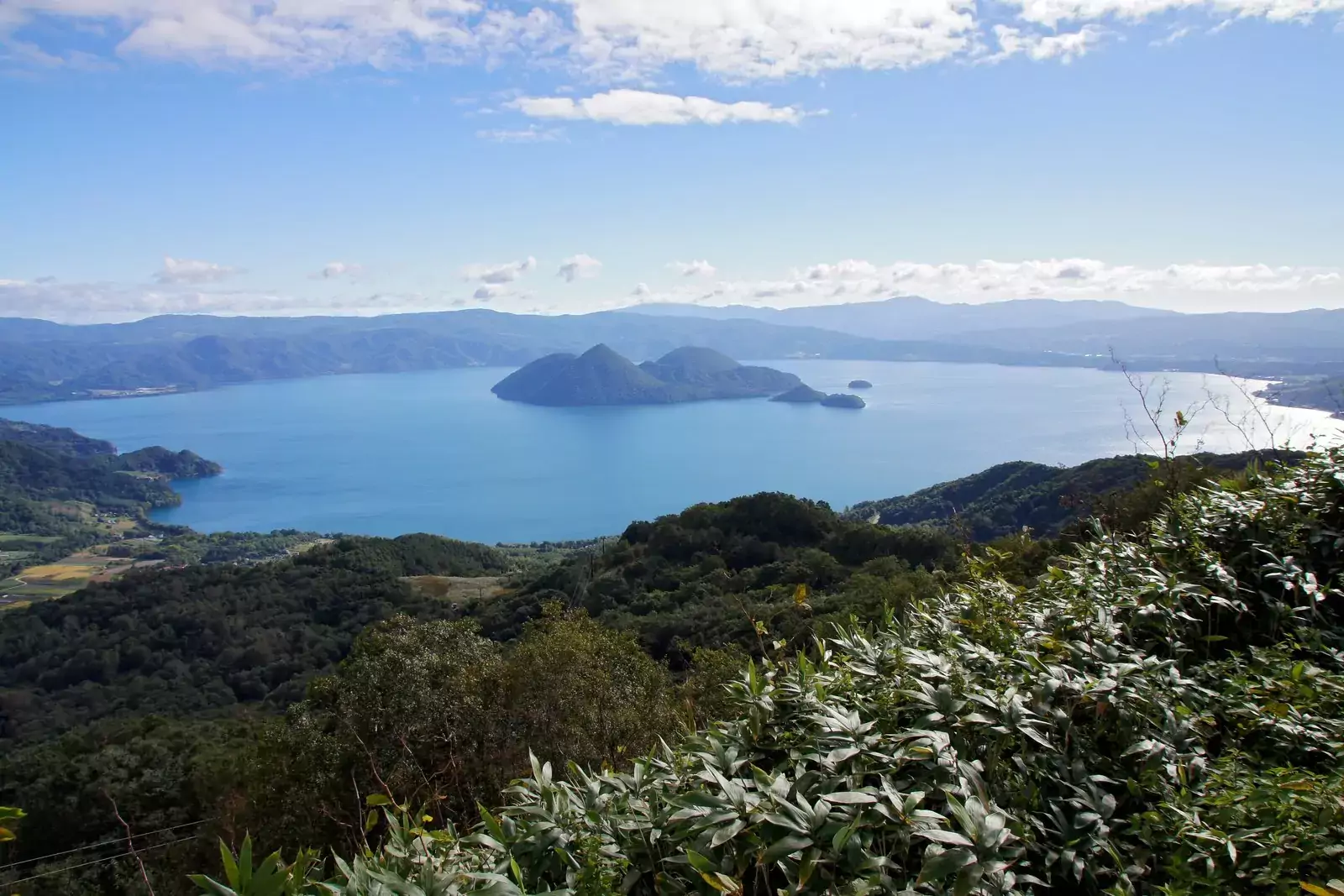
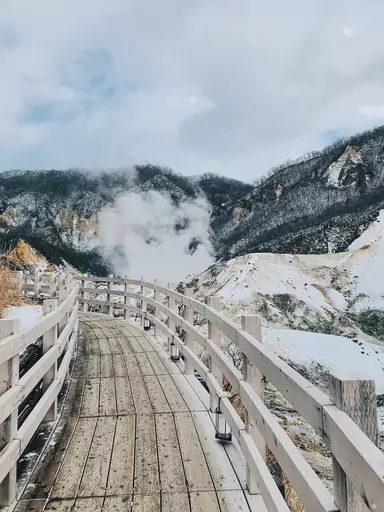
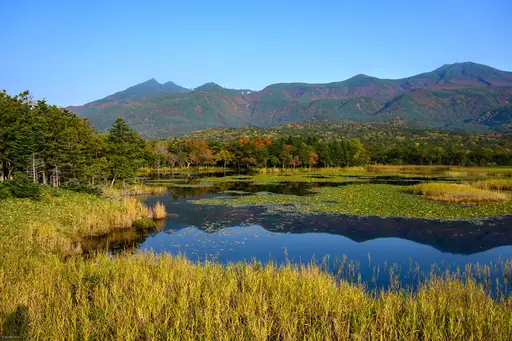
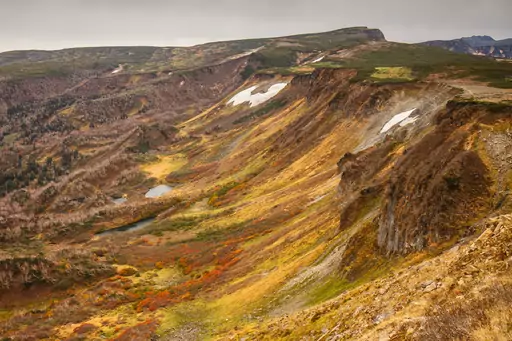
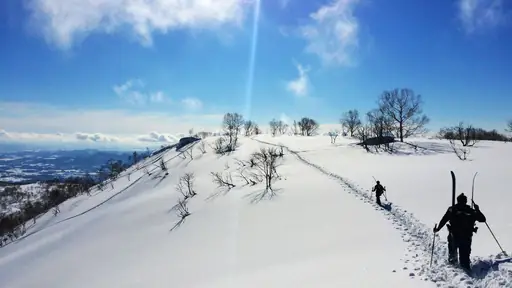
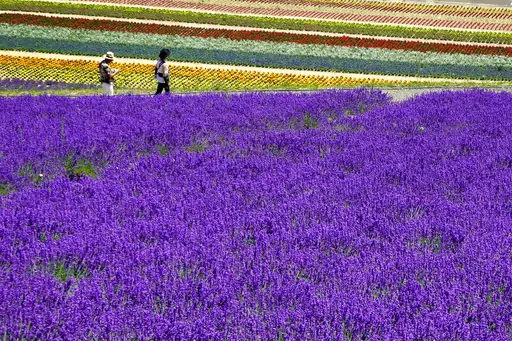
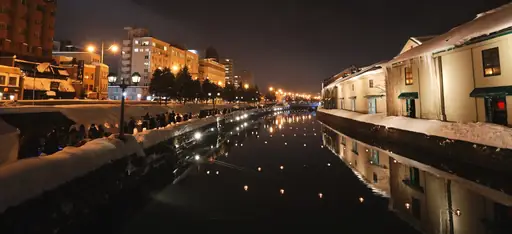
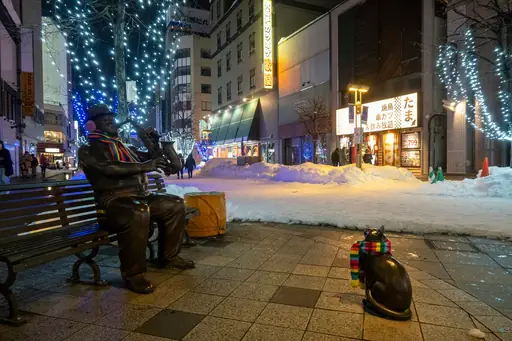
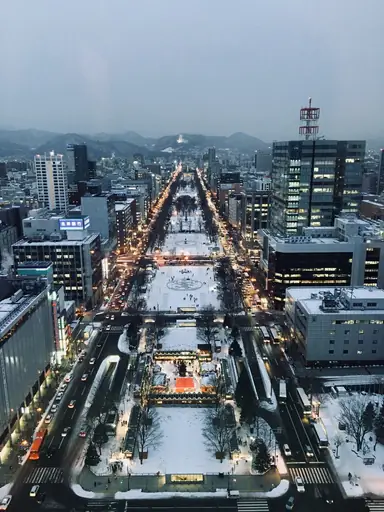
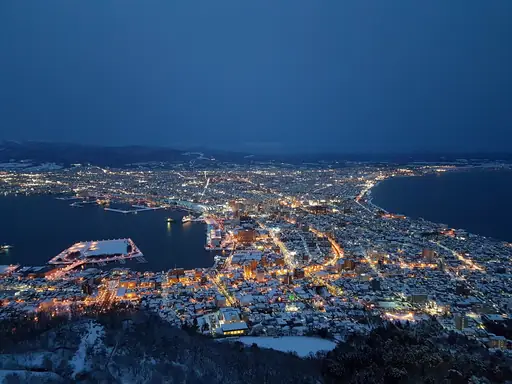
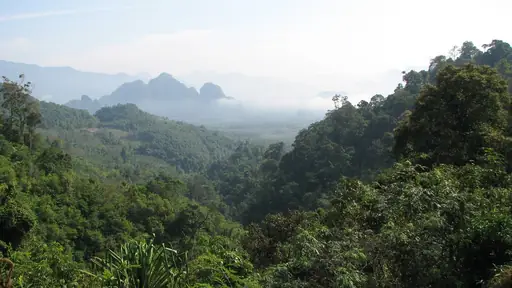
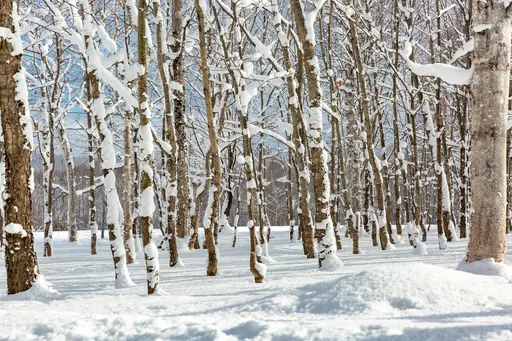
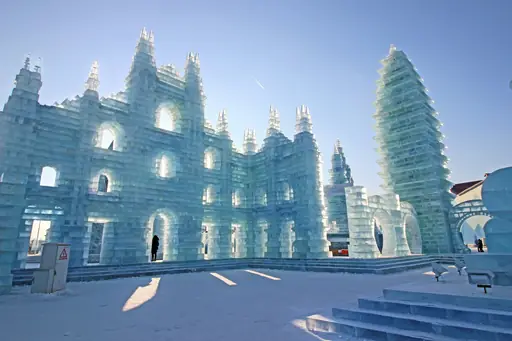
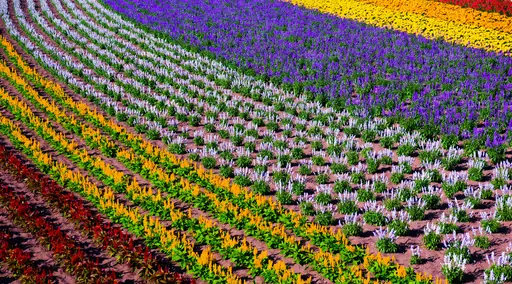
Hokkaido is mostly about nature. Daisetsuzan, Japan's largest national park, has volcanic peaks, hot springs and alpine trails. Shiretoko, a UNESCO World Natural Heritage site, is a wild peninsula with brown bears and sea views. Lakes like Toya, Shikotsu and Akan are in volcanic calderas. Around Furano and Biei, rolling farmland turns purple with lavender in midsummer and the Blue Pond near Biei draws visitors year round. Winter is a second season. Niseko and other resorts get dry powder snow that draws skiers from abroad while the Sapporo Snow Festival fills the city with giant ice and snow sculptures in February. Drift ice floats off the northeast coast in late winter. Sapporo adds beer, ramen and a grid of parks and shopping streets. Hakodate has a night view from Mt. Hakodate and a morning market while Otaru has a canal of old stone warehouses. Ainu culture, the island's indigenous heritage, is represented at museums and sites such as the one in Shiraoi. Hokkaido is too big for one trip to cover. A week works for one or two regions while a longer visit allows a loop through the center and the east. It's cooler in summer than the rest of Japan and snowy for months in winter.
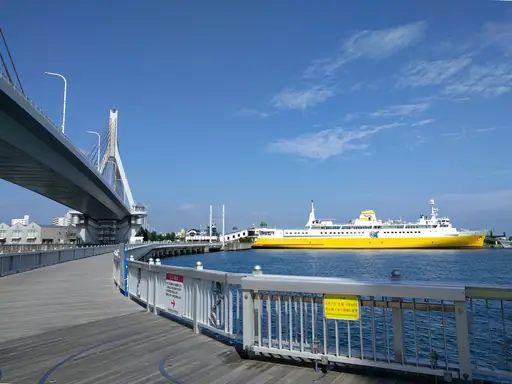
Most visitors fly into New Chitose Airport (CTS) near Sapporo. Flights from Tokyo take about 1.5 hours and many Japanese cities and several Asian ones connect directly. Rapid trains take about 40 minutes from the airport to Sapporo Station. Other airports include Hakodate (HKD), Asahikawa (AKJ) and Kushiro (KUH) for onward trips. The Hokkaido Shinkansen links Tokyo with Shin-Hakodate-Hokuto in around 4 hours with a short train onward to Hakodate. It suits a trip that starts in the south of the island. Ferries sail overnight from Oarai near Tokyo to Tomakomai and from Aomori to Hakodate. More run from Maizuru and Niigata to Otaru. All take a long time but carry cars. Driving to Hokkaido involves a ferry crossing from Honshu, so most visitors fly and rent a car on arrival.
Hokkaido has a wide range of places to stay, from big city hotels to ryokan, farm stays and ski condos. Sapporo is the usual base for the first visit since it has the most hotels and links to everywhere else. Hakodate, Asahikawa and Otaru have their own hotel clusters for those regions. For nature, stay in the hot spring towns around Noboribetsu, Lake Toya and Lake Akan or in small towns near the parks, such as Furano, Biei and Utoro near Shiretoko. Niseko has a mix of ski hotels and apartments and is busiest in winter. Many small inns include dinner, which helps in places with few restaurants. Rooms get tight and expensive during the Sapporo Snow Festival in February and in peak ski weeks as well as in July and August when lavender is in bloom. Book early then, especially in rural areas where choice is small. Autumn and spring bring fewer visitors.


Hokkaido is large, so the way you travel depends on the region.
Trains and buses:
Sapporo has a subway and trams while JR trains link the area around it. Limited express trains run from Sapporo to Asahikawa, Hakodate, Kushiro and other cities, though services are less frequent than in Honshu. Buses cover smaller towns and the parks but often run only a few times a day.
By car:
A rental car is the most flexible choice for rural areas like Furano, Biei, Shiretoko and the east. It also suits lakes and scenic roads. Driving is on the left.
Winter driving:
In winter roads can be icy and rental cars come fitted for snow, but heavy snowfall and shorter daylight make long drives harder. Ezo deer cross roads at dusk, so slow down then.
Flights and ferries:
Domestic flights link New Chitose with Kushiro, Memanbetsu and Wakkanai if you want to skip long drives. Ferries run to Rishiri and Rebun islands in the far north.
Food in Hokkaido centers on seafood, dairy and produce from the island's own waters and farms. Dishes are mostly simple and fresh. Sapporo adds a few city specialties of its own that have spread across the island.
Seafood:
Sea urchin, salmon roe, crab and scallops come from the waters around the island. Kaisendon rice bowls topped with them and sushi are easy ways to taste them. Hakodate and Otaru are especially strong for seafood. Markets and street stalls sell it by the piece.
Miso ramen:
Miso ramen was born in Sapporo and is now served in ramen shops across the island. The miso based broth tends to be hearty, which suits the cold winters.
Soup curry:
Soup curry is another Sapporo dish, a spicy broth loaded with vegetables and chicken or other fillings. Many places let you choose the spice level.
Jingisukan:
Jingisukan is grilled lamb cooked on a domed pan and found across the island. Vegetables are usually grilled alongside the meat.
Dairy and produce:
Potatoes with butter, sweet corn and Yubari melons are seasonal favorites. Fresh milk, cheese and soft serve are sold almost everywhere.
Convenience stores are rare in remote areas, so it helps to buy lunch before long drives. Vegetarians may find the choice limited since most local dishes use fish or meat.
We calculate the average costs when traveling to destinations and compare those with the living costs at your home. With this you can get an estimate of how expensive or cheap the destination is for you.
To customize this, you can set up which location and price level are used for the calculations in your account settings.
The exchange rate price factor shows how expensive or cheap a currency currently is compared to its historical average. It's a quick way to see if a country is currently more or less affordable due to exchange rate changes.
To help you plan your trip, we provide estimated daily costs per person (when traveling as a pair) for different travel styles. These numbers give you an idea of what you might spend each day at this destination, including accommodation, food, transport and activities.
Additionally, we also provide average hotel costs for different travel styles to give you an estimate for the accommodation only.
Please note that these are only estimates. The real costs depend on booking times, season and other factors.
Travel style categories explained:
Backpacker:
Staying in hostels or budget hotels, cooking your own meals or eating cheap and choosing low-cost activities.
Mid-range:
Staying in mid-range hotels, eating at a mix of restaurants and casual spots and enjoying a variety of activities.
Luxury:
Staying in luxury hotels, dining out at high-end restaurants and enjoying premium experiences without worrying about the price.
| Backpacker | Mid-range | Luxury | |
|---|---|---|---|
| 💵 Total costs per day, including accommodation | |||
| 🏨 Accommodation per night, per person | |||
| 🍝 Food per day | |||
| 🚕 Transportation per day |
| 🍽️ Restaurant Dinner, per person | |
|---|---|
| 🍛 Lunch Set, per person | |
| 🍟 Fast food combo | |
| 🍝 Preparing your own food, per day | |
| ☕ Cappuccino | |
| 🍺 Beer in a restaurant, 0.5 l / 16 oz |
| 🚌 Public transport ticket | |
|---|---|
| 🚕 Taxi Ride, 10 km / 6 mi | |
| ⛽ Gas, 1 l / ¼ gal |
| 🎞️ Movie ticket | |
|---|---|
| 👩⚕️ Doctor's consult | |
| 🤧 Cold medication | |
| 💇 Basic haircut |
Log in to add this place to a travel list and get a summary of all recommended items for your whole trip.
