
Asia › Japan › Hokkaido

Hokkaido

Scroll
Volcanoes, powder snow and fresh seafood

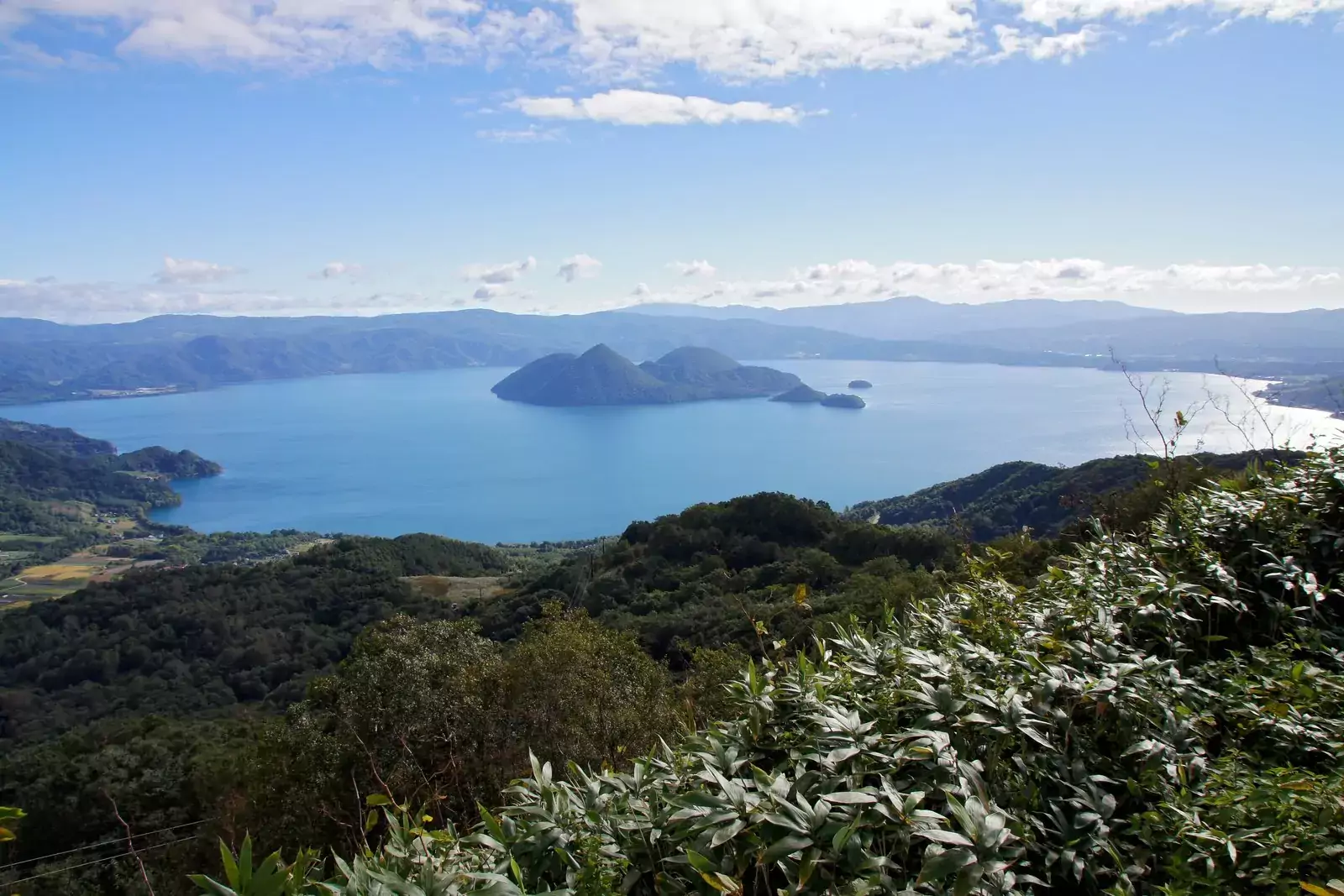
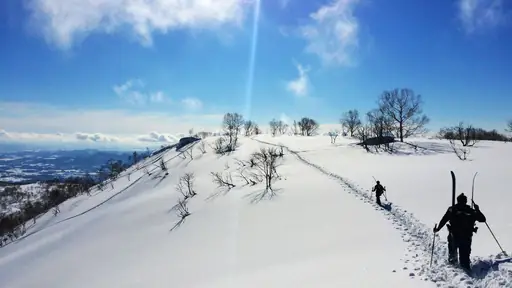
Hokkaido is Japan's northernmost main island and its second largest, roughly the size of Austria. Sapporo is the capital and the main gateway, while the rest of the island is mostly mountains, farmland, volcanic lakes and coast. Visitors can ski the powder at Niseko, see the Shiretoko peninsula, walk the flower fields around Furano and Biei or soak in the hot springs of Noboribetsu. Hakodate and Otaru add port-town history. Public transport thins out quickly beyond the cities, so a hire car or a focused route works best. A week suits one or two regions.

State/Prefecture in Japan
Climate zone: Warm continental

Warm continental: Humid continental climates with warm summers, cold winters and evenly distributed precipitation, typical of northern interior mid-latitudes.

See climate table
Price level: $$$
$Cheap
$$Medium
$$$Expensive, upscale
$$$+Very expensive, luxury
See price details
Safety: 8.5
General Safety:9
Health & medical:8
Accessibility:6
Tap water:9
Read details
Tourist English: 3/5
English is widely available in tourist areas, especially in Sapporo and ski resorts like Niseko. However, English proficiency may be limited in rural areas, so translation apps can be helpful.
Last update: 20 Oct 2026
* We earn a commission from some links on this page.
Hokkaido Summary

These place ratings give you a quick overview of how well a destination matches different types of trips.

‘Best for’ scores:
The specific interest scores show where this place really shines – whether it's ideal for hiking, food & drink experiences, museums or other activities. These highlights help you understand what makes the destination special at a glance.

‘Your personal’ scores:
This reflects how well a place matches your personal preferences. You can adjust the importances of travel topics or other personal requirements categories in your account settings.

‘Suited for’ badges:
These give you a quick overview of how well a destination suits specific types of travellers, to help you find the places that match your lifestyle, preferences or travel situation.

Read how our scores work
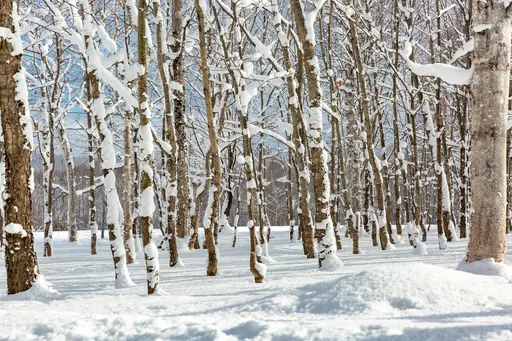
World-class for winter sports and wild nature. Ski deep powder snow, hike national parks, visit hot springs and enjoy famous seafood.
Place score
9.3
Best at:
Snow
10
Skiing
10
Spotless
9
Natural sites
9
Flowers
9
Personal score
?
Log in to see how this place matches your personal travel interests.
Suited for
👶 7
Families
🧓 6
Seniors
👩 8
Solo
❤️ 8
Couples
Japan – Quick facts
Power Grid: 100 V, 50 Hz
Plug: Type A
Type A:
Diagram of a Type A power plug

Read about power adapters
Currency: Japanese Yen (JPY)
£1 ≈ JP¥210
Cashless info: Rating 4/5
Cashless payments are becoming more common, especially in cities, with some shops still preferring cash. Be prepared for occasional cash-only situations in rural areas.

Save with a travel credit card
eSIM providers: Best value: Saily
Flexibility: Airalo
Read our in-depth comparison
Tipping: Tipping is not customary in Japan and can be considered rude. Excellent service is the norm, and tipping is unnecessary in most places.
Public drinking: Public drinking is legal and commonly accepted, particularly during festivals and events.
Public smoking: Smoking is prohibited in indoor public places but allowed in designated outdoor areas. Some restaurants may have smoking sections.
New Year
(January)
One of the most important holidays, expect crowded temples and high prices. Plan ahead.
Golden Week
(April-May)
The busiest travel time, expect high demand for accommodation and transport.
Obon
(August)
A time to honour ancestors, many businesses close, and transport can be crowded.
Emergency contact: Emergency Number: 110 (Police), 119 (Fire & Ambulance)
Taxi apps: Uber, JapanTaxi, DiDi
Other: Japan is a country of respect, so understanding local customs and etiquette is important. Public transport is efficient, but can be crowded during peak hours.
Best times to travel

The best times to travel section shows how the months compare for a visit, so you can find the time of year that fits what you want to do.

Background colours of the months:
The colour shows the typical temperature: yellow (hot), green (mild) and blue (cold). How strong the colour is shows the travel season: full colour means high season, soft colour means shoulder season and soft-striped means off season.

Weather symbols:
Each month has one symbol showing what the weather is typically like, such as hot and sunny, freezing or a rainy or snowy season. Use them to quickly spot months that match the weather you want, or to avoid the ones that don't.

Crowdedness:
The people icon shows how busy the place usually is. The more people, the more crowded it gets.

Additional notes:
The grey info boxes point out special things worth knowing, like recurring weather issues or seasonal events.

for Hokkaido, Japan
🌨️
Jan
🌨️
Feb
🌨️
Mar
🌤️
Apr
🌤️
May
🌥️
Jun
🌥️
Jul
🌤️
Aug
🌤️
Sep
☀️
Oct
☀️
Nov
🌨️
Dec
High season: Jan. - Feb., July - Aug.
Shoulder season: March, May - June, Sep. - Oct., Dec.
Crowdedness: 4 (Moderate tourist numbers)
Tap on a month for more info Hover over a month for more info
Climate and season vary by activity: skiing late December to March, flowers and hiking June to September, autumn leaves in October
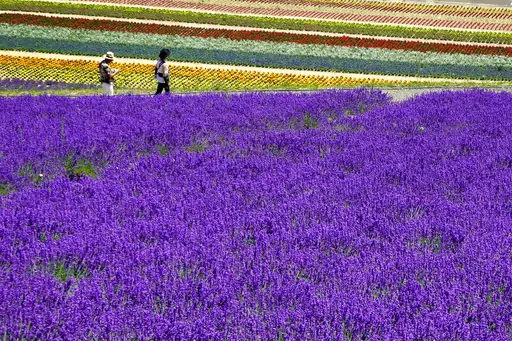
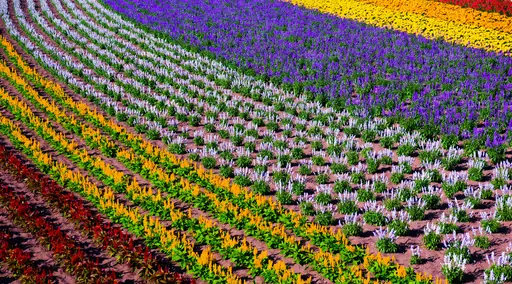
Lavender peaks early to mid July around Furano and Biei
Drift ice cruises late January to March; many Shiretoko roads and boat tours close in winter

Why travel to Hokkaido?

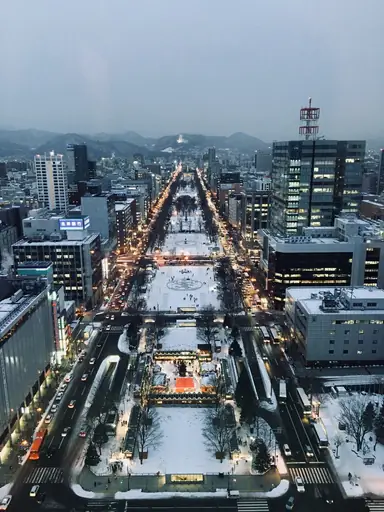
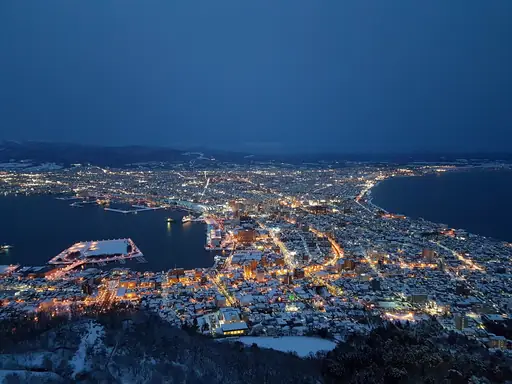
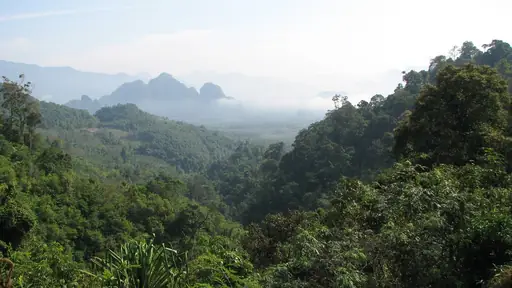
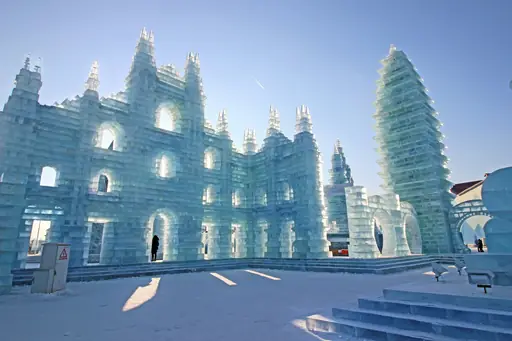
Hokkaido is mostly about nature. Daisetsuzan, Japan's largest national park, has volcanic peaks, hot springs and alpine trails. Shiretoko, a UNESCO World Natural Heritage site, is a wild peninsula with brown bears and sea views. Lakes like Toya, Shikotsu and Akan are in volcanic calderas. Around Furano and Biei, rolling farmland turns purple with lavender in midsummer and the Blue Pond near Biei draws visitors year round. Winter is a second season. Niseko and other resorts get dry powder snow that draws skiers from abroad while the Sapporo Snow Festival fills the city with giant ice and snow sculptures in February. Drift ice floats off the northeast coast in late winter. Sapporo adds beer, ramen and a grid of parks and shopping streets. Hakodate has a night view from Mt. Hakodate and a morning market while Otaru has a canal of old stone warehouses. Ainu culture, the island's indigenous heritage, is represented at museums and sites such as the one in Shiraoi. Hokkaido is too big for one trip to cover. A week works for one or two regions while a longer visit allows a loop through the centre and the east. It's cooler in summer than the rest of Japan and snowy for months in winter.

🏙️Cities & Regions
  • 1 Sapporo
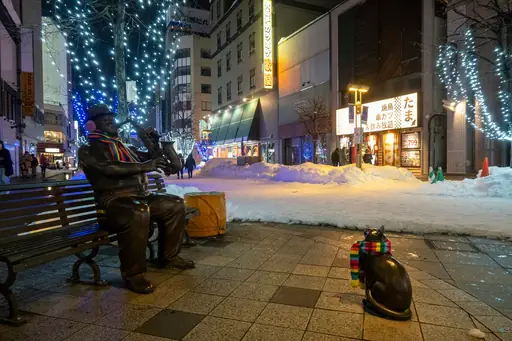
    Hokkaido's largest city, laid out on a tidy grid around Odori Park with snowy winters and green summers. Miso ramen, soup curry, fresh seafood and cold beer make it a food-first stop in the north of Japan.
  • 2 Hakodate
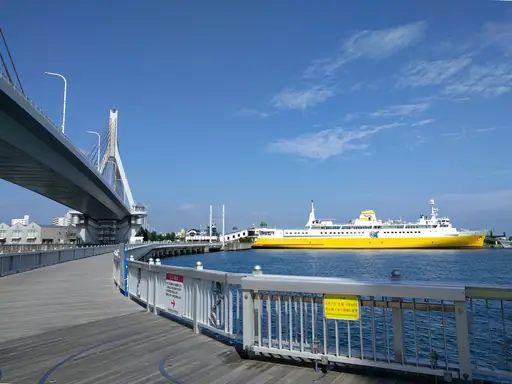
    A port city at the southern tip of Hokkaido, known for the night view from Mt. Hakodate and a seafood morning market. It also has a star-shaped fort, hillside churches and hot springs, four hours by Shinkansen from Tokyo.
  • 3 Otaru
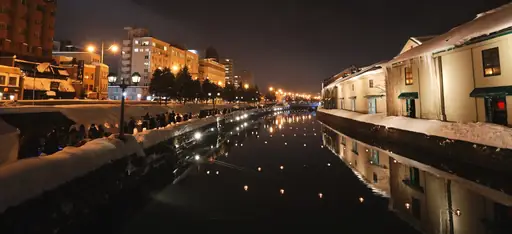
    A port city on Hokkaido's west coast, about 35 minutes from Sapporo by train, with a stone-warehouse canal and over 100 sushi restaurants. The main sights fit into a day. February brings the candlelit Snow Light Path.
  • 4 Niseko
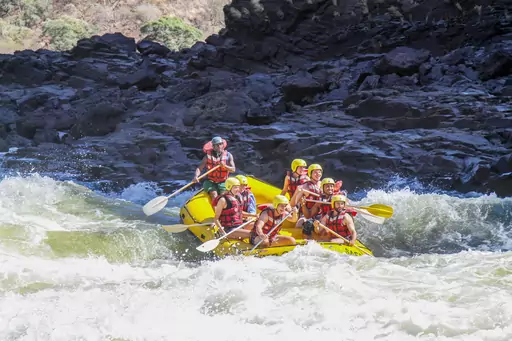
    A resort area on the slopes of Mount Annupuri in southwest Hokkaido, known for its powder snow and four connected ski resorts. In summer the same area turns to rafting, hiking and mountain biking under Mount Yotei.
  • 5 Furano
    A farming town in central Hokkaido, about 2.5 hours from Sapporo by direct bus. Its lavender fields draw crowds in July and its ski resort gets powder snow in winter. A seasonal sightseeing train runs through the flower fields.
  • 6 Shiretoko National Park
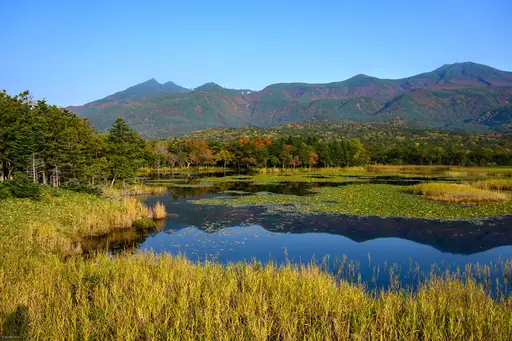
    A World Heritage peninsula in northeastern Hokkaido with volcanic mountains, a hot spring waterfall and some of the highest recorded brown bear densities in the world. Drift ice from the Sea of Okhotsk reaches its coast in winter.
  • 7 Asahikawa
    Hokkaido's second-largest city is in a basin in the centre of the island and is known for its close-up zoo and soy sauce ramen. Winter adds snow sculptures in the city centre and penguins strolling through the snow at the zoo.
  • 8 Daisetsuzan National Park
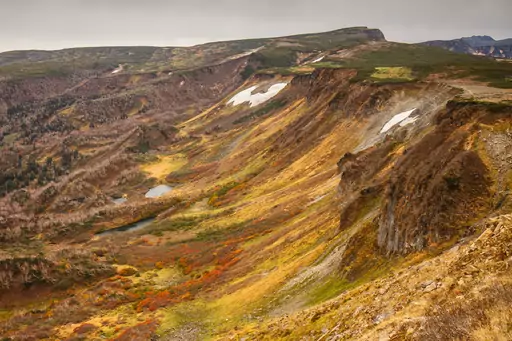
    Japan's biggest national park, a chain of mountains in central Hokkaido with active volcanoes and onsen villages. Ropeways take you into the high country in about 10 minutes. Autumn colours arrive earlier here than anywhere else in Japan.
  • 9 Noboribetsu
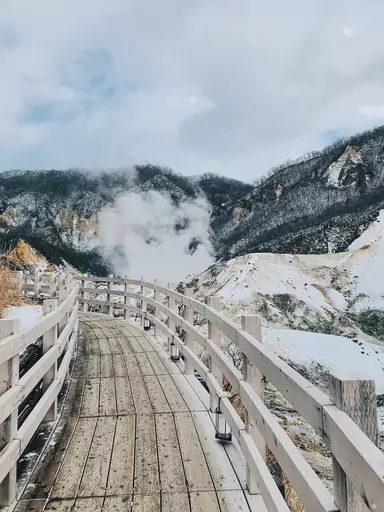
    A spa resort in southwestern Hokkaido where steam rises from a volcanic crater called Hell Valley. Nine types of spring water feed its baths and a free natural footbath, with a demon festival in late August.
🏯Places worth seeing
  • 1 Asahiyama Zoo
  • 2 Sapporo Clock Tower
  • 3 Hakodate Morning Market
  • 4 Shiroi Koibito Park
  • 5 Sapporo Beer Museum
  • 6 JOZANKEI ONSEN
  • 7 Hotspring Spa
  • 8 Hokkaido University Botanical Garden
🎡Places for activities
  • 1 Otaru Music Box Hall Number 2 Antique Museum
  • 2 Lavender Fields - Tomita
  • 3 Annupuri Ski Resort
  • 4 Mt. Moiwa Ropeway
🏞️Natural landmarks
  • 1 Blue Pond
  • 2 Jigokudani Hell Valley Geysir
  • 3 Lake Shikotsu
  • 4 Mt. Asahi
  • 5 Hotel Park Hills
  • 6 Lake Akan
  • 7 Lake Mashu
🛍️Shopping
  • 1 Tanukikoji Shopping Street
  • 2 Sapporo Factory
  • 3 Otaru Port Jukan Street
  • 4 AEON MALL Sapporo Hiraoka
🍽️Eat & Drink
  • 1 Sapporo Beer Garden
    A historic red-brick brewery complex for Hokkaido jingisukan, where lamb and vegetables are grilled at the table, paired with Sapporo beer. It is at 9-2-10 Kita 7-jo Higashi in Sapporo, beside the Sapporo Beer Museum.
  • 2 Soup Curry GARAKU
    GARAKU serves Sapporo-style soup curry: a spice-forward broth with large vegetables and choices such as chicken leg, pork or seafood, served with rice. It is at 2-6-1 Minami 2-jo Nishi in central Sapporo, close to Odori Park and Tanukikoji.
  • 3 Nijo Market Ohiso
    Ohiso serves seafood rice bowls with Hokkaido ingredients such as salmon roe, sea urchin, crab and seasonal fish. It is inside Sapporo’s Nijo Market, about a 10-minute walk east of Odori Park.
  • 4 Sankaku Market Takinami Shokudo
    Takinami Shokudo specialises in customisable seafood bowls with sea urchin, crab, scallops, salmon roe and seasonal catches. It is inside Sankaku Market immediately beside Otaru Station.
  • 5 Otaru Masazushi Main Store
    Otaru Masazushi serves Edo-style sushi featuring Hokkaido seafood such as crab, sweet shrimp, sea urchin and seasonal fish. It is at 1-1-1 Hanazono on Otaru’s Sushi Street, about 10 minutes on foot from Otaru Station.
  • 6 Hakodate Asaichi Donburi Yokocho Market
    Donburi Yokocho gathers seafood-bowl restaurants offering squid, salmon roe, crab, sea urchin and other Hokkaido catches for breakfast and lunch. It is directly beside JR Hakodate Station.
  • 7 Ajisai Honten
    Ajisai serves Hakodate-style shio ramen, with thin noodles in a clear, salt-based broth topped with pork, bamboo shoots and green onion. Its main branch is at 10-12 Goryokaku-cho, near Goryokaku Park in Hakodate.
  • 8 Asahikawa Ramen Village
    Asahikawa Ramen Village brings together several ramen shops representing the city’s soy-sauce-based style, often blending seafood and pork or chicken broths. It is at 11-6 Nagayama 11-jo in Asahikawa, accessible by bus or taxi from Asahikawa Station.
  • 9 Butadon no Tonta
    Tonta specialises in Tokachi butadon, grilled pork slices glazed with a sweet soy sauce and served over rice. It is at 3-18-8 Higashi 10-jo Minami in Obihiro, around a short taxi ride from Obihiro Station.
  • 10 LeTAO Main Store
    LeTAO’s flagship serves Double Fromage cheesecake and other sweets made with Hokkaido dairy, with a café upstairs. It is at 7-16 Sakaimachi in Otaru, near the Otaru Music Box Museum and canal-area warehouses.
🎈Events
  • Sapporo Snow Festival
  • Yosakoi Soran Festival
  • Hokkaido Shrine Festival
  • Otaru Snow Light Path
  • Sounkyo Ice Festival
  • Furano Lavender Festival
  • Hakodate Christmas Fantasy
  • Asahikawa Winter Festival
  • Hokuto City Summer Fireworks
  • Nemuro Crab Festival

Knowledge before you go

  • Hire a car for rural Hokkaido, as buses and trains are sparse.
  • Brown bears live across Hokkaido, so hikers should carry a bell and avoid dawn and dusk.
  • Distances are large, so pick one or two regions per trip instead of crossing the whole island.
  • Roadside stations called michi-no-eki sell local produce and meals and have toilets, which is handy on long drives.

How to travel to Hokkaido

Most visitors fly into New Chitose Airport (CTS) near Sapporo. Flights from Tokyo take about 1.5 hours and many Japanese cities and several Asian ones connect directly. Rapid trains take about 40 minutes from the airport to Sapporo Station. Other airports include Hakodate (HKD), Asahikawa (AKJ) and Kushiro (KUH) for onward trips. The Hokkaido Shinkansen links Tokyo with Shin-Hakodate-Hokuto in around 4 hours with a short train onward to Hakodate. It suits a trip that starts in the south of the island. Ferries sail overnight from Oarai near Tokyo to Tomakomai and from Aomori to Hakodate. More run from Maizuru and Niigata to Otaru. All take a long time but carry cars. Driving to Hokkaido involves a ferry crossing from Honshu, so most visitors fly and hire a car on arrival.

Access summary

  • From New Chitose Airport (CTS): Rapid train to Sapporo, about 40 minutes.
  • From Tokyo: Frequent flights to CTS/Sapporo, usually around 1.5–2 hours.
  • From Honshu by ferry: Services to Hakodate, Otaru, Tomakomai, typically 4–20 hours.

Where to stay in Hokkaido

Hokkaido has a wide range of places to stay, from big city hotels to ryokan, farm stays and ski condos. Sapporo is the usual base for the first visit since it has the most hotels and links to everywhere else. Hakodate, Asahikawa and Otaru have their own hotel clusters for those regions. For nature, stay in the hot spring towns around Noboribetsu, Lake Toya and Lake Akan or in small towns near the parks, such as Furano, Biei and Utoro near Shiretoko. Niseko has a mix of ski hotels and apartments and is busiest in winter. Many small inns include dinner, which helps in places with few restaurants. Rooms get tight and expensive during the Sapporo Snow Festival in February and in peak ski weeks as well as in July and August when lavender is in bloom. Book early then, especially in rural areas where choice is small. Autumn and spring bring fewer visitors.

How to get around Hokkaido

Hokkaido is large, so the way you travel depends on the region.

Trains and buses:
Sapporo has a subway and trams while JR trains link the area around it.
Limited express trains run from Sapporo to Asahikawa, Hakodate, Kushiro and other cities, though services are less frequent than in Honshu. Buses cover smaller towns and the parks but often run only a few times a day.

By car:
A hire car is the most flexible choice for rural areas like Furano, Biei, Shiretoko and the east.
It also suits lakes and scenic roads. Driving is on the left.

Winter driving:
In winter roads can be icy and hire cars come fitted for snow, but heavy snowfall and shorter daylight make long drives harder.
Ezo deer cross roads at dusk, so slow down then.

Flights and ferries:
Domestic flights link New Chitose with Kushiro, Memanbetsu and Wakkanai if you want to skip long drives.
Ferries run to Rishiri and Rebun islands in the far north.

Food in Hokkaido

Food in Hokkaido centres on seafood, dairy and produce from the island's own waters and farms. Dishes are mostly simple and fresh. Sapporo adds a few city specialities of its own that have spread across the island.

Seafood:
Sea urchin, salmon roe, crab and scallops come from the waters around the island.
Kaisendon rice bowls topped with them and sushi are easy ways to taste them. Hakodate and Otaru are especially strong for seafood. Markets and street stalls sell it by the piece.

Miso ramen:
Miso ramen was born in Sapporo and is now served in ramen shops across the island.
The miso based broth tends to be hearty, which suits the cold winters.

Soup curry:
Soup curry is another Sapporo dish, a spicy broth loaded with vegetables and chicken or other fillings.
Many places let you choose the spice level.

Jingisukan:
Jingisukan is grilled lamb cooked on a domed pan and found across the island.
Vegetables are usually grilled alongside the meat.

Dairy and produce:
Potatoes with butter, sweet corn and Yubari melons are seasonal favourites.
Fresh milk, cheese and soft serve are sold almost everywhere.

Convenience stores are rare in remote areas, so it helps to buy lunch before long drives. Vegetarians may find the choice limited since most local dishes use fish or meat.

Budget snapshot
Costs compared to home

We calculate the average costs when travelling to destinations and compare those with the living costs at your home. With this you can get an estimate of how expensive or cheap the destination is for you.

To customise this, you can set up which location and price level are used for the calculations in your account settings.

-45 %
Daily expenses in the region are around 45% lower than the average across United States. That means you'll spend a lot less on meals and getting around.
Exchange rate trend

The exchange rate price factor shows how expensive or cheap a currency currently is compared to its historical average. It's a quick way to see if a country is currently more or less affordable due to exchange rate changes.

-20 %
Your exchange rate (GBP to JPY) is 20% better than in recent years. That means travelling now is considerably cheaper compared to the past.

Travel costs

To help you plan your trip, we provide estimated daily costs per person (when travelling as a pair) for different travel styles. These numbers give you an idea of what you might spend each day at this destination, including accommodation, food, transport and activities.

Additionally, we also provide average hotel costs for different travel styles to give you an estimate for the accommodation only.

Please note that these are only estimates. The real costs depend on booking times, season and other factors.

Daily cost summary

Travel style categories explained:

Backpacker:
Staying in hostels or budget hotels, cooking your own meals or eating cheap and choosing low-cost activities.

Mid-range:
Staying in mid-range hotels, eating at a mix of restaurants and casual spots and enjoying a variety of activities.

Luxury:
Staying in luxury hotels, dining out at high-end restaurants and enjoying premium experiences without worrying about the price.

Backpacker Mid-range Luxury
💵 Total costs per day, including accommodation
£73
£141
£359
🏨 Accommodation per night, per person
£51
£101
£225
🍝 Food per day
£17
£33
£107
🚕 Transportation per day
£5
£7
£27
Food & Drink
🍽️ Restaurant Dinner, per person
£12
🍛 Lunch Set, per person
£3.80
🍟 Fast food combo
£3.90
🍝 Preparing your own food, per day
£7
☕ Cappuccino
£2.40
🍺 Beer in a restaurant, 0.5 l
£2.90
Transportation
🚌 Public transport ticket
£1.20
🚕 Taxi Ride, 10 km / 6 mi
£16
⛽ Petrol, 1 l
£0.85
Other
🎞️ Cinema ticket
£9
👩‍⚕️ Doctor's consult
£20
🤧 Cold medication
£6.50
💇 Basic haircut
£14

Safety information overview

General safety
9
Hokkaido is very safe from crime, but nature carries the risks. Brown bears live in mountains and fields, so hikers should make noise and avoid dawn and dusk. Winter brings ice and heavy snow while Ezo deer cross roads. Earthquakes are possible.
Health & Medical
8
Sapporo and the larger cities have good hospitals, clinics and pharmacies, though English is limited. Rural areas can be a long way from a hospital, so travel insurance is worth having. Wild foxes can carry a parasite, so don't touch them or drink stream water.
Accessi­bility
6
Sapporo is flat with a subway that has lifts. Elsewhere accessibility depends on the place, with long distances, sparse public transport and snow and ice from December to March. National parks and viewpoints have uneven paths and stairs, so a car or tour helps.
Tap water
9
Tap water in Hokkaido is safe to drink, as in the rest of Japan. Bottled water and tea are sold in vending machines and shops in towns but are scarce in remote areas. Don't drink untreated stream water since foxes can carry a parasite.

Popular districts of Hokkaido

Looking for inspiration?

Discover
Best forest destinations in Asia
Asia's forest environments range from the ancient temperate rainforests of the far north and the cedar and beech forests of the eastern mountain zones to the cloud forests of the…
Read more
Discover
Top adventure destinations and outdoor activities
Adventure travel covers an enormous range of activities and risk tolerances, from multi-day wilderness trekking and white water rafting to technical climbing, polar expeditions and…
Read more
Discover
Best snow destinations in Asia
Asia has some of the most reliable snow in the world, and in parts of Japan it falls so often and so heavily that skiers plan whole trips around it. Hokkaido is famous for its…
Read more
Discover
Best destinations to visit in December in Asia
December counts among the best months of the year across much of Asia, even as it becomes one of the busiest. Southeast Asia holds onto its dry season through December, with…
Read more
Discover
Best destinations to visit in October in Asia
October counts among the best months of the year across much of Asia, as the wet season eases and clearer skies take over. India's monsoon has typically fully retreated by…
Read more
Discover
Top street food cities and local culinary markets
The best street food destinations treat the cart, stall or hawker counter as a serious culinary format rather than a budget substitute for a real meal. In cities with strong street…
Read more
Discover
Top motorcycling destinations and scenic routes
A great motorcycle route asks for more than scenery: it needs road surface, corner sequencing and enough remoteness to make the ride itself the point rather than simply transport…
Read more
Discover
Best travel destinations for food allergies
Travelling with a food allergy adds a layer of planning most people never have to think about and the right destination can make that planning a lot easier. Some travellers…
Read more
Discover
Best flower destinations in Asia
Asia's flower seasons span an extraordinary range of botanical traditions and natural flowering events, from the celebrated cherry blossom and autumn foliage circuits of East Asia…
Read more
Discover
Best couple vacation destinations in Asia
Asia is perfect for couples who want their holiday to feel like a shared adventure rather than just a change of scenery. Few continents offer so many ways to be amazed together.…
Read more
Discover
Best destinations to visit in August
August closes out peak summer across the Northern Hemisphere, often bringing the hottest weather of the year to many regions. Parts of Europe slow down noticeably this month,…
Read more
Discover
Best fall foliage destinations in Asia
Asia's autumn foliage season spans a wide geographic range, with the most celebrated displays concentrated in the temperate forests of East Asia where a rich mix of deciduous…
Read more
Discover
Top autumn foliage destinations and colours
Few natural spectacles are as season-specific and location-dependent as autumn foliage, where the combination of tree species composition, temperature drop and daylight reduction…
Read more
Discover
Best scenic drive destinations in Asia
Road trips are a less obvious tradition in parts of Asia, where trains often do the heavy lifting, but a handful of routes have become classics in their own right. Vietnam's Ha…
Read more
Discover
Best destinations to visit in June in Asia
June splits Asia sharply between regions turning wet and regions still enjoying some of their best weather of the year. India's monsoon typically arrives in June, and much of…
Read more
Feedback
