


Asia › Japan › Hokkaido › Daisetsuzan National Park

Daisetsuzan National Park

Scroll
Japan's largest national park, in Hokkaido

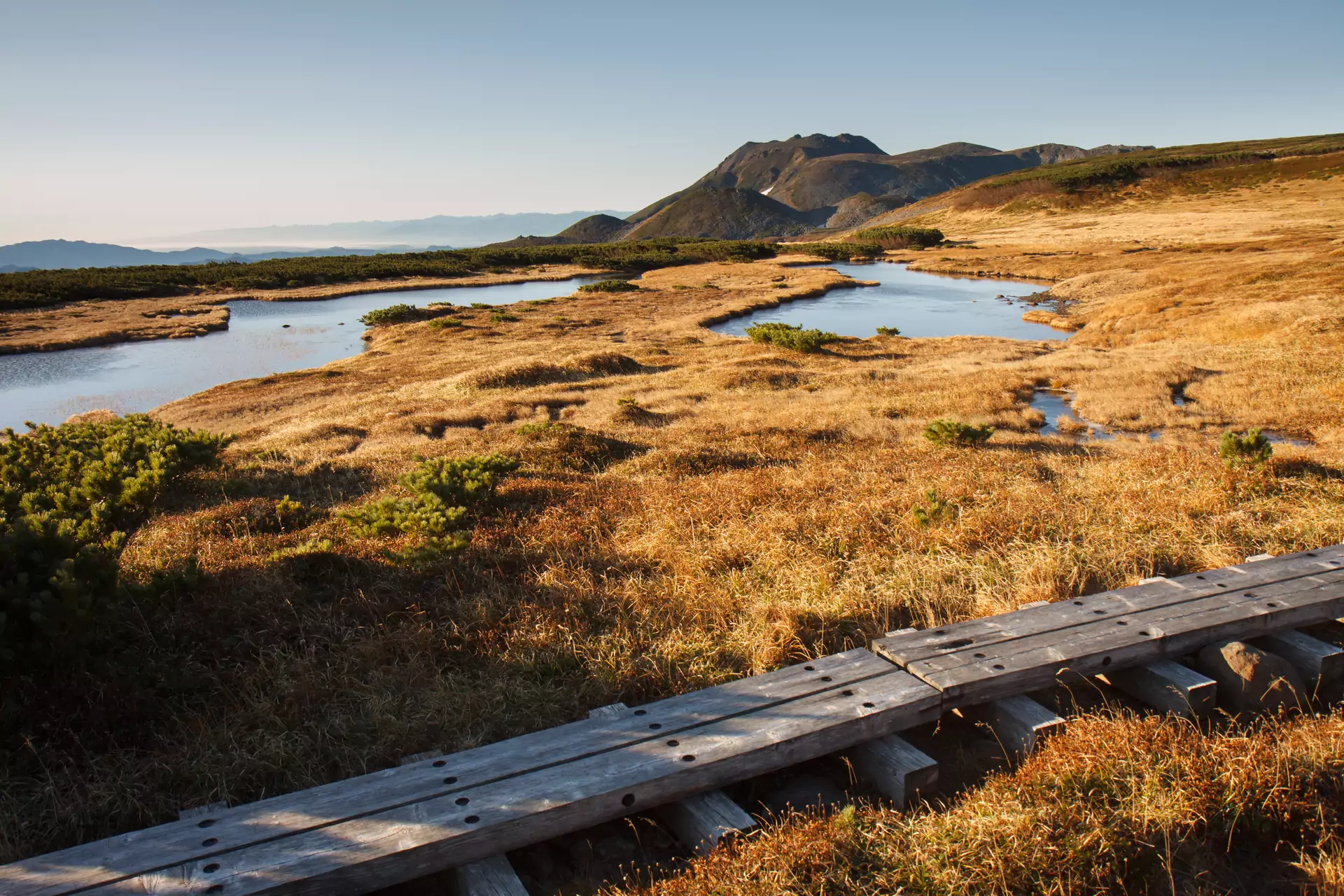
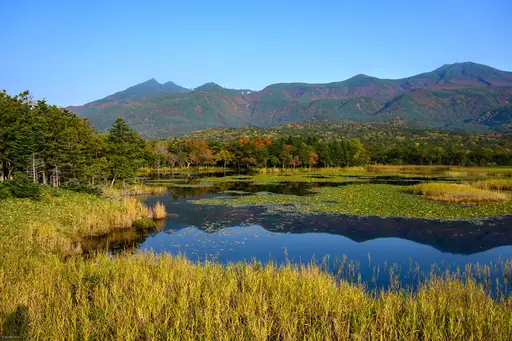
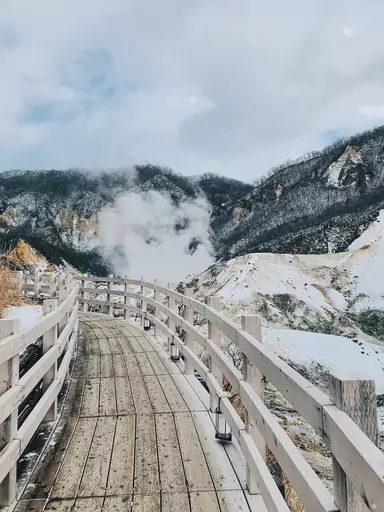
Daisetsuzan National Park covers about 2,270 km² of mountains in central Hokkaido and is the largest national park in Japan. Its chain of peaks around 2,000 m earned the nickname roof of Hokkaido. In Ainu tradition the area is the playground of the gods. Visitors can ride the Asahidake Ropeway to walk past steaming fumaroles, take the Kurodake Ropeway above Sounkyo Gorge or soak in onsen villages at the foot of the peaks. Trails beyond the ropeway stations are rough and brown bears live here, so plan for hiking rather than strolling. Asahikawa is the usual starting point, about 1.5 to 2 hours away.

National Park in Japan
Climate zone: Warm continental

Warm continental: Humid continental climates with warm summers, cold winters and evenly distributed precipitation, typical of northern interior mid-latitudes.

See climate table
Price level: $$$
$Cheap
$$Medium
$$$Expensive, upscale
$$$+Very expensive, luxury
See price details
Safety: 7.2
General Safety:8
Health & medical:6
Accessibility:4
Tap water:9
Read details
Tourist English: 2/5
English proficiency varies across Daisetsuzan. Visitor centres and major hotels have some English-speaking staff and information materials, but communication can be challenging in smaller establishments and more remote areas. Having a translation app is r
Last update: 20 Oct 2026
* We earn a commission from some links on this page.
Daisetsuzan National Park Summary

These place ratings give you a quick overview of how well a destination matches different types of trips.

‘Best for’ scores:
The specific interest scores show where this place really shines – whether it's ideal for hiking, food & drink experiences, museums or other activities. These highlights help you understand what makes the destination special at a glance.

‘Your personal’ scores:
This reflects how well a place matches your personal preferences. You can adjust the importances of travel topics or other personal requirements categories in your account settings.

‘Suited for’ badges:
These give you a quick overview of how well a destination suits specific types of travellers, to help you find the places that match your lifestyle, preferences or travel situation.

Read how our scores work
Outstanding for wilderness hiking and mountain nature. Trek volcanic peaks, watch wildlife, soak in hot springs and enjoy colourful autumn landscapes.
Place score
8.3
Best at:
Mountains
9
Snow
9
Spotless
9
Natural sites
9
Autumn foliage
9
Personal score
?
Log in to see how this place matches your personal travel interests.
Suited for
👶 6
Families
🧓 4
Seniors
♻️ 8
Sustainability
👩 6
Solo
Japan – Quick facts
Power Grid: 100 V, 50 Hz
Plug: Type A
Type A:
Diagram of a Type A power plug

Read about power adapters
Currency: Japanese Yen (JPY)
£1 ≈ JP¥210
Cashless info: Rating 4/5
Cashless payments are becoming more common, especially in cities, with some shops still preferring cash. Be prepared for occasional cash-only situations in rural areas.

Save with a travel credit card
eSIM providers: Best value: Saily
Flexibility: Airalo
Read our in-depth comparison
Tipping: Tipping is not customary in Japan and can be considered rude. Excellent service is the norm, and tipping is unnecessary in most places.
Public drinking: Public drinking is legal and commonly accepted, particularly during festivals and events.
Public smoking: Smoking is prohibited in indoor public places but allowed in designated outdoor areas. Some restaurants may have smoking sections.
New Year
(January)
One of the most important holidays, expect crowded temples and high prices. Plan ahead.
Golden Week
(April-May)
The busiest travel time, expect high demand for accommodation and transport.
Obon
(August)
A time to honour ancestors, many businesses close, and transport can be crowded.
Emergency contact: Emergency Number: 110 (Police), 119 (Fire & Ambulance)
Taxi apps: Uber, JapanTaxi, DiDi
Other: Japan is a country of respect, so understanding local customs and etiquette is important. Public transport is efficient, but can be crowded during peak hours.
Best times to travel

The best times to travel section shows how the months compare for a visit, so you can find the time of year that fits what you want to do.

Background colours of the months:
The colour shows the typical temperature: yellow (hot), green (mild) and blue (cold). How strong the colour is shows the travel season: full colour means high season, soft colour means shoulder season and soft-striped means off season.

Weather symbols:
Each month has one symbol showing what the weather is typically like, such as hot and sunny, freezing or a rainy or snowy season. Use them to quickly spot months that match the weather you want, or to avoid the ones that don't.

Crowdedness:
The people icon shows how busy the place usually is. The more people, the more crowded it gets.

Additional notes:
The grey info boxes point out special things worth knowing, like recurring weather issues or seasonal events.

for Daisetsuzan National Park, Japan
🌨️
Jan
🌨️
Feb
🌨️
Mar
🌤️
Apr
🔥
May
⛈️
Jun
⛈️
Jul
⛈️
Aug
⛈️
Sep
⛈️
Oct
🌨️
Nov
🌨️
Dec
High season: July - Sep.
Shoulder season: Jan. - April, June, Oct., Dec.
Crowdedness: 4 (Moderate tourist numbers)
Tap on a month for more info Hover over a month for more info
Summer hiking season runs roughly July to mid-September; snow patches can remain on high trails into July, and snow returns by late September
Autumn leaves are the earliest in Japan: late August to mid-September in the high mountains, early to mid October in the valleys around Sounkyo
Brown bears live in the park; carry a bell and check trail closures before hiking

Why travel to Daisetsuzan National Park?

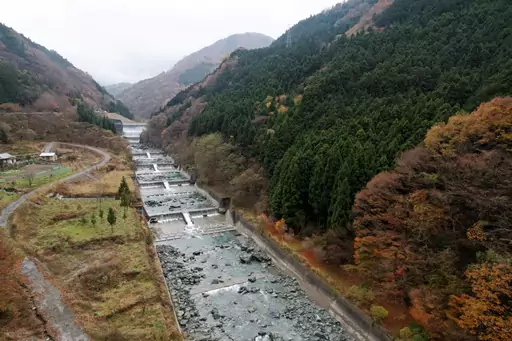
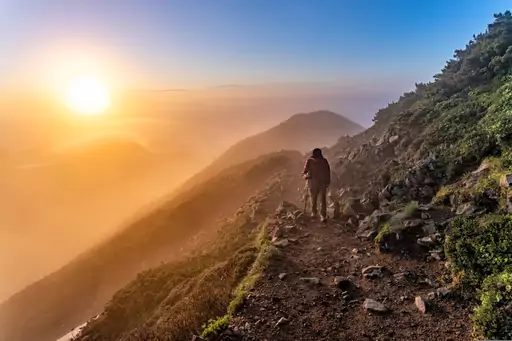
Daisetsuzan has huge mountains and you can reach their high country quickly. The park was established in 1934 and has peaks, plateaus and volcanic terrain. The Asahidake Ropeway takes about 10 minutes to reach Sugatami Station at 1,600 m. From there a loop of about 1.7 km goes around Sugatami Pond past steaming fumaroles and alpine plants. Asahidake itself is the highest mountain in Hokkaido at 2,291 m and the summit hike takes roughly 2.5 hours. The park has several other distinct corners. Sounkyo Gorge in the north has tall columnar cliffs and the Kurodake Ropeway, which connects to a chairlift and a walk of roughly 60 to 90 minutes to Kurodake's summit. Tokachidake in the south is an active volcano with a small hot spring complex on its slopes. Daisetsu Kogen has the Numa-no-Hara high moor, a national natural monument. The east side has lakes and old-growth woodland around Nukabira. The best hiking runs from mid-July to mid-September, when the high ground is usually free of snow. Autumn colour starts in early September, earlier than anywhere else in Japan. The first snow usually settles around mid-September and winter lasts into early May, which gives the park one of Japan's longest ski seasons. A day trip from Asahikawa covers one ropeway and a short walk. The interior routes, including the roughly 80 km Grand Traverse, need several days and proper gear.

🏯Places worth seeing
  • 1 Sounkyo Onsen
  • 2 Mt. Tokachi Observatory
🎡Places for activities
  • 1 Daisetsu Kogen Sanso
  • 2 Mt.Kurodake "KAMUI" forest trail
  • 3 Asahikawa Asahidake Onsen Line
  • 4 Tokachidake-onsen Biei Line
🏞️Natural landmarks
  • 1 Mount Asahi-dake
  • 2 Mt. Tokachi
  • 3 Hagoromo Falls
  • 4 Lake Shikaribetsu
🛍️Shopping
  • 1 Asahidake Visitor Center
🍽️Eat & Drink
  • 1 Tomo-chan Shokudo Kurodake Branch
    Tomo-chan Shokudo serves soy-sauce ramen and casual mountain meals at Hokkaido’s highest restaurant location. It is inside the Kurodake Ropeway fifth-station building, above Sounkyo Onsen and at the start of trails towards Mt. Kurodake.
  • 2 Daisetsuzan Shokudo
    Daisetsuzan Shokudo serves local ramen and set meals, with long-simmered broth and dishes using Kamikawa’s Keikoku pork. It is in Sounkyo Onsen, the eastern gateway village for the Kurodake Ropeway and Daisetsuzan hiking routes.
  • 3 Tozanken
    Tozanken specialises in Asahikawa-style ramen, characterised by soy-based double broth, wavy noodles and a layer of lard. It is in Sounkyo Onsen, close to the Kurodake Ropeway base station and the central hot-spring hotels.
  • 4 Beer Grill Canyon
    Beer Grill Canyon serves Italian-inspired dishes, pizza and Western meals using mountain-water-fed local vegetables, fish and meats. It is at 1 Sounkyo, within the Sounkyo Onsen resort area near the Kurodake Ropeway.
  • 5 Taisetsu Bakery Cafe & Bar
    Taisetsu Bakery Cafe & Bar serves baked goods, coffee, light meals and evening drinks in Sounkyo Onsen. It is in the compact gorge-side hot-spring settlement, near the main cluster of hotels and a short walk from the Kurodake Ropeway.
  • 6 Black Mountain Coffee by Columbia
    Black Mountain Coffee serves speciality coffee and light refreshments in a warm wood-accented space. It is on the third floor of the Kurodake Ropeway lower-station building in Sounkyo Onsen, overlooking the Daisetsuzan mountain gateway.
  • 7 Fratello di Mikuni
    Fratello di Mikuni is a garden restaurant serving seasonal courses designed around ingredients from the Daisetsuzan foothills. It is in Asahigaoka, Kamikawa, outside Sounkyo Onsen and reached by car from the national park’s eastern gateway.
  • 8 Midorioka Sabo
    Midorioka Sabo serves light meals made with sake lees from Kamikawa Taisetsu Sake Brewery and gelato using Kamikawa milk. It is at the brewery’s Midorioka site in Kamikawa, outside Sounkyo Onsen on the approach towards the Daisetsuzan area.
🎈Events
  • Ski Season Opening (November)
  • Winter Light-up Events
  • Sounkyo Ice Waterfall Festival
  • Summer Mountain Festival
  • Daisetsuzan Photography Contest
  • Hiking Season Opening (June)
  • First Snow Celebration (September/October)

Knowledge before you go

  • Fill in a hiking registration form at the trailhead before you go.
  • Carry a bear bell and clap or whistle near streams and where visibility is poor.
  • Both ropeways close for maintenance in late autumn, so check dates before planning a November trip.
  • Kurodake's colours typically start near the summit in mid-September and reach the valley floor around mid-October.

How to travel to Daisetsuzan National Park

Asahikawa is the gateway for most trips. Asahikawa Airport (AKJ) is about 50 minutes by car from Asahidake Onsen and has buses to the Asahidake area. Sapporo and New Chitose Airport (CTS) are the other main hubs, with JR limited express trains running from Sapporo to Asahikawa in about 1.5 hours. Plan on roughly 3.5 hours from Sapporo to the park in total. From Asahikawa Station a bus takes about 90 minutes to Asahidake Onsen. For Sounkyo you can take a direct bus in about 2 hours or the JR train to Kamikawa in about 70 minutes and a local bus from there for about 30 minutes. Tokachidake and its onsen on the south side are usually reached by car from the Furano area. By car, Asahidake Onsen is about 1 hour 10 minutes from Asahikawa Station and about 3 hours from Sapporo. Mountain roads can be icy from late autumn into spring.

Access summary

  • From Asahikawa Airport: Bus or hire car toward Asahidake, about 1–1.5 hours.
  • From Asahikawa city: Bus or car to Asahidake/Sounkyo trailheads, roughly 1.5 hours.
  • From Sapporo: Limited express train or highway bus to Asahikawa, around 1.5–2 hours.

Where to stay in Daisetsuzan National Park

The park has no single centre, so the choice is between a few small mountain bases and the cities below. Asahidake Onsen is the base for the ropeway and Mount Asahidake. It's a small village with lodges, a hostel and a few larger hotels. Sounkyo Onsen is the largest hot spring town in central Hokkaido with many ryokan and the Kurodake Ropeway in the village centre. Tokachidake Onsen on the south side has three ryokan on the mountain slopes and Daisetsu Kogen Onsen is at the start of the high moor route. Multi-day hikers use designated campgrounds and basic mountain huts, where campfires are banned. Lodging in the onsen villages tends to fill during the autumn colour weeks so book ahead. Staying in Asahikawa gives you far more choice at the cost of 1 to 2 hours of travel each way to the trailheads.

How to get around Daisetsuzan National Park

Daisetsuzan is far too big to cover from one base, so you move between separate areas that are one to two hours apart by road.

By car and bus:
A hire car from Asahikawa is the most flexible option.
Buses run from Asahikawa to Asahidake Onsen in about 90 minutes and to Sounkyo in about 2 hours, but services are infrequent so check timetables first.

Asahidake Onsen:
The ropeway station and visitor centre are in the village and a return trip costs around JP¥3,500 (£16.60) for adults in summer and autumn.
Parking at the ropeway is paid and tends to fill at autumn weekends.

Sounkyo:
The Kurodake Ropeway leaves from beside the visitor centre and a return trip costs about JP¥3,000 (£14.22).
The waterfalls and the Obako rock formation further up the valley have poor public transport, so a taxi or car is the practical way to reach them.

Food in Daisetsuzan National Park

Food here is simple and mostly tied to where you sleep. The mountain onsen villages such as Asahidake Onsen and Tokachidake Onsen are tiny, so most guests eat dinner and breakfast at their lodge and many book those meals with the room. Sounkyo Onsen is larger and has restaurants and shops in the village centre.

Trails have no food stops, so carry lunch and water from Asahikawa or Sounkyo. Cooking on multi-day hikes needs care because strong-smelling food can attract brown bears. Park guidance asks hikers to pack out all waste, to avoid dishes that leave liquid to dispose of and to keep food scraps in airtight containers.

Asahikawa has the widest choice of restaurants and supermarkets if you're stocking up before a longer route.

Budget snapshot
Costs compared to home

We calculate the average costs when travelling to destinations and compare those with the living costs at your home. With this you can get an estimate of how expensive or cheap the destination is for you.

To customise this, you can set up which location and price level are used for the calculations in your account settings.

-45 %
Daily expenses in the region are around 45% lower than the average across United States. That means you'll spend a lot less on meals and getting around.
Exchange rate trend

The exchange rate price factor shows how expensive or cheap a currency currently is compared to its historical average. It's a quick way to see if a country is currently more or less affordable due to exchange rate changes.

-20 %
Your exchange rate (GBP to JPY) is 20% better than in recent years. That means travelling now is considerably cheaper compared to the past.

Travel costs (Data for Asahikawa, Japan - 41 km away)

To help you plan your trip, we provide estimated daily costs per person (when travelling as a pair) for different travel styles. These numbers give you an idea of what you might spend each day at this destination, including accommodation, food, transport and activities.

Additionally, we also provide average hotel costs for different travel styles to give you an estimate for the accommodation only.

Please note that these are only estimates. The real costs depend on booking times, season and other factors.

Daily cost summary

Travel style categories explained:

Backpacker:
Staying in hostels or budget hotels, cooking your own meals or eating cheap and choosing low-cost activities.

Mid-range:
Staying in mid-range hotels, eating at a mix of restaurants and casual spots and enjoying a variety of activities.

Luxury:
Staying in luxury hotels, dining out at high-end restaurants and enjoying premium experiences without worrying about the price.

Backpacker Mid-range Luxury
💵 Total costs per day, including accommodation
£49
£100
£255
🏨 Accommodation per night, per person
£26
£60
£120
🍝 Food per day
£17
£34
£109
🚕 Transportation per day
£5
£6
£26
Food & Drink
🍽️ Restaurant Dinner, per person
£12.50
🍛 Lunch Set, per person
£3.60
🍟 Fast food combo
£3.90
🍝 Preparing your own food, per day
£7
☕ Cappuccino
£2.50
🍺 Beer in a restaurant, 0.5 l
£3
Transportation
🚌 Public transport ticket
£1.20
🚕 Taxi Ride, 10 km / 6 mi
£16
⛽ Petrol, 1 l
£0.80
Other
🎞️ Cinema ticket
£9
👩‍⚕️ Doctor's consult
£20
🤧 Cold medication
£6.50
💇 Basic haircut
£14

Safety information overview

General safety
8
Crime against visitors is rare. The real risks are in the mountains. Brown bears live in the park. Weather turns cold and foggy quickly above the tree line. Trails have few signs. Stay on marked routes and register your plan at the trailhead.
Health & Medical
6
Medical care near the park is limited and the main hospitals are in Asahikawa about 1 to 2 hours away. Rescue costs can be high so carry mountain insurance. Hypothermia is possible even in summer because temperatures drop sharply after sunset.
Accessi­bility
4
The ropeways are the easiest way into the high country and both offer discounted fares with a disability certificate. Beyond the stations paths are rough with steep or uneven sections, so the park suits reasonably fit hikers. Short loops near Sugatami Station suit slower walkers.
Tap water
9
Tap water in the onsen villages is safe to drink, as in the rest of Japan. Water sources on the trails are limited. Boil or filter stream and snowmelt water because foxes spread echinococcosis. Carry enough for the whole hike.

Looking for inspiration?

Discover
Stunning national parks and wilderness areas
National parks exist because someone decided that certain landscapes were too important to lose. The best of them protect ecosystems, wildlife and natural processes that would…
Read more
Discover
Top adventure destinations and outdoor activities
Adventure travel covers an enormous range of activities and risk tolerances, from multi-day wilderness trekking and white water rafting to technical climbing, polar expeditions and…
Read more
Discover
Best couple vacation destinations in Asia
Asia is perfect for couples who want their holiday to feel like a shared adventure rather than just a change of scenery. Few continents offer so many ways to be amazed together.…
Read more
Discover
Best fall foliage destinations in Asia
Asia's autumn foliage season spans a wide geographic range, with the most celebrated displays concentrated in the temperate forests of East Asia where a rich mix of deciduous…
Read more
Discover
Top autumn foliage destinations and colours
Few natural spectacles are as season-specific and location-dependent as autumn foliage, where the combination of tree species composition, temperature drop and daylight reduction…
Read more
Discover
Best natural wonder destinations in Asia
Asia contains some of the most extraordinary natural wonders on earth, shaped by the collision of tectonic plates, vast river systems, volcanic activity and climatic extremes that…
Read more
Discover
Best wellness destinations in Asia
Asia's wellness offer is rooted in some of the world's most ancient and sophisticated therapeutic traditions, with Ayurvedic medicine, traditional Chinese medicine, Thai massage,…
Read more
Discover
Top hiking destinations and famous trails
Hiking at its best is one of the most direct ways to engage with a landscape. The pace forces a relationship with terrain, weather and distance that faster forms of travel rarely…
Read more
Discover
Best rural retreat destinations in Asia
Rural retreat travel is defined by the deliberate removal from urban pace and density, with landscape immersion, slower rhythms and direct engagement with food, nature and local…
Read more
Discover
Best solo travel destinations in Asia
Asia is where most solo travelers figure out they can actually do this. The backpacker trails through Southeast Asia have been running for decades, and the infrastructure along…
Read more
Discover
Top solo travel destinations and safe hubs
Travelling alone sounds like a bigger deal than it is. The first day feels strange – eating dinner by yourself, navigating without someone to double-check the map with, making…
Read more
Discover
Best couple holiday destinations
Travelling as a couple sounds simple enough, yet the best couple holiday destinations mean something different to almost every pair. What feels romantic to one couple can feel like…
Read more
Discover
Best eco-tourism destinations in Asia
One Himalayan kingdom's deliberately restrictive, high-value tourism policy funds conservation and limits environmental impact by design, a model considerably different from…
Read more
Discover
Stunning national parks and wilderness areas in Asia
Read more
Discover
Best hiking destinations in Asia
Asia offers some of the most varied and rewarding hiking terrain on earth, ranging from high altitude Himalayan trails and volcanic crater routes to ancient pilgrimage paths,…
Read more
Feedback
