
Asia › Japan › Hokkaido › Furano

Furano

Scroll
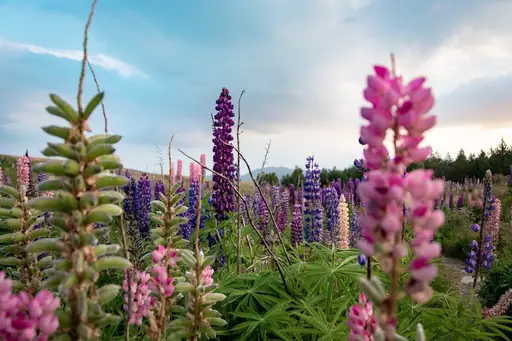
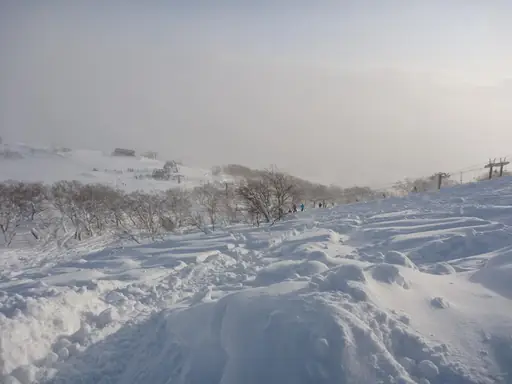
Lavender fields and powder snow in Hokkaido

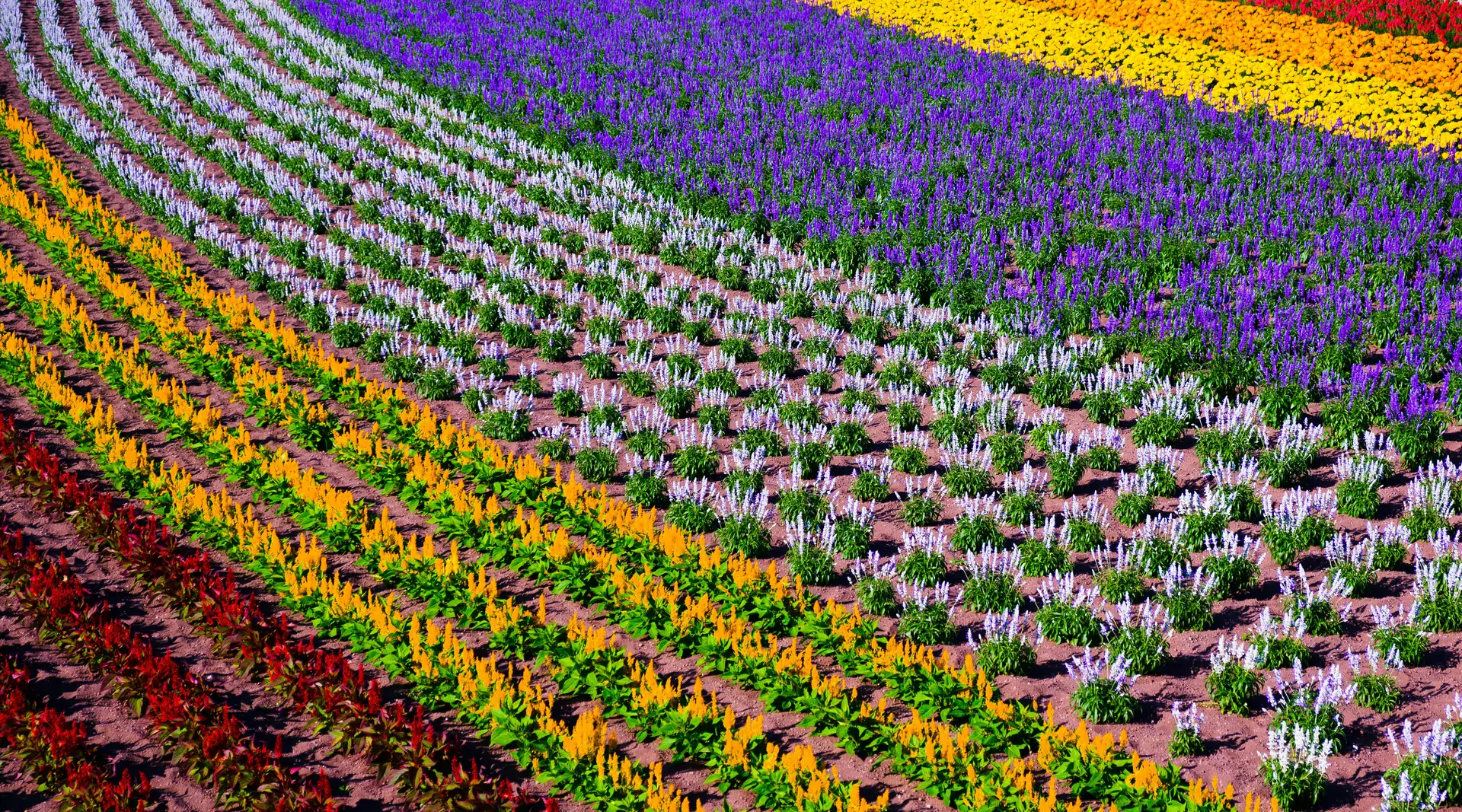
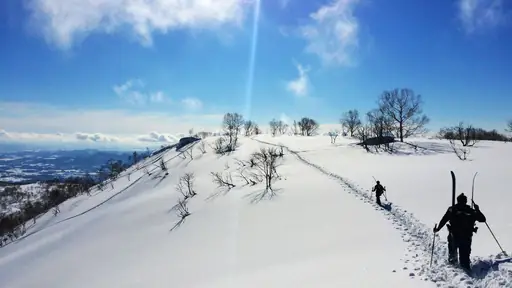
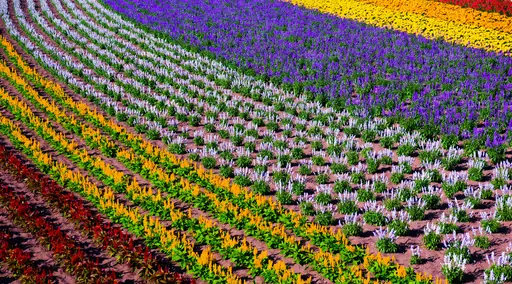
Furano is in central Hokkaido and is surrounded by hills and fields of lavender, vegetables and melons. In July the purple rows around Farm Tomita in neighbouring Nakafurano draw the biggest crowds, with views of the Tokachidake mountain range. In winter the ski resort above town has 27 runs spread across two connected zones. Visitors can also try local wine and cheese or order omucurry, a local dish that combines curry with omelette rice. The town itself is small and centres on its station. The fields and slopes are spread out, so a seasonal bus or a car makes a big difference.

City in Japan
Climate zone: Warm continental

Warm continental: Humid continental climates with warm summers, cold winters and evenly distributed precipitation, typical of northern interior mid-latitudes.

See climate table
Price level: $$$
$Cheap
$$Medium
$$$Expensive, upscale
$$$+Very expensive, luxury
See price details
Safety: 8.2
General Safety:9
Health & medical:7
Accessibility:5
Tap water:10
Read details
Tourist English: 2/5
English is spoken at major hotels, tourist centres and ski resorts, but less so in small shops or rural restaurants. Most signage at attractions is bilingual. A translation app is useful for deeper exploration.
Last update: 20 Oct 2026
* We earn a commission from some links on this page.
Furano Summary

These place ratings give you a quick overview of how well a destination matches different types of trips.

‘Best for’ scores:
The specific interest scores show where this place really shines – whether it's ideal for hiking, food & drink experiences, museums or other activities. These highlights help you understand what makes the destination special at a glance.

‘Your personal’ scores:
This reflects how well a place matches your personal preferences. You can adjust the importances of travel topics or other personal requirements categories in your account settings.

‘Suited for’ badges:
These give you a quick overview of how well a destination suits specific types of travellers, to help you find the places that match your lifestyle, preferences or travel situation.

Read how our scores work
Great for countryside scenery and seasonal landscapes. Visit colourful flower fields in summer, enjoy skiing in winter and explore rural farms and scenic cycling routes.
Place score
8.1
Best at:
Flowers
10
Snow
9
Spotless
9
Natural sites
8
Skiing
8
Personal score
?
Log in to see how this place matches your personal travel interests.
Suited for
👶 8
Families
🧓 6
Seniors
❤️ 8
Couples
🛡️ 7
Travel Beginners
Japan – Quick facts
Power Grid: 100 V, 50 Hz
Plug: Type A
Type A:
Diagram of a Type A power plug

Read about power adapters
Currency: Japanese Yen (JPY)
£1 ≈ JP¥210
Cashless info: Rating 4/5
Cashless payments are becoming more common, especially in cities, with some shops still preferring cash. Be prepared for occasional cash-only situations in rural areas.

Save with a travel credit card
eSIM providers: Best value: Saily
Flexibility: Airalo
Read our in-depth comparison
Tipping: Tipping is not customary in Japan and can be considered rude. Excellent service is the norm, and tipping is unnecessary in most places.
Public drinking: Public drinking is legal and commonly accepted, particularly during festivals and events.
Public smoking: Smoking is prohibited in indoor public places but allowed in designated outdoor areas. Some restaurants may have smoking sections.
New Year
(January)
One of the most important holidays, expect crowded temples and high prices. Plan ahead.
Golden Week
(April-May)
The busiest travel time, expect high demand for accommodation and transport.
Obon
(August)
A time to honour ancestors, many businesses close, and transport can be crowded.
Emergency contact: Emergency Number: 110 (Police), 119 (Fire & Ambulance)
Taxi apps: Uber, JapanTaxi, DiDi
Other: Japan is a country of respect, so understanding local customs and etiquette is important. Public transport is efficient, but can be crowded during peak hours.
Best times to travel

The best times to travel section shows how the months compare for a visit, so you can find the time of year that fits what you want to do.

Background colours of the months:
The colour shows the typical temperature: yellow (hot), green (mild) and blue (cold). How strong the colour is shows the travel season: full colour means high season, soft colour means shoulder season and soft-striped means off season.

Weather symbols:
Each month has one symbol showing what the weather is typically like, such as hot and sunny, freezing or a rainy or snowy season. Use them to quickly spot months that match the weather you want, or to avoid the ones that don't.

Crowdedness:
The people icon shows how busy the place usually is. The more people, the more crowded it gets.

Additional notes:
The grey info boxes point out special things worth knowing, like recurring weather issues or seasonal events.

for Furano, Japan
🌨️
Jan
🌨️
Feb
🌨️
Mar
🌤️
Apr
🌤️
May
🌥️
Jun
🌥️
Jul
🌥️
Aug
🌤️
Sep
🌤️
Oct
🌨️
Nov
🌨️
Dec
High season: Jan. - Feb., July - Aug., Dec.
Shoulder season: March, June, Sep. - Oct.
Crowdedness: 6 (Many tourists)
Tap on a month for more info Hover over a month for more info
Lavender season late June to early August, peak early to mid July; accommodation books out months ahead
Ski season early December to late March, best powder January and February
Many hotels, restaurants and farms close in April, early May and November

Why travel to Furano?

Furano is known for its lavender and the best bloom in Hokkaido usually falls from mid to late July. Okamurasaki, the variety planted most widely around Furano, is at its best in mid-July. Farm Tomita in Nakafurano is the best-known farm. Its Field of Colors combines lavender with white cassis and red poppies against the Tokachidake range. Lavender East in Kamifurano, about 4 km away, grows lavender for oil production and you can watch the harvest there in late July. Winter gives the town a second season. Furano Ski Resort has 27 runs across the Furano and Kitanomine zones, which join at the top. The vertical drop is 839 m. A Premium Zone for off-piste powder opens depending on snowfall. Skiing usually starts around the beginning of December and a spring season can run into early May. The rest of the year is slower and more rural. The seasonal Norokko train stops by the flower fields, farms along Route 38 sell Furano melons and local milk goes into cheese. Late July brings the Hokkai Heso Matsuri, when about 4,000 dancers paint faces on their bellies. Two days covers the town and the fields. Many travellers add a third for Biei, a short trip north with its own hills and Blue Pond.

🏯Places worth seeing
  • 1 富良野チーズ工房
  • 2 Kagura Shrine
🎡Places for activities
  • 1 Farm Tomita
  • 2 Furano Winery Ent.
  • 3 Furano ski resort
🏞️Natural landmarks
  • 1 Blue Pond
  • 2 Asahigaoka Park
  • 3 Lavender Fields - Tomita
  • 4 Mt. Tokachi Observatory
  • 5 かなやま湖ログホテルラーチ
  • 6 Naidaibu River
🛍️Shopping
  • 1 Ningle Terrace
  • 2 Furano Delice Honten
  • 3 Campana della Vigna Rokkatei
  • 4 Furano Marche
🍽️Eat & Drink
  • 1 Kumagera
    Kumagera serves Furano omu-curry, Hida-style mountain dishes adapted with Hokkaido ingredients, Ezo venison, duck and Furano wagyu. It is at 3-22 Hinode-cho in central Furano, about six minutes on foot from Furano Station.
  • 2 Yuiga Doxon
    Yuiga Doxon is a long-running curry restaurant known for Furano omu-curry, pairing a cheese omelette and house-made sausage with deeply spiced curry. It is at 11-8 Hinode-cho, around five minutes on foot from Furano Station.
  • 3 Curry Furanoya
    Furanoya specialises in soup curry and roux curry made with Furano vegetables, with diners able to choose spice levels. It is at 1-46 Yayoi-cho behind Furano Shrine in downtown Furano, roughly 15 minutes on foot from the station.
  • 4 Natural Dining
    Natural Dining serves certified Furano omu-curry with local rice, egg, dairy and seasonal produce, including a lavender-cheese version. It is inside Furano Natulux Hotel directly beside Furano Station in the town centre.
  • 5 Teppan Okonomiyaki Masaya
    Masaya makes Furano omu-curry on a teppan grill alongside okonomiyaki and flame-seared spare ribs. It is at 11-15 Hinode-cho, close to Furano Station and the central shopping streets.
  • 6 Panier Furano
    Panier serves Furano omu-curry, pizza and light bistro meals with local ingredients. It is at 2-61 Yamabe Nakamachi, in the Yamabe district west of central Furano and near the foothills towards the Furano Ski Resort.
  • 7 Furano Cheese Factory
    Furano Cheese Factory produces local cheeses, butter and dairy sweets, with pizza and soft-serve available at its visitor facilities. It is in Nakagoku, south of central Furano, about 10 minutes by car from Furano Station.
  • 8 Furano Wine House
    Furano Wine House serves Western-style dishes, Hokkaido meat and cheese plates paired with wine produced at the nearby municipal winery. It is on Shimizuyama above Furano, overlooking the town and the surrounding agricultural basin.
  • 9 Furano Wine Winery
    Furano Wine Winery produces local red, white and rosé wines from grapes grown in the Furano area, with tastings and sales available. It is in Shimizuyama on the hill above central Furano, next to the Wine House.
  • 10 Furano Delice
    Furano Delice is a patisserie and café known for milk-based desserts, cheesecakes and Furano-grown ingredient sweets. It is in the Gakuden district between central Furano and the Furano Ski Resort, about 10 minutes by car from the station.
🎈Events
  • Belly Button Festival (Summer)
  • Furano Wine Festival (September)
  • Lavender Festival (July)
  • Furano Ski Season Opening (December)
  • Winter Light-up Events
  • Furano Marathon
  • Hokkai Heso (Belly Button) Festival (July)
  • Kanayama Lake Fireworks (July)
  • Furano Ski Festival (January)
  • Winter Ice Festival
  • Christmas Market at Ningle Terrace

Knowledge before you go

  • Lavender usually peaks in mid-July, so book that month early.
  • The Norokko train and Lavender Express run only in the warmer months, so check dates first.
  • The Hokkai Heso Matsuri on 28 and 29 July fills the town with belly-painted dancers.
  • Beginners should stay in the Furano Zone since the Kitanomine Gondola is limited to intermediate and advanced skiers.

How to travel to Furano

The highway bus from Sapporo is the most direct year-round way to reach Furano. It takes about 2.5 hours from the bus terminal at Sapporo Station to JR Furano Station with several departures a day. In summer the Furano Lavender Express adds a direct limited express train from Sapporo in about 2 hours. It runs from June to September and needs a limited express ticket. IC cards don't work between Takikawa and Furano, so buy a paper ticket first. From New Chitose Airport (CTS) take the JR express to Sapporo Station in about 35 minutes and change to the bus. Asahikawa Airport (AKJ) is closer, with the Furano Bus Lavender running direct in about 1 hour 20 minutes. You can also take a bus to Asahikawa Station in about 35 minutes and the JR Furano Line from there in about 1 hour 20 minutes. By car, Furano is roughly 2 to 2.5 hours from Sapporo. Farm Tomita is about a 45-minute drive from Asahikawa Airport. Roads can be icy from late autumn into spring.

Access summary

  • From Asahikawa Airport (AKJ): Airport bus or car, about 1–1.5 hours.
  • From Sapporo/New Chitose Airport (CTS): Ski bus or train plus bus, ~2.5–3 hours.
  • From Sapporo city: 2–3 hours by train via Takikawa or direct highway bus.

Where to stay in Furano

Furano works from three bases. The ski base area has large resort hotels with ski hire on site and the best access to the slopes. Rooms around JR Furano Station put you closest to restaurants and shops and make life easier without a car. Nakafurano and Kamifurano place you near the lavender fields. Smaller inns and pensions are also common in the area. Availability and prices tighten most in July for the lavender bloom, in winter for the ski season and around the Heso Matsuri in late July. If Furano is full or expensive, Asahikawa is a larger city with more hotels and is about 1 hour 20 minutes away by train.

How to get around Furano

Furano's centre around JR Furano Station is small enough to walk, but the lavender fields, the ski slopes and most farms are spread across the basin. A car is the easiest way to see them and the rural roads are scenic.

Summer trains and buses:
In summer the seasonal Furano-Biei Norokko train stops at Lavender Field Station, a 7-minute walk from Farm Tomita.
Nakafurano Station is about 5 minutes from the farm by taxi. Sightseeing buses leave from Furano Station and cover the main spots in one day. Reservations go through the official Furano, Biei and Asahikawa sightseeing bus site.

Lavender Bus and winter:
The Lavender Bus links Furano with Biei, Asahikawa and Asahikawa Airport.
In winter the ski base hotels are about 10 minutes from the station by bus or taxi. Driving on snowy roads is only for confident winter drivers.

Food in Furano

Food in Furano comes straight from the farms around it. The best-known dish is omucurry, a local mix of curry and omurice with a soft omelette on top, served with Furano milk and made differently by each restaurant. Furano has made wine since 1972 and its ice wine and white varieties have won awards. Local milk also goes into cheese that has won national contests.

Melons from farms along Route 38 are a local speciality and many farms ship direct. Onions, potatoes, sweet corn and squash grow well here in the big temperature swings between day and night. Farm Tomita sells lavender ice cream and other lavender treats. Food options thin out around the fields, so plan meals around the station or the ski base. Convenience stores and supermarkets cover the basics.

Budget snapshot
Costs compared to home

We calculate the average costs when travelling to destinations and compare those with the living costs at your home. With this you can get an estimate of how expensive or cheap the destination is for you.

To customise this, you can set up which location and price level are used for the calculations in your account settings.

-45 %
Daily expenses in Furano are around 45% lower than the average across United States. That means you'll spend a lot less on meals and getting around.
Exchange rate trend

The exchange rate price factor shows how expensive or cheap a currency currently is compared to its historical average. It's a quick way to see if a country is currently more or less affordable due to exchange rate changes.

-20 %
Your exchange rate (GBP to JPY) is 20% better than in recent years. That means travelling now is considerably cheaper compared to the past.

Travel costs

To help you plan your trip, we provide estimated daily costs per person (when travelling as a pair) for different travel styles. These numbers give you an idea of what you might spend each day at this destination, including accommodation, food, transport and activities.

Additionally, we also provide average hotel costs for different travel styles to give you an estimate for the accommodation only.

Please note that these are only estimates. The real costs depend on booking times, season and other factors.

Daily cost summary

Travel style categories explained:

Backpacker:
Staying in hostels or budget hotels, cooking your own meals or eating cheap and choosing low-cost activities.

Mid-range:
Staying in mid-range hotels, eating at a mix of restaurants and casual spots and enjoying a variety of activities.

Luxury:
Staying in luxury hotels, dining out at high-end restaurants and enjoying premium experiences without worrying about the price.

Backpacker Mid-range Luxury
💵 Total costs per day, including accommodation
£73
£141
£359
🏨 Accommodation per night, per person
£51
£101
£225
🍝 Food per day
£17
£33
£107
🚕 Transportation per day
£5
£7
£27
Notable additional fees: Adult day pass about JP¥8,500 (£40.44), including night skiing. Ski, boot and pole hire runs roughly JP¥5,000 – 7,000 (£23.79 – 33.31) a day. Under-12s ski free.
Food & Drink
🍽️ Restaurant Dinner, per person
£12
🍛 Lunch Set, per person
£3.80
🍟 Fast food combo
£3.90
🍝 Preparing your own food, per day
£7
☕ Cappuccino
£2.40
🍺 Beer in a restaurant, 0.5 l
£2.90
Transportation
🚌 Public transport ticket
£1.20
🚕 Taxi Ride, 10 km / 6 mi
£16
⛽ Petrol, 1 l
£0.85
Other
🎞️ Cinema ticket
£9
👩‍⚕️ Doctor's consult
£20
🤧 Cold medication
£6.50
💇 Basic haircut
£14

Safety information overview

General safety
9
Furano is very safe and crime against visitors is rare. The real hazards are natural. Brown bears live in Hokkaido's hills so follow trail warnings. Icy roads and the avalanche risk off the groomed runs both matter in winter.
Health & Medical
7
Furano has a hospital and clinics, with larger hospitals in Asahikawa. English-speaking care is limited, so carry insurance details and translated medication lists. Winters are cold enough to cause frostbite on slopes. Avoid drinking untreated stream water because of fox tapeworm risk in Hokkaido.
Accessi­bility
5
Furano's town centre is flat and compact but sights are spread out, so a car or taxi helps. Lavender farm paths can be long with little shade. From late autumn snow and ice make walking harder for older visitors and wheelchair users.
Tap water
10
Tap water in Furano is safe to drink, as in the rest of Japan, so you can refill bottles at your hotel. Untreated stream water in the hills isn't safe to drink. Shops and vending machines sell bottled water and tea.

Looking for inspiration?

Discover
Best flower destinations in Asia
Asia's flower seasons span an extraordinary range of botanical traditions and natural flowering events, from the celebrated cherry blossom and autumn foliage circuits of East Asia…
Read more
Discover
Best couple vacation destinations in Asia
Asia is perfect for couples who want their holiday to feel like a shared adventure rather than just a change of scenery. Few continents offer so many ways to be amazed together.…
Read more
Discover
Best natural wonder destinations in Asia
Asia contains some of the most extraordinary natural wonders on earth, shaped by the collision of tectonic plates, vast river systems, volcanic activity and climatic extremes that…
Read more
Discover
Top photography destinations and scenic landscapes
A genuinely photogenic destination offers more than one good shot: it has the light, the composition and enough variety of conditions to reward repeat visits at different times of…
Read more
Discover
Best destinations for first-time travelers in Asia
Asia has one of the best established beginner travel routes anywhere, largely because so many first time travelers have worn the path before you. Southeast Asia in particular…
Read more
Discover
Best photography destinations in Asia
High-altitude desert landscapes in northern South Asia sit under some of the clearest skies on the continent, while terraced rice fields elsewhere create an entirely different,…
Read more
Discover
Best rural retreat destinations in Asia
Rural retreat travel is defined by the deliberate removal from urban pace and density, with landscape immersion, slower rhythms and direct engagement with food, nature and local…
Read more
Discover
Best solo travel destinations in Asia
Asia is where most solo travelers figure out they can actually do this. The backpacker trails through Southeast Asia have been running for decades, and the infrastructure along…
Read more
Discover
Top solo travel destinations and safe hubs
Travelling alone sounds like a bigger deal than it is. The first day feels strange – eating dinner by yourself, navigating without someone to double-check the map with, making…
Read more
Discover
Best couple holiday destinations
Travelling as a couple sounds simple enough, yet the best couple holiday destinations mean something different to almost every pair. What feels romantic to one couple can feel like…
Read more
Discover
Best travel destinations for seniors in Asia
Asia offers some of the most senior friendly infrastructure anywhere, alongside destinations that still call for a bit more independence and stamina. Japan in particular stands…
Read more
Discover
Top flower destinations and botanical gardens
Flower travel has developed a dedicated following built around the world's most significant wildflower seasons, bulb field landscapes and botanical garden collections that offer…
Read more
Discover
Best destinations for first-time travellers
A first trip abroad works best somewhere that eases you in, rather than throwing every possible culture shock and logistical headache at you at once. Some first-time travellers…
Read more
Discover
Top winter sports destinations and ski resorts
Winter sports travel is as much about the overall experience as the skiing or riding itself. The best destinations combine reliable snow conditions with well-designed…
Read more
Discover
Best winter sports destinations in Asia
Asia's winter sports destinations are less well known than their European or North American counterparts but offer experiences that are genuinely compelling, particularly for those…
Read more
Feedback
