
Best photography destinations in Asia
Best photography destinations in Asia
Ancient stepwells and colorful street markets across Asia
High-altitude desert landscapes in northern South Asia sit under some of the clearest skies on the continent, while terraced rice fields elsewhere create an entirely different, more textured kind of agricultural photography further south.
The destinations on this list range from high-altitude landscapes requiring real acclimatisation to lush terraced farmland photographed best during specific planting and harvest windows. East Asian regions add seasonal photography built around specific flowering and colour seasons.
Timing trips around specific agricultural seasons matters considerably for the rice terrace destinations, where fields look dramatically different depending on the month. Local guides familiar with specific viewpoints can save considerable trial and error. Packing for sudden altitude and temperature shifts also matters considerably across this terrain. Most regions see clearer skies in autumn.
Lists by region
City in China
Zhangjiajie
Avatar's Floating Mountains Come Alive
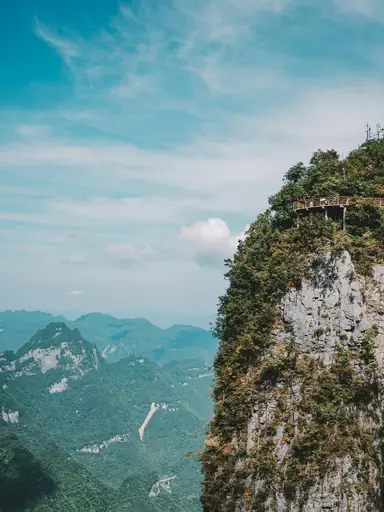
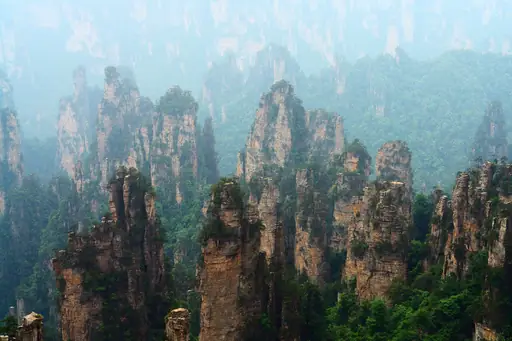
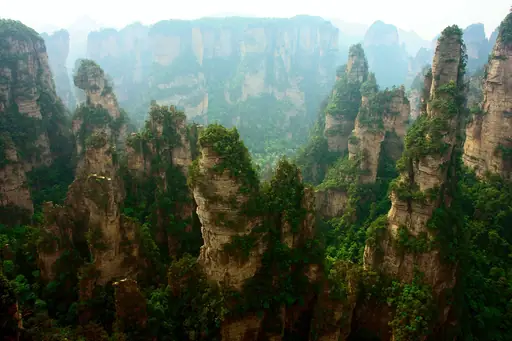
China set up a national forest park here in 1982 and UNESCO listed the area in 1992. More than 3,000 sandstone pillars rise from the forest. Mist often hides their bases, so they look like floating islands. Come just after rain for the thickest mist.
Palace in Beijing
Forbidden City
Ancient Imperial Majesty Center
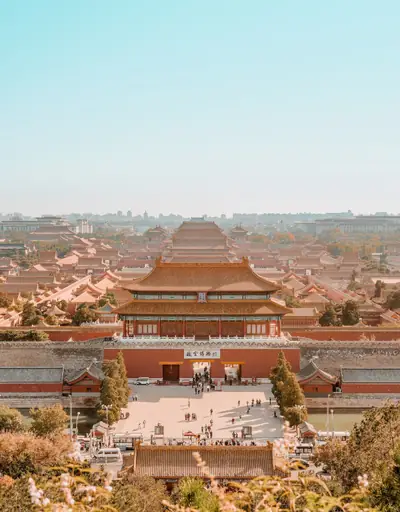
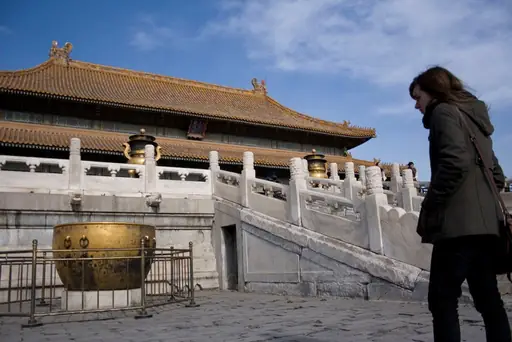
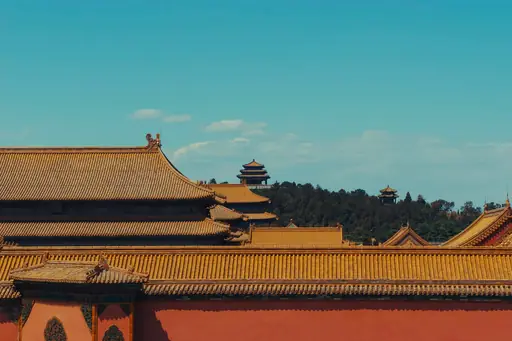
Book tickets ahead and arrive at opening, when soft light warms the red walls. The palace has hundreds of buildings with golden roofs. Climb Jingshan Park hill, just to the north, for a view over the roofs at sunrise. The palace is closed on Mondays.
Landmark in Beijing
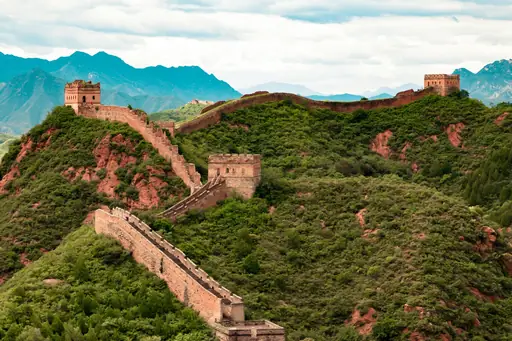
Great Wall of China
Ancient Marvel Spanning Centuries
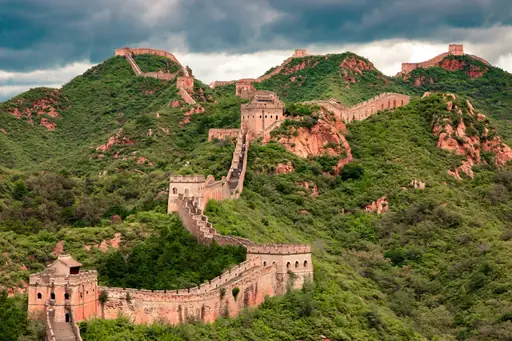
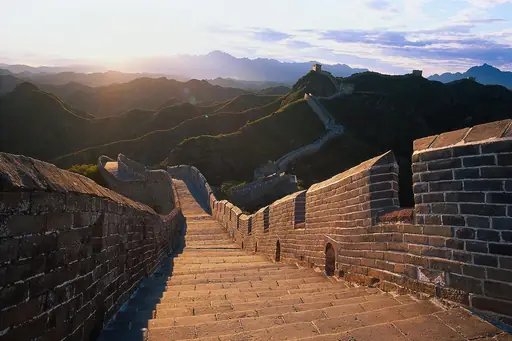
North of Beijing, the wall climbs steep green ridges. Mutianyu is restored and easy to reach. Jinshanling is rougher with long views and fewer people. Go at sunrise or late afternoon for warm light. Bring a light tripod and wear shoes with good grip. Fog can drift in, so be patient.
Park in Singapore
Gardens by the Bay
Futuristic Garden Oasis in Singapore
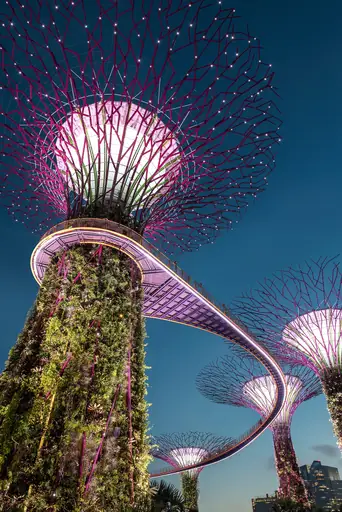
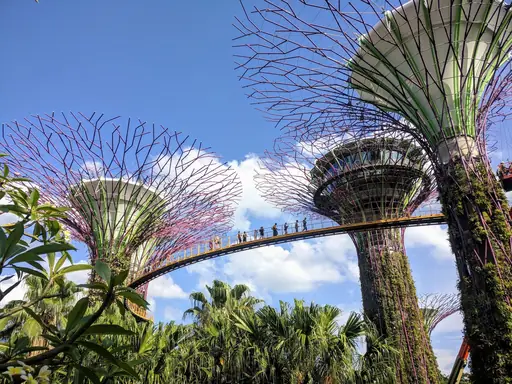
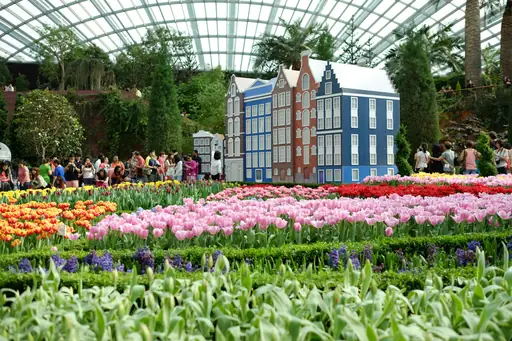
Warm air smells of wet leaves and flowers. The Supertrees are metal tree shaped towers up to 50 metres tall and covered in plants. They glow in colour after dark. Walk the skyway between them for a high view. Come at dusk to catch both daylight and the lights.
City in India
Agra
Home of the Majestic Taj Mahal
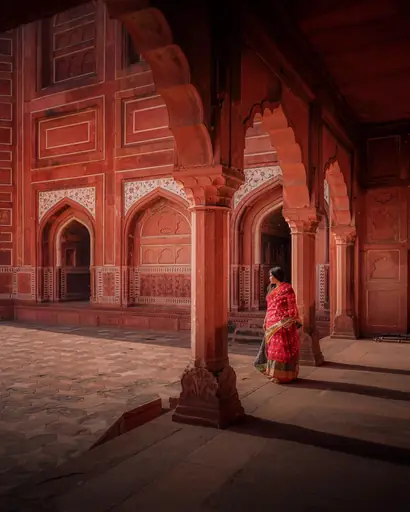
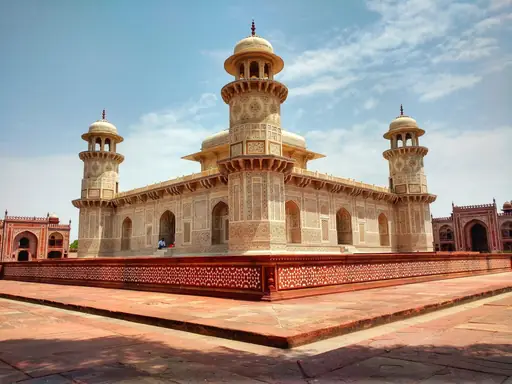
Mehtab Bagh, a garden across the Yamuna river, gives a calm view of the Taj Mahal at sunset. Agra Fort, built of red sandstone from 1565, has marble halls and long views along the river. Visit from October to March for mild weather. Dawn fog can hide the Taj, so plan two mornings.
Monument in Agra
Taj Mahal
Radiant marble echoing timeless love
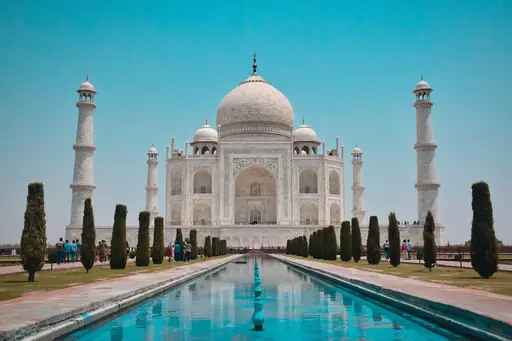
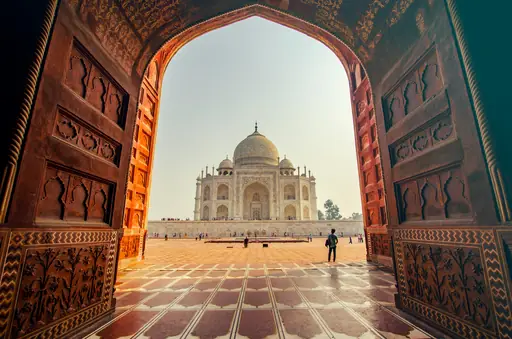
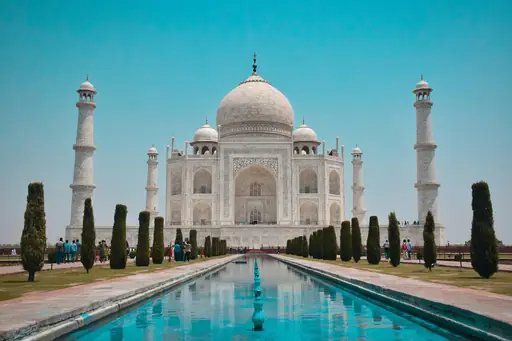
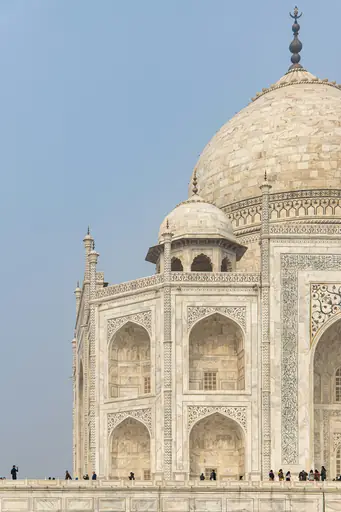
On the bank of the Yamuna river, a white marble tomb stands at the end of long reflecting pools. Shah Jahan built it for his wife Mumtaz Mahal in the 1600s. Enter at sunrise when the marble turns soft pink. The tomb is closed to visitors on Fridays.
Hotel in Singapore
Marina Bay Sands
Iconic Luxury Resort & SkyPark
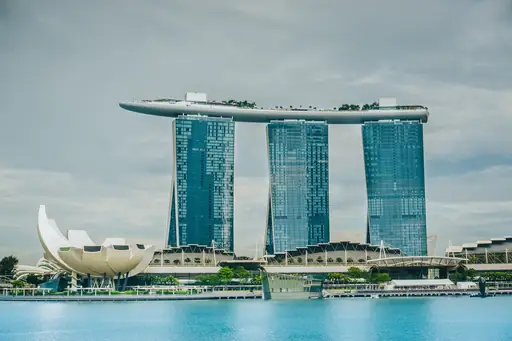
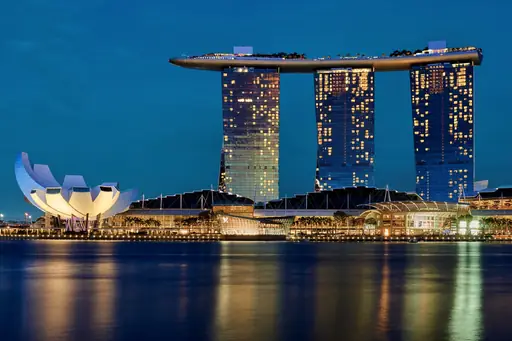
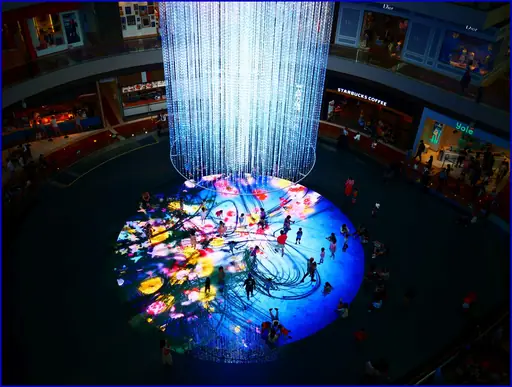
The hotel opened in 2010 with three towers topped by a boat shaped sky park. Stand at the waterfront at Merlion Park at blue hour, when the sky turns deep blue. Walk the Helix Bridge for a view of the towers with the city skyline behind them.
Palace in Bangkok
Grand Palace
Majestic Heart of Thai Royalty
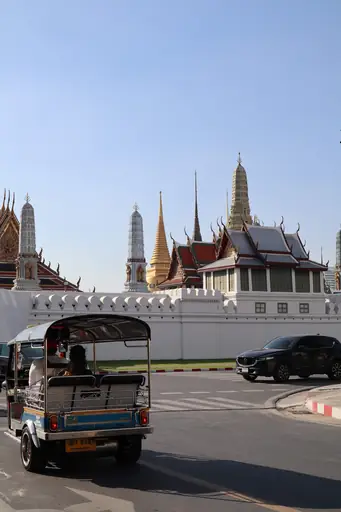
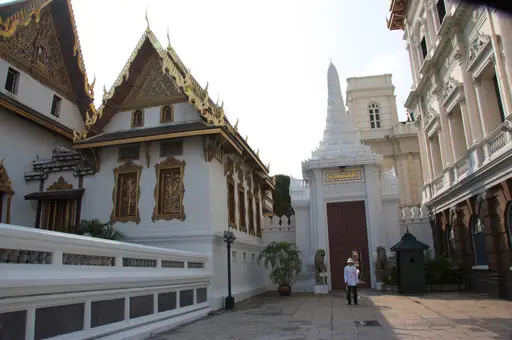
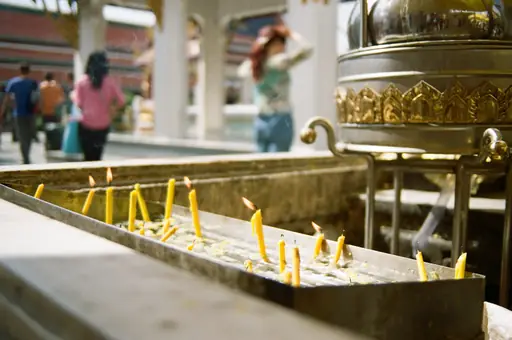
The Temple of the Emerald Buddha sits inside the Grand Palace walls. Gold spires, mirror tiles and bright murals catch the sun. Arrive when the gates open in the early morning for softer light and fewer people. Cover your shoulders and knees, since a dress code applies.
Region in Turkey
Cappadocia
A surreal land of fairy chimneys
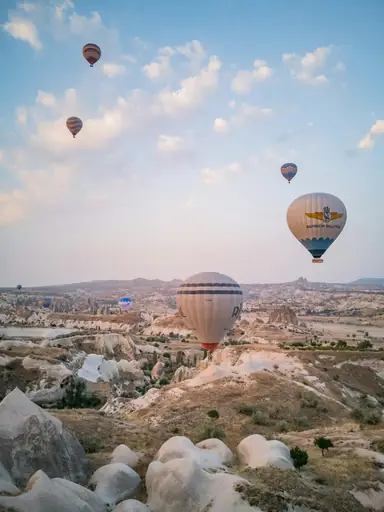
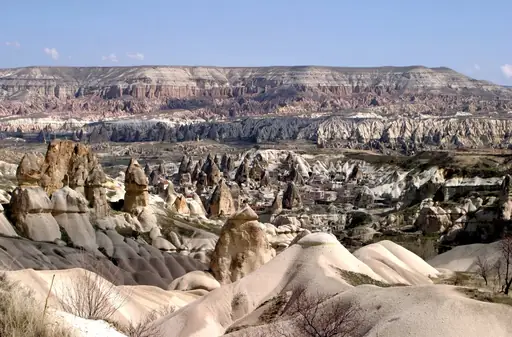
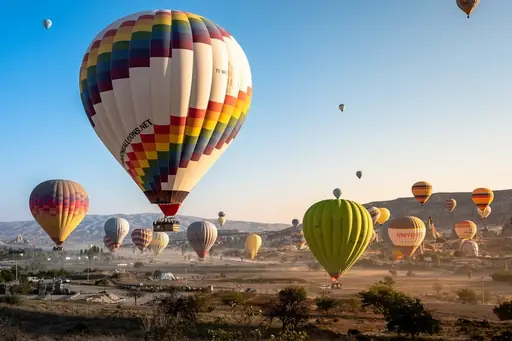
The valleys look like another planet, with rock cones, cave houses and pink stone. Hundreds of hot air balloons rise at dawn when the wind is calm. Watch them from a hotel terrace or a hill above Göreme. Come in spring or autumn for clear light.
Mountain in Japan
Mount Fuji
Japan's highest peak and sacred volcano
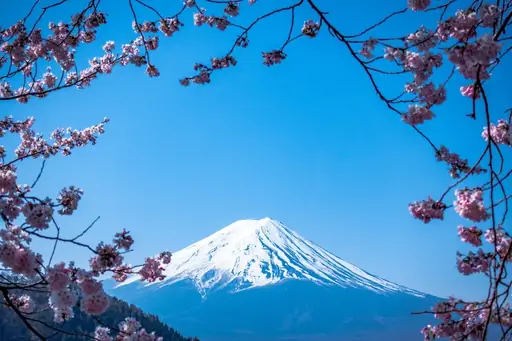
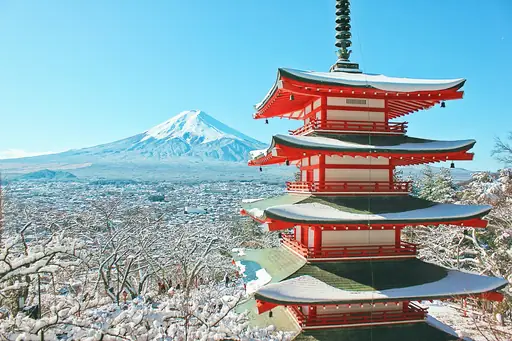
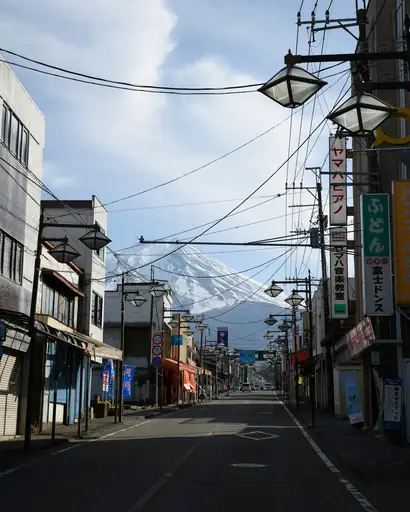
Come between November and February when clear air gives sharp views of the snowy cone. Mornings give better odds of seeing it before clouds build. The official climbing season runs from July to early September. Shoot reflections from a calm lake shore at dawn. Tripods help in the low light.
Island in Japan
Miyajima
Torii in the sea, deer and Mount Misen
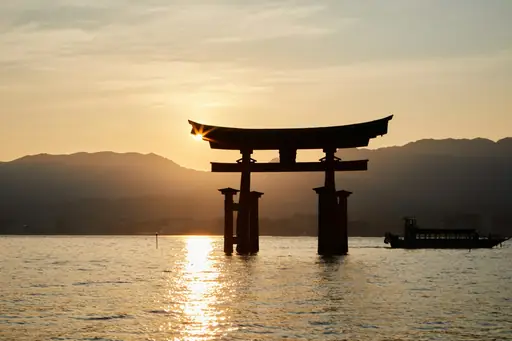
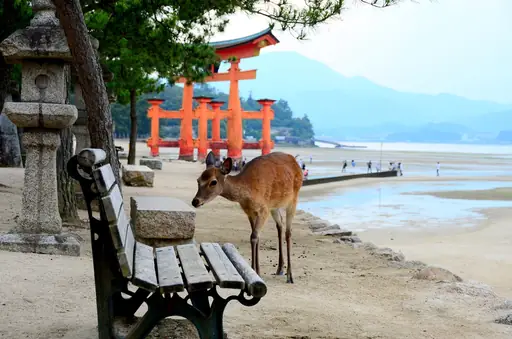
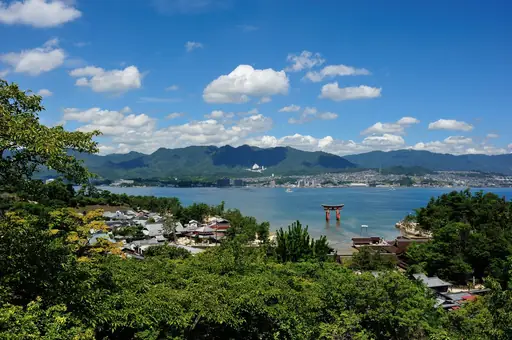
At high tide the shrine and its great red torii gate seem to float on the water. At low tide you can walk out to the gate over wet sand. Check tide times before you go. Deer wander the island. Sunset behind the gate draws a crowd.
National Park in Turkey
Göreme National Park
Fairy chimneys and cave wonders
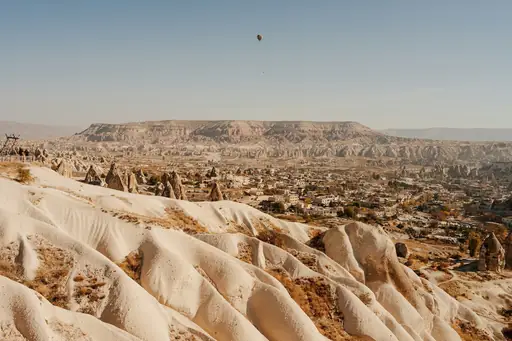
Warm light turns pink and cream rock walls gold at sunrise. The park covers wide valleys full of rock towers called fairy chimneys. Paşabağ, also called Monks Valley, has fairy chimneys with mushroom shaped caps. Uçhisar castle is a tall rock lookout over the valleys.
Mountain in China
Huangshan
Mystical Peaks and Ancient Villages
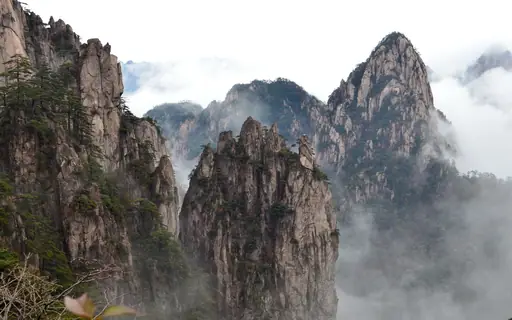
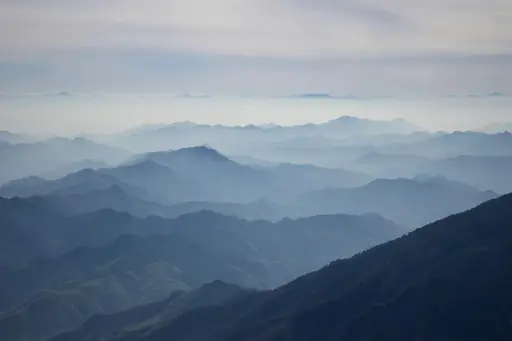
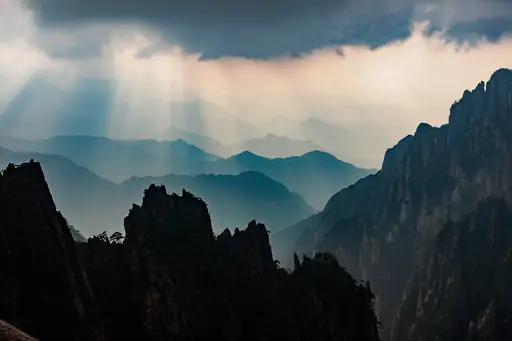
Think of a Chinese ink painting come to life, with twisted pines on granite peaks and clouds in the valleys. UNESCO listed the mountain in 1990. Stay overnight on the summit to catch sunrise above the sea of clouds. Pack warm layers and a rain cover.
Shrine in Kyoto
Fushimi Inari-taisha
Thousands of torii gates up a Kyoto mountain
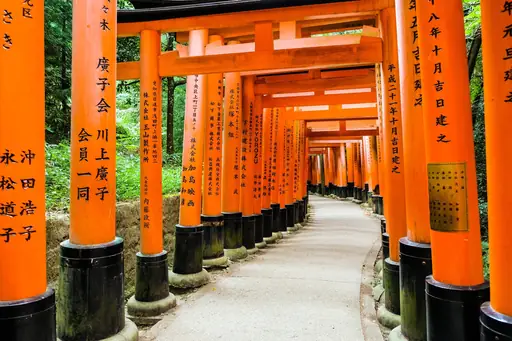
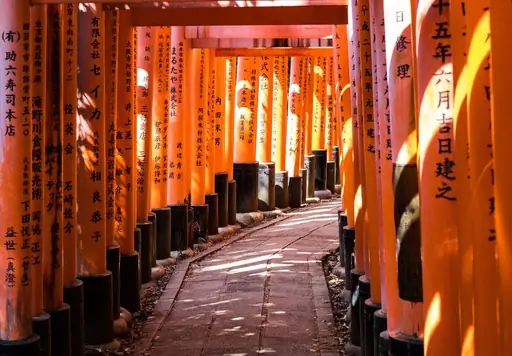
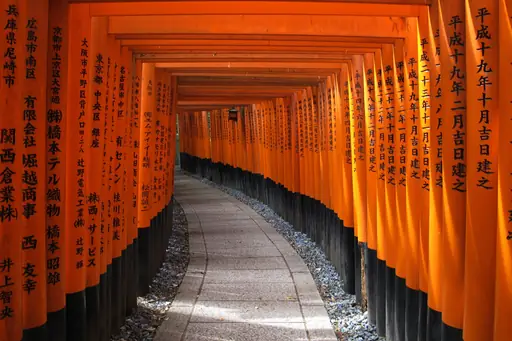
Senbon Torii is a path of close set red gates that winds up the hill behind the shrine. Businesses and families donate the gates. Each one carries a name and date. Go before 7 am or after dark for few people. Paths fan out into the forest towards the mountain top.
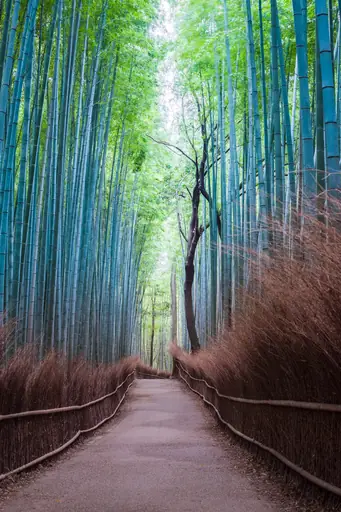
Forest in Kyoto
Arashiyama Bamboo Grove
Kyoto's famous bamboo lane in Arashiyama
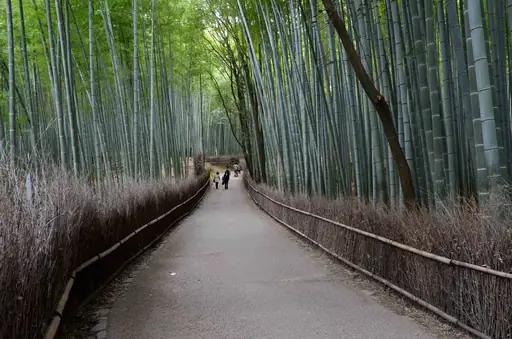
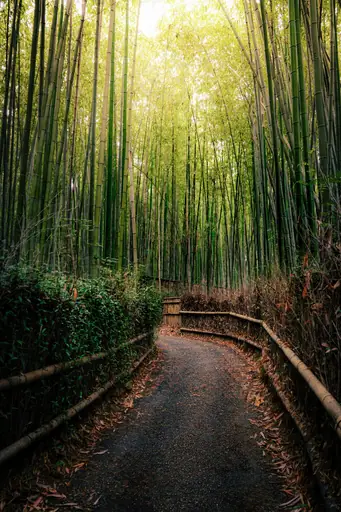
Tenryū-ji temple, founded in 1339, stands beside the bamboo path. The grove path is about 500 metres long. Go at sunrise when light filters through tall stalks and few people are around. Walk to the Togetsukyo bridge afterwards for river and hill views. Rickshaw pullers wait near the grove entrance.
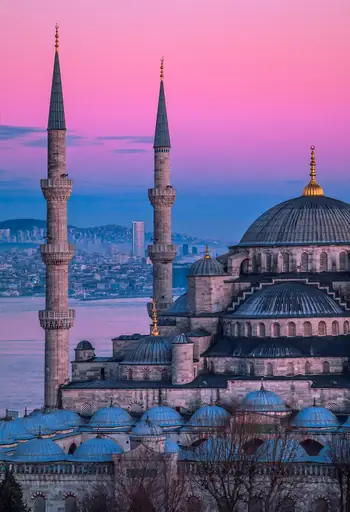
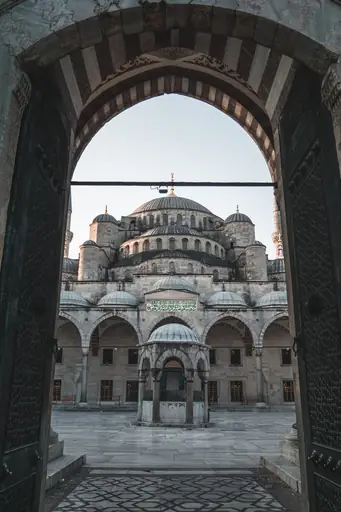
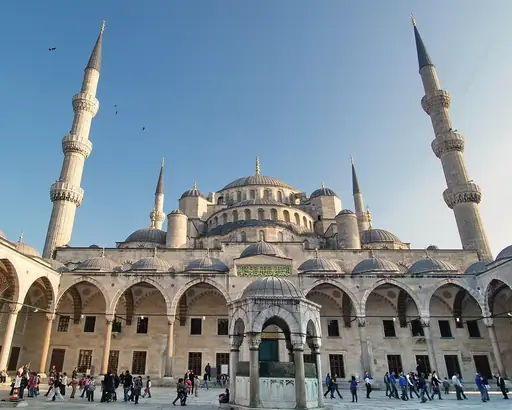
Mosque in Istanbul
Blue Mosque
Ottoman Masterpiece in Istanbul
Visitors remove their shoes and women cover their hair before entering, a custom shared by all mosques. The Blue Mosque closes to visitors at prayer times, so plan around them. Inside, thousands of blue tiles and 260 windows fill the dome with soft light. Stand in the Sultanahmet park at dusk for an outside shot.
Town in Turkey
Göreme
Fairy Chimneys and Cave Dwellings
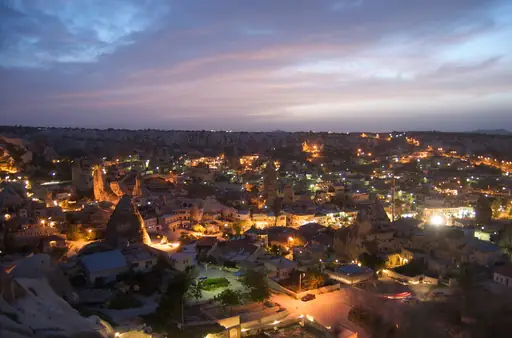
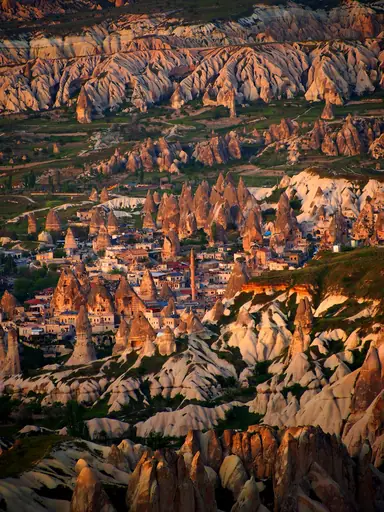
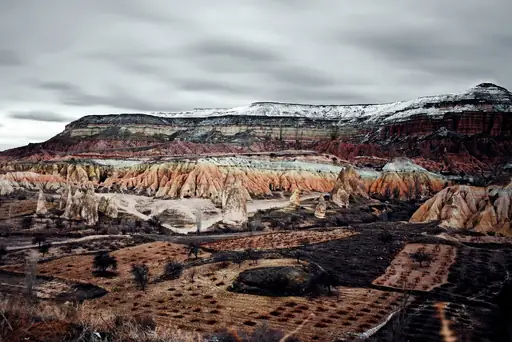
Warm bread and strong tea scent the stone lanes. Cave houses and old stone churches are carved into soft rock. Climb to a rooftop terrace at dawn to see balloons rise over the village. The Göreme Open Air Museum has painted rock churches, but photos inside are not allowed.
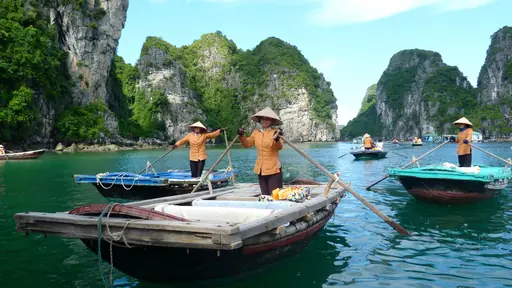
Nature Reserve in Ha Long
Ha Long Bay
Vietnam’s Otherworldly Seascape
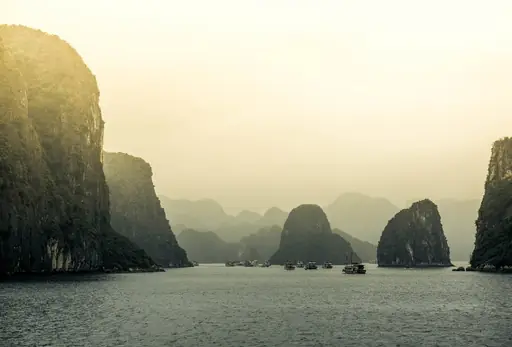
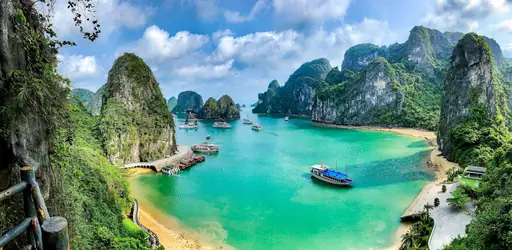
Come in autumn or spring when skies are clearer. Overnight boats let you shoot at sunrise when the water is calm and few boats move. Limestone islands rise from green water by the hundreds. UNESCO listed the bay in 1994. Bring a zoom lens for distant islands.
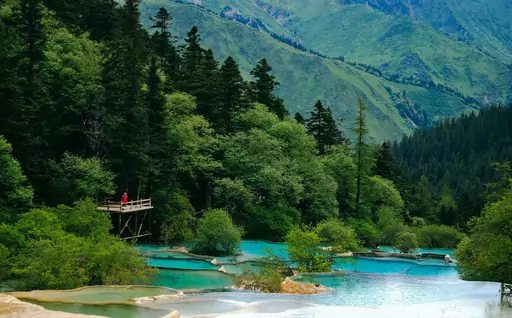
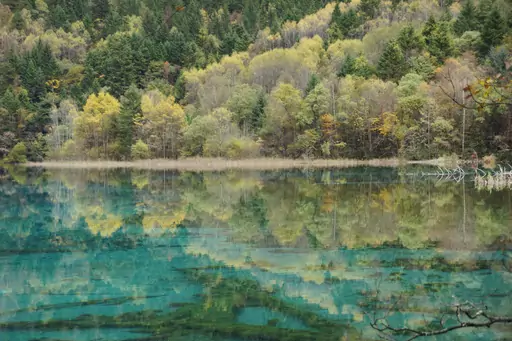
Nature Reserve in China
Jiuzhaigou Nature Reserve
Colorful lakes in Tibetan mountains
Five Flower Lake has water in shades of blue and green with fallen trees visible below the surface. Nuorilang Waterfall is a wide curtain of water over a cliff. Boardwalks and shuttle buses link the lakes. Come in autumn for gold and red leaves. Go early to beat the tour groups.

City in China
Guilin
Karst Mountains and Serene Rivers
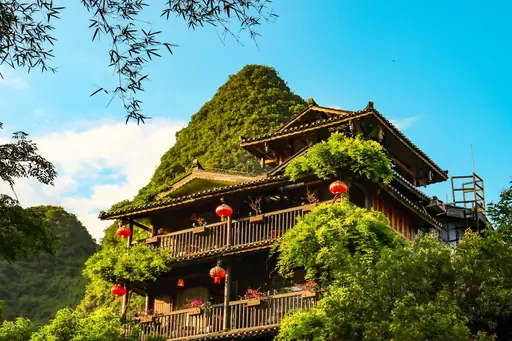
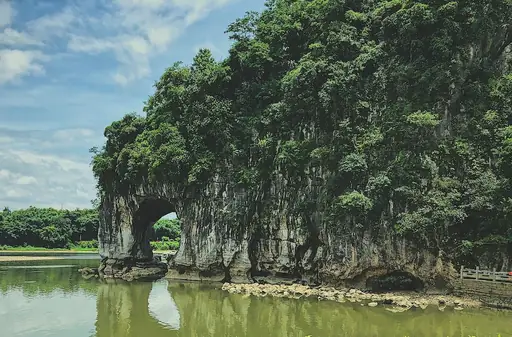
Along the Li River in southern China, limestone peaks rise like green cones from flat farmland. Boat trips run from Guilin to Yangshuo. The view near Xingping once appeared on the 20 yuan banknote. Mist in the morning softens the peaks. Rain is common, so protect your camera.
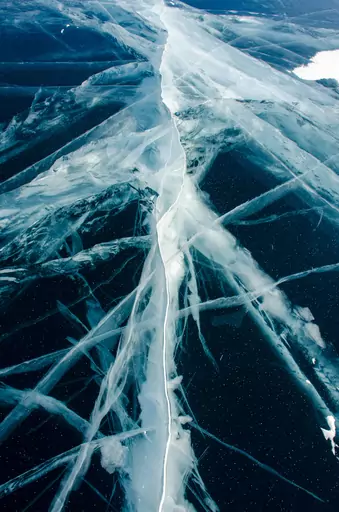
Lake in Russia
Lake Baikal
World's deepest lake, Siberia's jewel
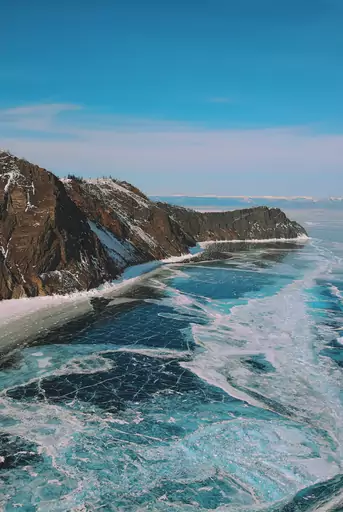
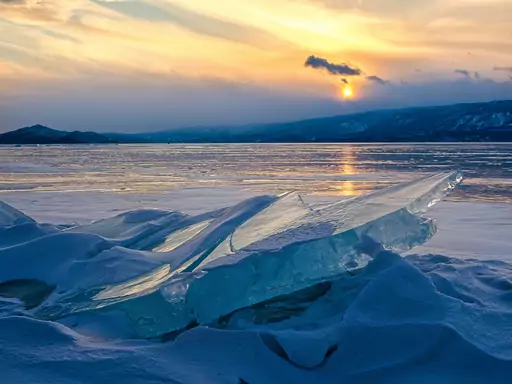
In winter the ice booms and cracks as it settles. The lake is the deepest in the world. The ice can be so clear that you see bubbles and cracks below your feet. Shoot at Olkhon Island near Shaman Rock in February or March. Bring warm gloves for your camera hand.
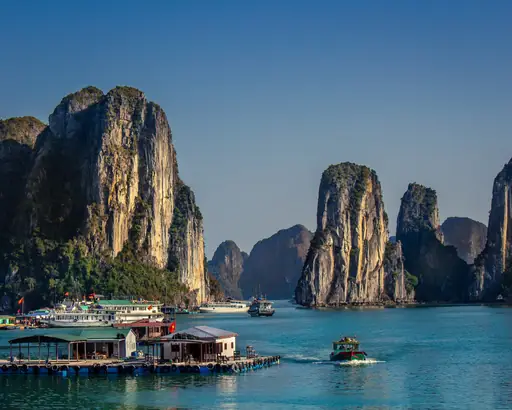
City in Vietnam
Ha Long
Mystical limestone islands and emerald seas
On the Gulf of Tonkin in northeast Vietnam, the city of Ha Long is the gateway to the bay. Climb Bai Tho Mountain for a wide view over the harbour and the islands. Fishing boats leave the port at dawn. Visit Cua Van, a floating fishing village, on a short boat trip.
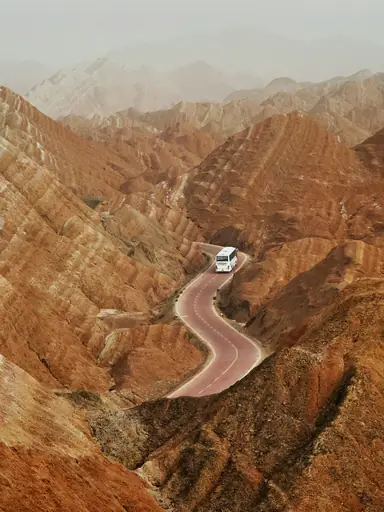
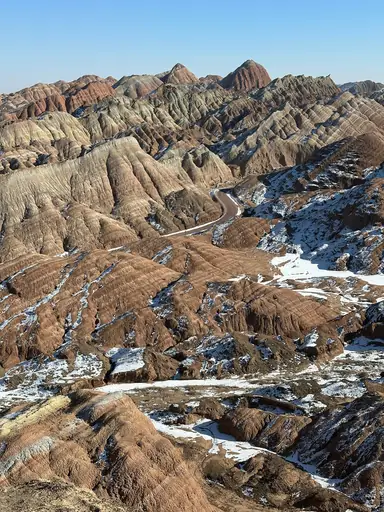
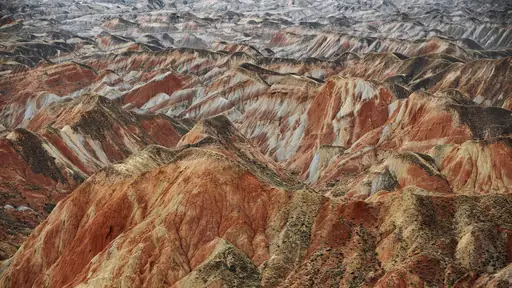
National Park in China
Zhangye Danxia National Geopark
Vibrant rock layers paint a surreal landscape
Come at sunrise or after light rain, when the striped red and gold hills look their richest. The stripes are layers of sandstone and minerals laid down over millions of years. Wooden platforms give viewpoints over the ridges. Pack layers, since mornings are cold. Arrive early to find a spot at the rail.

Temple in Cambodia
Angkor Wat
Timeless stone guardians echo ancient devotion
Visitors gather before dawn at the lotus pond to watch the sun rise behind the five towers. The temple was built in the 1100s. Come back in late afternoon when light warms the stone carvings along the outer gallery. Ta Prohm, nearby, has huge tree roots wrapped around stone walls.
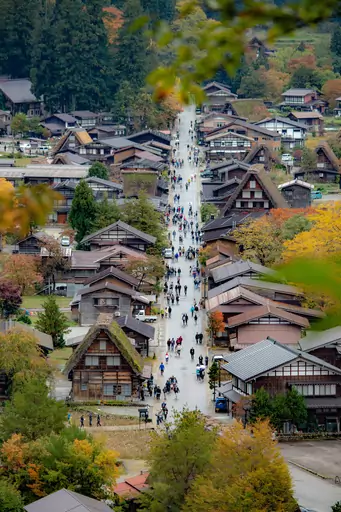
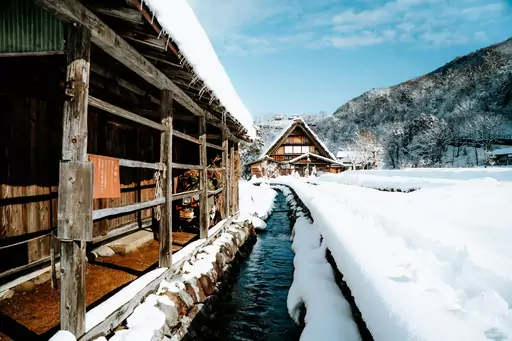
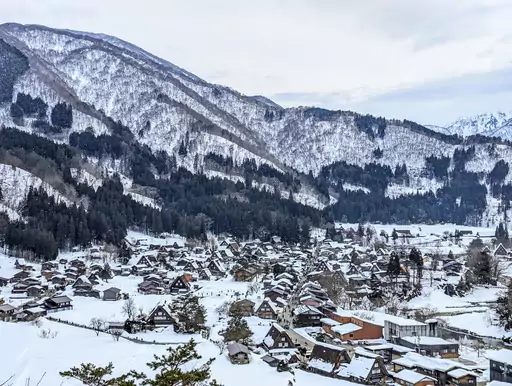
Village in Japan
Shirakawa-go
Thatched gassho farmhouses in the Hida mountains
Steep thatched roofs look like hands pressed together in prayer, which gives the style its name, gasshō zukuri. UNESCO listed the village in 1995. Climb to the Shiroyama viewpoint above Ogimachi for the wide shot. On a few winter evenings the houses are lit up in the snow.
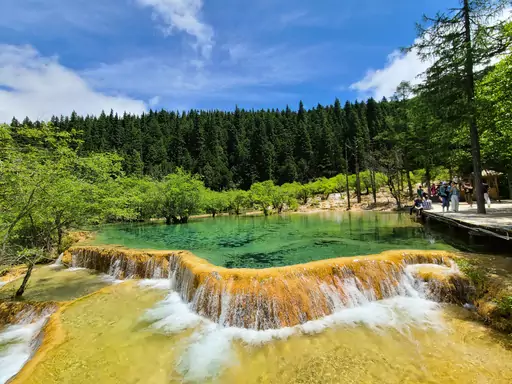
National Park in China
Huanglong National Park
China's Colorful Terraced Wonderland
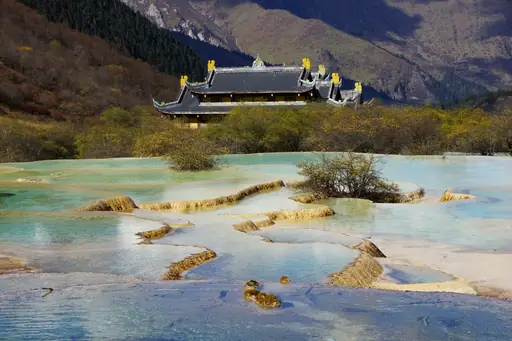
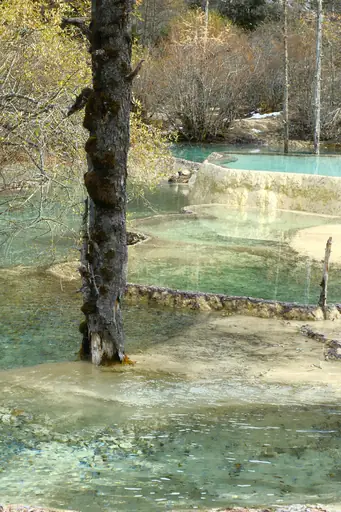
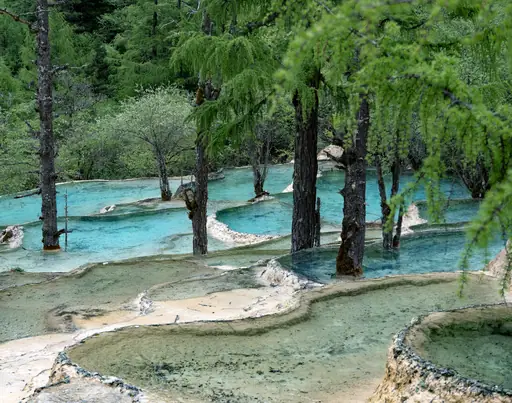
Pilgrims have long climbed to the small Taoist temple at the top of this valley. Along the way a boardwalk passes terraced pools in yellow, blue and green. The park sits above 3,000 metres, so walk slowly. Shoot in morning light when the water colours look strongest.
Garden in Japan
Ashikaga Flower Park
Giant wisteria trellis and winter light show
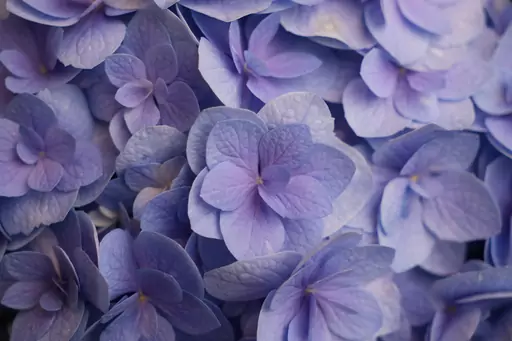
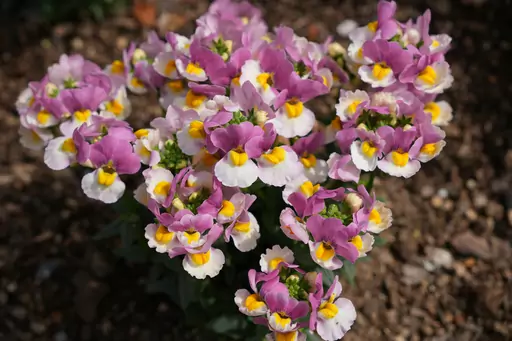
Sweet wisteria perfume hangs in the air under purple flower tunnels. The park's Great Wisteria is more than 150 years old and its branches spread over a huge frame. Late April to mid May is peak bloom. Stay for the night lights when the flowers glow.

Island in Philippines
Bohol
Beaches, Chocolate Hills and Tarsiers
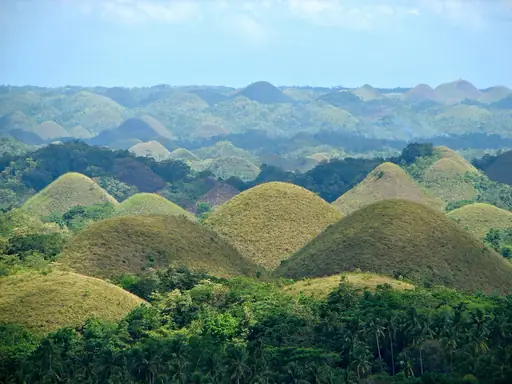
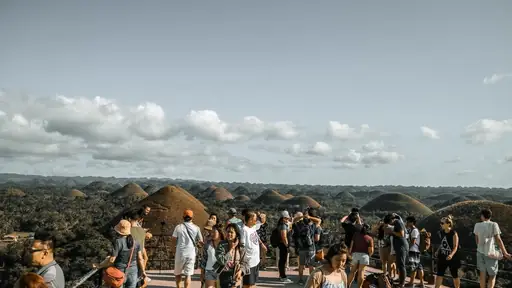
Locals and visitors share lunch on floating restaurant boats along the Loboc River. The Chocolate Hills are more than 1,200 grassy mounds that turn brown in the dry season. Shoot from the viewing deck in Carmen at sunrise. Tarsiers, tiny big eyed primates, live in a nearby sanctuary.
City in Japan
Furano
Lavender fields and powder snow in Hokkaido
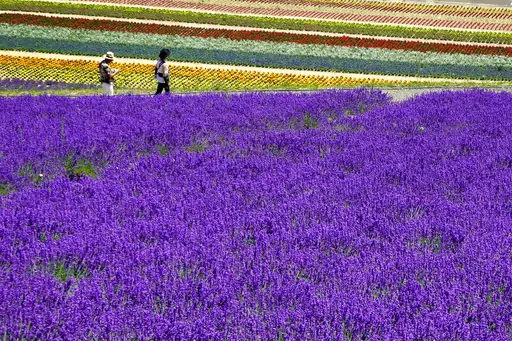
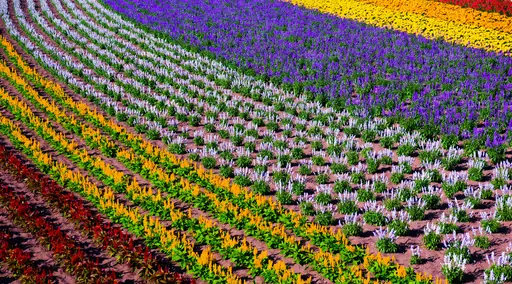
Farm Tomita has grown lavender here since the late 1950s. Purple rows bloom from mid July to early August. Use a long lens to stack stripes of flowers against the mountains. Neighbouring Biei has rolling hills called the Patchwork Road, where crop fields make colourful stripes.
Island in Thailand
Ko Phi Phi
Tropical Paradise Awaits You
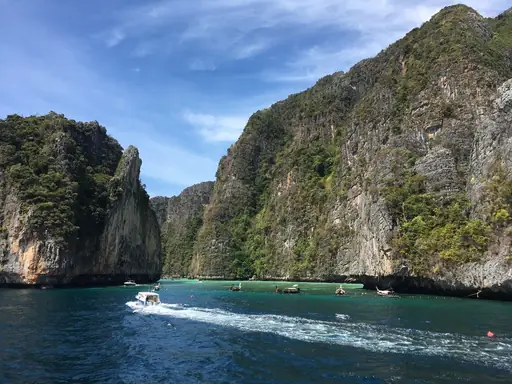
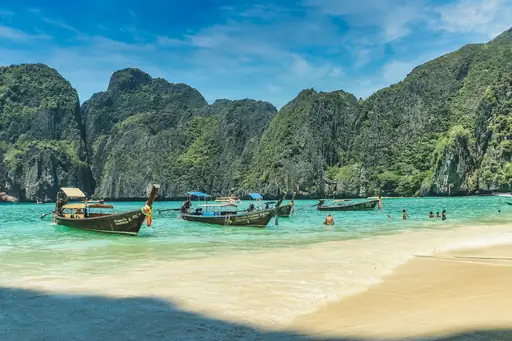
Maya Bay became famous after a 2000 film, then closed to visitors in 2018 to let the coral recover. It reopened in 2022 with limits on boats and visitors. A short climb on Phi Phi Don leads to a viewpoint over twin bays. Go at sunrise for soft light.
Town in Japan
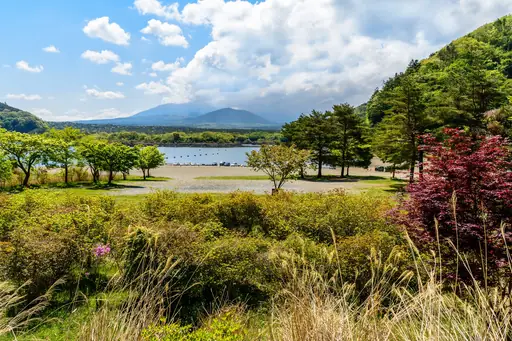
Fujikawaguchiko
Lake town with Mount Fuji views and onsen
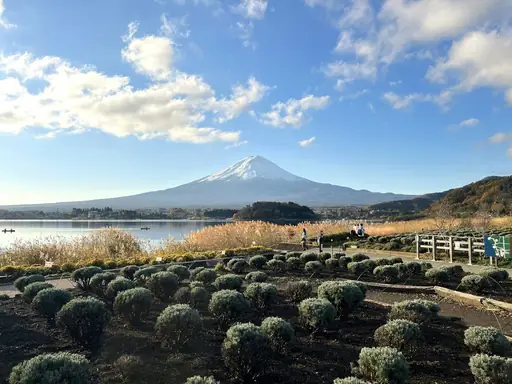
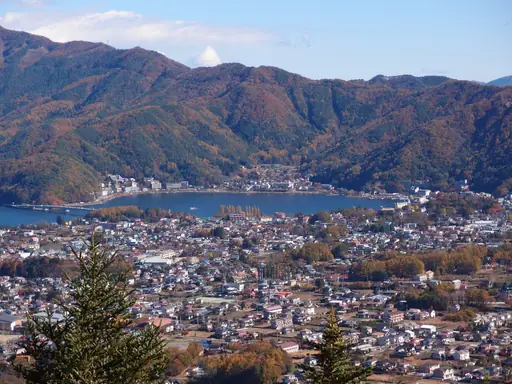
Locals warm up with hōtō, a hearty stew of flat noodles and vegetables. Lake Kawaguchi gives calm water for reflections of Mount Fuji, especially at dawn. Oishi Park on the north shore has lavender in early summer and red kochia bushes in autumn. Hire a bike to ride the lakeshore path.
Museum in Istanbul
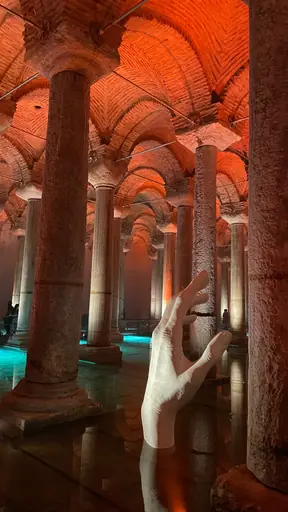
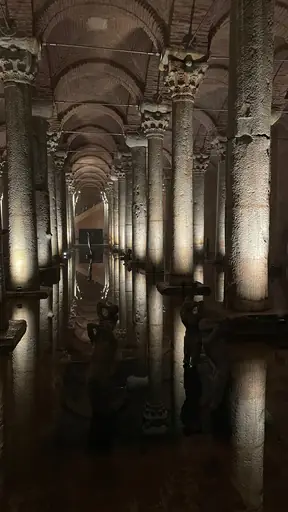
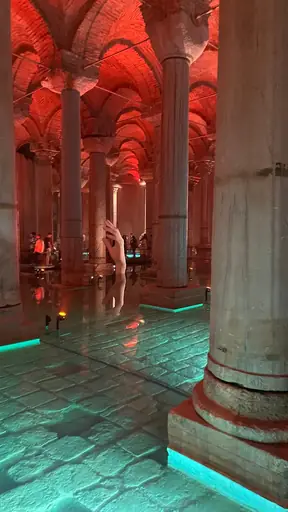
Basilica Cistern
Mystical Underground Byzantine Wonder
It feels like an underground cathedral, with 336 stone columns rising from shallow water. Emperor Justinian built it in the 500s. Two column bases carry carved Medusa heads. Light is dim, so use a fast lens and steady hands. Visit early, before tour groups fill the walkways.
Town in China
Dunhuang
Desert Wonders and Ancient Art
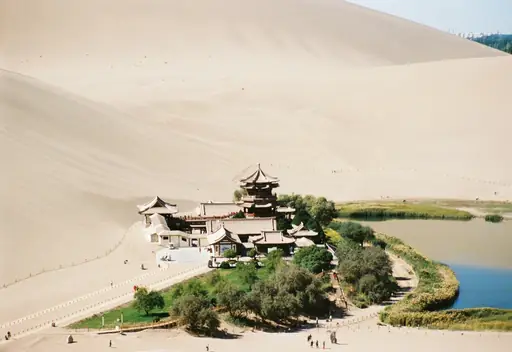
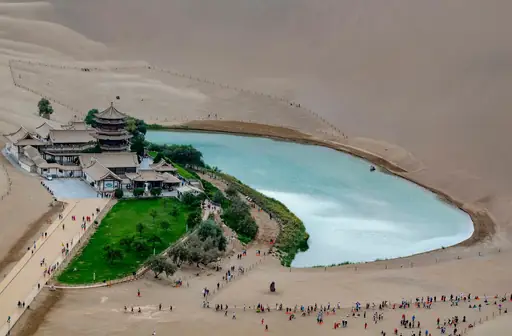
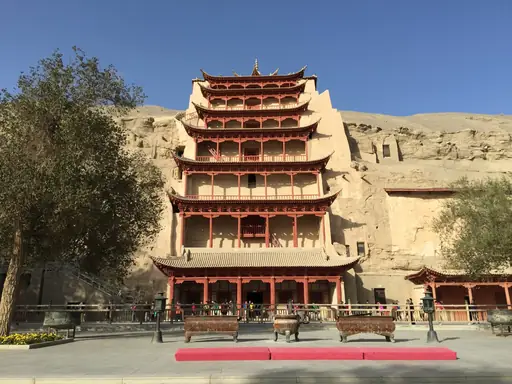
Crescent Lake is a small pond in a hollow of the Mingsha sand dunes. Climb the dunes at sunrise to catch long shadows on the ridges. Nearby, the Mogao Caves hold Buddhist wall paintings made over about a thousand years. Photos inside the caves are not allowed.
Historic Site in Jordan
Petra
Ancient city carved into rose-red stone
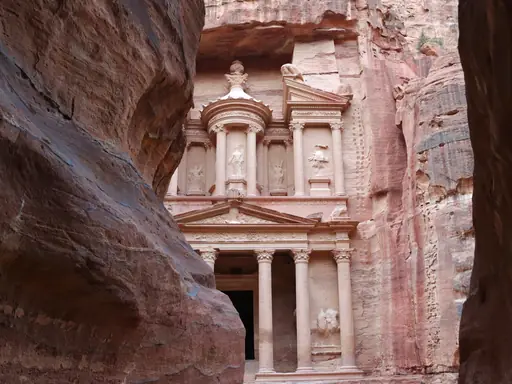
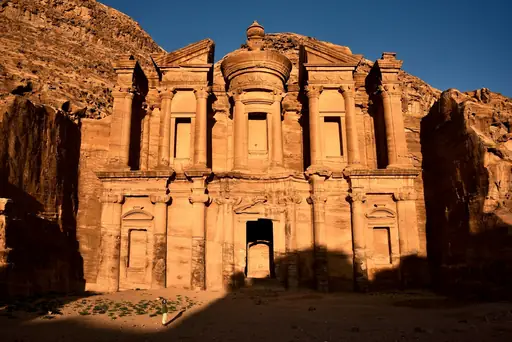
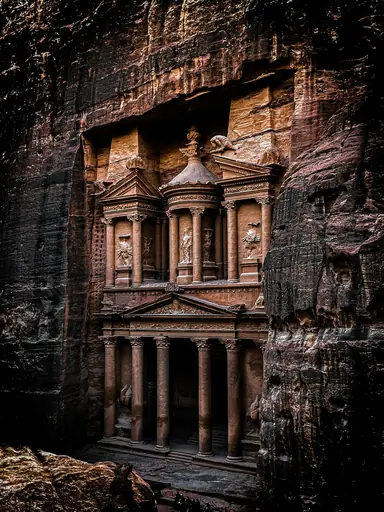
Bedouin families who have lived around the site for generations sell tea and crafts along the trails. The walk starts through the Siq, a narrow canyon about 1.2 kilometres long. It ends with a view of the Treasury. This carved rock front stands about 40 metres tall and glows pink in morning light.
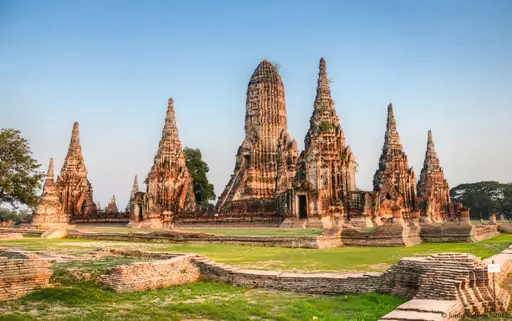
City in Thailand
Ayutthaya
Ancient Ruins and Timeless Temples
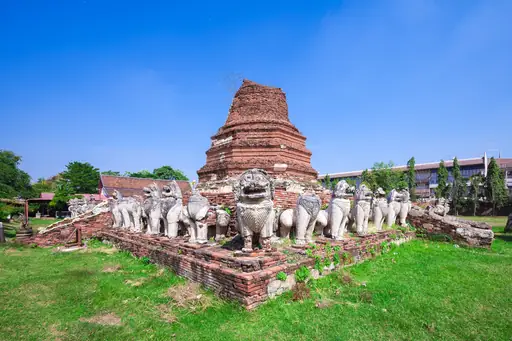
Warm brick ruins glow orange as the sun drops behind the old temples. At Wat Mahathat, a stone Buddha head sits wrapped in tree roots. Hire a bicycle and ride between the sites. Wat Chaiwatthanaram sits beside the river and glows at sunset. Tuk tuks also take visitors around the main sites.
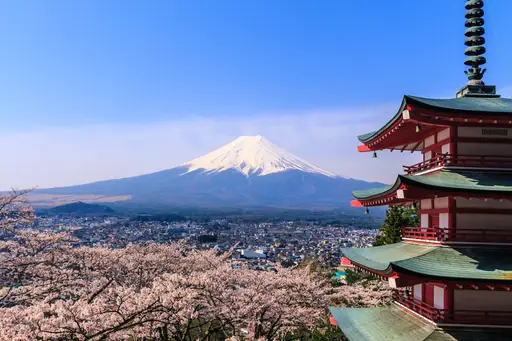
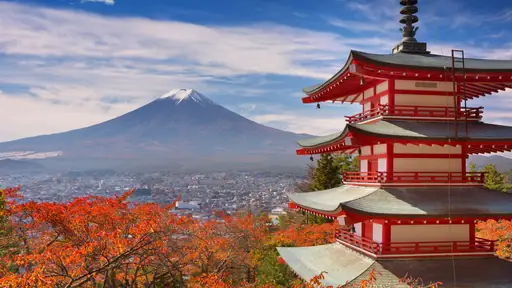
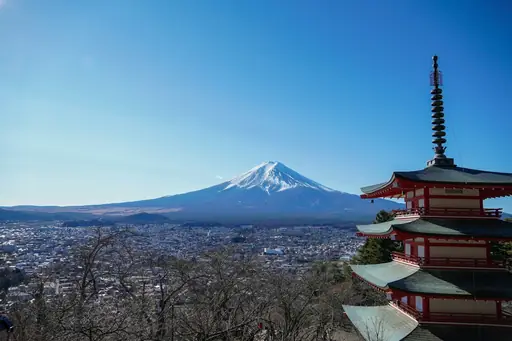
City in Japan
Fujiyoshida
Fuji's sacred trailhead with the pagoda view
Come in early April when cherry blossoms frame the five story Chureito Pagoda with Mount Fuji behind it. The pagoda stands in Arakurayama Sengen Park above the town. Climb about 400 steps for the view. Arrive at sunrise to avoid crowds. Autumn maples turn the park red in November.
Nature Reserve in Jordan
Wadi Rum
Valley of the moon's timeless magic
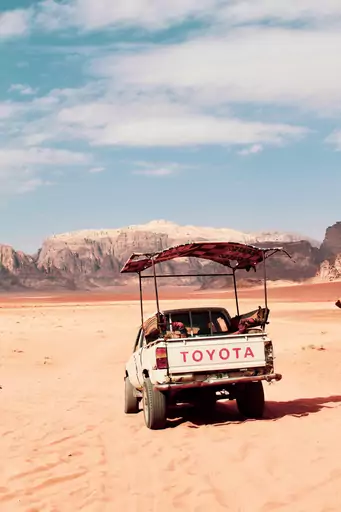
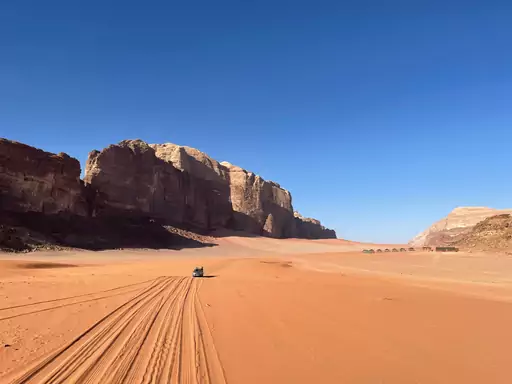
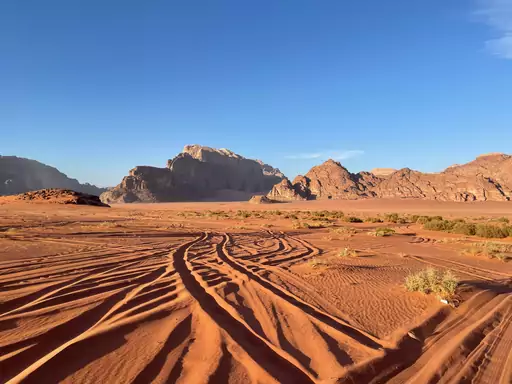
The Burdah Rock Bridge is a natural stone arch high above the desert floor. Red sand and tall sandstone cliffs glow orange at sunrise and sunset. Bedouin guides drive visitors by jeep to the viewpoints. Nights are dark, so bring a tripod for the stars.
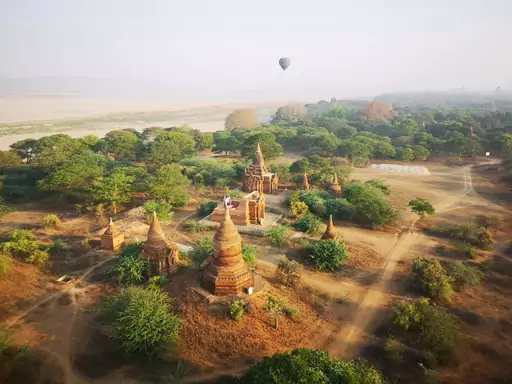
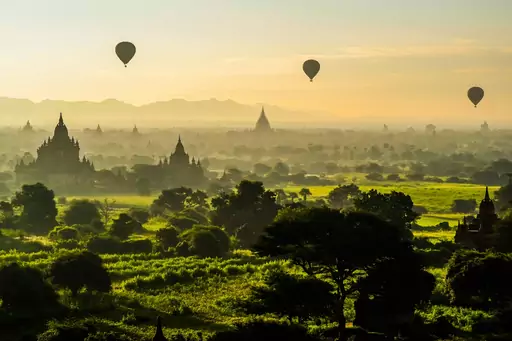
Region in Myanmar
Bagan
Ancient Temples and Timeless Sunsets
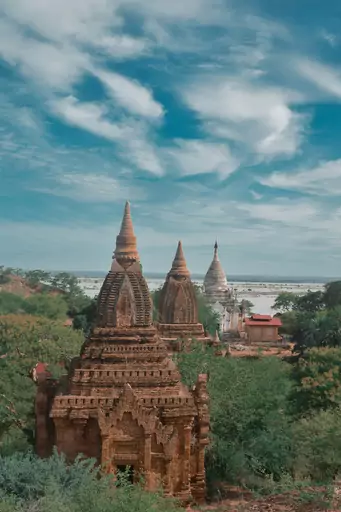
On a dry plain beside the Irrawaddy river in central Myanmar, more than 2,000 old brick temples dot the land. Climbing temples is no longer allowed, so shoot from a viewing tower or from the ground. Dawn mist and low sun make the spires glow. Check current travel advice before you plan a trip.
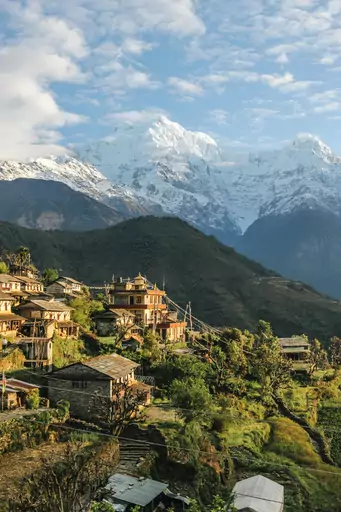
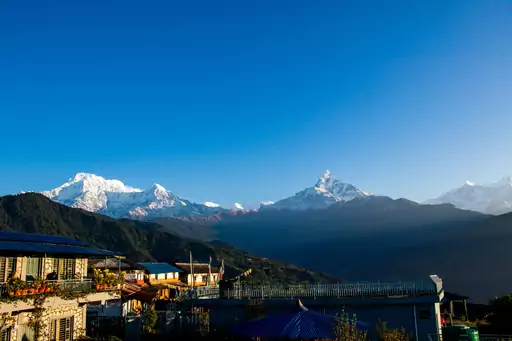
Region in Nepal
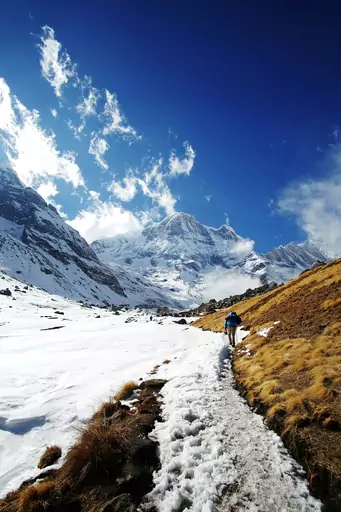
Annapurna
Legendary Trekking in Himalayan Diversity
The Annapurna Circuit opened to foreign trekkers in 1977. Today many hikers take shorter routes. Climb Poon Hill before dawn to watch Annapurna and Dhaulagiri turn pink at sunrise. Rhododendron forests bloom red and pink in spring. Spring and autumn bring the clearest air for mountain views.

Country
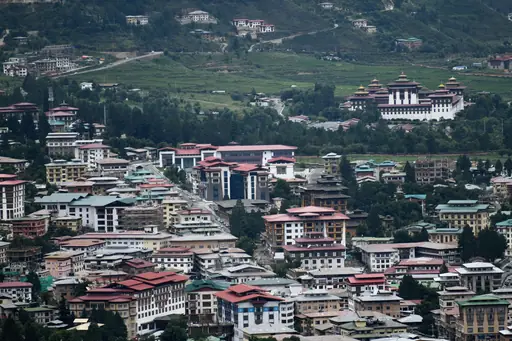
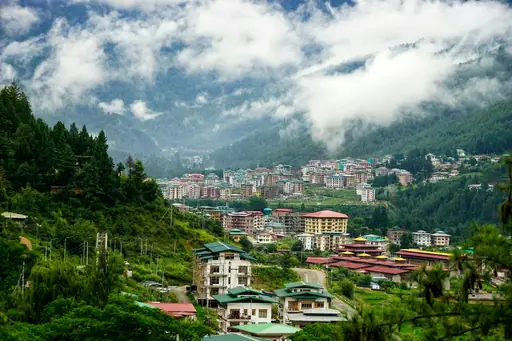
Bhutan
Himalayan monasteries, dzongs and trekking trails
Come in spring or autumn for clear skies and tsechus, festivals with masked dances in monastery courtyards. Tiger's Nest, a monastery clinging to a cliff above Paro, is the classic shot. Prayer flags and white dzongs, which are fortress monasteries, fill the valleys. Photos inside temples are often not allowed, so ask first.
Mountain
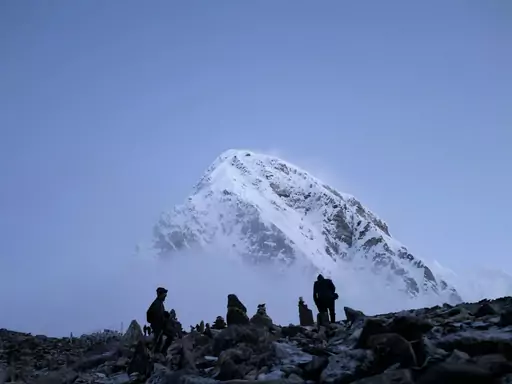
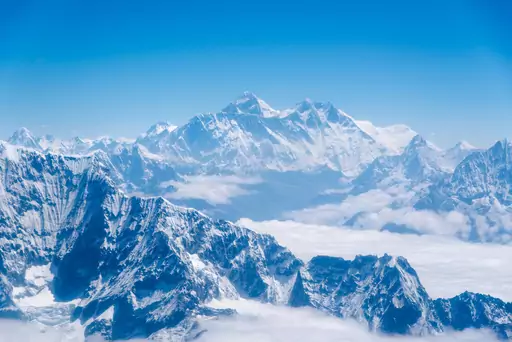
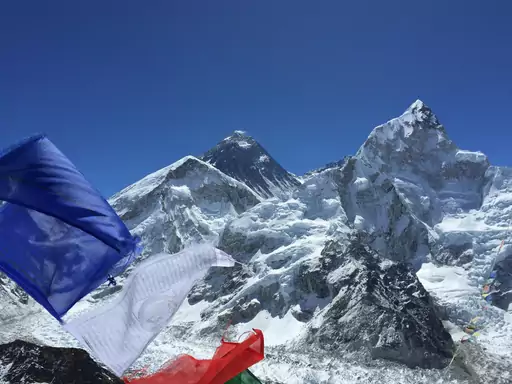
Mount Everest
World's highest peak, ultimate challenge
On the border of Nepal and Tibet, the summit rises 8,849 metres above sea level. Hikers on the Base Camp trek climb Kala Patthar for the classic view at sunrise. This rocky peak stands at about 5,500 metres. Pack extra batteries, since cold drains them fast.
Other lists you may like
Discover
Top photography destinations and scenic landscapes
A genuinely photogenic destination offers more than one good shot: it has the light, the composition and enough variety of conditions to reward repeat visits at different times of…
Read more
Discover
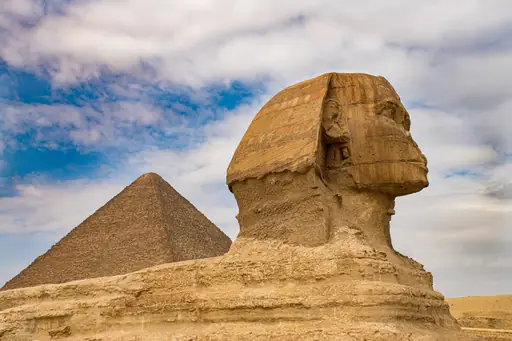
Best photography destinations in Africa
Vast desert dunes in southern Africa turn a deep, almost impossible orange at sunrise, drawing photographers specifically for that brief window of light each morning. East African…
Read more
Discover
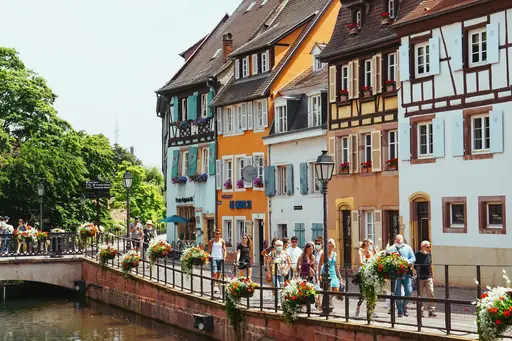
Best photography destinations in Europe
Volcanic landscapes and waterfalls in the North Atlantic have become some of the most photographed terrain in Europe, while whitewashed island architecture against a southern sea…
Read more
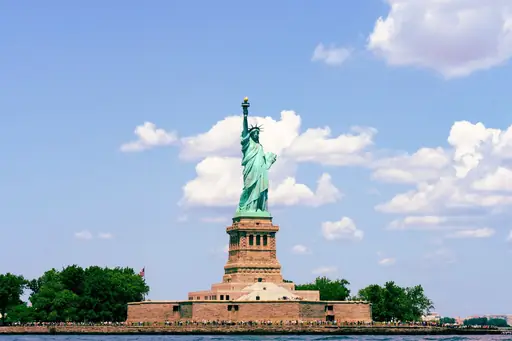
Discover
Best photography destinations in North America
Narrow desert canyons in the American Southwest create light patterns that have become some of the most recognisable images in landscape photography, while glacial lakes further…
Read more
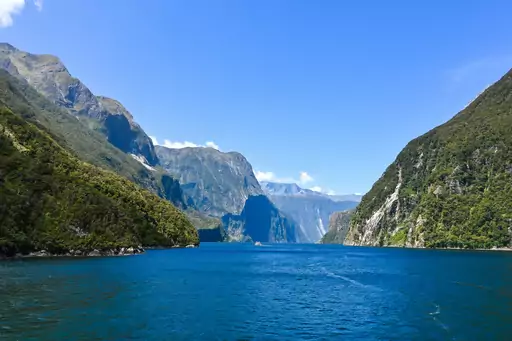
Discover
Best photography destinations in Oceania
Dramatic fjord scenery in New Zealand combines with consistently changeable weather, while a vast desert formation in Australia changes colour through the day in ways that have…
Read more
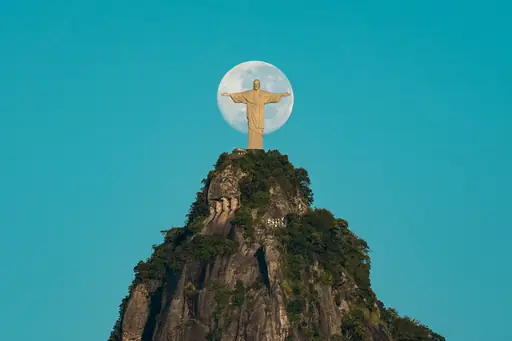
Discover
Best photography destinations in South America
A vast salt flat becomes a giant mirror during the wet season, creating one of the most surreal landscapes available to photograph anywhere on earth, while ancient mountain ruins…
Read more
What other users say about travelfilters
“travelfilters made it easy for me to find ski areas and compare what else they offer, so that I could find the best place for my personal travel style.”

Chris
Snowboarding & Onsen trip to Japan
“I love how transparent the data feels. There is no pushy upsell, just honest information and settings I can tune to my own travel style.”

Maria
After booking her 2027 winter escape
“The level of detail for each destination and how well those are displayed, make planning feel confident instead of overwhelming.”

Mina
Planned a week in New York City
“We used travelfilters for our planning from start to end. The trip turned out even better than expected, thanks to all their tools and customisation options.”

Allan & Etienne
Trip to Japan to see autumn foliage
“Thanks to travelfilters, I found some hidden gems to see. Being able to filter for exactly your interests is a game changer for my travel planning.”

Michael
Tour through the old cities of Northern Italy
“The customizable filters helped me find a quiet beach town with good wifi and low season crowds in under five minutes.”

Diego
Weekend Escape to Llanes, Spain
“The airport connection map saved me hours by showing good flight options from my home airport to lesser-known cities.”

Nguyen
Planning a 2027 trip to France
“The website is clean, fast and focused on the search itself, which makes travelfilters feel more like a professional tool than an ad-heavy booking site.”

Hassan
Christmas Market trip, Germany
