










Was this page helpful?

| Public website: | www.halongbay.com.vn |
|---|
| Power Grid: |
220 V, 50 Hz Plug: Type A , Type C
Type A:
  Read about power adapters |
|---|---|
| Currency: |
Vietnamese Dong (VND) £1 ≈ ₫34,381 |
| Cashless info: |
Rating 4/5
Cashless payments are widely accepted in Vietnam, especially in larger cities and tourist areas. Cash is still commonly used in rural areas.
Save with a travel credit card |
| eSIM providers: |
Best value: Saily Flexibility: Airalo Read our in-depth comparison |
| Tipping: | Tipping is not customary in Vietnam, but small tips are appreciated for good service in restaurants, taxis, and hotels. |
|---|---|
| Public drinking: | Public drinking is generally allowed in Vietnam, but drinking in certain public spaces, like parks, may be regulated. |
| Public smoking: | Smoking is allowed in outdoor public spaces, but there are smoking restrictions in some indoor public areas. |
| Independence Day (2 September) |
Celebrates Vietnam’s independence from France |
|---|---|
| Tết (January/February) |
The most important holiday in Vietnam, typically in January or February |
| Emergency contact: | Emergency Numbers: 113 (Police), 115 (Ambulance), 114 (Fire) |
|---|---|
| Taxi apps: | Grab |
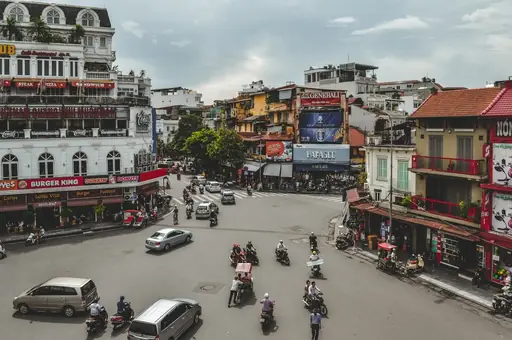
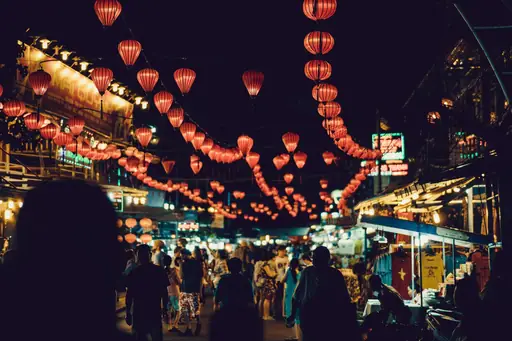
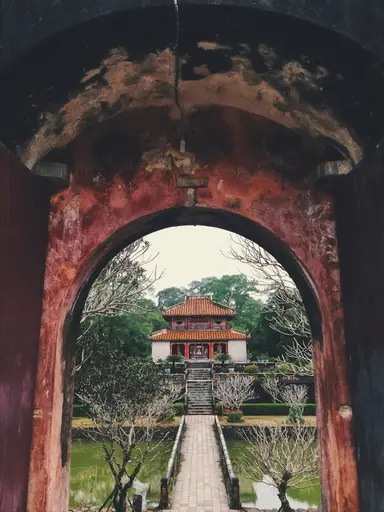
| Other: | Vietnam is famous for its vibrant cities, historic sites, and stunning landscapes like Ha Long Bay and the Mekong Delta, offering a rich and diverse travel experience. |
The best times to travel section shows how the months compare for a visit, so you can find the time of year that fits what you want to do.
Background colours of the months:
The colour shows the typical temperature: yellow (hot), green (mild) and blue (cold). How strong the colour is shows the travel season: full colour means high season, soft colour means shoulder season and soft-striped means off season.
Weather symbols:
Each month has one symbol showing what the weather is typically like, such as hot and sunny, freezing or a rainy or snowy season. Use them to quickly spot months that match the weather you want, or to avoid the ones that don't.
Crowdedness:
The people icon shows how busy the place usually is. The more people, the more crowded it gets.
Additional notes:
The grey info boxes point out special things worth knowing, like recurring weather issues or seasonal events.
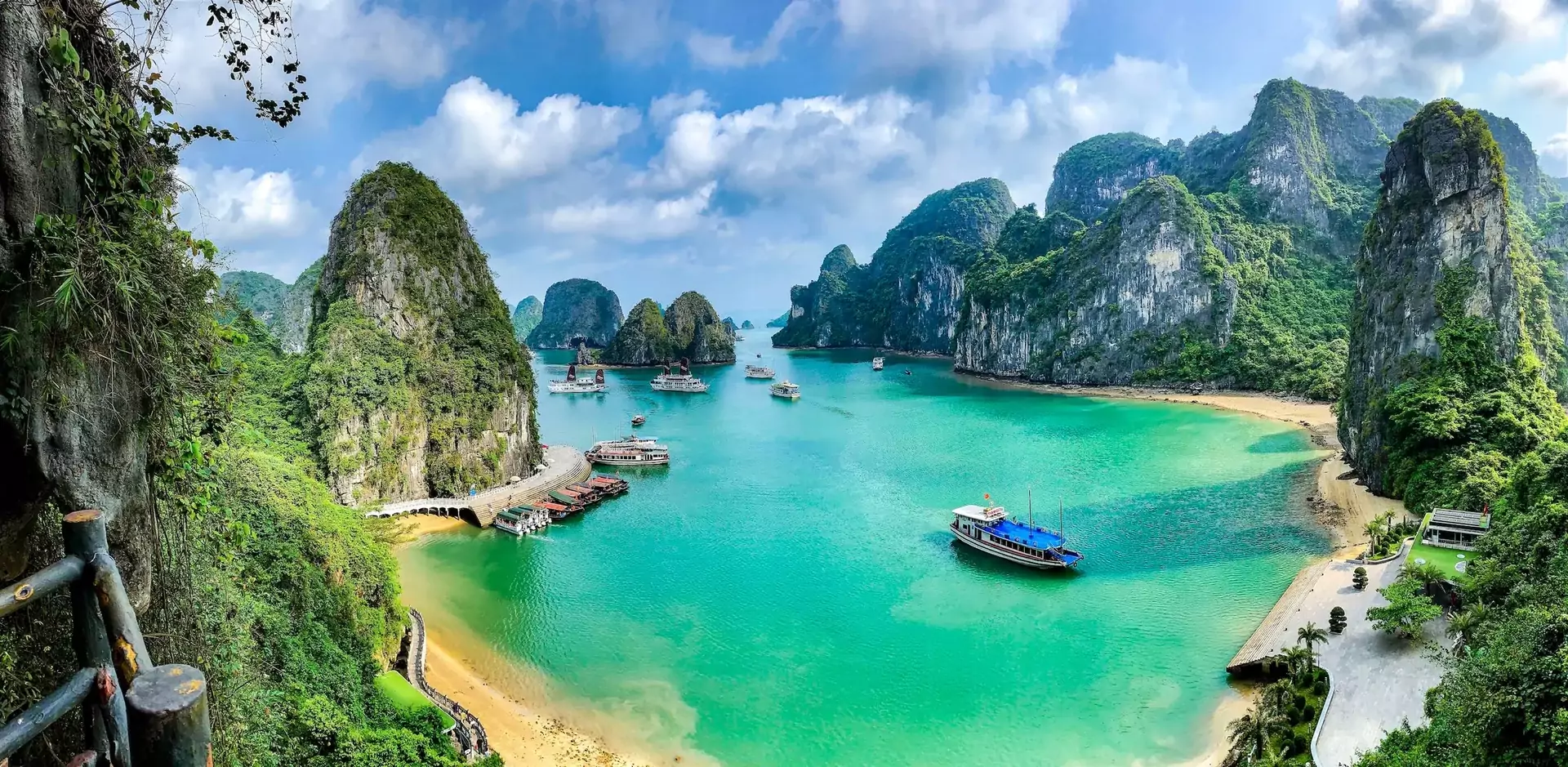
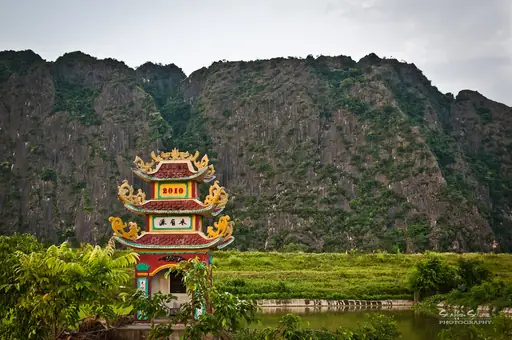
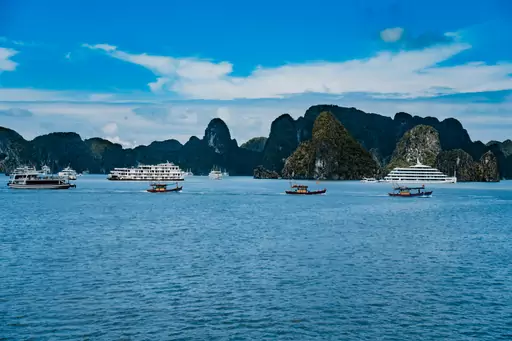
Ha Long Bay in Vietnam stands out as a striking natural wonder. Over 1,600 limestone islands rise from emerald waters creating dramatic scenery. The bay’s landscape shows sharp contrasts between land and sea with caves tunnels hidden among rocky peaks. Visitors often notice how sunlight reflects off the water forming shimmering patterns across the surface.
The area holds deep cultural meaning for local communities. Generations have relied on fishing and trade passing through these waters. Traditional boats known as junks still travel routes once used by pirates centuries ago. The bay’s name translates roughly to “Descending Dragon Bay” reflecting legends tied to its formation from mythical creatures’ actions.
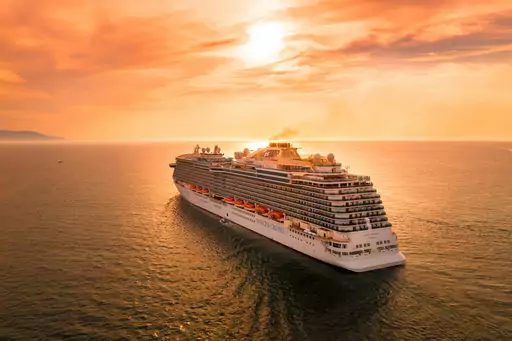
Exploring Ha Long Bay involves several activities suited for different interests. Kayaking lets travelers move quietly among smaller islets discovering secluded beaches and hidden grottos. Boat cruises provide broader views letting passengers appreciate the scale of limestone formations up close. Many choose to stay overnight on board enjoying fresh seafood prepared by local chefs.
Environmental care remains important here due to fragile ecosystems. Authorities limit pollution and regulate boat traffic to protect wildlife habitats. Visitors can support conservation efforts by choosing responsible tour operators who follow sustainable practices. The bay’s beauty depends on preserving natural balance ensuring future generations experience its unique charm without harming the environment.
Ha Long Bay is one of the most breathtaking natural landscapes in the world. Whether you're exploring hidden caves, kayaking through secluded lagoons or simply relaxing on a cruise ship, the scenery is nothing short of magical. The bay is home to over 1,600 limestone islands, many of which remain untouched, offering a mix of adventure and tranquility. It's also a UNESCO World Heritage Site, rich in legends and local culture. Just be aware that the main tourist spots can get crowded, so choosing the right cruise is key for a better experience.
Ha Long Bay is best accessed via Hanoi, about 170 km away. The fastest way is by private car or shuttle bus, taking around 2.5–3.5 hours. Budget travelers can take local buses from My Dinh Bus Station in Hanoi to Ha Long City. A more scenic option is the new seaplane service from Hanoi, offering aerial views of the bay.
Accommodations range from budget hostels in Ha Long City to luxury cruises on the bay. Staying on a cruise is the most immersive experience, but for those who prefer land, resorts on Tuan Chau Island or Cat Ba Island offer great views and easy access to activities.
Log in to add this place to a travel list and get a summary of all recommended items for your whole trip.
We calculate the average costs when travelling to destinations and compare those with the living costs at your home. With this you can get an estimate of how expensive or cheap the destination is for you.
To customise this, you can set up which location and price level are used for the calculations in your account settings.
The exchange rate price factor shows how expensive or cheap a currency currently is compared to its historical average. It's a quick way to see if a country is currently more or less affordable due to exchange rate changes.
