









Was this page helpful?

| Public website: | www.visitpetra.jo |
|---|
| Power Grid: |
230 V, 50 Hz Plug: Type C , Type D
Type C:
  Read about power adapters |
|---|---|
| Currency: |
Jordanian Dinar (JOD) £1 ≈ JOD 0.944 |
| Cashless info: |
Rating 4/5
Cashless payment options are available in Jordan, especially in urban areas like Amman. Credit cards are widely accepted in hotels, restaurants, and shops. Mobile payment options are also becoming popular.
Save with a travel credit card |
| eSIM providers: |
Best value: Saily Flexibility: Airalo Read our in-depth comparison |
| Tipping: | Tipping in Jordan is common and appreciated. In restaurants, a 10% tip is usually expected, and taxi drivers typically expect a small tip or rounding up of the fare. |
|---|---|
| Public drinking: | Public drinking is allowed in Jordan but is generally restricted to licensed venues such as bars, restaurants, and hotels. Public consumption of alcohol is not widespread. |
| Public smoking: | Smoking is allowed in public places but is restricted in certain indoor areas like restaurants and public transport. Smoking areas are available in many public buildings. |
| Jordan Independence Day (25 May) |
A national holiday celebrated with events and parades |
|---|---|
| Eid al-Fitr (Varies) |
A religious holiday marking the end of Ramadan, celebrated with feasts and gatherings |
| Emergency contact: | Emergency Number: 911 (Police, Fire, Ambulance) |
|---|---|
| Taxi apps: | Careem, Uber |
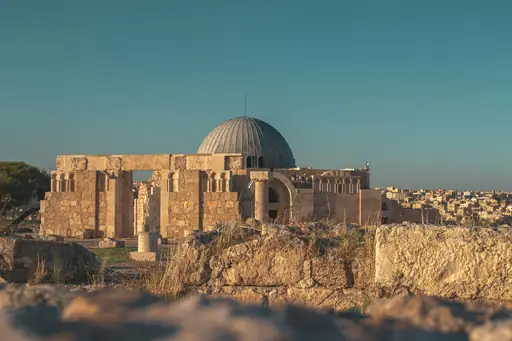
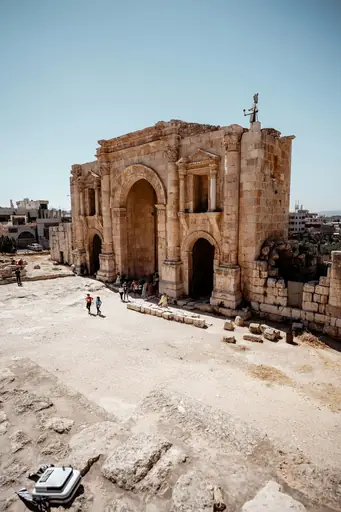
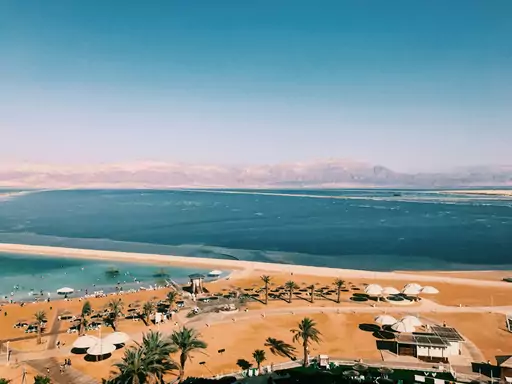
| Other: | Jordan is known for its ancient historical sites, such as Petra and the Dead Sea. The country offers rich cultural experiences but requires caution due to the regional political situation. |
The best times to travel section shows how the months compare for a visit, so you can find the time of year that fits what you want to do.
Background colours of the months:
The colour shows the typical temperature: yellow (hot), green (mild) and blue (cold). How strong the colour is shows the travel season: full colour means high season, soft colour means shoulder season and soft-striped means off season.
Weather symbols:
Each month has one symbol showing what the weather is typically like, such as hot and sunny, freezing or a rainy or snowy season. Use them to quickly spot months that match the weather you want, or to avoid the ones that don't.
Crowdedness:
The people icon shows how busy the place usually is. The more people, the more crowded it gets.
Additional notes:
The grey info boxes point out special things worth knowing, like recurring weather issues or seasonal events.
Petra, often called the 'Rose City' due to the color of the stone from which it is carved, is a testament to human ingenuity and artistic vision. The city was established as early as the 4th century BC as the capital of the Nabataean Kingdom, strategically positioned along vital trade routes connecting China, India and southern Arabia with Egypt, Syria, Greece and Rome. The Nabataeans were master hydraulic engineers who created sophisticated water collection and storage systems that allowed their city to flourish in the desert environment.
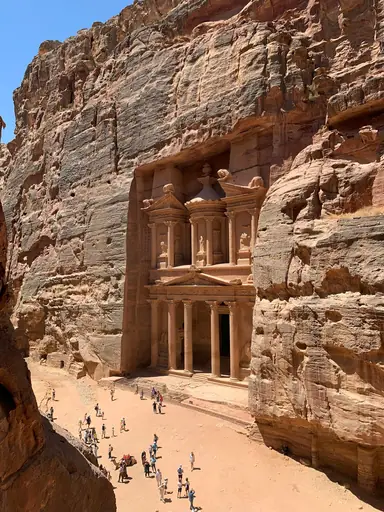
The journey into Petra begins with a walk through the Siq, a narrow gorge flanked by towering cliffs that stretches for about 1.2 kilometers. This dramatic entrance builds anticipation before suddenly opening to reveal the iconic Treasury (Al Khazneh), a massive façade carved into the rose-colored rock face that stands nearly 40 meters high. Despite its name, the Treasury was likely a royal tomb or temple. Beyond this famous landmark lies an entire city with hundreds of buildings, including a 3,000-seat amphitheater, temples, royal tombs and a colonnaded street that once served as Petra's main thoroughfare.
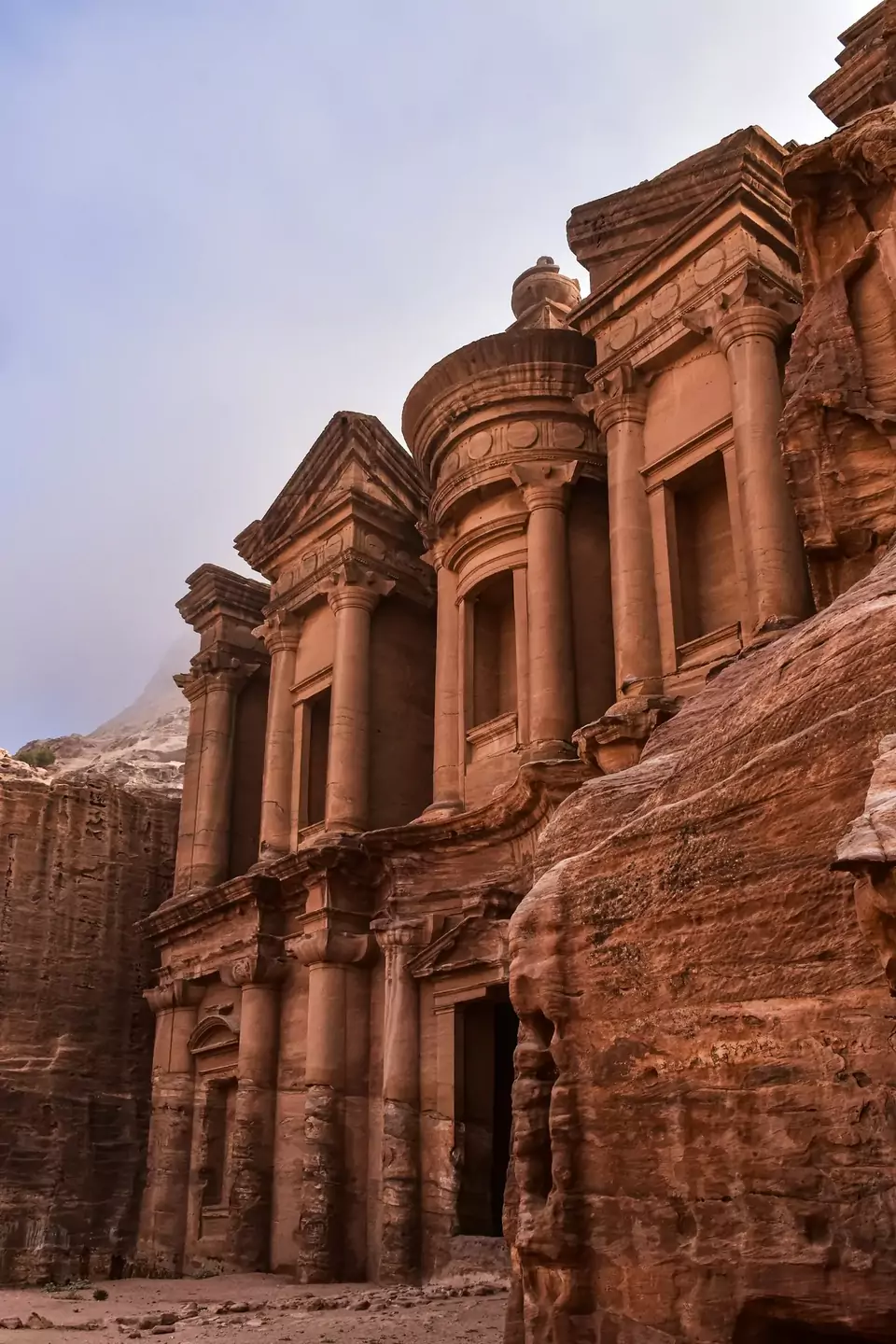
For those willing to venture further, a climb of about 800 steps leads to The Monastery (Ad Deir), another impressive rock-cut façade that rivals the Treasury in grandeur but sees fewer visitors due to the challenging ascent. The reward for this effort is not only the magnificent structure itself but also panoramic views of the surrounding landscape. Throughout the site, you'll encounter countless tombs and smaller structures, evidence of the once-thriving city that housed as many as 30,000 people at its peak before declining under Roman rule and eventually being abandoned.
While Petra's beauty is undeniable, visitors should be aware of several challenges. The site is vast, covering about 60 square kilometers, with the main trail alone being approximately 4 km one way, requiring good physical condition and comfortable footwear. Summer temperatures can be scorching, while winter can bring surprisingly cold weather. With around 4,000 visitors daily during peak seasons (March-April and September-October), the site can become crowded, diminishing the experience. To avoid this, consider visiting during winter (December-February) or arriving early in the morning when the site opens at 6:30 AM. Additionally, be wary of animal tourism practices – despite what some local handlers might claim, horse rides are not included in your entrance ticket and many animals appear poorly treated. The entrance fee is relatively high at 50 JOD (about $70 USD), though hiring a guide for an additional fee can significantly enhance your understanding of this remarkable place.
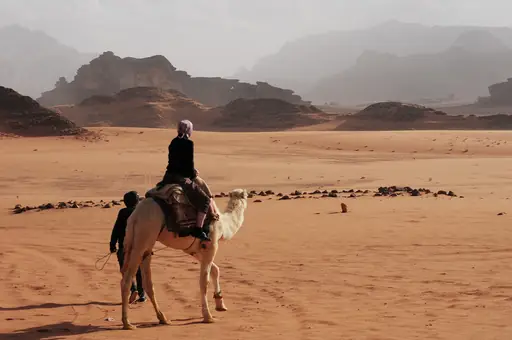
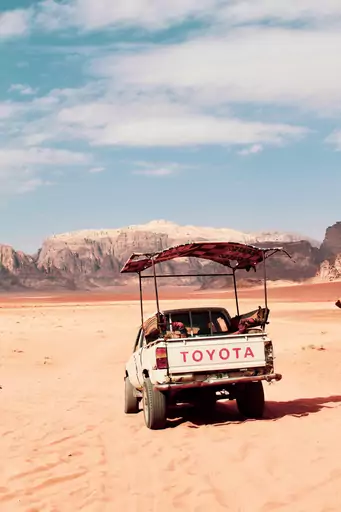
Most visitors reach Petra by first flying into Amman, Jordan's capital city, which has an international airport with connections to major cities worldwide. From Amman, you can reach Petra by rental car (a 3-4 hour drive), join an organized tour or take a JETT bus to the nearby town of Wadi Musa, which serves as the gateway to Petra. Many travelers visit Petra as part of a larger Jordan itinerary that includes Wadi Rum and the Dead Sea. If you're planning to explore multiple sites in Jordan, renting a car is a convenient option as the country has good road infrastructure. Alternatively, numerous tour companies offer multi-day packages that include transportation and guided visits to Petra and other attractions.
Most visitors to Petra stay in the adjacent town of Wadi Musa, which offers accommodation options ranging from budget hostels to luxury resorts. The closer to the Petra Visitor Center you stay, the more convenient your access to the site will be, especially for early morning or late afternoon visits when the light is most magical and crowds are thinner. Some travelers recommend staying overnight rather than making Petra a day trip, as this allows you to fully experience the site and potentially visit during different times of day or attend the atmospheric Petra by Night event.
Log in to add this place to a travel list and get a summary of all recommended items for your whole trip.
We calculate the average costs when travelling to destinations and compare those with the living costs at your home. With this you can get an estimate of how expensive or cheap the destination is for you.
To customise this, you can set up which location and price level are used for the calculations in your account settings.
The exchange rate price factor shows how expensive or cheap a currency currently is compared to its historical average. It's a quick way to see if a country is currently more or less affordable due to exchange rate changes.
