
Best architecture destinations in Asia
Best architecture destinations in Asia
Traditional temple structures and iconic modern skylines in Asia
Asia contains some of the world's most significant architectural traditions, with temple complexes, imperial palace compounds and historic urban quarters representing distinct regional languages that developed largely independently of Western influences. The continent spans an enormous chronological range, from prehistoric ceremonial structures through classical periods of extraordinary ambition to some of the most aggressive contemporary skylines anywhere. Density of significant sites within individual countries is high and rewards extended itineraries.
East and Southeast Asia have the most developed architectural tourism infrastructure, with well-documented heritage sites, guided programmes and good transport links between major destinations. The Islamic architectural traditions of Central and West Asia represent a parallel canon of equal depth, with monumental mosques, madrasas and caravanserais spread across a vast geographic area that requires more independent planning to cover.
Humidity, heat and monsoon seasons affect visiting conditions at many open-air and partially exposed sites, and seasonal timing matters more than in temperate regions. Dress codes are enforced strictly at religious sites across much of the continent and affect both access and comfort. Rapid urban development has accelerated demolition of historic fabric in several countries, and some areas well documented in older guidebooks have changed significantly in recent years.
Lists by region
City in United Arab Emirates
Dubai
Glamour, Adventure and Desert Charm
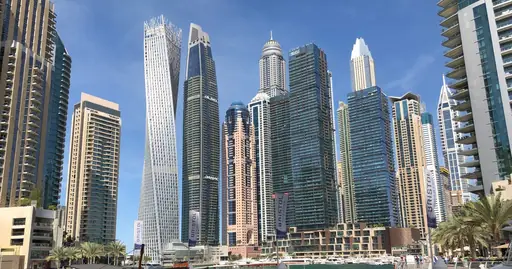
The Burj Khalifa in Dubai reaches 828 metres and opened in 2010. The design uses a tapering Y shaped plan inspired by a desert flower. Stainless steel and glass panels cover the tower. Observation decks on high floors give views over the city and the Gulf.
City in Nepal
Kathmandu
Temples, chaos and Himalayan magic
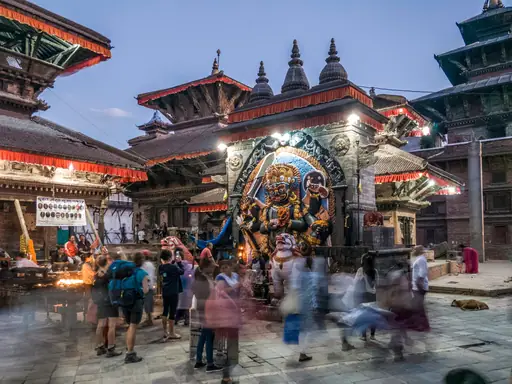
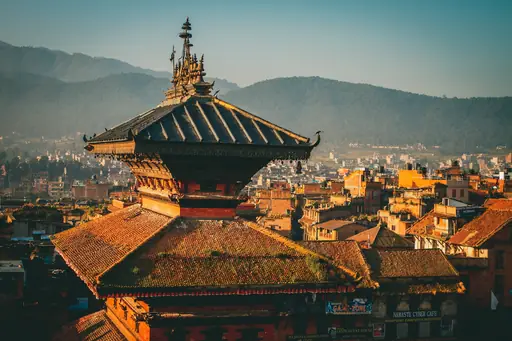
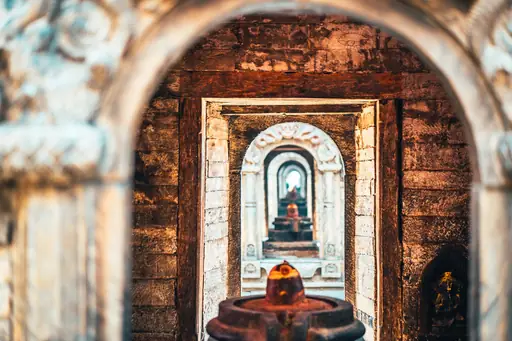
Boudhanath Stupa in Kathmandu is one of the largest stupas in Nepal. Its white dome sits on a three level base with painted eyes of the Buddha on each side. Prayer flags stretch from the spire. Pilgrims walk clockwise around the stupa and spin prayer wheels.
State/Prefecture in China
Hong Kong
Where East Meets West
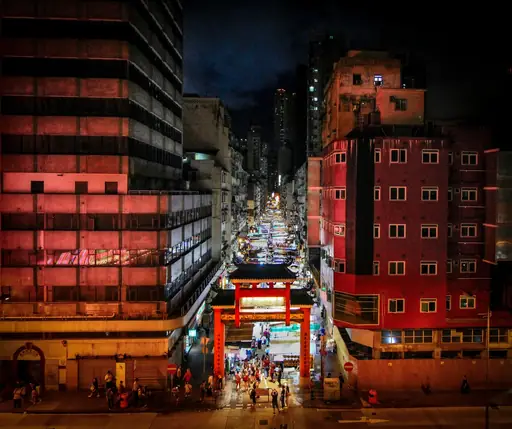
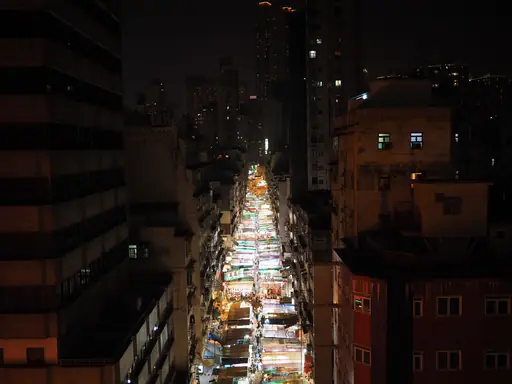
The Bank of China Tower in Hong Kong was designed by I. M. Pei and rises 367 metres. Its structure is made of triangular prisms that step up into different heights. Steel trusses on the facade carry the load. The tower opened in 1990 and dominates the Central skyline.
City in Yemen
Sana'a
Timeless Towers and Ancient Alleys
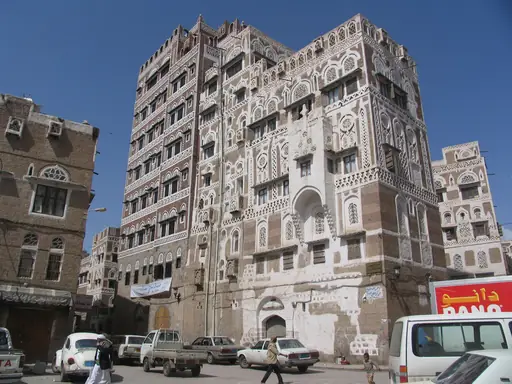
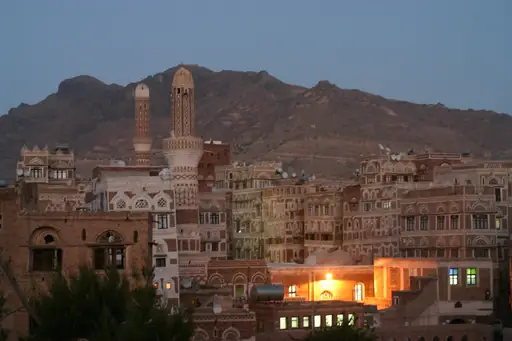
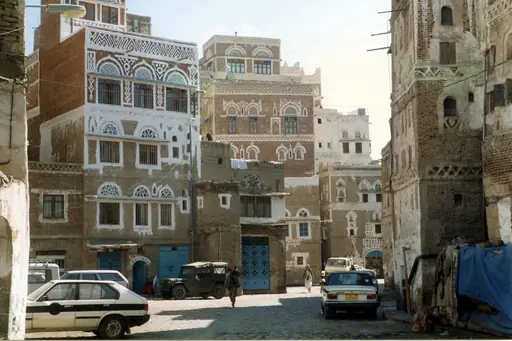
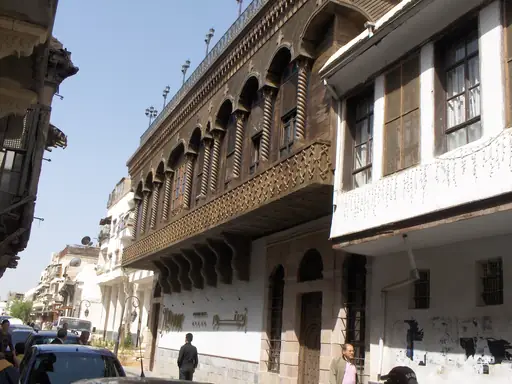
Old Sanaa in Yemen has tall tower houses made of stone and mud brick. Many rise to six or eight floors. White gypsum patterns outline the windows. Coloured glass panes in half circle windows called qamariya glow in the sun and light the rooms inside.
City in Russia
Moscow
A grand city of history and power
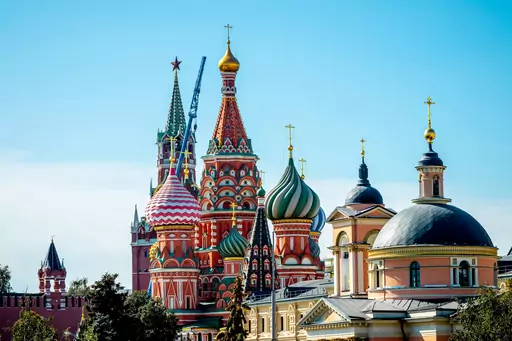
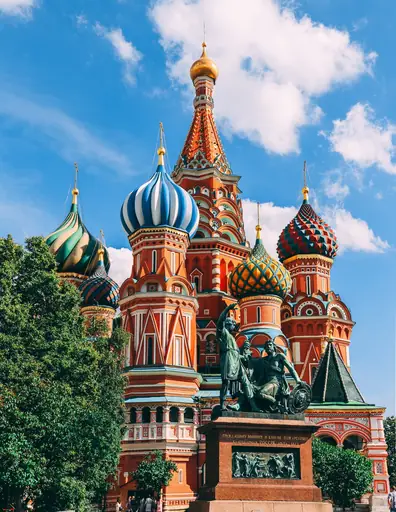
Saint Basil's Cathedral in Moscow was built between 1555 and 1561 by order of Ivan the Terrible. Nine chapels stand around a central church. The onion domes are painted in bright patterns. Red brick and white stone trim give the building a fairy tale look.
City in Japan
Tokyo
Japan's capital of temples, towers and food
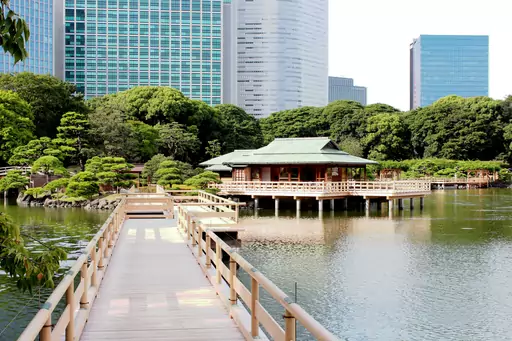
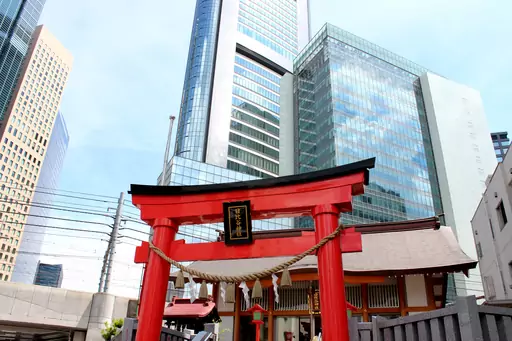
The Yoyogi National Gymnasium in Tokyo was designed by Kenzo Tange for the 1964 Olympics. A suspended roof hangs from two huge steel cables. The curved shape looks like a wave or a shrine. Its main hall holds thousands of people without any interior columns.
City in Turkey
Istanbul
Where East meets West in stunning contrast
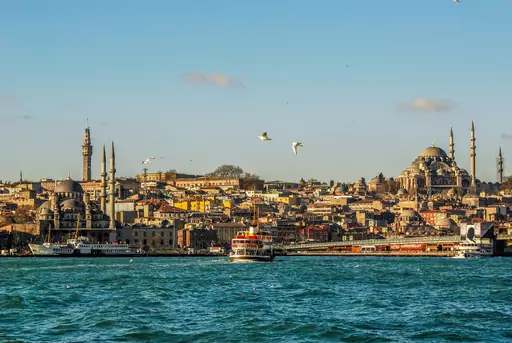
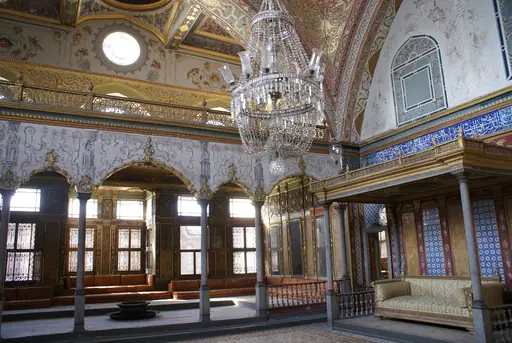
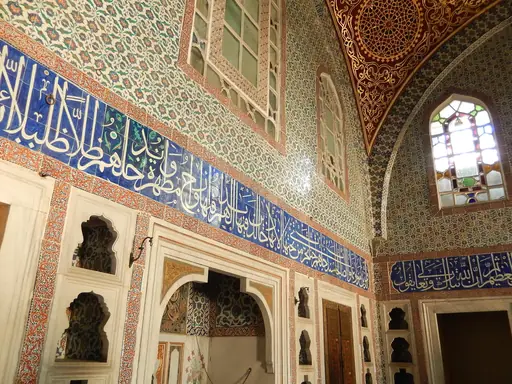
The Suleymaniye Mosque in Istanbul was designed by the architect Sinan and finished in 1557. A central dome is supported by half domes and thick pillars. Four minarets stand at the corners. Light pours through many windows and shows blue tiles and painted patterns inside.
City in Uzbekistan
Bukhara
Ancient Silk Road Splendor
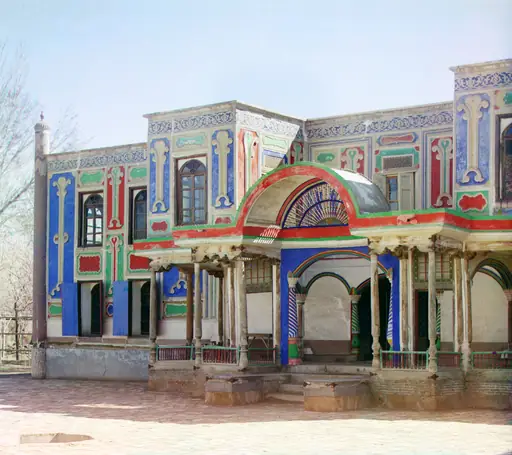
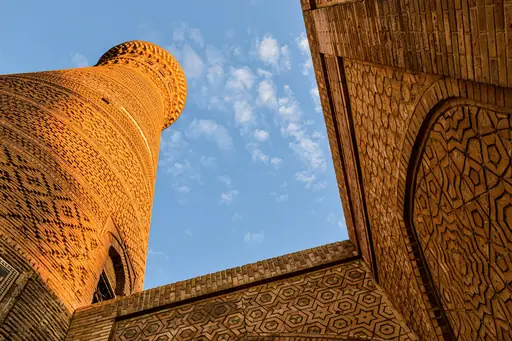
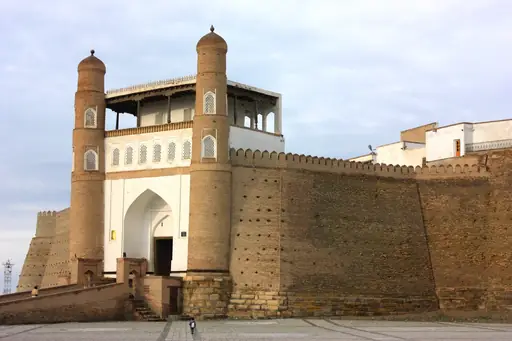
The Kalyan Minaret in Bukhara was built in 1127 and is about 47 metres tall. Its brick pattern changes in bands from base to top. Legend says the Mongol leader Genghis Khan spared it in the 13th century. Nearby mosques and madrasas surround the old square.
City in Russia
Saint Petersburg
Where history and elegance meet
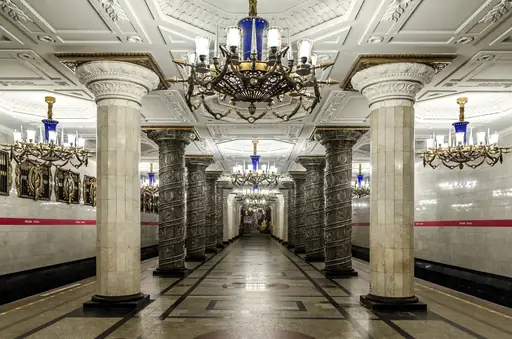
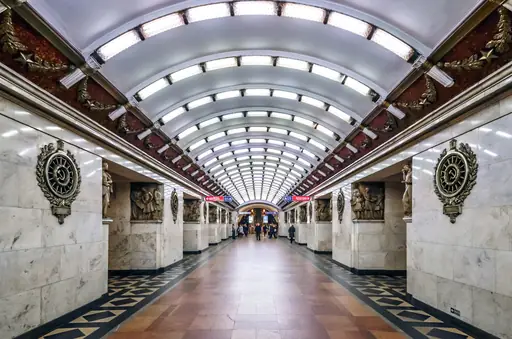
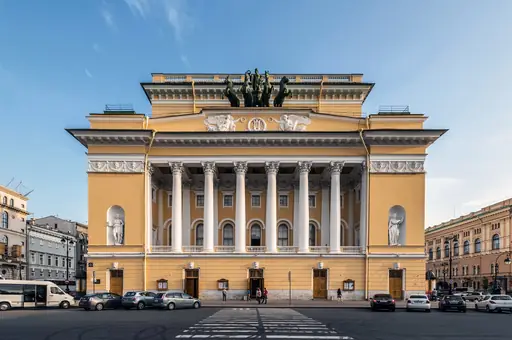
The Winter Palace in Saint Petersburg was built in 1762 in Baroque style by the architect Rastrelli. Its green and white facade stretches along the Neva River. Golden ornaments and columns decorate the exterior. Today it is part of the Hermitage Museum and open to visitors.
Region in Turkey
Cappadocia
A surreal land of fairy chimneys
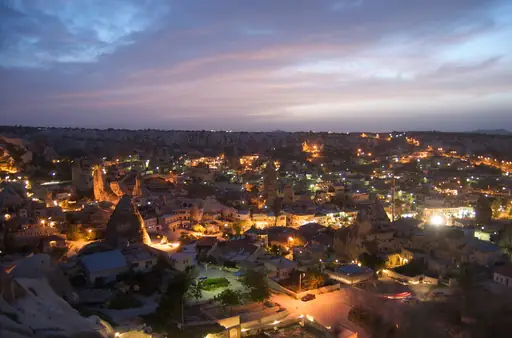
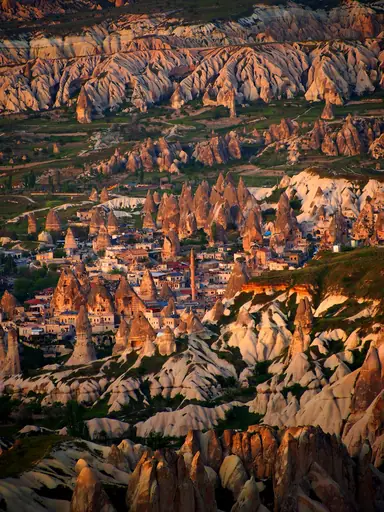
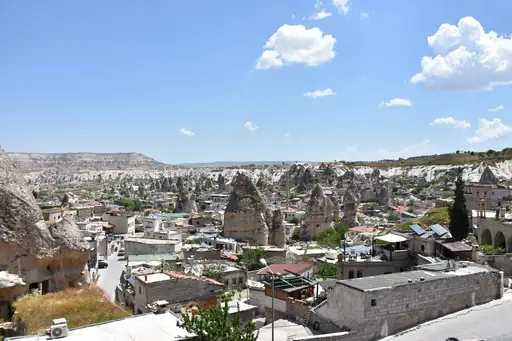
Derinkuyu is a huge underground city in Cappadocia that reaches about 60 metres deep. Its 18 levels once sheltered thousands of people in times of danger. Narrow tunnels link kitchens, chapels, stables and wine cellars. Round rolling stone doors could seal the passages from inside during attacks.
City in China
Shanghai
A dazzling mix of modernity and tradition
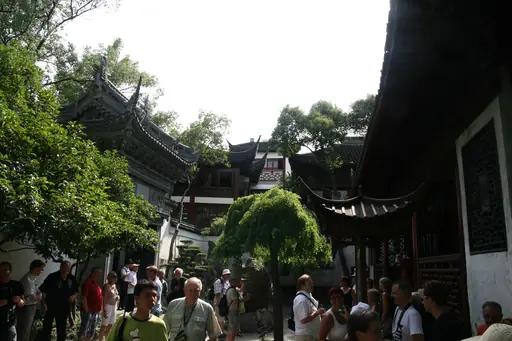
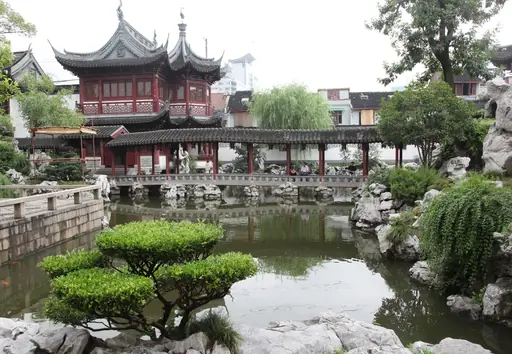
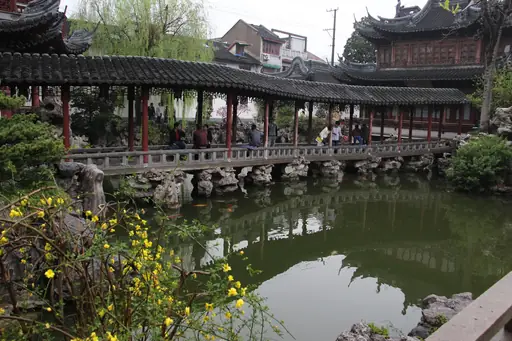
The Bund in Shanghai is a waterfront row of neoclassical and Art Deco buildings from the early 20th century. Old banks and trading houses face the Huangpu River. Stone facades have columns and domes. Across the river the towers of Pudong rise as a bold contrast.
City in India
Jaipur
The Pink City of Royal Splendor
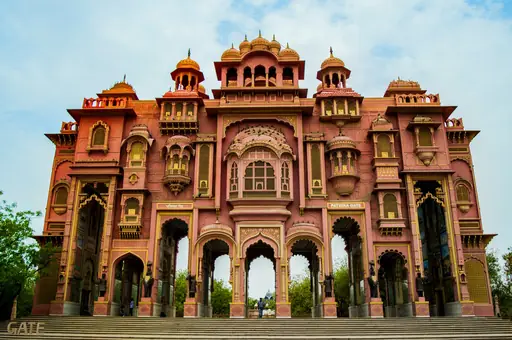
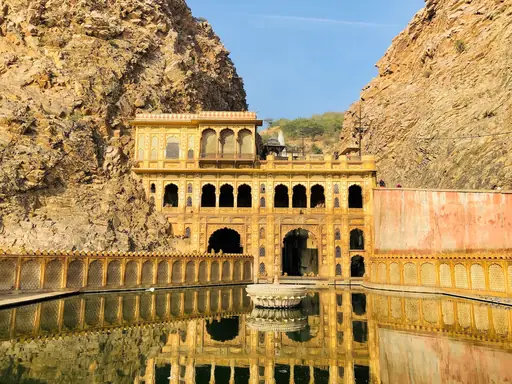
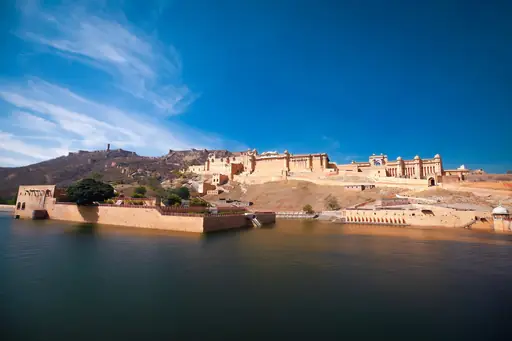
The Hawa Mahal in Jaipur was built in 1799 and has 953 small windows. Women of the royal court could watch the street from behind the carved screens. The five story facade is made of pink sandstone. It looks like a honeycomb and catches the sunrise light.
City in Uzbekistan
Samarkand
The Silk Road’s Shimmering Gem
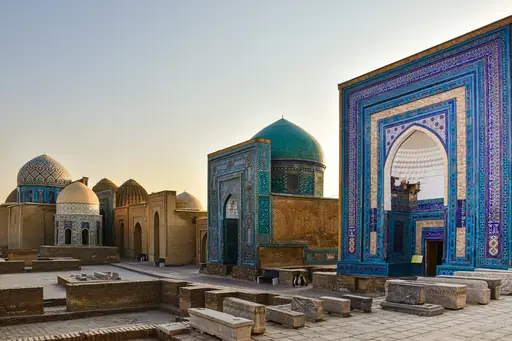
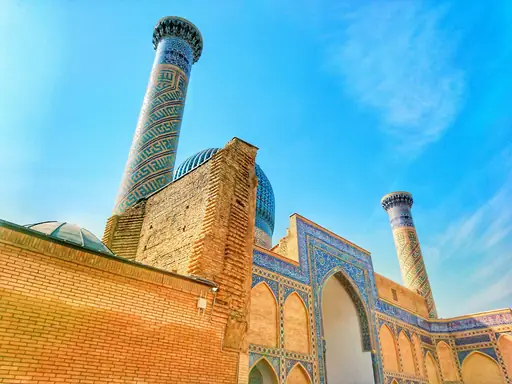
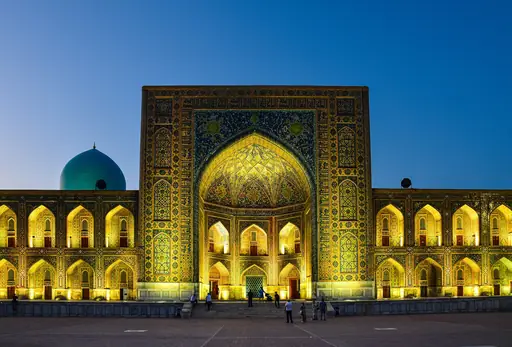
The Registan in Samarkand is a square framed by three madrasas with blue tiled domes. The oldest was built by Ulugh Beg in 1420. Facades are covered in detailed mosaics and flowing gold calligraphy. Tiles in turquoise and cobalt glow brightly in the evening light.
City in Israel
Tel Aviv
Vibrant Beaches and Nonstop Energy
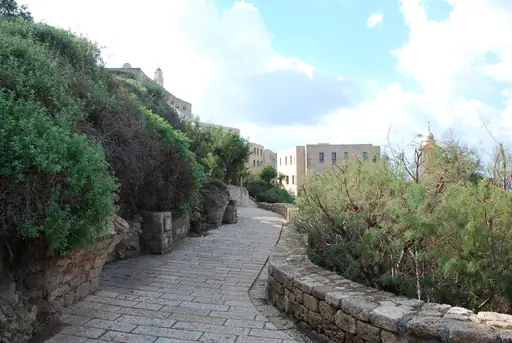
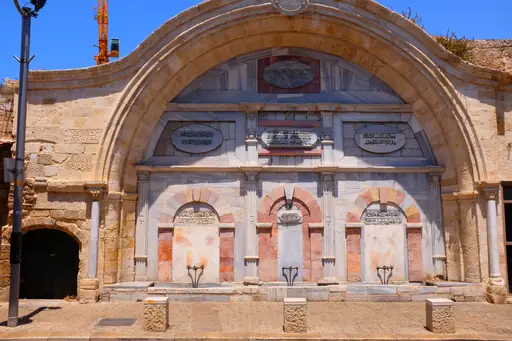
Tel Aviv has about 4,000 buildings in the Bauhaus and International styles built in the 1930s. The area is known as the White City. Curved balconies and long horizontal windows give the buildings a clean look. It has been a UNESCO World Heritage Site since 2003.
Region in Myanmar
Bagan
Ancient Temples and Timeless Sunsets
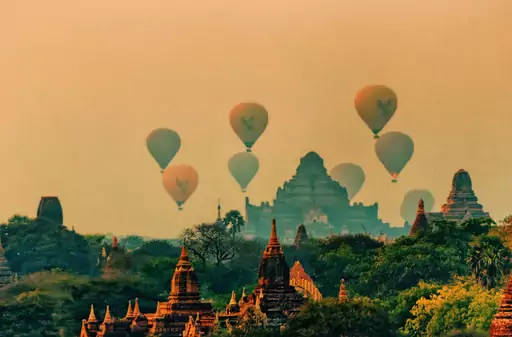
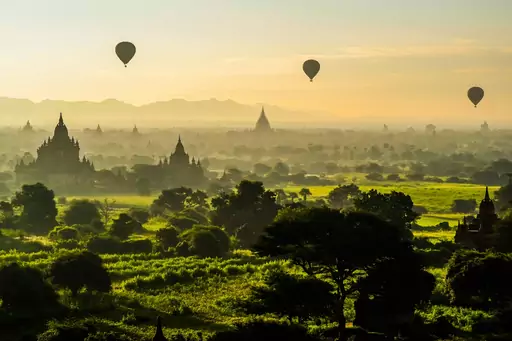
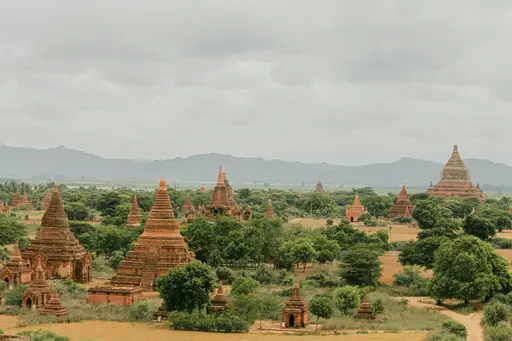
Bagan in Myanmar has more than 2,000 temples and pagodas standing on a dry plain. Kings built thousands of them between the 11th and 13th centuries. Ananda Temple was finished around 1105 and holds four large standing Buddhas. Visitors can climb some terraces for sunrise views.
City in India
Delhi
A Kaleidoscope of History and Culture
The Qutb Minar in Delhi rises about 73 metres and dates from the late 12th century. Red sandstone bands are carved with verses from the Quran. Five stories taper towards the top. An iron pillar in the courtyard is about 1,600 years old and has hardly rusted.
City in India
Amritsar
Golden spirituality in Punjab's heart
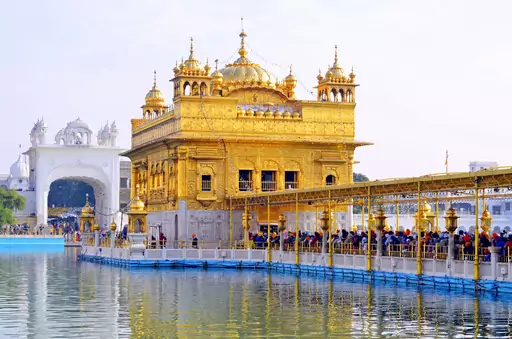
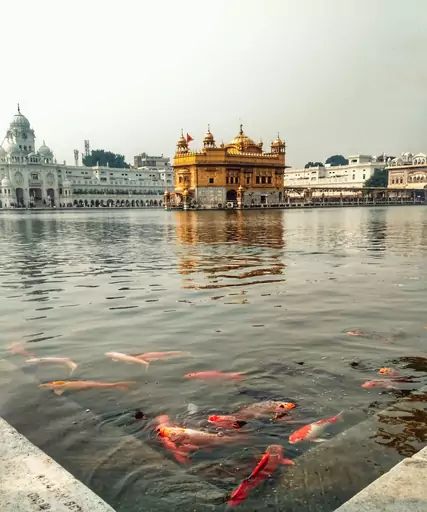
The Golden Temple in Amritsar was completed in 1604 and sits in the centre of a sacred pool. Its upper floors are covered in gold leaf. A marble causeway leads visitors to the shrine. Four doors open in each direction to welcome people of all faiths.
City in Turkey
Ephesus
Ancient Wonders and Roman Grandeur
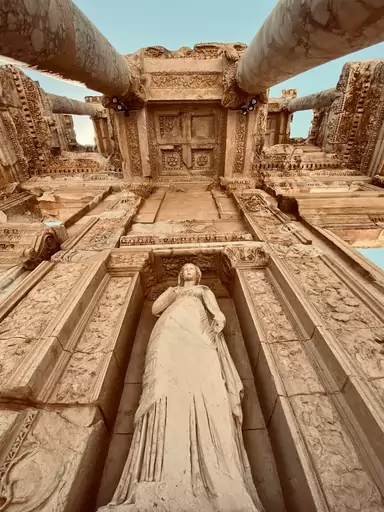
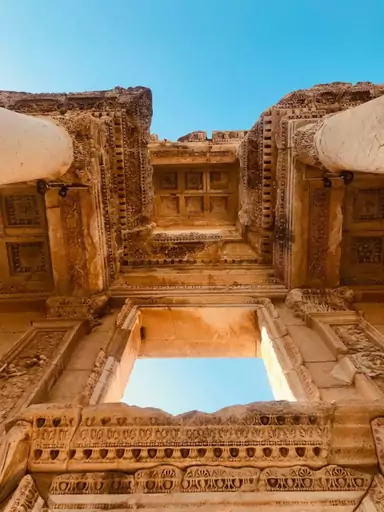
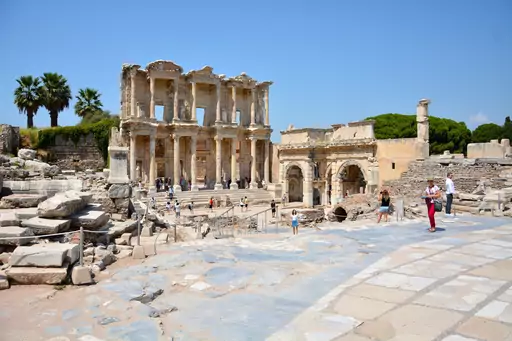
The Library of Celsus in Ephesus was built around 117 CE. Its two story facade has columns and statues in niches. The building once held thousands of scrolls and served as a tomb. Visitors walk along marble streets to reach it past theatres and fountains in the ancient city.
City in Japan
Himeji
Famed white castle and samurai gardens
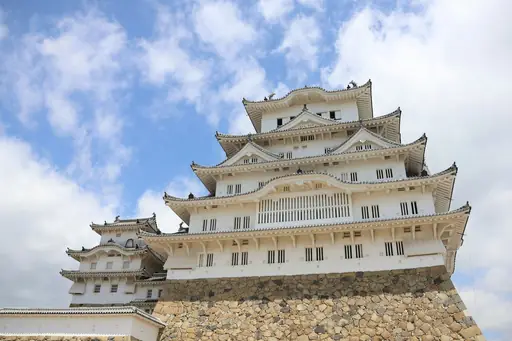
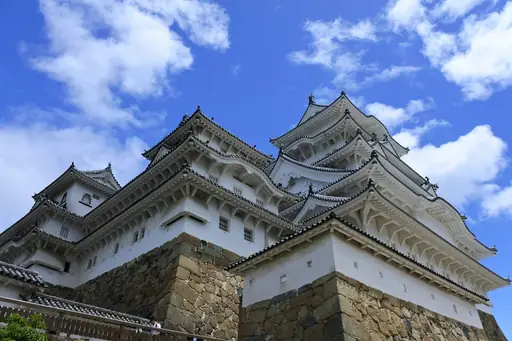
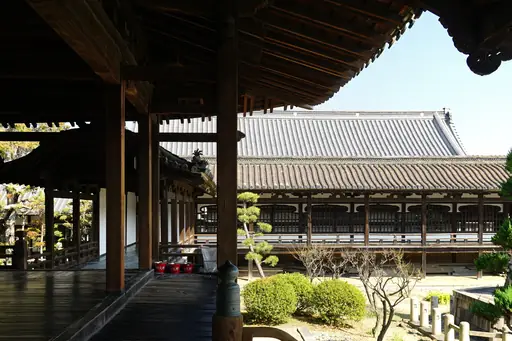
Himeji Castle is called the White Heron for its white plastered walls and graceful roofs. The main keep was completed in the early 17th century. About 80 buildings stand within its maze of walls and gates. It survived war and earthquakes and remains largely original.
City in India
Agra
Home of the Majestic Taj Mahal
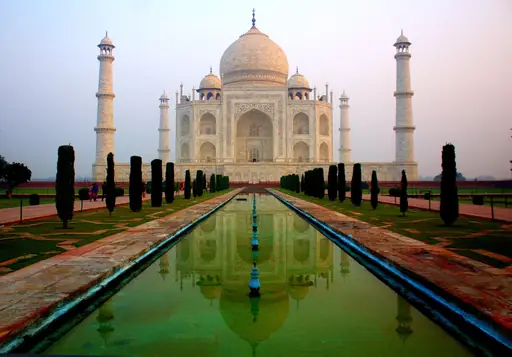
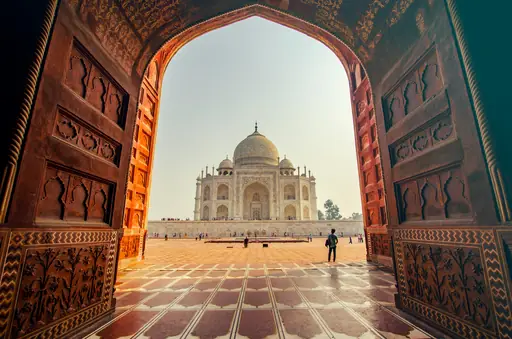
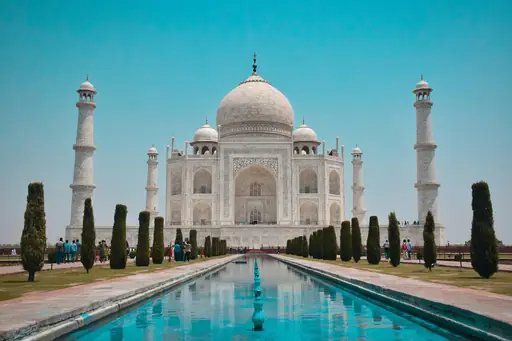
The Taj Mahal in Agra was built between 1632 and 1653 by Emperor Shah Jahan for his wife. White marble walls are inlaid with coloured stones. A central dome rises above four tall minarets. Long reflecting pools frame the tomb and mirror it at sunrise.
Village in India
Hampi
Ancient ruins in boulder landscapes
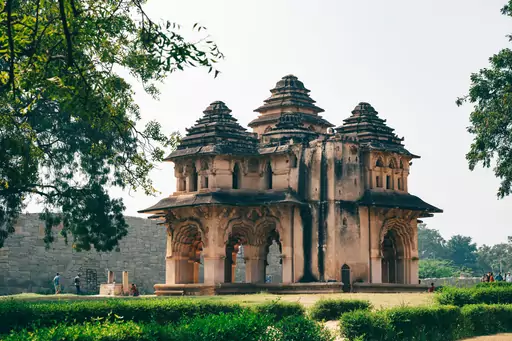
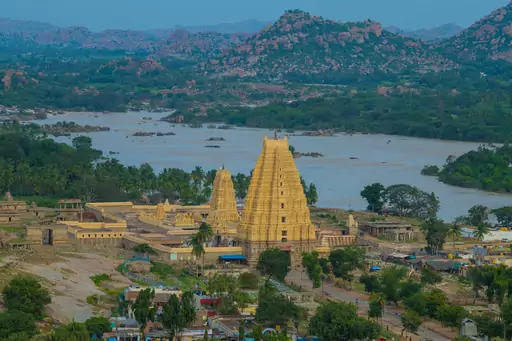
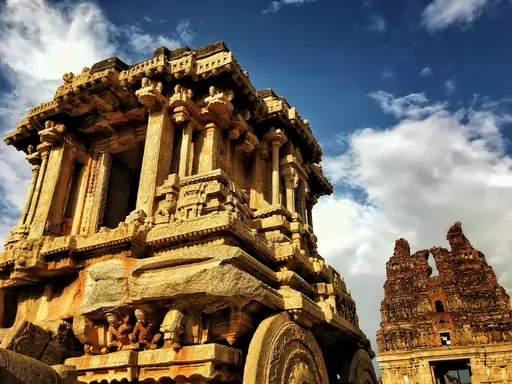
Hampi in India was the capital of the Vijayanagara Empire in the 14th to 16th centuries. Temples and halls lie among huge granite boulders. A stone chariot stands at the Vitthala Temple. Carved pillars in its hall are said to ring like musical notes when struck.
City in India
Ahmedabad
Where heritage meets modern India
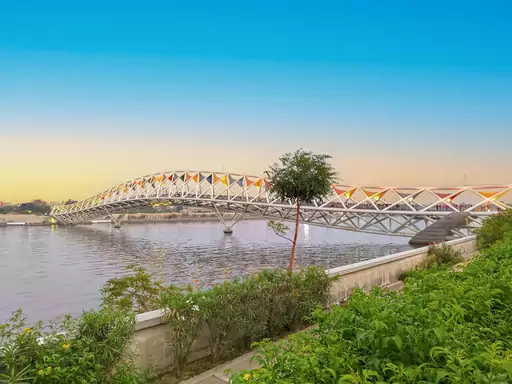
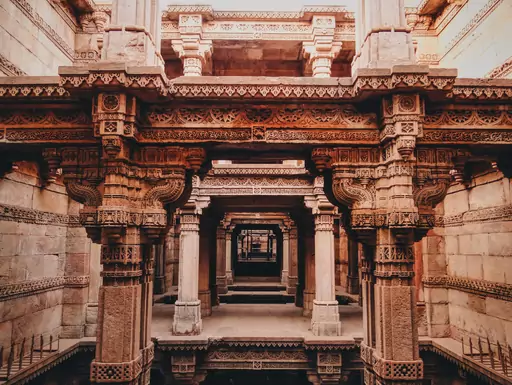
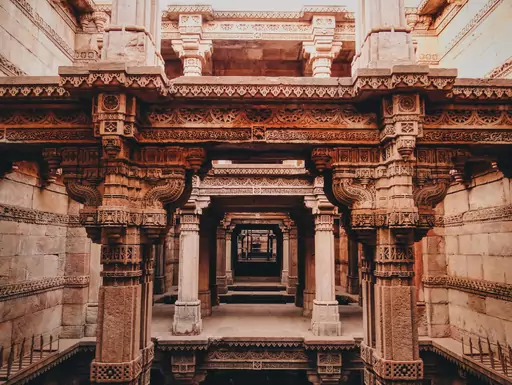
The Indian Institute of Management Ahmedabad was designed by the American architect Louis Kahn in the 1960s. Massive red brick arches and circular openings shape the campus. Deep corridors give shade in the strong Gujarat heat. Courtyards and reflecting pools link the dormitories and classrooms.
City in Syria
Damascus
Ancient Alleys, Bazaars and Minarets
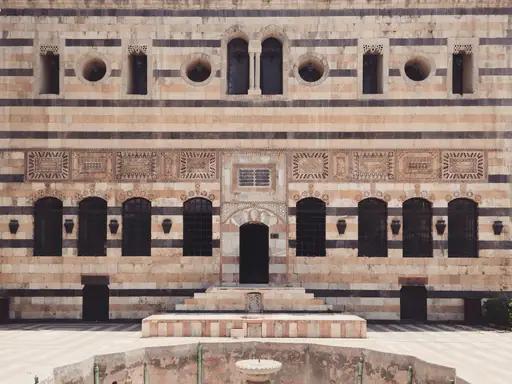
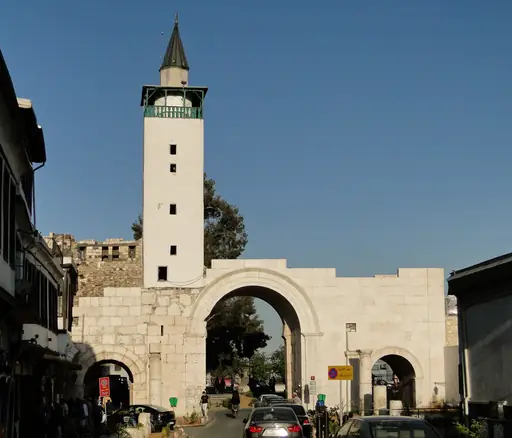
The Umayyad Mosque in Damascus was built in the early 8th century on the site of a Roman temple. A large courtyard is framed by arcades and gold mosaics. Three minarets rise above the prayer hall. The tomb of Saint John the Baptist is said to lie inside.
City in India
Mumbai
India's bustling coastal metropolis
Chhatrapati Shivaji Terminus in Mumbai is a railway station finished in 1887 and designed by the British architect F. W. Stevens. Victorian Gothic towers mix with Indian domes and arches. Carved stone gargoyles decorate the facade. Thousands of commuters pass through the halls each day.
Country
Singapore
Tropical city-state of hawker food and gardens
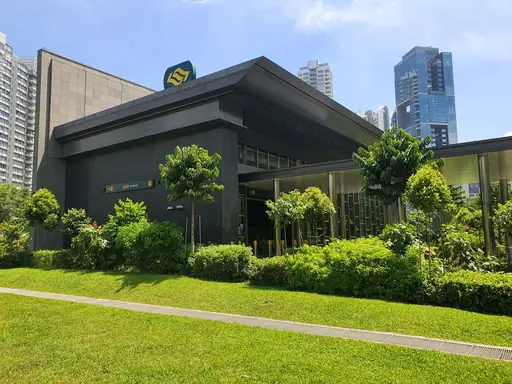
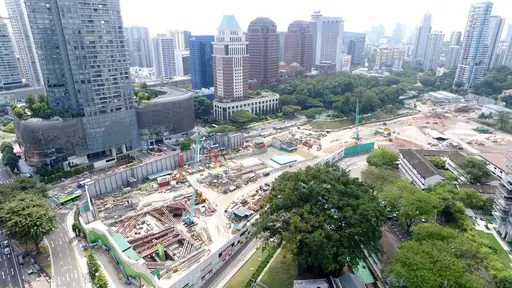
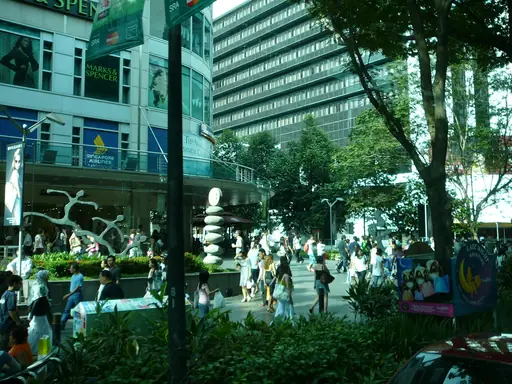
Marina Bay Sands in Singapore opened in 2010 and was designed by the architect Moshe Safdie. Three towers stand about 200 metres tall. A long boat shaped SkyPark rests on top of the towers. It has a rooftop pool with a view of the city.
City in Syria
Palmyra
Ancient Silk Road's Desert Bride
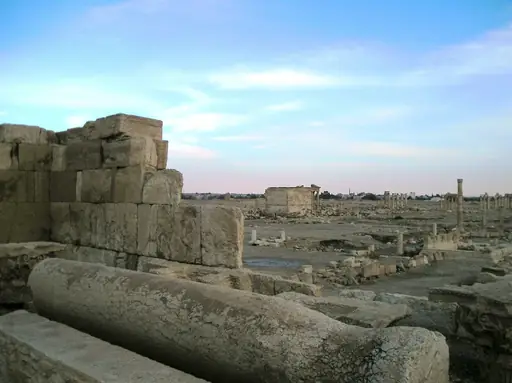
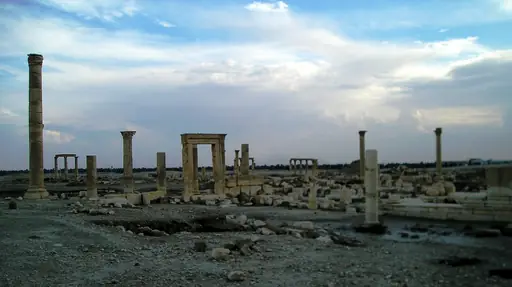
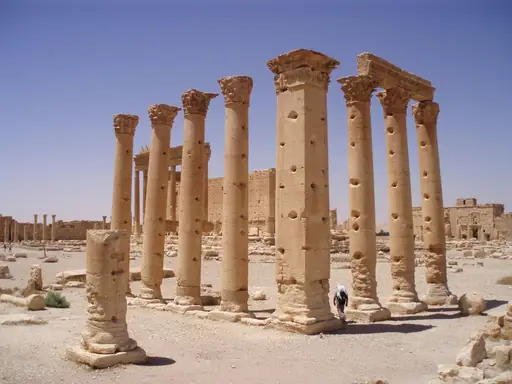
The Great Colonnade of Palmyra runs about 1.1 kilometres through the ancient Syrian city. Rows of Roman columns line the street. A monumental arch marks its entrance. The Temple of Bel was partly destroyed in 2015 but the site remains a famous ruin in the desert.
City in Japan
Kyoto
Temples, geisha districts and kaiseki dining
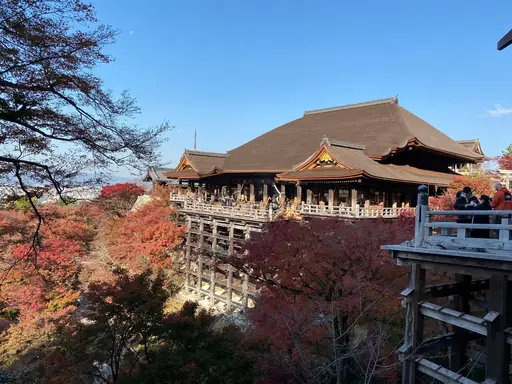
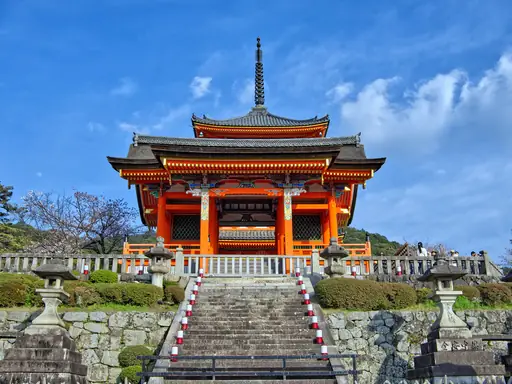
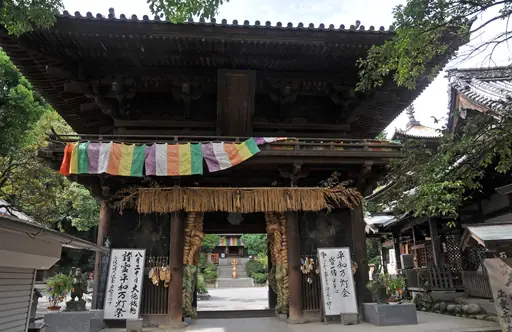
Kinkaku ji in Kyoto is a three story pavilion covered in gold leaf. It was built in 1397 as a villa for the shogun Ashikaga Yoshimitsu. The pavilion stands beside a pond that reflects it. Each floor has a different style of architecture and roof.
City in United Arab Emirates
Abu Dhabi
Modern luxury meets rich traditions
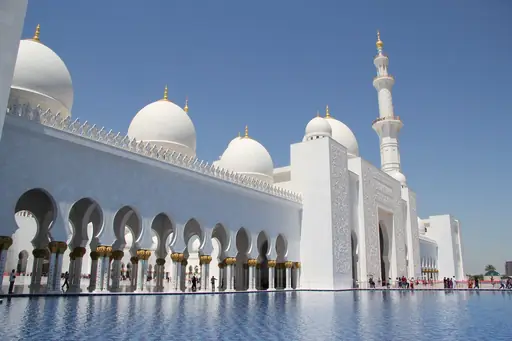
The Sheikh Zayed Grand Mosque in Abu Dhabi opened in 2007 and is covered in white marble. Eighty two domes crown the halls and courtyards. Over a thousand columns inlaid with flowers line the arcades. One of the world's largest hand knotted carpets covers the main prayer hall.
City in India
Chandigarh
India's planned city of contrasts
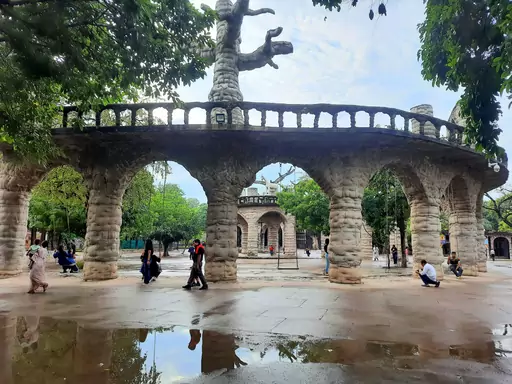
Chandigarh was planned by the French Swiss architect Le Corbusier in the 1950s. Straight grid roads divide the city into sectors. The Capitol Complex holds the Assembly and the High Court in raw concrete. The Open Hand monument stands as a symbol of the new city.
City in China
Beijing
Ancient history meets modern dynamism
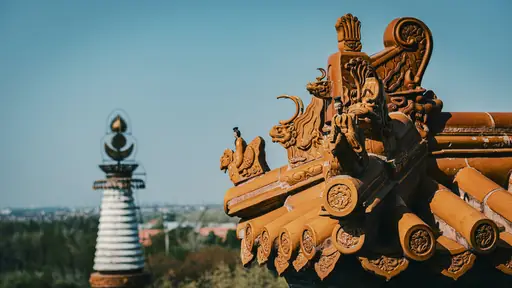
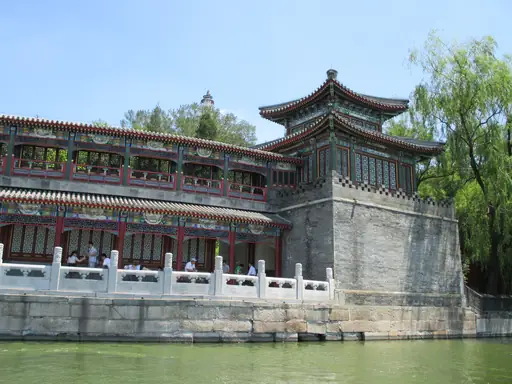
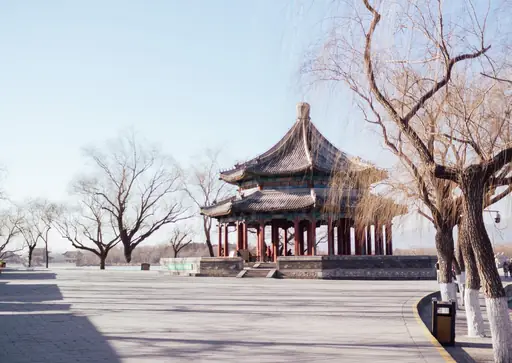
The Temple of Heaven in Beijing was built in 1420 for ceremonies of the Ming emperors. The Hall of Prayer for Good Harvests is a round building with three layers of blue tiled roofs. Wooden beams fit together with no metal nails. The temple sits in a large park.
City in South Korea
Seoul
Where Tradition Meets High-Tech Marvels
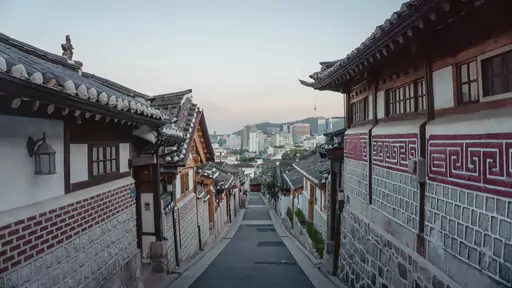
Gyeongbokgung Palace in Seoul was built in 1395 as the main royal palace of the Joseon dynasty. Wooden halls with curved tiled roofs stand behind the Gwanghwamun Gate. The Geunjeongjeon throne hall sits on a stone terrace. Guards in traditional dress perform a changing ceremony.
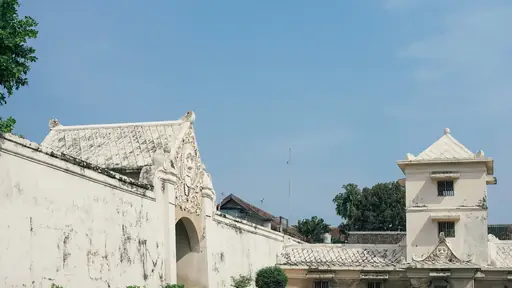
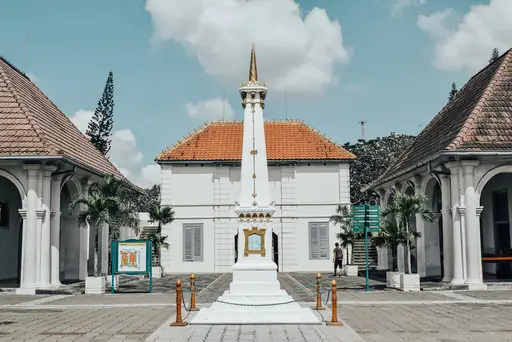
City in Indonesia
Yogyakarta
Java’s soul: temples, art, street eats
Prambanan near Yogyakarta is a 9th century Hindu temple complex with tall stone spires. The central Shiva temple rises about 47 metres. Carved reliefs on the walls tell the story of the Ramayana. Many smaller shrines surround the main towers on a raised stone terrace.
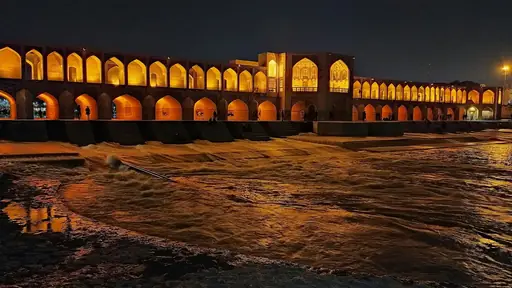
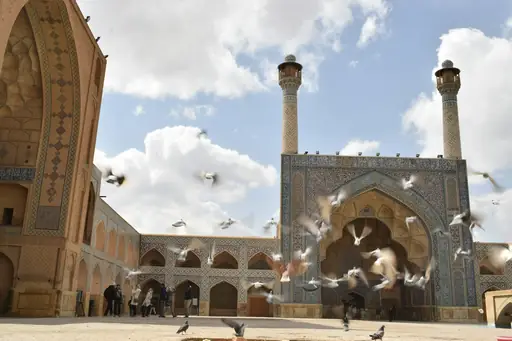
City in Iran
Isfahan
Persia's Architectural Masterpiece
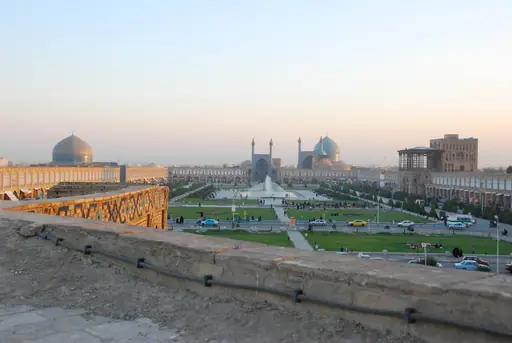
Naqsh e Jahan Square in Isfahan was laid out by Shah Abbas in the early 17th century. It is one of the largest city squares in the world. The Shah Mosque and Sheikh Lotfollah Mosque face the square with tiled domes. Arcaded shops line the sides.
Historic Site in Jordan
Petra
Ancient city carved into rose-red stone
The Treasury at Petra is carved from rose coloured sandstone and is about 40 metres tall. The Nabataeans built it in the 1st century as a tomb. Its facade has columns and statues in a Greek style. Visitors reach it through a narrow gorge called the Siq.
Archaeological Site in Lebanon
Baalbek
Ancient terraces echoing timeless desert grandeur
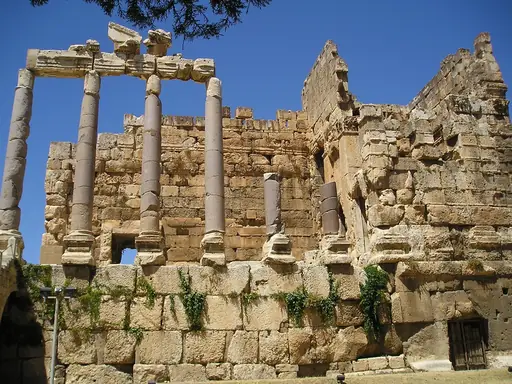
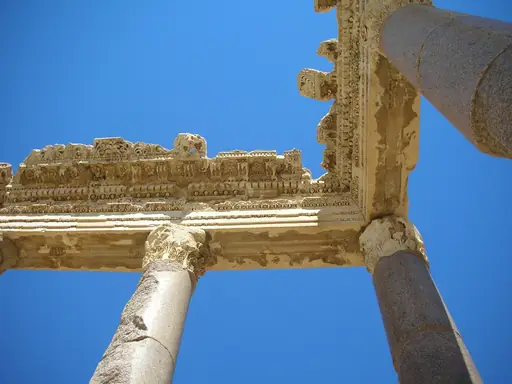
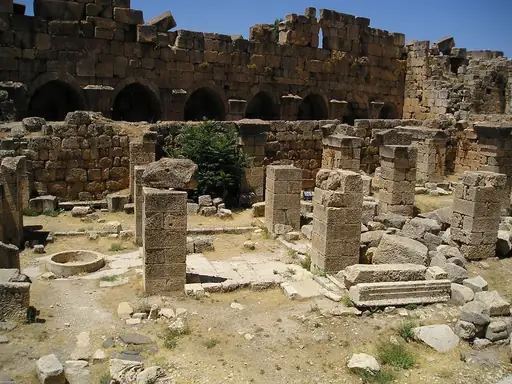
Six surviving columns of the Temple of Jupiter at Baalbek in Lebanon stand about 20 metres tall. Nearby Roman builders placed three huge stones that weigh about 800 tons each. The site holds several temples in one complex. Carved gods and floral patterns cover the stone.
Landmark in Shanghai
Shanghai Tower
China's Towering Urban Marvel
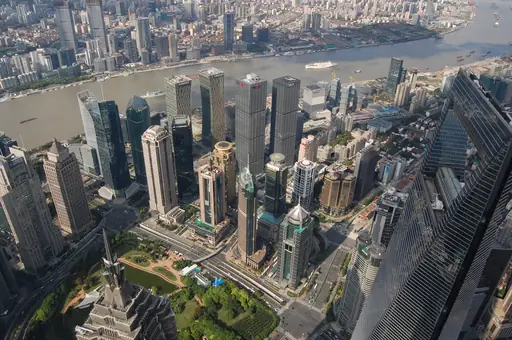
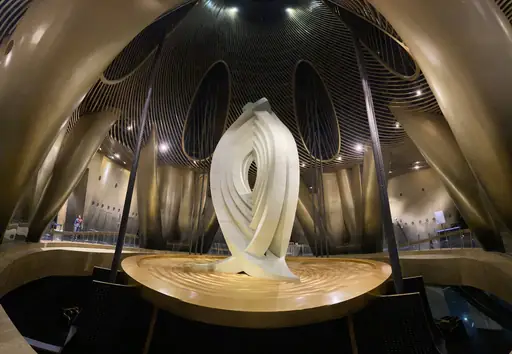
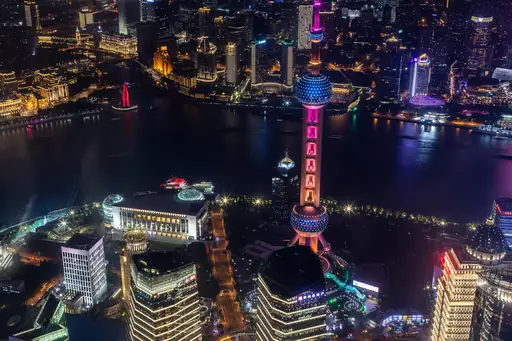
Shanghai Tower rises 632 metres and twists 120 degrees as it climbs. The curved glass skin reduces wind pressure on the building. Sky gardens fill the space between the inner and outer layers. An observation deck near the top offers views across the Huangpu River and the whole city.
City in Syria
Aleppo
Ancient Markets and Resilient Spirit
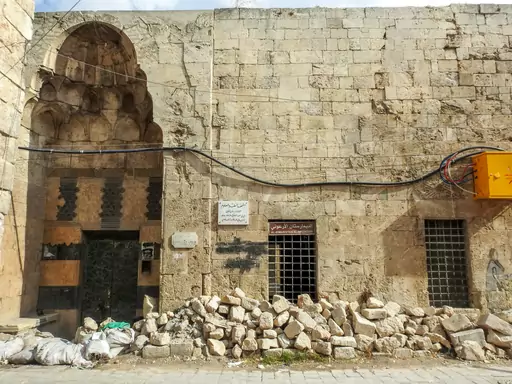
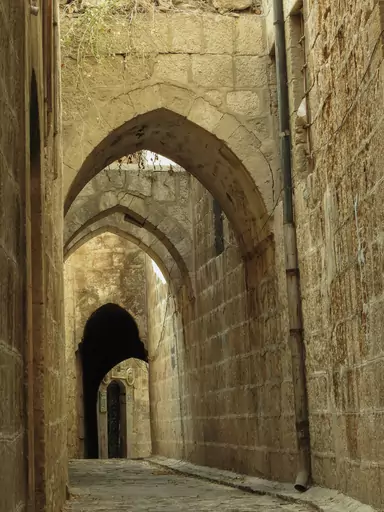
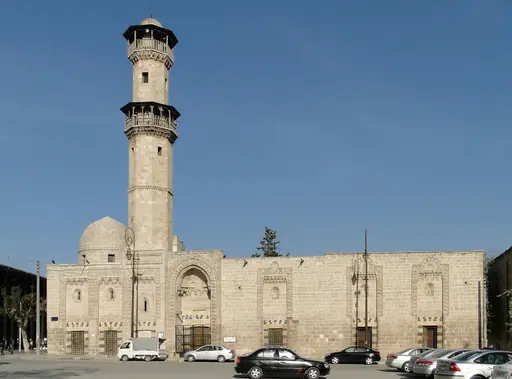
The Citadel of Aleppo stands on a huge mound in the middle of the old city. Massive stone walls and a moat surround towers and halls built over many centuries. A fortified bridge leads to the entrance. The citadel was damaged in the Syrian war and is being repaired.
Country
Iraq
Ancient cradle of civilization
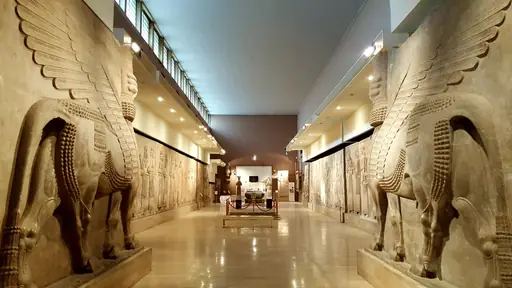
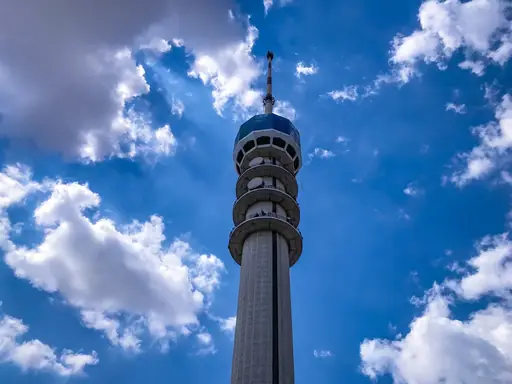
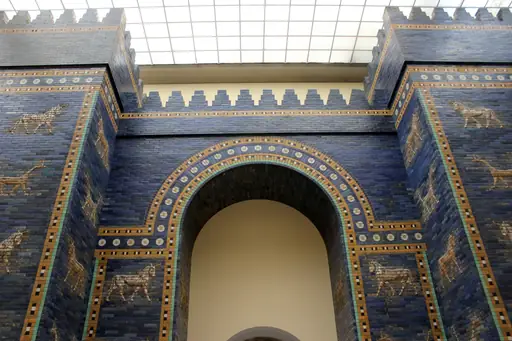
The Malwiya Minaret in Samarra in Iraq is a spiral tower built in the 9th century. It rises about 52 metres and is made of baked brick. A ramp winds around the outside to the top. The tower stands beside the ruins of a huge mosque.
Historic Site in Yazd
Persepolis
Majestic ruins of ancient Persia
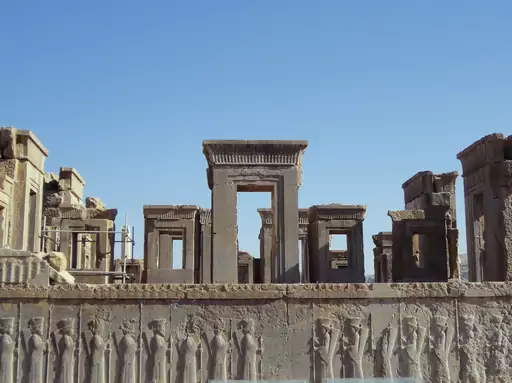
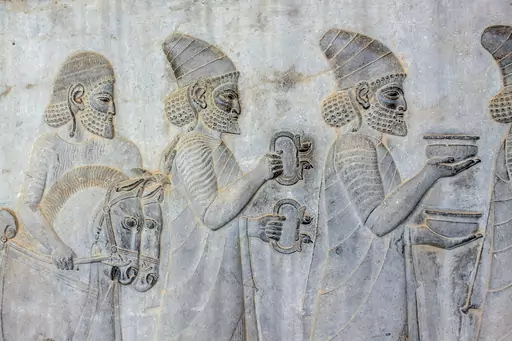
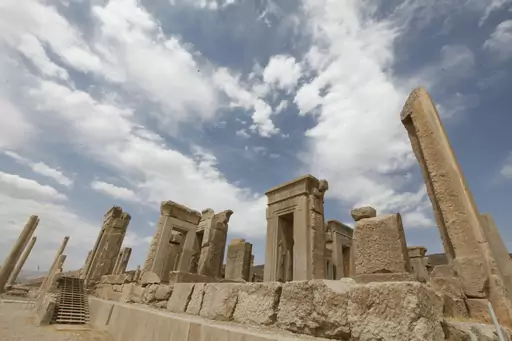
Persepolis was begun by King Darius I around 518 BC. Huge stone terraces hold columned halls and staircases. The Gate of All Nations is guarded by carved bulls with human heads. Reliefs show delegates from many lands bringing gifts to the Persian king in long queues.
City in Japan
Kamakura
Great Buddha, Zen temples and surf beaches
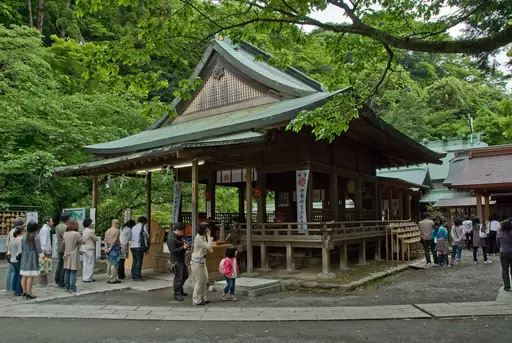
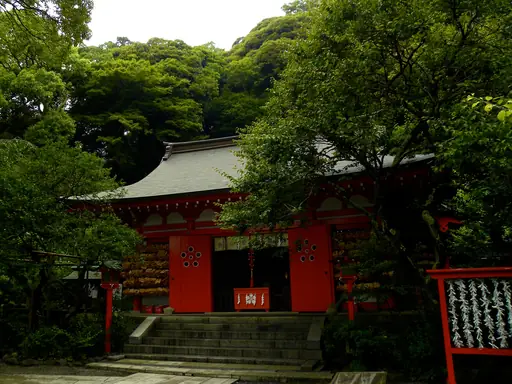
The Great Buddha of Kamakura is a bronze statue cast in 1252 and stands about 13 metres tall. It sits in the open air after a tsunami destroyed the hall around it in the 15th century. Visitors can enter the hollow interior. Forested hills rise behind the statue.
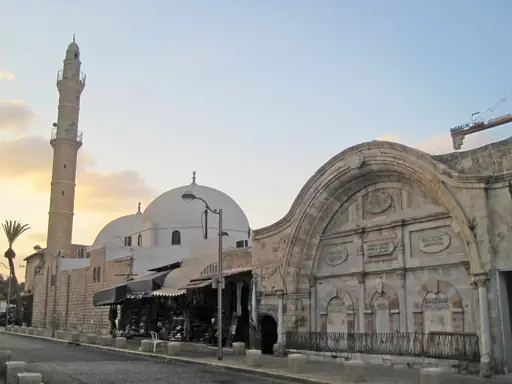
Place of Worship in Jerusalem
Dome of the Rock
Ancient Shrine with Golden Dome
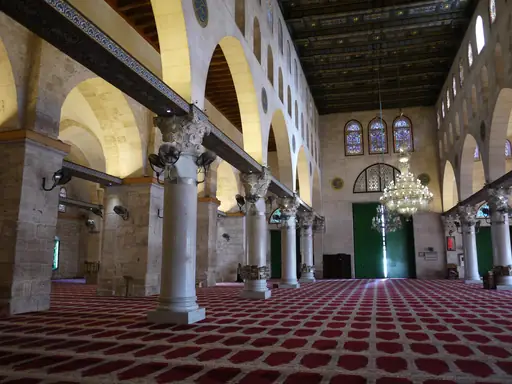
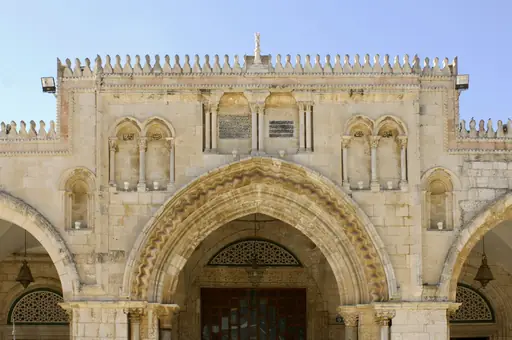
The Dome of the Rock in Jerusalem was completed in 691 and is one of the oldest Islamic monuments. Its golden dome rises above an octagonal base covered in blue tiles. Inside, mosaics and carved wood surround a rock at the centre. The building stands on the Temple Mount.
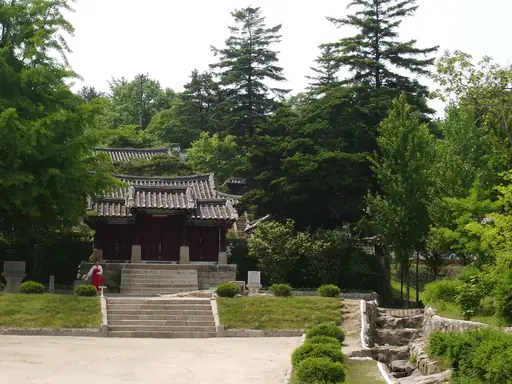
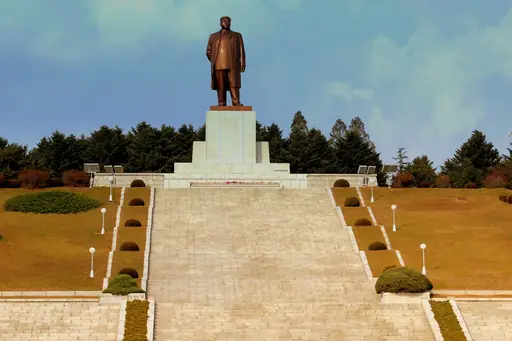
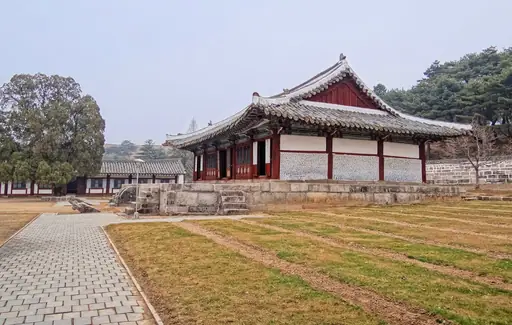
Country
North Korea
Mysterious land of contrasts
The Juche Tower in Pyongyang stands 170 metres tall and is faced with granite. It has 25,550 blocks that match the number of days in 70 years. A glowing red torch tops the spire. A lift takes visitors to the viewing platform above the Taedong River.
Church in Istanbul
Hagia Sophia
Architectural Wonder of Istanbul
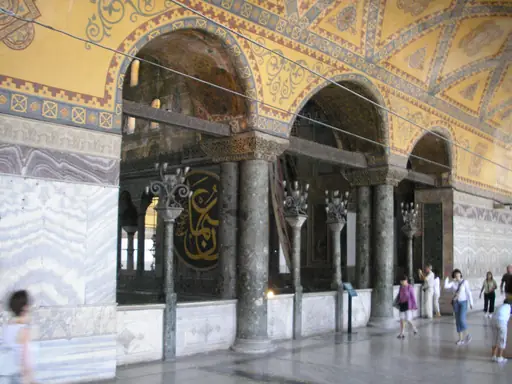
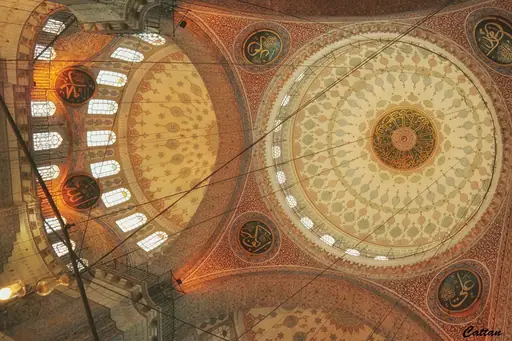
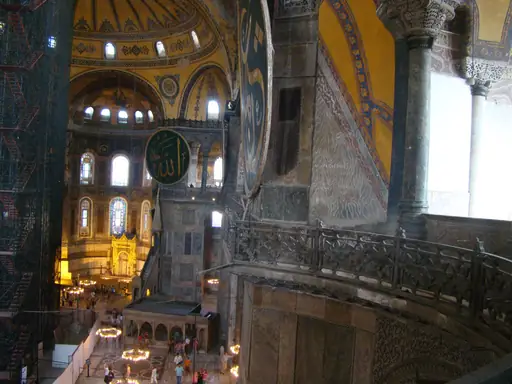
Hagia Sophia in Istanbul was built in 537 under Emperor Justinian. Its dome is about 31 metres wide and seems to float above rows of windows. Marble columns and gold mosaics fill the interior. Later builders added four minarets when the church became a mosque.
Landmark in Beijing
Great Wall of China
Ancient Marvel Spanning Centuries
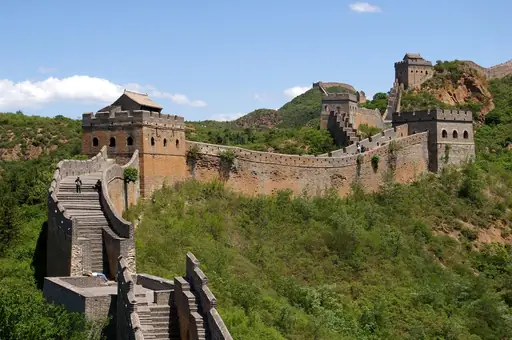
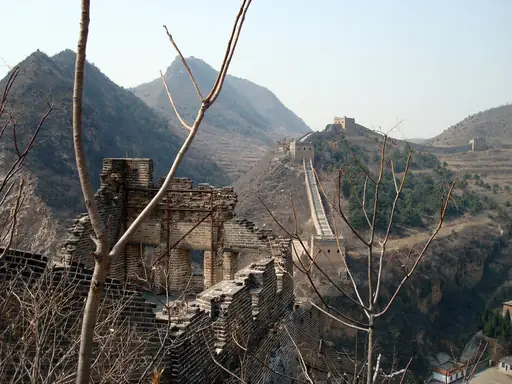
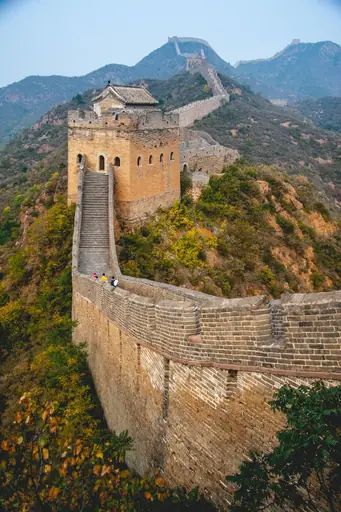
The Mutianyu section of the Great Wall was built in the Ming dynasty and has closely spaced watchtowers. Stone and brick walls follow the ridges of green mountains north of Beijing. A cable car takes visitors up. Walkers can follow the ramparts from tower to tower.
Palace in Beijing
Forbidden City
Ancient Imperial Majesty Center
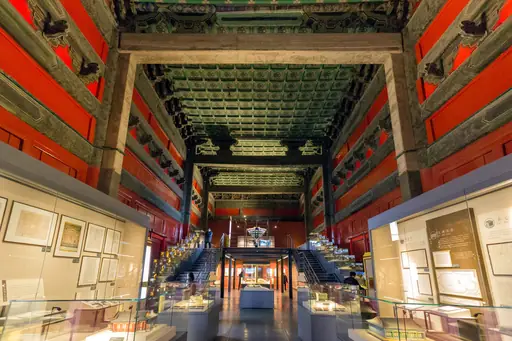
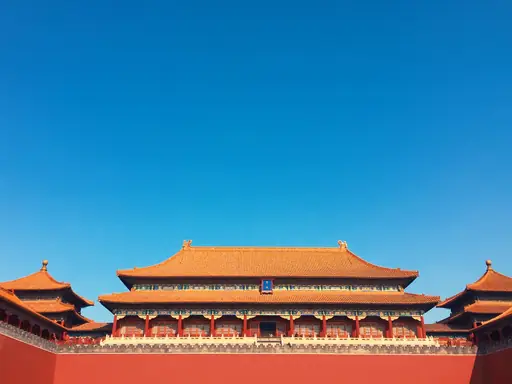
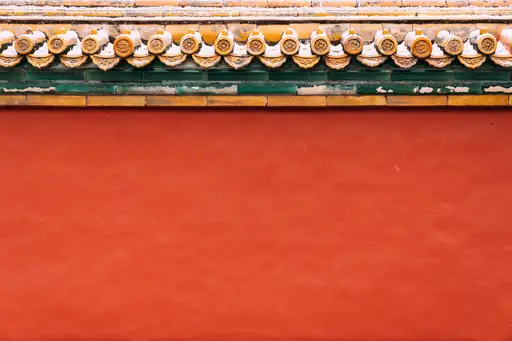
The Forbidden City in Beijing was completed in 1420 and has about 980 buildings. Yellow tiled roofs and red walls surround courtyards laid out along a central axis. Emperors of the Ming and Qing dynasties lived here. A wide moat and high walls enclose the palace.
Monument in Agra
Taj Mahal
Radiant marble echoing timeless love
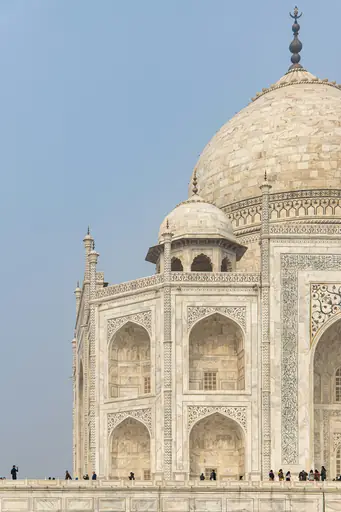
Four minarets at the Taj Mahal lean slightly outward so they would fall away from the tomb. Craftsmen cut flowers from semiprecious stones and set them into marble. Quran verses above the arch grow larger towards the top so they look even from below. The dome stands about 35 metres high.
Other lists you may like

Discover
Top architecture destinations and iconic landmarks
Architecture travel spans everything from ancient ceremonial complexes and medieval urban cores to the grands projets of the twentieth century and contemporary buildings that draw…
Read more
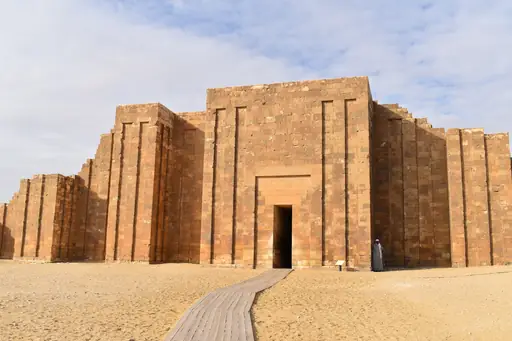
Discover
Best architecture destinations in Africa
Africa's architectural heritage spans an enormous chronological range, from the ancient stone complexes of the northeast and the monumental earthen mosque traditions of the west to…
Read more
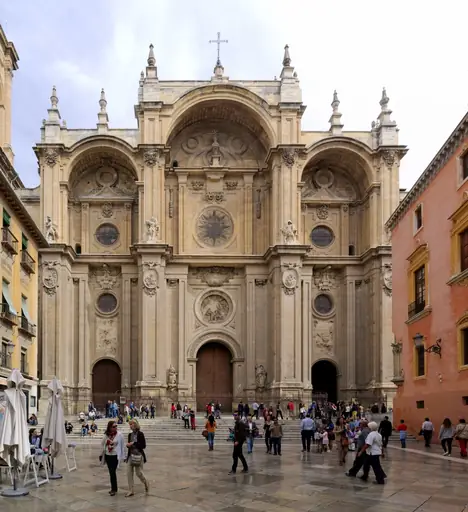
Discover
Best architecture destinations in Europe
Europe's architectural range spans Gothic cathedrals, Renaissance palaces and twentieth-century modernist landmarks within a single train journey, making it the continent most…
Read more
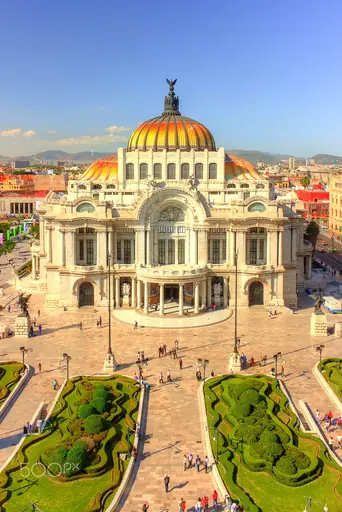
Discover
Best architecture destinations in North America
North America's architectural story is compressed into a relatively short documented history but covers an extraordinary range, from the pre-Columbian ceremonial structures of the…
Read more
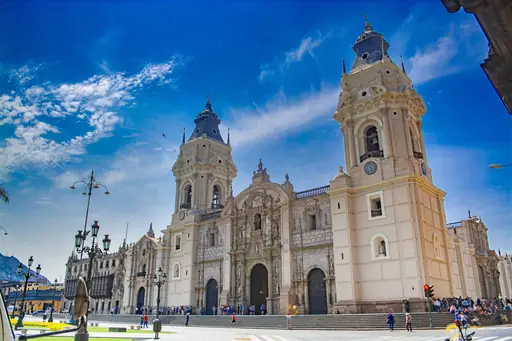
Discover
Best architecture destinations in South America
South America's architectural heritage is shaped by the collision between pre-Columbian monumental traditions and the colonial urban frameworks imposed from the sixteenth century…
Read more

Discover
Best architecture destinations in Oceania
Australia's most iconic piece of modern architecture remains the region's defining landmark, while New Zealand's Māori-influenced contemporary buildings offer a distinct…
Read more
What other users say about travelfilters
“travelfilters made it easy for me to find ski areas and compare what else they offer, so that I could find the best place for my personal travel style.”

Chris
Snowboarding & Onsen trip to Japan
“I love how transparent the data feels. There is no pushy upsell, just honest information and settings I can tune to my own travel style.”

Maria
After booking her 2027 winter escape
“The level of detail for each destination and how well those are displayed, make planning feel confident instead of overwhelming.”

Mina
Planned a week in New York City
“We used travelfilters for our planning from start to end. The trip turned out even better than expected, thanks to all their tools and customisation options.”

Allan & Etienne
Trip to Japan to see autumn foliage
“Thanks to travelfilters, I found some hidden gems to see. Being able to filter for exactly your interests is a game changer for my travel planning.”

Michael
Tour through the old cities of Northern Italy
“The customizable filters helped me find a quiet beach town with good wifi and low season crowds in under five minutes.”

Diego
Weekend Escape to Llanes, Spain
“The airport connection map saved me hours by showing good flight options from my home airport to lesser-known cities.”

Nguyen
Planning a 2027 trip to France
“The website is clean, fast and focused on the search itself, which makes travelfilters feel more like a professional tool than an ad-heavy booking site.”

Hassan
Christmas Market trip, Germany
