







Was this page helpful?

| Opening hours: |
|
||
|---|---|---|---|
| Public website: | www.persepolis.ir |
| Power Grid: |
230 V, 50 Hz Plug: Type C , Type F
Type C:
  Read about power adapters |
|---|---|
| Currency: |
Iranian Rial (IRR) £1 ≈ IRR 1,756,040 |
| Cashless info: |
Rating 3/5
Foreign credit and debit cards do not work in Iran because of international sanctions, so travellers must bring enough cash (euros or US dollars) to exchange. Locals mostly pay with domestic bank cards, and ride-hailing apps like Snapp are popular.
Save with a travel credit card |
| eSIM providers: | We cannot recommend an eSIM provider for this country. We advise getting a local SIM card. |
| Tipping: | Tipping is not mandatory but appreciated in Iran. In restaurants, leaving a small tip of around 5-10% is common. Taxi drivers do not expect tips, but rounding up fares is appreciated. |
|---|---|
| Public drinking: | Public drinking is illegal in Iran, and alcohol consumption is strictly prohibited. Alcohol is only available in private or special non-public establishments for non-Muslim minorities. |
| Public smoking: | Smoking is generally allowed in outdoor public spaces and designated areas, but it is prohibited in many indoor public areas such as shopping centres and restaurants. |
| Nowruz (20 March) |
Iranian New Year, a major holiday celebrated with family gatherings and festivities |
|---|---|
| Ashura (Varies) |
A religious holiday observed with mourning ceremonies, especially in Shia communities |
| Emergency contact: | Emergency Number: 110 (Police), 115 (Ambulance) |
|---|---|
| Taxi apps: | Snapp, Tap30 |
| Other: | Iran is home to a rich history and culture, including ancient sites like Persepolis and Isfahan. Travellers should be aware of the country's conservative social norms and regulations, particularly concerning dress code and behaviour. |
The best times to travel section shows how the months compare for a visit, so you can find the time of year that fits what you want to do.
Background colours of the months:
The colour shows the typical temperature: yellow (hot), green (mild) and blue (cold). How strong the colour is shows the travel season: full colour means high season, soft colour means shoulder season and soft-striped means off season.
Weather symbols:
Each month has one symbol showing what the weather is typically like, such as hot and sunny, freezing or a rainy or snowy season. Use them to quickly spot months that match the weather you want, or to avoid the ones that don't.
Crowdedness:
The people icon shows how busy the place usually is. The more people, the more crowded it gets.
Additional notes:
The grey info boxes point out special things worth knowing, like recurring weather issues or seasonal events.
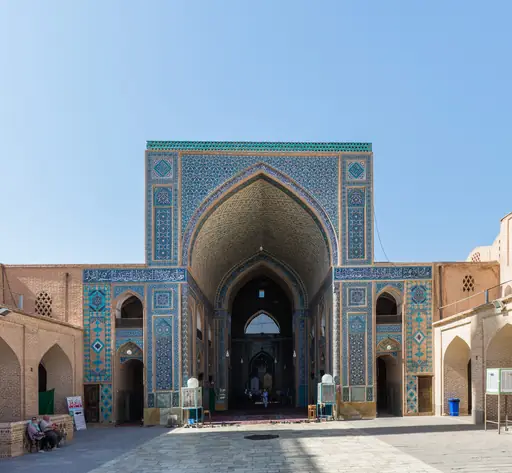
Yazd stands as a remarkable example of ancient urban planning in Iran. The city’s architecture relies on windcatchers and thick mud-brick walls to manage extreme heat. These structures demonstrate how people adapted to harsh conditions without modern technology. Visitors see how daily life intertwines with centuries-old traditions.
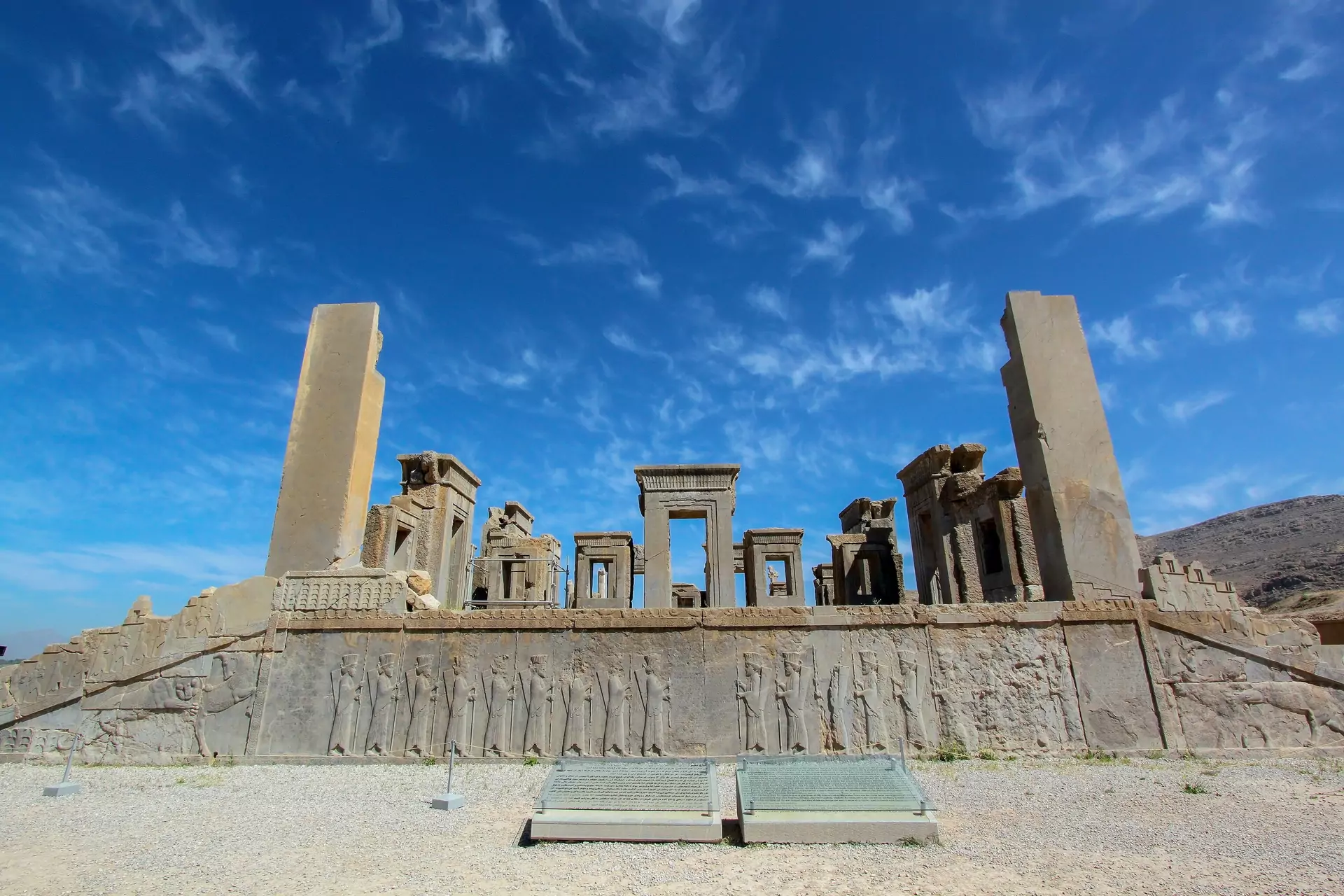
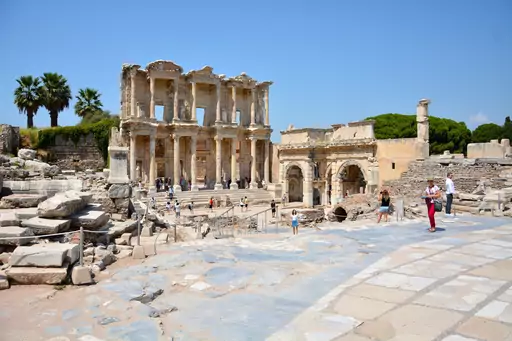
The historic site of Persepolis lies just outside Yazd. It was once the ceremonial capital of the Achaemenid Empire. Massive stone columns and intricate carvings remain visible despite damage over time. The ruins tell stories about royal processions, trade routes and cultural exchange across vast regions.
Walking through Persepolis feels like moving between chapters of history. Each terrace reveals new details: stairways with animal motifs, platforms for rituals and inscriptions in multiple languages. The scale of the complex shows the empire’s reach while highlighting local craftsmanship.
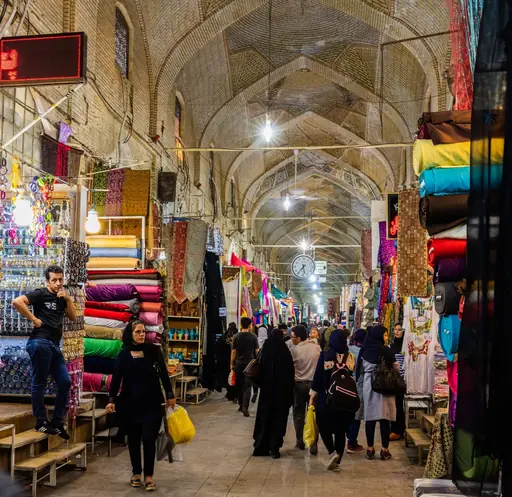
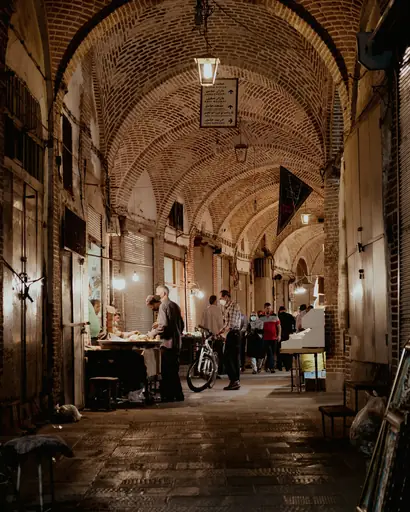
Local culture continues to thrive alongside these ancient remains. Markets sell saffron, dates and handmade textiles. Residents maintain practices that link past generations with today’s life. Travelers gain insight by talking with locals who share stories about traditions still in use.
Persepolis is one of those rare places where history feels tangible in every stone. Founded by Darius the Great around 518 BCE, the site offers an unparalleled glimpse into the sophistication of ancient Persian civilization. The craftsmanship of the reliefs depicting nobles, tribute-bearers and mythical creatures is astonishingly detailed and the scale of the complex - with its grand staircases, imposing gateways and columned halls - gives you a visceral sense of the empire's power and cultural refinement. What makes Persepolis truly special is how well-preserved many sections are, allowing you to walk the same ceremonial paths once tread by kings and dignitaries during Nowruz celebrations. The site has an authenticity that hasn't been compromised by modern reconstructions. However, be aware that conservation issues exist, including the spread of lichens that have eroded some carvings. Also, while the ruins themselves are magnificent, facilities for tourists are basic and the summer heat can be brutal - I'd recommend visiting in spring or fall when temperatures are more pleasant.
Persepolis is located about 57 kilometers northeast of Shiraz in Fars Province. Most visitors use Shiraz as their base, which has an international airport with connections to major cities. From Shiraz, the most convenient way to reach Persepolis is by hiring a taxi or joining a guided tour. Hotels in Shiraz can arrange transportation and for groups of four or more, a private taxi can be an economical option. If you're planning to visit Naqsh-e Rustam and Pasargadae as well, consider a full-day excursion.
There are no accommodations at Persepolis itself, so most visitors stay in Shiraz, about an hour's drive away. Shiraz offers a wide range of options from budget guesthouses to luxury hotels, many with traditional Persian architecture and gardens. Some travelers choose to make Persepolis a day trip from Shiraz, which allows them to enjoy the city's rich cultural offerings in the evenings.
Log in to add this place to a travel list and get a summary of all recommended items for your whole trip.
We calculate the average costs when travelling to destinations and compare those with the living costs at your home. With this you can get an estimate of how expensive or cheap the destination is for you.
To customise this, you can set up which location and price level are used for the calculations in your account settings.
The exchange rate price factor shows how expensive or cheap a currency currently is compared to its historical average. It's a quick way to see if a country is currently more or less affordable due to exchange rate changes.
