
Best architecture destinations in Asia
Best architecture destinations in Asia
Traditional temple structures and iconic modern skylines in Asia
Asia contains some of the world's most significant architectural traditions, with temple complexes, imperial palace compounds and historic urban quarters representing distinct regional languages that developed largely independently of Western influences. The continent spans an enormous chronological range, from prehistoric ceremonial structures through classical periods of extraordinary ambition to some of the most aggressive contemporary skylines anywhere. Density of significant sites within individual countries is high and rewards extended itineraries.
East and Southeast Asia have the most developed architectural tourism infrastructure, with well-documented heritage sites, guided programmes and good transport links between major destinations. The Islamic architectural traditions of Central and West Asia represent a parallel canon of equal depth, with monumental mosques, madrasas and caravanserais spread across a vast geographic area that requires more independent planning to cover.
Humidity, heat and monsoon seasons affect visiting conditions at many open-air and partially exposed sites, and seasonal timing matters more than in temperate regions. Dress codes are enforced strictly at religious sites across much of the continent and affect both access and comfort. Rapid urban development has accelerated demolition of historic fabric in several countries, and some areas well documented in older guidebooks have changed significantly in recent years.
Lists by region
City in Japan
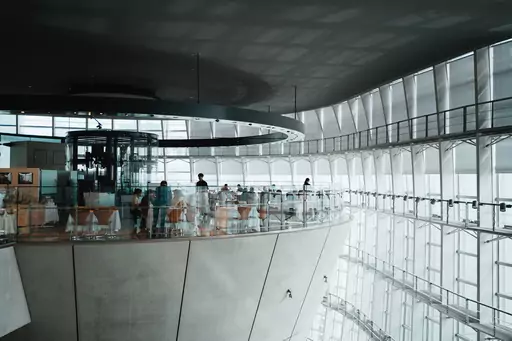
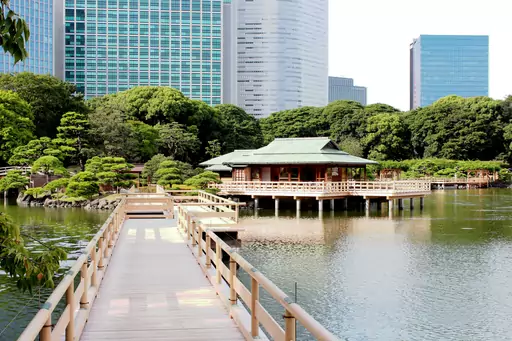
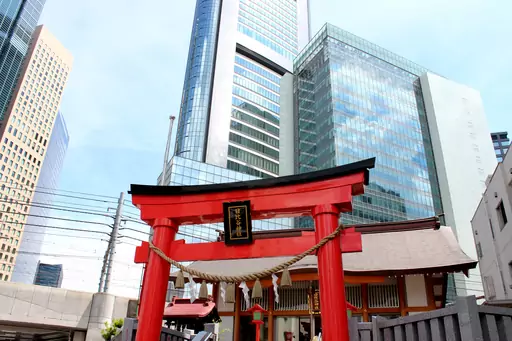
Tokyo
Japan's capital of temples, towers and food
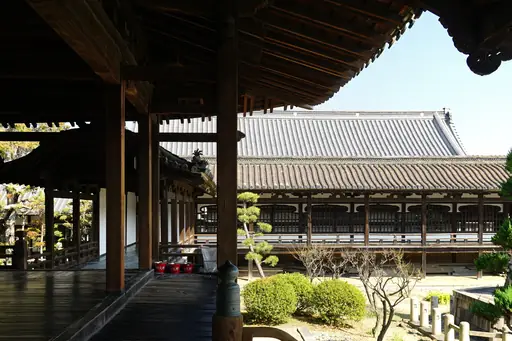
The Yoyogi National Gymnasium in Tokyo was designed by Kenzo Tange for the 1964 Olympics. A suspended roof hangs from two huge steel cables. The curved shape looks like a wave or a shrine. Its main hall holds thousands of people without any interior columns.
City in Japan
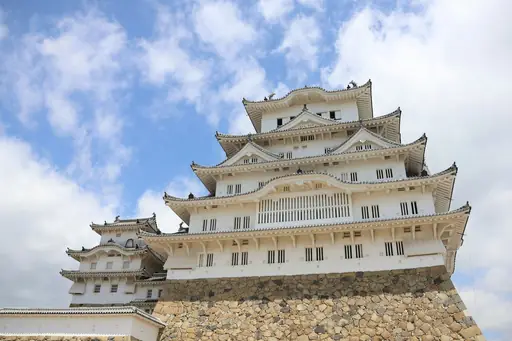
Himeji
Famed white castle and samurai gardens
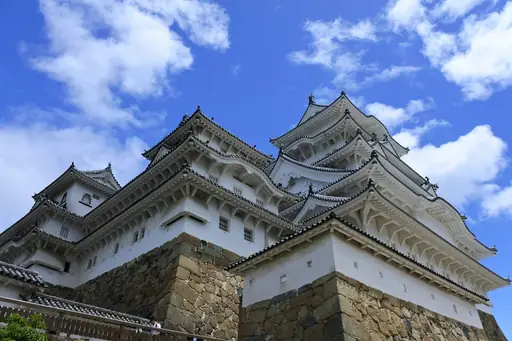
Himeji Castle is called the White Heron for its white plastered walls and graceful roofs. The main keep was completed in the early 17th century. About 80 buildings stand within its maze of walls and gates. It survived war and earthquakes and remains largely original.
Country
Singapore
Tropical city-state of hawker food and gardens
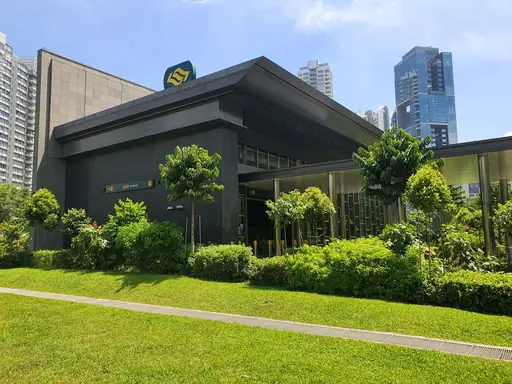
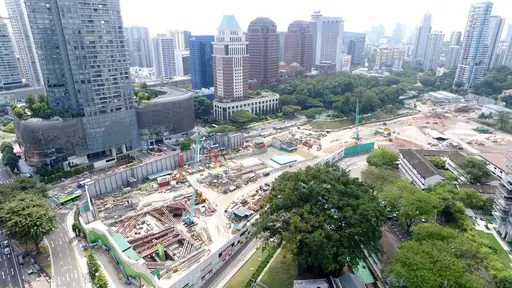
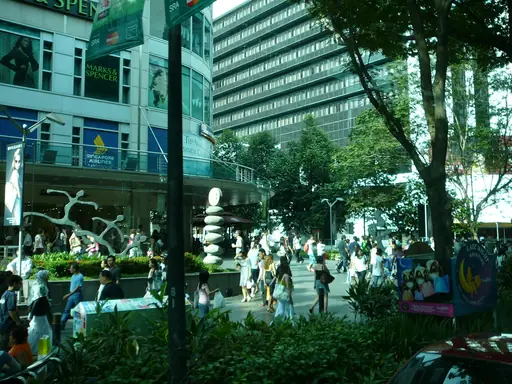
Marina Bay Sands in Singapore opened in 2010 and was designed by the architect Moshe Safdie. Three towers stand about 200 meters tall. A long boat shaped SkyPark rests on top of the towers. It has a rooftop pool with a view of the city.
City in Japan
Kyoto
Temples, geisha districts and kaiseki dining
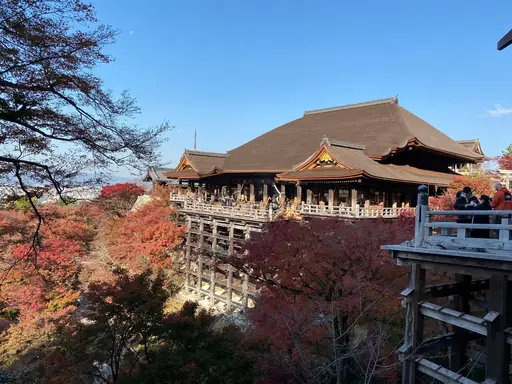
Kinkaku ji in Kyoto is a three story pavilion covered in gold leaf. It was built in 1397 as a villa for the shogun Ashikaga Yoshimitsu. The pavilion stands beside a pond that reflects it. Each floor has a different style of architecture and roof.
City in Japan
Kamakura
Great Buddha, Zen temples and surf beaches
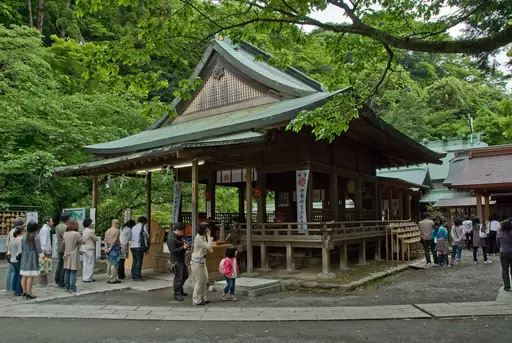
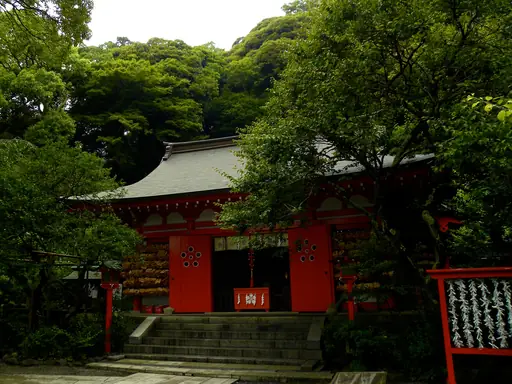
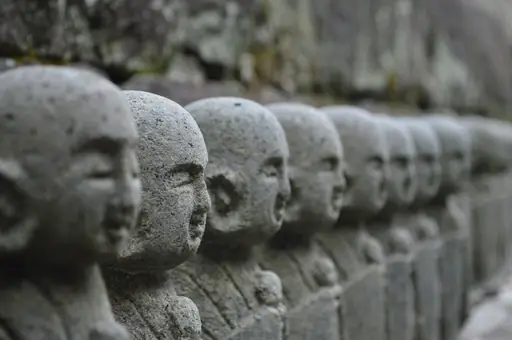
The Great Buddha of Kamakura is a bronze statue cast in 1252 and stands about 13 meters tall. It sits in the open air after a tsunami destroyed the hall around it in the 15th century. Visitors can enter the hollow interior. Forested hills rise behind the statue.
Other lists you may like

Discover
Top architecture destinations and iconic landmarks
Architecture travel spans everything from ancient ceremonial complexes and medieval urban cores to the grands projets of the twentieth century and contemporary buildings that draw…
Read more
Discover
Best architecture destinations in Africa
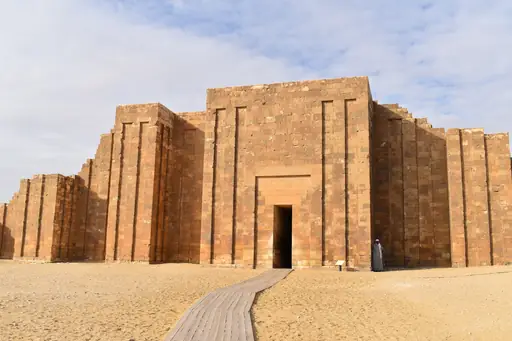
Africa's architectural heritage spans an enormous chronological range, from the ancient stone complexes of the northeast and the monumental earthen mosque traditions of the west to…
Read more
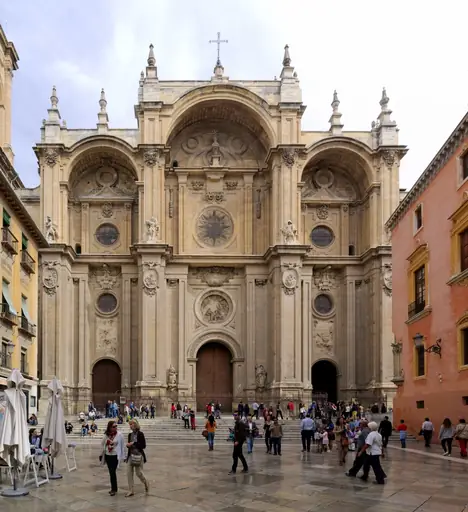
Discover
Best architecture destinations in Europe
Europe's architectural range spans Gothic cathedrals, Renaissance palaces and twentieth-century modernist landmarks within a single train journey, making it the continent most…
Read more
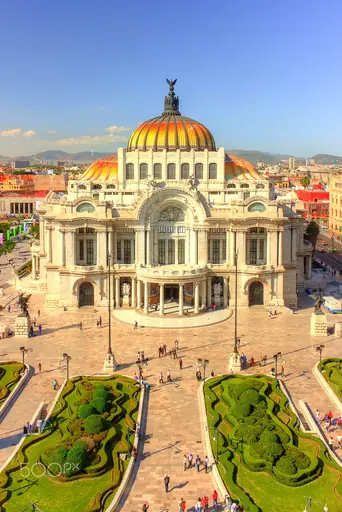
Discover
Best architecture destinations in North America
North America's architectural story is compressed into a relatively short documented history but covers an extraordinary range, from the pre-Columbian ceremonial structures of the…
Read more
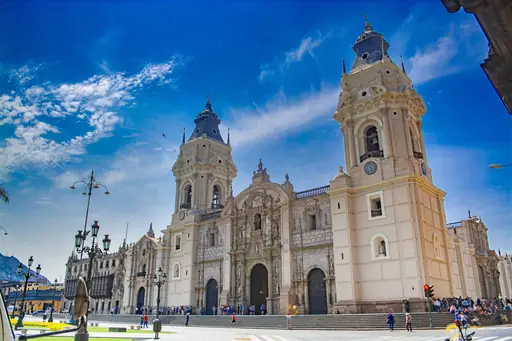
Discover
Best architecture destinations in South America
South America's architectural heritage is shaped by the collision between pre-Columbian monumental traditions and the colonial urban frameworks imposed from the sixteenth century…
Read more

Discover
Best architecture destinations in Oceania
Australia's most iconic piece of modern architecture remains the region's defining landmark, while New Zealand's Māori-influenced contemporary buildings offer a distinct…
Read more
What other users say about travelfilters
“travelfilters made it easy for me to find ski areas and compare what else they offer, so that I could find the best place for my personal travel style.”

Chris
Snowboarding & Onsen trip to Japan
“I love how transparent the data feels. There is no pushy upsell, just honest information and settings I can tune to my own travel style.”

Maria
After booking her 2027 winter escape
“The level of detail for each destination and how well those are displayed, make planning feel confident instead of overwhelming.”

Mina
Planned a week in New York City
“We used travelfilters for our planning from start to end. The trip turned out even better than expected, thanks to all their tools and customization options.”

Allan & Etienne
Trip to Japan to see autumn foliage
“Thanks to travelfilters, I found some hidden gems to see. Being able to filter for exactly your interests is a game changer for my travel planning.”

Michael
Tour through the old cities of Northern Italy
“The customizable filters helped me find a quiet beach town with good wifi and low season crowds in under five minutes.”

Diego
Weekend Escape to Llanes, Spain
“The airport connection map saved me hours by showing good flight options from my home airport to lesser-known cities.”

Nguyen
Planning a 2027 trip to France
“The website is clean, fast and focused on the search itself, which makes travelfilters feel more like a professional tool than an ad-heavy booking site.”

Hassan
Christmas Market trip, Germany
