






Was this page helpful?

The best times to travel section shows how the months compare for a visit, so you can find the time of year that fits what you want to do.
Background colours of the months:
The colour shows the typical temperature: yellow (hot), green (mild) and blue (cold). How strong the colour is shows the travel season: full colour means high season, soft colour means shoulder season and soft-striped means off season.
Weather symbols:
Each month has one symbol showing what the weather is typically like, such as hot and sunny, freezing or a rainy or snowy season. Use them to quickly spot months that match the weather you want, or to avoid the ones that don't.
Crowdedness:
The people icon shows how busy the place usually is. The more people, the more crowded it gets.
Additional notes:
The grey info boxes point out special things worth knowing, like recurring weather issues or seasonal events.
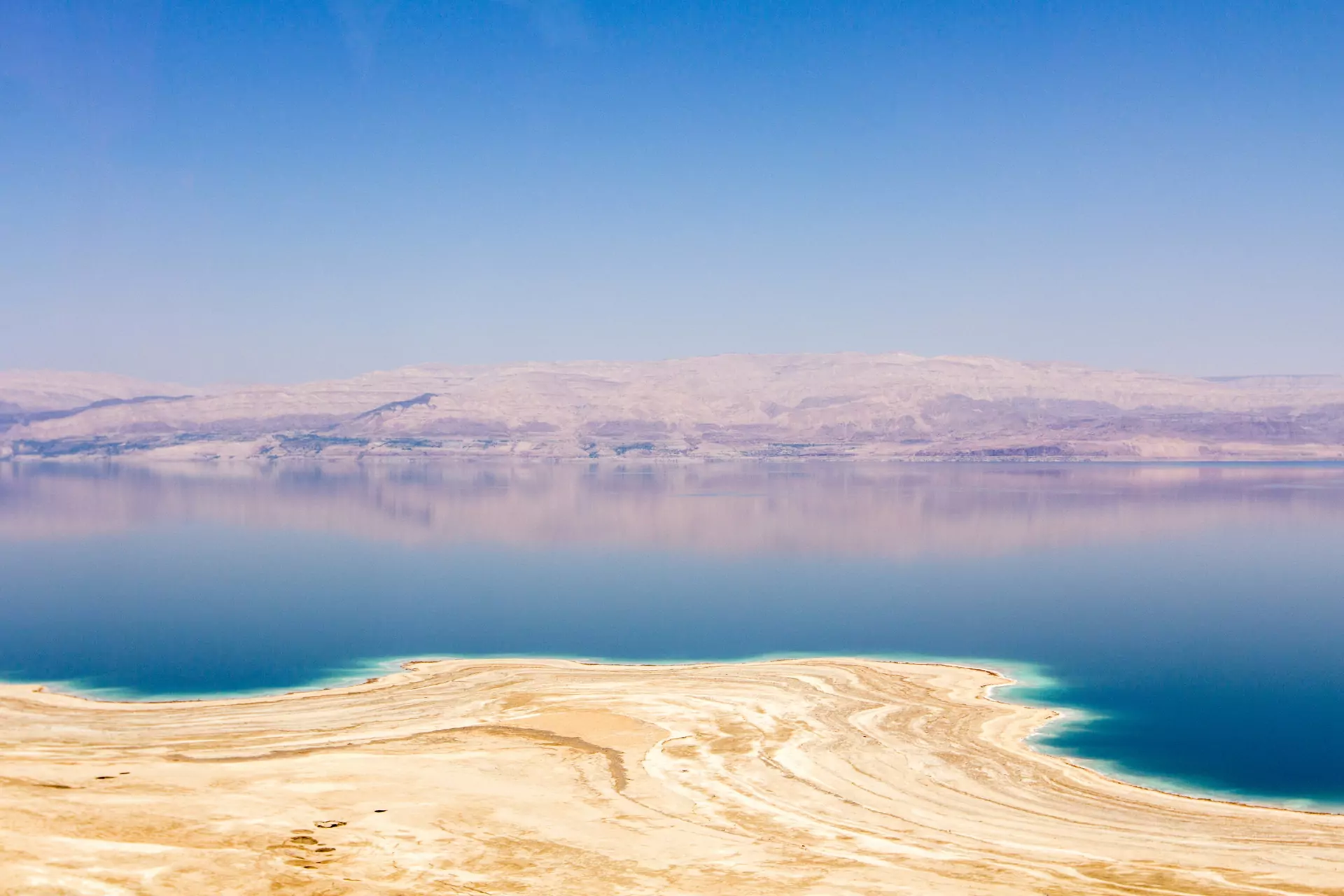
The Dead Sea stands out as one of Earth’s most unusual lakes. Its water contains very high salt levels which make floating effortless and easy. Visitors often describe the experience as walking on liquid where their bodies seem to rise without effort. The mineral-rich environment draws people seeking relaxation or relief from skin issues.
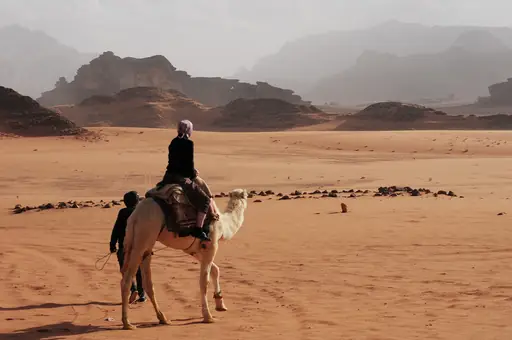
Surrounding landscapes feature rugged cliffs and dry earth that stretch for miles. The air feels heavy with minerals and a faint scent of sulfur can be noticed near the shore. Many travelers find this setting both stark and calming. Sunrises here paint the sky in soft oranges while sunsets cast warm hues across salt pans.
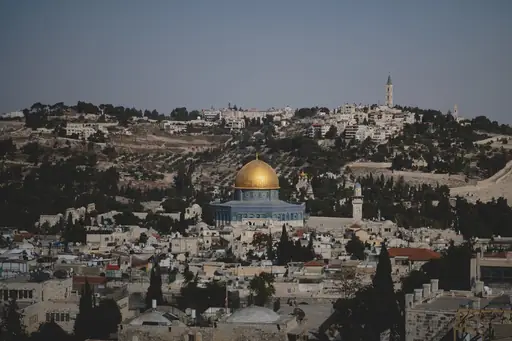
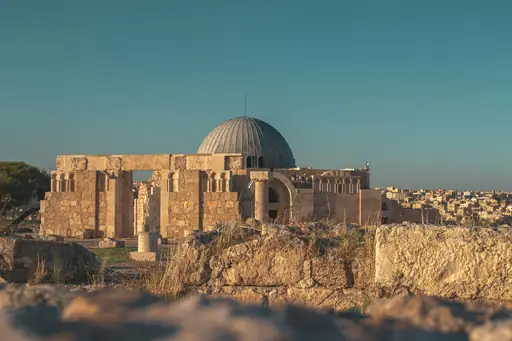
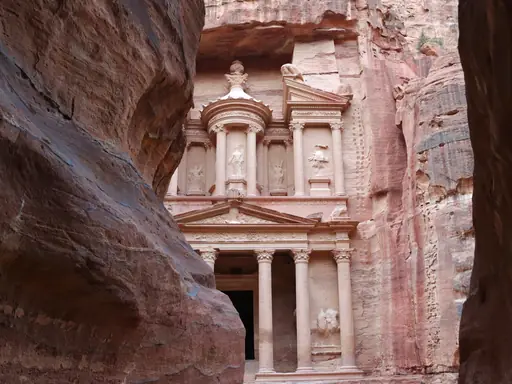
Historical sites nearby add layers to the region’s appeal. Ancient ruins such as those linked to biblical stories sit close to modern resorts where guests can rest after exploring. Local markets sell handmade products and traditional foods that reflect centuries of culture. The mix feels genuine rather than staged for tourists.
Travelers should prepare for practical details when visiting. Entry fees apply at official points and guided tours help explain geological facts without overwhelming visitors. Bringing water is important since the climate stays dry even during cooler months. Comfortable shoes suit walking along rocky paths while sun protection remains essential under strong sunlight.
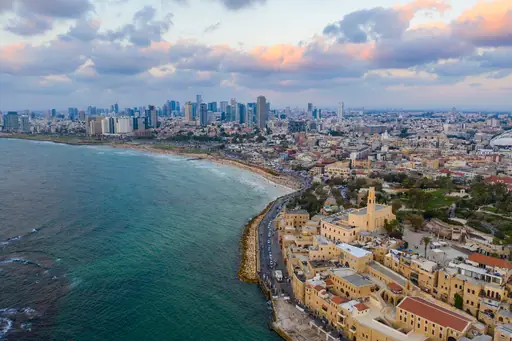
The Dead Sea, located in the Jordan Rift Valley between Jordan and Israel, is accessible via Queen Alia International Airport (AMM) near Amman, approximately 60 kilometers (37 miles) southwest. Travelers can reach the Dead Sea by car along Highway 65 or through organized tours departing from major cities like Amman or Tel Aviv. Public transportation includes shared taxis (servees) and buses operated by JETT Bus Company, connecting to nearby towns such as Madaba and Karak. Rental cars offer flexibility for independent exploration of the region’s resorts and natural attractions. The area is also reachable via private transfers or guided excursions from regional hubs like Eilat (Israel) or Aqaba (Jordan).
The Dead Sea region offers a wide spectrum of lodging, from luxury resorts with private pools and spa suites to boutique eco‑villages that emphasize sustainability and local materials. Many properties feature panoramic saltwater views and 24/7 wellness services, including therapeutic mud baths and mineral-rich treatments. Mid‑range hotels provide comfortable rooms with sea‑side balconies, while budget-friendly hostels and guesthouses cater to travelers seeking affordability without sacrificing the iconic scenery. The area is renowned for its “salt spa” accommodations, where guests can indulge in salt scrubs and floating experiences directly on the water’s surface. Seasonal packages often include guided tours of nearby archaeological sites and desert excursions, enhancing the overall stay.


Log in to add this place to a travel list and get a summary of all recommended items for your whole trip.
We calculate the average costs when travelling to destinations and compare those with the living costs at your home. With this you can get an estimate of how expensive or cheap the destination is for you.
To customise this, you can set up which location and price level are used for the calculations in your account settings.
