
Best photography destinations in Europe
Best photography destinations in Europe
Dramatic coastal cliffs and historic old town architecture in Europe
Volcanic landscapes and waterfalls in the North Atlantic have become some of the most photographed terrain in Europe, while whitewashed island architecture against a southern sea offers an entirely different, more man-made kind of composition.
The destinations on this list range from raw volcanic and glacial landscapes shaped almost entirely by natural forces to historic architecture photographed for its colour and composition as much as its history. Mountainous regions further north add a moodier, weather-dependent middle ground.
Checking weather forecasts daily rather than planning rigidly matters considerably in the more changeable northern destinations, where conditions can shift dramatically within hours. Local photography guides can offer genuinely useful advice on specific viewpoints. Packing waterproof layers also matters considerably given how frequently weather shifts in this region.
Lists by region
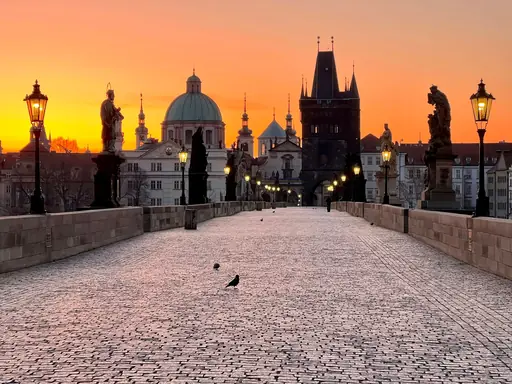
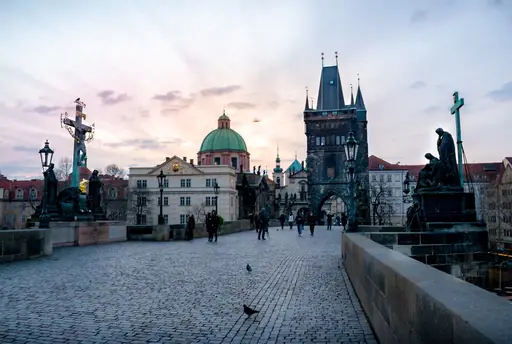
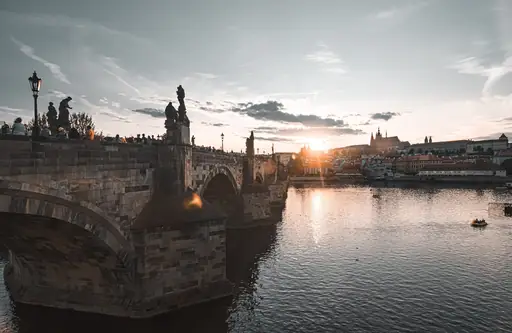
Bridge in Prague
Charles Bridge
Prague's Timeless Medieval Icon
Come at sunrise, when fog sits on the Vltava river and the bridge is almost empty. Thirty statues line the stone span, which dates to 1357. By nine the crowds arrive. Frame the bridge towers from the riverbank or from a small boat. Bring a tripod for the soft early light.
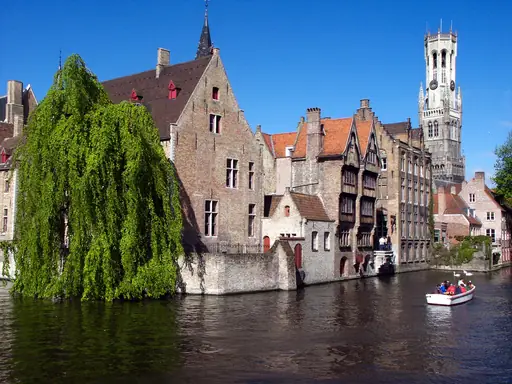
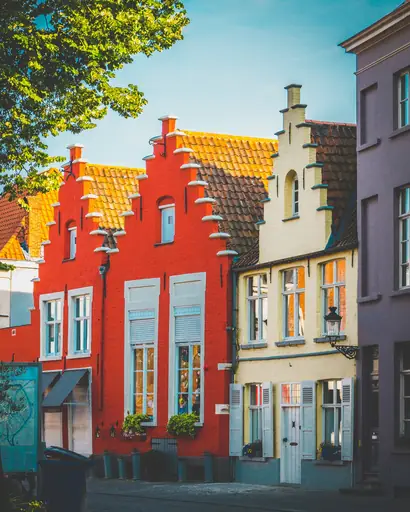

City in Belgium
Bruges
Medieval Charm and Chocolate Bliss
Rozenhoedkaai is the quay where photographers line up to shoot gabled houses and the Belfry reflected in the canal. Go at dawn for still water and empty cobbles. Walk to Minnewater, the Lake of Love, where swans glide near a stone bridge. The town is small enough to cover on foot.
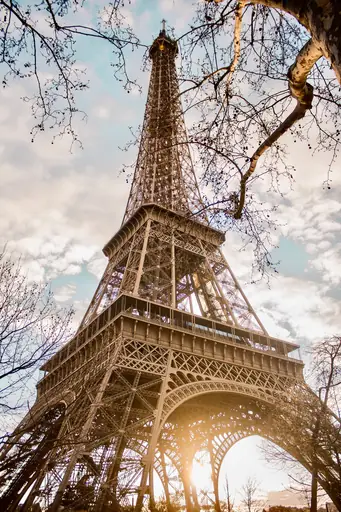
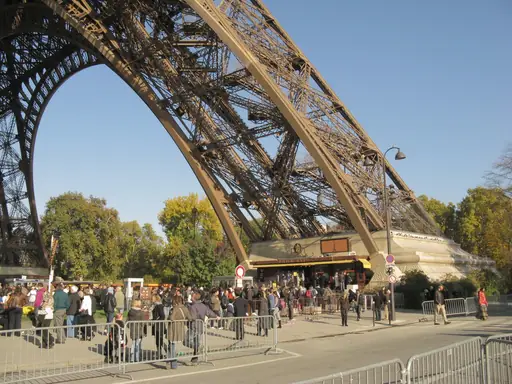
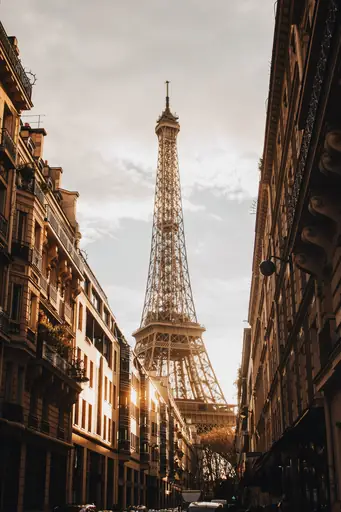
Monument in Paris
Eiffel Tower
Paris Icon with Stunning Views
The terrace at Trocadéro, across the river, is the classic spot for photos of the tower. Go at sunrise for soft light and few people. After dark the tower sparkles with thousands of lights for five minutes at the top of each hour. Bring a tripod for the show.
Region in Italy
Amalfi Coast
Italy's Coastal Gem
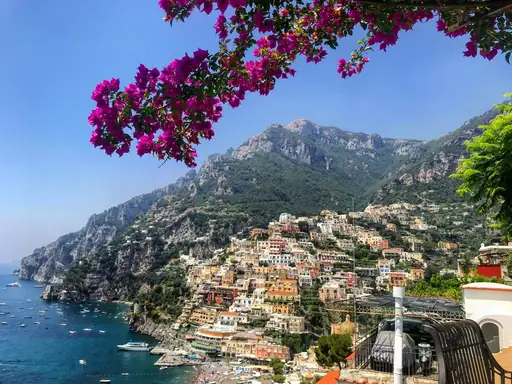
Along steep cliffs on Italy's southwest coast, pastel villages stack above the sea. The viewpoints on the road above Positano frame the whole village. The Path of the Gods, a high trail from Bomerano to Nocelle, gives wide views. Go in spring or autumn for softer light and fewer crowds.
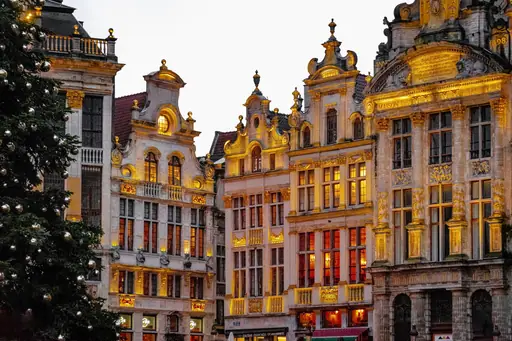
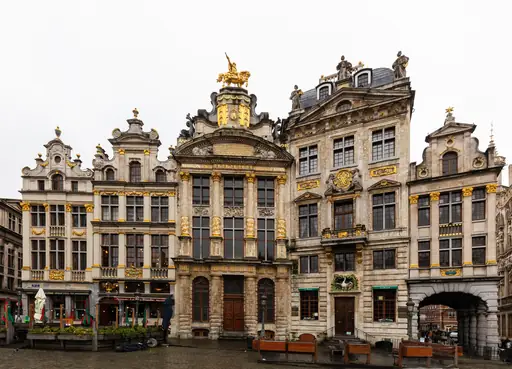
Historic Site in Brussels
Grand Place
Brussels’ Stunning Historic Square
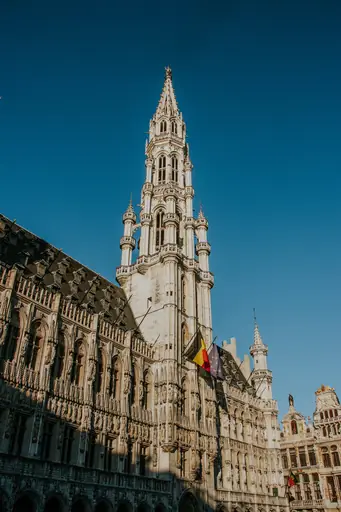
Gold trim flashes on the guild houses in the evening light. The square is tight, so bring a wide lens for the Town Hall tower. Every second August a carpet of flower petals covers the stones. UNESCO lists the square as a World Heritage site.
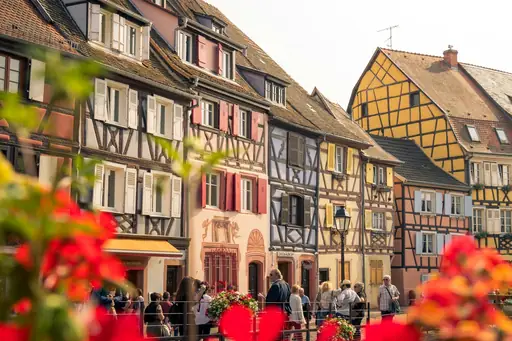
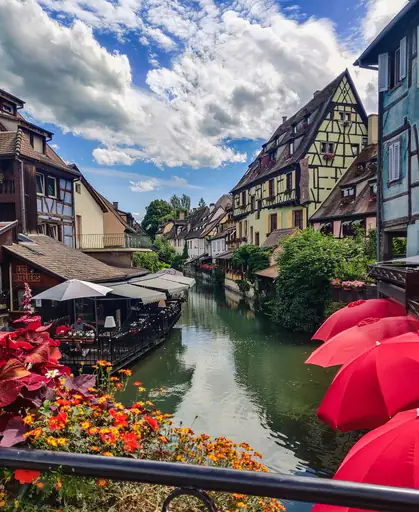

City in France
Colmar
A Fairytale Town in Alsace
Between the Vosges mountains and the Rhine, this Alsace town has canals lined with colourful half timbered houses. Little Venice is the main photo spot and it looks soft at dawn. The Pfister House has painted walls and carved wooden balconies from 1537. Cross the small bridges for reflections.
Canal in Venice
Grand Canal
Venice's Flowing Architectural Marvel
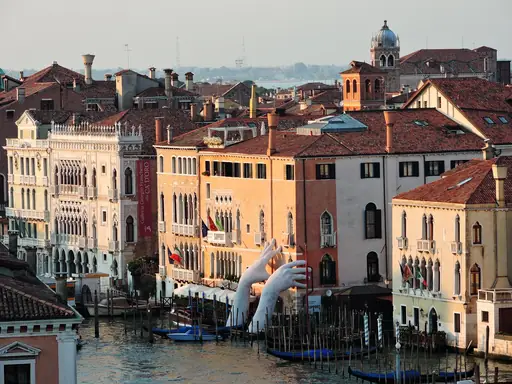
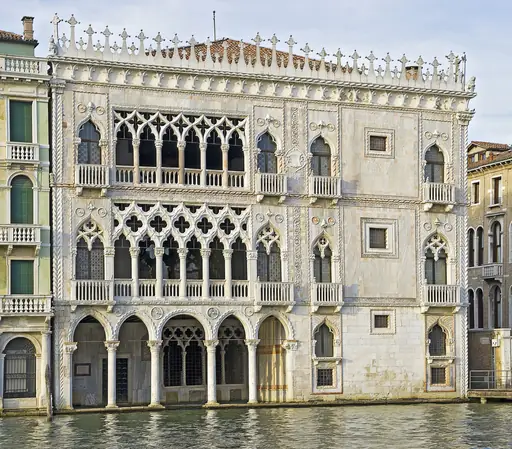
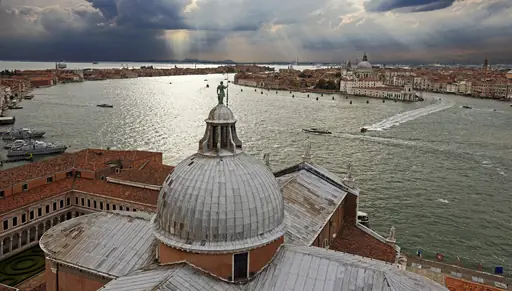
The Rialto and Accademia bridges give classic views along the Grand Canal. Palaces from the Gothic and Baroque eras line both banks. Shoot at sunrise when the light is warm and water taxis are few. Or ride the number 1 vaporetto, a slow water bus. Shoot from the deck.
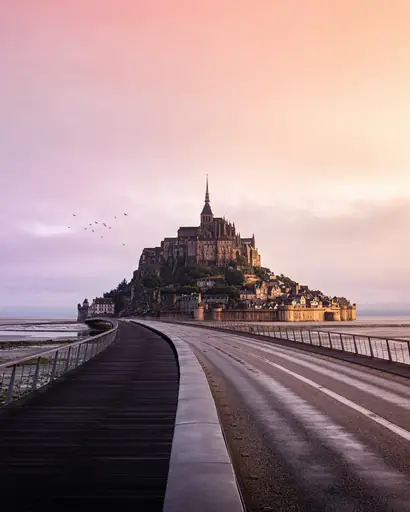
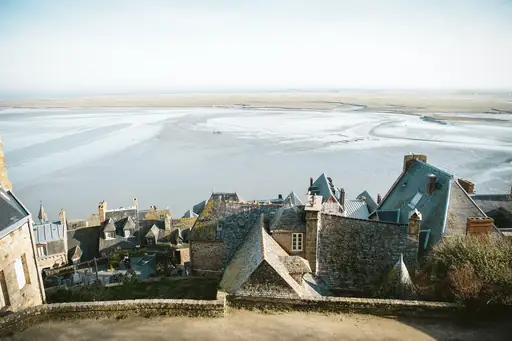
Island in France
Mont Saint-Michel
A Medieval Island Rising from the Sea
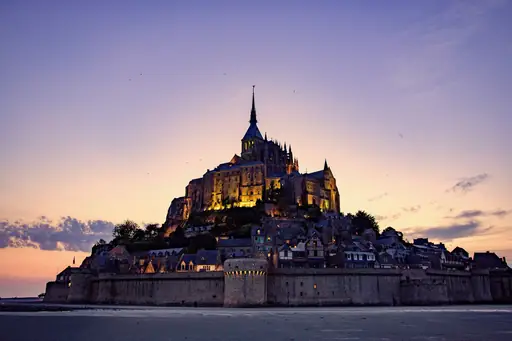
The abbey on the summit has a spire topped by a golden statue of Saint Michael. Tides here rise fast and can surround the island at high tide. Check tide tables and plan a shot at high water. At dusk the walls glow orange and the wet sand shines.
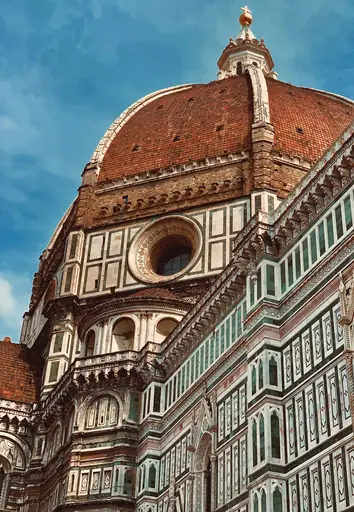
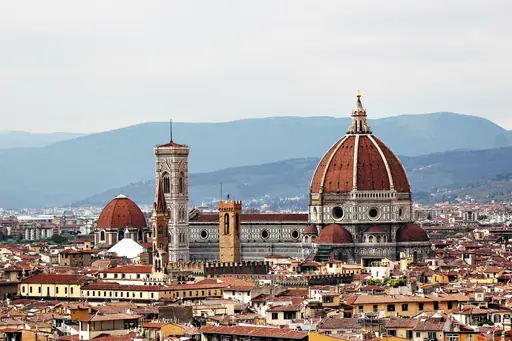
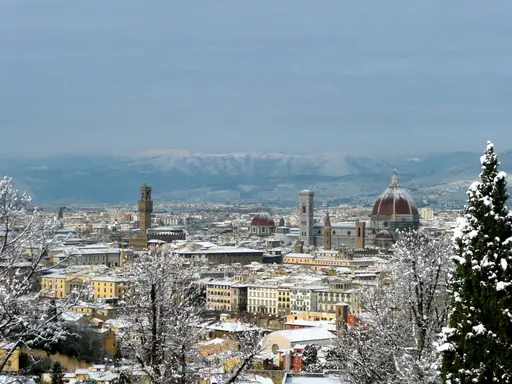
Cathedral in Florence
Florence Cathedral
Renaissance Masterpiece with a View
On the Arno plain in central Tuscany, a red tiled dome rises above the old city. Brunelleschi finished it in 1436. Climb the 414 steps of Giotto's bell tower next door to frame the dome itself. For a wide shot, go to Piazzale Michelangelo at sunset.
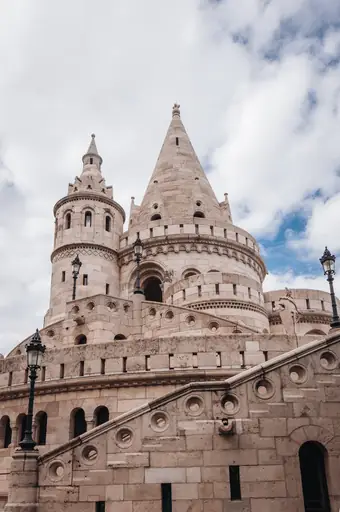
Monument in Budapest
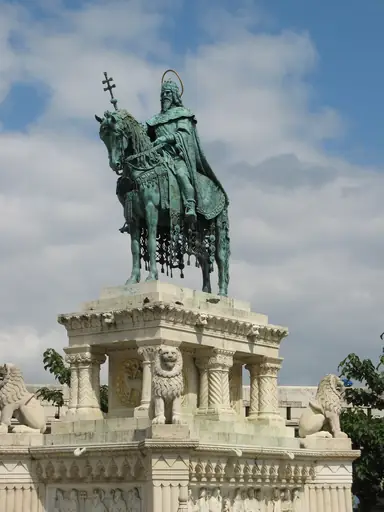
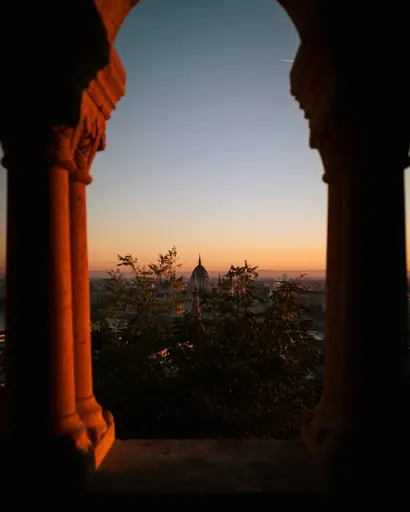
Fisherman's Bastion
Panoramic Views in Fairytale Setting
Think of a fairy tale terrace with white stone turrets built just for views. It was finished in 1902. From the arches you see the Danube and the Parliament across the river. Go early to have the stone arches to yourself and catch soft morning light.
Town in France
Annecy
Fairytale town by a crystal lake
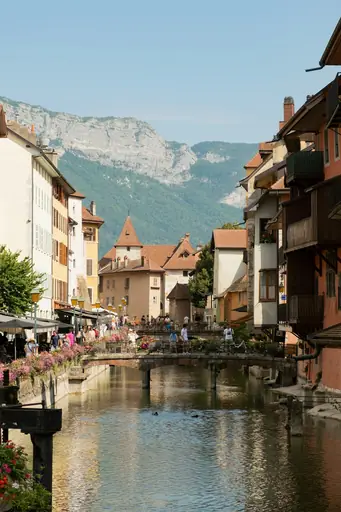
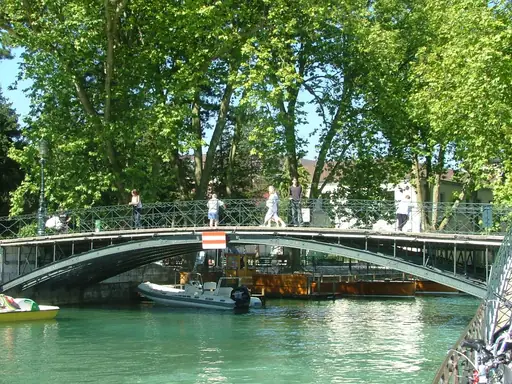
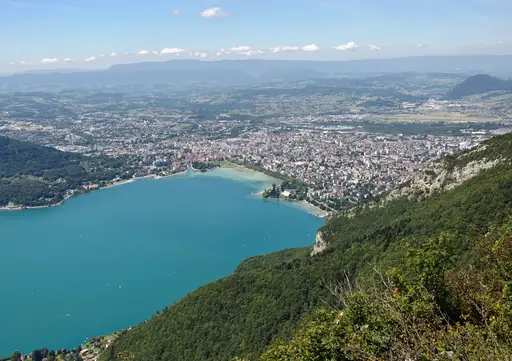
Come at dawn, when mist rises off the lake and the canals are quiet. Palais de l'Isle, a small old prison on a canal island, is the classic shot. Pastel houses reflect in the water of the Thiou. Climb to the castle for views over the roofs.
Region in Italy
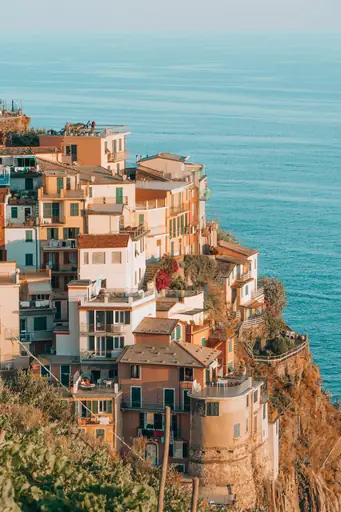
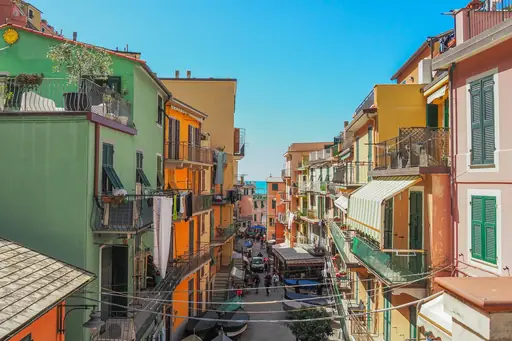
Cinque Terre
Colorful Cliffs and Coastal Charm
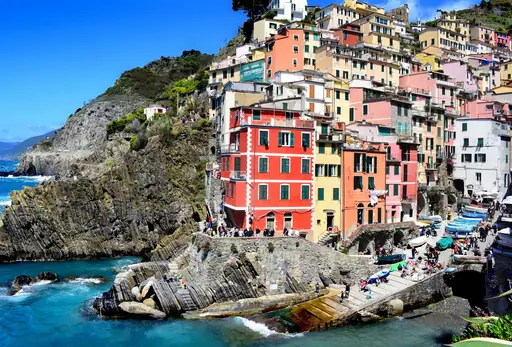
Sea spray and warm stone scent the lanes. The classic shot is Manarola from a rocky point just outside the village, with the houses lit gold at sunset. Five villages are linked by trail and train. Take a boat at midday for a sea level view of the cliffs.
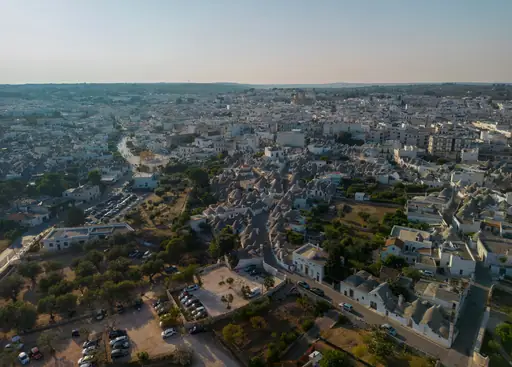
Town in Italy
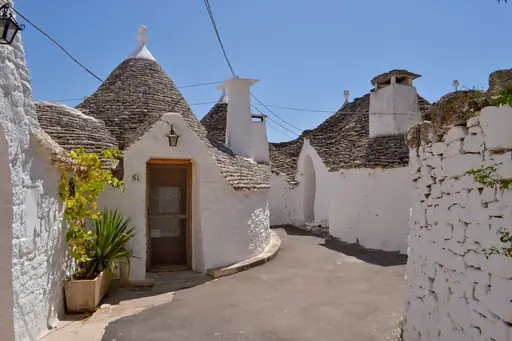
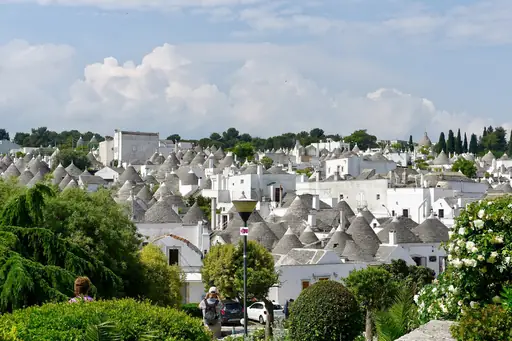
Alberobello
The fairytale town of trulli
Warm light bounces off whitewashed walls and grey stone cone roofs. These trulli were built from stone without mortar. Rione Monti, the hillside district, has about a thousand of them. Shoot from the street early in the morning before tour groups arrive. Wear flat shoes for the steep cobbled lanes.
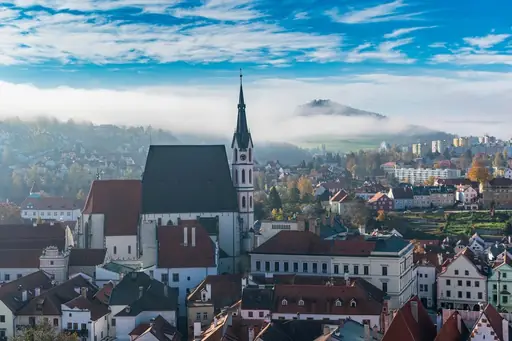
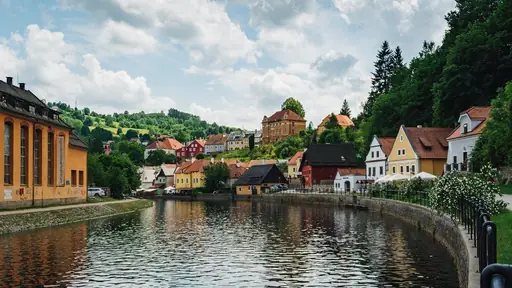
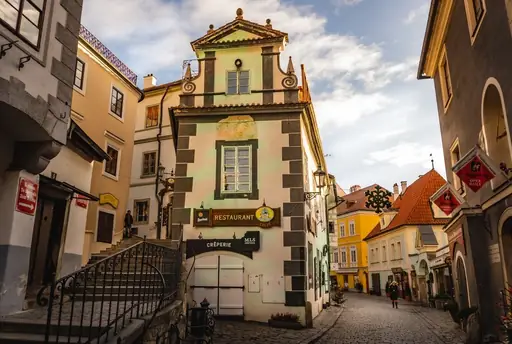
Town in Czech Republic
Český Krumlov
Fairytale Town with Rich History
The castle here was begun in the 1200s. Its round tower, painted in pink and gold, dates to the 1500s. Climb the tower for the classic view of the river bend and the red roofs. The Vltava river loops through the town in a tight S shape.
Nature Reserve in Greece
Meteora
Monasteries Suspended in the Sky
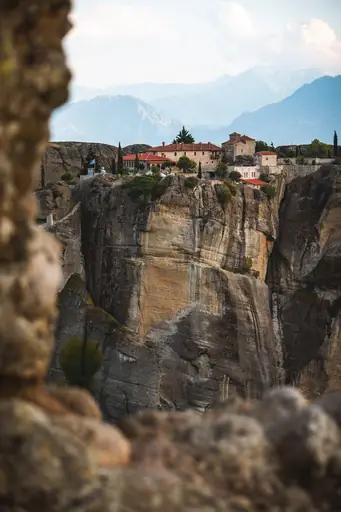
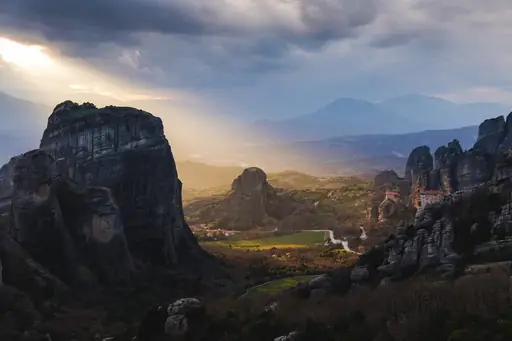
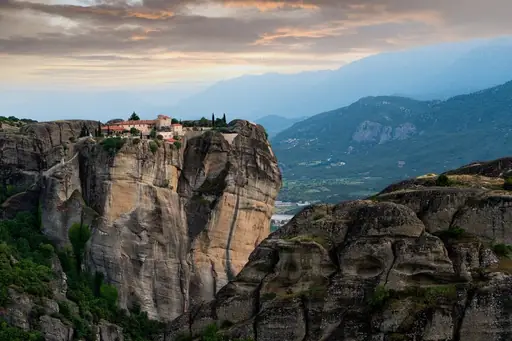
Monasteries perch on tall rock pillars like castles in the sky. Six are still active today. Shoot sunrise from the Panagia Spilia viewpoint when fog fills the valley below. For sunset try the viewpoint near Roussanou. UNESCO lists the whole area. Bring a zoom lens for the rock top details.
Region in Portugal
Douro Valley
World's oldest wine wonderland
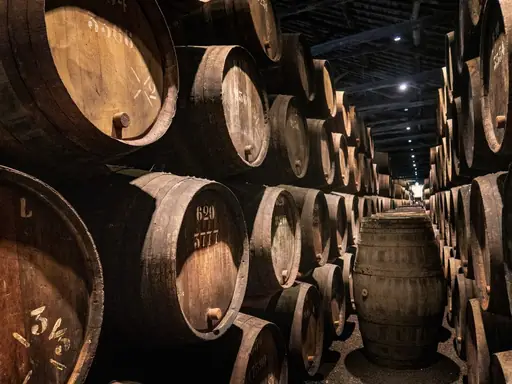
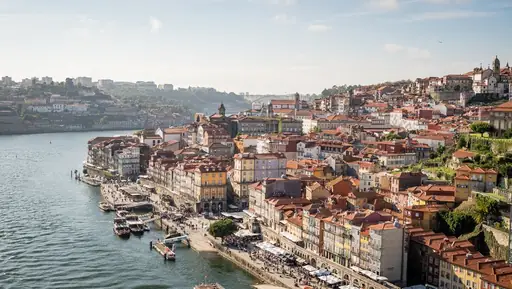
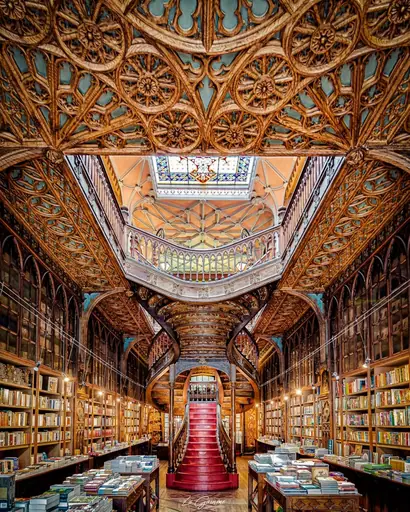
Each autumn crews still pick grapes by hand in the vindima, the harvest. By October the terraced vineyards turn red and gold. Shoot from the São Leonardo de Galafura viewpoint or from a slow boat on the river. Early light makes the water glow. Pack a tripod for the low light.
National Park in Croatia
Plitvice Lakes National Park
Cascading Waterfalls and Turquoise Lakes
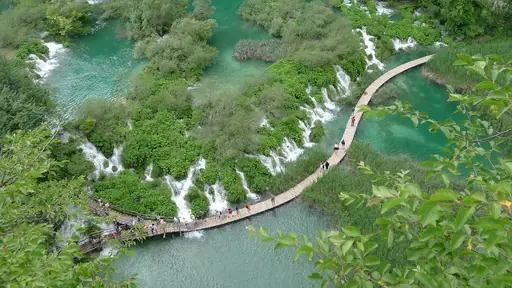
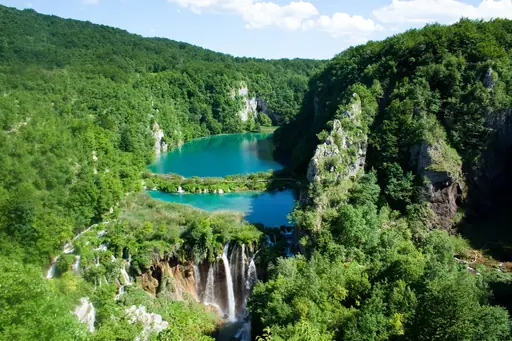
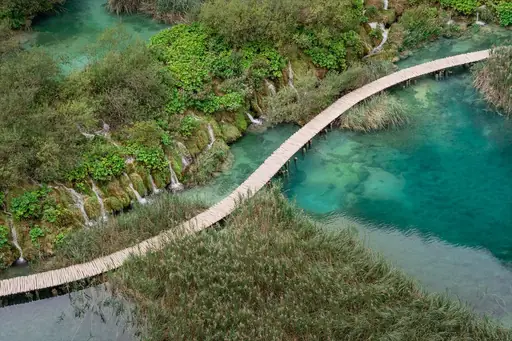
Croatia made Plitvice a national park in 1949 and UNESCO listed it in 1979. Sixteen lakes connect through waterfalls and wooden boardwalks. Come in autumn for gold leaves and calm light. Go early in the day for fewer people. The water glows turquoise on sunny days.
Landmark in Barcelona
Batlló House
Gaudí's Whimsical Modernist Masterpiece
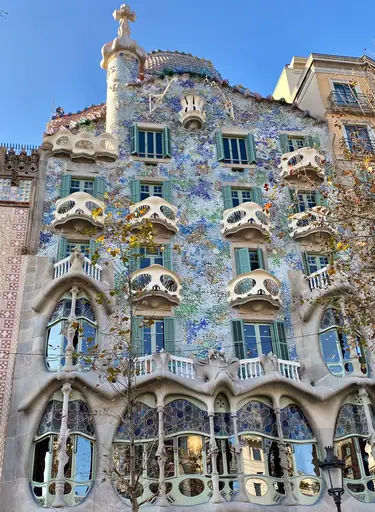
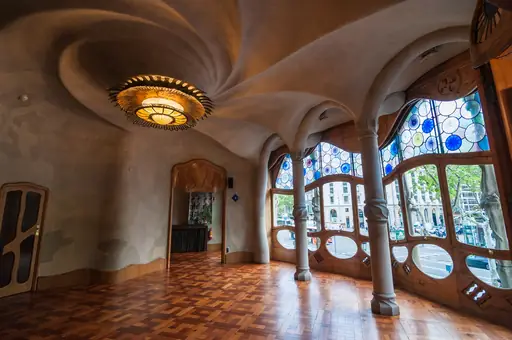
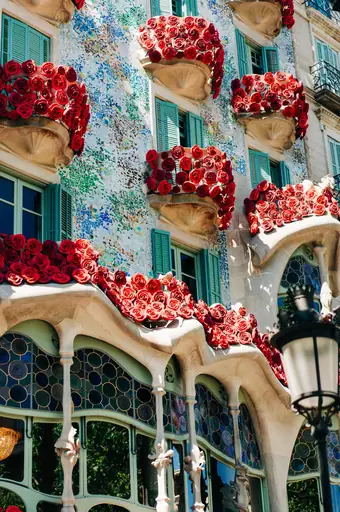
Gaudí rebuilt this house for the Batlló family between 1904 and 1906. Its front has bone shaped columns and balconies like masks. Shoot the rippled facade in morning light. Inside, a light well has tiles that shade from dark blue above to pale blue below.
City in Croatia
Dubrovnik
The Pearl of the Adriatic
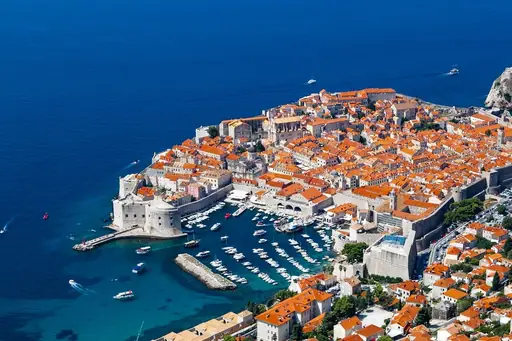
From above, orange roofs and grey stone walls look like a model of a city. Ride the cable car up Mount Srđ for the wide view. Walk the old walls, which are about two kilometres around, early in the morning. Shoot the harbour at sunset.
Town in Greece
Fira
Clifftop views and island energy
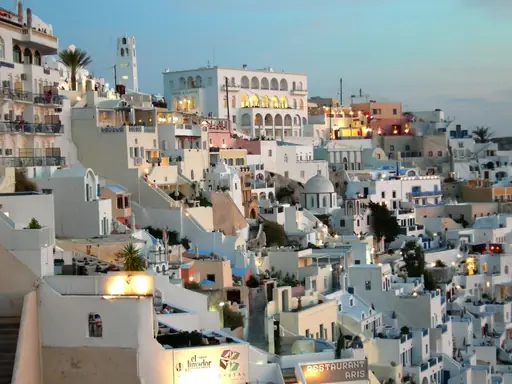
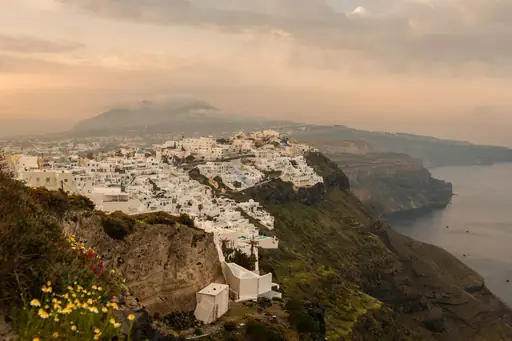
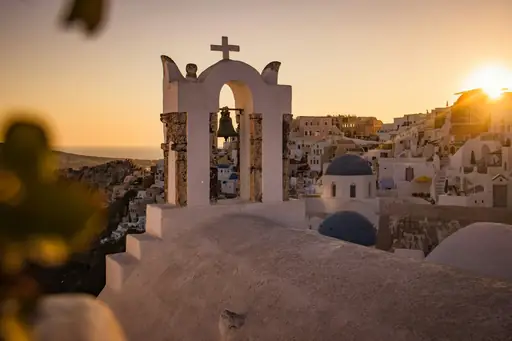
A huge volcanic eruption about 3,600 years ago left Santorini with a flooded crater. Today Fira's white buildings cling to the cliff rim above it. Walk the cliff path to Firostefani and Imerovigli. Shoot at sunrise, when few people are out and the sea is calm.
Waterfall in Iceland
Gullfoss Falls
Majestic golden cascade in Iceland
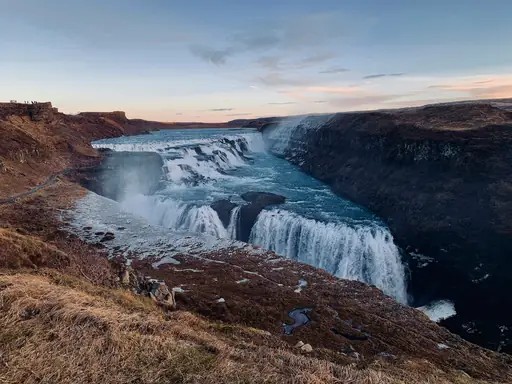
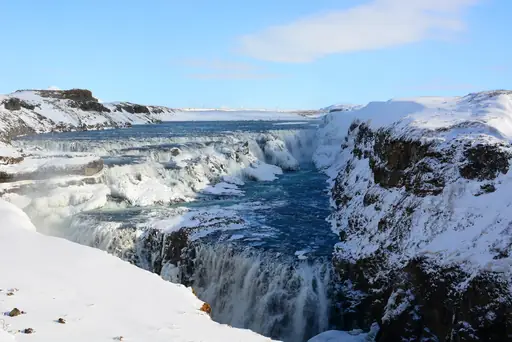
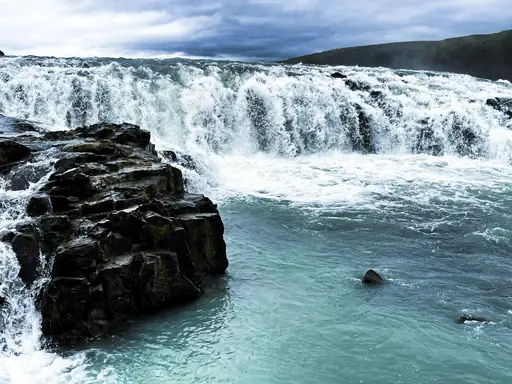
Most people see Gullfoss on the Golden Circle, a day loop that also includes Þingvellir and Geysir. The river drops about 32 metres in two steps into a narrow canyon. Mist rises and rainbows form on sunny days. Walk the lower path to feel the spray.
Cliff in Ireland
Cliffs of Moher
Dramatic cliffs on Atlantic's edge
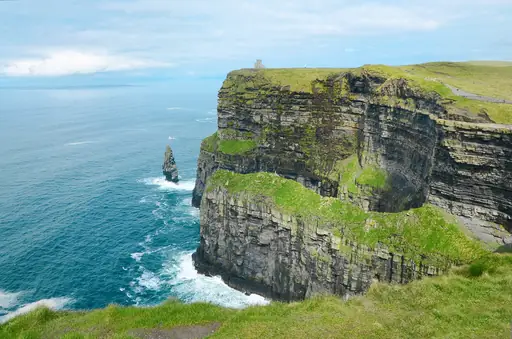
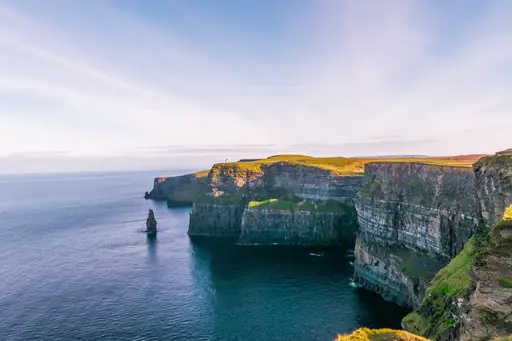
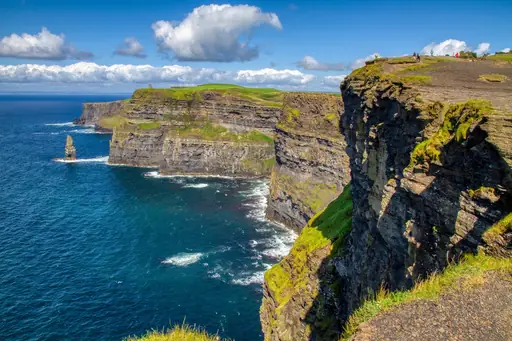
Wind and the boom of Atlantic waves fill the air along the cliff edge. The cliffs rise up to 214 metres over about 14 kilometres of coast. Come before sunset when the low light turns the rock gold. Walk north to O'Brien's Tower, built in 1835, for a wide view.
Village in Austria
Hallstatt
A Fairytale Village by the Lake
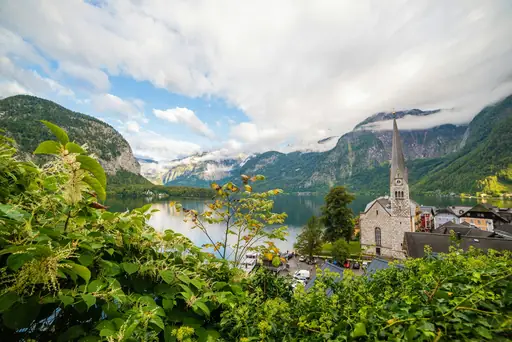
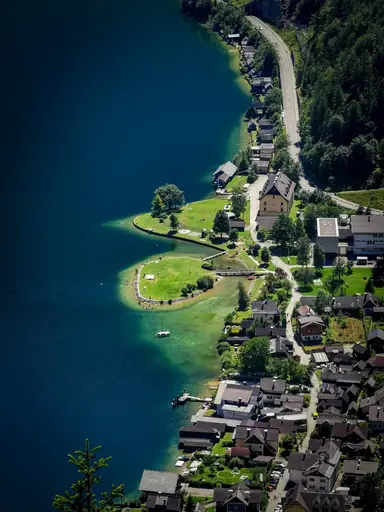
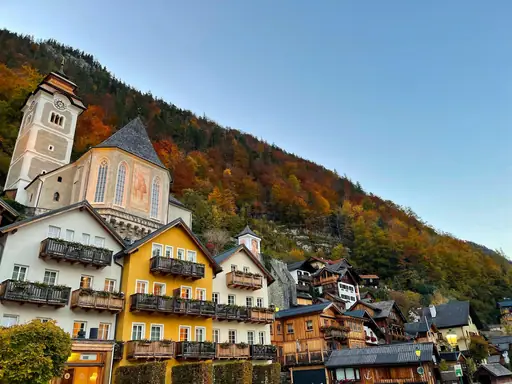
On the shore of a mountain lake in Austria, this village squeezes between steep rock and water. The Skywalk viewpoint above town frames the roofs and church spire. Come at sunrise before tour buses arrive. Still water gives clear reflections on calm days. Walk the lake path for a different angle.
Island in Norway
Lofoten
Dramatic Peaks and Northern Lights
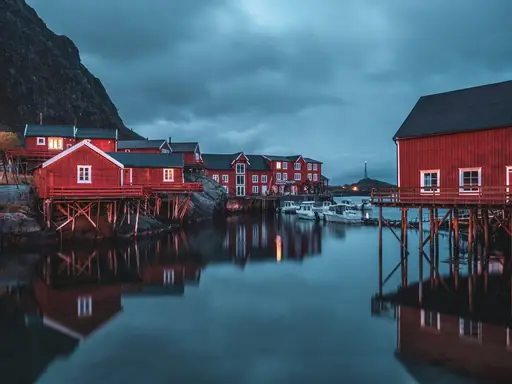
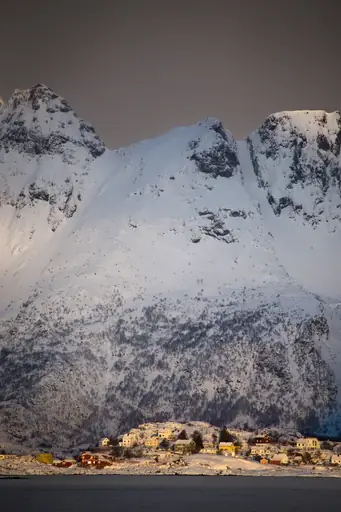
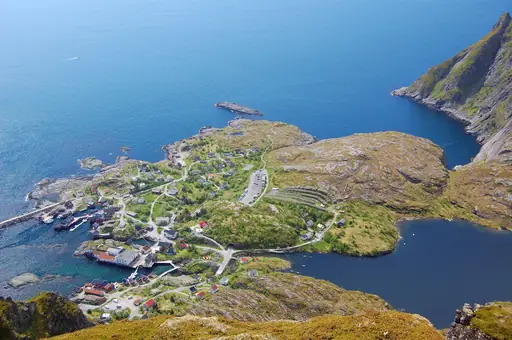
Each winter fishers hang cod on wooden racks to dry in the Arctic wind. The racks stand beside red rorbu cabins on stilts, a favourite photo scene. From late September to March the northern lights dance overhead. In summer the midnight sun gives hours of golden light.
Government Building in Budapest
Hungarian Parliament Building
Budapest’s Neo-Gothic Masterpiece
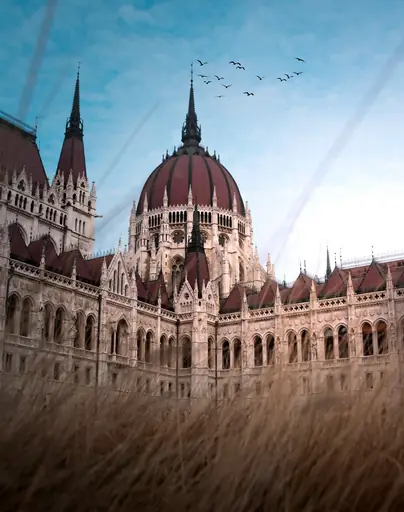
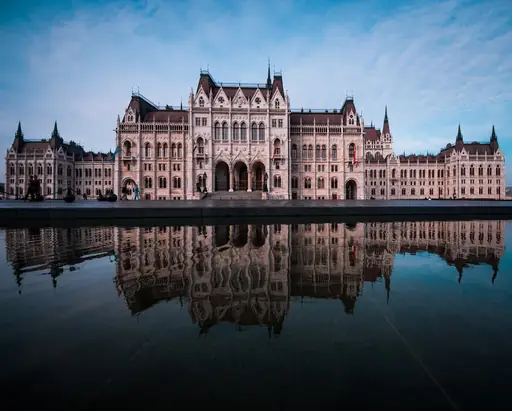
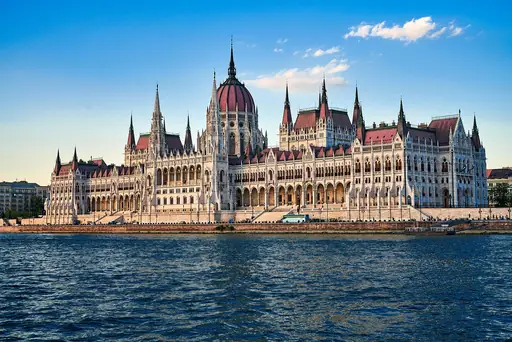
Locals stroll the Buda embankment at dusk. Photographers join them for the view across the Danube. When the lights come on the dome and spires glow gold. Stay for blue hour, the short time after sunset when the sky turns deep blue. The building was finished in 1904.
National Park in Iceland
Vatnajökull National Park
Glaciers, Volcanoes and Ice Caves
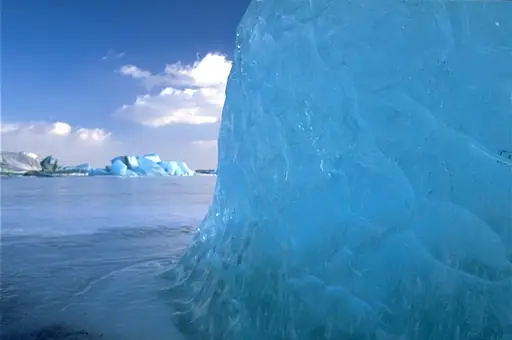
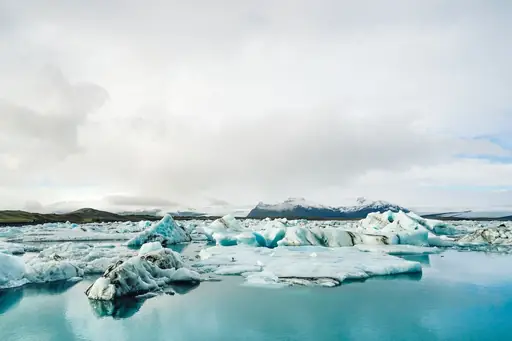
Come from November to March for blue ice caves, which can only be entered with a guide. At Diamond Beach, icebergs wash up on black sand and sparkle in low sun. Winter days are short, so golden light lasts for hours. Dress warmly and bring spare batteries.
Island in United Kingdom
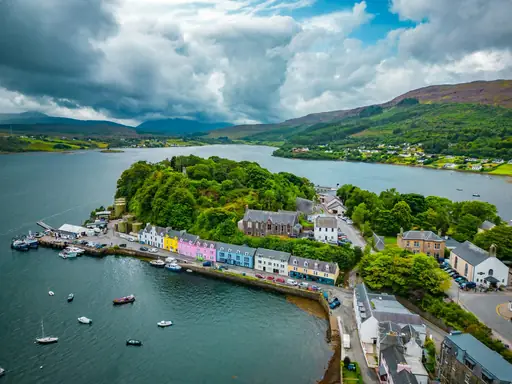
Isle of Skye
Dramatic Landscapes and Ancient Legends
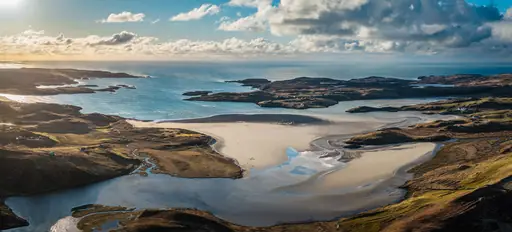
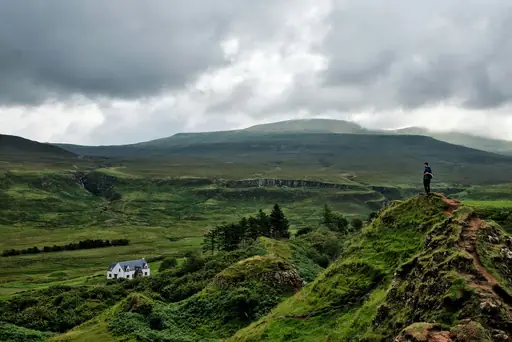
Wind and drifting cloud make the light here moody and dramatic. The Old Man of Storr is a tall rock pinnacle above a green slope. Neist Point lighthouse sits on a cliff to the west, so sunsets glow behind it. Pack rain gear and a lens cloth.
Town in Slovenia
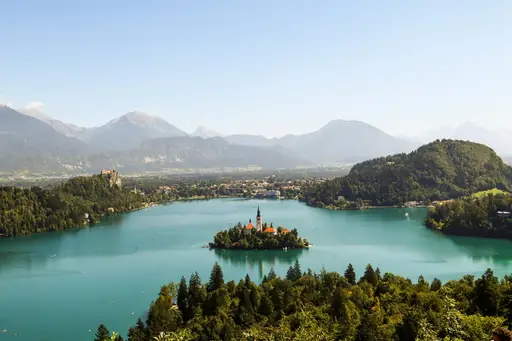
Bled
Fairytale Lake and Alpine Beauty
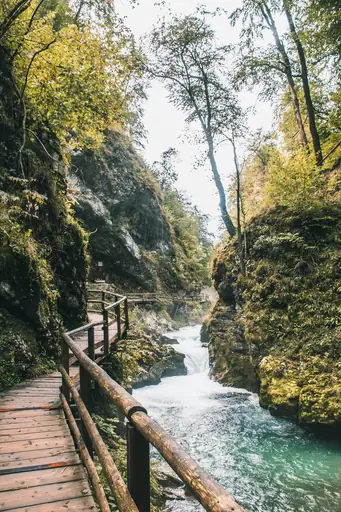
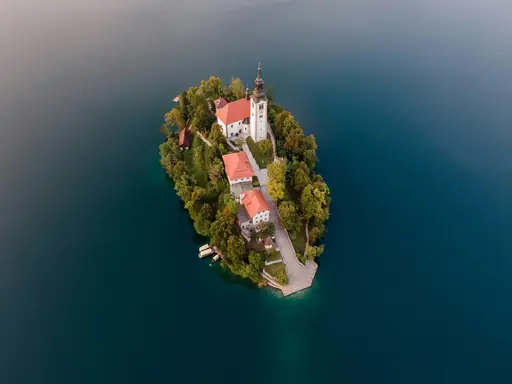
The view looks like a storybook painting, with a small church on an island and a castle on a cliff. Hike to Ojstrica or Mala Osojnica for the famous high view. Go at sunrise when mist hangs on the lake. Traditional pletna boats row visitors to the island.
Village in Switzerland
Lauterbrunnen
Valley of 72 waterfalls
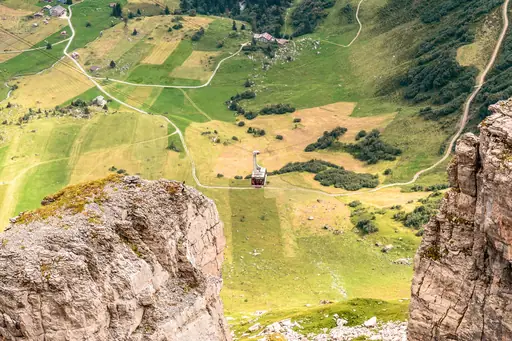
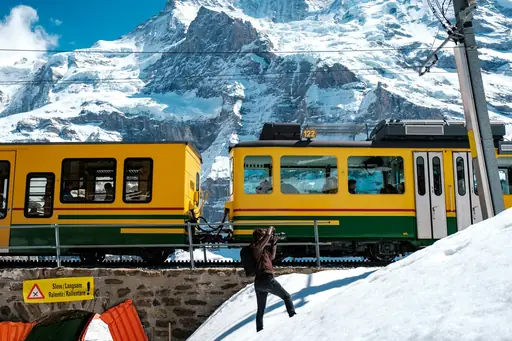
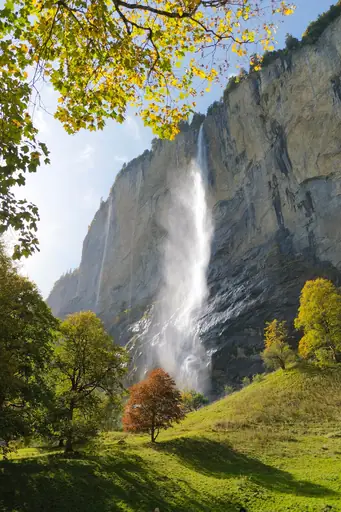
Come in late spring or early summer when snowmelt fills the falls. The valley has 72 waterfalls between tall rock walls. Staubbach Falls drops about 270 metres right by the village. Take a cable car up to Mürren for views of the Eiger, Mönch and Jungfrau peaks.
Waterfall in Iceland
Seljalandsfoss
Majestic cascade framed by misty cliffs
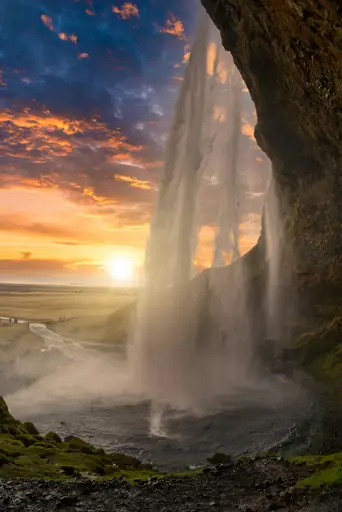
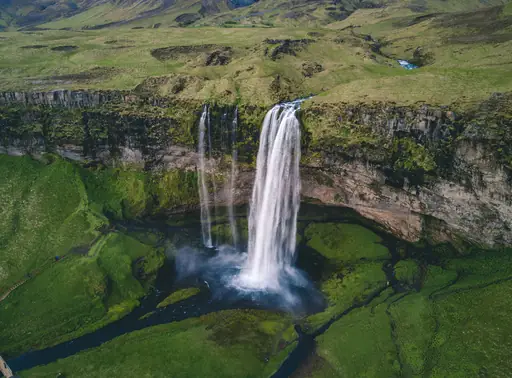
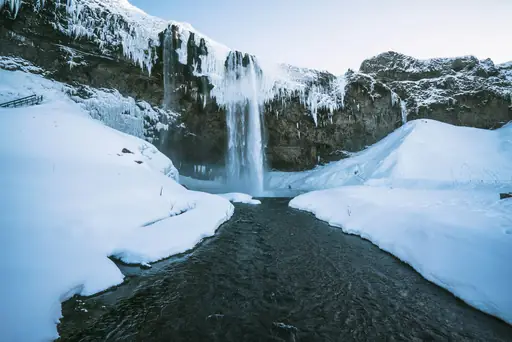
Come on a summer evening when low sun lights the spray. A path leads behind the 60 metre fall, so you can shoot out through the water. Lenses get wet fast, so bring cloths and a rain cover. Gljúfrabúi, a hidden fall inside a cave, is a short walk away.
Town in Italy
Bellagio
Pearl of Lake Como’s Shores
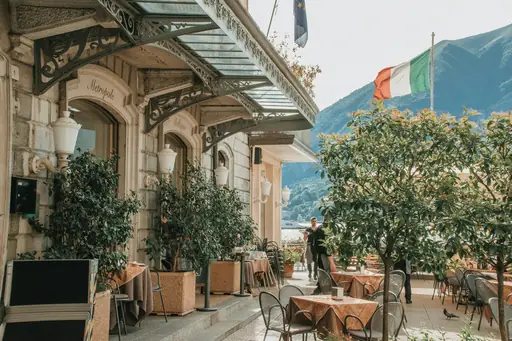
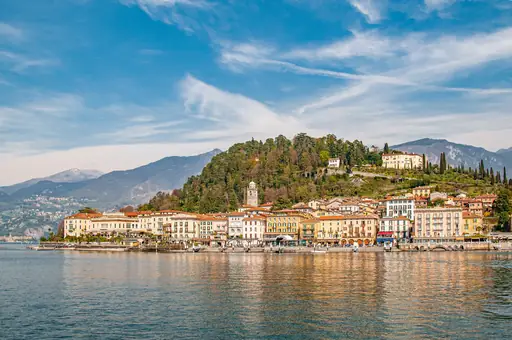
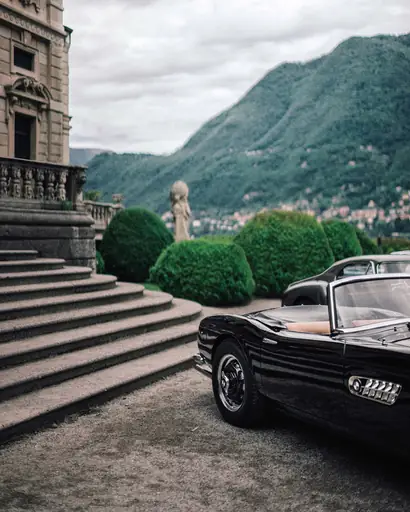
Every evening locals take a slow walk, called a passeggiata, along the lakefront. Join them for soft light on the water. Stepped lanes called salite run steeply up from the harbour. Take the ferry from Varenna at sunrise for wide views of the village from the water.
City in Norway
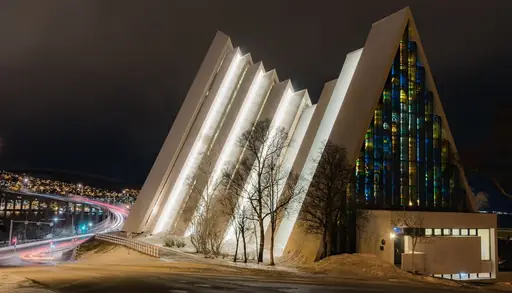
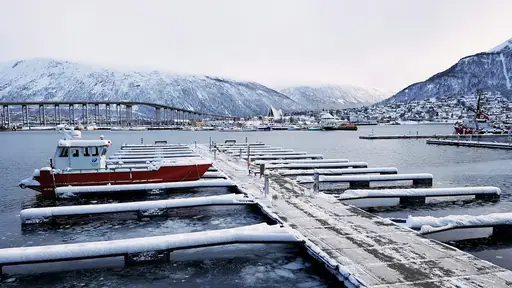
Tromsø
Arctic Lights, Culture and Wild Beauty
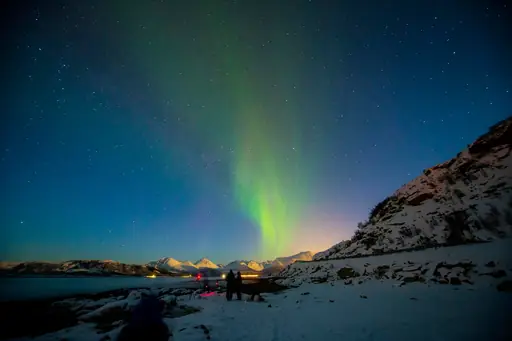
Far north of the Arctic Circle, the sky fills with northern lights from late September to March. Clear nights raise your chances. Join a guided trip to dark spots outside town. In summer the sun does not set from late May to late July. Dress in warm layers.
National Park in Italy
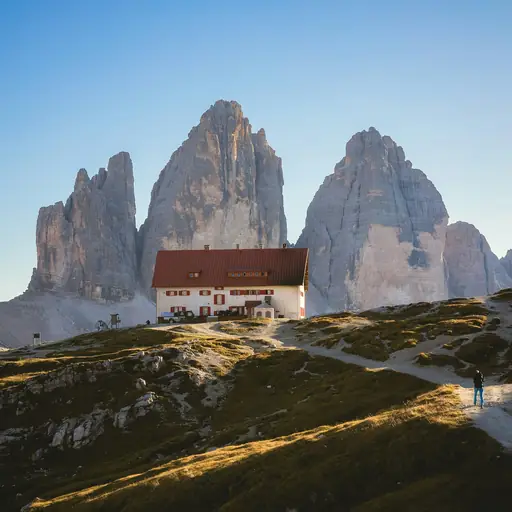
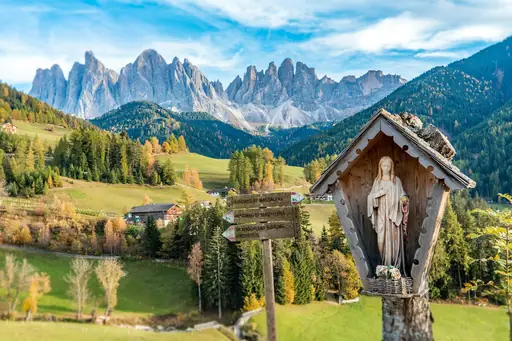
Dolomites National Park
Towering peaks and pristine wilderness
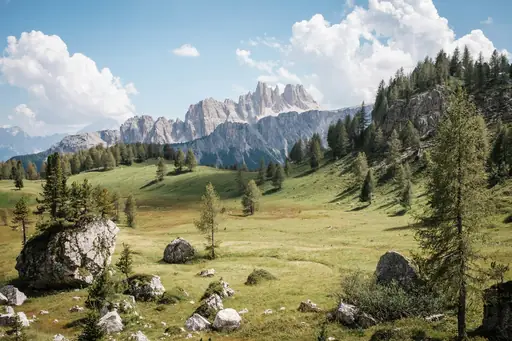
Cinque Torri near Cortina is a cluster of five rock towers with open meadows around them. At sunrise and sunset the pale rock glows pink in a glow called enrosadira. Hike up early to catch it. Hut terraces are good places to wait out clouds with a coffee.
Village in Norway
Geiranger
Majestic Fjords and Dramatic Waterfalls
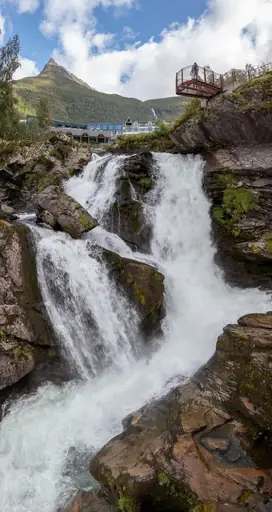
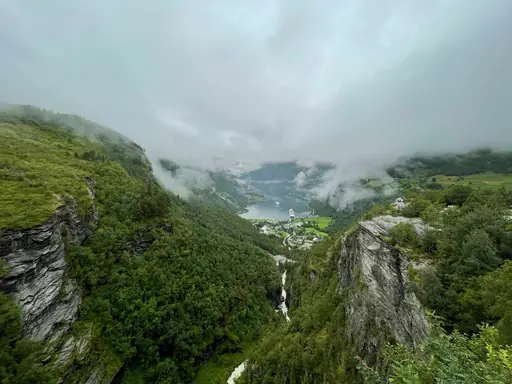
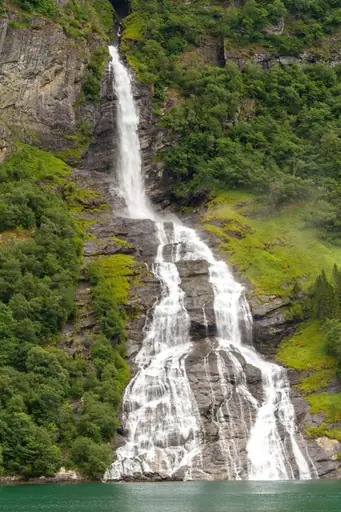
The roar of falling water fills this narrow fjord. Seven Sisters waterfall tumbles down the cliff opposite. Shoot from the Flydalsjuvet viewpoint for the curve of the fjord. Drive up to Dalsnibba for a wide view from about 1,500 metres. Cruise ships arrive in summer, so shoot early.
City in Belgium
Dinant
Cliffs, Saxophones and River Views
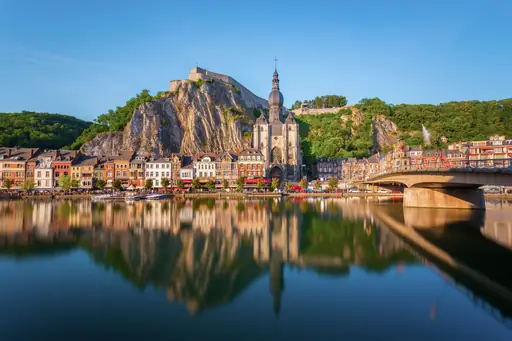
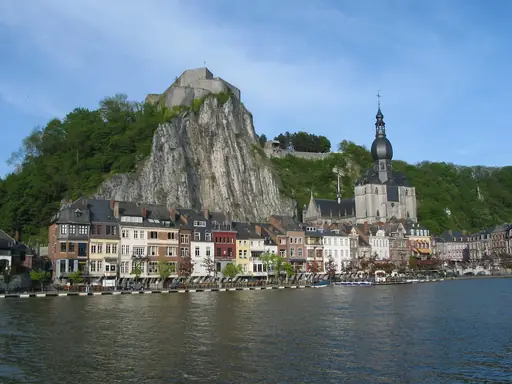
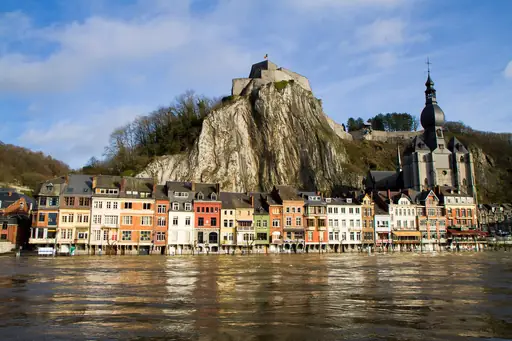
Visit in late afternoon when the sun hits the church and the cliff behind it. The Collegiate Church has a bulb shaped tower and sits against a rock wall above the Meuse river. Stand on Pont Charles de Gaulle for the classic frame. Saxophone sculptures decorate the bridge.
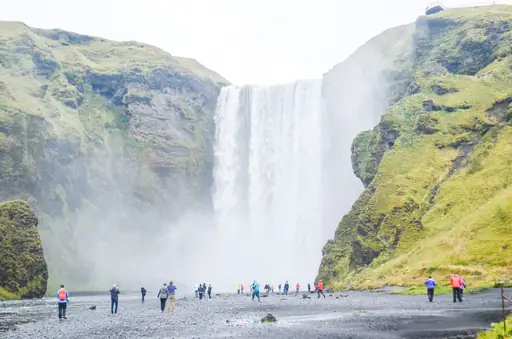
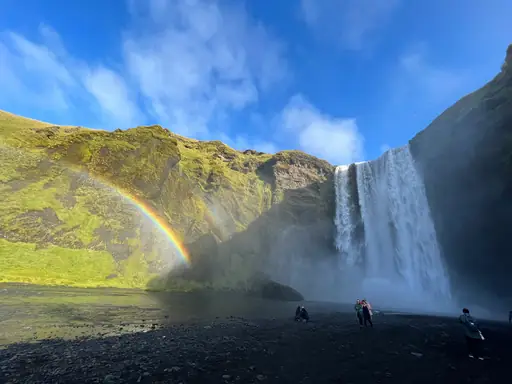
Waterfall in Iceland
Skógafoss
Majestic cascade plunges into emerald canyon
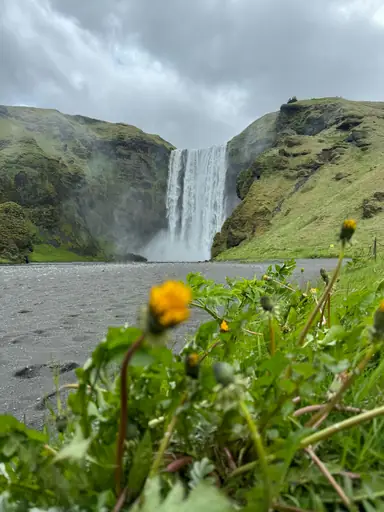
Locals tell of a Viking named Þrasi who hid a chest of gold behind the falls. The fall is 60 metres tall and about 25 metres wide. On sunny days a rainbow forms in the mist. Climb the stairs beside it for a view from above.
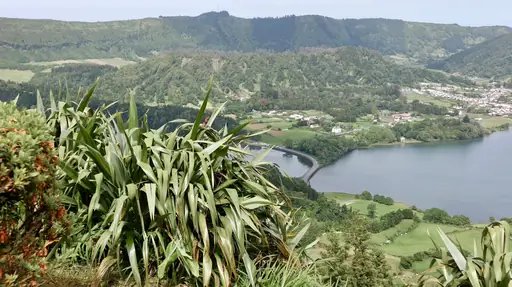
Nature Reserve in Portugal
Área de Paisagem Protegida das Sete Cidades
Twin Lakes and Volcanic Wonders
A legend says a blue eyed princess and a green eyed shepherd cried when they were parted. Their tears made the two lakes, one blue and one green. Shoot from the Vista do Rei viewpoint in the morning. Fog can hide the view, so wait for a break.
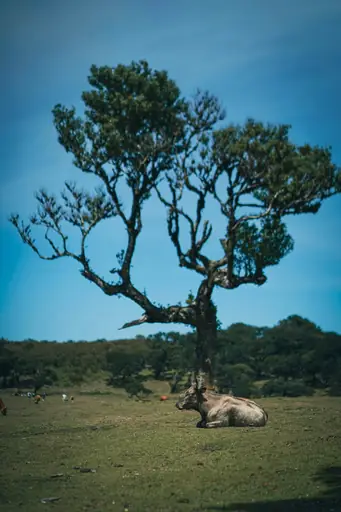
Forest in Portugal
Fanal forest
Mystical Laurel Forest in Madeira
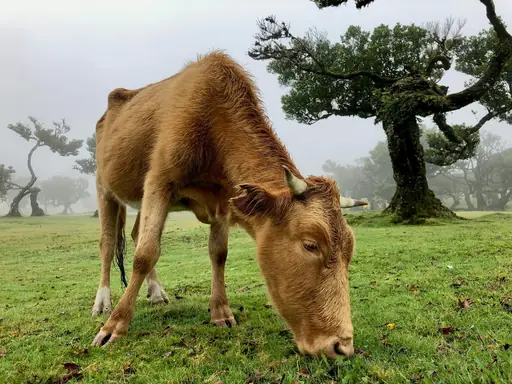
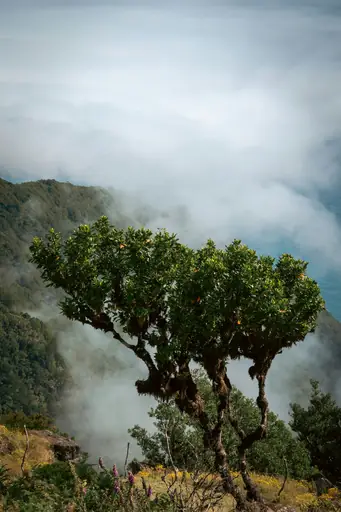
The old laurel forest here belongs to a type of forest that covered southern Europe millions of years ago. UNESCO listed Madeira's laurel forest in 1999. Fog drifts through the twisted trees, so the light looks soft and quiet. Arrive early and bring a rain jacket.
Country
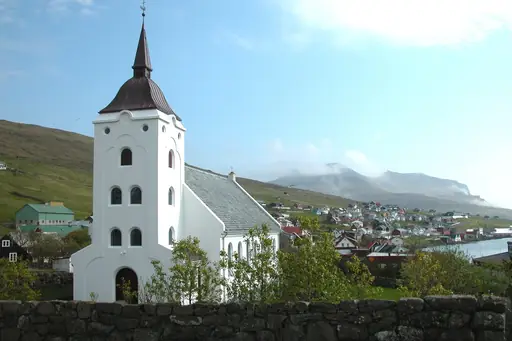
Faroe Islands
Dramatic cliffs meet misty landscapes
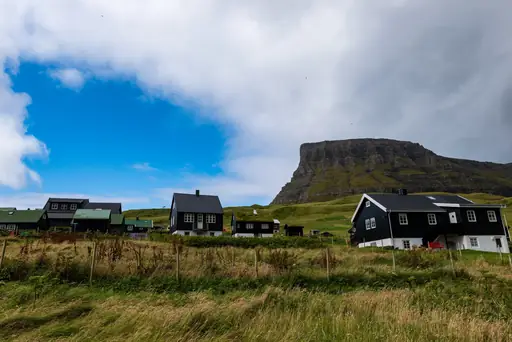
Múlafossur waterfall drops from a green cliff into the sea beside the village of Gásadalur. Grass roofed cabins and sheep dot the hills across the islands. Fog moves fast, so wait for a clear moment. In summer puffins nest on the island of Mykines. Pack a rain jacket for your camera.
Village in Norway
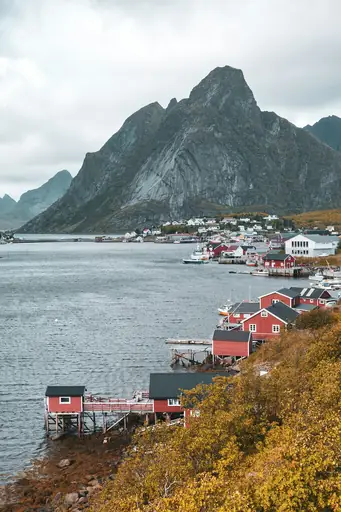
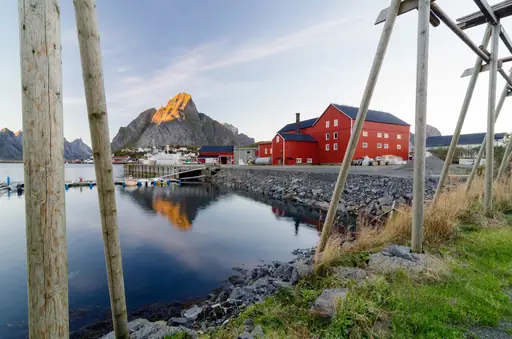
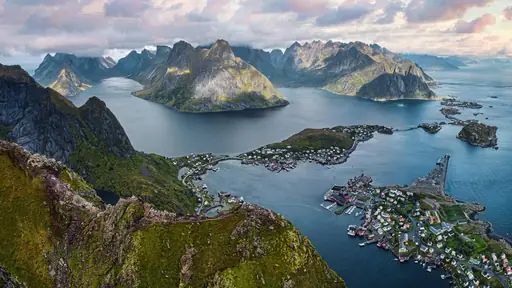
Reine
Lofoten’s Iconic Fjord Village
Red cabins on tiny rock points look like toys set against sharp peaks. Climb Reinebringen on a clear day for a view over the village and fjord. Come in winter for northern lights or in summer for midnight sun. Shoot from the bridge at Hamnøy nearby for a classic frame.

Mountain in Iceland
Vestrahorn
Majestic peaks framed by volcanic glaciers
On Iceland's southeast coast, the Vestrahorn mountain rises 454 metres above black sand dunes. At low tide thin sheets of water mirror the peak. Dune grass makes a sharp foreground when the wind is calm. Come at sunrise for soft light and few people. Wind off the sea is cold, so wear layers.
Other lists you may like
Discover
Top photography destinations and scenic landscapes
A genuinely photogenic destination offers more than one good shot: it has the light, the composition and enough variety of conditions to reward repeat visits at different times of…
Read more
Discover
Best photography destinations in Africa
Vast desert dunes in southern Africa turn a deep, almost impossible orange at sunrise, drawing photographers specifically for that brief window of light each morning. East African…
Read more
Discover
Best photography destinations in Asia
High-altitude desert landscapes in northern South Asia sit under some of the clearest skies on the continent, while terraced rice fields elsewhere create an entirely different,…
Read more
Discover
Best photography destinations in North America
Narrow desert canyons in the American Southwest create light patterns that have become some of the most recognisable images in landscape photography, while glacial lakes further…
Read more
Discover
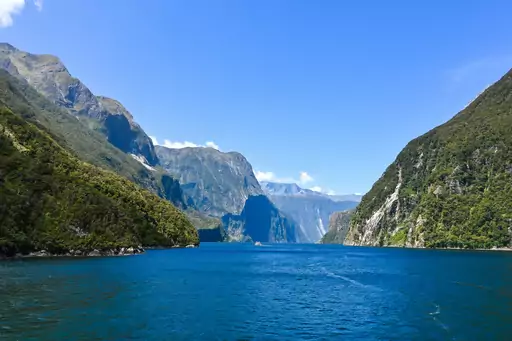
Best photography destinations in Oceania
Dramatic fjord scenery in New Zealand combines with consistently changeable weather, while a vast desert formation in Australia changes colour through the day in ways that have…
Read more
Discover
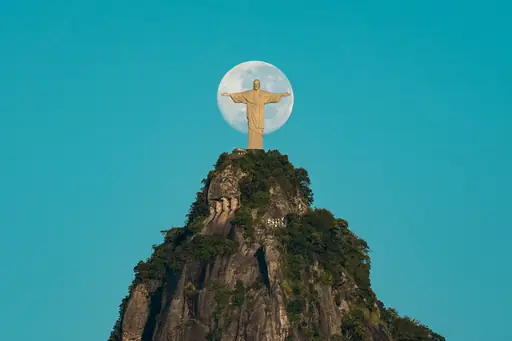
Best photography destinations in South America
A vast salt flat becomes a giant mirror during the wet season, creating one of the most surreal landscapes available to photograph anywhere on earth, while ancient mountain ruins…
Read more
What other users say about travelfilters
“travelfilters made it easy for me to find ski areas and compare what else they offer, so that I could find the best place for my personal travel style.”

Chris
Snowboarding & Onsen trip to Japan
“I love how transparent the data feels. There is no pushy upsell, just honest information and settings I can tune to my own travel style.”

Maria
After booking her 2027 winter escape
“The level of detail for each destination and how well those are displayed, make planning feel confident instead of overwhelming.”

Mina
Planned a week in New York City
“We used travelfilters for our planning from start to end. The trip turned out even better than expected, thanks to all their tools and customisation options.”

Allan & Etienne
Trip to Japan to see autumn foliage
“Thanks to travelfilters, I found some hidden gems to see. Being able to filter for exactly your interests is a game changer for my travel planning.”

Michael
Tour through the old cities of Northern Italy
“The customizable filters helped me find a quiet beach town with good wifi and low season crowds in under five minutes.”

Diego
Weekend Escape to Llanes, Spain
“The airport connection map saved me hours by showing good flight options from my home airport to lesser-known cities.”

Nguyen
Planning a 2027 trip to France
“The website is clean, fast and focused on the search itself, which makes travelfilters feel more like a professional tool than an ad-heavy booking site.”

Hassan
Christmas Market trip, Germany
