





Was this page helpful?

| Power Grid: |
230 V, 50 Hz Plug: Type F
Type F:
 Read about power adapters |
|---|---|
| Currency: |
Icelandic Króna (ISK) £1 ≈ ISK 163 |
| Cashless info: |
Rating 5/5
Cashless payments are highly common in Iceland, especially in cities. Most businesses accept credit and debit cards, including smaller establishments. Mobile payment options like Apple Pay and Google Pay are popular.
Save with a travel credit card |
| eSIM providers: |
Best value: Saily Flexibility: Airalo Read our in-depth comparison |
| Tipping: | Tipping is not common in Iceland and not expected in restaurants. A service charge is usually included in the bill. Tipping taxi drivers or hotel staff is appreciated but not necessary. |
|---|---|
| Public drinking: | Public drinking is allowed, especially in designated areas during festivals or outdoor events. Alcohol is also available at licensed venues. |
| Public smoking: | Smoking is prohibited in indoor public spaces and on public transport. Designated smoking areas are available outside of many restaurants and public buildings. |
| Icelandic National Day (June) |
Expect parades and celebrations throughout the country. Hotels and tourist spots can get busy. |
|---|---|
| Christmas (December) |
Christmas is widely celebrated, and it’s a great time to visit for festive markets, but accommodation can be more expensive. |
| Þorrablót Festival (January) |
A festival celebrating Icelandic cuisine, it’s a popular time to visit, though some businesses may have reduced hours. |
| Emergency contact: | Emergency Number: 112 (Police, Fire, Ambulance) |
|---|---|
| Taxi apps: | Hreyfill, Reykjavik Taxi |
| Other: | Iceland's weather can be unpredictable, so it’s important to prepare for sudden changes in climate. Always check weather forecasts before venturing into nature. |
The best times to travel section shows how the months compare for a visit, so you can find the time of year that fits what you want to do.
Background colours of the months:
The colour shows the typical temperature: yellow (hot), green (mild) and blue (cold). How strong the colour is shows the travel season: full colour means high season, soft colour means shoulder season and soft-striped means off season.
Weather symbols:
Each month has one symbol showing what the weather is typically like, such as hot and sunny, freezing or a rainy or snowy season. Use them to quickly spot months that match the weather you want, or to avoid the ones that don't.
Crowdedness:
The people icon shows how busy the place usually is. The more people, the more crowded it gets.
Additional notes:
The grey info boxes point out special things worth knowing, like recurring weather issues or seasonal events.
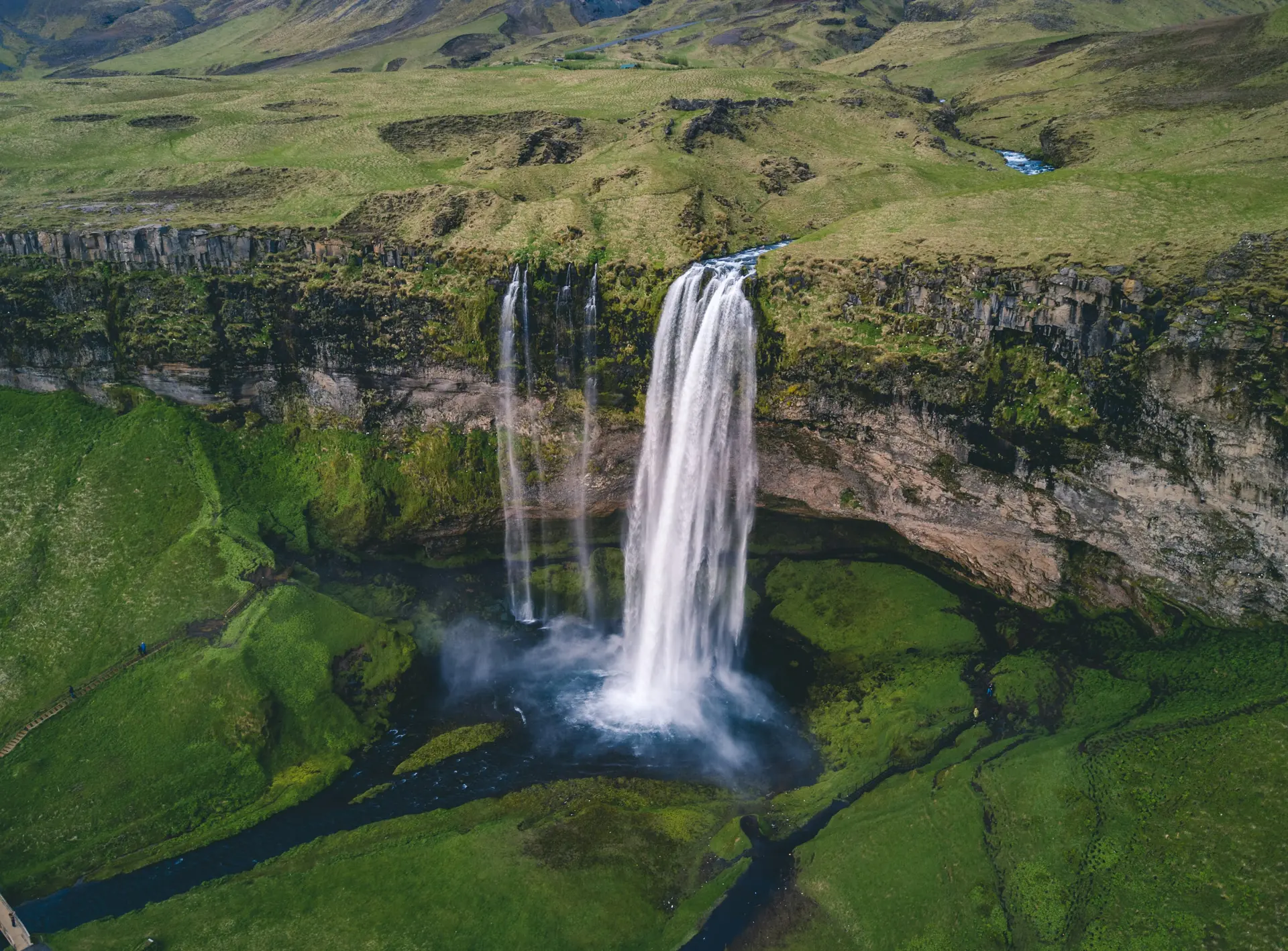
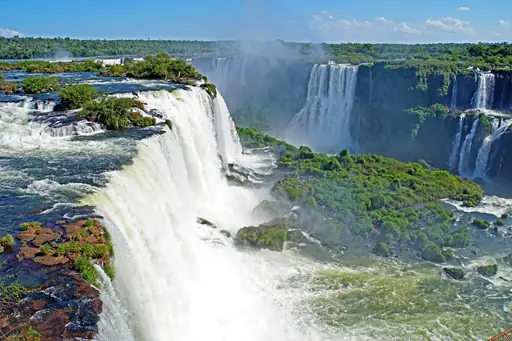
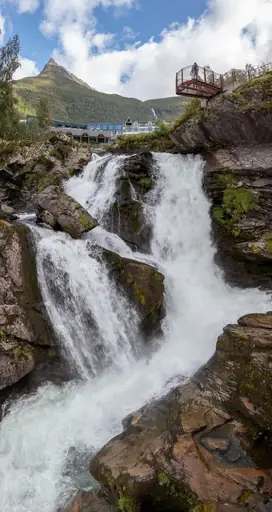
Seljalandsfoss is a towering waterfall located on Iceland’s southern coast. The cascade drops from about 60 meters high and spreads across a wide basalt cliff. Water flows constantly through volcanic rock formations creating a powerful sound that echoes in the valley. Visitors can walk behind the falling water to experience its force up close.
The area around Seljalandsfoss sits within a landscape shaped by glaciers and lava. Rivers carve paths through black sand plains while moss covers ancient stone walls. The nearby Skógafoss waterfall stands just a short distance away adding more height and volume to the scene. Hiking trails connect both sites making it easy to explore multiple viewpoints without long walks.
Photographers find many angles here from ground level to elevated spots above the falls. Light changes throughout the day affecting how the spray looks on rocks and vegetation. Early morning fog often wraps around the base creating a soft atmosphere while midday sun highlights droplets in bright sprays. Weather shifts quickly so layers are useful when planning a visit.
The trail system includes boardwalks that keep visitors safe near steep edges. Some sections require sturdy shoes because rocks can be slippery after rain. Guides share stories about local legends linking waterfalls to folklore and settlement history. The site remains open year round though winter brings snow and ice adding new textures to the scenery.
Seljalandsfoss waterfall is accessible via Route 1, Iceland’s primary ring road, which connects major attractions across the country. The nearest town is Hvolsvöllur (~30 minutes by car), with parking available near the falls’ base and viewing platforms above for panoramic vistas. Public buses operated by Strætó run between Reykjavik and nearby towns, stopping within walking distance of the site. During winter months, road conditions may require 4x4 vehicles or guided tours due to snow and ice. The waterfall’s unique feature allows visitors to walk behind its cascading waters via a tunnel, though weather-dependent closures occasionally apply. Nearby accommodations include Seljalandsfoss Hotel and guesthouses offering easy access for day trips from Reykjavik (~2-hour drive).
Seljalandsfoss sits on the south coast of Iceland, a short drive from the town of Hvolsvöllur and the larger village of Vik. Visitors typically stay in budget-friendly guesthouses or self‑catering cabins that offer basic amenities such as heating, kitchenettes and Wi‑Fi, with nightly rates ranging from ISK 9,800 (£60.41) to ISK 16,800 (£103.56) depending on season. Mid‑range options include boutique hotels featuring Icelandic design, hot tubs overlooking the ocean and complimentary breakfast, usually priced between ISK 21,000 (£129.45) and ISK 35,000 (£215.75) per night. For those seeking a more rustic experience, farm stays and agritourism lodges provide authentic local hospitality, often with organic meals and guided nature walks. The area is renowned for its “farmhouse” style accommodations that blend traditional Icelandic architecture with modern comfort.
Log in to add this place to a travel list and get a summary of all recommended items for your whole trip.
We calculate the average costs when travelling to destinations and compare those with the living costs at your home. With this you can get an estimate of how expensive or cheap the destination is for you.
To customise this, you can set up which location and price level are used for the calculations in your account settings.
The exchange rate price factor shows how expensive or cheap a currency currently is compared to its historical average. It's a quick way to see if a country is currently more or less affordable due to exchange rate changes.
