





Was this page helpful?

| Public website: | www.gullfoss.is |
|---|
| Power Grid: |
230 V, 50 Hz Plug: Type F
Type F:
 Read about power adapters |
|---|---|
| Currency: |
Icelandic Króna (ISK) £1 ≈ ISK 162 |
| Cashless info: |
Rating 5/5
Cashless payments are highly common in Iceland, especially in cities. Most businesses accept credit and debit cards, including smaller establishments. Mobile payment options like Apple Pay and Google Pay are popular.
Save with a travel credit card |
| eSIM providers: |
Best value: Saily Flexibility: Airalo Read our in-depth comparison |
| Tipping: | Tipping is not common in Iceland and not expected in restaurants. A service charge is usually included in the bill. Tipping taxi drivers or hotel staff is appreciated but not necessary. |
|---|---|
| Public drinking: | Public drinking is allowed, especially in designated areas during festivals or outdoor events. Alcohol is also available at licensed venues. |
| Public smoking: | Smoking is prohibited in indoor public spaces and on public transport. Designated smoking areas are available outside of many restaurants and public buildings. |
| Icelandic National Day (June) |
Expect parades and celebrations throughout the country. Hotels and tourist spots can get busy. |
|---|---|
| Christmas (December) |
Christmas is widely celebrated, and it’s a great time to visit for festive markets, but accommodation can be more expensive. |
| Þorrablót Festival (January) |
A festival celebrating Icelandic cuisine, it’s a popular time to visit, though some businesses may have reduced hours. |
| Emergency contact: | Emergency Number: 112 (Police, Fire, Ambulance) |
|---|---|
| Taxi apps: | Hreyfill, Reykjavik Taxi |
| Other: | Iceland's weather can be unpredictable, so it’s important to prepare for sudden changes in climate. Always check weather forecasts before venturing into nature. |
The best times to travel section shows how the months compare for a visit, so you can find the time of year that fits what you want to do.
Background colours of the months:
The colour shows the typical temperature: yellow (hot), green (mild) and blue (cold). How strong the colour is shows the travel season: full colour means high season, soft colour means shoulder season and soft-striped means off season.
Weather symbols:
Each month has one symbol showing what the weather is typically like, such as hot and sunny, freezing or a rainy or snowy season. Use them to quickly spot months that match the weather you want, or to avoid the ones that don't.
Crowdedness:
The people icon shows how busy the place usually is. The more people, the more crowded it gets.
Additional notes:
The grey info boxes point out special things worth knowing, like recurring weather issues or seasonal events.
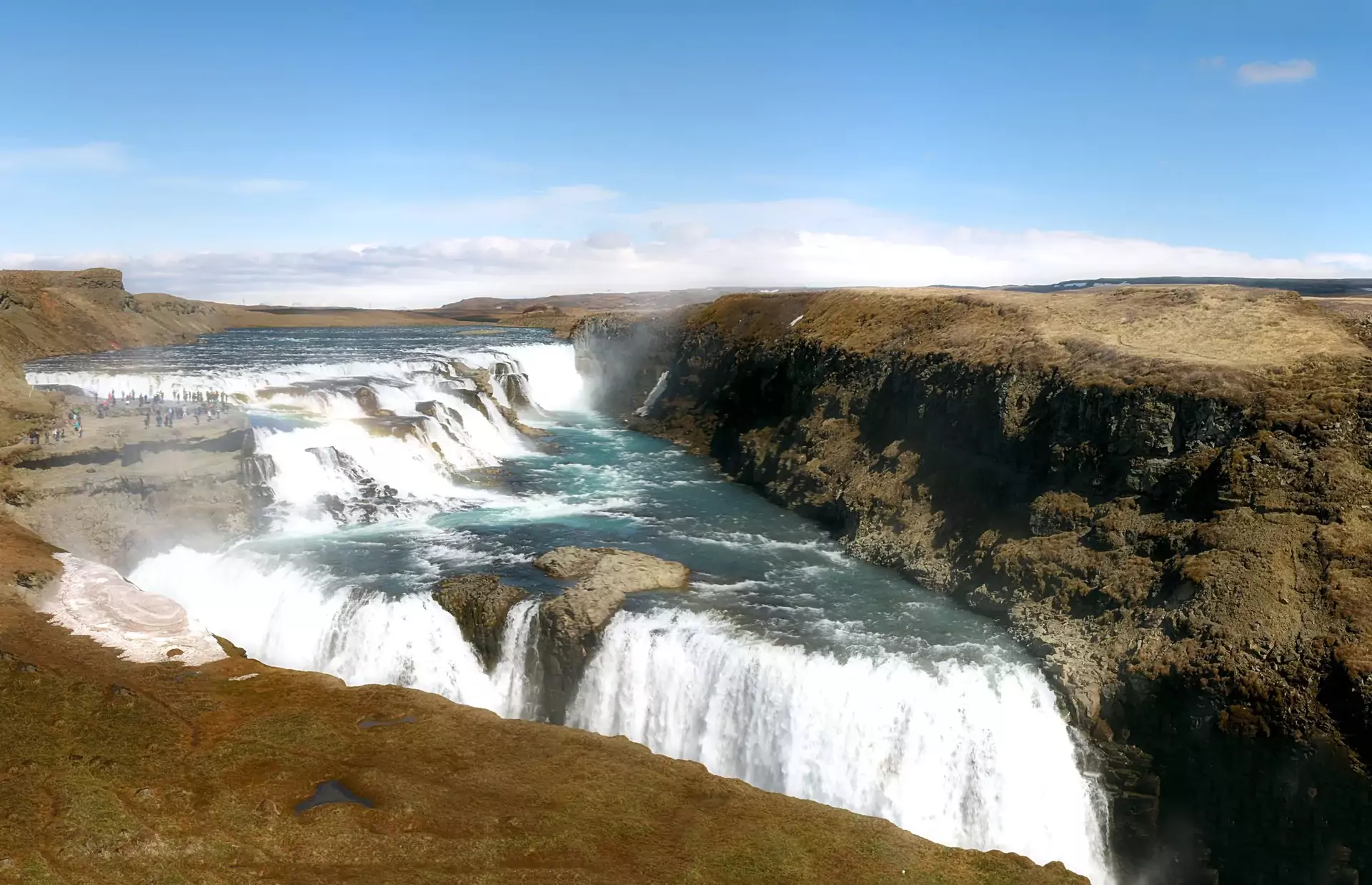
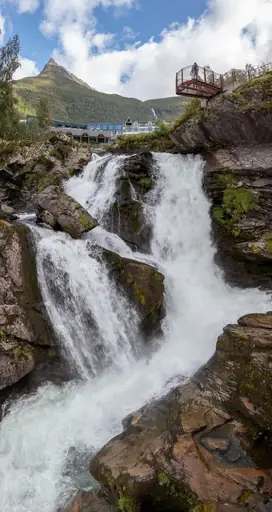
Gullfoss is rightfully considered the king of Iceland's waterfalls, standing as one of the country's most visited natural attractions. What makes this waterfall unique is its unusual two-tiered structure – the first cascade drops 11 meters (36 feet) before the river makes a sharp turn and plunges dramatically another 21 meters (69 feet) into a narrow canyon. This creates an illusion from certain viewpoints that the powerful river simply disappears into the earth, adding to the waterfall's mystique.
The waterfall's name, which translates to 'Golden Falls,' comes from the golden hue that sometimes appears in its glacial waters, particularly on sunny days when rainbows frequently form in the substantial mist. Fed by the Hvítá River, which originates from Langjökull glacier (Iceland's second-largest), Gullfoss demonstrates remarkable seasonal changes. In summer, approximately 140 cubic meters of water thunder over the edge every second, while winter sees a slightly reduced but still impressive flow of about 109 cubic meters per second, with parts of the falls sometimes freezing into sculptural ice formations.
Visiting Gullfoss is surprisingly accessible, with a short five-minute walk from the parking area to the main viewing point along a paved track. For those wanting to explore further, there are approximately 2.1 miles of trails that weave around different vantage points of both the upper and lower falls. Unlike some of Iceland's other famous waterfalls where visitors get soaked from spray, Gullfoss is typically viewed from above, meaning you're less likely to get wet – though Iceland's notoriously changeable weather means bringing waterproof clothing is always wise.
Beyond its natural beauty, Gullfoss has also gained cultural significance as a filming location for several productions, including 'Eurovision Song Contest: The Story of Fire Saga' and the TV series 'Vikings' and 'Lost in Space.' The waterfall is completely free to visit with no entrance or parking fees, making it an accessible highlight on the Golden Circle route. The on-site café offers a welcome respite with traditional Icelandic soups and sandwiches, while the adjacent shop sells local handicrafts and outdoor gear for those wanting to take a piece of Iceland home with them.
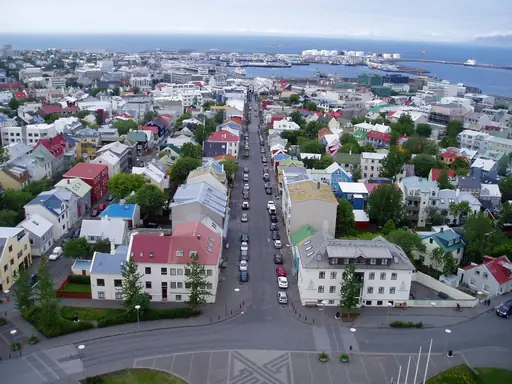
Gullfoss is located approximately 1.5 hours east of Reykjavík and is part of the famous Golden Circle route. The most convenient way to reach Gullfoss is by car, either as a self-drive tour or through one of the many guided Golden Circle tours that depart daily from Reykjavík. If you're driving yourself, you'll take Route 1 (Ring Road) east from Reykjavík, then turn onto Route 35 toward the Geysir geothermal area, continuing until you reach the Gullfoss parking area. For those without a vehicle, numerous tour companies offer day trips to the Golden Circle, which typically include Gullfoss along with Geysir and Thingvellir National Park. These tours range from standard bus excursions to more specialized options like super jeep adventures or private guided tours. The parking area at Gullfoss is free, making it accessible for all visitors regardless of how they arrive.
While there is no accommodation directly at Gullfoss, the waterfall is part of the popular Golden Circle route with various lodging options in the surrounding area. Many visitors choose to stay in nearby towns like Selfoss or Flúðir, which offer guesthouses, hotels and farm stays ranging from budget to luxury. Alternatively, you can base yourself in Reykjavík and visit Gullfoss as a day trip, either independently or on a guided tour, as the capital is only about 1.5 hours away by car.
Log in to add this place to a travel list and get a summary of all recommended items for your whole trip.
We calculate the average costs when travelling to destinations and compare those with the living costs at your home. With this you can get an estimate of how expensive or cheap the destination is for you.
To customise this, you can set up which location and price level are used for the calculations in your account settings.
The exchange rate price factor shows how expensive or cheap a currency currently is compared to its historical average. It's a quick way to see if a country is currently more or less affordable due to exchange rate changes.
