









Was this page helpful?

| Power Grid: |
230 V, 50 Hz Plug: Type F
Type F:
 Read about power adapters |
|---|---|
| Currency: |
Icelandic Króna (ISK) £1 ≈ ISK 163 |
| Cashless info: |
Rating 5/5
Cashless payments are highly common in Iceland, especially in cities. Most businesses accept credit and debit cards, including smaller establishments. Mobile payment options like Apple Pay and Google Pay are popular.
Save with a travel credit card |
| eSIM providers: |
Best value: Saily Flexibility: Airalo Read our in-depth comparison |
| Tipping: | Tipping is not common in Iceland and not expected in restaurants. A service charge is usually included in the bill. Tipping taxi drivers or hotel staff is appreciated but not necessary. |
|---|---|
| Public drinking: | Public drinking is allowed, especially in designated areas during festivals or outdoor events. Alcohol is also available at licensed venues. |
| Public smoking: | Smoking is prohibited in indoor public spaces and on public transport. Designated smoking areas are available outside of many restaurants and public buildings. |
| Icelandic National Day (June) |
Expect parades and celebrations throughout the country. Hotels and tourist spots can get busy. |
|---|---|
| Christmas (December) |
Christmas is widely celebrated, and it’s a great time to visit for festive markets, but accommodation can be more expensive. |
| Þorrablót Festival (January) |
A festival celebrating Icelandic cuisine, it’s a popular time to visit, though some businesses may have reduced hours. |
| Emergency contact: | Emergency Number: 112 (Police, Fire, Ambulance) |
|---|---|
| Taxi apps: | Hreyfill, Reykjavik Taxi |
| Other: | Iceland's weather can be unpredictable, so it’s important to prepare for sudden changes in climate. Always check weather forecasts before venturing into nature. |
The best times to travel section shows how the months compare for a visit, so you can find the time of year that fits what you want to do.
Background colours of the months:
The colour shows the typical temperature: yellow (hot), green (mild) and blue (cold). How strong the colour is shows the travel season: full colour means high season, soft colour means shoulder season and soft-striped means off season.
Weather symbols:
Each month has one symbol showing what the weather is typically like, such as hot and sunny, freezing or a rainy or snowy season. Use them to quickly spot months that match the weather you want, or to avoid the ones that don't.
Crowdedness:
The people icon shows how busy the place usually is. The more people, the more crowded it gets.
Additional notes:
The grey info boxes point out special things worth knowing, like recurring weather issues or seasonal events.
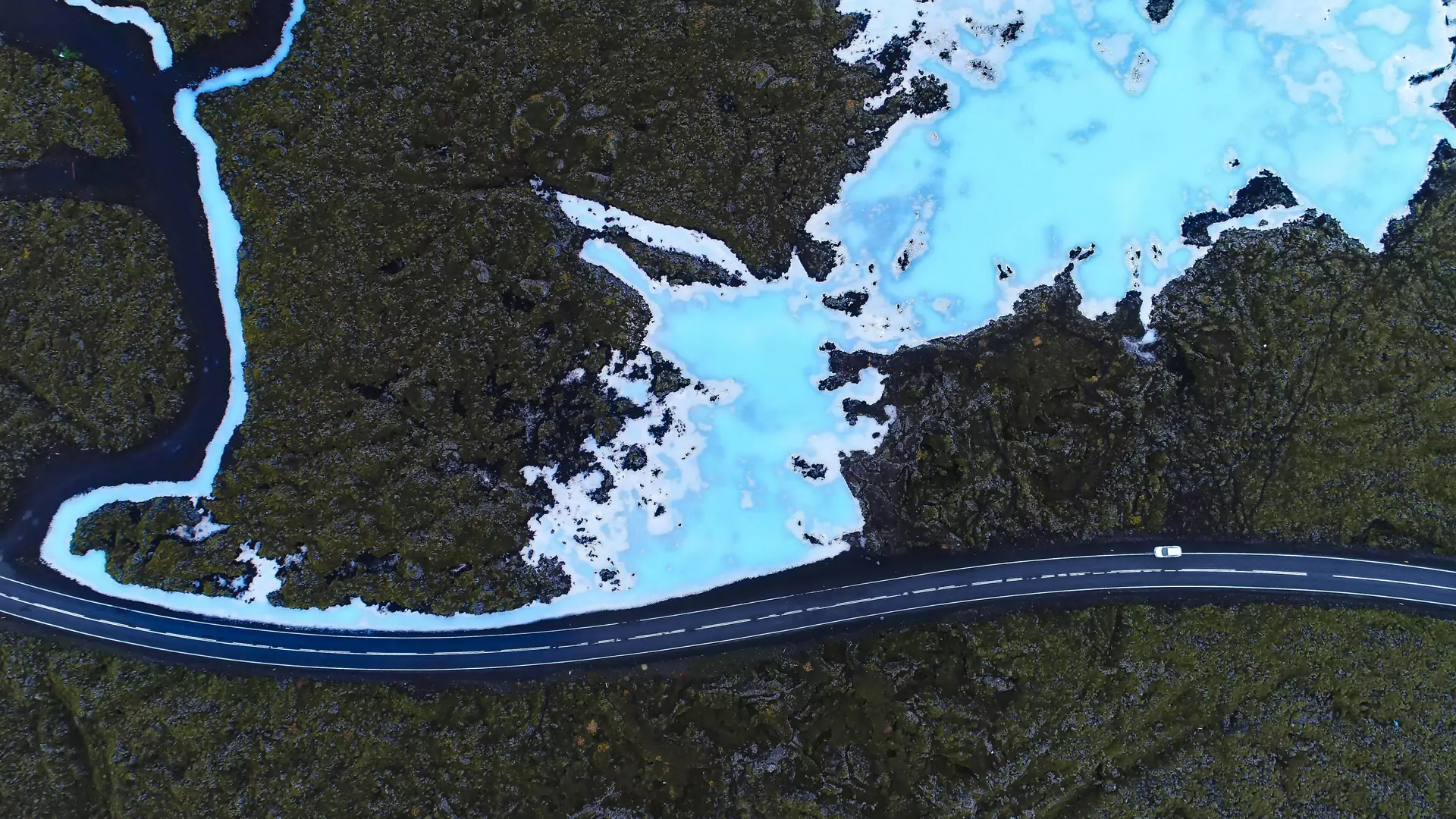
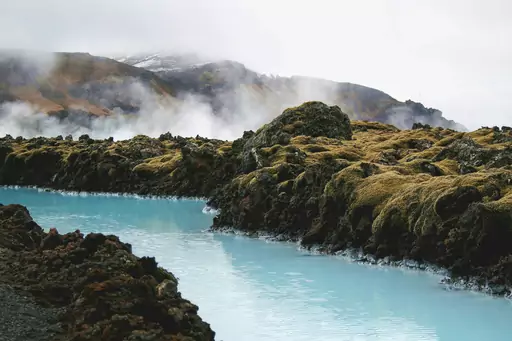
The Blue Lagoon in Iceland is a geothermal spa surrounded by stark volcanic landscapes. Its waters reach temperatures between 37 and 39 degrees Celsius creating a warm contrast to the cool air above. The water’s high mineral content includes silica and sulfur which many visitors find soothing for skin conditions. A visit here feels like stepping into an otherworldly environment where steam rises from the ground and the sky remains mostly clear year-round.
Accessing the lagoon requires a short drive from Reykjavik or a stop during road trips across Iceland’s south coast. The site operates under strict environmental rules to protect its delicate ecosystem. Visitors follow guided paths to avoid disturbing wildlife and maintain cleanliness. Many choose to soak in the main pool while others explore smaller hot tubs positioned near the edge where the water meets black lava rocks.
Photography thrives here due to unique lighting conditions especially during winter months when low sun angles cast long shadows across the steamy surface. The lagoon’s popularity means crowds can appear but early mornings or late afternoons often provide quieter moments. Nearby accommodations include modern hotels designed with sustainability in mind offering easy access without compromising comfort.
Beyond relaxation the area supports local research into geothermal energy and water purification techniques. Scientists study how minerals interact with skin tissues while engineers monitor temperature fluctuations to ensure safety. For travelers seeking both natural wonder and practical innovation this site represents a balance between human activity and environmental respect making it a meaningful stop on any Icelandic journey.
The Blue Lagoon in Iceland is accessible via several transportation methods. The nearest airport is Keflavík International Airport, located approximately 50 kilometers away. Visitors can rent a car from the airport or join guided tours that include transport to and from the site. Public buses operated by Strætó run between Reykjavik and the Blue Lagoon, with stops at nearby towns like Grindavík. Taxis are available but more expensive. The location is situated in a lava field near Grindavík on the Reykjanes Peninsula, offering scenic views en route via Route 41 or the coastal road (Route 41/42). Advance booking for transfers is recommended during peak seasons.
The area around the Blue Lagoon offers a mix of boutique lodges and luxury resorts that cater to both budget travelers and those seeking indulgence. Boutique guesthouses in nearby Grindavík provide cozy rooms with local décor, often featuring geothermal heating and private hot tubs at modest rates. Mid‑range hotels in Hella or Keflavík offer comfortable suites, complimentary breakfast and easy shuttle service to the lagoon, typically priced between ISK 120 – 200 (£0.74 – 1.24) per night. For a premium experience, high‑end resorts boast infinity pools overlooking volcanic landscapes, spa treatments using mineral-rich waters and gourmet dining; nightly rates can reach ISK 400 – 600 (£2.47 – 3.71). The region is renowned for its geothermal-themed accommodations, where guests enjoy natural hot springs integrated into the architecture, creating an authentic Icelandic wellness atmosphere.
Log in to add this place to a travel list and get a summary of all recommended items for your whole trip.
We calculate the average costs when travelling to destinations and compare those with the living costs at your home. With this you can get an estimate of how expensive or cheap the destination is for you.
To customise this, you can set up which location and price level are used for the calculations in your account settings.
The exchange rate price factor shows how expensive or cheap a currency currently is compared to its historical average. It's a quick way to see if a country is currently more or less affordable due to exchange rate changes.
